Post Contents
- Why the Stone Forest in Yunnan Captivates as a UNESCO Geological Wonder in China
- Kunming to Shilin Getting There Smoothly for a Kunming City to Stone Forest Shilin Bus Taxi Tour
- Exploring the Major Stone Forest Maze on Foot for a Stone Forest Hike Karst Maze Tour Routes in Shilin, China
- Naigu Stone Forest Tour of Caves and Butterfly Spring in China
- Local Sani Culture and Yi Stories Woven Through Stone in the Stone Forest, Shilin
- F.A.Qs: Stone Forest travel essentials
- What Stayed With Me After Shilin in the Stone Forest
Why the Stone Forest in Yunnan Captivates as a UNESCO Geological Wonder in China
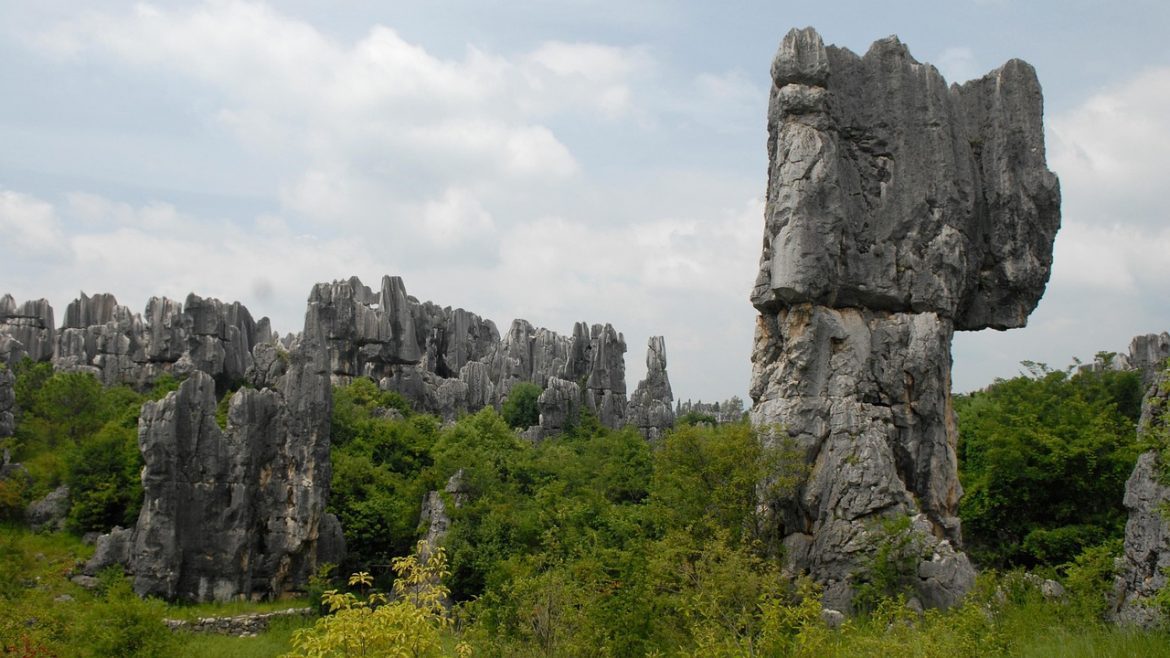
Stone Forest Yunnan UNESCO geological wonder China—those words still don’t quite prepare you for the first sight: stone pillars pointing to the sky, as if the ground decided to grow a skyline overnight. The Stone Forest is a rare landform, shaped through millions of years, and it leaves with instant wonder even for seasoned travellers who think they’ve “seen it all”.
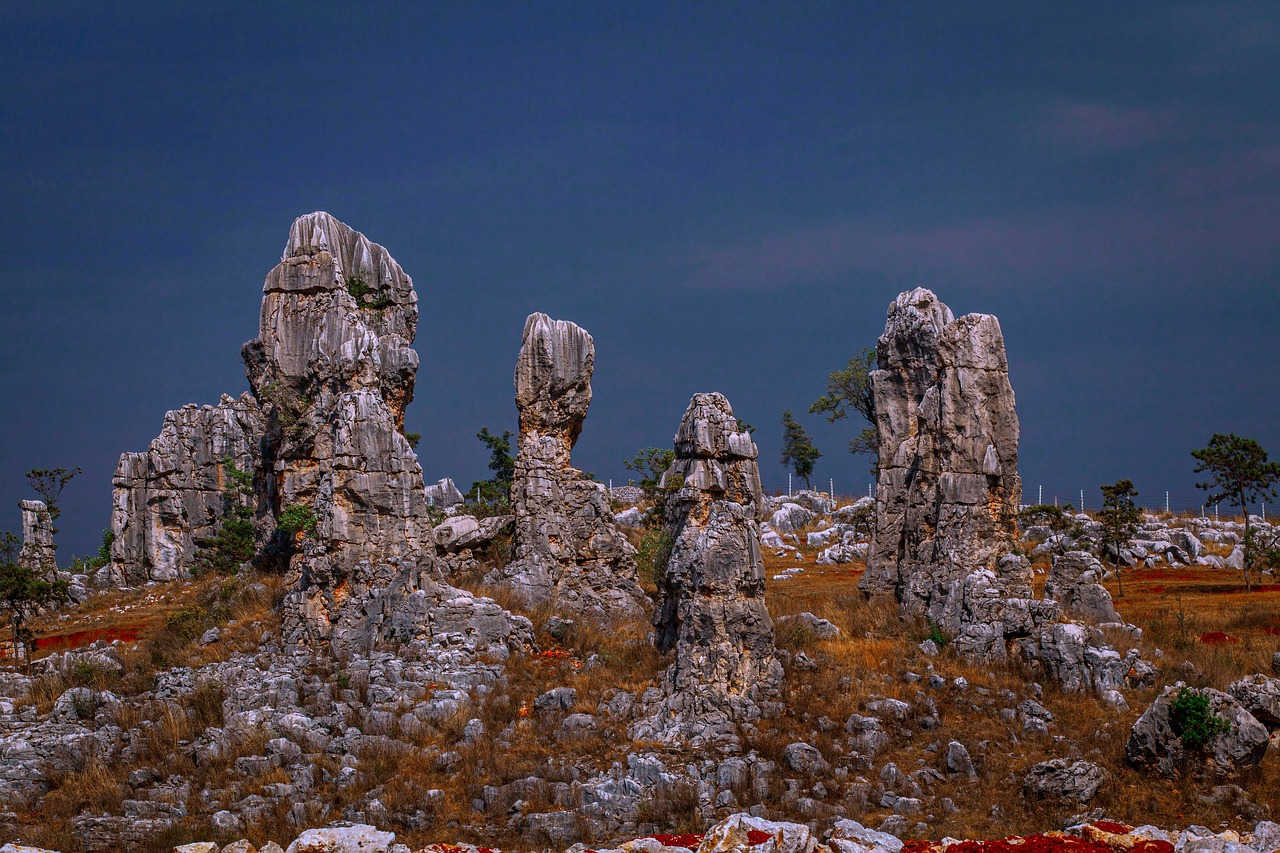
Why the Stone Forest in Yunnan Captivates in Shilin with dramatic stone pinnacles
Geological time, you can actually feel
One clear fact helps the imagination lock in: many of the limestone formations began around 270 million years ago in the Carboniferous, when this area sat under an ancient sea. Later uplift and erosion did the patient work—water seeping, dissolving, and reshaping—until today’s karst landscape formed its surreal towers and knife-edged ridges. A geologist might talk about uplift rates and dissolution, but you’ll feel it more simply as scale: time, crafted into stone.
Orient yourself inside the greater Stone Forest
The attraction most people mean is the Stone Forest scenic area, but it sits within the larger Stone Forest region—something to keep in mind before you plan your day. The major stone forest is the headline maze, while the stone forest area also includes the minor stone forest and the lesser stone forest, each with its own rhythm and scenery. This matters for high-end travellers: you can create a day that feels seamless rather than chaotic, even when Chinese tourists arrive in waves.
The site’s UNESCO World Heritage status protects both the geology and the wider ecosystem, guiding preservation-focused tourism and keeping development in check. Expect a big, popular place, but don’t worry—navigation becomes easy once you commit to a simple plan: pick one primary loop, then allow time to uncover softer corners beyond the first viewpoints.


Kunming to Shilin Getting There Smoothly for a Kunming City to Stone Forest Shilin Bus Taxi Tour
Kunming city to Stone Forest Shilin bus taxi tour—this is the practical backbone of a relaxed day. Most travellers start in Kunming, then head to Shilin Yi Autonomous County (an autonomous county in Yunnan) by coach, taxi, or a guided tour, depending on how much support you want.
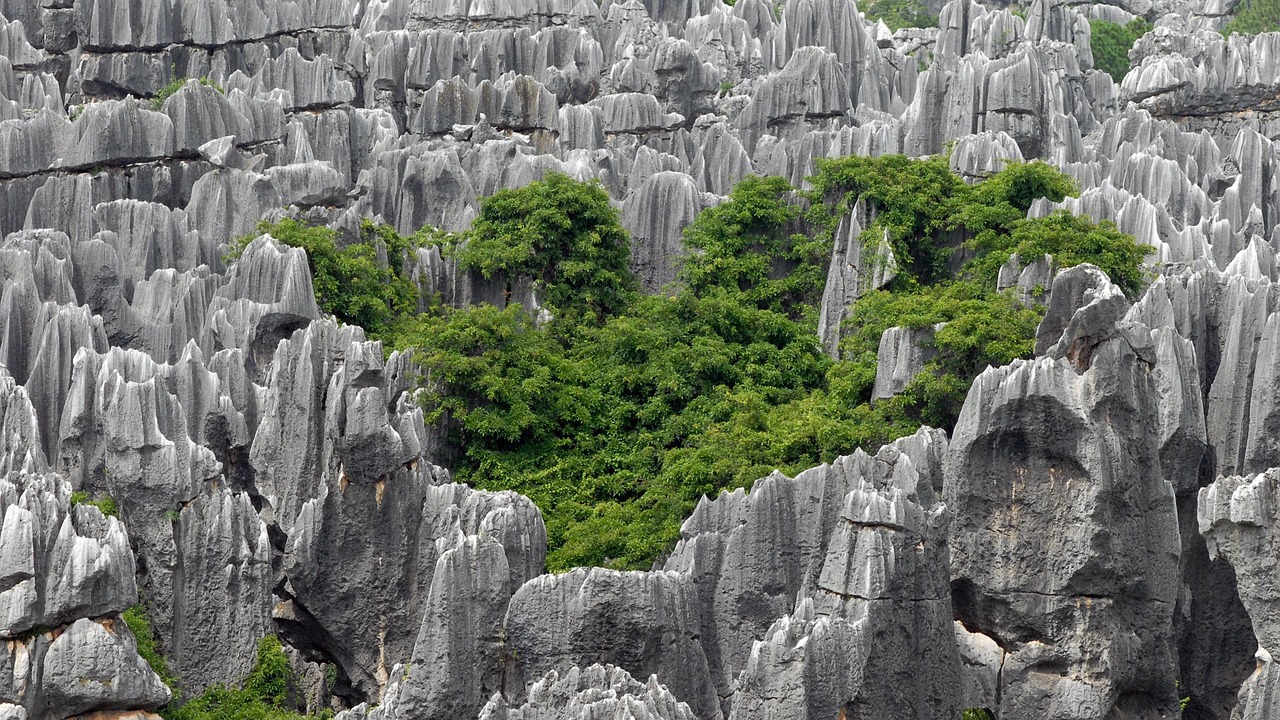
Kunming to Shilin Getting There Smoothly with an easy road journey to the Stone Forest
Bus, taxi, or a private tour with confidence
The simplest budget-friendly option is the bus from the east bus station; on tickets, “Kunming east” is the wording you’ll typically see. Travel time is usually around 1.5 hours, depending on traffic, and the route is roughly 90 km (about 56 mi)—a helpful distance to picture when you’re planning energy levels for a hike. If you’d rather not manage queues, a taxi is straightforward, but agree on the price in advance.
For high-end travellers, a private tour can feel like the best of all worlds: a calm schedule, a local driver, and an expert guide who makes the landscape meaningful without rushing you. When comparing tour operators, look for clarity on inclusions, pacing, and whether they’ll adjust the day if the weather turns—trust is built in the small details.
Timing for sunrise attempts and quieter paths
If you’re chasing that magical sunrise moment, aim to arrive as early as opening allows. Light is gentler, crowds are thinner, and the dense cluster of pinnacles reads like sculpture rather than a backdrop to someone else’s selfie. Keep your plan flexible: on misty mornings, the Stone Forest can feel even more cinematic, but wet rock underfoot deserves extra care.
- Comfort pacing: plan at least one unhurried tea or water break before the longer walking loops.
- Costs: entry fees are about 175 RMB, with discounts often offered for students and seniors.
- Carry: water, sun protection, and a light layer—plateau weather can shift quickly.
If you’re building a wider itinerary, you can explore ideas in our Trip gallery and design a route that balances culture, comfort, and adventure.
Exploring the Major Stone Forest Maze on Foot for a Stone Forest Hike Karst Maze Tour Routes in Shilin, China
Stone Forest hike, karst maze tour, routes, Shilin, China—this is where the day becomes physical, immersive, and oddly intimate. Inside the major stone forest, pathways weave between rock formations that look deliberately sculpted: a mushroom cap here, lotus flowers there, and occasional human figures hidden in profile if you pause long enough to see them.
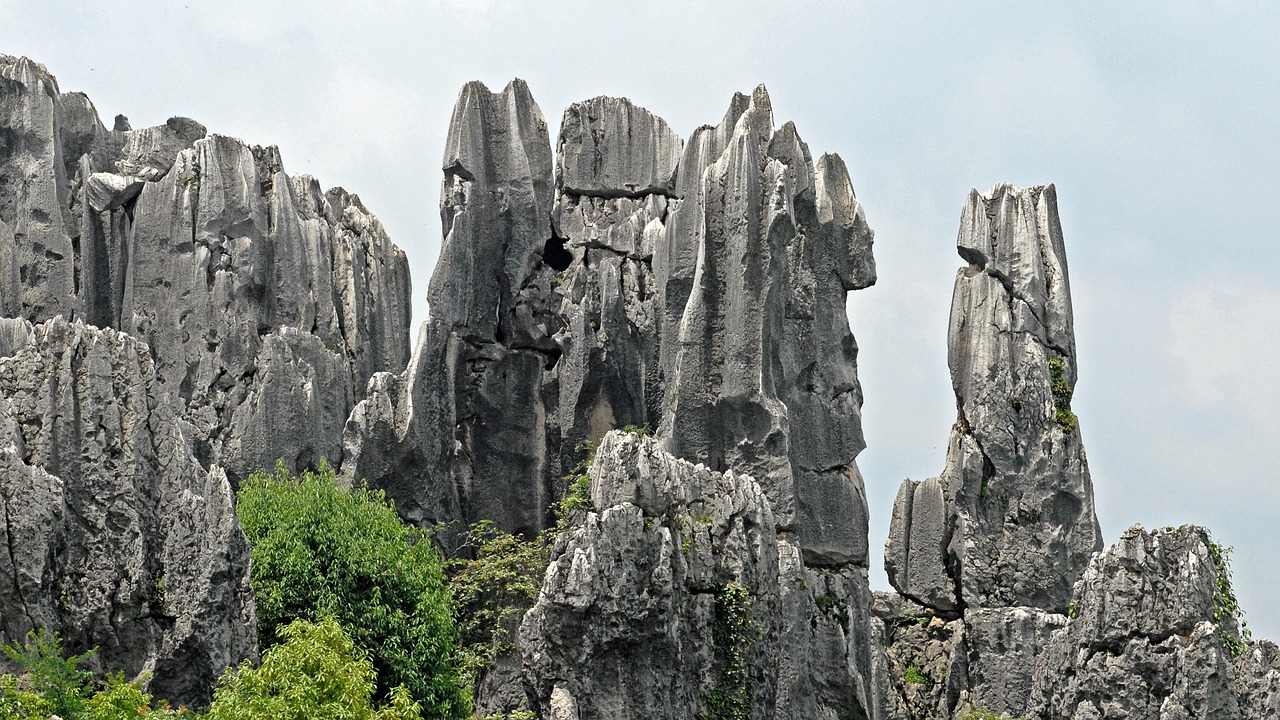
Exploring the Major Stone Forest Maze on Foot through Shilin’s narrow paths
A route that feels adventurous, not overwhelming
Start with the main loop and commit to staying on marked paths—both for safety and for preservation. The adventure edge arrives naturally: narrow rock paths, uneven steps, and a tower-like spur where you can look back and see how the “forest” idea makes sense—a dense forest of stone, not trees. Sturdy shoes matter here, and so does a steady pace; the Stone Forest rewards those who move slowly enough to notice detail.
Bring plenty of water, and let your body set the rhythm. Even if you’re fit, the ground can be deceptively tiring: small changes in elevation, constant turning, and the mental effort of navigating a maze. This is where confidence comes from preparation, not bravado.
Wangfeng Pavilion light and the Ashima pause
For photography, the viewpoint near Wangfeng Pavilion is a standout—especially when the sun angles across the limestone ridges, turning sharp lines into softer gradients. If you’re with a local guide, this is also a natural moment for folklore: the story of Ashima is often shared here, not as a lecture but as a way to see the Stone Forest as a living conversation between people and place.
To create your own calm, step aside whenever you find a quieter spur, then simply listen—footsteps, wind, and the faint echo of distant voices. Many travellers are surprised by how easily they can uncover solitude inside such a famous attraction, and that quiet can feel deeply personal.
Naigu Stone Forest Tour of Caves and Butterfly Spring in China
Naigu Stone Forest tour caves Butterfly Spring China—if the main area is the grand theatre, Naigu is the after-hours gallery. It’s a calmer counterpoint to the Stone Forest core, ideal for travellers who want serene space, slower walking, and more room to reflect.
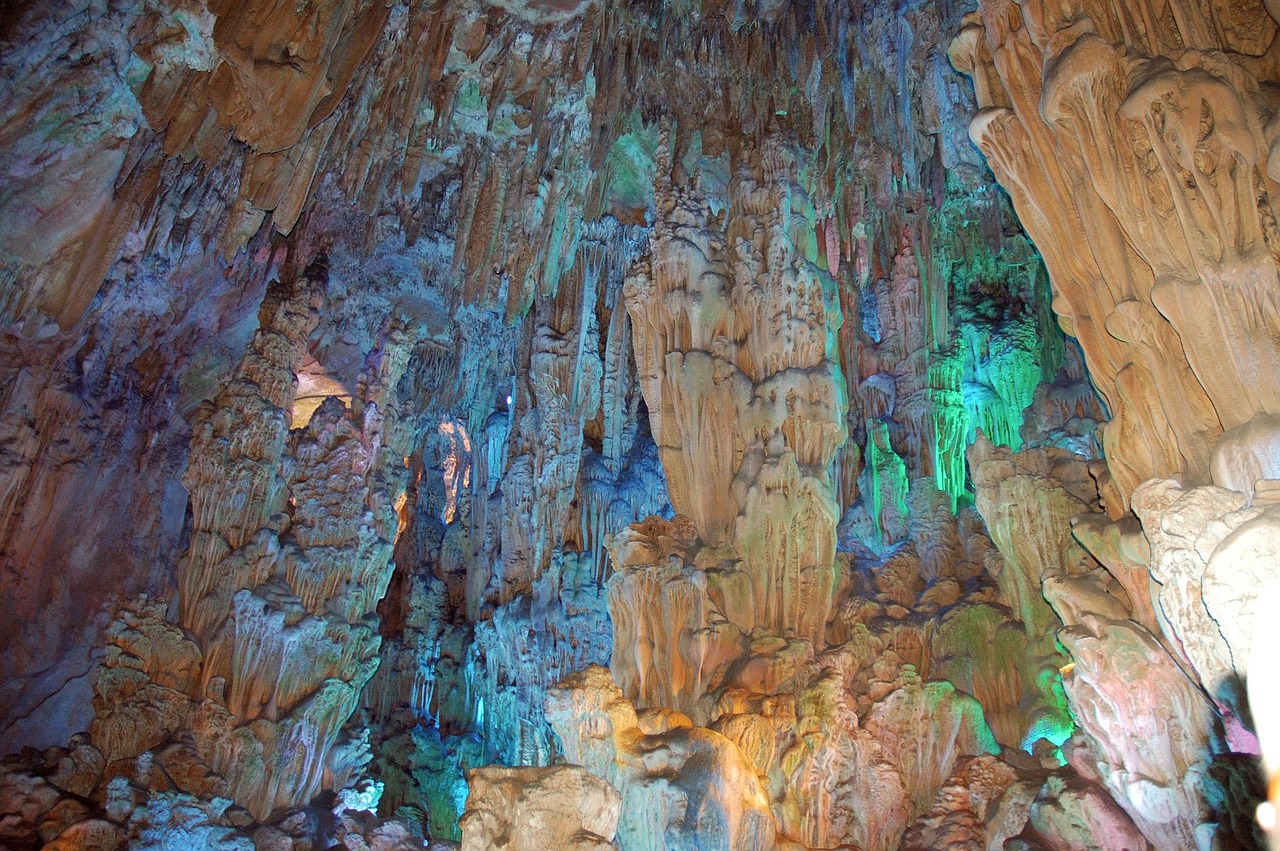
Naigu Stone Forest caves and Butterfly Spring with quiet trails near Shilin
Naigu karst caves and an underground sense of time
Naigu’s karst caves feel like an indoor extension of the landscape, with dripstone textures and stalagmites that can look like a frozen candle mid-melt. In places, you’ll move through a small stone passage that feels almost curated—nature’s own corridor, crafted without haste. The air is cooler here, and sound carries differently; it’s a subtle reset if the main Stone Forest has been stimulating.
Butterfly Spring, lake reflections, and a waterfall hush
Butterfly Spring is a gentle highlight, and on a good day, you may also catch a nearby lake surface reflecting the jagged skyline. There’s sometimes a small waterfall note in the soundscape—nothing dramatic, just enough to soften the scene and invite you to linger. For photographers, Naigu can be kinder: fewer people drifting into frame, and more time to wait for light.
- Footwear: choose shoes with grip; wet rock can be slick around cave entrances.
- Pacing: slow down intentionally—Naigu is about texture, not ticking off viewpoints.
- Safety: trust your instincts, but anchor that trust in staying on signed routes.
For solo wanderers, Naigu offers reassurance: you can explore independently, yet still feel supported by clear paths and the presence of staff. The key is care—watch your footing, and don’t climb where the Stone Forest isn’t inviting you to.
Local Sani Culture and Yi Stories Woven Through Stone in the Stone Forest, Shilin
Sani people, Yi ethnic group, Stone Forest, Shilin local culture—this is the layer that turns dramatic geology into meaning. A good local guide doesn’t just name shapes; they share insight into Yi identity as living culture, and you begin to sense the Stone Forest as inhabited, not merely scenic.

Local Sani Culture and Yi Stories Woven Through Stone with dance near Shilin
Folklore names that make the landscape feel closer
You may hear the Ashima legend again, and also names like Azhi and Ahei—characters that carry values, humour, and longing. Guides sometimes reference Lunan, an older place-name tied to the area, and explain how language and landscape intertwine in ways outsiders can easily miss. When you receive those stories with respect, the Stone Forest becomes more than rock; it becomes memory, held collectively.
Together with respect in performances and daily life
One of my favourite moments came unexpectedly: a small cultural performance where visitors were invited to join a simple circle step. I asked before photographing, watched for consent, and kept my phone away until it felt genuinely welcomed. That small act of care changed the tone—suddenly it wasn’t tourism, it was connection.
If your visit coincides with community events, you might hear about the Torch Festival (often tied to the lunar calendar) or see traditional wrestling demonstrations. It’s never something to demand or over-plan, but it’s worth leaving space for, especially if you’re travelling with curiosity and patience.
Respect guidelines, designed to support you: greet first, ask permission, tip fairly when appropriate, and remember that “local” doesn’t mean “on display”. When you show trust and warmth, you’re more likely to be met the same way.
F.A.Qs: Stone Forest travel essentials
Where is the Stone Forest located in China?
The Stone Forest is in Shilin, Yunnan province in south-west China, around 90 km from Kunming. It sits within Shilin Yi Autonomous County, making it a straightforward day trip from the city with bus, car, or guided options.
Is Kunming Stone Forest worth visiting?
Yes—especially if you enjoy nature with cultural depth. The Stone Forest pairs dramatic karst scenery with walkable routes and local stories, so you’re not only looking at stone, you’re understanding how people relate to it. Arriving early helps you find quieter corners.
What is the best time to visit Shilin?
March to October is generally best, with warmer, drier conditions that make hiking safer and more comfortable. Try to avoid heavy rain periods, as paths can get slippery. Early mornings are ideal for gentler light and fewer crowds.
How was the Stone Forest in China made?
The Stone Forest formed from ancient limestone laid down under a sea, then lifted and carved by water over very long periods. Dissolution and erosion shaped the karst features into today’s tall spires and narrow passages, creating the maze-like landscape you explore on foot.
What Stayed With Me After Shilin in the Stone Forest
Stone Forest Shilin personal reflection China—what returns to me isn’t a checklist of viewpoints, but a quiet image of sunrise catching the edges of limestone like a thin line of fire. In that light, the shapes felt ancient and newly discovered at once, as if the day was being gently offered rather than performed.
I think about how expert guidance can change what we believe we’re seeing. A path is just a path until someone shares a story, or points out a detail you would have walked past—then the Stone Forest becomes a dialogue, not a backdrop.
And I remember the surprise of solitude: stepping a few metres away from the main flow and finding stillness in the corridors, letting my breathing slow, letting the place feel spacious. It’s a particular kind of confidence—moving carefully, trusting your footing, and choosing not to rush.
Even now, I can imagine returning in another season, when the air changes and the light shifts again across the stone. The thought doesn’t feel urgent; it feels like a gentle question, waiting for the right time to be answered.