Post Contents
- Suzhou travel guide for first-time cultural adventurers and adventure seekers
- Classical gardens of Suzhou, a UNESCO world heritage calm
- Water town day trips from Suzhou: Zhouzhuang, Tongli, Luzhi.
- Suzhou silk culture and craft workshops you can join
- Suzhou Pingjiang Road old city local food tea houses
- F.A.Qs: Suzhou travel planning
- What stayed with me after Suzhou
Suzhou travel guide for first-time cultural adventurers and adventure seekers
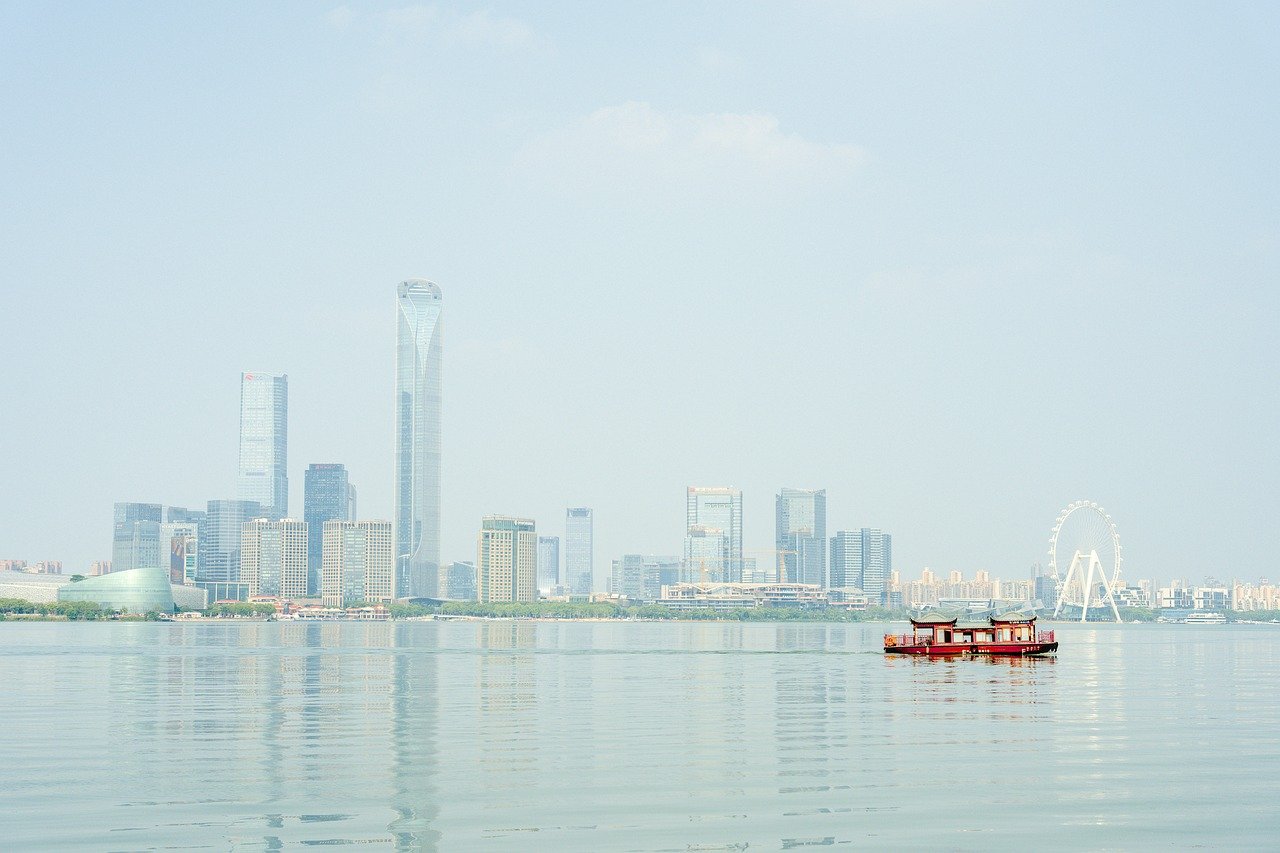
Suzhou travel guide for first-time cultural adventurers with canals and old lanes
This Suzhou travel guide for adventure seekers is your gentle entry into Suzhou without losing the thrill of discovery. Set in eastern China, within Jiangsu province, Suzhou sits in the Yangtze delta and shares its waterways with the Yangtze River system—so the city feels both ancient and modern, often in a single glance across a canal.
It helps to imagine Suzhou as two stories running together. One is all curved roofs, stone bridges and old Suzhou courtyards; the other is Suzhou industrial ambition on the outskirts, busy and efficient, powering a modern rhythm. Moving between them is easy once you understand the transport, and that confidence lets you explore more creatively.
Visit Suzhou with a sense of time and place
Suzhou’s timeline is deep and beautifully legible if you know what to look for. Its roots reach back to the Wu kingdom and the state of Wu in the 6th century BCE, with the city’s early form built in 514. Later, refinement under the Ming and Qing dynasties shaped many of the heritage sites and historic sites you’ll encounter today, from gardens to waterways to temples.
That sense of continuity is what makes Suzhou such a rewarding tourist destination for high-end travellers: you can uncover layers, not just sights. Look for small details—calligraphy above a doorway, a carved lattice window, a weathered threshold stone—crafted signals of the city’s long design intelligence.
Time to visit Suzhou and arrive with ease from Shanghai
Getting here is seamless thanks to frequent high-speed trains; the Shanghai-Suzhou run is the classic opener, and you’ll also find onward links to Nanjing and Hangzhou. If you’re choosing a railway station, pick based on your hotel location: Suzhou Railway Station is closer to the old city, while Suzhou North can suit fast connections. If you depart from Shanghai Railway Station, expect airport-style checks, clear signage, and quick boarding once your platform opens.
For your trip to Suzhou, a simple “design your days” approach keeps the experience calm: early starts for famous sites, slow afternoons by water, and one bold detour when your energy is high. If you’d like visual inspiration before you arrive, browse our Trip gallery.
- Best seasons: spring and autumn bring mild light and garden colour without the sticky heat.
- Getting around: taxis for point-to-point ease, Metro for predictable speed, bike hire for canal-side freedom.
- Daily rhythm: begin early, then give yourself a long midday break for tea, shopping, or a quiet museum visit.


Classical gardens of Suzhou, a UNESCO world heritage calm

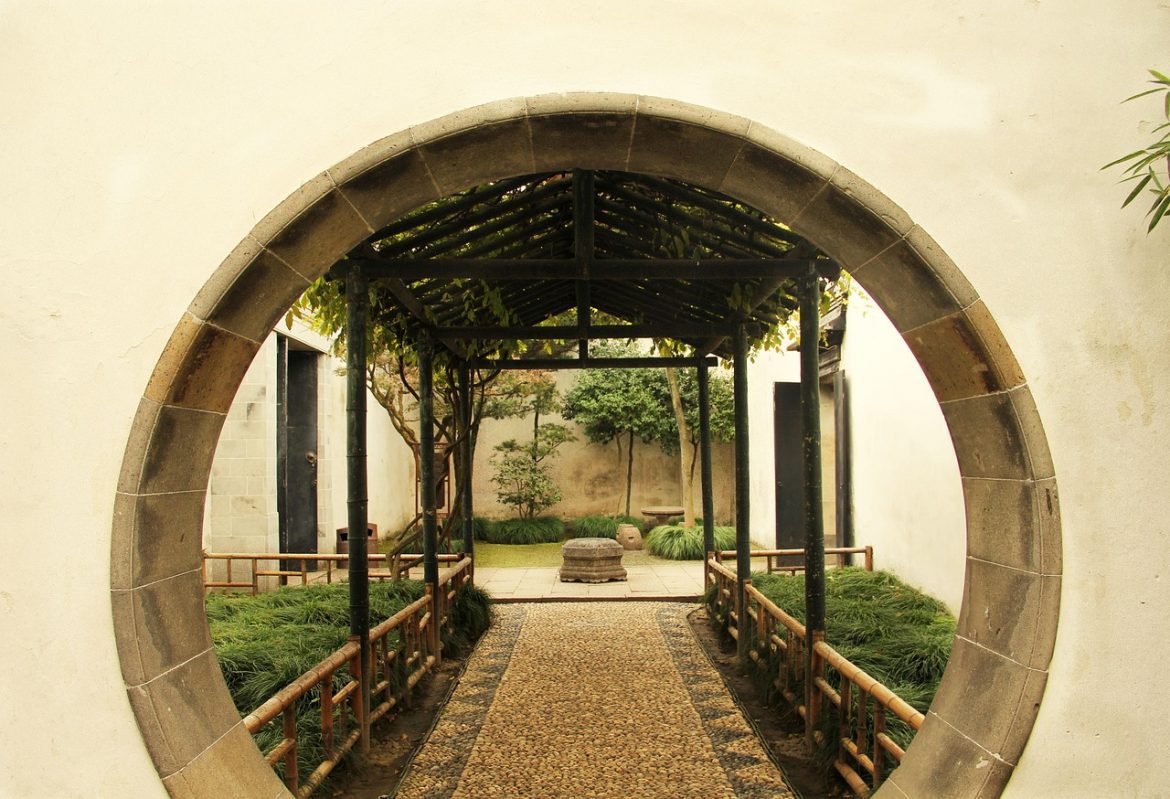
Classical gardens of Suzhou, a UNESCO world heritage calm in elegant pavilions and ponds
Start with “Suzhou classical gardens of Suzhou UNESCO world heritage” as your cornerstone theme, because the gardens are the city’s most distilled cultural experience. The UNESCO classical gardens are on the World Heritage List for good reason: each Chinese garden is designed to feel alive—rocks like mountains, water like breath, and “borrowed scenery” that pulls distant rooftops and trees into the frame.
In Suzhou, the joy is not only what you see, but how you move. Doorways are placed to slow you down, windows are shaped to edit your view, and pathways are crafted to make the next scene feel earned. These are classical Chinese gardens in spirit and technique, built for contemplation but perfect for travellers who love to explore with intention.
Suzhou classical gardens that set the pace
Plan three experiences rather than trying to “do them all”. The Humble Administrator’s Garden is spacious and poetic, best in soft morning light; the Lingering Garden is more architectural, rich in corridors and framed compositions; and the Master of the Nets Garden shines in the evening, when the atmosphere turns intimate, and the lantern glow feels almost cinematic.
A traveller once told me that early-morning walks through the Humble Administrator’s Garden revealed a tranquil beauty far from the crowded city. They noticed tiny ripples on the pond, the sound of a broom on stone, and the way mist settled around rockeries—small, personal moments that gave the day a peaceful start.
Practical care in UNESCO World Heritage spaces
Entry fees for major sites are usually around 40–70 RMB, and booking tickets online in advance can save you long queues—especially on weekends. Inside any world heritage attraction, the etiquette is simple: speak softly, don’t touch exhibits or fragile woodwork, and follow the site’s photography rules. It’s a small act of respect that protects what you came to discover.
For cultural texture, remember the long sweep: many gardens evolved from the 11th to the 19th century, with sensitive maintenance and early 20th-century restorations helping them survive. In that continuity, you’ll feel Suzhou’s quiet mastery—exquisite gardens that still offer calm, even when the city outside is busy.
Water town day trips from Suzhou: Zhouzhuang, Tongli, Luzhi.
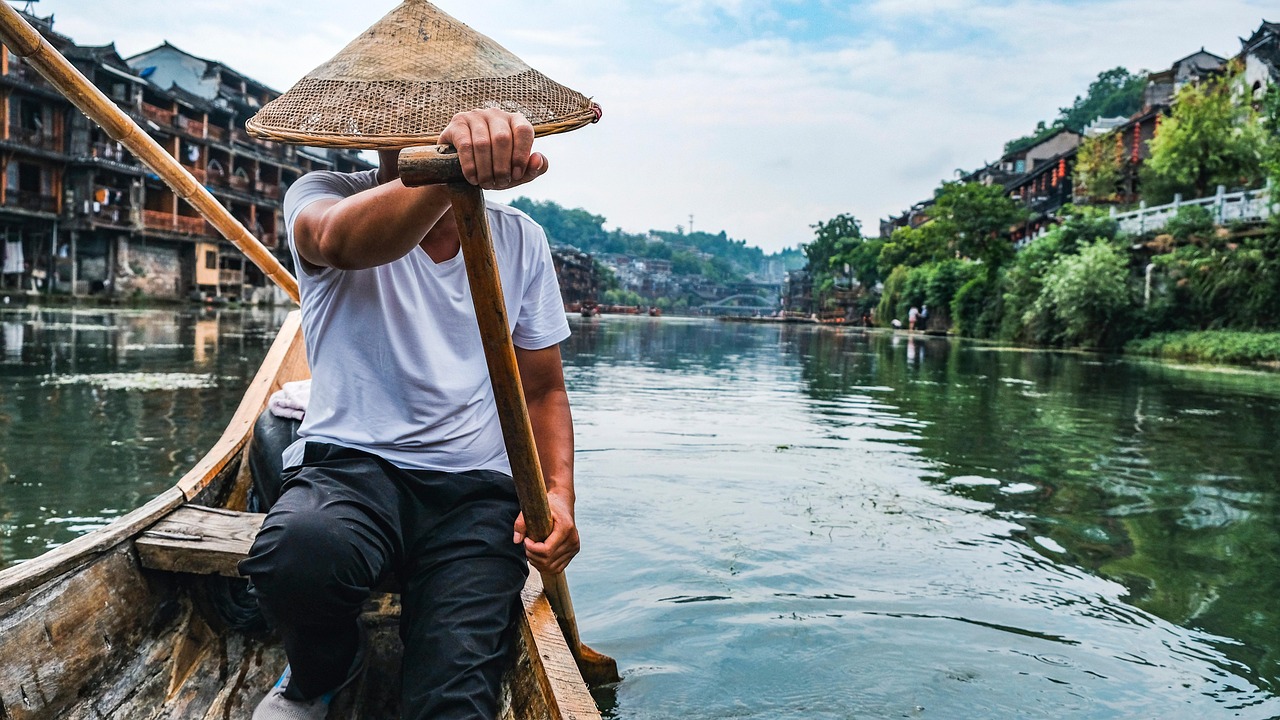
Water town day trips from Suzhou to Zhouzhuang, Tongli, and Luzhi with canals and stone bridges
To visit Suzhou beyond the centre, “visit Suzhou water town day trip Zhouzhuang Tongli” is the phrase to hold onto when planning. Zhouzhuang is the iconic postcard: arched bridges, busy waterways, and a polished visitor route. Tongli often feels slightly quieter with elegant gardens and temple pockets, while Luzhi offers a softer, more local-leaning canal mood if you’d rather trade “big sights” for texture.
These towns are not separate from Suzhou’s story—they’re extensions of it. The canal networks here connect to the Grand Canal and the broader Yangtze delta region, shaping trade, food, and daily life for centuries. If someone mentions Venice, take it as a simple visual cue: the real charm lies in Jiangsu’s distinct waterside architecture and a slower rhythm that invites you to linger.
Visit Suzhou by following the water
A visitor once described an afternoon in Zhouzhuang: a small boat ride through a narrow canal, close enough to touch the stone embankment, while chatting with friendly locals who shared stories about the town’s history. One elder pointed out a worn bridge step and called it a “relic of everyday life”—not museum-perfect, but deeply true.
That’s the most rewarding way to explore: choose fewer stops, then go deeper. Step into a courtyard, pause by a riverside kitchen window, and notice how the light changes on water as the day slides towards dusk.
Logistics and comfort for a seamless day
For adventure seekers, the best departure time is early—aim to arrive before late-morning tour groups. Buses are budget-friendly, but a private transfer is the easiest high-end option if you want to create a calm schedule; alternatively, you can use local rail via Kunshan for certain routes, then connect onward. Cashless payments are widely used, yet it’s wise to carry a little cash for small snacks or temple donation boxes.
- Footwear: cobblestones and bridges can be slick, so bring shoes with a good grip.
- Security: Stay alert at crowded photo spots and keep valuables secure.
- Respect: dress modestly in temples and speak gently in heritage courtyards.
Suzhou silk culture and craft workshops you can join
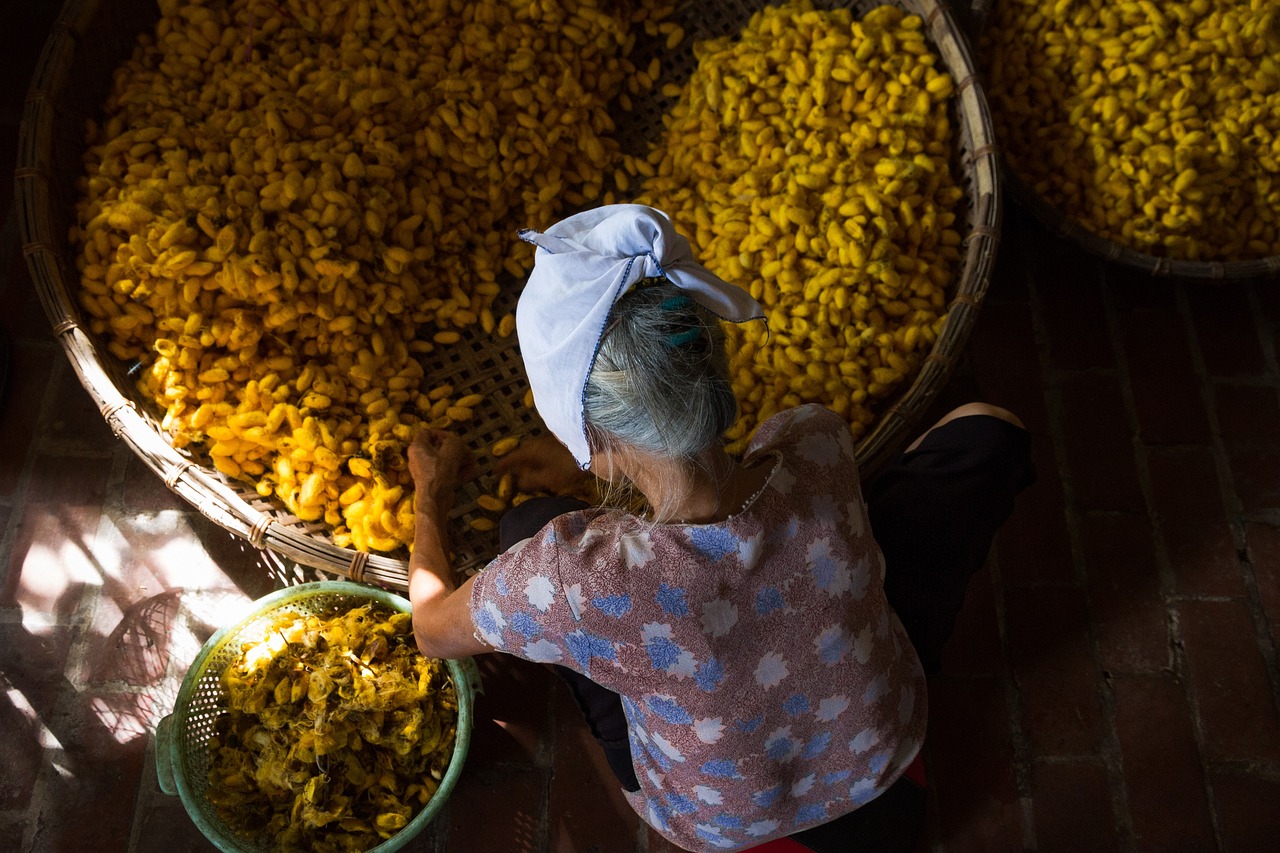
Suzhou silk culture and craft workshops you can join at the Suzhou Silk Museum
If you’re craving hands-on culture, “Suzhou Silk Museum silk trade embroidery workshops” is the perfect theme for a day of crafted insight. At the Suzhou Silk Museum, you’ll see why Suzhou’s place in the silk trade once mattered to the whole region: mulberry leaves, silkworm cocoons, and the patient transformation into thread and cloth through live demonstrations.
Approach it with respectful curiosity. Ask thoughtful questions—how long a cocoon takes, how thread is reeled, how patterns were chosen for different social roles—and you’ll often receive warm, detailed answers. This is one of the most reassuring spaces for travellers to Suzhou who want to understand, not just observe.
Choosing studios for embroidery and fan-making
Beyond the museum, consider a traditional Chinese craft workshop. Suzhou embroidery is famously fine, and fan-making offers a satisfying “finished object” you can take home. Choose reputable studios by checking that they explain materials clearly, provide patient instruction, and package materials—flat boxes for fans, sturdy tubes for scrolls, and tissue layers for textiles.
A family once recounted the joy of a silk-making workshop where the kids learned the ancient craft hands-on. Watching children handle thread carefully—learning trust and care through making—turned a souvenir into a shared story, and gave Suzhou’s artisanal heritage a personal, lasting meaning.
An evening of Kunqu opera and intangible heritage
For a cultural night that feels truly rooted, book Kunqu opera, recognised as intangible heritage. Listen for the delicate singing and the almost weightless shifts in rhythm; watch how costumes and gestures convey classical Chinese stories without needing translation. If it’s your first opera evening, venue staff or an expert guide can support you with seating suggestions and a few cues on what to watch for.
Etiquette is straightforward: arrive a little early, keep your voice low, and follow filming rules (some performances allow photos only before the show). With those small courtesies, you’ll feel at ease—and surprisingly connected.
Suzhou Pingjiang Road old city local food tea houses
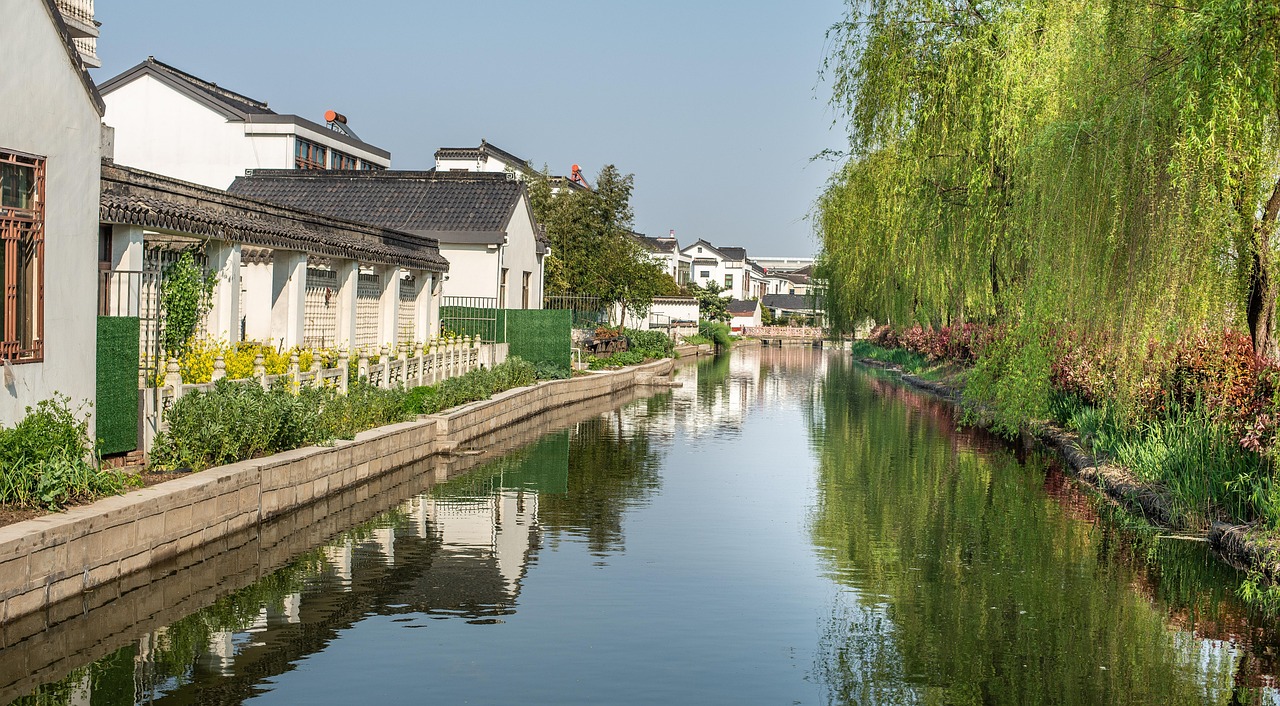
Suzhou Pingjiang Road old city local food tea houses beside the canal at night
For an evening that balances charm and flavour, “Suzhou Pingjiang Road old city local food tea houses” is your ideal plan. Pingjiang is the kind of place where you design your own pace: a slow canal-side walk, a peek into small courtyards, then a pause in a tea house where the room smells faintly of roasted leaves and warm wood.
Pingjiang Road also shows Suzhou’s easy blend of old and new. You’ll pass lantern-lit shops selling delicate crafts, then turn a corner and find contemporary cafés tucked into restored buildings—proof that old city life can be both preserved and lived.
Pingjiang moments that feel genuinely local
A solo adventurer once shared how tea house owners along Pingjiang Road invited them to sample rare local teas, turning a simple stroll into a memorable cultural exchange. There was no sales push—just conversation, a few quiet laughs, and the kind of hospitality that builds confidence in a place. Those moments are why Suzhou city evenings can feel so personal.
To deepen the night, add nearby top attractions. The Suzhou Museum offers a clean modern counterpoint in architecture and light, while the city wall area can be a bolder walk if you want fresh air and wider views. Tiger Hill is another classic detour, famous for the leaning tower of China—an off-kilter silhouette that feels like a dare to photographers and history lovers alike.
Food guidance and smooth planning after dark
Local cuisine is part of the cultural heritage here, so try sweet-and-sour Mandarin fish if you want a signature dish with theatre on the plate. For lighter bites, choose local snacks from small counters—look for simple photo menus, or politely point and ask. Suzhou-style mooncakes are a lovely takeaway, especially if you’re heading back to your hotel by the canal.
- Ordering help: when menus are only in Chinese, ask staff for a recommendation and mention any allergies clearly.
- Getting home: check the last Metro time, or have your taxi app ready before you settle in for a long tea.
- Night comfort: in crowded stretches, keep your bag closed and stay aware without losing the joy.
F.A.Qs: Suzhou travel planning
What is Suzhou known for?
Suzhou is known for its classical gardens, many of which are recognised on the UNESCO World Heritage List, as well as its canal culture, historic streets such as Pingjiang, and refined arts, including silk and embroidery. It’s also a gateway to nearby water town scenery.
How long is the bullet train from Shanghai to Suzhou?
The bullet train from Shanghai to Suzhou typically takes 25-35 minutes on the fastest services, depending on the departure station and the specific train. Allow extra time for security checks and finding your platform.
Is Suzhou, China, worth visiting?
Yes—Suzhou is worth visiting if you enjoy culture with depth. You can explore world-class gardens, discover canal-side neighbourhoods, and add water town day trips, all with comfortable transport links and a calm, high-end pace.
Is Suzhou foreigner-friendly?
Suzhou is generally friendly to foreigners, especially at major attractions and well-known districts. Staff may speak limited English, but signage is improving, and travellers who approach with patience, respect, and a translation app usually find the city welcoming and easy to navigate.
What stayed with me after Suzhou
Suzhou reflections after exploring classical gardens come quietly, usually when you least expect them. Weeks later, you might still remember the way light slid across water, or how a corridor in one of the classic gardens framed a single leaf like a painting. Suzhou’s calm is not an “activity”; it’s a feeling you carry, a gentle steadiness that settles into your pace.
What stays with you is often small: a shared glance with a boatman on the canal, a soft “thank you” exchanged in a shop doorway, the sound of slippers on stone in an almost-empty garden. There’s a particular reassurance in Suzhou’s welcome, and a sense that with care and curiosity you can belong, even briefly.
You may also notice how trust changes the journey. When you move respectfully—pausing in temples, lowering your voice in courtyards, following a host’s lead in a tea house—the city responds. Suzhou’s and Suzhou’s gifts are rarely loud; they are offered through atmosphere, through local warmth, through quiet expertise that invites you to look again.
Perhaps that’s why Suzhou is a good place to return to in another season: not to tick off more sights, but to deepen a relationship with the place. The next time, the gardens might feel more spacious, the water town lanes more familiar, and the questions you ask more thoughtful. And somewhere between the first cup of tea and the last evening walk, you may find yourself wondering what other corners of the Yangtze delta still have stories waiting, patiently, to be uncovered together.