Post Contents
- Florence to Venice: travel options by high-speed train, bus, car, or plane.
- Train booking from Firenze SMN to Venezia Santa Lucia: Italo vs Trenitalia, train ticket tips, and train times
- Firenze before you depart: Uffizi, Boboli Gardens, Duomo, and getting from Florence to the station
- Trip from Florence via Bologna: Tuscany flavours, Chianti wine tasting, and a scenic itinerary to Venice
- Visiting Venezia after arrival: Santa Lucia Station to quiet canals, a walking tour, and a gondola ride
- F.A.Qs: Firenze to Venezia travel by train, bus, and beyond
- Leaving Venice: what stays with you after Florence and Venice
Florence to Venice: travel options by high-speed train, bus, car, or plane.
Florence to Venice: ways to travel in style for a refined, centre-to-centre journey
When you’re weighing ways to travel between Florence, Italy, and Venice, Italy, the right choice isn’t only about speed—it’s about the travel experience you want to create. Premium travellers often prioritise seamless centre-to-centre comfort, predictable timing, and a sense of calm, whether you’re departing after centuries of art in Firenze or arriving at the water-laced hush of Venezia.
The distance between Florence and Venice is modest by Italian standards, and that’s good news: you can keep the day elegant rather than endurance-based. For most travellers, train is the fastest and most reliable option—yet there are moments when a private driver, a coach, or even a flight comparison makes sense, depending on your travel style and priorities.
Travel options from Firenze to Venezia: compare train, regional trains, bus, and private transfers
High-speed train: Best for ease and polish. You glide from the station in Florence to the station in Venice with reserved seating, wi-fi, and minimal fuss. It’s a classic travel option when you want the day to feel crafted.
Regional trains: A slower, more local rhythm, sometimes with connections. They can be pleasant, but they’re less aligned with a premium itinerary when you want certainty, space, and fewer variables.
Bus: The bus can be a good value, but it’s rarely the most refined. If you do choose it, select a reputable operator—Flixbus is a common choice—and build in extra time for traffic, boarding, and comfort breaks.
Car or plane: Comparisons can look tempting on paper. A private car is wonderful if you want a scenic detour through Tuscany or you’re travelling door-to-door with substantial luggage; a plane is usually the least seamless, because the airport, security, and transfers add layers that rarely feel luxurious on this short route.
Timing, crowds, and comfort: planning a trip with a traveller-first mindset
Travel times and pricing can vary by day of the week, with Fridays and Sundays often busier on popular services. If you’re hoping for quieter carriages and calmer platforms, mid-week travel can feel notably more relaxed—particularly in spring (April–June) and early fall (September–October), when the weather is kind, and crowds are lighter.
Airport considerations matter mainly if you’re linking Italy’s cities to international flights. Florence airport is compact and convenient, while Venice’s area airport options (including Marco Polo) can be useful for onward travel—yet for moving between Florence and Venice, rail typically remains the most seamless way to make the journey.
Everything you need to know before you commit, so you travel with care and confidence:
- Tickets in advance: secure seats early for better choices and fewer compromises.
- Luggage: pack so you can lift and stow your case without stress; keep valuables close and accessible.
- Wi-fi: common on fast services, but download essentials (maps, reservations) just in case.
- Dress: elegant yet comfortable layers help you handle station temperatures and platform walks.
If you’d like inspiration for tailored routes and elevated stays, browse our Italy trip gallery—a helpful starting point when you’re planning a trip built around your pace.




Train booking from Firenze SMN to Venezia Santa Lucia: Italo vs Trenitalia, train ticket tips, and train times
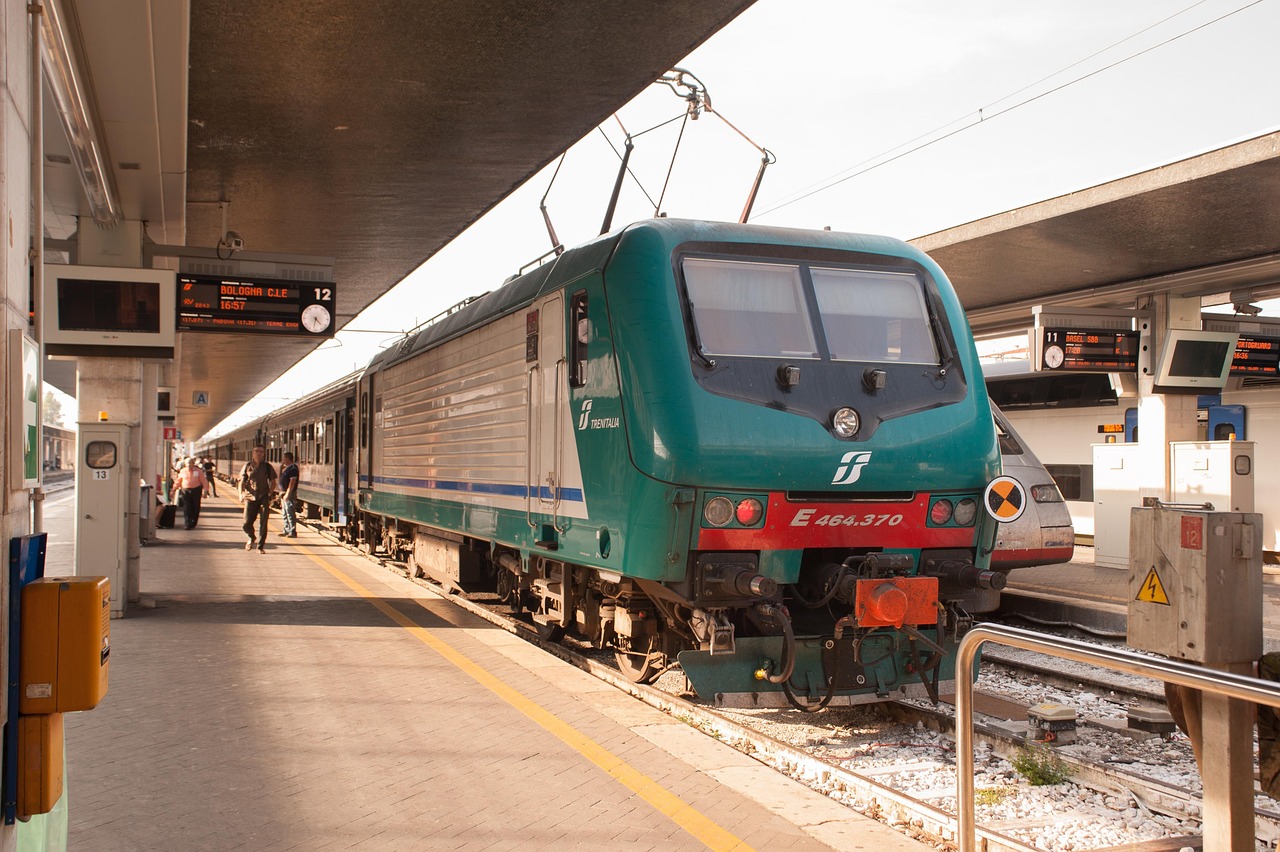
Train from Firenze to Venezia: booking Italo and Trenitalia for premium comfort
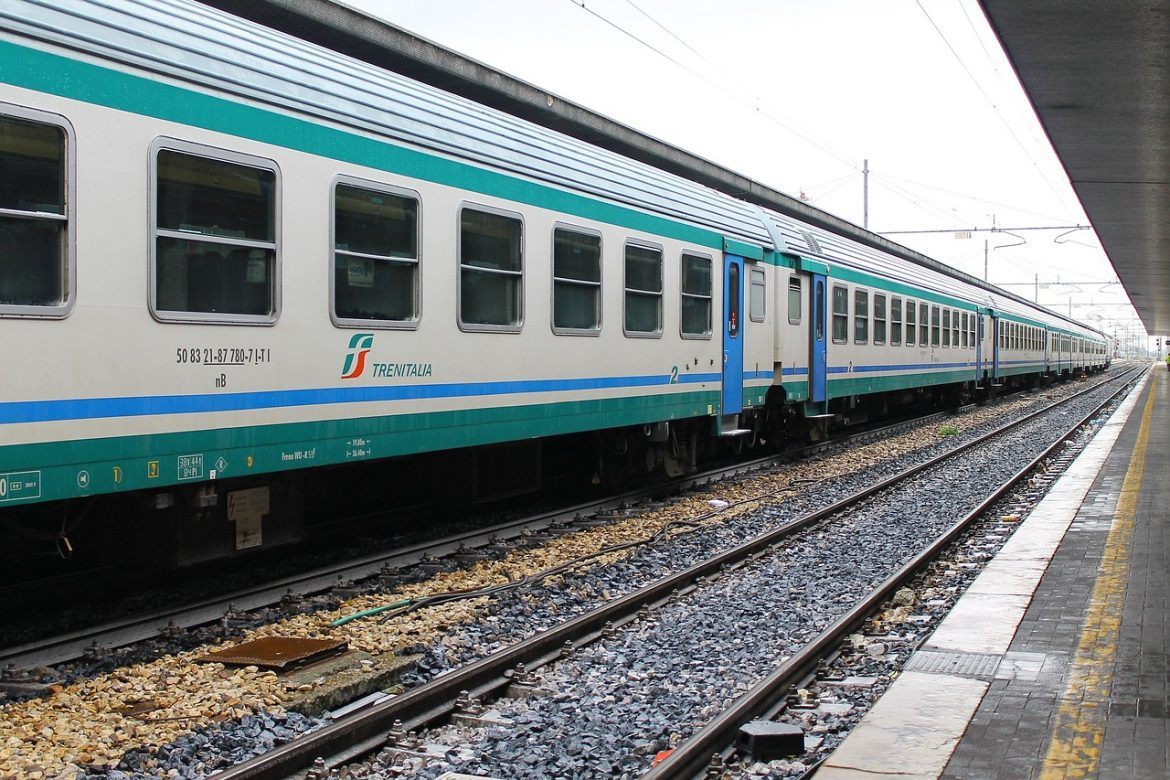
The simplest way to understand the train from Florence to Venice question is to picture the route as a clean, centre-to-centre glide. You depart from Florence at Santa Maria Novella station—also written as Firenze SMN—and arrive in Venezia at Santa Lucia; for most travellers, that means stepping straight into the city without airport transfers.
If you’re deciding whether to take the train, the biggest luxury is the feeling of control: reserved seats, consistent timings, and the ability to read, work, or simply watch Italy’s landscape shift outside the window. For many travellers, it’s the most reassuring way to get from Florence to Venice.
Italo vs Trenitalia: Italy’s high-speed trains, Frecce services, and onboard comfort
Both Italo and Trenitalia run Italy’s high-speed trains on this corridor, and either can suit a premium itinerary. Italo often feels sleek and contemporary, while Trenitalia’s Frecce services—including Frecciarossa—offer excellent frequency and a long-standing reputation.
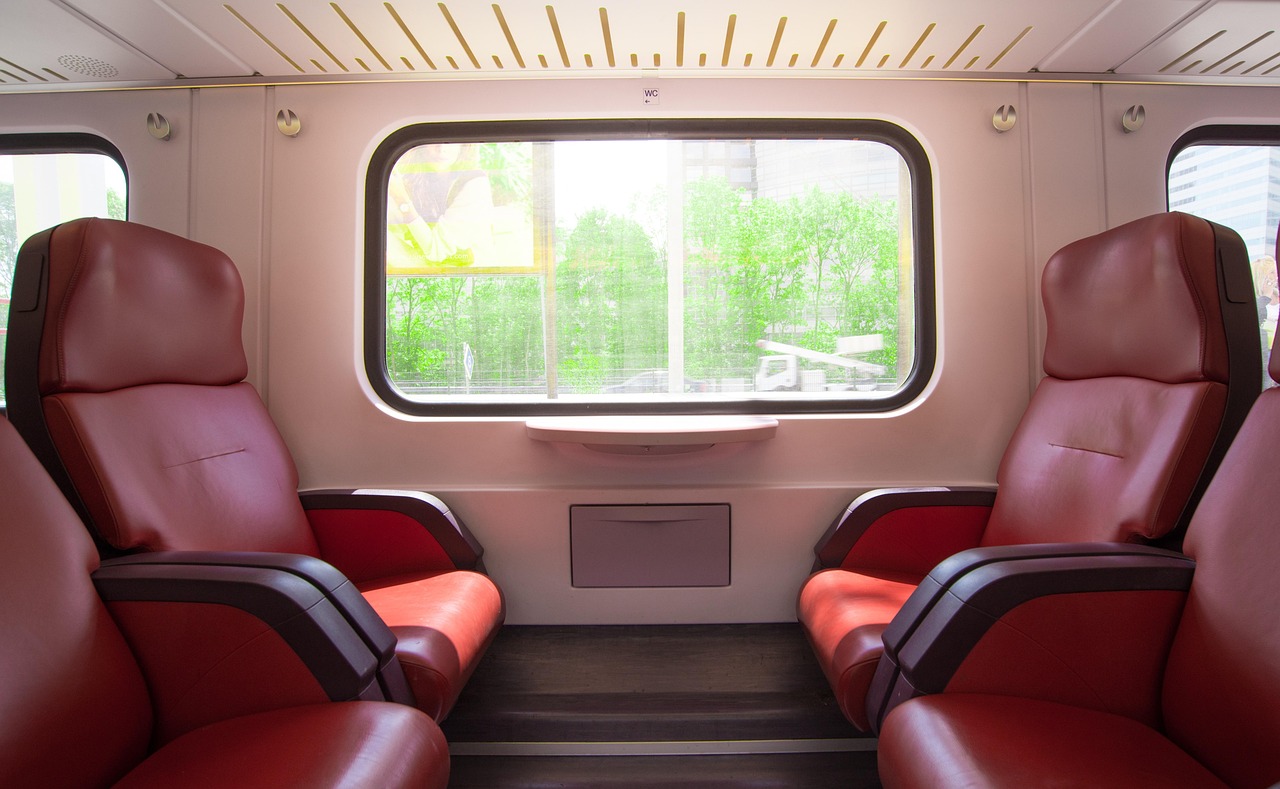
In practical terms, look for comfortable seating, reliable Wi-Fi, power points, and the confidence of a reserved seat. If you value quiet, consider premium or business-style cabins where the ambience is more subdued—ideal if you’re easing out of a museum morning in Firenze.
How to book your ticket, check train station boards, and choose departure times
To book your ticket, start with your preferred departure time, then choose a fare type that matches your flexibility. Booking early can surface excellent deals—sometimes you’ll see a headline fare around €35—while last-minute travel can be markedly higher, especially on peak weekends.
Train times are displayed on train station boards by destination and service number; platforms are usually listed closer to your departure time. Some services run direct, while others route via Bologna; if you need to change trains, keep the connection realistic and your movements unhurried.
A few details that build trust and keep the journey take around two hours, feeling effortless:
- Arrive at the train station 20–30 minutes early, especially at busy periods, so you can find the right carriage calmly.
- Use the racks above the seats for small cases; larger luggage typically fits at the ends of the carriage.
- Keep passports, cards, and jewellery close—ideally in a discreet crossbody or zipped inner pocket.
- Bring drinks and snacks if you like to settle quickly, even though some services offer onboard options.
Once you’ve done it once, the Florence to Venice train becomes second nature: calm, elegant, and quietly efficient. For context, the most common station on this route is Firenze SMN, sometimes written as Firenze SMN or simply SMN.
Firenze before you depart: Uffizi, Boboli Gardens, Duomo, and getting from Florence to the station
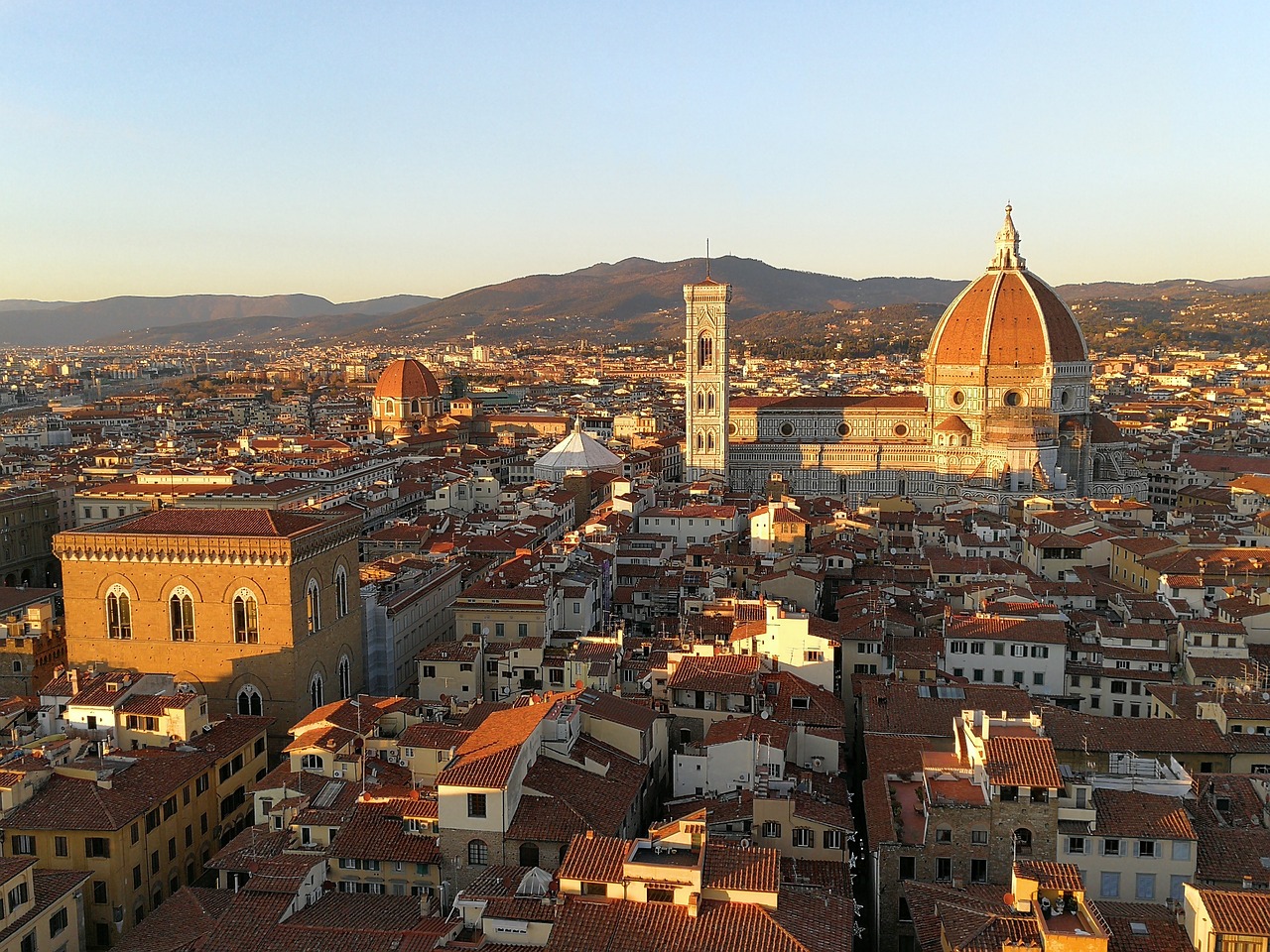
Firenze before you depart: Uffizi, gardens, and a calm final morning
A refined farewell begins with a simple itinerary that respects your pace. In Firenze, it’s tempting to compress everything into one last rush; instead, design a ‘last morning’ that leaves time to explore, then let the afternoon carry you smoothly to Santa Maria Novella for departure.
Start with the Uffizi, where Renaissance masterpieces deliver the kind of insight that lingers well beyond the gallery rooms. Then soften the energy in the Boboli Gardens, where symmetry, shade, and crafted vistas reset your mind before travel.
Florence’s iconic landmarks: a final walk with Ponte Vecchio, coffee, and art and architecture
From the Uffizi area, a gentle walk can include Ponte Vecchio and a refined coffee stop—just long enough to watch Florence’s daily rhythm. If you have time for one more major attraction, the Duomo and Santa Maria del Fiore offer art and architecture on a grand scale, even with a brief visit.
One traveller once described their favourite Firenze moment as a sunset at Piazzale Michelangelo. After a day of museum quiet, the light widened over terracotta rooftops, and the city felt both intimate and infinite—serene beauty that made them imagine returning, not as a plan, but as a promise to themselves.
Getting from Florence with ease: taxi planning, luggage flow, and the Santa Maria Novella approach
The key to getting from Florence smoothly is buffer time. If you’re collecting luggage from a hotel, ask reception to organise a taxi in advance; if you’re using a car service, confirm pick-up and the exact address the night before. Firenze SMN is straightforward, but the approach streets can be busy at peak hours, especially when you depart from Florence near commuter times.
An elegant packing rhythm makes everything smoother: keep documents and a charger in a light day bag, and ensure your main luggage closes securely and is easy to lift. When your transfer feels supported rather than stressful, you arrive at Santa Maria Novella composed—and you depart calm.
Trip from Florence via Bologna: Tuscany flavours, Chianti wine tasting, and a scenic itinerary to Venice
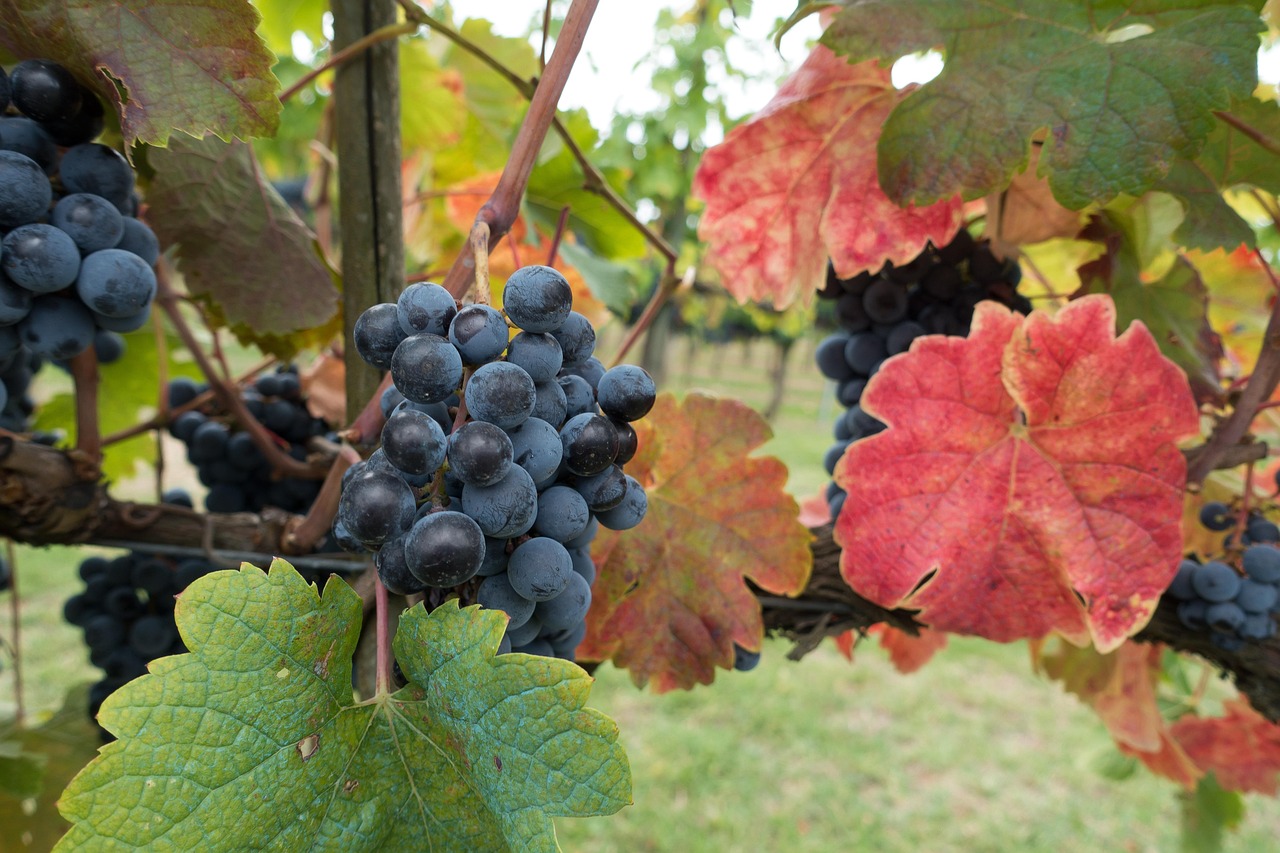
A slower route: Bologna connections, Tuscany flavours, and a Chianti tasting
If you’re tempted by a slower, more sensory day, a designed trip from Florence can add a ‘slow luxury’ layer without losing momentum. The simplest version is still rail—many high-speed services connect through Bologna—yet you can also take a private-car detour into Tuscany for authentic cuisine paired with fine wines.
This is where the journey becomes personal: not just transit, but a day shaped around taste, landscape, and local connection. With the right itinerary, you can uncover Tuscany in a way that feels intimate rather than performative, while still arriving in Venice ready to enjoy your evening.
Chianti as a crafted pause between Firenze and Venezia: wine, lunch, and calm timing
One traveller recalled an intimate private wine tasting in a Chianti vineyard as the highlight of their entire trip. The winemaker spoke with expert clarity about soil and seasons, and the tasting felt like a conversation—careful, warm, and full of insight. By the time lunch arrived, paired with bold reds and olive oil so fresh it tasted green, they understood Italian viticulture with a new depth.
If you choose this option, pre-book your driver, vineyard appointment, and lunch reservation. It allows dietary preferences to be communicated calmly ahead of time, and it ensures you’re never ‘hoping’ something works out when you’d rather trust the day.
Bologna connections: how to change trains smoothly and enjoy the view along the route
On a train route, Bologna is often the key node. If your service requires you to change trains, keep your connection realistic; it’s better to have a few extra minutes than to sprint. When you change trains, check the departure board as soon as you step onto the platform, then move with purpose—no panic, just quiet efficiency.
Even on the fast line, the view can be unexpectedly scenic along the route: open fields, distant hills, and flashes of small stations. If you want a mid-journey pause without derailing your plans, Bologna also works for a brief espresso stop—just ensure your connection time supports it.
With concierge-level support—whether from your hotel team or a trusted planner—the day feels crafted. You arrive in Venezia energised, not depleted, with the sense that the route itself held meaning.
Visiting Venezia after arrival: Santa Lucia Station to quiet canals, a walking tour, and a gondola ride
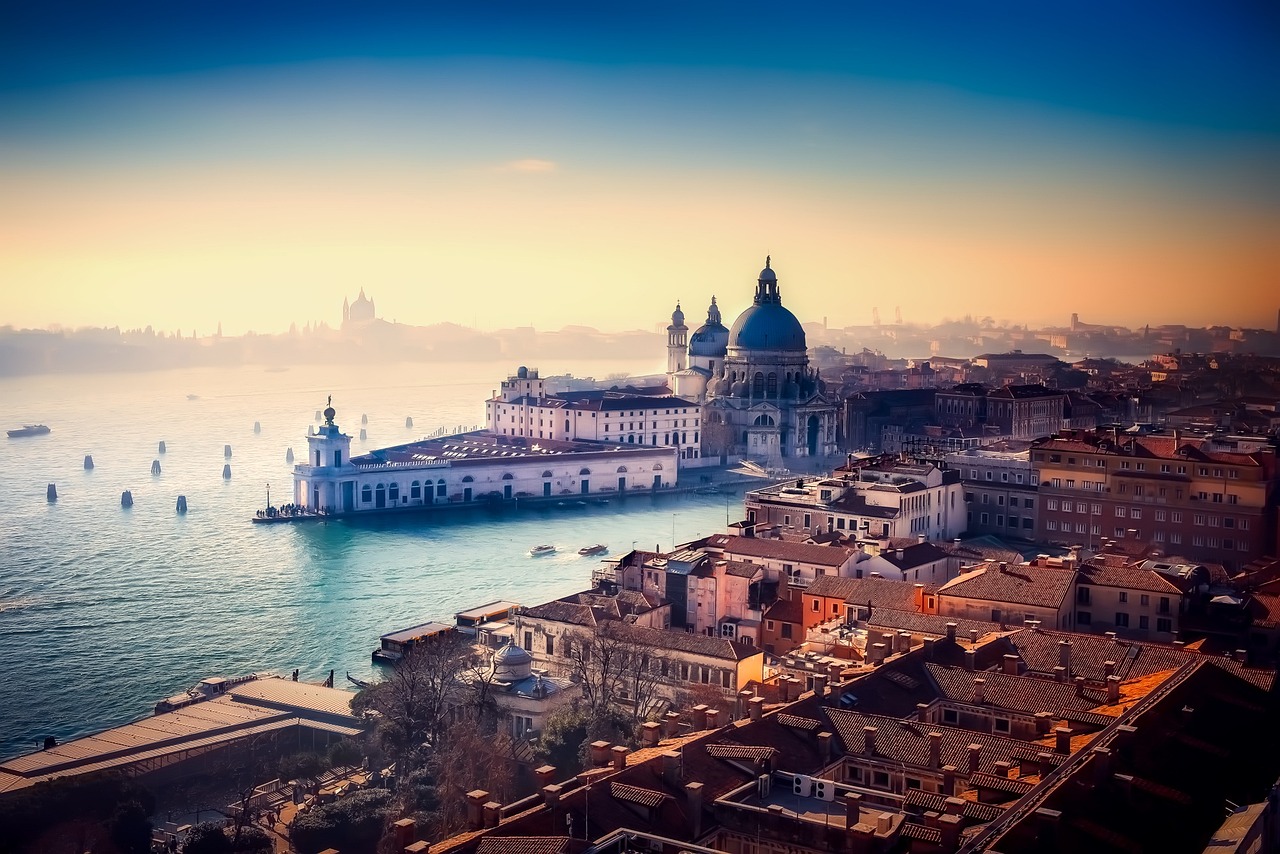
Arrive in Venezia: Santa Lucia, the Grand Canal, and an elegant first day
Your first moments matter, and visiting Venice begins the instant you step onto the platform. Arriving at Santa Lucia places you directly on the water’s edge—your first view across the Grand Canal can feel like theatre, but in the best possible way, and it’s why the Santa Lucia station arrival is so loved.
For a high-end arrival, choose how you want the city of Venice to meet you. A water taxi is the most seamless option if you value privacy and ease, while the vaporetto can be enjoyable when you’re travelling light and want a more local perspective. Either way, you can reach Venice with grace, and the transfer to your hotel in Venice becomes part of the story.
A refined first-day itinerary in Venezia: walking tour, Doge’s Palace, and one basilica
Consider a private or small-group walking tour to orient yourself beyond the postcard scenes. A skilled guide helps you sightsee with context—how trade shaped the lagoon, how neighbourhoods differ, and where to pause when the streets grow busy. It’s a gentle guide to get confident quickly, without feeling ‘managed’.
Then step into Doge’s Palace, where history is written into stone, paintings, and corridors. Choose a timed entry for calmer hours and pair it with one basilica visit—kept intentionally brief so the day remains spacious rather than packed. This is Venice and Florence in contrast: one carved from land, the other floating on water, both filled with iconic landmarks.
A private gondola through quieter canal routes in Venice
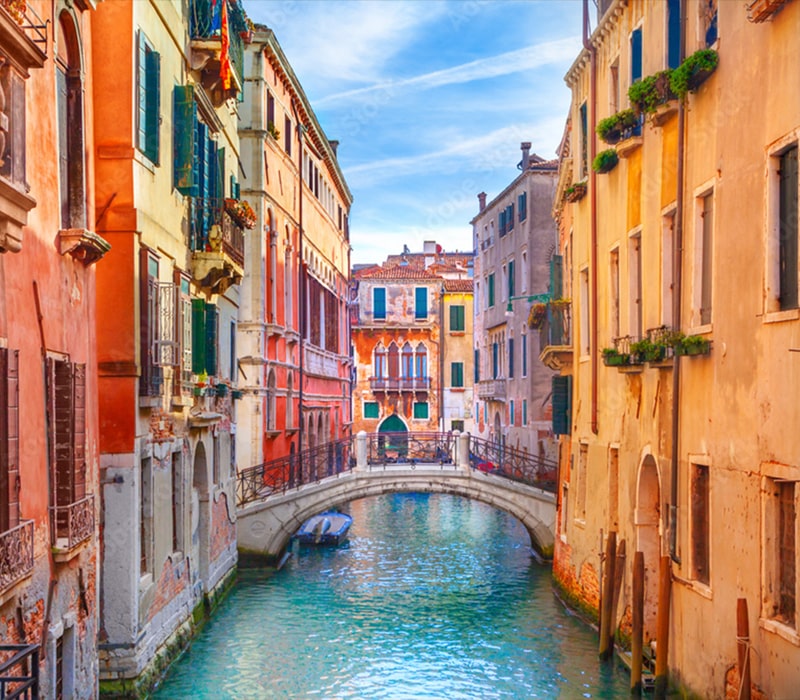
There’s a way to make the journey feel deeply personal: a private gondola ride through quieter canals. Away from the busiest routes, the city’s soundscape changes—oar in water, soft conversation, the occasional footstep across a small bridge. It’s intimate, exclusive, and surprisingly calming.
A couple once shared their most treasured memory as a dawn gondola, when the city felt like it belonged to no one but them. The light was pale, the canal nearly still, and for a few minutes, Venice from Florence felt impossibly far away—like two chapters of life gently separated by water.
Practical luxury tips, offered with care:
- Pre-book: Venezia can be costly, so secure key experiences and reputable guides for quality and safety.
- Payments: carry local currency (Euro) for small purchases, though cards are widely accepted.
- Avoid tourist traps: step one lane away from the main flow for better service and more local warmth.
- Stay aware: keep your bag closed in crowded areas; the calm of Venezia is best enjoyed without worry.
If you’re continuing onwards into Veneto or considering the Venice to Florence return, your concierge can help lock in water transfers and timings so the logistics remain seamless—especially if you plan to leave Venice early and head back to Florence.
F.A.Qs: Firenze to Venezia travel by train, bus, and beyond
How fast is the high-speed train from Firenze to Venezia?
On most high-speed train services, the journey is roughly 2 hours, depending on the specific service and whether it runs direct or via Bologna. This makes rail one of the most seamless ways to travel between the two city centres, especially if you value reserved seats, comfort, and predictable timing.
Where to avoid staying in Venice for a calmer experience?
If you want a calmer, more refined stay, avoid booking right on the busiest corridors near Rialto and parts of San Marco, where day-tripper crowds can feel constant. Instead, consider quieter pockets with easy water access, and choose a well-reviewed property so arrivals, luggage handling, and late-evening returns feel secure.
How much does a train from Florence to Venice cost?
Pricing varies by operator, class, and how early you book. Advance purchase can offer excellent value, while peak days and last-minute bookings cost more. For premium travellers, it’s often worth paying for a flexible fare or a higher class for extra space, quieter cabins, and a more effortless ride—especially if you’re buying a single train ticket for a specific departure time.
Is Firenze a day trip from Venezia, or is an overnight better?
Yes, it can be done, thanks to frequent high-speed trains, but it will be a long day if you want Firenze to feel unhurried. For a high-end pace, an overnight stay is usually more rewarding, letting you enjoy museums and dining without rushing. If you do a day trip, pre-book key tickets and keep your itinerary intentionally simple.
Leaving Venice: what stays with you after Florence and Venice
When you think of Florence and Venice, what often returns is not the list of attractions, but the atmosphere between them. The hush inside a gallery room. The geometry of gardens makes the mind feel ordered. The soft echo of water in a narrow canal, as if the city is speaking in a quieter language.
This itinerary is a change of element—stone to water, skyline to shimmering reflections—yet the emotional thread is consistent. In both places, beauty rewards patience. You notice more when you allow your days to breathe, when you trust your own preferences, and when you let small details become personal markers of time well spent in two beautiful cities.
There is a particular comfort in knowing you can travel with support, not pressure; that your plans can be designed together, then held lightly. Confidence grows when the practical pieces are handled with care—leaving space for the moments you could never schedule across Italy’s most magnetic destinations.
And long after you leave the lagoon, something remains: a memory of light on water, a half-heard conversation in a side street, the feeling of being fully present. Imagine which Italian city might call to you next, when the moment feels right.