Post Contents
- Why Murano Island’s Venice glass history still matters
- Getting to the island of Murano by vaporetto water-bus for a day trip to Murano Island from Venice
- Murano Glass Museum and glass factories in Venice offer an immersive Murano glass experience on the island.
- Create your own Murano glass workshop with an Italian master artisan on the island.
- Explore Murano Island’s canals, artisan shops, Church of Santa Maria e San Donato, and lighthouse.
- F.A.Qs: Murano Island, Italy
- What stayed with me after Murano Island, Italy, reflections from Venice to the lagoon.
Why Murano Island’s Venice glass history still matters
Why Murano Island Still Captivates Venice with its glass island heritage
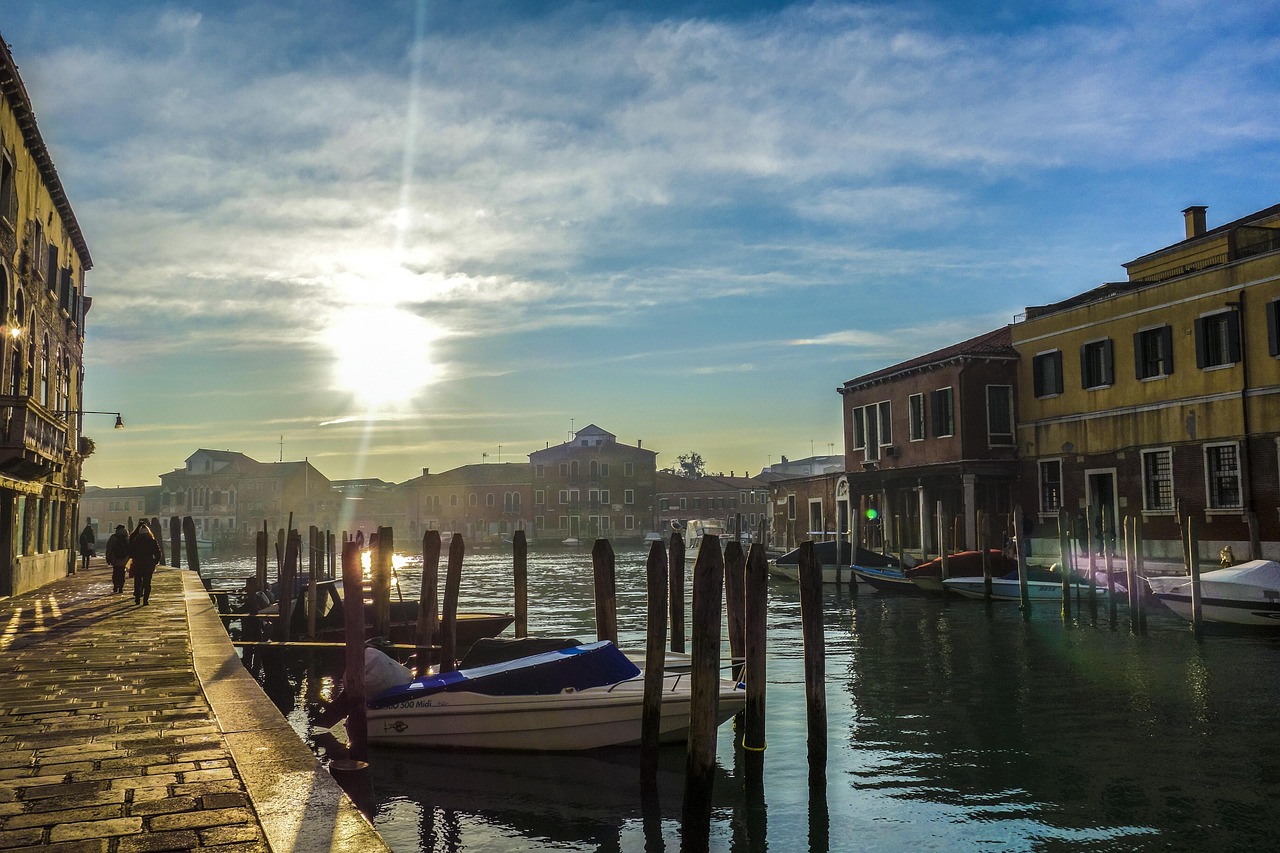
When people say Murano Island, Venice glass island, history of Murano, they’re pointing to a single turning point: 1291, when the Serenissima moved glassmaking from Venice to this island to protect the city from fire and to guard trade secrets. What began as regulation became identity, until glass production shaped daily life and the island’s main industry became a quiet, glowing form of power. Even now, you can feel that legacy in the steady rhythm of workshops and the way locals speak about craft as something lived, not displayed.
Compared with the bustle of Venice, the island feels like an exhale. You’ll find calmer fondamente, small squares, and waterside pauses where you can explore at your own pace, not the pace of a crowd. For travellers who like to uncover a place on foot, Murano invites you to slow down, notice the small details, and let curiosity lead the way.
Names matter here, because families and makers helped define what “Venetian glass” even means. Barovier is one of the most storied, but the wider glass industry is a constellation of ateliers, studios, and intergenerational techniques. This is why Murano doesn’t feel like a shopping stop—it feels like a living centre of design.
One adventurer once told me the moment that stayed with them wasn’t a purchase, but the sight of a glassmaker turning molten colour into a delicate artwork. The glow from the furnace was mesmerising—grounding, almost meditative—and unexpectedly inspiring, making everyday objects feel newly crafted. It’s a reminder that the finest journeys don’t just show you beauty; they retrain your eye to see it.




Getting to the island of Murano by vaporetto water-bus for a day trip to Murano Island from Venice
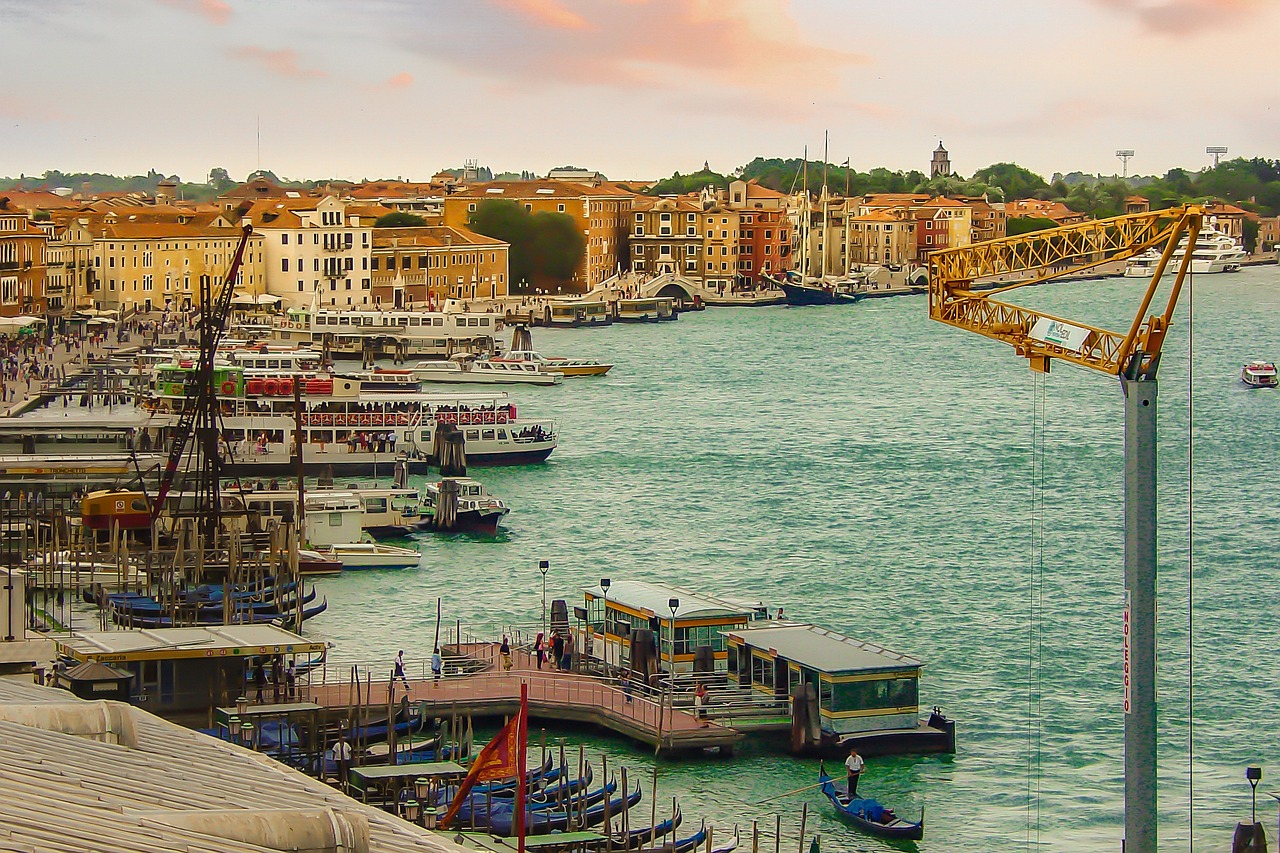
Getting to the Island of Murano by Vaporetto from Venice across the lagoon
For a day trip to Murano Island from Venice, vaporetto water-bus routes are reassuringly straightforward, and public transportation makes the island easily accessible. Most visitors depart from Fondamenta Nuove (a practical option if you’re staying in northern Venice), while Santa Lucia station is ideal if you’re arriving by train and want to transition straight onto the water. Either way, it’s a simple trip to Murano that feels like a change of tempo more than a commute.
Onboard, give yourself permission to do less. The ride across the Venetian lagoon is its own small adventure: islands linked by low bridges, working waterways, and the sense that Venice is both city and sea at once. If you’ve been moving quickly through museums and alleys, this is the moment to breathe and simply watch the light shift.
To keep your day seamless, timing is your quiet luxury. Spring and early autumn offer mild weather and gentler crowds, and weekdays tend to be calmer—perfect if you want more local interactions in studios and shops. If you can, aim for an earlier departure and a slightly later return, so you sidestep the tightest peak windows back in Venice.
- Comfort: wear comfortable shoes for uneven pavements and bring light rain gear; the weather can change quickly.
- Safety: in busy stops in Venice, keep belongings close and secure—especially when boarding and alighting.
- Flow: Buy tickets in advance where possible so your focus stays on discovery, not logistics.The
Murano Glass Museum and glass factories in Venice offer an immersive Murano glass experience on the island.
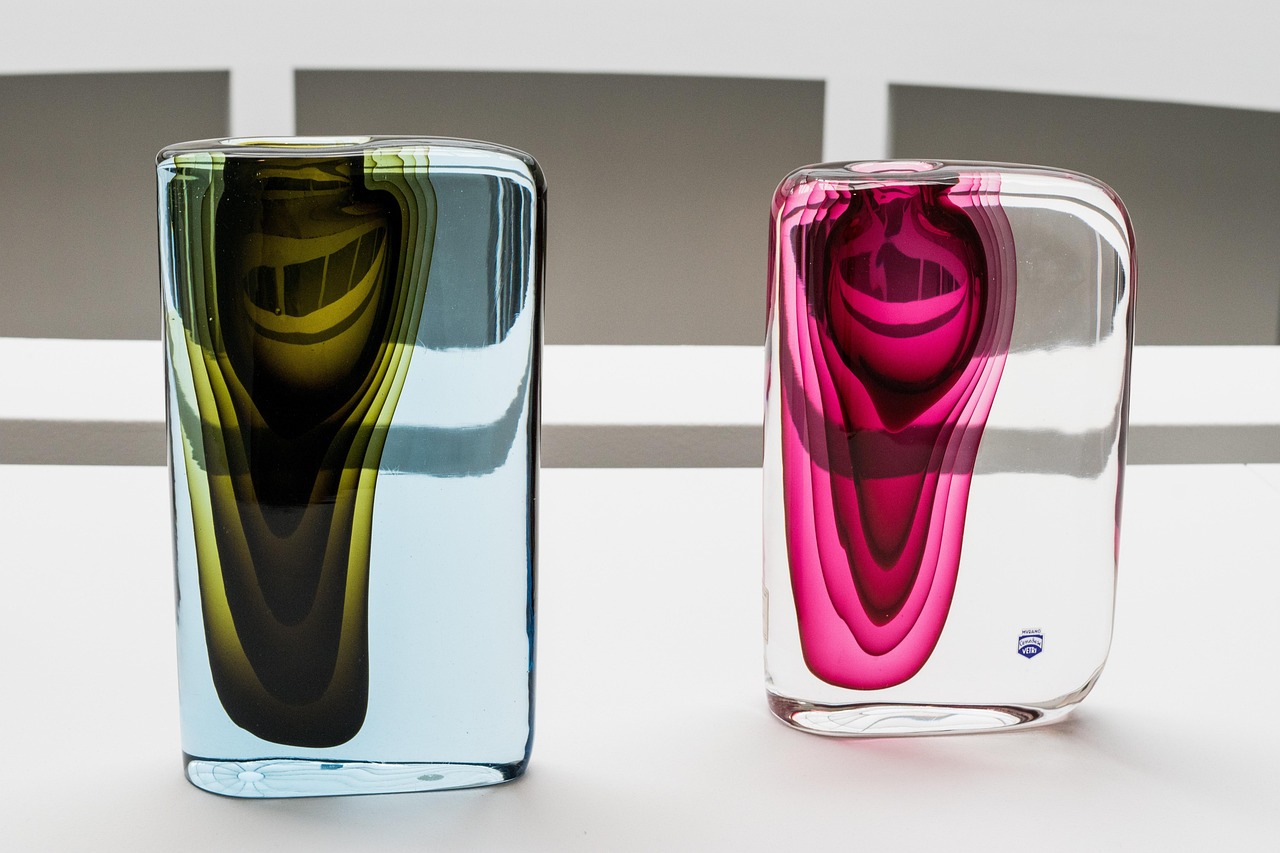
Murano Glass Museum and working glass factories on the island
Make the cultural heart of your visit the moment you visit the Murano Glass Museum: the Murano Glass Museum, Venice glass factories, and the Murano glass factory story come to life as you see how art, science, and commerce evolved together. The museum sits within Venetian buildings adapted for culture, and you’ll sense how the island turned technique into identity—long before “design” became a modern label. Look for shifts in taste and innovation, from refined Renaissance forms to the 16th-century experiments that pushed clarity, weight, and ornament.
It’s also worth noting how politics shaped the place. In the Napoleon era, many institutions across Venice were reorganised, and those shifts echo in how collections were moved, protected, and reinterpreted. Knowing that helps you read the displays with more insight: not just what was made, but why it mattered to power, trade, and prestige.
From there, connect context to the present by seeking out real production. A Murano glass factory is different from a showroom: you may hear the hiss of tools and feel the heat, rather than simply viewing finished pieces under bright lights. Seeing working glass factories still operating adds trust to your understanding—you’ll recognise the discipline behind the elegance, and the practical choreography behind each masterpiece.
For cost-smart planning (without chasing bargains), ask about combined tickets that pair a museum entry with a demonstration, and choose reputable studios that clearly explain provenance. This is one of the most meaningful ways to support living heritage while ensuring your own purchases are authentic. If you’d like high-end inspiration for the rest of your Italy itinerary, keep the Trip gallery open for ideas you can weave into a broader designer journey.
A designer-minded prompt before you shop: notice tools, seams, and proportions. Once you’ve watched glass-making up close, you’ll start to recognise why one vase silhouette feels balanced, why certain chandeliers throw softer light, and why some art pieces feel more intentional than decorative. The object becomes a story you can read, not just something you own.
Create your own Murano glass workshop with an Italian master artisan on the island.
Create Your Own Murano Glass in a Workshop with a master artisan
If you’re craving a deeper connection than observation, a Murano glass making workshop with a master artisan from Italy brings you into the rhythm of the studio. “Glass making” for visitors is usually guided shaping rather than solo work: you’ll learn basic handling, watch the gathering, and make small choices that feel personal. The experience is structured for safety and confidence, with calm instruction and clear boundaries around heat and tools.
A couple once described their session as the happiest kind of togetherness—focused, playful, and surprisingly moving. They talked about the thrill of learning ancient techniques side by side, then leaving with something handmade that carried the memory of the moment, not just the look of the object. Their keepsake wasn’t perfect, but it was uniquely theirs, and that was the point.
Studio etiquette is part of travelling with care. Ask permission before photographing, especially when an artisan is at work, and keep pathways clear so everyone can move safely. That small gesture of respect often invites a warmer welcome—and a more authentic conversation about the craft.
- Design your session: choose class length based on your energy; shorter can be more intense, longer more reflective.
- Confirm details: check language options and what you’ll make, so expectations stay seamless.
- What to wear: natural fibres, closed shoes, and tied-back hair help you feel comfortable and unhurried.
When you create something in Murano, you don’t just gain a souvenir—you gain an expert ’s-eye glimpse of skill, patience, and trust. It changes how you look at glasswork everywhere, including back in Venice, where sparkle can sometimes hide the human hands behind it.
Explore Murano Island’s canals, artisan shops, Church of Santa Maria e San Donato, and lighthouse.
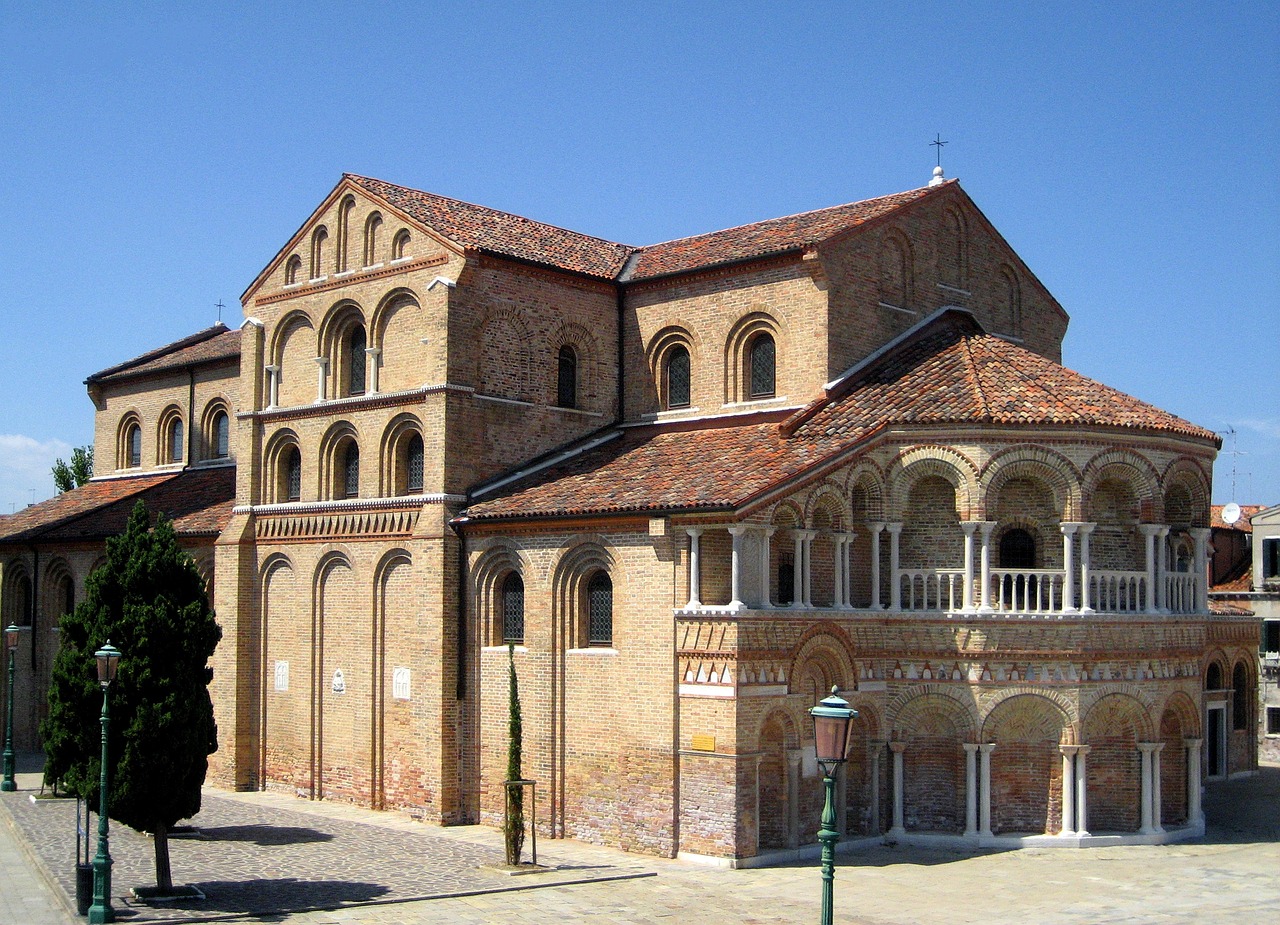
Explore canals, artisan shops and San Donato on Murano Island
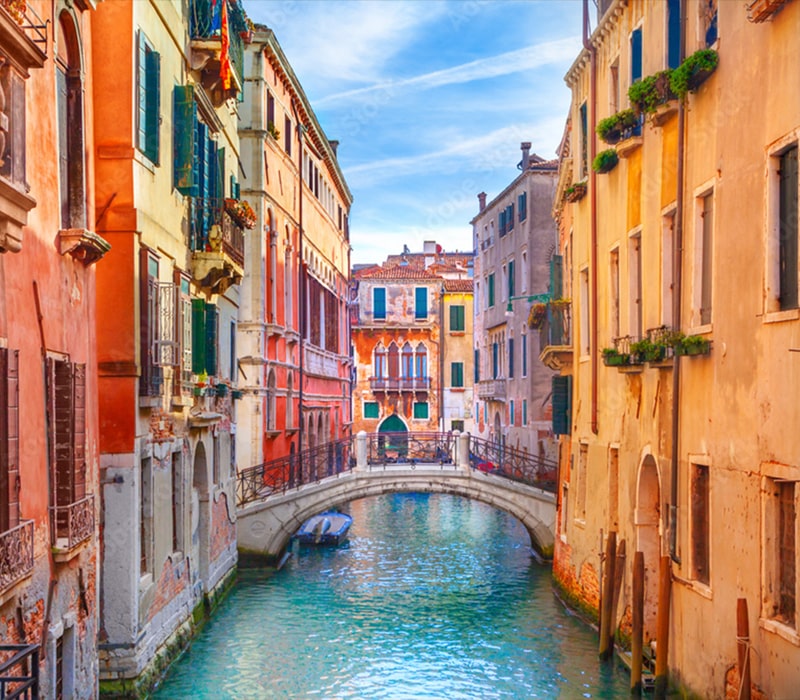
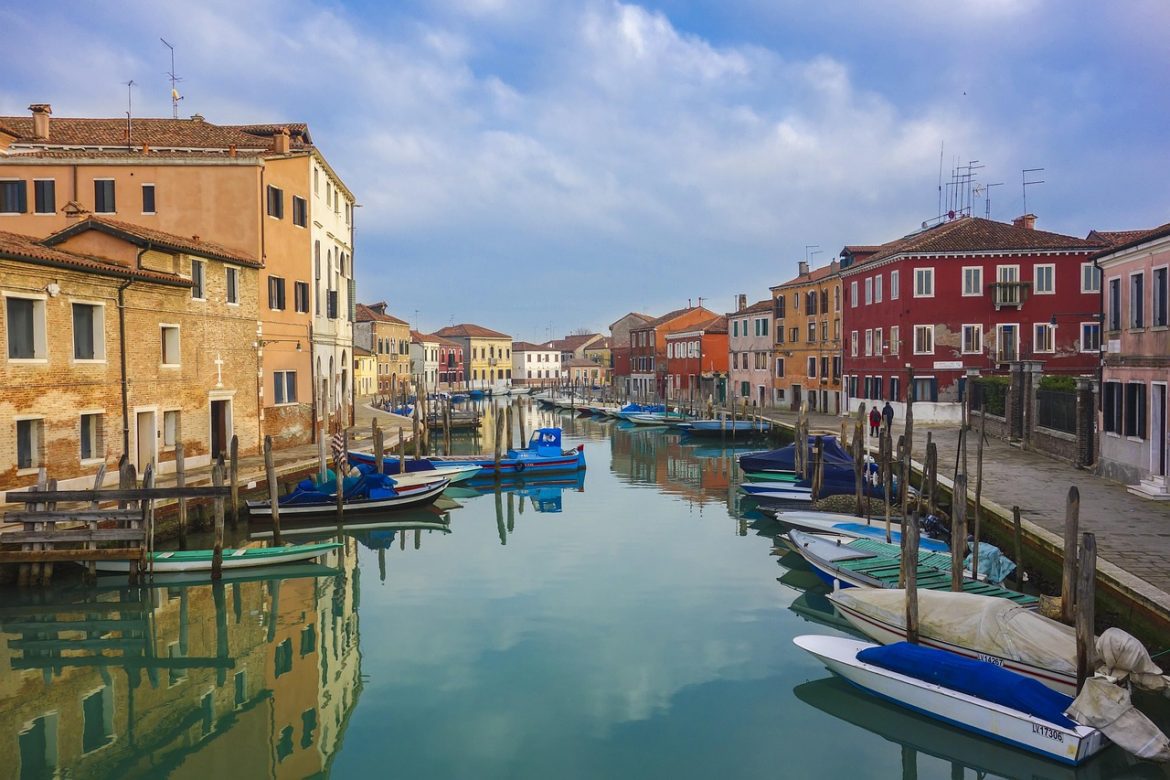
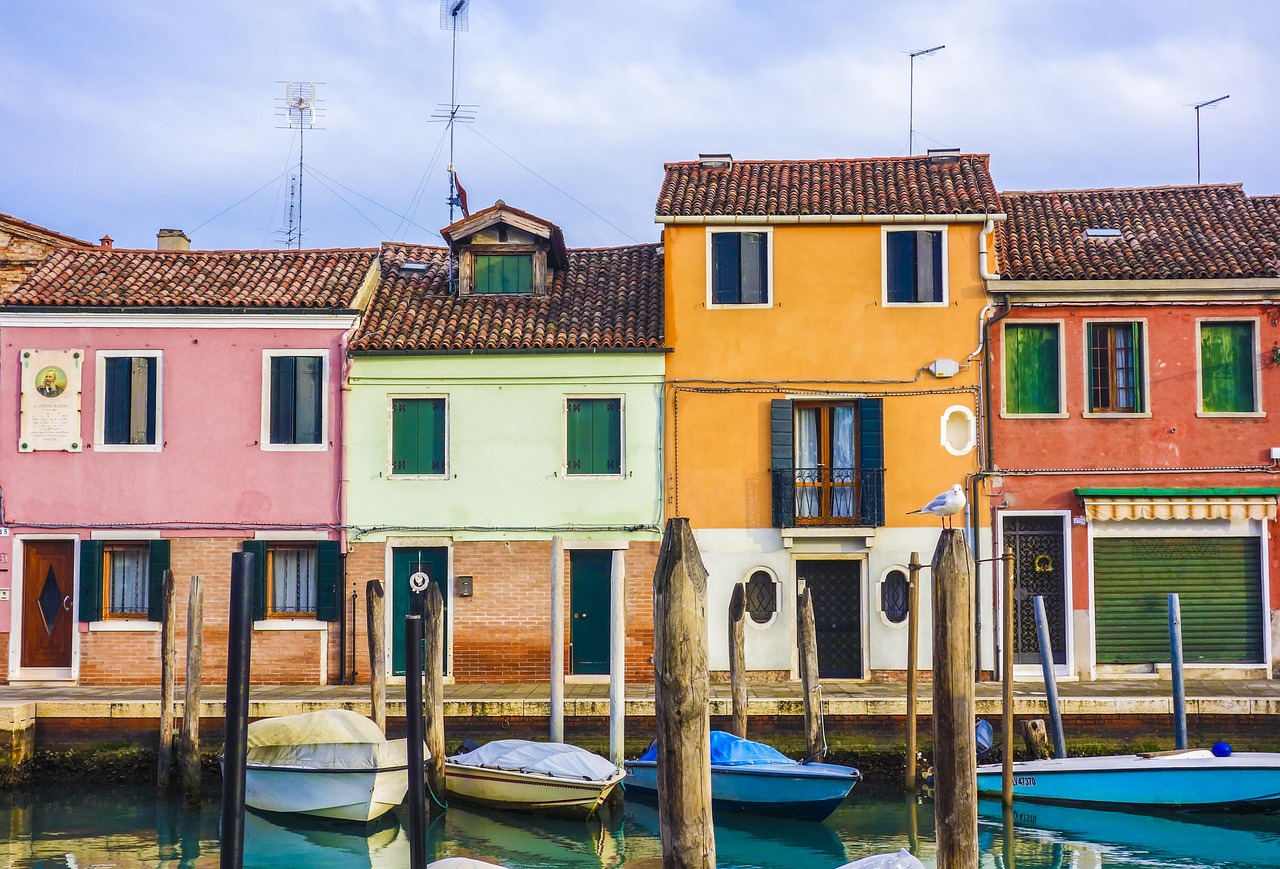
To experience the island beyond studios, plan an unhurried loop: Murano’s canals, artisan shops, the Church of Santa Maria e San Donato, and the lighthouse can all fit into one graceful wander. Follow a canal until it narrows, cross one bridge, then pause in a bright piazza before drifting into quieter lanes. This is where Murano becomes intimate—less performance, more daily life—especially once you’re a few minutes away from the main vaporetto stops.
Shopping here is best approached like collecting stories, not trophies. In small boutiques, you’ll discover Murano glass art in jewellery, sculptures, and chandeliers, often in every colour you can imagine—smoky neutrals, lagoon greens, rich ruby, and delicate blush tones. Look for details that signal a piece is crafted with intention: a maker’s signature, a clear explanation of technique, and a willingness to talk about heritage rather than rush you.
- Ask one good question: “Who made this, and how?” will tell you more than any label.
- Seek balance: choose one piece that feels like a future heirloom rather than several forgettable items.
- Trust your eye: if the form feels clumsy or the story feels vague, keep exploring.
For a quieter cultural pivot, step into the Church of Santa Maria e San Donato, a landmark with a Romanesque presence and a Byzantine soul. The church of Santa Maria holds a splendid, 12th-century atmosphere, and its extraordinary mosaic shimmers with Venetian-Byzantine character. Near the altar, look for references to the Virgin Mary, the Madonna, and Saint Donatus—an unmissable detail that brings the island’s spiritual history into focus without the need for grand explanations.
If you still have energy to explore, add a gentle adventure: walk towards the lighthouse for sky-and-water colour at the edge of the island. From there, compare nearby islands—Burano for lace and bright houses, and Torcello for a quieter palazzo mood whose story dates back to the 13th century. It’s the kind of island-hopping that feels expansive, yet still intimate enough to hold onto.
F.A.Qs: Murano Island, Italy
Is Murano Island worth a visit?
Yes, it’s worth a visit if you want a calmer island atmosphere than Venice, with real craft, beautiful canals, and meaningful cultural stops like San Donato. Even a half-day can feel rich, especially if you pair a demonstration with a considered walk through shops and quieter streets.
Why is Murano so expensive?
Authentic pieces reflect skilled labour, energy-intensive furnaces, and generations of technique. In reputable studios, you’re paying for design, provenance, and the time it takes to shape and finish work safely. If a price seems too good to be true, it often signals mass production rather than local making.
How long is the ferry ride from Venice to Murano?
It depends on your departure point and the vaporetto line, but it’s generally a short, scenic ride. From northern Venice, it can be very quick, whereas routes from larger hubs may take longer due to additional stops. Build in a little flexibility so the journey stays relaxed.
What is Murano Island famous for?
It’s famous for glassmaking—especially artistic techniques developed over centuries and still practised today. Visitors come to see demonstrations, learn about history in museums, and browse jewellery, chandeliers, and sculptural pieces. The island’s identity is inseparable from its craft traditions.
What stayed with me after Murano Island, Italy, reflections from Venice to the lagoon.
What I remember most is not the spectacle, but the pacing: a softer rhythm that settles into your shoulders once you leave Venice behind. On the island of Murano, even the sound of footsteps changes—stone underfoot, water nearby, and a sense that time is being handled more gently. In the evening, the lagoon light seems to smooth the edges of everything, as if the day is being quietly edited into something you can keep.
Craftsmanship has a way of following you home. After watching hands work with such certainty, you start noticing the curve of a glass on your own table, the weight of a bowl, the way light moves through ordinary objects. It’s a subtle shift—an expanded attention—that feels like the most personal souvenir of all.
I also think about the local welcome: the warmth in small exchanges, the patience when you ask a clumsy question, the gentle trust extended across a counter. Supporting makers through mindful purchases felt less like consumption and more like care, a small vote for continuity. You leave with confidence, not because you “did it all”, but because you learned how to travel in a way that honours living traditions.
And then there’s the quiet hook Murano leaves in you: a lingering curiosity about what else you might create, or how else you might see. Not urgency—just a calm sense that the world is still full of craft, and that another island, another atelier, another piece of light is waiting to be discovered when the time is right.