Post Contents
- Bologna welcome: historic centre orientation in Emilia-Romagna
- Things to do in Bologna: Piazza Maggiore, the Two Towers (Asinelli Tower & Garisenda Tower) and other top things
- Bologna food tour: best food in Bologna, Emilia-Romagna cuisine, and food and wine
- University of Bologna: oldest university, historic libraries and Pinacoteca Nazionale in Emilia-Romagna
- Stay in Bologna: best hotels in Bologna historic centre itinerary for seamless luxury
- After you visit Bologna: what stays with you from the historic center
- F.A.Qs: Bologna city essentials for high-end travellers
Bologna welcome: historic centre orientation in Emilia-Romagna
Bologna welcome to Bologna’s terracotta lanes in the historic centre—your first espresso and an easy sense of direction
Your first Bologna welcome often arrives before you’ve even checked in to the city of bologna italy. You slip into the historic centre almost without trying: terracotta lanes, a soft clink of cups, and that reassuring sense that this is a historic city with a very current point of view. Near Piazza Maggiore, the light turns honeyed on stone, and the cafés feel lively yet unhurried—ideal for easing into your first afternoon.
For high-end travellers, Bologna is one of those places to visit where luxury is measured, not loud. You can explore on foot with confidence, browse design boutiques beside centuries-old façades, and still feel gently looked after—especially when a concierge or travel designer shapes the timing around your pace.
Bologna travel arrivals: Bologna Guglielmo Marconi Airport to Bologna Centrale with seamless support
To keep your arrival smooth, treat logistics as the first act of care. For effortless Bologna travel, Bologna Guglielmo Marconi Airport is close to the centre, and a pre-arranged transfer removes the small frictions that can steal energy on day one. If you prefer rail, high-speed services into Bologna Centrale make it simple to connect from Milan, Florence, and Rome—the capital of Italy.
Once you arrive, aim for a light first afternoon. A short stroll under a portico, a calm check-in, and an early supper will reset you better than an overfilled checklist.
- Airport to hotel: pre-book a private car and request luggage assistance for a truly seamless start.
- Train to centre: Bologna Centrale is straightforward; ask your hotel concierge to arrange a meet-and-greet if you value extra support.
- First walk: keep it local—around the main piazza and nearby lanes, then wander a little around the city so you can settle into the rhythm.
Where to stay in Bologna’s city center: best base in the historic center near Piazza Maggiore
For a first-time stay, the most reassuring base is the walkable historic center near Piazza Maggiore, where you can join a city walking tour without transport juggling. Bologna’s city center is compact, so evenings feel easy: aperitivo, a slow wander, then a short stroll “home” under softly lit arcades.
Luxury-first planning note: pre-book a private walking tour of Bologna for the next morning, then design a first evening with minimal decisions. It’s a small act of trust in your own comfort—and Bologna rewards it with calm confidence and a clearer sense of the heart of Bologna.




Things to do in Bologna: Piazza Maggiore, the Two Towers (Asinelli Tower & Garisenda Tower) and other top things
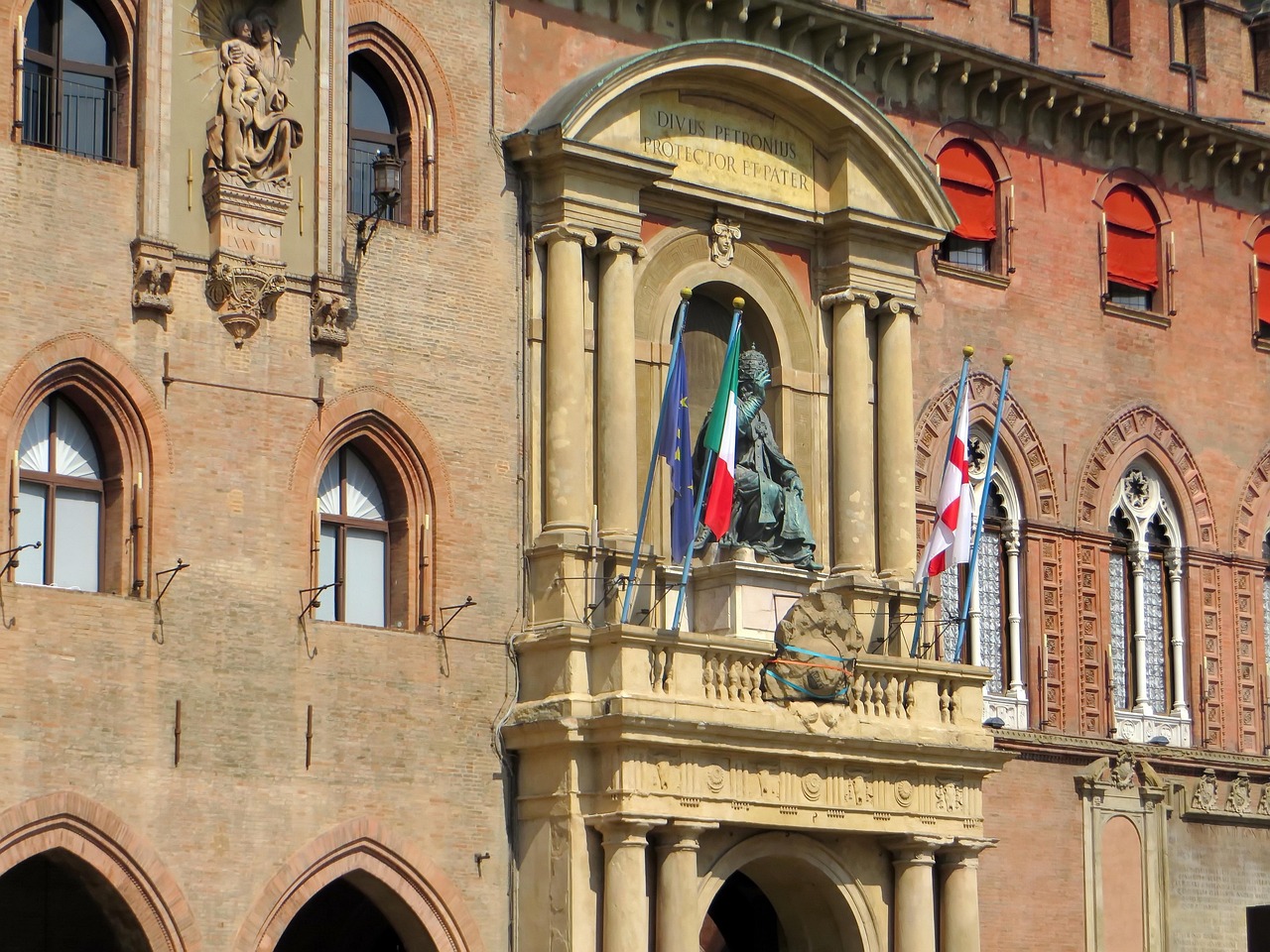
Things to do in Bologna: Piazza Maggiore and the Two Towers, an iconic first stop in the centre
When you begin mapping out things to do in Bologna, start with the city’s natural anchor. Piazza Maggiore is cinematic in the most effortless way: people crossing with purpose, students chatting on steps, and grand façades framing everyday life like a set you’re allowed to enter. It’s the kind of square where you can simply sit with an espresso and still feel you’re truly experiencing Bologna.
Step into the Basilica di San Petronio and let your eyes adjust to scale and shadow. The basilica’s atmosphere is less about spectacle and more about a steady, grounded beauty—especially rewarding if you arrive early, before the busiest hours.
Piazza Maggiore: Palazzo d’Accursio (town hall), Palazzo del Podestà and elegant arcades
Circle the square slowly to uncover Bologna’s civic story in stone. Palazzo d’Accursio, the town hall, anchors Piazza Maggiore with calm authority, and the surrounding arches guide you into layered passages where time feels pleasantly folded. If you can, pause by Palazzo del Podestà to appreciate how this medieval city still shapes the sound of footsteps and conversation, especially in the quieter moments near Piazza Maggiore.
A refined way to explore is to choose one interior, one terrace, and one unhurried stroll—then let the rest arrive as you wander.
Asinelli Tower and Garisenda Tower: the leaning tower pair, symbol of the city
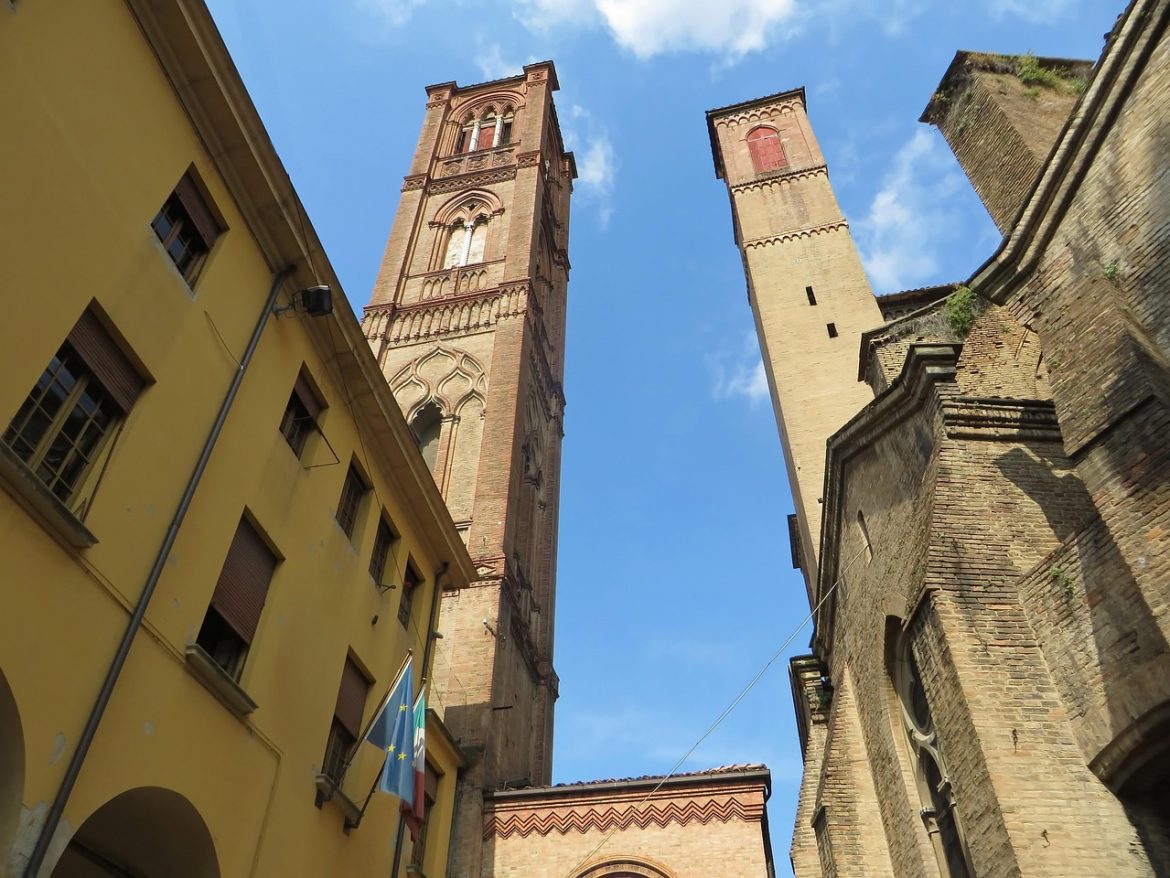
The symbol of the city is Bologna’s pair of leaning silhouettes: Asinelli and Garisenda, a true symbol of Bologna that feels more presence than postcard when you see it up close. For the Asinelli Tower ascent, book tickets in advance when possible, wear stable shoes, and bring a light layer; the stair climb is rewarding, but it’s still a workout.
A seasoned traveller once described climbing the Asinelli tower early, when the streets were barely awake. At the top, the view of the city felt almost private—terracotta roofs warming slowly, church bells testing the air, and a sense of calm settling in for the day in Bologna.
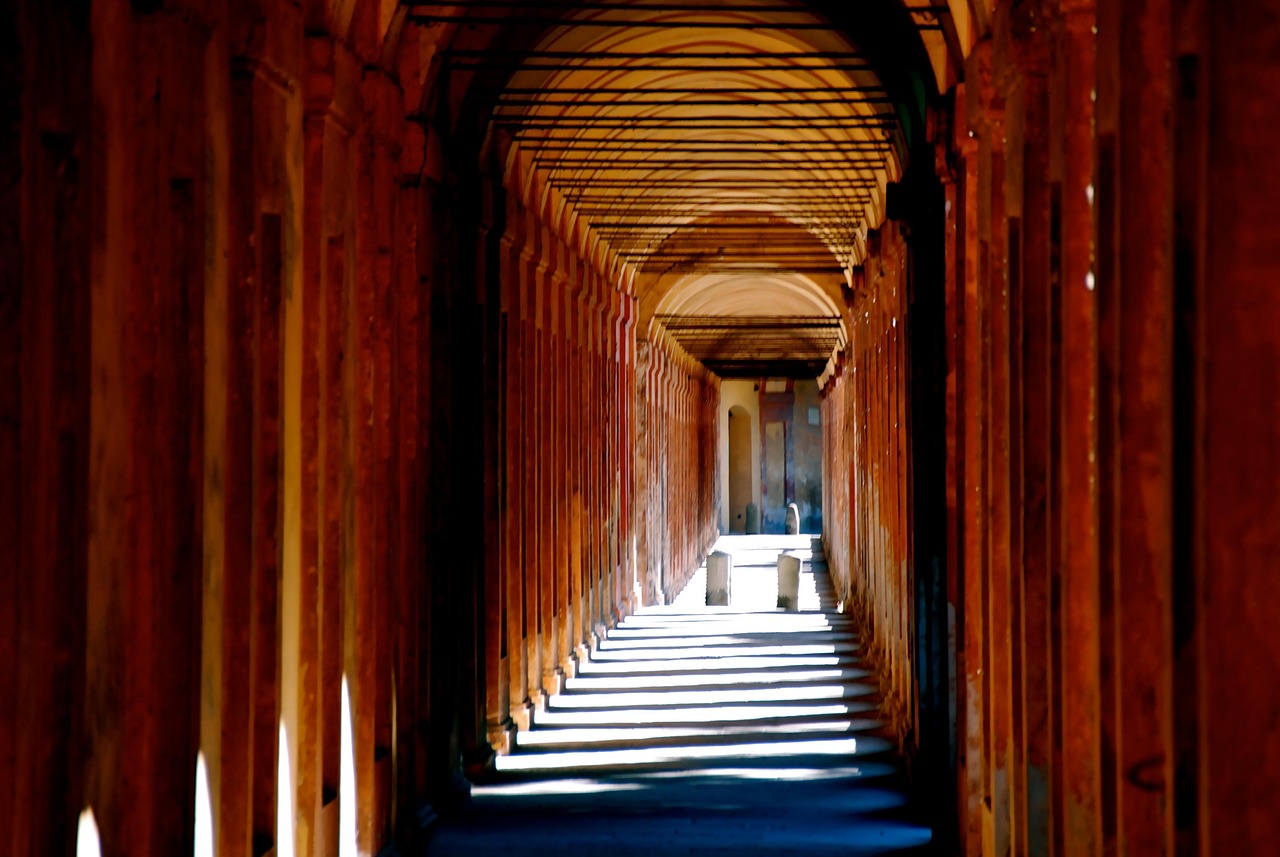
Later, return to the porticoes of Bologna as an experience rather than a shortcut. An evening stroll under each portico becomes its own kind of design: you’ll notice artisan workshops, discreet courtyards, and warm light spilling from doorways—an unforced kind of luxury that feels personal.
Bologna food tour: best food in Bologna, Emilia-Romagna cuisine, and food and wine
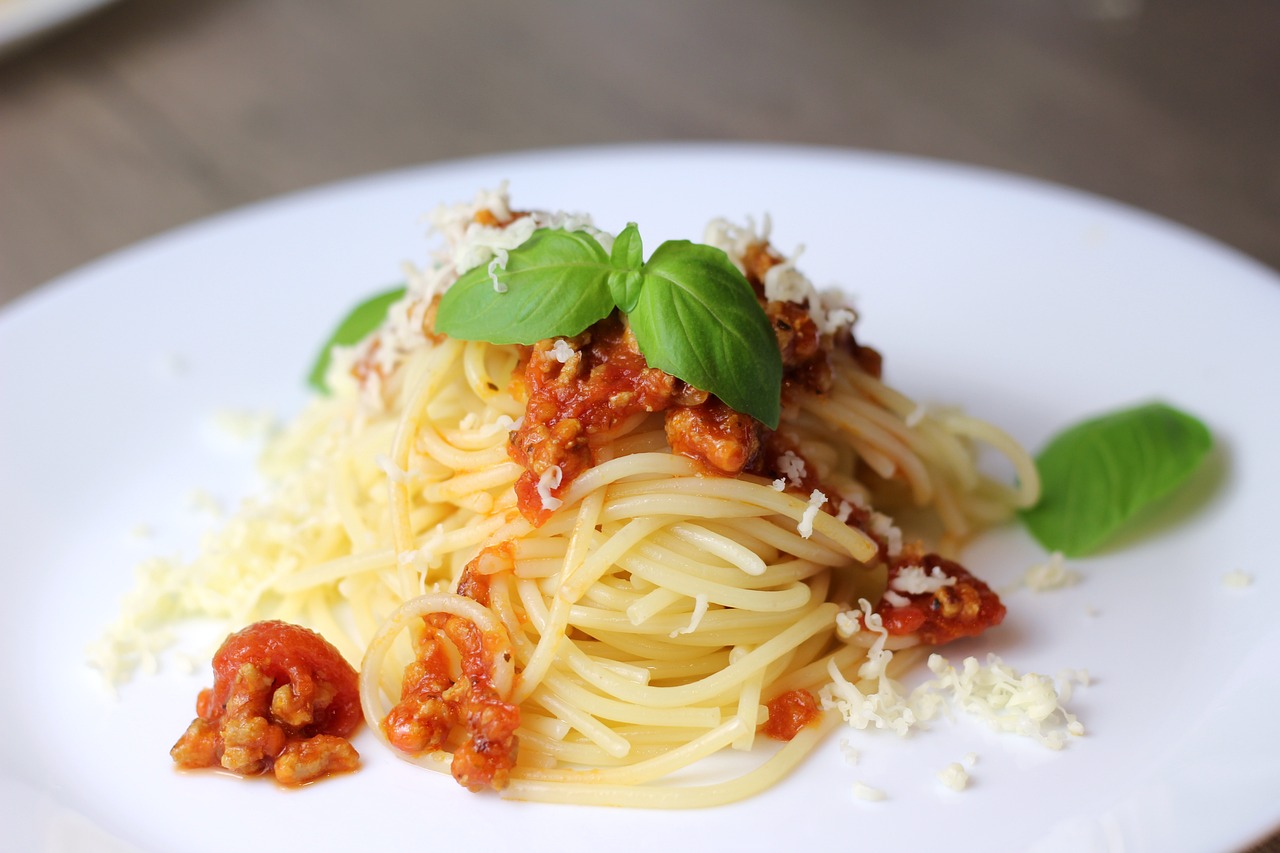
Bologna best food: a private gourmet route through market streets and tasting counters
To understand Bologna’s reputation for incredible food, place it gently on the map: the largest city in the Emilia-Romagna region of northern Italy, where craftsmanship is a way of life. Bologna’s food culture isn’t famous because it’s trendy; it’s admired because it’s precise—recipes refined, ingredients respected, and service often quietly excellent.
For high-end travellers, the most rewarding approach is a crafted, private tasting route that balances indulgence with breathing space. The goal isn’t to overeat; it’s to learn the cuisine behind the classics, and why bolognese traditions endure when handled with care.
Mercato di Mezzo & Mercato delle Erbe: food markets, food stalls and local producers
A well-paced Bologna food tour can begin at Mercato di Mezzo, where the atmosphere feels convivial without becoming chaotic. Continue to Mercato delle Erbe for a more local texture: food stalls, small producers, and food shops where your guide can translate not just language, but context—what’s seasonal, what’s worth waiting for, and what’s best taken home.
Ask your guide to build tastings around contrasts, and to explain how the city’s food shifts between everyday simplicity and celebratory richness. It’s also the moment to choose one or two bites of truly local food, rather than grazing without focus.
Signature dishes: fresh pasta, Bolognese classics, and a cooking class for a day in Bologna
Anchor the experience with fresh pasta, such as tagliatelle al ragù served with restraint and confidence, not theatrics. Add a curated tasting of parmigiano reggiano and traditional balsamic vinegar, then pause—really pause—so flavours have time to settle. This is bolognese food at its best: deeply traditional, but never trying too hard.
- Best pacing tip: build in one seated tasting between markets so your palate doesn’t blur.
- Souvenir with meaning: buy one carefully chosen ingredient (not five) and learn how locals use it.
- Dining confidence: ask for smaller pours; the aim is pleasure, not performance.
A foodie we travelled with still speaks about a private cooking class with a local chef as the moment Bologna became personal. Rolling dough, shaping tortellini, and learning how a family sauce is adjusted by feel—not formula—can change how you understand Italian food: you stop consuming and start creating.
As evening arrives, keep the mood intimate. A glass in an enoteca tucked into a medieval cellar is one of the city’s most comforting luxuries, and a thoughtful guide can tie the experience back to Bologna’s food culture without overwhelming you with detail. Insider tip: reserve sought-after tables well ahead, and book private guides early if you want exclusive access at a comfortable pace.
University of Bologna: oldest university, historic libraries and Pinacoteca Nazionale in Emilia-Romagna
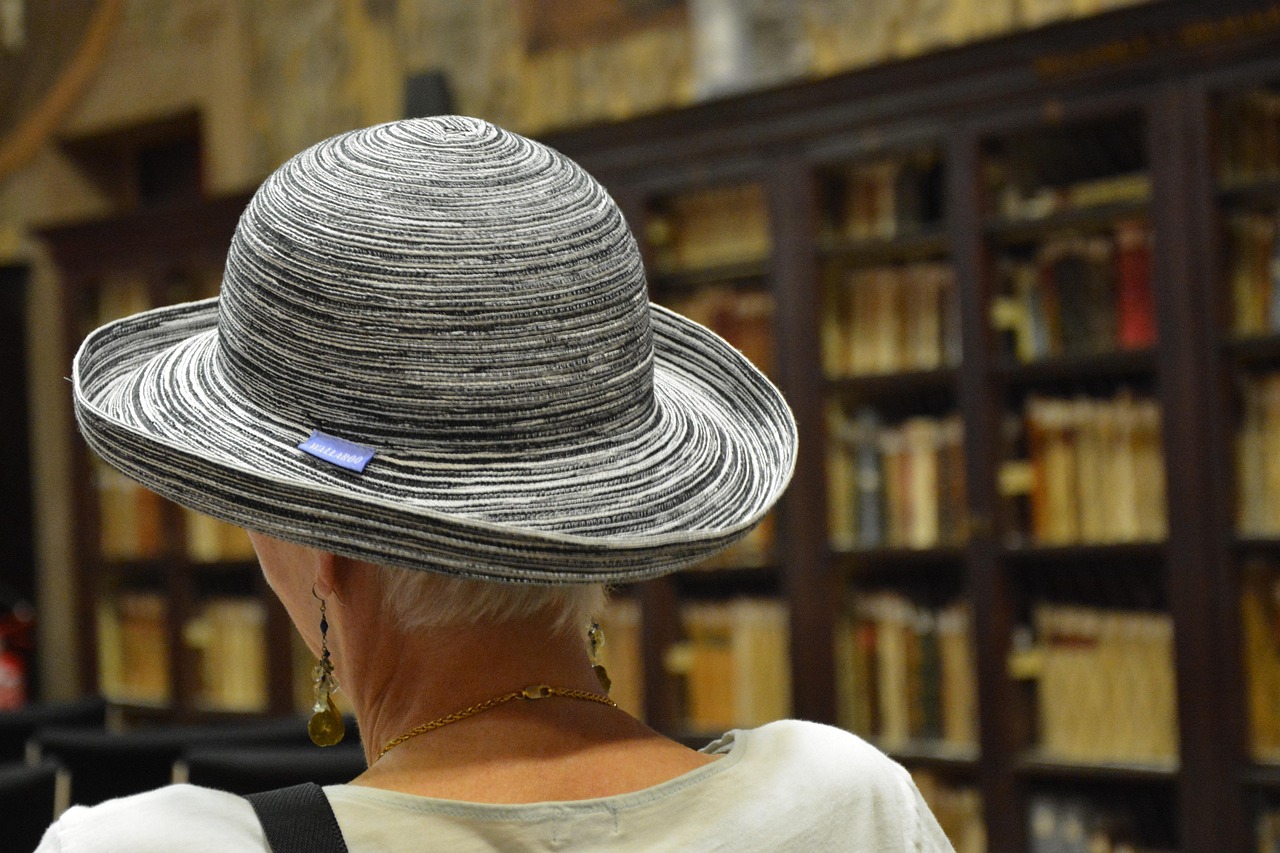
Emilia-Romagna culture: the university quarter and quiet art moments in the centre
For a more contemplative layer, explore the academic quarter with an approach that feels rare and human. Founded in 1088, it’s widely described as the oldest university in the Western world, and it offers something beyond a photo opportunity: a living sense of continuity, scholarship, and curiosity.
With privately arranged access, historic libraries and lesser-seen lecture halls can feel quietly moving. You’re not just looking at a room; you’re standing inside centuries of ambition, and it becomes surprisingly intimate when guided with insight.
Pinacoteca Nazionale: quiet masterpieces and courtyard architecture
An art lover once described a private guided visit to Bologna’s Pinacoteca Nazionale as the gentlest kind of luxury. Away from crowds, the pace becomes unhurried and supportive: time to notice brushwork, to ask questions, and to let Renaissance masterpieces land without noise.
Between galleries, weave in architectural interludes—shaded passages and a single palazzo courtyard that opens like a secret garden. As you repeat the same streets, you’ll start recognising details you missed on day one, and Bologna will feel more familiar.
Cineteca di Bologna evenings and Santo Stefano calm
For a cultured night that isn’t demanding, consider the Cineteca di Bologna or a concert. It’s a gentle way to step beyond churches and towers while still feeling anchored in local life. Dress smart-casual, arrive early, and let the evening be simple; Bologna doesn’t require effort to feel special.
Make time for Santo Stefano—the “Seven Churches”—as a serene stop. In the late afternoon, stone seems to soften, and the word ‘local’ means quiet rituals rather than souvenirs. If your trip is designed with breathing space, you won’t rush through this place; you’ll let it hold you for a moment.
Stay in Bologna: best hotels in Bologna historic centre itinerary for seamless luxury
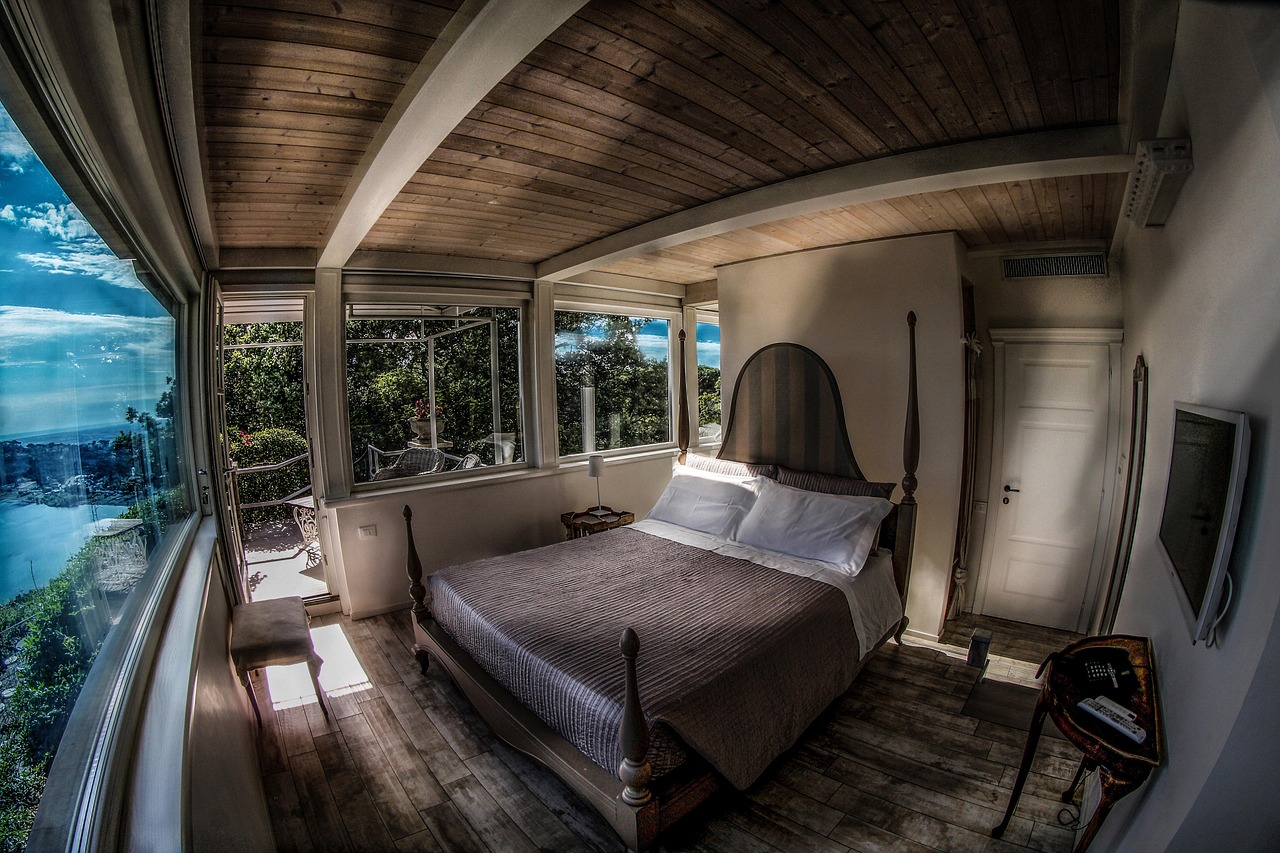
Stay in Bologna: elegant hotel bases and a seamless, walkable plan
To plan your stay well is to choose comfort that supports discovery. In the centre, heritage details can be beautiful—frescoed ceilings, original stonework—but high-end travellers should also check practicalities: soundproofing, lift access, and whether your room faces a lively lane or a quieter courtyard.
Bologna is compact, so location becomes a kind of freedom. When you can walk back for a rest between a museum visit and dinner, the entire experience feels calmer and more considered.
Choosing your hotel style: heritage elegance vs design-led boutique stays
There are two main moods when selecting a top-end base: heritage properties with a strong sense of place, and design-led boutiques that feel crisp and contemporary. Either can be excellent when the service is personal and the concierge genuinely supports your schedule. If you enjoy early mornings, ask for a room with soft light and minimal street noise; if you love evenings out, a central address near Piazza Maggiore makes everything feel effortless.
If you’re still shaping the wider journey through Italy, you can also browse our Trip gallery to imagine how Bologna might pair with other destinations—coherent, not crowded.
Bologna itinerary planning: when to visit Bologna, budgeting, and around Bologna day trip ideas
For clarity and confidence, plan your baseline budget before you add the special moments. Expect roughly €100–€300 per night for luxury accommodation depending on season and room category, and gourmet dining from €50+ per meal. Add-ons—private guides, drivers, and pre-booked entries—are where the experience becomes more crafted, so build them in early rather than as an afterthought.
- Best time to visit Bologna: late spring (May–June) or early autumn (September–October) for pleasant weather and fewer tourists.
- Getting around: walk the portico network; use taxis for short hops; choose private transfers for evenings or day trips for extra ease.
- Reservations: Michelin-starred restaurants and sought-after tastings book up—secure them well in advance for peace of mind.
In day-to-day movement, Bologna rewards walking. Covered arcades make even a sudden shower feel like part of the atmosphere, and a concierge can coordinate timings so you’re never rushing between bookings. Unlike a capital city, Bologna feels personal and quietly confident—ideal for travellers who value ease over noise.
If you’d like to explore around Bologna without losing the comfort of your base, design one tour from Bologna that feels genuinely worth a visit. A Ravenna day trip is the standout for mosaics, colour, and a different kind of silence—Ravenna can feel like a jewel box opened just for you. Optional half-day escapes to Modena or Parma can be wonderful too, especially when private transport is arranged so you return refreshed rather than drained.
For a final evening walk, choose the Portico di San Luca up to Madonna di San Luca on Colle della Guardia. Time it for golden light and take it slowly; the climb becomes restorative, and the city seems to exhale beneath you.
After you visit Bologna: what stays with you from the historic center
Long after you visit Bologna, it’s rarely the loud moments that return first. It’s the afterglow of portico shadows at dusk, the soft conversations drifting from a side street, and the quiet confidence of being in a place that doesn’t demand you perform your holiday. Bologna lingers as an intimate kind of luxury—measured, thoughtful, and full of care when you let it unfold at its own pace.
Perhaps it’s a final glance towards Garisenda, noticing how it leans as if listening. Or it’s the echo of bells near Santo Stefano, where the stone feels time-worn in a way that’s comforting rather than grand. For some travellers, it’s the memory of an enoteca in a medieval cellar: a last glass, a small plate, and the sense that indulgence can sit easily beside history.
You carry home a quieter relationship with food culture—less about chasing the “best”, more about understanding how simplicity can be expertly done. You remember how Bologna made everyday beauty feel accessible: a doorway, a courtyard, a warm greeting, a meal taken slowly because nobody hurried you along.
In another season, the same streets will look different—lighter, darker, rain-polished, sun-warmed—and you might notice that what has changed is not only Bologna, but the way you move through it, and the local food culture you now seek out.
F.A.Qs: Bologna city essentials for high-end travellers
What is Bologna Italy best known for?
Bologna is best known for its cuisine, its beautifully preserved historic centre, and landmark spaces like Piazza Maggiore with its iconic tower silhouettes. It’s also celebrated for long portico walkways that shape daily life, making even an evening stroll feel elegant and easy.
Why is Bologna, Italy so expensive?
Bologna can feel expensive because it’s a prosperous university city with strong demand for quality dining and central accommodation. Prices rise in peak seasons and during major events. High-end travellers also tend to add private guides, curated tastings, and premium transport, which increases the overall cost—but often improves comfort and saves time.
What is a must eat in Bologna?
A must-eat in Bologna is tagliatelle al ragù, the classic local pasta dish that defines the city’s approach to comfort and craft. For a fuller taste of tradition, add tortellini and a carefully paced market tasting so you can appreciate flavour and service without feeling rushed.
What do Italians call the city of Bologna?
Italians often refer to Bologna by affectionate nicknames that reflect its character, including “La Dotta” (the learned), “La Grassa” (the fat, for its rich food), and “La Rossa” (the red, for its terracotta buildings and historic identity). You’ll hear these used with genuine local pride.