Post Contents
- Arriving in Florence by car from around Tuscany with confidence
- Drive in Florence ZTL zones in Florence tips and tricks for calm access
- Private parking Florence historic center and how to park your car outside of the ZTL
- Florence private tours Uffizi Duomo Piazzale Michelangelo with artisan intimacy
- Florence and Tuscany day trip by rental car Chianti with refined ease
- Personal reflections on Florence Italy journey and what stayed with us
- F.A.Qs: driving to Florence Italy
Arriving in Florence by car from around Tuscany with confidence
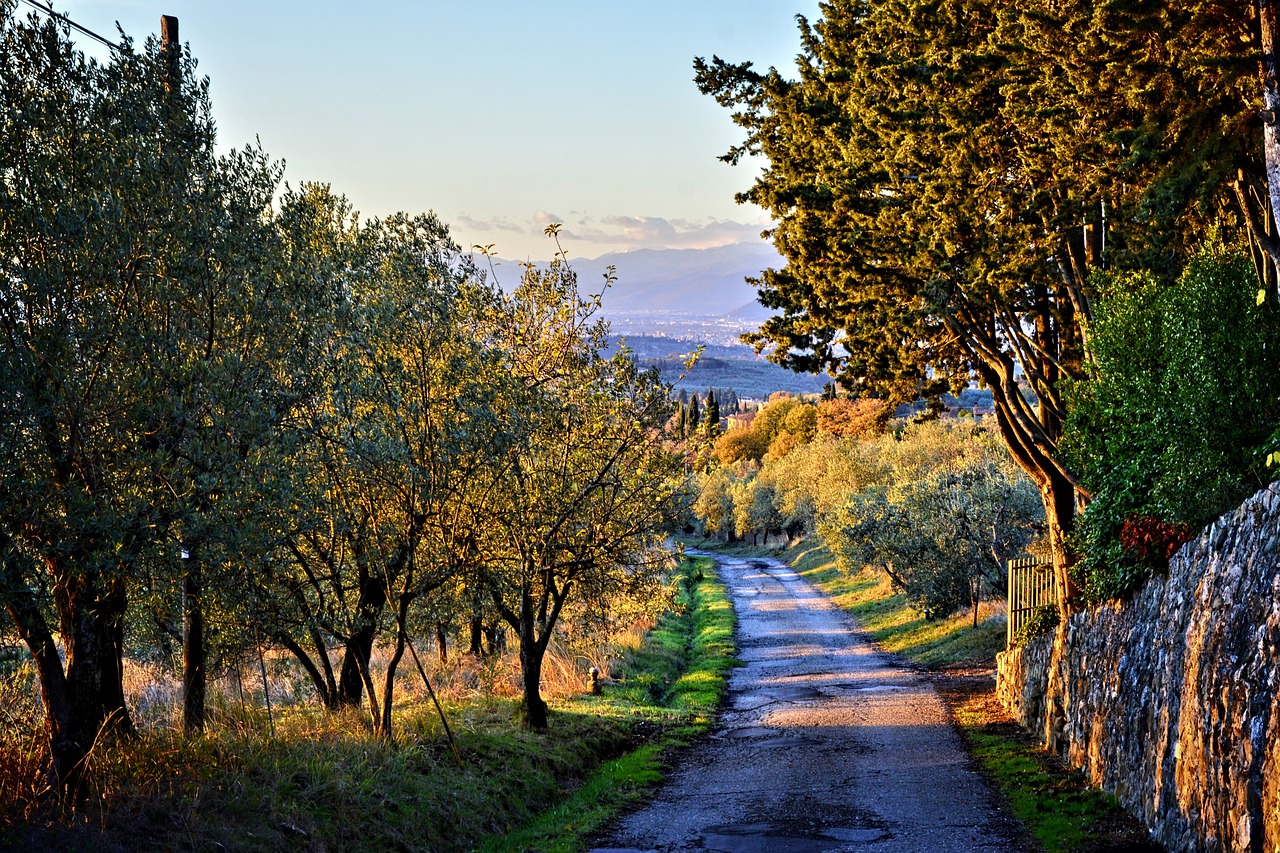
Arriving in Florence by car with confidence and a calm Tuscan approach
When you’re arriving in Florence by car from around Tuscany, the secret is rhythm: choose the right season, approach with a plan, and keep the final kilometres intentionally simple. Florence rewards those who arrive gently—especially if you’re travelling with fine luggage, a tailored itinerary, or a taste for spontaneous stops in the countryside.
The best time to plan to drive is spring or early autumn, when the light feels soft, the air is mild, and the roads around Tuscany are calmer. You’ll enjoy fewer tour-bus pinch points, and you’ll be able to savour the approach rather than “manage” it.
Driving directions and when to switch to taxi or public transportation
For most travellers, the least stressful approach is to aim for the outer ring roads, then decide whether you’ll drive into Florence or hand over the final stretch. If your hotel is central, you may prefer to stop at a pre-booked garage and continue by taxi, or connect via public transportation for the final hop—especially if you’re arriving during evening promenades.
A helpful mindset is to treat the centre of Florence as a walking city and the car as your elegant connector: it brings you close, then steps quietly out of the story. This is particularly true if your day is designed around galleries, long lunches, and sunset views rather than street-by-street navigation.
Car rental and chauffeur options with crafted support
Choose car rental if you want freedom for countryside detours and a future day trip, but consider a private chauffeur if you want the journey to feel truly seamless—no parking decisions, no toll concentration, just calm arrival. For peak dates, book your car early and confirm collection times so everything feels supportive rather than hurried.
If you’re flying in, Florence airport makes logistics straightforward: look for clear signage to the desks, then pick up the car only after checking your driving licence, passport, and the condition report. Ask how rental companies handle toll devices, and confirm whether your route or later drop-off is one-way. That small conversation is often the difference between a trip that feels improvised and one that feels expertly designed.
- Quiet-luxury timing: arrive mid-morning or after lunch to avoid commuter flow.
- Paperwork check: confirm the fuel policy, existing scratches, and any toll tag before you leave the car at the airport.
- City strategy: decide in advance whether you’ll stop outside the centre and stroll in, or proceed to a garage near your hotel.




Drive in Florence ZTL zones in Florence tips and tricks for calm access
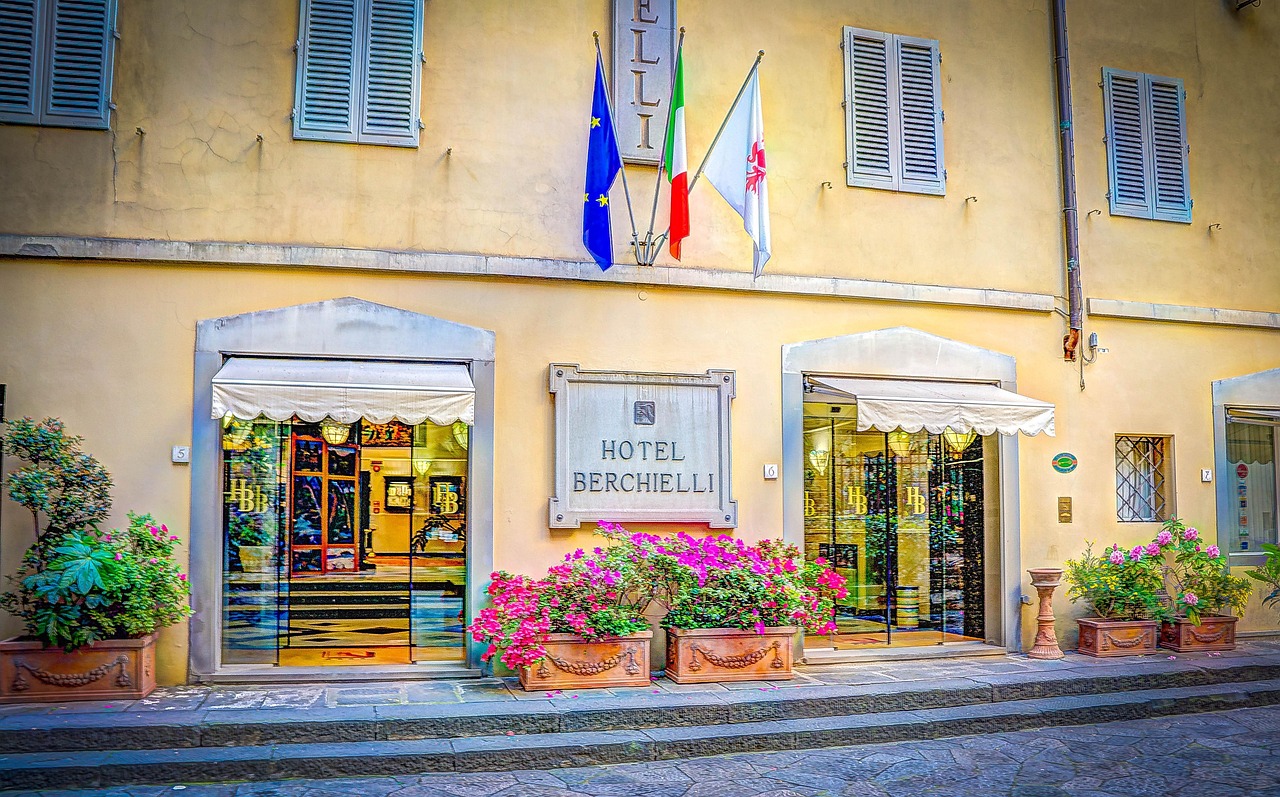
Drive in Florence ZTL zones in Florence tips and tricks with clear signage
To drive in Florence ZTL zones in Florence tips and tricks matter less as “hacks” and more as confidence-building knowledge. The ZTL is Florence’s way of protecting its most delicate streets—so once you understand it, you’ll move through the city with far more trust in your decisions.
What the ZTL is and why it matters for high-end travel
ZTL stands for zona traffico limitato: a restricted traffic area, also described as a limited traffic zone, where access is controlled to reduce congestion in the historic core. Even if you’re not planning to navigate those lanes yourself, knowing how Florence ZTL works helps you choose the right hotel, the right garage, and the right arrival time.
In practice, the key question is simple: is the ZTL is active when you arrive? If it is, you must not enter the ZTL unless you have an authorised access pass. Many travellers pick the wrong turning and accidentally drive into a ZTL gate, thinking it’s just another street.
Enforcement, cameras, and why fines arrive later
Enforcement is automatic and calm, not confrontational: cameras detect and photograph license plates as you pass, and systems record the license plate number. In other words, the city police do not need to stop you for a penalty to be issued; the cameras simply register the license plates of all vehicles that cross the line without permission.
What triggers a fine is straightforward: you enter the ZTL without the correct pass to drive at that moment. ZTL fines often arrive weeks later, sometimes via your accommodation records or rental paperwork—so it’s worth getting it right upfront, rather than trying to untangle it after the fact.
Before travel, download a map of the ZTL and keep a Florence ZTL map saved offline. You’ll also want to recognise the gates and signage quickly—the visual cues are your real-time reassurance when streets narrow and decisions arrive fast.
If your accommodation is inside the ZTL area, many properties can arrange a ZTL permit for check-in and drop-off. Confirm the exact process with your hotel in advance, including the time window and the registration details, so you can arrive feeling cared for rather than cautious.
Private parking Florence historic center and how to park your car outside of the ZTL
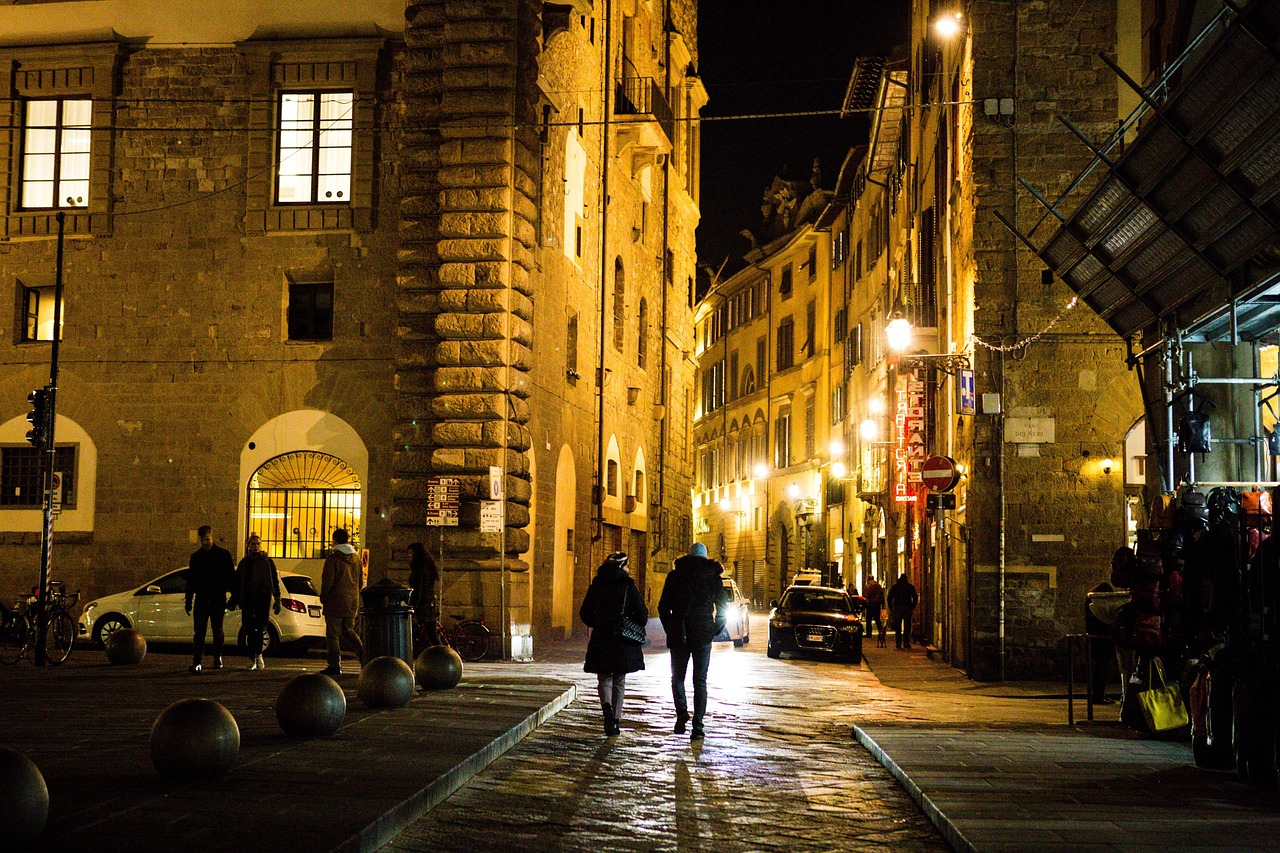
Private parking Florence historic center without worry and close hotel access
When planning private parking Florence historic center logistics, the most elegant strategy is to decide whether you’ll park outside the ZTL or pre-book a garage that will allow you to park inside the ZTL area under controlled conditions. Either way, you’re aiming for the same outcome: the security of leaving your car while you step into Florence on foot, unhurried.
If you need to park outside near the edges, areas around Libertà can be convenient for access without threading into tight lanes. You may find options to park for free further out, but the trade-off is time, attention, and a longer walk—fine for light packing, less ideal for couture garment bags or special purchases.
Use a private garage for peace of mind
To use a private garage well, treat it like a concierge service: ask what private parking includes (valet, overnight, CCTV, and EV charging), and confirm how to enter and exit without confusion. In Florence, always park only where you have written instructions or a confirmed booking, especially if you intend to park ahead during weekends or event dates.
The goal is to be close to your hotel without having to “prove” your driving skills in medieval streets. A car in a garage also reduces temptation for opportunistic theft and keeps your arrival graceful rather than tense.
Train connections and seamless transfers
If your itinerary blends rail and road, orient yourself around Santa Maria Novella train station for luggage-friendly transfers. This is where crafted planning shines: you can collect the car after your city stay, or return it before your onward journey, keeping your travel plans light and beautifully paced.
- Decision filter: if your hotel is central, pay to park in a secured garage and walk everywhere.
- Street awareness: be mindful when unloading—Florence is generally safe, but crowded areas can invite distraction.
- Valuables: keep items out of sight, and never leave passports or jewellery in the car.
Florence private tours Uffizi Duomo Piazzale Michelangelo with artisan intimacy
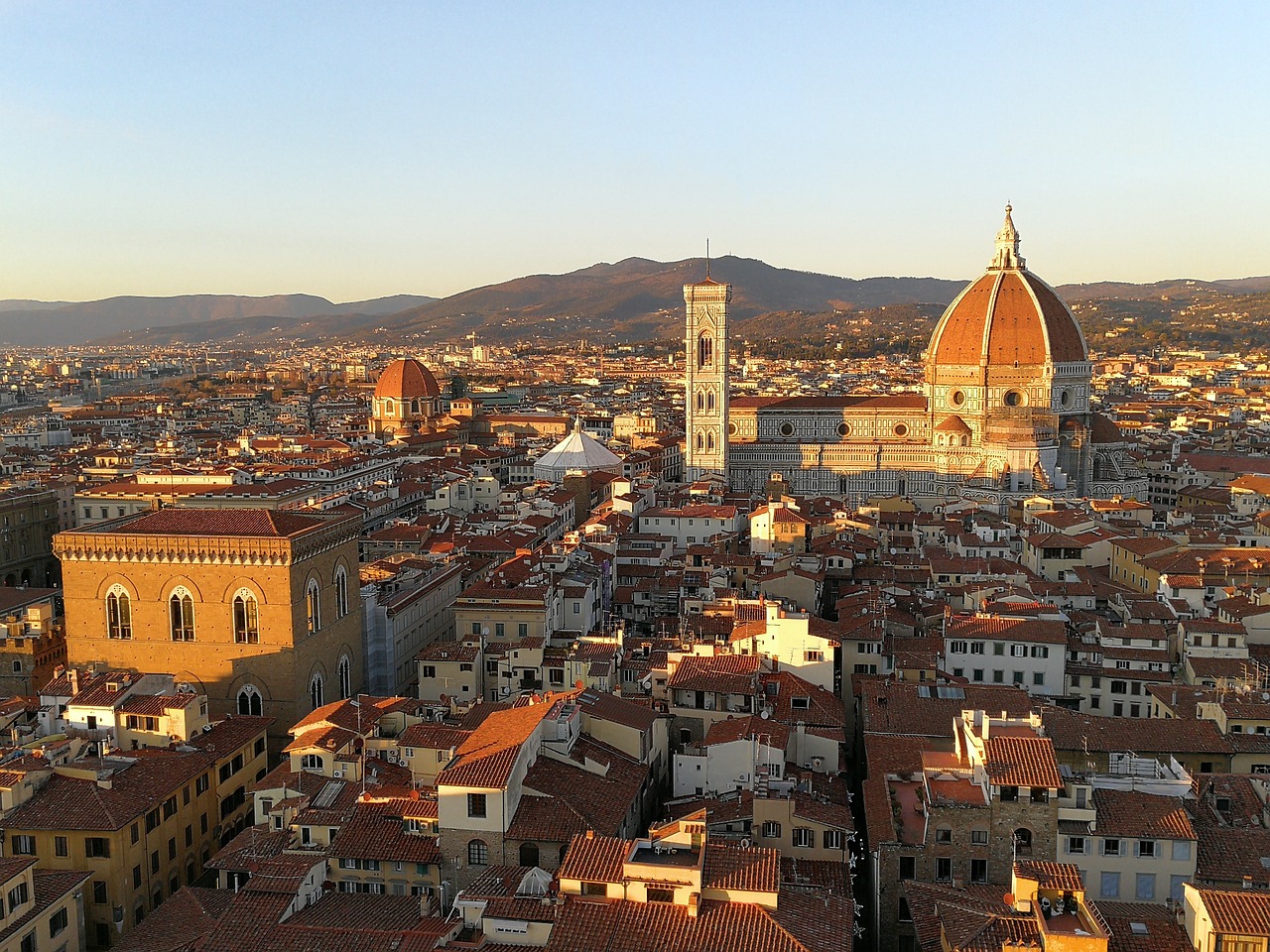
Florence private tours Uffizi Duomo Piazzale Michelangelo for art, views, and artisan moments
For travellers designing a refined day, Florence private tours Uffizi Duomo Piazzale Michelangelo create the perfect arc: sacred architecture, intimate art access, and a view that makes the city feel like a living painting. The magic here is not rushing—it’s creating space for wonder, guided by expert context and unforced elegance.
Cathedral mornings and respectful dress codes
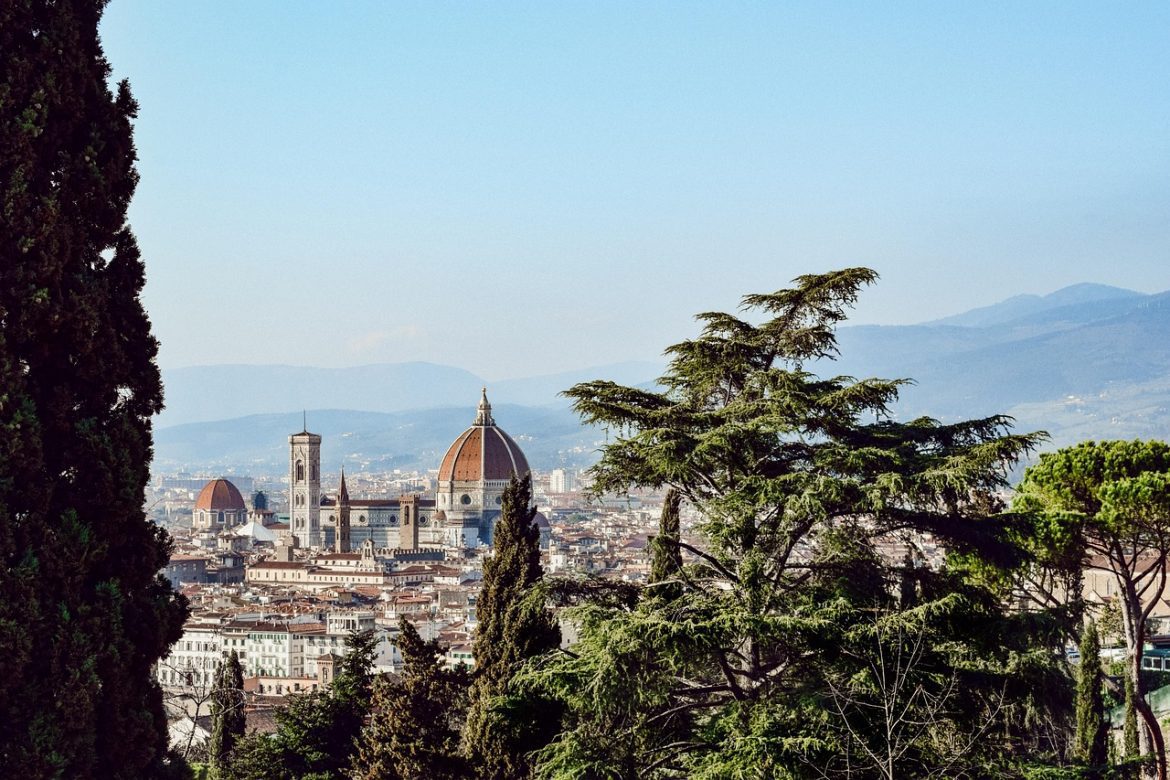
Start with the Florence Cathedral, Santa Maria del Fiore, and the iconic Brunelleschi dome. The atmosphere changes as you step from sunlit piazza into cool stone—one of those moments that quietly resets your pace. Dress code guidance matters for religious sites: modest shoulders and knees help you enter with ease and care, rather than negotiating at the door.
Uffizi and artisan Florence with a dedicated guide
For the Uffizi Gallery, book tickets well ahead—or better, design an after-hours experience. One art enthusiast told us about a private, curator-led visit that felt like stepping into the Renaissance without the crowds: the hush in front of Botticelli, the depth of colour, and the rare privilege of asking questions in real time. It’s the kind of access that turns “seeing” into insight.
Later, uncover a more tactile Florence through private artisan workshops—leather and goldsmith studios where tradition feels alive. Another visitor recalled a personalised leather crafting session, creating a bespoke souvenir together with a master artisan, and leaving with more than an object: a personal memory with real hands behind it.
As the light softens, head to Piazzale Michelangelo for panoramic views at sunset. A traveller once described a magical evening dining atop a rooftop terrace, overlooking the illuminated Duomo—romantic, yes, but also quietly grounding, as if Florence itself had leaned closer. For curated inspiration as you explore Italy, you can browse our Trip gallery.
When you want calm between icons, discover hidden Renaissance gardens like the Bardini Garden, then take a serene walk through the Boboli Gardens. These green rooms of history offer a palate cleanser from the city’s brilliance—an elegant pause that helps the rest of Florence land more deeply.
Florence and Tuscany day trip by rental car Chianti with refined ease
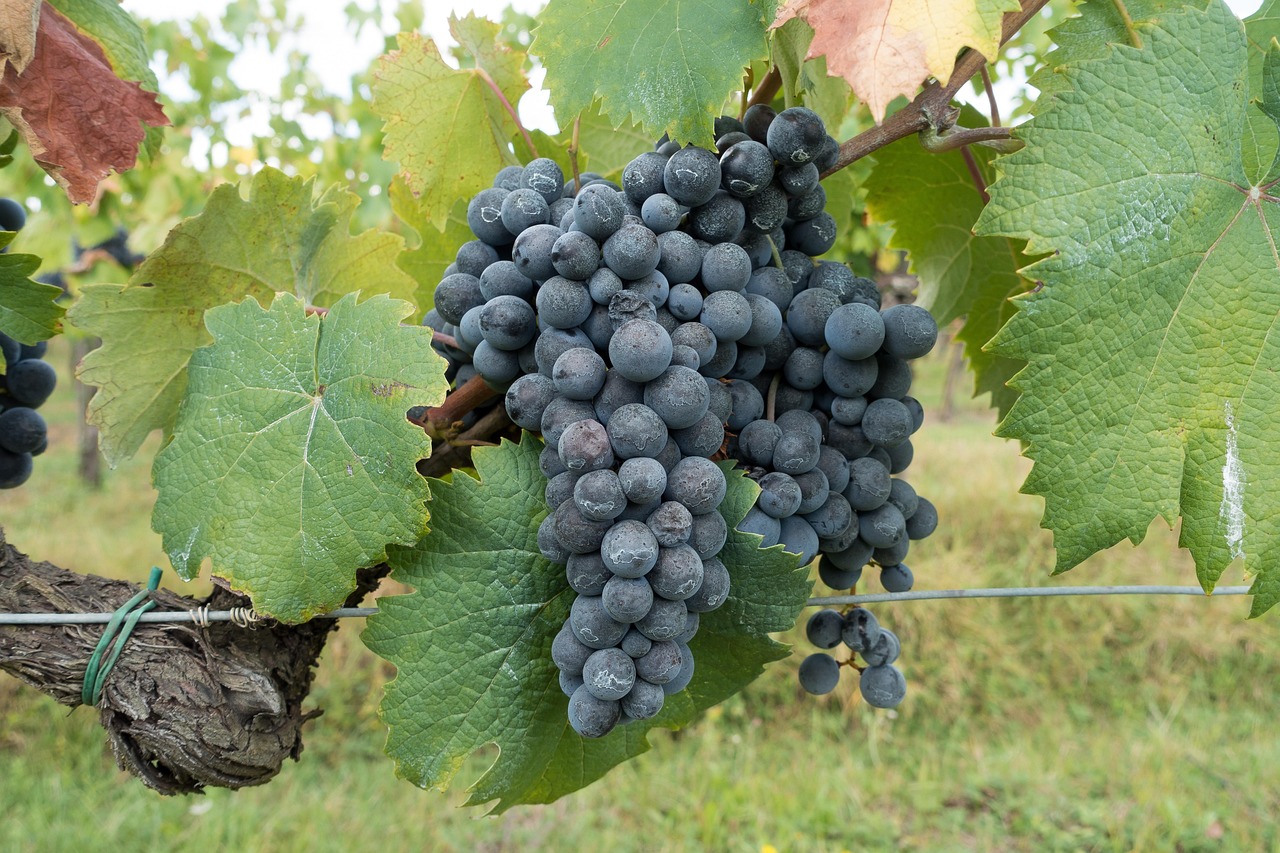
Florence and Tuscany day trip by rental car Chianti through vineyards and hill towns
For a Florence and Tuscany day trip by rental car Chianti becomes a private ribbon of beauty—vineyards, hill towns, and viewpoints that feel personal rather than performed. This is where Florence by car truly shines: you can step away from the centre, breathe, and return with the glow of the countryside still on you.
Design a refined loop around Tuscany: a late start, one or two villages, and a long lunch where the pace is unhurried. If you like driving, choose a scenic route with gentle curves and generous photo stops, rather than stacking too many destinations.
Wine visits with confidence and local welcome
A standout experience is a family-run vineyard just outside Florence. One gourmand described tasting rare vintages while learning traditional winemaking techniques—barrel rooms scented with oak, stories passed down with pride, and a table set simply but beautifully. It’s a local kind of luxury: intimacy, knowledge, and time.
Logistics that keep the day seamless
Keep the loop smooth by planning fuel stops, tolls, and timing, and by choosing a one-way variation only if it genuinely reduces backtracking. In a car in Italy, small preparations matter: carry water, keep your phone charged, and build in pauses to avoid driving fatigue.
When you rent a car for country lanes, choose a size that feels confident on narrow roads and add insurance that matches your comfort level. Ask your rental car company about any restrictions, where you may drive, and how to handle toll roads; different rental companies have different policies, and clarity is part of good support.
Finally, plan dropping off the car with the same care you gave the pick-up. Aim to return the car outside peak traffic hours, and consider returning near a rail hub if you’re continuing onwards—this keeps the handover calm and your arrival at the platform effortless.
- Choose fewer stops: one hill town and one winery often feels more exclusive than three rushed villages.
- Discreet car habits: keep purchases and valuables out of sight when parked at viewpoints.
- End well: schedule your return with a buffer so the day finishes softly, not sharply.
Personal reflections on Florence Italy journey and what stayed with us
In the days after Florence, what returns isn’t a checklist—it’s the way the light rests on terracotta at dusk, and how your footsteps sound different on ancient stone. You remember the hush inside a chapel, the sudden cool of shadow under an arch, and the quiet pride of something crafted by your own hands, as if the city lent you a little of its patience.
There’s a particular comfort in being gently prepared. Once you’ve understood ZTL clarity and given yourself permission to move at a thoughtful pace, you stop trying to control Florence and begin to receive it. The city feels less like a puzzle and more like a conversation—one you can trust, because you’ve designed the practical details to hold you.
And then, without forcing it, you find yourself imagining a return: perhaps in spring when the gardens feel newly awake, or in early autumn when the evenings deepen. Not to collect more sights, but to uncover a quieter layer—of Florence, and of yourself—waiting just beyond the next turning.
F.A.Qs: driving to Florence Italy
Can you drive a car into Florence?
Yes, you can drive into Florence, but access to the central area is controlled by the ZTL (zona traffico limitato). If you enter restricted streets without authorisation, cameras may record your number plate and a penalty can follow. Many high-end travellers choose to park at a pre-booked garage and walk, or arrange hotel registration if staying within the controlled zone.
Is it difficult for an American to drive in Italy?
It’s manageable, especially with preparation and a calm pace. The main differences are road signs, roundabouts, and limited traffic zones in historic centres. In Tuscany, driving is often relaxed; in cities it can feel tighter. Choose an automatic if you prefer, use a reliable navigation app, and ask your hotel or provider about ZTL rules and parking before you arrive.
Can I drive my car in Florence, Italy?
You can, but it’s best to minimise city driving unless you have a clear plan for the ZTL and parking. Florence’s historic streets are narrow and access is restricted at certain times. If your hotel is within the controlled area, they may be able to register your vehicle for check-in. Otherwise, park outside the restricted zone and enjoy the city on foot.
Is it good to drive in Florence?
Driving in Florence is rarely the most relaxing way to experience the city centre, because of ZTL controls, limited parking, and narrow streets. However, having a car is excellent for day trips and exploring around Florence and the countryside. Many travellers use a car to arrive, park securely, then rely on walking and occasional taxis within the city.