Post Contents
- Mount Vesuvius and Naples Italy cultural adventure guide Campania with Vesuvio insight
- Visiting Mount Vesuvius Gran Cono crater hike from Naples Italy with confidence
- Pompeii Mount Vesuvius eruption of 79 AD city of Pompeii day trip Italy
- Herculaneum near Vesuvius visiting Herculaneum Italy from Naples
- Vesuvius National Park night hike Naples Italy volcanic landscapes inside the park
- Mount Vesuvius Naples reflection Italy cultural adventure with Vesuvio
- F.A.Qs: Mount Vesuvius Naples Italy
Mount Vesuvius and Naples Italy cultural adventure guide Campania with Vesuvio insight
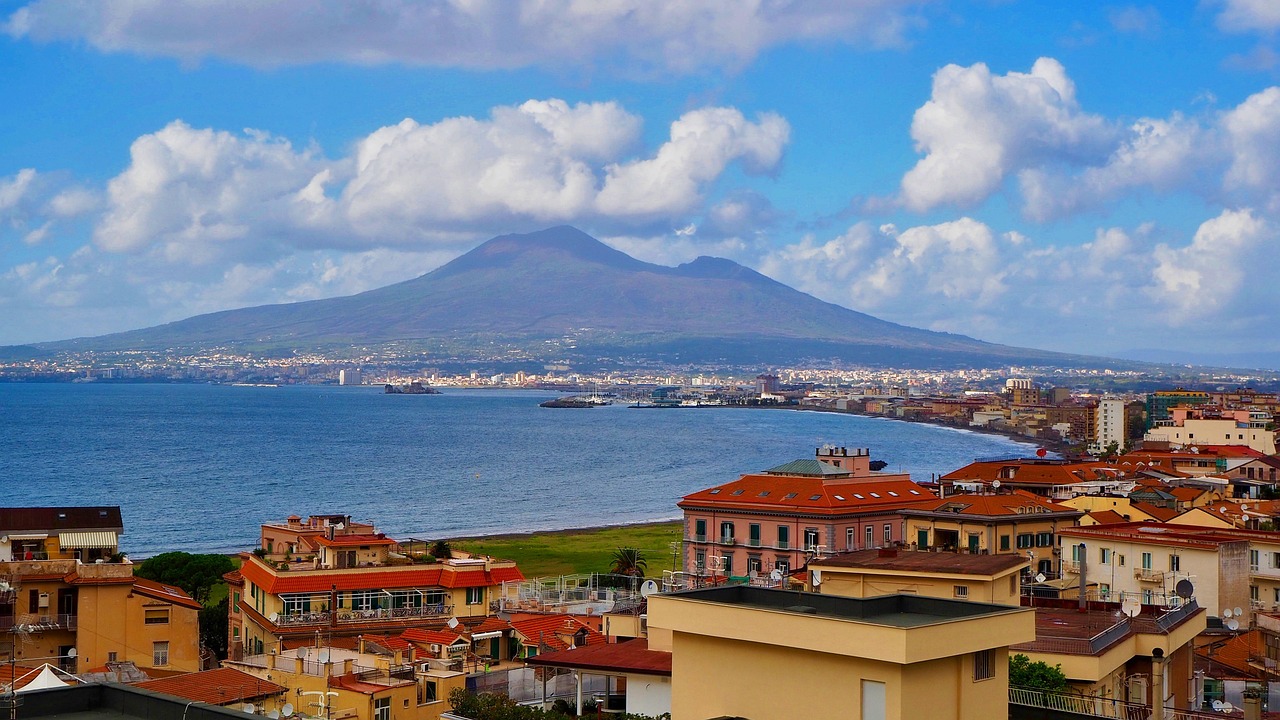
Mount Vesuvius and Naples Italy The story beneath your footsteps as the gulf of Naples opens below
For a Mount Vesuvius Naples Italy cultural adventure guide Campania travellers can trust, it helps to start with the feeling: the moment you step onto dark ground that crunches faintly underfoot, and the air turns sharper with wind. Vesuvio doesn’t ask for bravado; it asks for attention. If you arrive with care, you’ll feel supported—especially as the first panorama over the gulf of Naples appears and the city seems to glow between sea and sky.
Mount Vesuvius is part of the Somma-Vesuvius volcanic system, with Mount Somma forming the older rim around the newer cone. In Campania, that geology isn’t just a fact; it’s identity. Naples lives with the volcano in view, a daily reminder that beauty and volatility can coexist with dignity.
From 79 to now, the timeline beneath your steps
The eruption of 79 AD (79 CE) sits at the centre of the story, but it is not the only chapter. A violent series of events followed over centuries, including 1631, and the last eruption in 1944. The last eruption—Vesuvius was in 1944—still sits in local memory, and a recent eruption is always part of the region’s long awareness, even in quiet years.
Today, volcanic activity is constantly monitored by volcanologists, and that steady oversight should reassure you. You’re not gambling with chance; you’re visiting an active volcano with clear rules, measured access, and a culture that takes risk seriously.
Designing your day around light, crowds, and confidence
To create a more crafted experience, design your timing as carefully as you choose your hotel. Early morning often brings the crispest air and the clearest visibility; late afternoon brings softer colour and a calmer mood on the slopes of the volcano. Keep plans flexible: if haze rolls in, you can pivot to a museum lunch in Naples, or swap the order of sites without losing the heart of the day.
Many travellers describe a quiet awe when they first look down across Naples and realise the volcano has shaped everything from farming to architecture. It’s a personal kind of wonder—less about ticking a landmark, more about feeling time stretch, together, under your feet.




Visiting Mount Vesuvius Gran Cono crater hike from Naples Italy with confidence
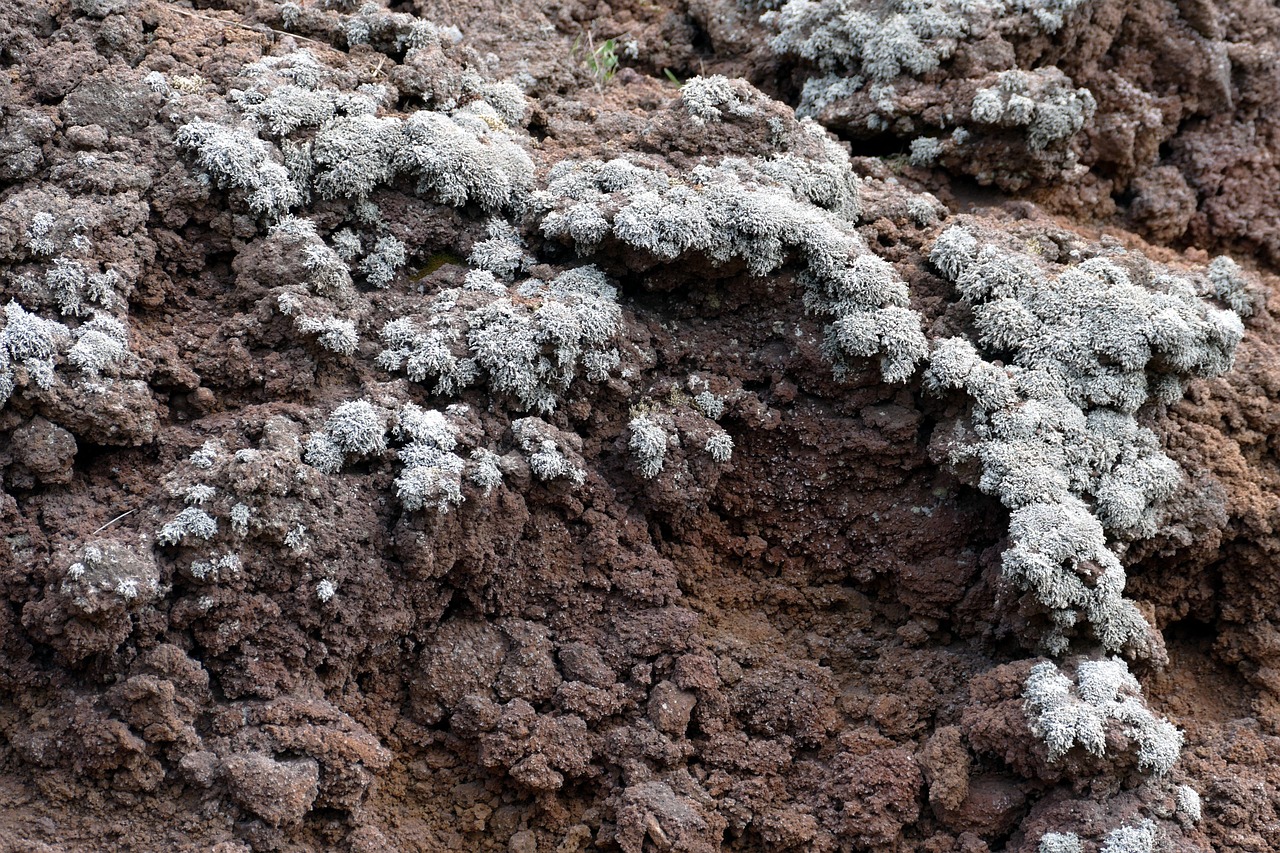
Visiting Mount Vesuvius Gran Cono crater hike with confidence on the volcanic path
If you’re planning visiting Mount Vesuvius Gran Cono crater hike from Naples Italy, the logistics are simpler than they sound—especially with a bit of warm, practical preparation. Start in the Centrale train station area and take the Circumvesuviana train towards Pompei. From the Circumvesuviana stop, continue by bus from the Circumvesuviana or take a taxi up to the Vesuvius trailhead, where the final ascent begins.
Tickets are often timed, so it pays to book tickets in advance during peak months. The entry fee for the crater hike is typically around €10 (always check the latest), and mornings tend to be busiest with tour groups. If you want more space to breathe, arrive early, or choose later afternoon for a quieter rim walk and softer photographs.
Gran Cono on foot, the route to the crater rim
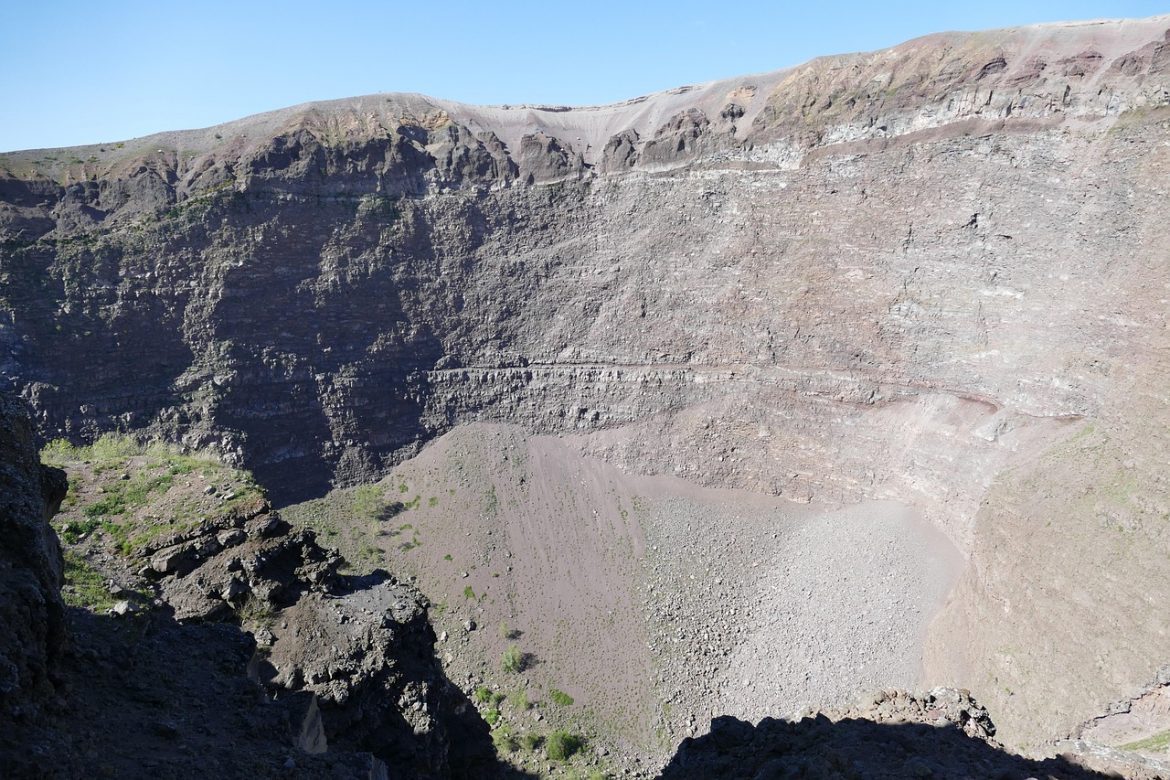
The Gran Cono route is short but honest: an uneven, volcanic path with loose ash underfoot and occasional wind exposure. The cone steepens near the top, and the final approach to the crater can feel like walking on shifting sugar. Then—suddenly—the reward: the crater edge, the Bay of Naples far below, and the city’s geometry unfolding along the coastline.
It’s the kind of view that makes strong hikers fall silent. More than once, I’ve heard people say they felt the power of the volcano beneath their boots, not as fear, but as respect.
What to pack for support and safety
- Sturdy hiking shoes with grip for ash and stone
- Water and a small snack (there’s little shade)
- Sun protection and layers for wind near the crater
- Cash or card for small purchases, plus your timed ticket
Stay on marked trails and heed all warnings; it’s how your adventure feels seamless rather than edgy. A local guide can add expert insight and help you explore with trust—pointing out vents, rock colours, and the small signals of an active landscape.
Pompeii Mount Vesuvius eruption of 79 AD city of Pompeii day trip Italy
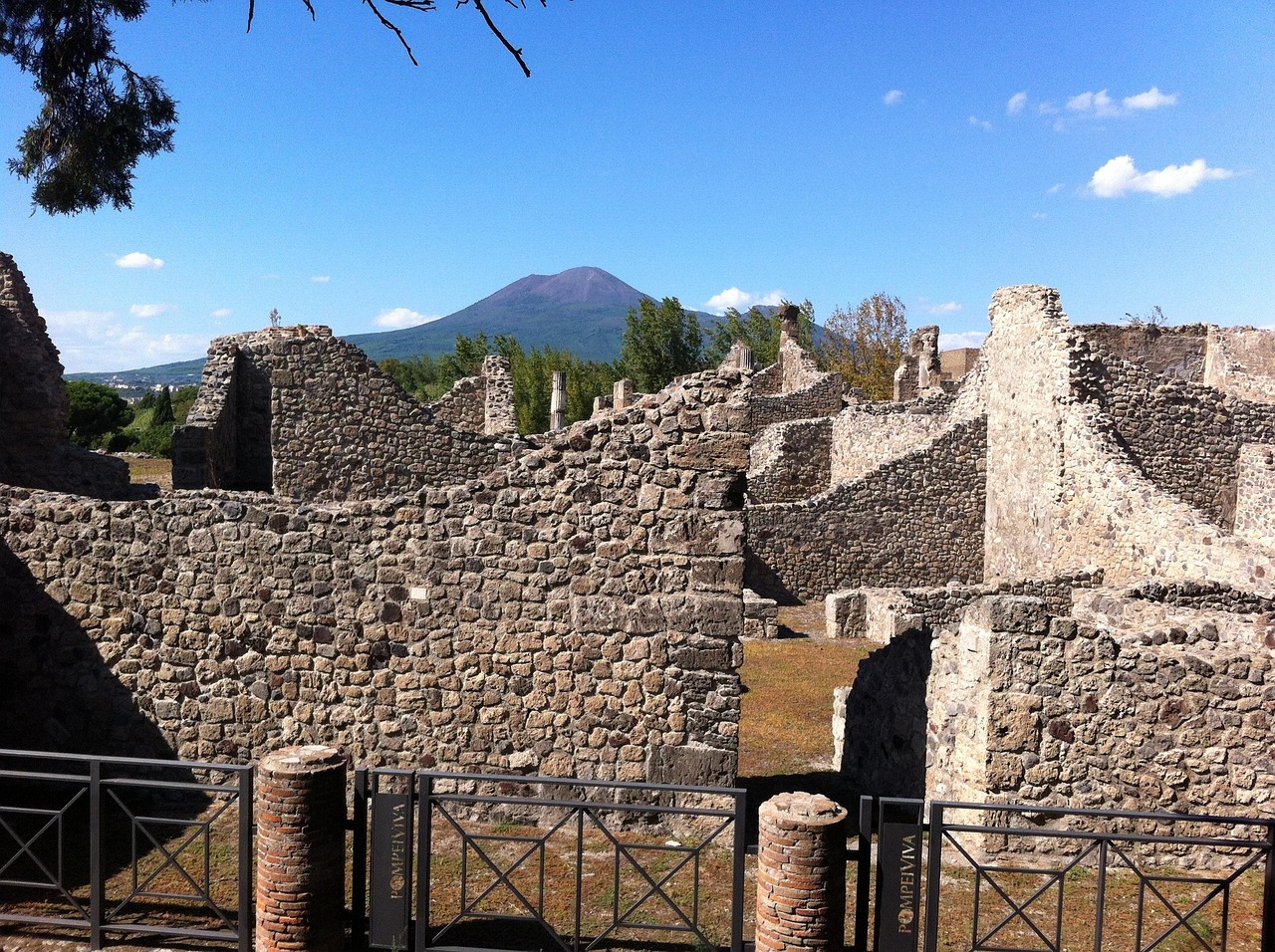
Pompeii and the eruption of 79 AD Walking through time in the ruins of Pompeii
For a Pompeii Mount Vesuvius eruption of 79 AD city of Pompeii day trip Italy, prepare for something unexpectedly personal. The city of Pompeii was preserved by volcanic ash after the eruption that destroyed Pompeii and buried the cities of Pompeii, and what remains is not merely spectacular—it’s intimate. In a single morning you can go from modern Naples to an ancient city that still holds the shape of ordinary lives.
To uncover Pompeii’s humanity, begin with the streets: the worn stones, the ruts from carts, the stepping blocks that once kept sandals out of rainwater. Then move into homes and courtyards where wall paintings still hold colour, and public spaces where politics and gossip once travelled as fast as footsteps.
How to explore Pompeii like a cultural enthusiast
- Choose one neighbourhood and go deep, rather than rushing the whole site
- Pause for details: bakeries, gardens, shop counters, household shrines
- Visit key public spaces, then end somewhere quiet for reflection
The science adds weight without stealing the emotion. Pliny the Younger described the Plinian column rising above the volcano, and modern studies explain how pyroclastic flows and hot ash moved with brutal speed. This was a volcanic eruption that could preserve as well as destroy; explosive eruptions can lock a moment in time, even as they erase what came next.
Pairing Pompeii with Mount Vesuvius in one day
You can combine Mount Vesuvius and Pompeii in one day, but keep your pace realistic. Start early, build in shade and a proper lunch, and consider a guide for one site rather than both—so your mind has space to absorb what you’re seeing. The goal isn’t to sprint through tragedy; it’s to explore with care, and let the story settle.
Herculaneum near Vesuvius visiting Herculaneum Italy from Naples
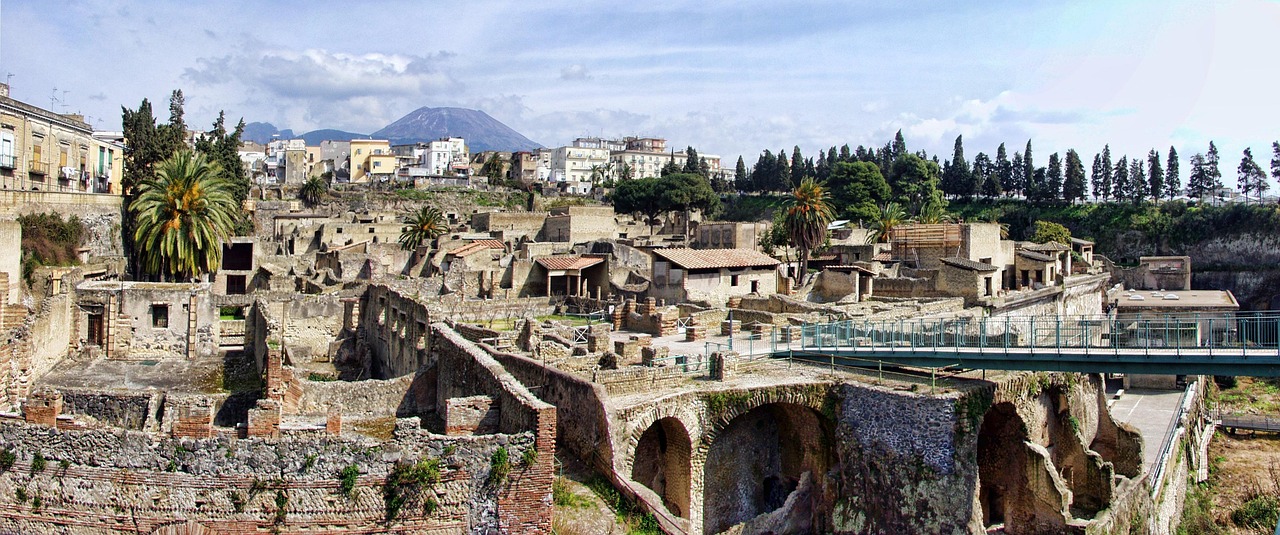
Herculaneum near Vesuvius A quieter Roman life revealed in the city of Herculaneum
For travellers planning Herculaneum near Vesuvius visiting Herculaneum Italy from Naples, the surprise is often how calm it feels. If Pompeii can feel like a vast open-air atlas, Herculaneum is its quieter companion—smaller, more contained, and deeply moving in a different way. Many people tell me it’s where they felt the strongest connection, as if the site invites you to look closer rather than simply look up.
The city of Herculaneum preserves multi-storey structures and materials that feel startlingly modern: timber impressions, smooth plasterwork, balconies that still suggest evening conversations. Because the streets are more compact, you can explore at a gentler pace, and the experience can feel more supportive for travellers who want depth without fatigue.
Pompeii and Herculaneum together, without overload
Done thoughtfully, Pompeii and Herculaneum complement one another. You begin to understand how destroyed the Roman cities were in different ways, and how the cities of Pompeii and Herculaneum tell two versions of the same day. If you’re short on time, choose one; if you have a full day, pair them with a long lunch and a slower afternoon.
Local guide insight, legends and science in human terms
A friendly local guide can turn ruins into lives. I still remember a guide explaining, with calm confidence, how an earthquake can foreshadow stress in a volcanic system—then gently switching to local legends told at family tables. That balance of expert explanation and human storytelling builds trust, and lets you travel with curiosity rather than anxiety.
Vesuvius National Park night hike Naples Italy volcanic landscapes inside the park
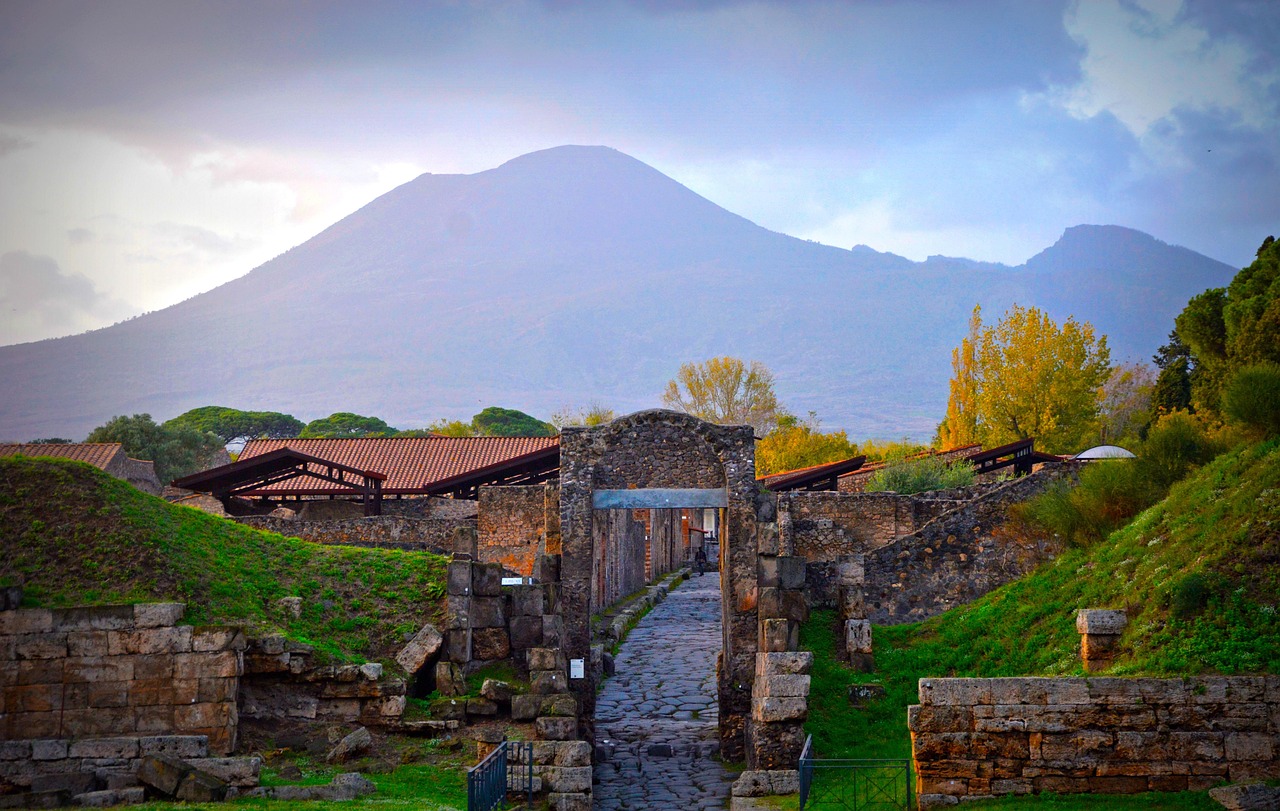
Vesuvius National Park by day and under stars with volcanic landscapes and viewpoints
Beyond the main cone, Vesuvius National Park night hike Naples Italy volcanic landscapes reveal a wider world: quiet trails, abrupt views, and biodiversity to explore in resilient pockets of green. Vesuvius National Park is where you can slow down and notice textures—lava rock under shrubs, wildflowers against dark soil, and the way light changes as you move across ridges.
For viewpoints, the western side offers a different perspective, including Valle del Gigante, where the scale of the Somma rim becomes clearer. This is also where you can better grasp that Vesuvio is one of the most studied volcano in the world, precisely because so many people live nearby in southern Italy.
Science meets story, caldera language and eruptive history
Guides may use words like caldera and crater to describe shapes formed by collapse and explosion. You’ll also hear about the eruption of 1906 and other eruptive phases, plus how lava and lava flows have moved across the landscape over time. Talk of a major eruption can sound dramatic, but the best experts frame it with calm: risk is understood, plans exist, and monitoring continues.
If you’ve visited Mount Etna, you’ll notice a different rhythm here—more compact, more intimate, with Naples always present on the horizon.
Designing the adventure upgrade, a guided night hike
A guided night hike can be unforgettable: the bay lights glittering, the air cooler, and the outline of Mount Vesuvius dark against the sky. Choose reputable operators with clear safety briefings and group sizes that feel supportive. Under the stars, even seasoned hikers often describe a renewed sense of perspective—less thrill-seeking, more quiet wonder at what it means to stand near Vesuvius.
If you want to see options that fit a crafted, high-end pace, browse our Trip gallery for inspiration you can adapt.
Where to stay near the action, Naples or Sorrento
- City base: stay near Naples for food culture, museums, and easy early departures
- Coastal ease: consider Sorrento for a softer base and sea views after your hike
- Seamless starts: pre-arrange transfers so sunrise plans feel calm, not rushed
Whichever you choose, a little design goes a long way: early breakfast, comfortable transport, and a plan that leaves room for pauses.
Mount Vesuvius Naples reflection Italy cultural adventure with Vesuvio
For a Mount Vesuvius Naples reflection Italy cultural adventure, it’s often the quiet moments that remain, long after the photos fade. I think of the strange calm of looking into a crater and feeling time stretch from 79 to now—how the ground can look so still, even when you know it was once covered in volcanic ash. Up there, the wind seems to carry the past lightly, as if it’s reminding you to pay attention, not to perform.
There’s a gentle tension you learn to hold: nature’s force beside human resilience. The eruption of Mount Vesuvius is an old story, yet the city of Naples lives beside the possibility of change with an everyday courage. Streets fill, espresso is poured, laundry flutters, and the silhouette of the volcano becomes part of the skyline’s beauty rather than its threat.
What stayed with me most was how personal the experience felt, even among strangers. A shared glance at the view; a guide’s reassuring hand gesture at a tricky patch of stone; the hush that falls when someone realises the eruption of 79 wasn’t an abstract date, but a day that once began like any other. You leave with insight, yes—but also humility, and a quieter appreciation for the ways places shape us when we let them.
At dusk, when Naples softens into gold and Vesuvio becomes a dark outline against the bay, it’s easy to imagine there is still more to uncover—whenever you’re ready to return.
F.A.Qs: Mount Vesuvius Naples Italy
Can you see Vesuvius in Naples?
Yes. On clear days you can see Mount Vesuvius from many waterfront points, hilltop viewpoints, and even from streets across the city. The outline is especially striking at sunrise and dusk, when the light over the bay makes the cone easier to read.
Did Mount Vesuvius reach Naples?
Vesuvius did not physically “reach” Naples in the sense of lava covering the city, but the volcano’s eruptions have affected the wider region through ashfall and disruption. How far impacts travel depends on wind, eruption size, and the type of event.
Which Italian city is closest to Mount Vesuvius?
Naples is the major city closest to Mount Vesuvius, with several smaller towns even nearer on the slopes and around the national park. For most travellers, Naples is the easiest base for transport, guides, and cultural experiences.
How far is Mount Vesuvius from Naples?
Mount Vesuvius is roughly 15–20 km from central Naples, depending on your start point and the route. Travel time varies with traffic and connections, but many visitors reach the park area in about 45–90 minutes using train plus bus/taxi or a private transfer.