Post Contents
- Museums in Rome game plan for adventure seekers with itinerary planning, museum passes and tickets
- Vatican Museums and the Sistine Chapel moment in Rome Italy with Michelangelo and Raphael Rooms
- Capitoline Museums in Rome with Roman Forum, Colosseum and Palatine Hill nearby
- Borghese Gallery and Galleria Borghese timed ticket visit in Villa Borghese Rome museum
- National Roman Museum and Museo Nazionale Romano palazzo routes via Palazzo Massimo alle Terme
- What stays with you after Rome’s museums and night tours
- F.A.Qs: museums in Rome Italy
Museums in Rome game plan for adventure seekers with itinerary planning, museum passes and tickets
Museums in Rome game plan for adventure seekers with itinerary planning, museum passes and tickets
For museums in Rome Italy, itinerary planning with museum passes, timed entry and tickets is the difference between a day that feels crafted and one that feels like a queue. If you’re an adventure seeker, the secret is to pair a museum block with movement—so your body stays engaged and your mind stays open. Think of Rome as a living route: stone streets, sudden piazza light, then a cool gallery room where centuries gather quietly.
Design your day for Rome with early starts and late afternoons
Start early or arrive in the later afternoon, especially from April to October when the tourist flow thickens. A simple rhythm creates confidence: outdoor first (walk, run, cycle), then museum when your energy is steady, then a slow evening meal to let the images settle. In the historic centre, walking between stops is part of the pleasure—save your biggest stamina for long corridors and big staircases.
Ticket strategy and local pacing for a seamless museum day
Timed entry is common across Roman museums, and it’s worth treating your booking like a flight slot: arrive with a buffer, and you’ll stay calm through security checks. If you want a designer-level view of possibilities across museums in Italy, browse our Trip gallery and imagine how culture and adventure can sit together.
- Book online in advance for the Vatican Museums and Borghese to secure the best time window.
- Keep bags minimal; security is standard and a small day bag helps you move quickly.
- Wear comfortable shoes and carry water—standing on marble floors is surprisingly tiring.
- Respect the room: quiet voices, no touching, and appropriate attire in religious sites.
One local insight: don’t over-stack neighbourhoods. Do one major museum, then let the rest be lighter—perhaps a courtyard pause, a gelato, or simply reading the city’s layers as you go.




Vatican Museums and the Sistine Chapel moment in Rome Italy with Michelangelo and Raphael Rooms
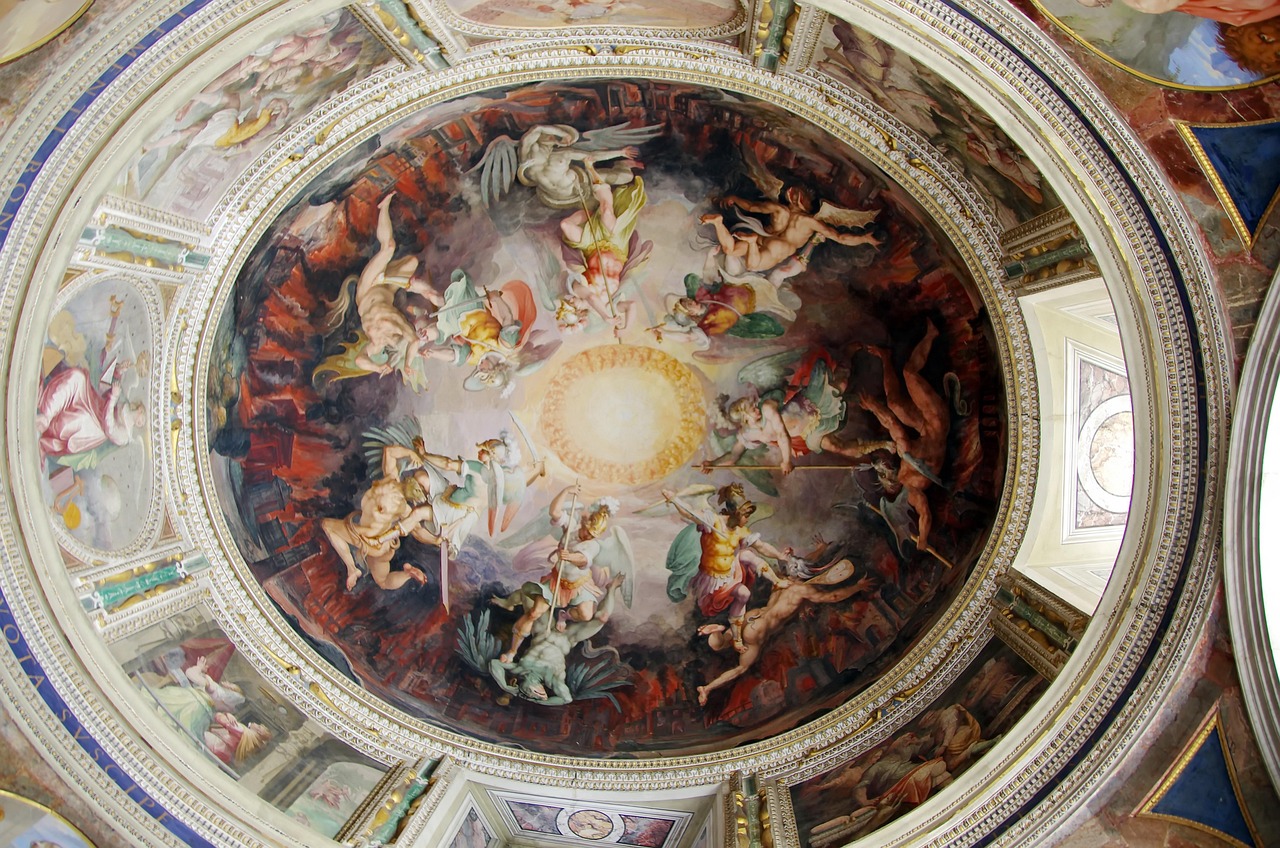
Vatican Museums and the Sistine Chapel moment in Rome Italy with Michelangelo and Raphael Rooms
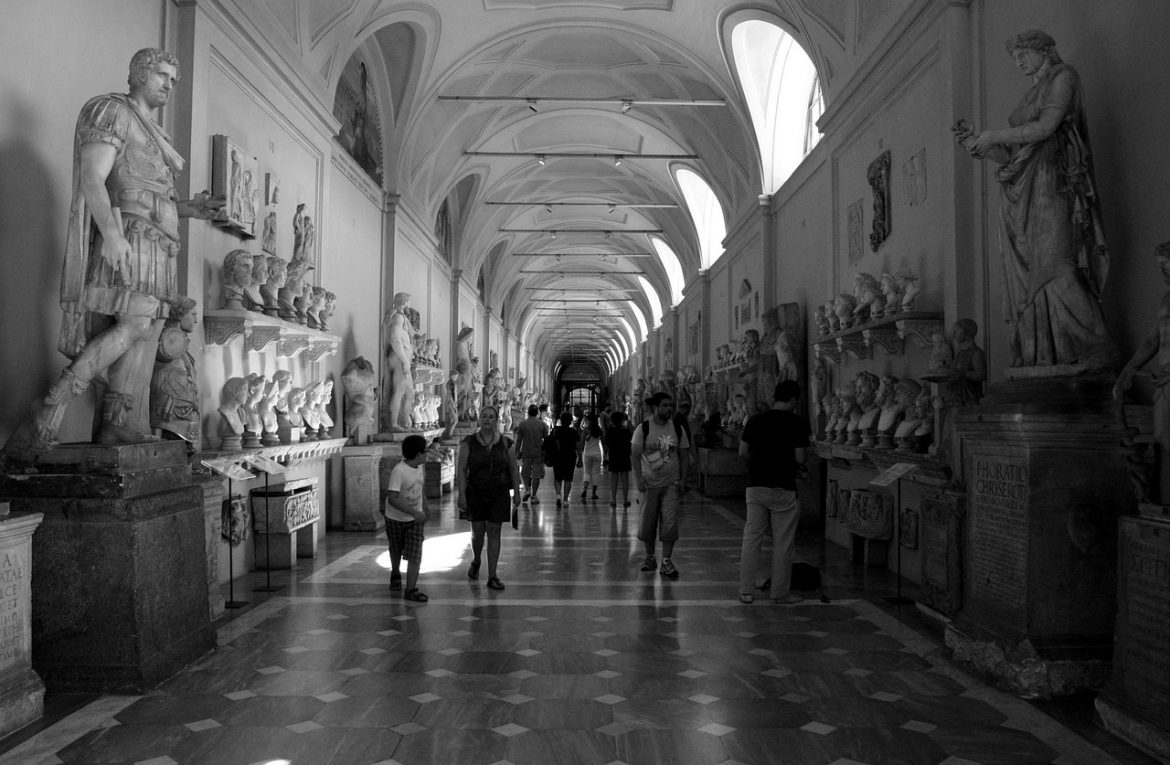
The phrase “Vatican Museums Rome Italy Sistine Chapel Michelangelo Raphael Rooms” looks like a checklist—until you’re inside and it becomes a physical experience. The Vatican is not just an address on a map; it’s living history, shaped by faith, art, and the presence of the pope within the wider city. Your best support is a gentle plan, so you can explore with care rather than rush.
Vatican Museums route highlights and the final approach to the chapel
To keep it seamless, decide in advance what you most want to uncover. Many travellers aim for key collections, the Egyptian rooms, and then the Raphael Rooms before the final flow towards the chapel. In busy corridors, allow the crowd to carry you at times, then step to the side when you find a quieter corner; the calm moments are where the art turns personal.
How to hold onto quiet focus in a spectacular museum
A traveller once told me that seeing Michelangelo’s ceiling up close felt life-changing—less about “looking up” and more about feeling the scale of human ambition above you. If you’re worried you’ll be jostled or distracted, trust a simple expert approach: pick two or three must-see rooms, then let the rest be wandering. That way, even if you move quickly at points, you’ll still have one memory that’s wholly yours.
Practical planning, warmly: arrive early morning or late afternoon, expect airport-style checks, and listen for photography rules—some spaces restrict photos, and the chapel experience is better when you let your phone rest. If you can, consider an evening entry or a night tour on select dates; the lighting feels softer, and the museum’s energy changes completely.
Capitoline Museums in Rome with Roman Forum, Colosseum and Palatine Hill nearby
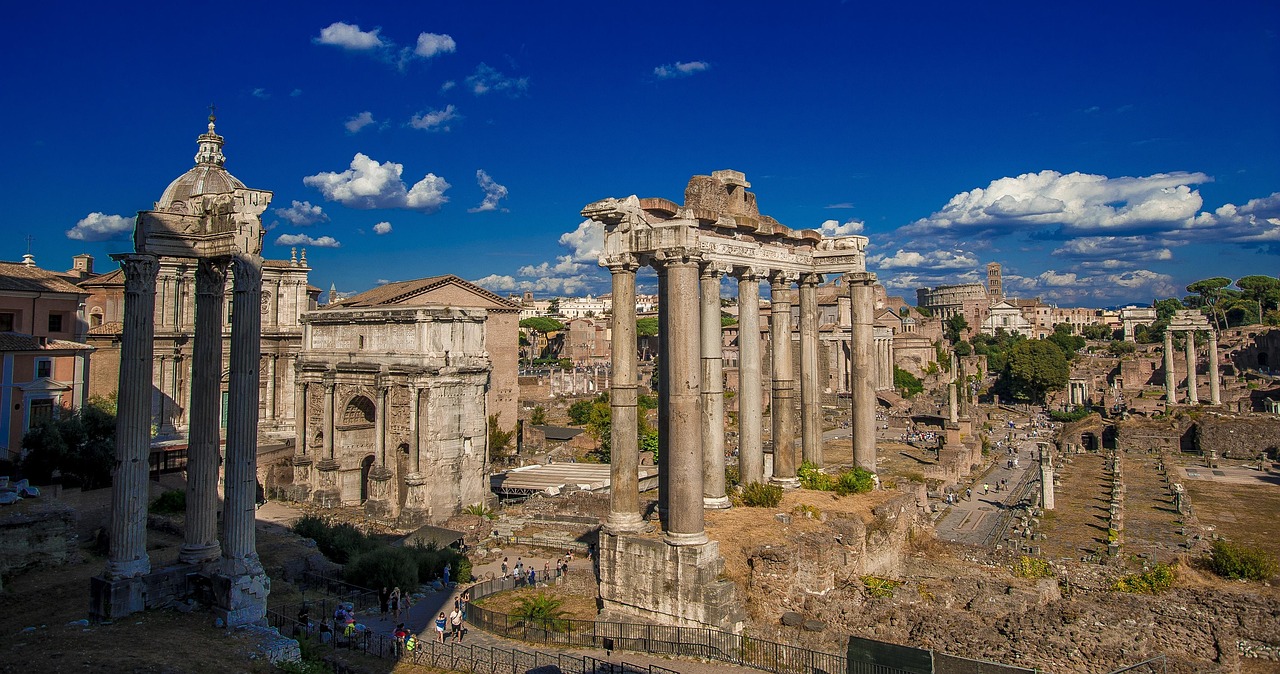
Capitoline Museums in Rome with Roman Forum, Colosseum and Palatine Hill nearby
Put “Capitoline Museums Rome Roman Forum Colosseum Palatine Hill forum” into your day plan and you’ll feel the city click into focus. The Capitoline Museums are a cornerstone municipal museum—often called the world’s first public museum—layering civic pride, Roman sculptures and Renaissance storytelling on Capitoline Hill. It’s worth visiting not just for famous names, but for how it trains your eye before you step into the ruins.
Roman statues, bronze detail and a Renaissance hilltop view
Inside, you’ll notice marble surfaces that catch light differently as you move, and bronze details that feel astonishingly alive. The collection of art spans ancient Roman power and later interpretations, with a Renaissance rhythm to the rooms that helps you read Rome as continuity rather than fragments. There’s often a first “I’m in Rome” shock of scale here—quietly spectacular, without needing theatrics.
Link museum time to an archaeological site walk through the Forum
For adventure seekers, the pairing is the point: step outside for viewpoints, then walk towards the Roman Forum and on to the Colosseum. After the museum, the archaeological site becomes easier to understand—columns, arches, and the idea of daily life beneath imperial stories. On Palatine, standing above the ruin fields gives perspective: you’re not just seeing stones, you’re seeing a city plan.
- Time-box it: allow 90 minutes to 2 hours for the museum, then a slow walk to the Forum.
- Pace your body: take a piazza break and reset before the late-day climb and sun.
- Look once, then look again: a statue indoors often changes how you see a figure carved into outdoor relief.
On the way, you may even pass a single column that seems ordinary—until you realise it’s part of the city’s long conversation between power and beauty.
Borghese Gallery and Galleria Borghese timed ticket visit in Villa Borghese Rome museum
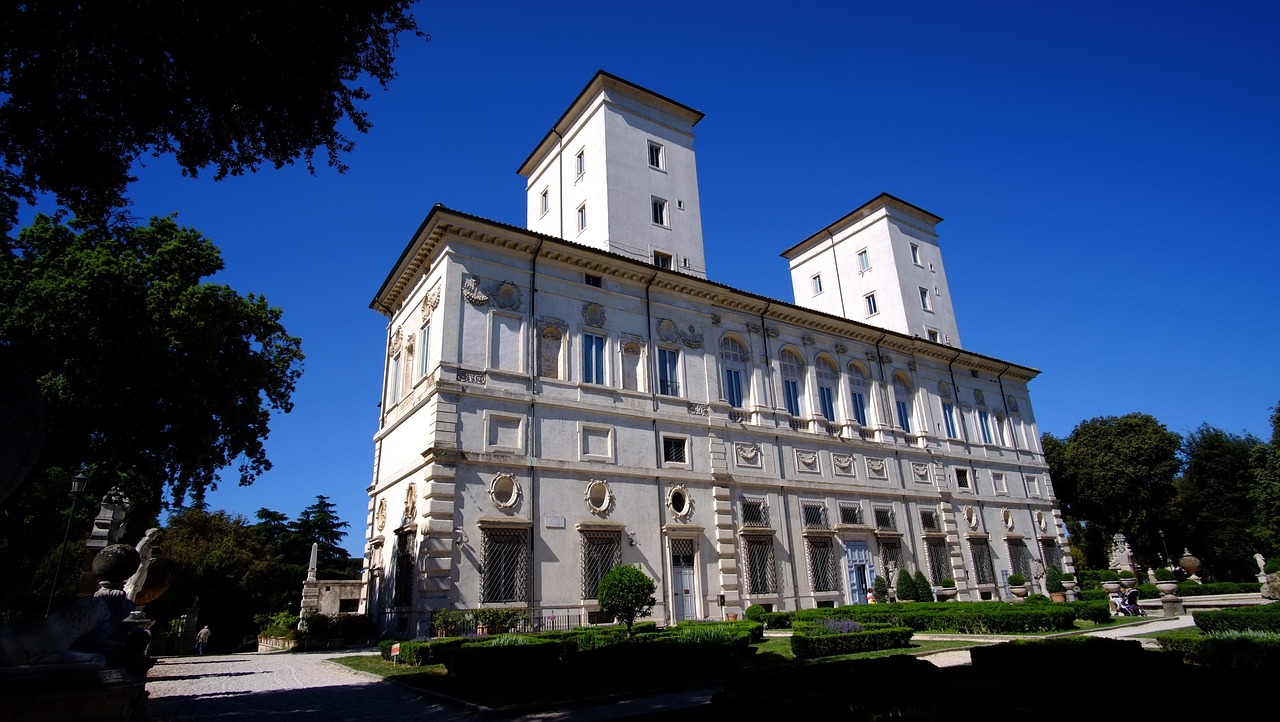
Borghese Gallery and Galleria Borghese timed ticket visit in Villa Borghese Rome museum
Search “borghese gallery galleria borghese villa borghese rome museum” and you’ll find plenty of hype—what’s rarer is a plan that lets you feel it. I love this day for adventurous travellers because you can create momentum outdoors first, then step into a palace-like setting where every room is curated with intent. It’s a museum visit that feels earned.
Imagine cycling through Villa Borghese before the gallery
One pair of hikers told me they cycled through Villa Borghese in the morning, letting the park air shake off travel stiffness before their timed entry. That blend—movement, then stillness—made their viewing deeper. You arrive with your senses awake, and the gallery feels less like a task and more like a reward.
Bernini, Caravaggio and a room-by-room collection of art
This is where sculpture can feel like breath held in stone, and where Caravaggio’s light pulls you close. The story is also personal: Cardinal Scipione Borghese built a collection that reads like taste made tangible, and the Baroque drama gives the rooms an intimate charge. If you enjoy a small cultural detour afterwards, the Keats-Shelley House near the Spanish Steps connects you to John Keats and a quieter, more modern melancholy of travel.
Booking guidance with care: the timed ticket is strict, and entry slots are enforced. Bring ID if requested, arrive early enough for checks, and have a back-up café plan if you’re a few minutes ahead. If plans shift, don’t panic—reframe it as an extra walk in the park, not a loss.
For slow looking, choose one masterpiece and stay longer than feels normal. Let the room settle. It’s often in those extra two minutes that the artistic detail becomes yours.
National Roman Museum and Museo Nazionale Romano palazzo routes via Palazzo Massimo alle Terme
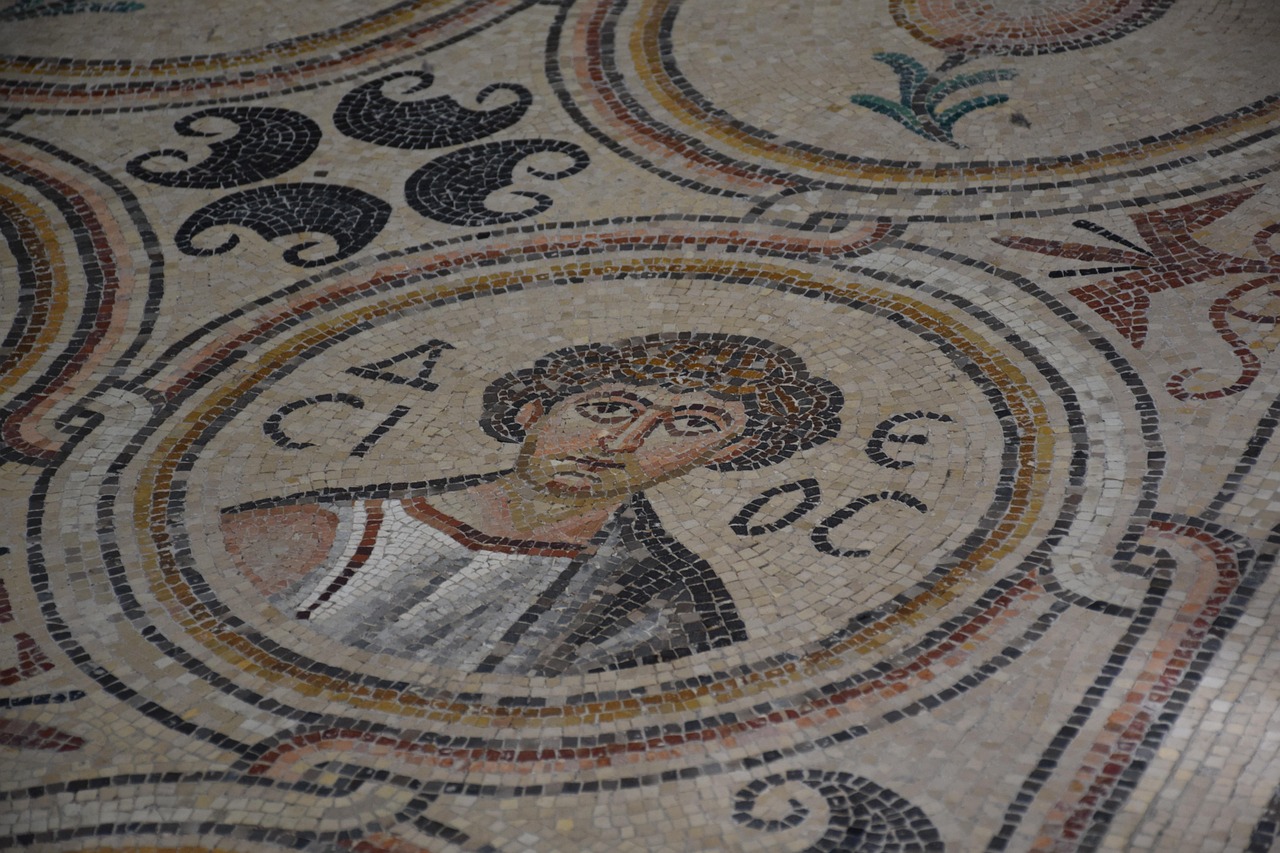
National Roman Museum and Museo Nazionale Romano palazzo routes via Palazzo Massimo alle Terme
If you’re searching “national roman museum rome palazzo massimo alle terme palazzo altemps baths of diocletian”, you’re already thinking like a connoisseur. The National Roman Museum (Museo Nazionale Romano) is not one building but a set of Roman collections across several sites—ideal when you want a quieter museum rhythm and deeper archaeological storytelling beyond the headline monuments.
Palazzo Massimo and palazzo rooms with fresco, mosaic and daily life
Begin at Palazzo Massimo alle Terme (often shortened in conversation to Palazzo Massimo). Here, ancient art feels surprisingly human: a single fresco fragment, a mosaic floor, a comb, a child’s toy—small objects that preserve real lives. This is where the idea of “Romans” stops being abstract and becomes, quietly, a house you can imagine.
Palazzo Altemps and the Baths of Diocletian as a monument to scale
Then consider Palazzo Altemps for sculpture displays in calmer galleries; the palace setting itself adds a 16th century elegance that softens the archaeological tone. Finish with the Baths of Diocletian, where thermal scale and monastic echoes (a monastery grew into parts of the complex) widen your sense of Rome as layered architecture. It’s a monument that makes you feel small in the best way.
- Unexpected angle for adventure seekers: pause with a tomb inscription and read it slowly; it’s a direct voice across antiquity.
- Practical note: check opening hours before you set off, as multi-site tickets can tempt you into over-reaching.
- Easy win: on some city days or with certain passes, you may visit for free—worth confirming at the official desk.
Even if you only do one site, this is the museum of Rome in miniature—less about conquest, more about texture.
What stays with you after Rome’s museums and night tours
After days in Rome’s museum rooms, you may notice you move differently outdoors—slower on the cobbles, more attentive to a chipped cornice, more open to the middle ages sitting beside contemporary art in a single street view. The city becomes less of a backdrop and more of a companion, as if it’s been speaking all along and you’ve finally learned the cadence.
A visitor once described the thrill of booking a last-minute night tour at the Vatican, stepping into quieter corridors with fewer voices and softer light. It wasn’t about being clever with planning; it was about feeling a deeper connection to the spaces, as though the art could finally breathe. That’s what lingers: not the number of rooms, but the quality of attention you gave them.
And perhaps the most reassuring truth is this: you don’t have to see everything. Trust that the most personal moments are often unplanned—a glance caught in a painting, a shadow across marble, a sudden hush in a courtyard. Rome is patient, and it has a way of leaving one door slightly ajar in your mind, inviting you to wonder what you might uncover next time.
F.A.Qs: museums in Rome Italy
Which are the best museums in Rome?
For most travellers, the best museums in Rome are the Vatican Museums (for the Sistine Chapel and Raphael Rooms), the Capitoline Museums (for Roman statues and civic history), and the Borghese Gallery (for Bernini and Caravaggio). If you want quieter depth, the National Roman Museum sites add mosaics, frescoes and daily-life objects that make the ancient world feel personal.
What are the 4 museums in Rome?
A strong set of four is the Vatican Museums, Capitoline Museums, Galleria Borghese, and the National Roman Museum (Museo Nazionale Romano). Together they cover papal collections, civic Roman art, a curated private collection in a villa setting, and archaeological finds across multiple palazzo locations—ideal for balancing famous highlights with calmer, more detailed rooms.
What should you not miss in Rome, Italy?
Don’t miss the Sistine Chapel ceiling by Michelangelo, a walk through the Roman Forum towards the Colosseum, and at least one museum experience that rewards slow looking—such as Bernini at Borghese. Beyond the headline sights, the moments that stay are often simple: a viewpoint pause on Capitoline Hill, or noticing how ruins and living streets sit together.
Is there a 7 wonder in Rome?
There isn’t an official “Seven Wonders” site limited to Rome alone, but the Colosseum is recognised as one of the New7Wonders of the World and is an iconic symbol of the city. Many travellers pair it with the nearby Forum and Palatine to understand the broader archaeological landscape, then use a museum visit to add context through objects and inscriptions.