Post Contents
- Ostia Antica Rome ancient Rome day trip as a close to Rome attraction
- Rome to Ostia Antica train station and metro ticket day trip design
- Ostia Antica archaeological site theatre bath forum basilica in ancient Rome
- Cycle Ostia Antica archaeological park sunrise route for adventure seekers
- Ostia Lido Rome beach seafood plus Castle of Julius II Santa
- Ostia Antica Rome ancient Rome reflection
- F.A.Qs: Ostia Rome Italy
Ostia Antica Rome ancient Rome day trip as a close to Rome attraction
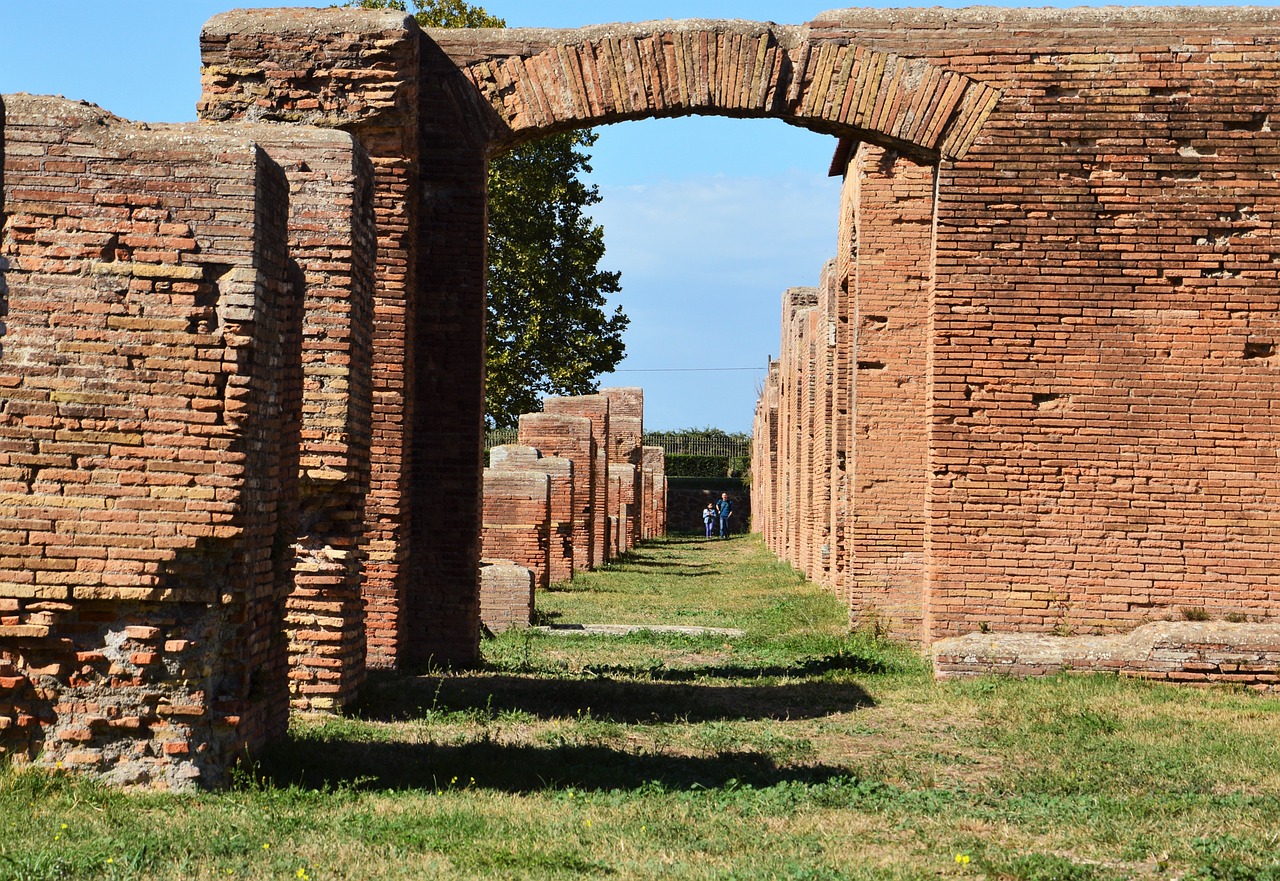
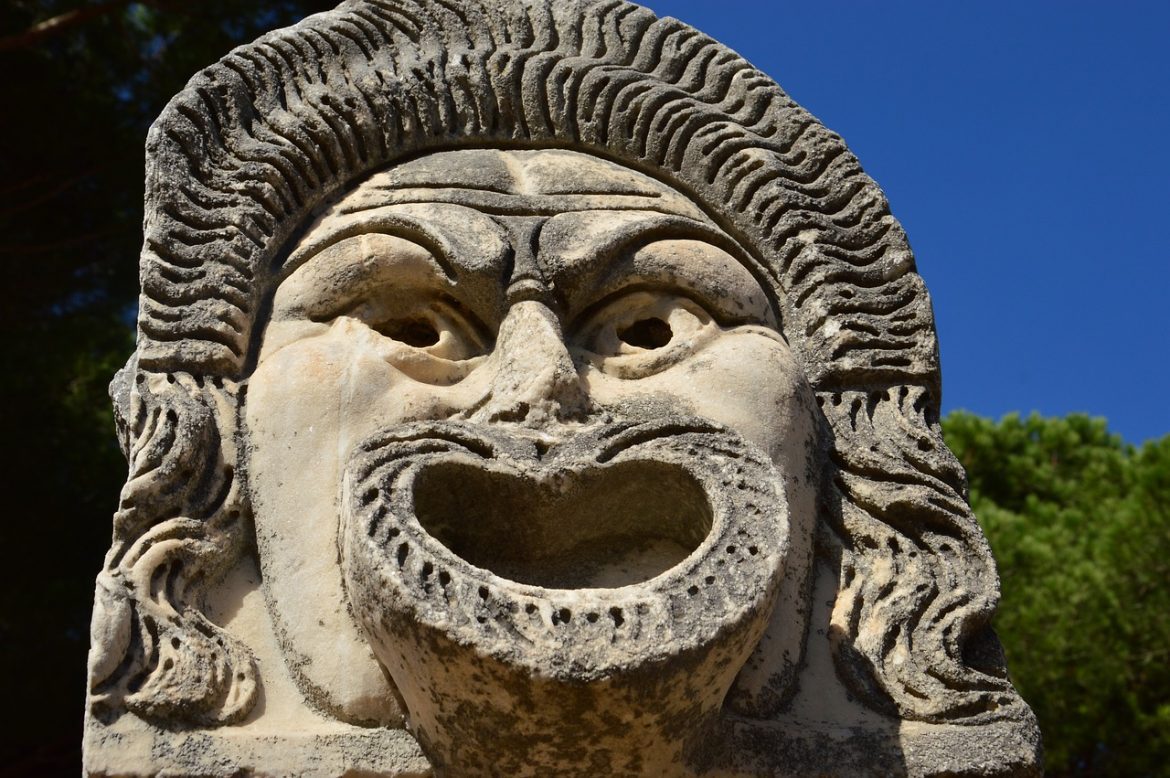
Ostia Antica and Ancient Rome close to Rome as an open-air attraction of remarkable ruins
If you’re searching for an ostia antica rome ancient rome day trip that feels spacious and genuinely human, start here. Ostia Antica is a standout attraction in Lazio: a vast ruin-scape where the lanes feel lived-in rather than staged, and where you can explore at your own pace with real trust in the quiet.
Once a thriving seaport and ancient port at the mouth of the tiber river, Ostia was tied to Rome from the republic onward, layer upon layer, century after century. The city began as a colony (tradition places it in the 7th century BC; the earliest secure remains are later), and it went on to thrive as Rome’s coastal engine—until shifting conditions and silting changed the shoreline and the city was gradually abandon-ed. You feel that history underfoot, in the texture of worn stone and the logic of streets built for trade.
Ostia Antica for adventure seekers who still want depth
This is a big, open-air archaeological park where you can wander long arcades, uncover mosaic floors, and pause at details—an old shop counter, a threshold worn smooth, a courtyard house with surprising elegance. It’s also wonderfully photogenic: sun and shade take turns across brickwork and marble fragments, and the light often flatters even the simplest building lines.
Ostia Antica versus Pompeii for an ancient Rome mood check
Travellers often ask whether Ostia Antica is like Pompeii. The scale is smaller than Pompeii, but the ambience can feel more intimate and “daily”—a working harbour city rather than a dramatic disaster snapshot. If you’re choosing between them, visit pompeii for that preserved, time-capsule shock; choose Ostia Antica for a calmer connection to Romans going about ordinary life, close to Rome and easy to return from before dinner.
However you approach it, a guided or self-guided plan in a Rick Steves spirit—curious, observant, never rushed—helps you create your own narrative. You don’t lose spontaneity; you simply gain expert context when you want it.




Rome to Ostia Antica train station and metro ticket day trip design
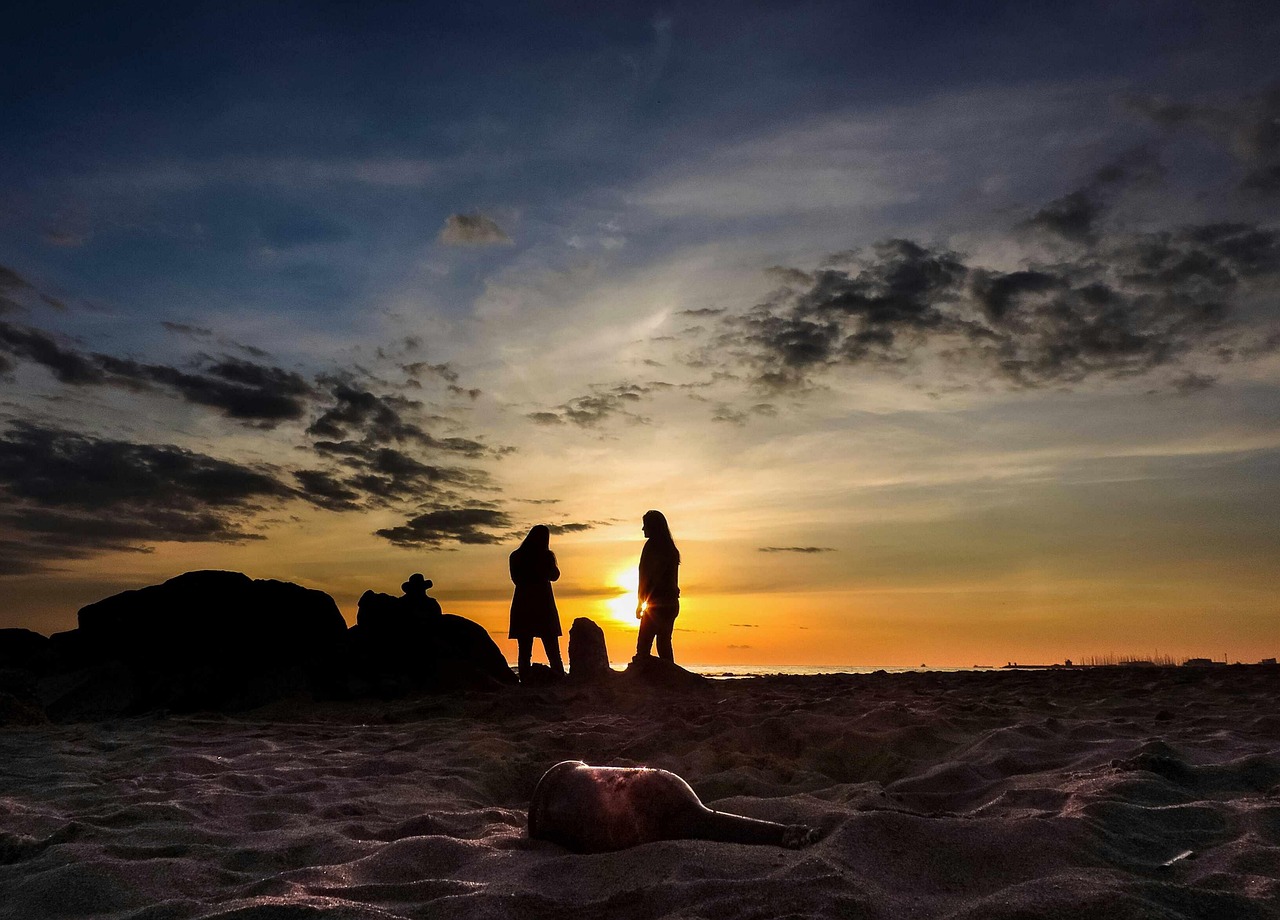
Design a seamless Rome to Ostia Antica day trip with coastal light and easy public transport
For a smooth rome to ostia antica train station metro ticket day trip, you’ll rely on straightforward public transport and a little time planning. The simplest route begins at Rome’s Porta San Paolo, where you take the Roma Lido line towards the coast and step off at Ostia Antica train station.
From the train station, it’s a short stroll to the entrance—easy, flat, and a reassuring way to transition from city energy to archaeological calm. For most travellers, four hours on site is a confident baseline (plus transport time). If you like to linger, add a small museum stop or extend the afternoon towards the lido for a change of scene.
Seamless transportation steps from Rome to the archaeological site
- Start at Porta San Paolo in the centre of Rome and take the Roma Lido train.
- Buy/validate the correct metro ticket (the same integrated system generally applies) and keep it handy.
- Exit at Ostia Antica train station, then follow signs for the archaeological site.
- Arrive early if you want a shady start and quieter lanes for photography.
Comfort, care, and what to check before you go
Opening hours vary by season, so check ahead and give yourself margin—this is how you keep the day crafted and unhurried. Entry is affordable, and an expert guided tour can add insight if you prefer structure; self-guided works beautifully too if you enjoy choosing your own lane and pausing when wonder strikes.
Wear comfortable shoes, bring water, and pack a hat for summer. Look for shade on hot days and keep belongings close; it’s generally safe, but awareness supports confidence. Finally, help preserve the site: keep to designated paths, and avoid touching fragile surfaces or climbing on walls that have endured since ancient times.
If you’d like to pair this day with a broader Italian journey, you can browse our Trip gallery for inspiration designed around pace, comfort, and meaningful culture.
Ostia Antica archaeological site theatre bath forum basilica in ancient Rome
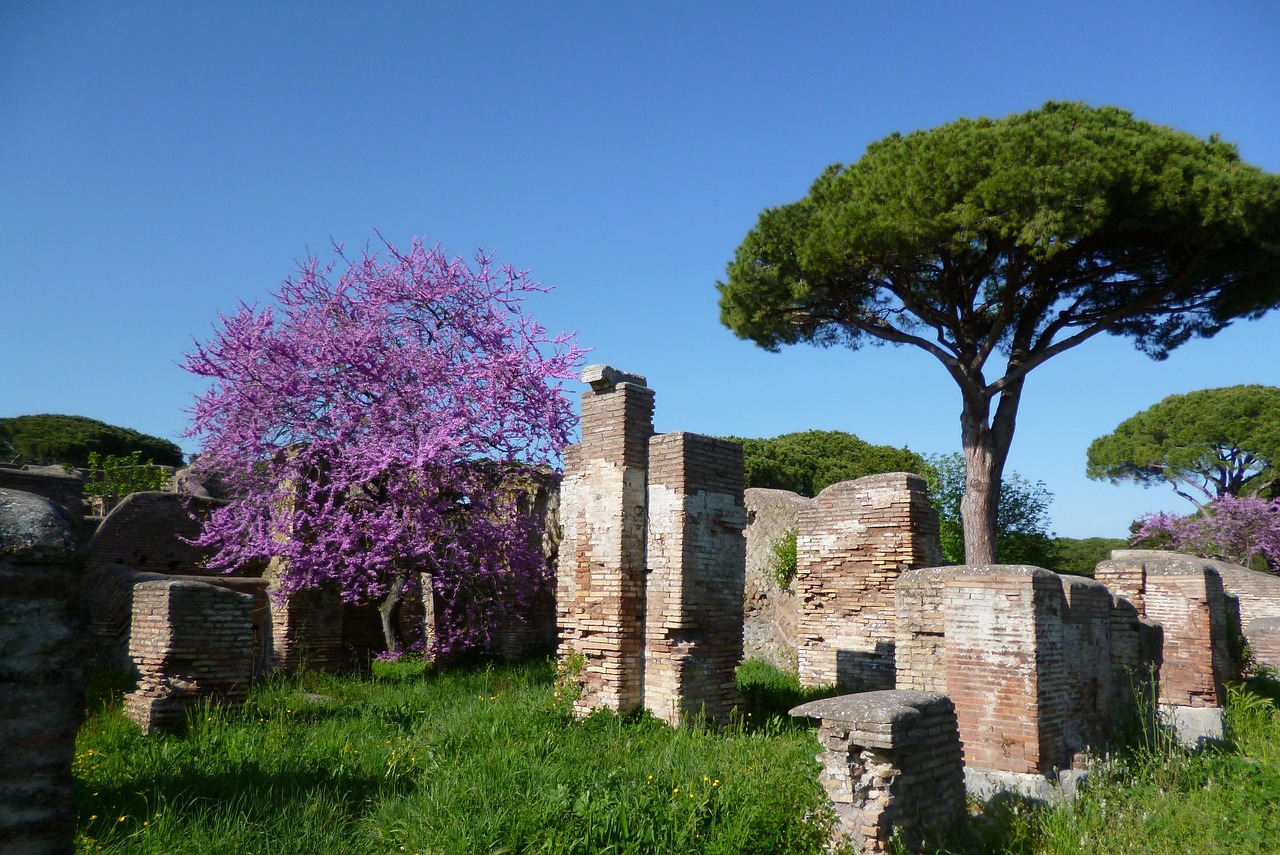
Explore the Ostia Antica archaeological site with theatre, bath complexes, forum and basilica
To experience the ostia antica archaeological site theatre bath forum basilica as more than a checklist, try imagining a day in the ancient roman city. When you explore with that lens, the stones stop being “ruins” and start becoming rooms, routes, and routines.
Forum and basilica for civic life, then shops and homes
Begin near the forum, where public life once gathered, and seek out the basilica area to picture law, meetings, and the everyday negotiations that kept Rome’s coastal world running. Then drift towards commercial streets: you’ll notice how a shop opens onto the road, how an arcade gives shelter, and how the city’s plan guides you naturally from public spaces into more private quarters.
Look closely for a mosaic that signals trade, a worn threshold into a house, or a fragment of fresco colour that still feels startlingly personal. A statue base here, a carved detail there—small cues that reveal how people worked, ate, worshipped, and rested.
Theatre, bath complexes, and quiet corners of archaeology
The theatre is one of those places where you can almost hear an audience gathering; pause, take in the curve of seating, and let your imagination do the rest. Nearby bath structures hint at social life beyond hygiene—conversation, status, leisure—and you begin to understand how “public” daily life could be.
For extra depth, watch how the street engineering still used clever drainage and gradients. You’ll also feel the story of the tiber: as the river shifted and mud and silt changed the port’s relationship to the sea, the harbour city slowly lost its purpose. If you have time, the synagogue area widens the picture of community life in Roman Italy, and the museum sharpens your eye with objects that connect stonework to human hands.
Cycle Ostia Antica archaeological park sunrise route for adventure seekers
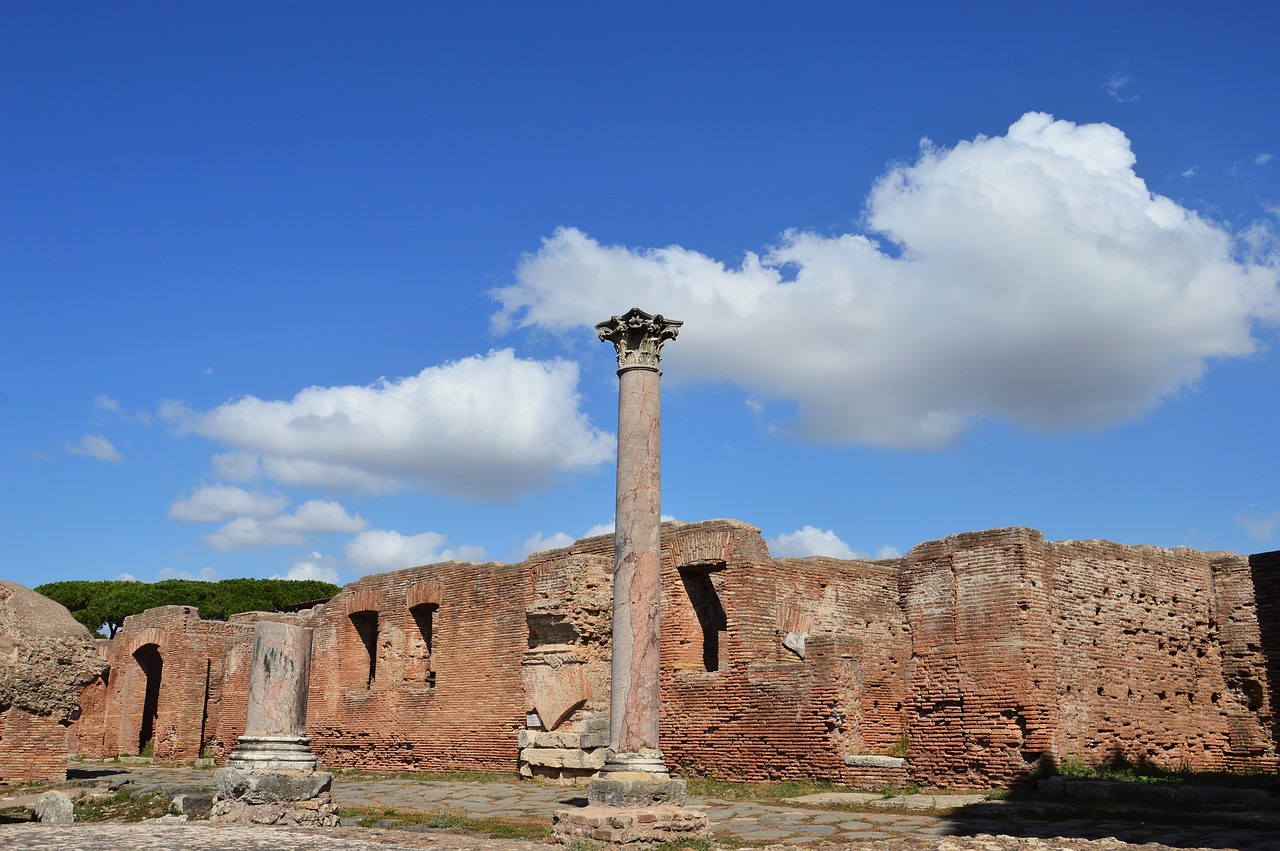
Cycling Ostia Antica at sunrise for adventure seekers along calm ancient streets
For a cycle ostia antica archaeological park sunrise route that feels quietly extraordinary, consider Noah’s favourite memory: pedalling through Ostia’s streets at first light, when the air is cool and the place is so still you can hear your own thoughts. It’s an adventure, yes—but also a gentle kind of care for yourself, as if the day has been crafted just for you.
How to book bicycles and design a confident route
When bicycle rentals are available on site, book as early as you can and confirm the permitted paths. A simple plan is best: ride a main lane to orient yourself, pause at the theatre and a bath complex for photos, then loop back through quieter stretches to uncover details you might miss on foot.
- Keep your pace steady and slow near pedestrian pinch points.
- Watch for uneven stones, especially where old street lines meet modern protection surfaces.
- Use extra care at crossings and near any raised sidewalk edges.
- Stop often—your best insight comes when you give your eyes time.
What to notice while you explore on wheels
Cycling reveals the city’s logic: warehouses and workspaces close to routes that once led to the port, residential blocks that suggest a villa-like comfort in some quarters, and public buildings positioned for access. You may spot mosaics that point to labour and trade—an understated reminder that Ostia’s prosperity was built on daily effort, not imperial spectacle.
Whether you ride solo or together in a small group, the site supports a calm focus. The goal isn’t speed; it’s confidence—trusting your rhythm, stopping when something delights you, and letting the ancient streets set the tempo.
Ostia Lido Rome beach seafood plus Castle of Julius II Santa

Modern Ostia Lido plus Julius II and Santa Aurea for a Mediterranean finish near Rome
If you want to extend the day beyond the ruins, try ostia lido rome beach seafood castle of julius ii santa as your easy final chapter. After the archaeology, Ostia Lido brings a Mediterranean release—sandy beach, a lively marina, and options for water sports like sailing that suit adventure seekers who still love comfort.
Ostia Lido dish by the sea and a local, delightful pause
Maria, a culture enthusiast, described the perfect contrast: a fresh seafood dish after the ruins, olive oil on warm bread, and the sea breeze smoothing out the heat of the day. Find a local table where you can overlook the shoreline, let the pace slow, and notice how naturally history and modern life can coexist.
A late-afternoon stroll along the water is a simple pleasure—especially when the light softens and the crowd energy becomes more relaxed. Choose restaurants with a view, and keep an eye on transportation timings back to Rome so your return stays seamless.
Julius II and Santa Aurea for a reflective heritage detour
For a richer timeline, add the Castle of Julius II, a Renaissance fortress built between 1483 and 1486. It’s a compact, medieval-feeling counterpoint to Rome’s ancient layers—stone, shadow, and defensive geometry that tells a different story of power and protection.
Then consider a quiet stop near Santa Aurea. It’s not about doing more; it’s about creating a soft pause between the archaeological intensity and the seaside energy—a small moment of stillness you can carry back into the city.
Ostia Antica Rome ancient Rome reflection
After Ostia Antica, what stayed with me wasn’t a single headline monument, but a texture: sun warming old brick, the hush you find when you step away from the main lanes, and the feeling that time can be generous. Rome often teaches us to look up—at domes, façades, grand gestures—but here you look across, along streets where ordinary lives once unfolded.
I kept thinking about the quiet competence of the place: drainage lines that still make sense, thresholds worn by countless feet, and the calm dignity of spaces that have been allowed to simply be. Imagining those daily patterns—work, worship, leisure—softened my own pace. It’s a subtle shift, but a real one: you return to Rome noticing your surroundings with more care, and moving through the day with steadier trust.
Leaders of small tour groups often say Ostia is less commercial, and that makes connection easier. I agree. Meaningful travel does not need to be loud; sometimes the gentle places offer the deepest insight, because they give you room to listen to your own thoughts and still feel supported by the landscape around you.
And perhaps that’s the gift of Ostia Antica: a calmer relationship with time, and a quiet gratitude for places that preserve stories without shouting. When you’re ready, Italy will always have another corner to discover—waiting with the same unhurried promise of wonder.
F.A.Qs: Ostia Rome Italy
Is Ostia, Rome worth visiting?
Yes—Ostia is worth visiting if you want a spacious, less hectic side of Rome. Ostia Antica offers an impressive archaeological site with mosaics, baths and a theatre, while Ostia Lido adds beach time, seafood, and marina atmosphere for a well-balanced day.
What is Ostia famous for?
Ostia is famous for Ostia Antica, the remarkably preserved remains of Rome’s ancient port city. Travellers come to explore long streets, warehouses, houses, mosaic floors, and public spaces that reveal everyday Roman life close to the capital.
How long does it take to get from Rome to Ostia by train?
It typically takes about 30 minutes from Rome to Ostia Antica using the Roma Lido line from Porta San Paolo, plus a short walk from the train station to the entrance. Exact timings can vary by service and time of day.
What is there to do in Ostia?
You can explore Ostia Antica’s ruins, visit the small museum, and enjoy highlights like the theatre, baths, and the forum area. For a modern contrast, head to Ostia Lido for the beach, seafood restaurants, a marina stroll, and seasonal water sports such as sailing.