Post Contents
- Pompeii and the Eruption of 79: UNESCO World Heritage Site overview of the Pompeii archaeological site in Italy
- Visit Pompeii: planning a seamless arrival from Naples, the best entrance, and tickets online in advance
- Explore Pompeii: an itinerary through streets, frescoes, and casts—Forum, Amphitheatre, villas, and an audio guide
- Villa visits and excavation stories: Villa of the Mysteries, Oplontis, and Herculaneum—your guide to the excavations
- Mount Vesuvius and Pompeii Plus: designing the ultimate day trip—buy tickets for Pompeii, book a tour, and plan Naples or Sorrento
- FAQs: Visiting Pompeii, Italy
- What stayed with me after Pompeii, Italy: reflection and insight after a day in the ruins
Pompeii and the Eruption of 79: UNESCO World Heritage Site overview of the Pompeii archaeological site in Italy
The best way to frame a visit to Pompeii, Italy, is with a simple truth: Pompeii is one of the few places on earth where an ancient city still feels close enough to touch with your eyes. In 79, the eruption of Mount Vesuvius didn’t just destroy; it preserved streets, rooms, shop counters, and everyday thresholds—so the scene reads like a paused sentence, almost frozen in time. For high-end travellers who love culture but crave a little edge, Pompeii offers both beauty and fragility, awe and quiet respect in one unforgettable archaeological setting.
Pompeii and the Eruption of 79: Why It Still Stops You. UNESCO overview of the Pompeii archaeological site in Italy
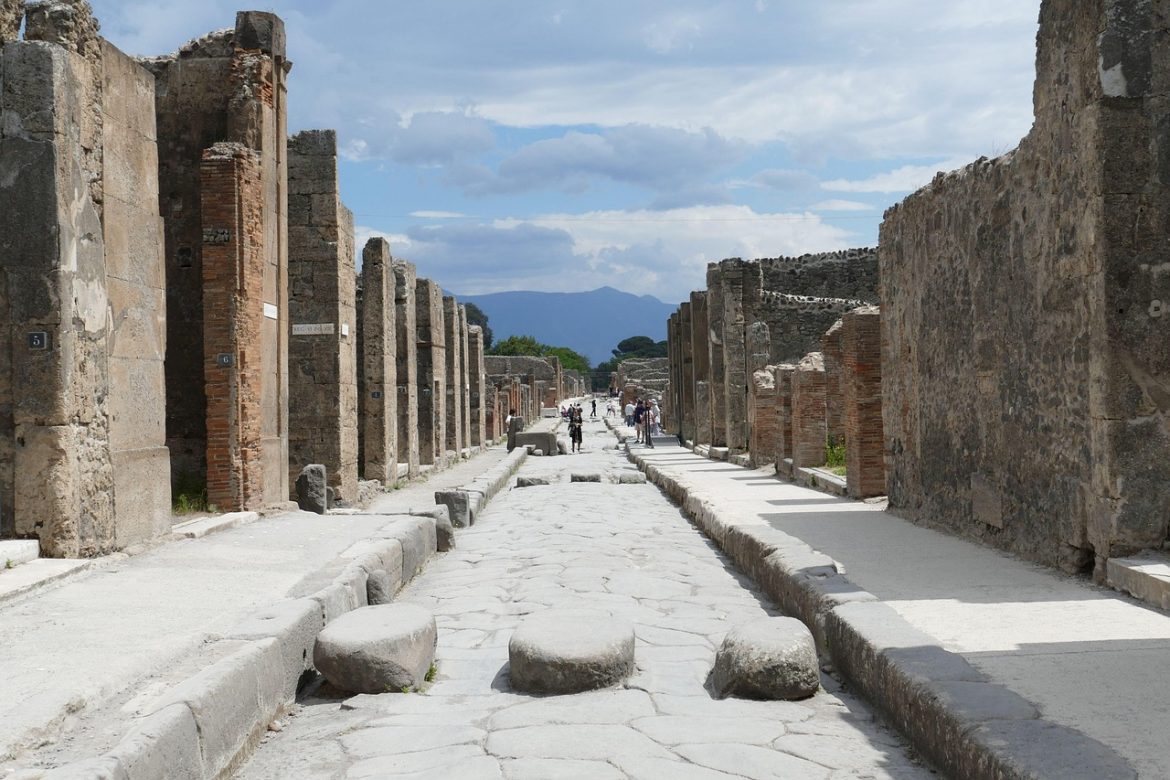
Unlike many classical places where you peer at a single temple and try to picture the rest, Pompeii is scaled like a real town. The street grid is legible, worn kerbstones show where carts once ran, and clear signage makes it easier than you might expect to orient yourself. The sheer spread of the excavation changes your pace: you don’t “pop in”; you settle in, shape your route, and let this Pompeii archaeological landscape speak back.
Pompeii sites at street level: why this ruin feels like a living Roman city
What distinguishes these Pompeii sites is the street-first storytelling. You walk on basalt paving stones, not polished museum floors; you glance into doorways rather than at glass cases. It’s a ruin, yes, but it’s also a neighbourhood: stone shopfronts, painted courtyards, water basins, and the everyday geometry of a Roman city.
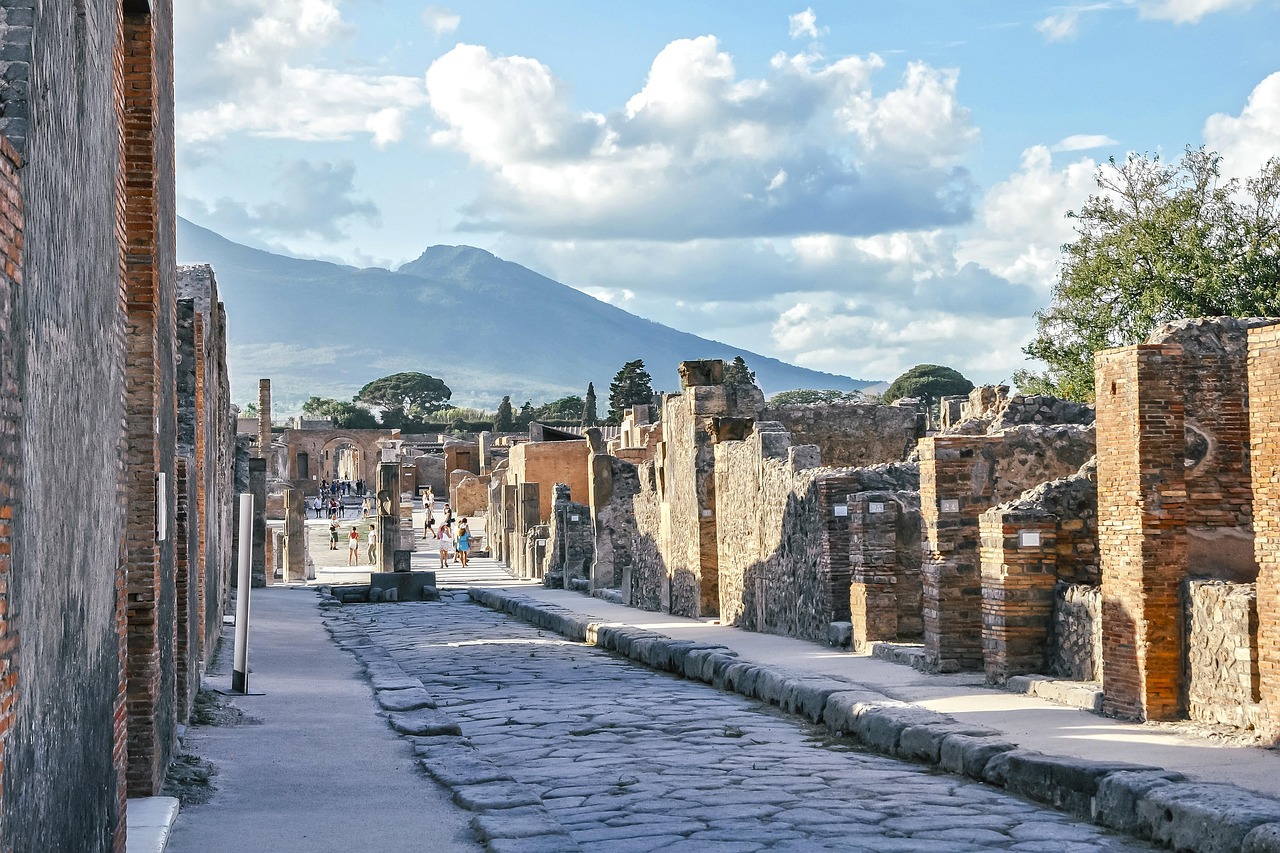
To explore well, think in layers. First, read the streets (the place’s spine). Then step into interiors—homes, workshops, baths, and shrines—to catch the textures of ordinary life. Finally, lift your eyes to the silhouette of Mount Vesuvius and imagine the soundscape that once filled these lanes: vendors calling, sandals scraping, water splashing in fountains.
Frozen in time: the first step into Pompeii that feels unexpectedly personal
I still remember the first step onto those dark stones: a small, ordinary movement that suddenly felt like a private handshake with the past. You’re not looking at history “over there”; you’re walking within it, at human height. That intimacy is what stays with you—less like a lesson, more like a meeting inside Pompeii.
To approach it with confidence, allow yourself to move slowly at first. Give your senses time to adjust: sunlight on pale walls, cool shade inside doorways, and the surprising quiet that settles between groups. Pompeii rewards care; it’s not a place to rush, it’s a place to notice.




Visit Pompeii: planning a seamless arrival from Naples, the best entrance, and tickets online in advance
To visit Pompeii well, treat arrival as part of the experience—because logistics set the tone. Most travellers come via Naples, and the line from Naples on the Circumvesuviana is the classic route for a trip from Naples. The train station stop you want is Pompei Scavi – Villa dei (also listed as Pompei Scavi–Villa dei), which is the most direct access to Pompeii on public transport and an easy way to get to Pompeii if you’re staying near Naples’ historic centre.

Visit Pompeii: Planning a Seamless Arrival from Naples with Porta Marina and Mount Vesuvius views
If you’re staying in central Naples, you can create a seamless morning by leaving early, travelling light, and keeping essentials to hand for the archaeological park. If you prefer a more crafted start—private transfer, guided timing, and minimal friction—a pre-arranged service can be worth it, particularly in summer when heat magnifies small stressors near Naples and the coast.
Naples to the right entrance: Porta Marina or the Piazza Anfiteatro entrance
There’s more than one entrance, and choosing well can feel like an insider move. Porta Marina is the best-known gate and gives that classic “grand arrival” energy, with quick access to the Forum area; it’s also where crowds concentrate, especially mid-morning.
If you want a calmer beginning, consider the Piazza Anfiteatro entrance. It often feels less pressured, and it’s a beautiful way to start with the amphitheater and work back towards the center. The best choice depends on your route plan, the heat, and how you like to build momentum across Pompeii.
Map and guide: opening hours, timed tickets, and how to buy your tickets with confidence
Check opening hours before you travel, and take timed tickets seriously in peak season. For peace of mind, aim for tickets online in advance—and, if possible, secure tickets in advance a few days earlier so you’re not negotiating queues in the sun. When you buy your tickets, prioritize official Pompeii channels and information from the Pompeii website (or reputable partners) rather than vague resellers that bundle extras you don’t want; your confirmation should read like an official ticket, with clear date/time and conditions.
If you see Pompeii tickets offered without clarity on entry time or what tickets include, pause and verify—this small step protects the day. At the station, “Pompei Scavi – Villa dei” is the sign you’re looking for; you’ll also see variations such as “Pompei Scavi – Villa dei Misteri” on some listings. If you accidentally arrive at Scavi – Villa dei Misteri, don’t panic—check your map and guide, then orient yourself to the nearest gate or shuttle connection. You can usually walk between points, and a minor detour doesn’t need to steal your confidence.
Practical tips (and a few travel tips) that keep the experience supported: Spring and autumn are the best times to visit for softer light and fewer crowds; arrive early for cooler walking and quieter streets; wear proper shoes, bring water, and add sun cover. Finally, if you can, have your entry plan and documents ready at the entrance—it’s a smoother way to start your visit to Pompeii.
Explore Pompeii: an itinerary through streets, frescoes, and casts—Forum, Amphitheatre, villas, and an audio guide
If you want to explore Pompeii in one coherent flow, think of the day as a story with chapters rather than a checklist. Start where the city “speaks” most clearly, then move towards more intimate spaces and quieter houses. This approach is one of the simplest ways to see Pompeii without constant doubling back—and it helps the ruins of Pompeii feel immersive rather than overwhelming.
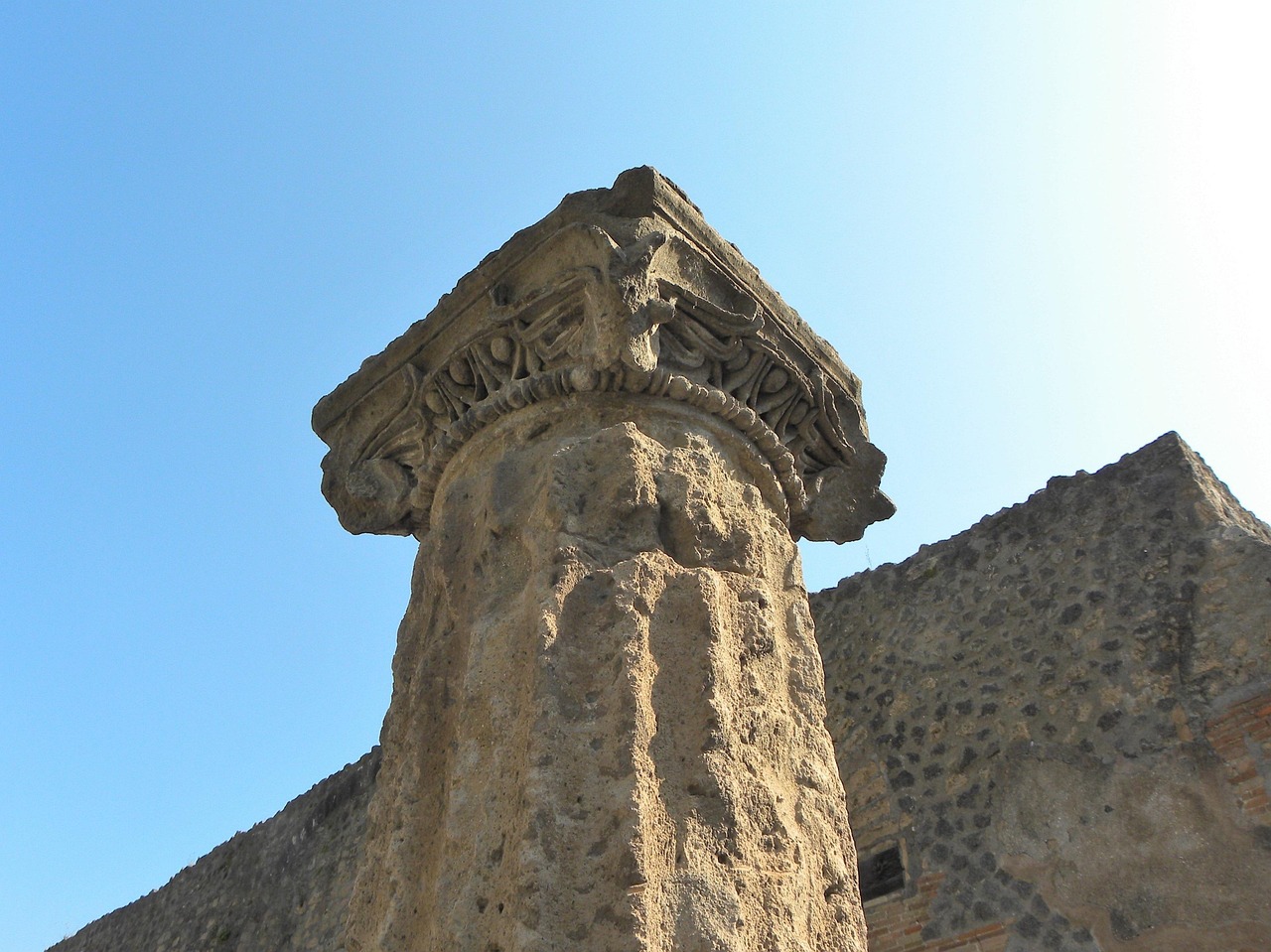
Explore Pompeii’s itinerary through the Forum, streets and frescoes in the ruins
Route rhythm: Forum to the main streets, then out to Piazza Anfiteatro
Begin at the Forum, where temples, civic buildings, and open space help you picture public life in Pompeii. From there, follow a main street and let smaller lanes pull you gently off-course—some of the most moving details live in side rooms and modest courtyards.
Build in shade breaks. Inside the park, a few minutes sitting on a low wall (where permitted) can reset your focus and help you absorb what you’ve seen. Later, aim towards the amphitheatre near Piazza Anfiteatro, which feels wonderfully tangible—an arena built for spectacle, now reclaimed by sunlight and quiet.
Guided tour or audio guide: choosing your tour of Pompeii and approaching the casts with care
A well-designed guided tour can transform stones into a lived experience. If you like depth and flexibility, choose a private guide; if you prefer social energy and strong value, a small group tour can be ideal. The best tour guides add insight without rushing you, and they’ll point out details you might otherwise miss—graffiti, political slogans, and the way a doorway frames a view.
If you’d rather move independently, an audio guide (or a single audio tour) is a strong middle path, especially if you want to linger in houses and return to favourite frescoes. Whichever you choose, leave space for silence: Pompeii doesn’t need constant narration to feel powerful.
Some moments are intense. The plaster casts display, and the Garden of the Fugitives can feel haunting because they are unavoidably human. Approach with care: keep your voice low, avoid photographs if it feels intrusive, and allow yourself a pause afterwards. A visitor once told me the casts made the past feel “close enough to grieve,” and that honesty is part of what gives Pompeii its gravity.
If your curiosity leads you to the brothel, treat it as cultural history, not spectacle. Context matters: what’s on the walls, who visited, and how the space functioned within the town. Seen with an informed lens, it becomes another clue to social structure rather than a sensational stop.
To ground daily life, look for houses in Pompeii with visible kitchens, garden courtyards, and water basins. Bakeries and marketplaces are particularly relatable—food, trade, gossip, routine. You start to realise how many Roman habits still feel familiar: buying bread, meeting friends in public squares, and retreating into cool rooms at midday.
Villa visits and excavation stories: Villa of the Mysteries, Oplontis, and Herculaneum—your guide to the excavations
For travelers who want the depth beyond the forum and streets, this is where Pompeii deepens. Beyond the main Pompeii circuit, villas and neighboring sites offer quieter spaces, sharper fresco detail, and a sense of how archaeologists piece together lives from fragments. If the central routes feel busy, these add-ons can be your exhale—especially if you’re staying near Naples and can return with a little more time.
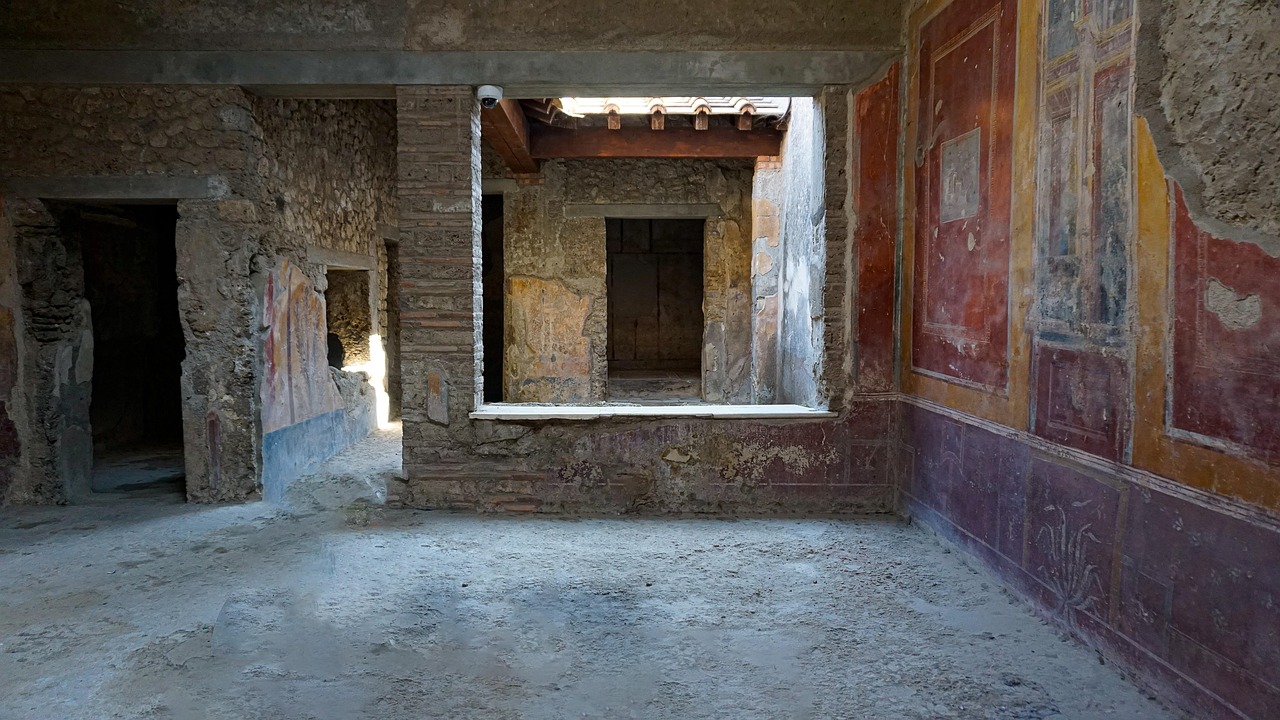
Villa Visits and Excavation Stories with Villa of the Mysteries, Oplontis and Herculaneum
Villa dei Misteri / Villa of the Mysteries: frescoes, calm pacing, and the villa experience
The Villa of the Mysteries (Villa dei Misteri) is extraordinary because its fresco cycle feels emotionally modern—figures with weight and movement, colors that still hold intensity, and a narrative that invites interpretation. Visit in a calmer time slot if you can, and give yourself permission to stand still. You don’t have to decode every scene to feel the artistry of this villa.
Logistically, note how the Dei Misteri Station can fit your route if you’re navigating by rail and walking segments. Some travellers see “Scavi – Villa dei Misteri” referenced and worry they’re in the wrong place; in reality, it can be a useful landmark for villa-focused exploring.
Guide to the excavations: how an archaeologist reads walls, repairs, and daily life
A thoughtful guide to the excavations changes what you notice. An archaeologist doesn’t only look at objects; they read walls, floors, soot marks, repairs, and even small holes that once held hinges. In Pompeii, graffiti can be as revealing as frescoes—names, jokes, and flirtations—so the city of Pompeii becomes less like a chapter in a textbook and more like a place you recognise.
This is also a moment to appreciate archaeological work as ongoing care, not just discovery. Conservation is slow and deliberate, and rules exist to protect the most delicate surfaces. No touching, no littering, and staying on designated paths are part of your relationship with the site—quiet respect that helps future travellers stand where you’re standing in this vast archaeological park.
If you love villas, consider Oplontis as a focused add-on. It’s often less crowded, and the painted details can feel startlingly crisp. You trade scale for intimacy, and for many travellers that exchange feels genuinely luxurious.
When does it make sense to combine Pompeii and Herculaneum? If you have the stamina and you want contrast, pairing Pompeii with Herculaneum can be unforgettable. Pompeii offers breadth; Herculaneum is among the best preserved, with a tighter footprint and different preservation textures. If walking intensity is a concern, choose one per day and keep the experience crafted rather than exhausting.
Mount Vesuvius and Pompeii Plus: designing the ultimate day trip—buy tickets for Pompeii, book a tour, and plan Naples or Sorrento
When you plan Mount Vesuvius with Pompeii Plus, you’re designing a day trip that holds both reflection and exhilaration. The morning can belong to the volcano—wind, sun, and sweeping views—while the afternoon returns you to streets and stories. Done thoughtfully, it’s not rushed; it’s balanced, and it can work whether you’re based in Naples or Sorrento.

Mount Vesuvius and Pompeii, plus designing the ultimate day trip from Naples or Sorrento
Mount Vesuvius hike: what it feels like and how to get the rhythm right
Mount Vesuvius is not a technical climb, but it is exposed. The trail can be dusty, the sun surprisingly strong, and the wind sharp near the crater. Wear shoes with grip, carry water, and pack a light layer—even in warm months. The viewpoint is worth it: the bay, the towns, and the scale of the landscape that shaped this whole region and the story of the eruption of Mount Vesuvius you’ll feel later as you walk the streets.
An adventurer once described the pairing as “the thrill first, then the meaning. ” Hiking in the morning, then walking through Pompeii in the afternoon, made the history feel three-dimensional—cause and consequence, held together in one day.
Buy tickets for Pompeii and Naples, plus learn how to choose and avoid stress.
Ticketing is where many days wobble, so keep it clean. Decide what you want to include, then buy tickets early and stop refreshing pages. If you’re comparing options, Pompeii Plus can be a good value if it matches your interests and time, especially if you want to add a villa or a quieter corner.
Use one moment to confirm entry and transport, then stop thinking about it. That mental space matters: it lets you be present in Pompeii rather than watching the clock. If you’re planning Vesuvius on the same day, combined options can be sensible—particularly when timing is protected and you don’t need to negotiate queues. If you’re still deciding, it helps to have your tickets ahead of your travel date, then build the rest of the day around those fixed points.
Book a tour: independent, private, or official tour options
Here’s a simple decision tree to book a tour with confidence. If you’re comfortable coordinating transfers and you enjoy autonomy, go independent and keep your schedule flexible. If you want seamless logistics—especially in peak season—choose a day tour with clear pick-up points and honest time allocations; an official tour can also reduce friction at a busy entrance.
For extensions, consider a loop that includes Naples and Sorrento, or choose a base in Naples or Sorrento, depending on your style—urban energy versus coastal ease. If you have a free afternoon, a glimpse of the Amalfi Coast can be tempting, but only if it doesn’t compress your time at the sites. Around Pompeii, the beauty is in lingering, not collecting, and that’s often the best way to visit this part of Campania.
To wrap up the story, give yourself a museum hour in Naples on a different day. The National Archaeological Museum and the archaeological museum in Naples hold frescoes, mosaics, and objects removed for protection—true archaeological treasures that help you understand what you saw in situ. For more curated inspiration, explore our Trip gallery and imagine how you might design the region at a gentler, more luxurious pace.
FAQs: Visiting Pompeii, Italy
Is Pompeii in Italy worth visiting?
Yes—Pompeii is worth visiting for its unusually complete street plan, vivid frescoes, and the feeling of walking through a real town rather than viewing fragments. As a UNESCO World Heritage Site, it suits cultural travellers who want meaning, and adventure seekers who like pairing history with Mount Vesuvius. With an early start, the right entrance, and a calm pace, it can feel both comfortable and deeply moving.
Why is Pompeii a dark tourist site?
Pompeii can feel like a dark tourism site because the disaster preserved evidence of sudden loss, including plaster casts and poignant spaces such as the Garden of the Fugitives. Many visitors experience it as personal and haunting. Approaching with respect—quiet voices, thoughtful photography, and context from a guide—helps keep the focus on humanity rather than spectacle.
Can I visit Pompeii without a tour?
Yes, you can visit Pompeii independently. The signage and main routes are manageable, and an audio guide can provide structure while letting you move at your own pace. If you’re short on time or want deeper insight into villas, fresco symbolism, and daily life, a guided option can be a worthwhile upgrade for clarity and confidence.
How much time do you need to visit Pompeii?
Plan at least 3–5 hours for a satisfying visit, with time for shade breaks and slower looking in key houses and public spaces. A full day is ideal if you want a more relaxed pace, to add a villa, or to connect to Herculaneum. If you’re also hiking Mount Vesuvius, plan the day carefully so neither experience feels rushed—this is the single most important time in your visit planning.
What stayed with me after Pompeii, Italy: reflection and insight after a day in the ruins
In the quiet after Pompeii, what returns to me isn’t a list of landmarks. Its scale and intimacy held together: a grand forum, then a narrow doorway; a sweeping street, then a single painted border where a hand once traced colour. Time here doesn’t feel like theatrical time travel—it feels like listening, as if the past is speaking softly and you’re finally still enough to hear it.
I think of the children I once watched near a fountain, fascinated by how the stones channelled water and how a “ruin” could still explain an everyday problem. Their curiosity had no cynicism—only wonder—and it reminded me that culture isn’t about being clever. It’s about being open.
I also remember the hush around the cast displays: not shock, exactly, but a shared instinct to lower your voice. The figures are not symbols; they are people caught in an ending. Standing there, you don’t need more information. You need a moment of care, and perhaps a small promise to yourself about how you’ll look at the world when you leave.
And then there’s the other feeling—wind on the crater path of Mount Vesuvius, sun on your shoulders, and the thrill of height. It can be strangely reassuring: nature is powerful, yes, but you are here, alive, walking, learning. The past is not only tragedy; it is also endurance, craft, and the stubborn beauty of what remains.
Pompeii is one of those destinations that changes your sense of time, making ordinary rooms extraordinary. A counter where someone sold bread, a bath where someone paused, a street where someone hurried—suddenly these are not details; they’re lives. You carry that tenderness with you, and it quietly refines what you seek in travel: not more, but deeper.
Long after Italy fades into daily routine, I find myself imagining other doors, other stories, other layers still waiting to be uncovered. If you’re planning your own return, let this be your complete guide mindset: go slowly, choose a few highlights, and give each the attention it deserves. With the right pacing and a comprehensive guide approach to planning, Pompeii stays with you in the best possible way.