Post Contents
- Leaning towers and the Leaning Tower of Pisa Italy overview with a timeless lean
- Explore Piazza dei Miracoli leaning tower of pisa cathedral baptistery Italy in calm detail
- Climb leaning tower of pisa 294 steps spiral staircase Italy with steady confidence
- Pisa leaning photo ideas tilt optical illusions Italy you can create
- Leaning tower of pisa leaning history tilt stabilization museums Italy to uncover
- Leaning tower of pisa tickets times cost Pisa Centrale Italy planning for seamless support
- What stays with you after Pisa in Italy
- F.A.Qs: Leaning Tower of Pisa essentials
Leaning towers and the Leaning Tower of Pisa Italy overview with a timeless lean
Leaning towers and the Pisa lean that started it all
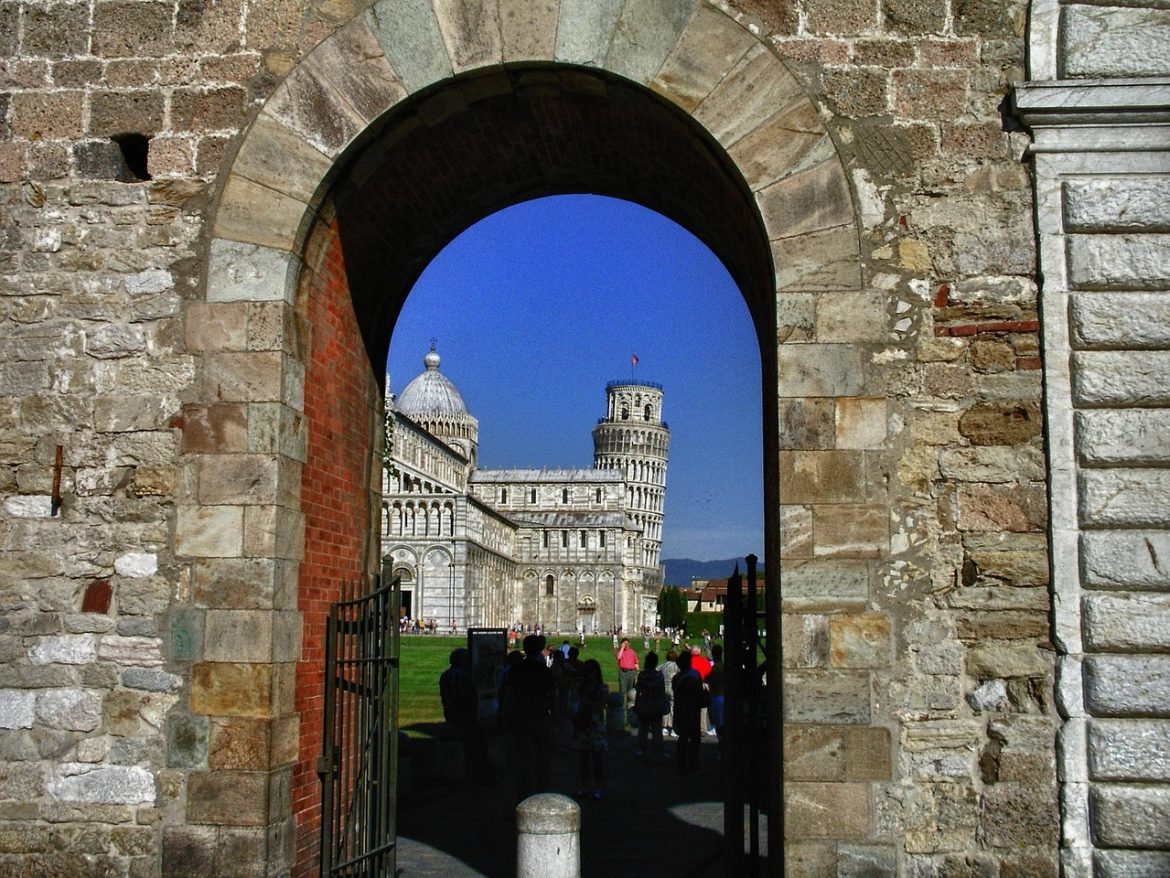
Consider this a leaning towers and the Leaning Tower of Pisa Italy overview for travellers who want culture with a pulse of adventure. That first “see the tower” moment lands differently in the city of pisa: the tilt looks impossible, yet the stone feels calm and assured. It’s the perfect start to a day designed for curiosity, confidence, and a little playful daring.
Why leaning towers fascinate and why Pisa became the reference point
The leaning tower of pisa is the famous tower we all measure others against, but it’s not alone in Italy’s skyline. If you love seeking patterns in places, you’ll start noticing leaning towers elsewhere: Pisa’s own church campanile of san Michele degli Scalzi leans gently, and Rome has its own medieval oddities, including the torre delle milizie, sometimes described as a tower in rome with a subtle slant. Head north and Bologna offers the “two towers” story—Asinelli and the garisenda tower—where the Garisenda still shows a noticeable lean, and Bologna becomes an easy add-on for architecture lovers.
Anchor facts and a simple snapshot of the inclination
Here are the grounding details that make the wonder feel real. The construction began in 1173 and the project began in 1173 as the campanile (bell tower) for the cathedral complex; the tower began leaning soon after construction as the unstable subsoil shifted under the foundations. Work was halted for almost a century, then construction resumed under Giovanni di Simone, a pivotal moment that helped the structure survive what could have been a fatal mistake.
At its worst, the inclination of almost 5.5 degrees drew anxious attention; after late 20th century efforts, the lean was reduced to about 3.97 degrees, and the stabilization focused on safety rather than trying to straighten the tower. If you only remember one engineering idea, let it be this: careful conservation can hold a tilt in place while keeping the experience open to visitors.
To keep our language clear as we explore, the leaning tower of pisa is a bell tower, also called a campanile, with its belfry at the top where the bell chamber sits. You’ll also hear it described as the bell tower of the cathedral, because the tower is the bell tower that served the cathedral’s liturgical life. The tower of Pisa in Italian is often referenced as a torre, and knowing these words makes a guided tour feel more connected and local.
With a crafted plan and a touch of care, the day feels exciting, not stressful—especially if you’re travelling together across mixed fitness levels and different travel styles.




Explore Piazza dei Miracoli leaning tower of pisa cathedral baptistery Italy in calm detail
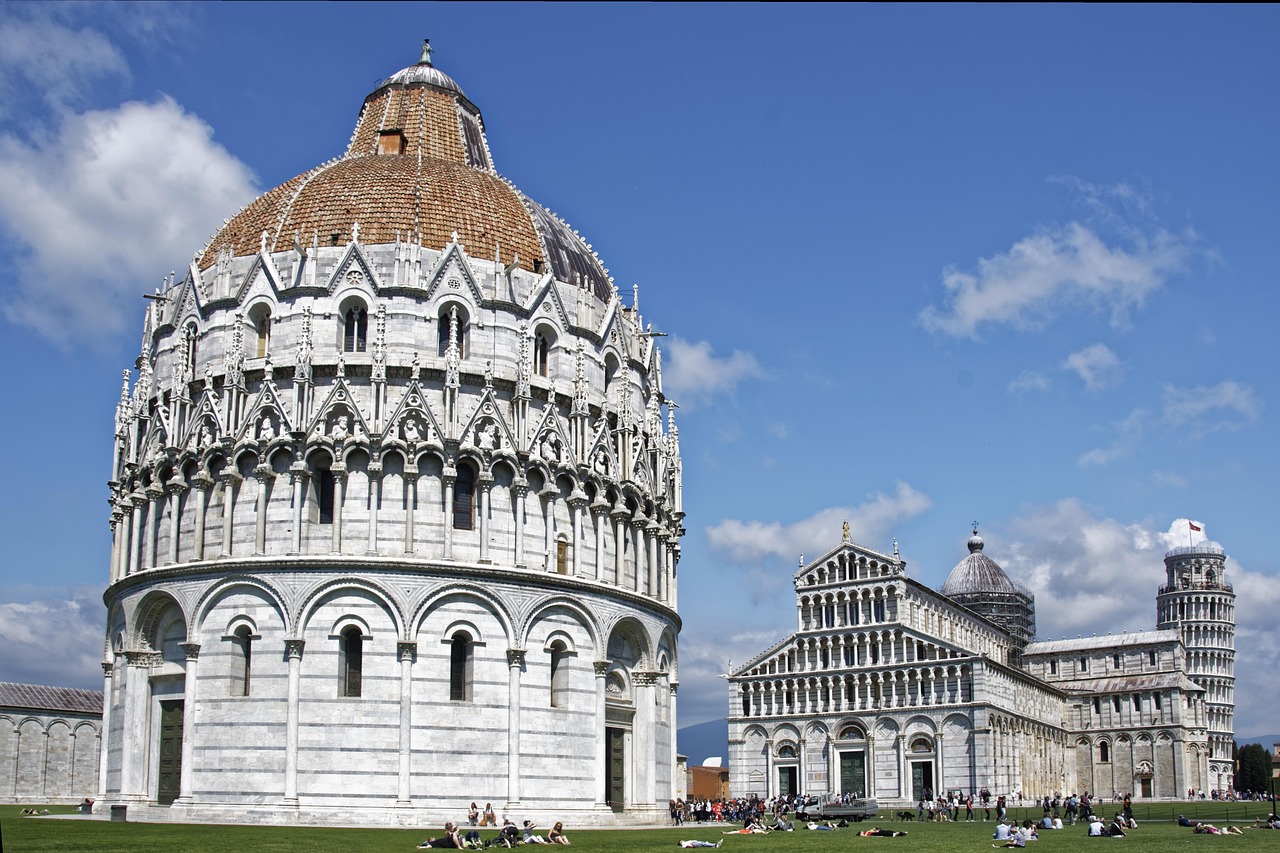
Explore Piazza dei Miracoli with cathedral and baptistery calm
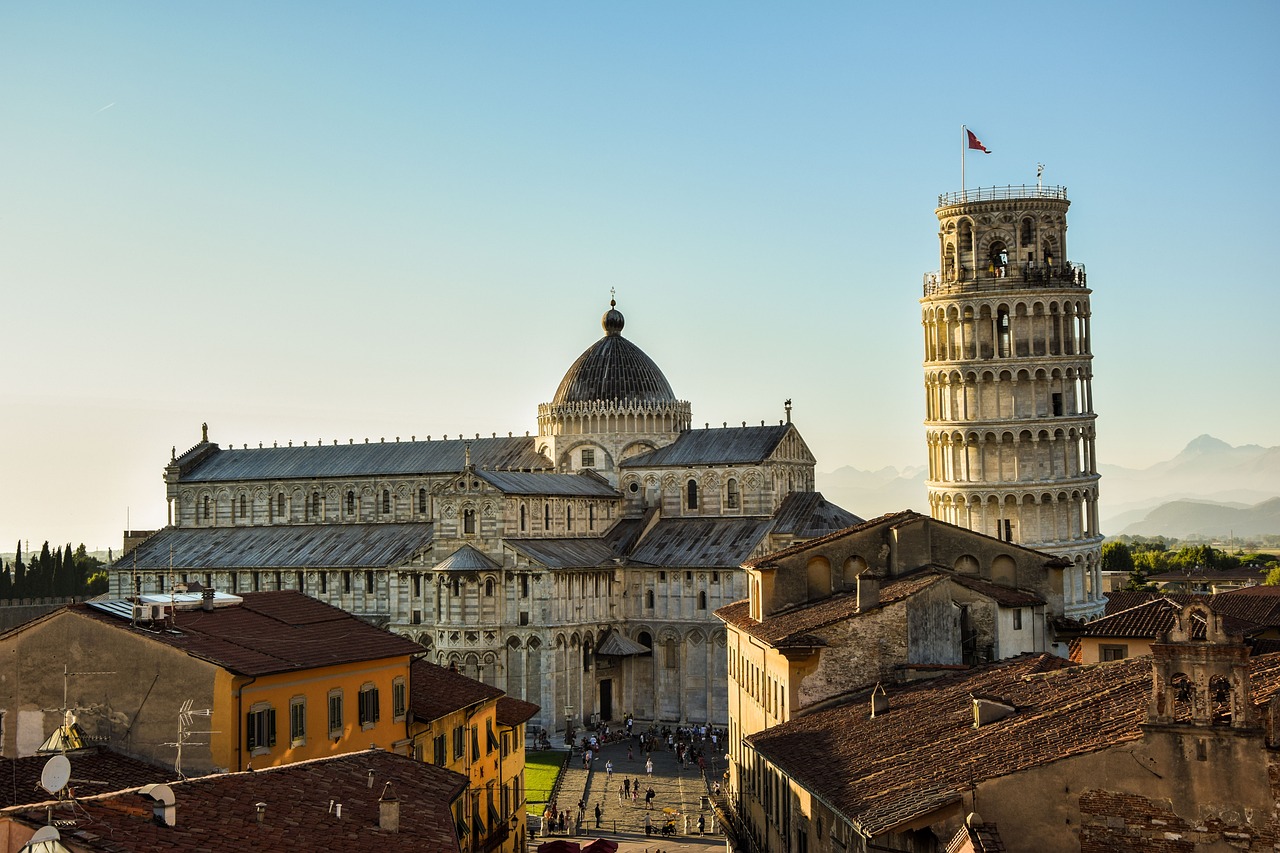
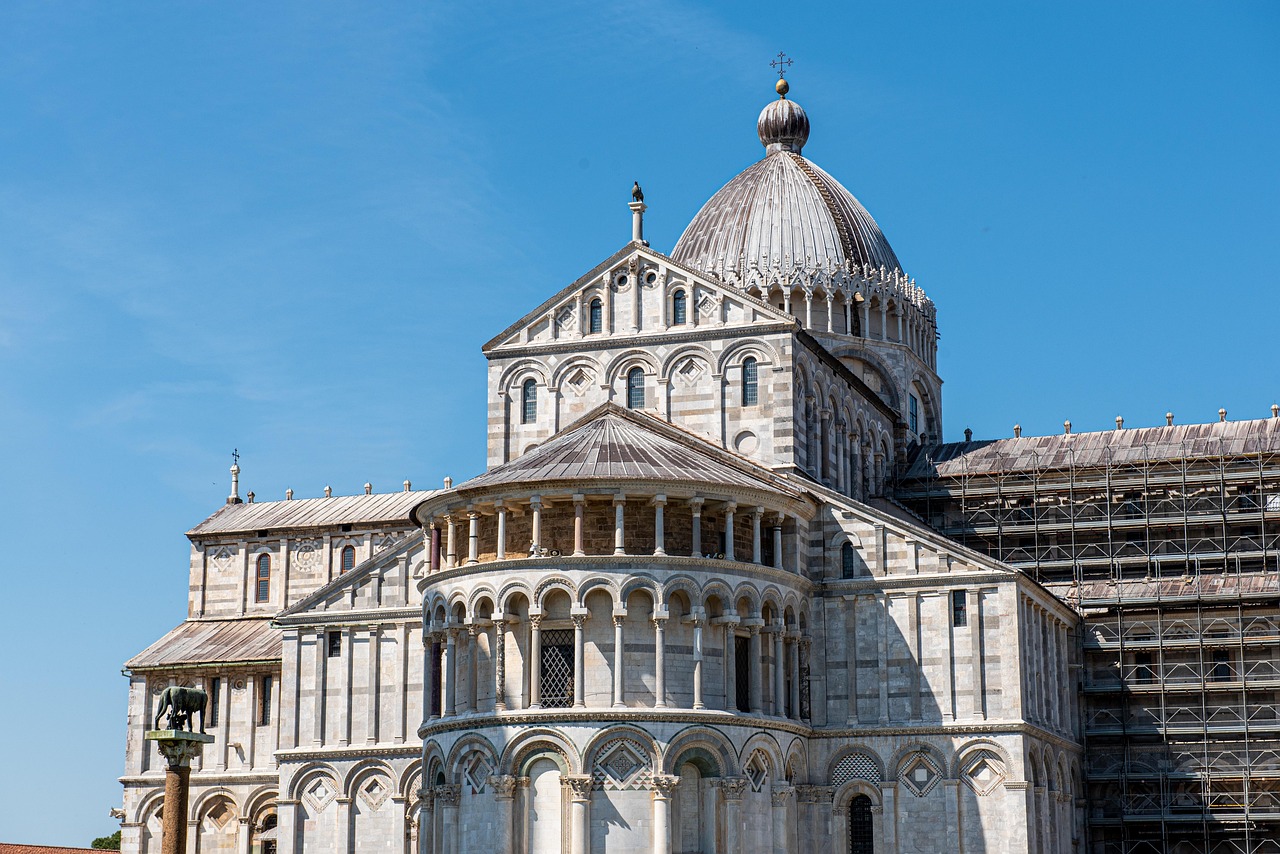
In the piazza dei miracoli, the Leaning Tower of Pisa, cathedral, and baptistery form a single cultural ensemble in Italy—best explored slowly, with time to look up and notice the white marble details. For Adventure Seekers, it’s a different kind of thrill: not speed, but depth—pattern, symbolism, and the quiet confidence of stepping into a space shaped over centuries.
A gentle flow through cathedral and baptistery with respectful etiquette
Begin with the Cathedral of Santa Maria Assunta, the Duomo at the heart of the complex, then drift towards the Baptistery. Inside these sacred spaces, trust the signage, keep your voice low, and dress respectfully—covered shoulders are a safe choice—so your experience feels seamless rather than corrected. You’ll sense how the cathedral and the baptistery balance grandeur with calm, and why the monuments are still lived-in rather than staged.
Designer Journeys pacing for a smooth tower time slot
We like to design your timing around your tower entry: arrive early, enjoy the open views, then let your booked slot anchor the day. A simple rhythm works beautifully: cathedral first while your mind is fresh, then baptistery, then the climb, then a slow reset afterwards. Many families tell us their children become fascinated by engineering and meaning here—suddenly the day turns into shared discovery, not just sightseeing.
For a quiet detail to add to your personal story: the baptistery’s long timeline reaches into the 14th century, with work often cited as complete around 1360, and the whole square reads like a gallery of impressive buildings under open sky.
Photographic care note: there are clear sightlines where you can capture the lean without blocking pathways; keep a respectful distance from the grass and remember the base of the tower is protected heritage, not a prop. If you want one helpful landmark for orientation, glance back once from the edge of the piazza del duomo area and notice how the tower’s curve changes against the horizon.
Climb leaning tower of pisa 294 steps spiral staircase Italy with steady confidence
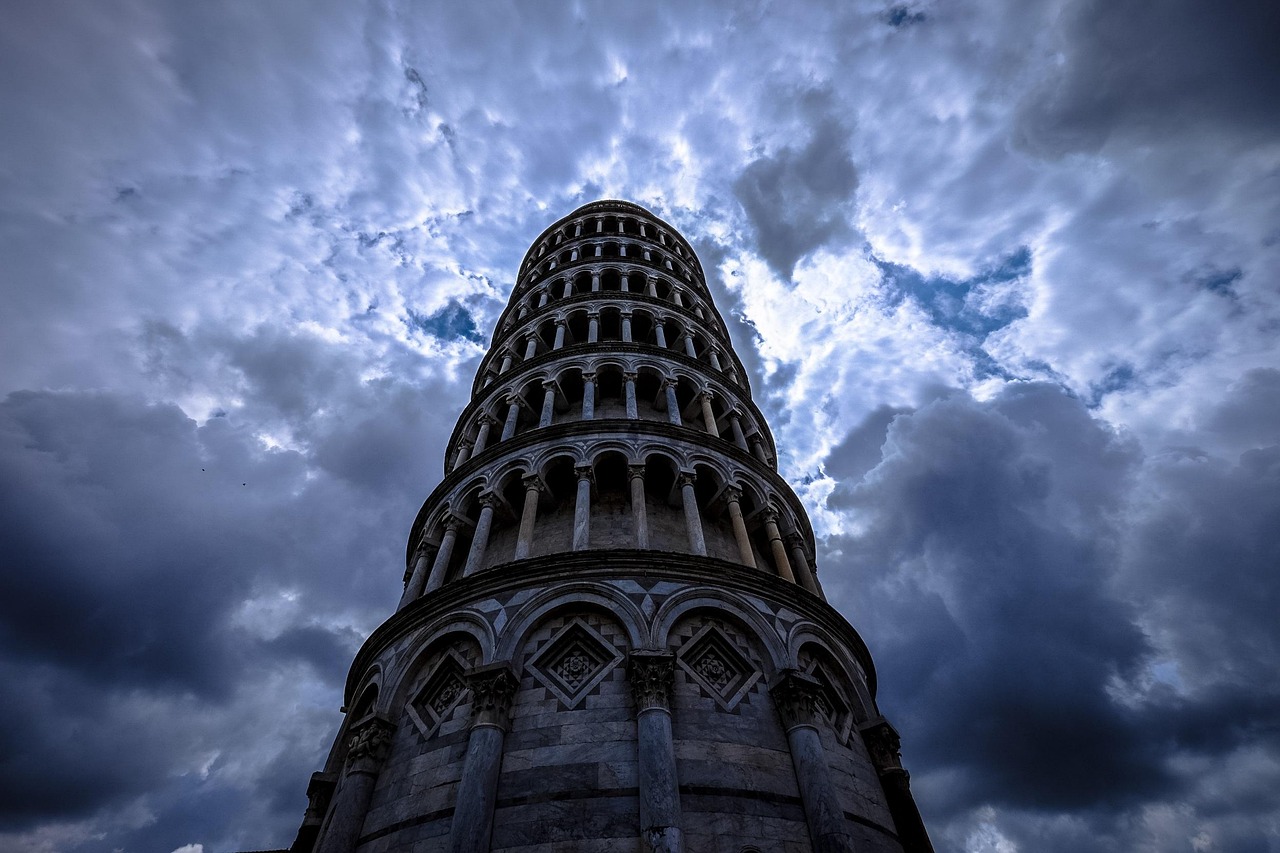
Climb the Leaning Tower of Pisa 294 steps of awe
If your plan includes the climb leaning tower of pisa 294 steps spiral staircase Italy experience, expect a surprisingly intimate ascent. The spiral staircase is narrow and worn smooth, and you may feel the floor of the tower subtly “pull” as the curve follows the lean. It’s not dangerous when managed properly—it’s simply your body noticing the architecture.
Practicalities that make the climb feel seamless
Entry is timed, and that structure is your support: arrive a little early, breathe, and let the flow carry you. Facilities are limited and the stairs can feel tight, so wear comfortable shoes and bring water in warmer months; note that accessibility is limited for those with mobility issues, and planning with care matters. Bags may need to be checked, and you’ll be grateful for light hands on the way up.
- Best approach: take it steady, keep one hand free for the rail, and allow faster climbers to pass courteously.
- Group rhythm: agree on a pause point so everyone stays together without pressure.
- Comfort tip: if you feel the tilt, stop, look at the stonework, and let your balance settle.
294 steps leading to views and a bell-filled moment
Here’s the reward: it’s 294 steps leading to panoramic views across rooftops and out towards Tuscany, a perspective that makes Pisa feel both grand and wonderfully human. At the top, give yourself a mindful pause—the “I made it” moment many travellers describe after the final turn. Above you is the belfry space, and the bell history is tangible: the chamber holds seven bells, sometimes described simply as 7 bells, each with its own voice and story.
One group told us they felt a rush of awe not from height alone, but from standing inside time—stone, air, and the gentle, persistent lean. If you’re travelling with varied fitness levels, this is where support and pacing turn effort into shared pride.
Pisa leaning photo ideas tilt optical illusions Italy you can create
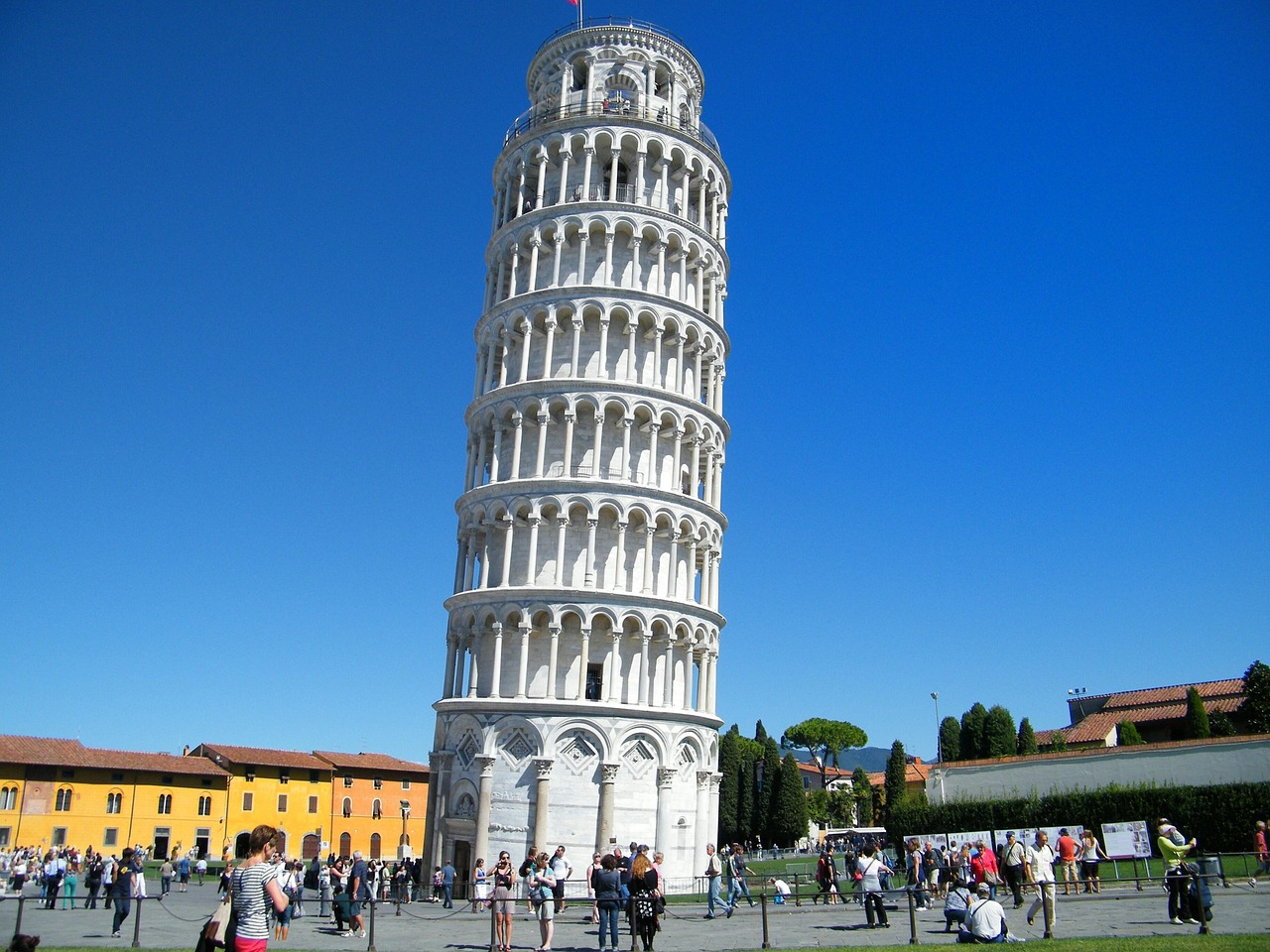
Create playful Pisa leaning photos with tilt illusions
For many travellers, the most joyful souvenir is a set of pisa leaning photo ideas tilt optical illusions Italy-style—tiny creative challenges that turn a landmark into laughter. Friends often recount the classic “holding up the tower” pose as the moment they relaxed, stopped overthinking, and simply enjoyed being there. It’s light-hearted, but it also helps you look closely at line, angle, and space.
Playful challenges that still feel respectful
Try a mini “designer” shot list: one frame where someone appears to push the tower, one where they “pinch” the top, and one where they pretend to lean at the same angle. Use the exact phrase once as your caption theme—pisa leaning—and you’ll have a tidy set of memories that feel crafted rather than accidental. Keep the pathways clear, stay off restricted areas, and never climb barriers; creative travel works best when it’s built on trust.
Light, composition, and making the tilt work for you
Aim for early morning or late afternoon when the light is soft and crowds thin; your photos will look more elegant, and you’ll feel less rushed. For quick composition insight, keep your horizon line level, place your subject in the foreground, and let the tilt of the tower become the diagonal that guides the eye. If you’re photographing close in, step back rather than edging towards the tower—space makes the illusion stronger and protects the site.
Leaning tower of pisa leaning history tilt stabilization museums Italy to uncover
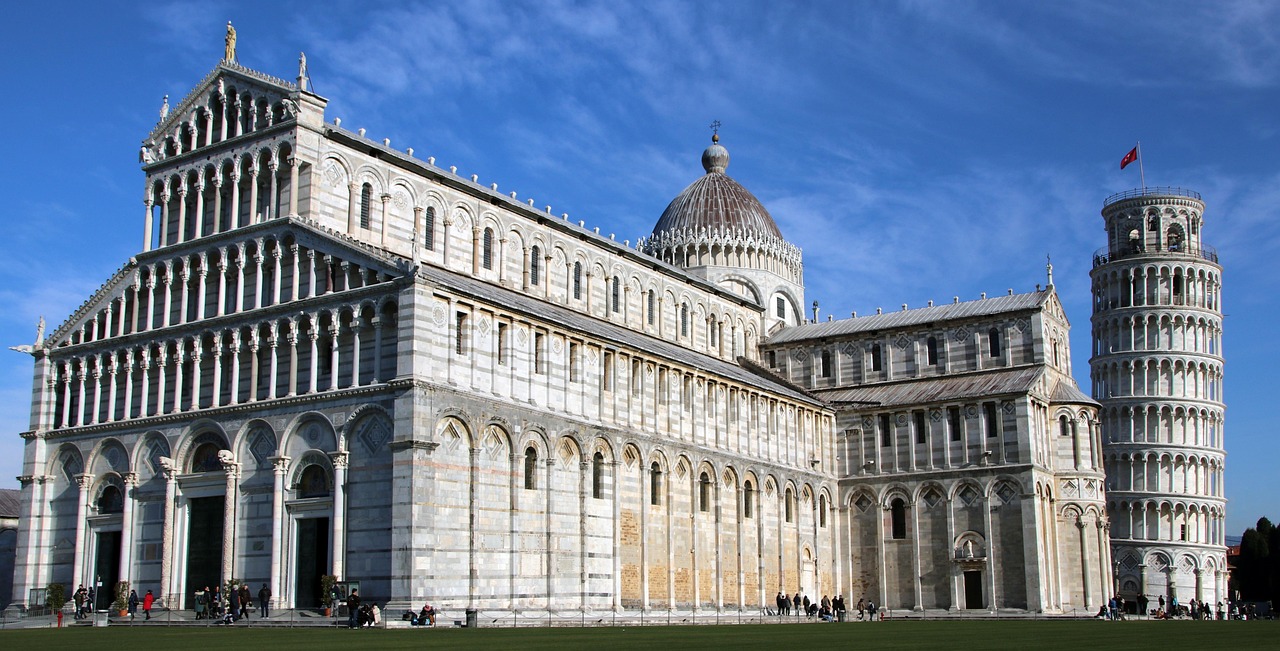
Uncover the engineering behind the leaning tower of pisa leaning
If you’re drawn to leaning tower of pisa leaning history tilt stabilization museums Italy-level depth, the story is best told in human terms. The construction of the bell tower moved forward in confidence, but by 1178 it started to lean, and the project became a long lesson in adaptation. Over roughly 200 years, builders adjusted as they went—sometimes literally building slightly differently to compensate for the lean.
How the tower was built and why one side grew taller
As the tower continued upward, course-corrections left subtle asymmetries: one side taller, careful tweaks in the upper floors, and a profile that reveals medieval problem-solving in stone. The structure stands about 55.86 meters in height, a figure that surprises many first-time visitors because the lean makes it feel shorter and more intimate. The inclination of the tower has shifted through history, but its presence has always been outsized.
Names you may hear as breadcrumbs include Bonanno Pisano (often credited in the early phase), Nicola, and Simone—figures attached to design and construction debates over generations. For a story hook without turning it into myth, Galileo Galilei is often mentioned in local lore, a reminder that Pisa has long been a place where questions are allowed to be big.
Bells, preservation, and why engineers did not straighten the tower
At the top, bells were installed and tuned for civic and religious life; one bell was cast in 1655, adding another chapter to the tower’s voice. In modern times, engineers aimed to halt the movement—often cited around 1.2 mm per year—so the lean could be safely maintained rather than erased. The goal was preservation, not perfection, and certainly not to straighten the tower into something unrecognisable.
To deepen your insight, consider stepping into nearby interpretation spaces and museums around the complex to uncover artefacts of medieval life, building tools, and conservation thinking. It’s where the tilting tower becomes local again—less postcard, more lived experience.
Leaning tower of pisa tickets times cost Pisa Centrale Italy planning for seamless support
Planning your Pisa tower day with seamless local support
For leaning tower of pisa tickets times cost Pisa Centrale Italy planning, simplicity is the luxury. Arrive via Pisa Centrale, then walk or take a local bus; the route is straightforward and lets you settle into the day with confidence. A “start early, finish slow” rhythm keeps energy high and helps you explore without feeling herded.
Tickets, timing, and cost notes you can trust
Buy tickets online in advance to secure your preferred time slot, especially from late spring to early autumn. Entry to the leaning tower of pisa is often around 18 euros, and combo tickets can offer savings if you’re also visiting the monuments. If you’d like inspiration for a wider Italian itinerary that still feels crafted, browse our Trip gallery and imagine how Pisa might fit into a bigger story.
Crowd strategy, comfort, and little personal moments
Pair your tower slot with quieter cultural time: cathedral early, tower mid-morning, then a café reset when the square feels busiest. Remember the uneven surfaces, limited shade, and narrow stairs—build in breaks, keep water close, and let your pace be gentle. After coffee, you can resume with a small museum visit or a slow walk to find a shaded bench.
- Photo timing: early or late gives you better light and more space for composed shots.
- What to carry: water, sun protection, and a light layer for breezier evenings.
- Mindful etiquette: quiet in religious sites, and follow signage to protect the stone.
Some of the most meaningful memories happen just outside the main frame: a solo traveller once met a local artisan nearby who shared stories passed down through generations, and a couple quietly celebrated an engagement in the glow of marble. These moments can’t be scheduled, but they arrive more easily when your day feels seamless and supported.
What stays with you after Pisa in Italy
After visiting the leaning tower of pisa reflections Italy often arrive later, when you’re no longer looking up at stone but remembering how it felt to stand beside it. There’s a particular hush in the air around the complex—footsteps on worn paths, a distant bell, the way light settles on marble and softens the edges of history. The lean becomes less of a spectacle and more of a companionable thought: imperfect, enduring, and quietly cared for.
You might find that what lingers is not the effort of the climb, but the calm pride afterwards—the moment your breathing steadied and you realised you trusted your body and the place to hold you. Or it may be the warmth of a local exchange, brief but human, reminding you that culture is made of people as much as monuments. Even the tower’s tilt feels reassuring in hindsight, a gentle reminder that resilience can look like adjustment rather than force.
And then, on an ordinary day back home, you may catch yourself picturing that curve against the sky—stone that learned to live with its own angle—and wonder what else in life might be steadied by the same kind of patient care.
F.A.Qs: Leaning Tower of Pisa essentials
Why is the tower in Italy leaning?
The Leaning Tower of Pisa leans because it was built on soft ground with unstable layers beneath the foundations. The soil shifted early in construction, so the structure began tilting before it was finished. Over centuries, builders adapted the design, and modern engineering work later stabilised it so the lean could be safely preserved rather than corrected completely.
Can people still walk up the Leaning Tower of Pisa?
Yes. Visitors can still climb the Leaning Tower of Pisa by timed ticket, using a narrow spiral staircase to reach the top. The ascent is physically manageable for many travellers, but it can feel tight underfoot and is not well-suited to those with significant mobility issues. Booking in advance helps you choose a calmer time slot.
Is Pisa tower 7 Wonders of the World?
It is not officially one of the classical Seven Wonders of the Ancient World. That said, many travellers casually refer to it as one of the 7 wonders because it feels so iconic and instantly recognisable. Its enduring appeal comes from the dramatic lean, the medieval craftsmanship, and the story of how careful preservation kept it standing.
Which city is closest to the Leaning Tower of Pisa?
The closest city is Pisa itself, as the tower sits within the historic centre. Many visitors arrive via Pisa Centrale station, then walk or take a short local bus ride to the cathedral complex. Florence and Lucca are popular nearby bases too, but for pure proximity and ease, staying in Pisa offers the most straightforward access.