Post Contents
- Designing Your Day in Florence Itinerary – Best Things to Do on a Seamless Trip to Florence, Italy
- Time to visit: planning your Florence visit and the time to spend in Florence
- Where to stay in Florence for a walkable city-center route
- Getting around: walking distance, taxis, and private drivers for a Tuscany day trip
- Smart savings: tickets, the first Sunday of the month, and pre-booked entry
- Safety and local etiquette: tourist awareness and simple Italian phrases
- Duomo & Piazza Icons – Top Attractions and Sights in Florence (Santa Maria del Fiore & Piazza della Signoria)
- Michelangelo Masterpieces & Cultural Attractions – Things to Do in Florence Beyond the Duomo
- Ponte Vecchio to Oltrarno – Top Things to See, Boboli Gardens, Palazzo Pitti & a Tuscany Day Trip
- Ponte Vecchio in Florence: golden hour photos and best view spots
- Oltrarno: artisan studios, shopping, and respectful local etiquette
- Palazzo Pitti (Pitti Palace): interiors, collections, and calm planning
- Boboli Gardens: shaded walks and views of Florence across the river
- Piazzale Michelangelo: sunset viewpoint in Florence and Chianti day trip ideas
- What Florence Leaves With You – Reflections After a Trip to Florence, Italy
- F.A.Qs: Top 10 things to see in Florence Italy
Designing Your Day in Florence Itinerary – Best Things to Do on a Seamless Trip to Florence, Italy
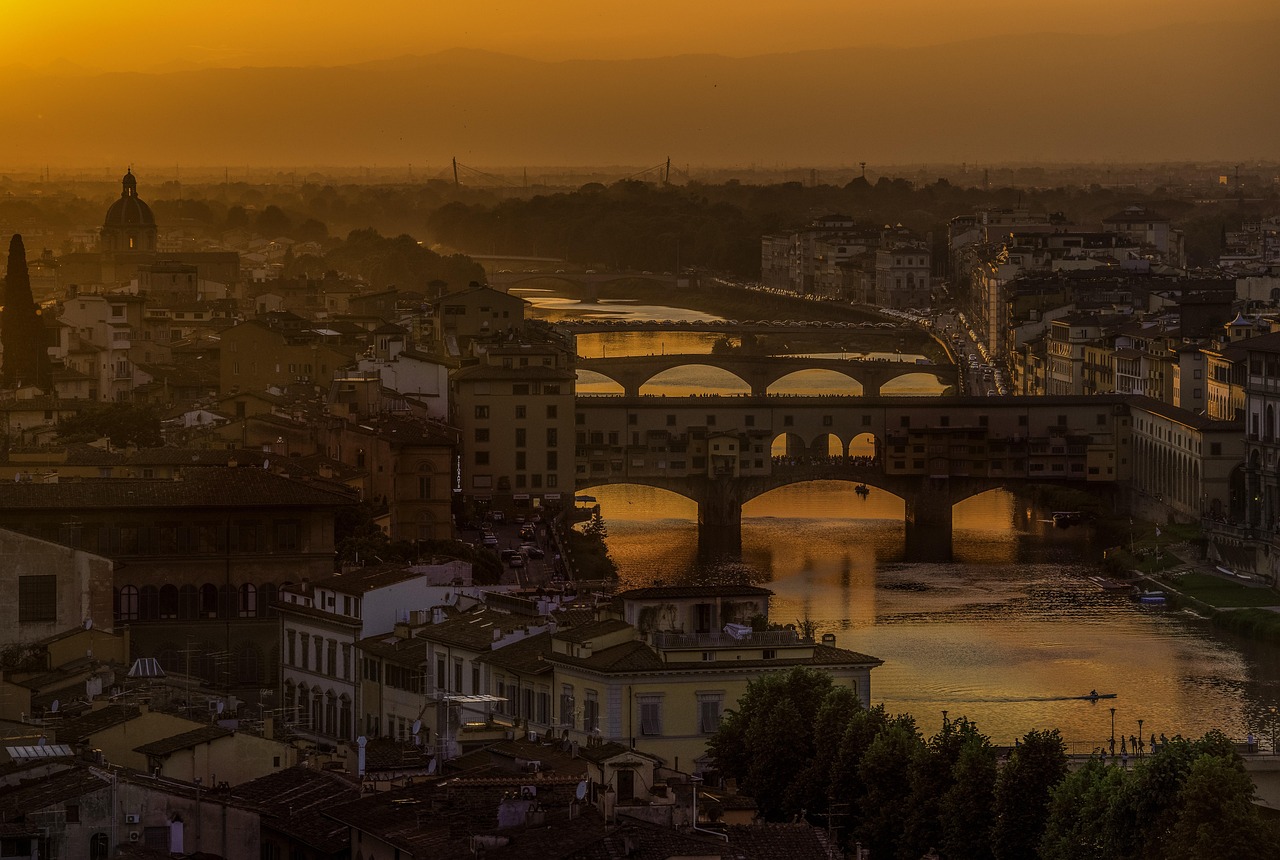
Designing Your Day in Florence Itinerary for Best Things with elegant riverside views
If you’re designing a day in Florence itinerary, the best things are easy to reach in the city center—they’re simply hard to time well. This guide to top 10 things to see in Florence Italy focuses on flow: early starts, pre-booked entry, and enough breathing room for aperitivo, shopping, and the kind of unplanned discovery that makes you want to visit again.
Florence is wonderfully walkable and easy to visit, yet it rewards travellers who plan around light and crowd patterns. Done well, you’ll experience the city of Florence like a local for a day, not like a tourist racing between attractions in Florence.
Time to visit: planning your Florence visit and the time to spend in Florence
The most reliable time to visit is April to June, or September to October, when the weather feels gentle and the evenings invite a slower pace. In midsummer, the heat can flatten the joy of a Duomo climb and long museum lines can test your patience—especially if it’s your first time in Florence.
For a short luxury break, the ideal time to spend in Florence is at least two full days, but you can still cover the essentials in a single, well-designed day. For a confident Florence visit, start at opening, schedule a long lunch, and keep late afternoon flexible so your itinerary feels curated rather than cramped.
Where to stay in Florence for a walkable city-center route
Where you stay in Florence shapes your entire rhythm. If you want to step out into central Florence and reach the Duomo within minutes, choose a refined hotel near Piazza del Duomo or close to Piazza della Signoria. This city center base is perfect for early museum entries and effortless returns for a quick change before dinner.
If you prefer a more local tone with artisan craft at your doorstep, consider the Oltrarno. It’s still within walking distance of the main sights, but the mood shifts—quieter streets, studios, and places to eat that feel lived-in. Many high-end travellers love a hotel near the river, so you can cross to the workshops and still be close to Florence’s iconic squares and places to visit in Florence.
To keep your itinerary seamless, group stops by neighbourhood: morning around the Duomo, midday in museums, afternoon across the river to Oltrarno, then finish at a viewpoint above the city.
Getting around: walking distance, taxis, and private drivers for a Tuscany day trip
Florence’s historic centre is compact—walking distance between major highlights is often 10 to 20 minutes, which makes a self-guided trip to Florence feel effortless. Comfortable shoes matter, but so does pacing: plan one “anchor” museum in the morning and one in the afternoon rather than stacking three back-to-back.
For transport, trams and buses are efficient, though many visitors never need them within the centre. Taxis are useful after dinner or when you’re dressed for an elegant evening; join the official taxi ranks rather than flagging in traffic. If you’re adding a day trip, a private driver can support your day with quiet reassurance—door-to-door service, flexible timing, and no stress about parking or winding rural roads in Tuscany.
If you’d like inspiration for tailored routes and elevated stays when you visit Italy, browse our Trip gallery for Italy.
Smart savings: tickets, the first Sunday of the month, and pre-booked entry
Luxury doesn’t mean waste, and there are thoughtful ways to invest where it matters. City passes can be useful if you’re museum-heavy, but their value depends on your pace. If you’re the sort of traveller who likes to linger—ten minutes longer in front of a Botticelli, a slower coffee break—then bespoke guided entry often feels like better value than a rushed schedule.
Consider combined tickets when they reduce admin across connected sites, and watch for special openings or incentives such as the first Sunday of the month (some state museums offer free entry). For high season, however, pre-booked timed entry almost always protects your time in the city.
Safety and local etiquette: tourist awareness and simple Italian phrases
Florence is generally safe, but discreet awareness builds trust in your own judgement. Keep valuables secure near popular places to visit, especially around the Duomo approaches and the busiest bridges. A crossbody bag worn in front and a phone kept away when you’re distracted by photos goes a long way.
A few Italian phrases create warmer interactions and a sense of care in everyday moments: buongiorno in the morning, buonasera in the evening, and per favore and grazie always. The city responds beautifully to travellers who show respect—quiet in churches, patience in queues, and genuine curiosity with local artisans.
With your foundations designed, it’s time to step into Florence’s most iconic sights and start your own list of things to savour.




Duomo & Piazza Icons – Top Attractions and Sights in Florence (Santa Maria del Fiore & Piazza della Signoria)
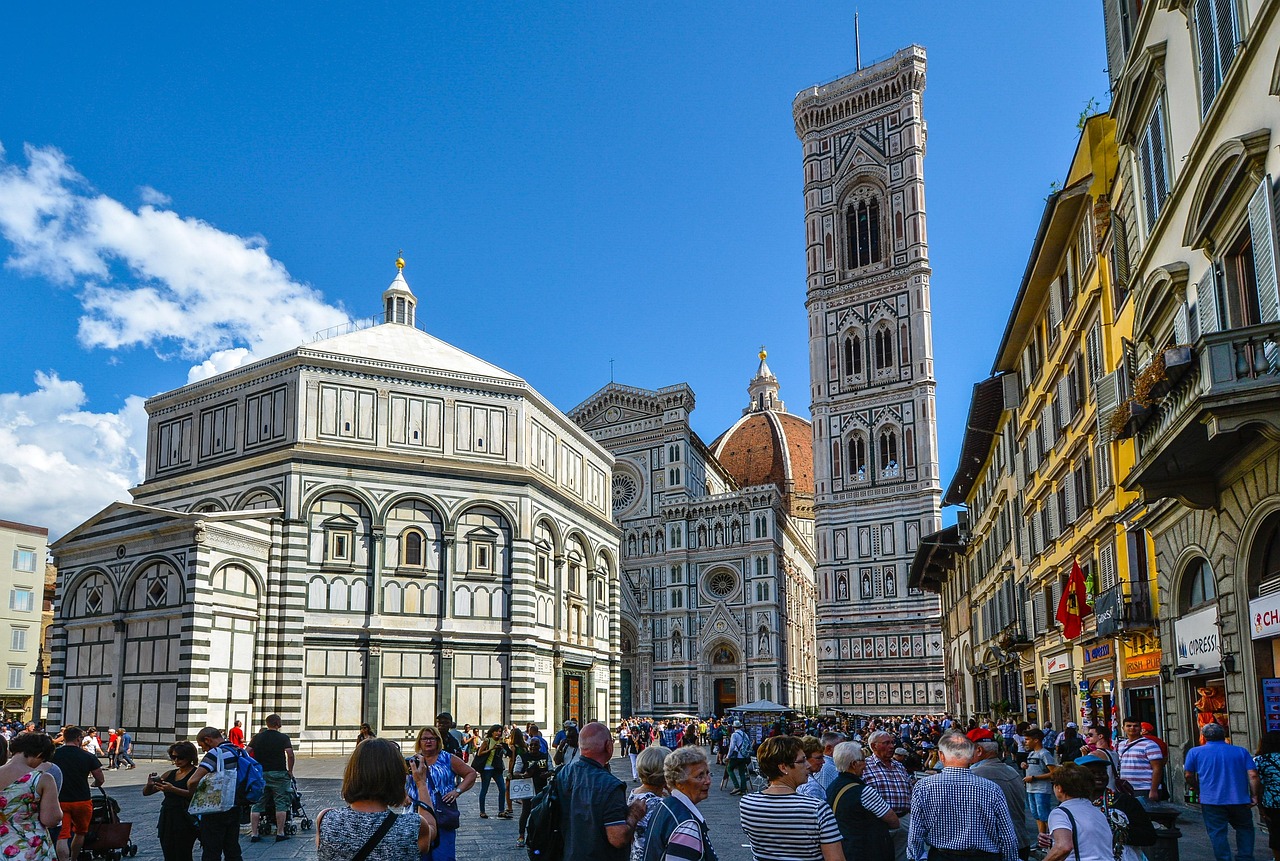
Duomo and Piazza Icons Top Attractions in Florence with Santa Maria del Fiore at sunrise
When you plan the top attractions sights in Florence, start with the Duomo and the great squares—because they set your sense of scale, light, and history of Florence. This is the heart of the city of Florence: the architecture feels grand, yet the experience becomes personal when you arrive early enough to hear your own footsteps. It’s also one of the most rewarding things to see in Florence if you value atmosphere as much as monuments.
Duomo of Florence: Santa Maria del Fiore, Giotto’s bell tower, and the view from the top
The Florence Cathedral is an essential Duomo experience, officially Santa Maria del Fiore. It’s a famous building that can still stop you mid-street, simply because the marble façade catches the light so differently throughout the day. Locals will often just call it “the Duomo”, but the complex is bigger than the cathedral alone.
If you’re choosing one climb, Brunelleschi’s Dome offers the most immersive narrative—you feel the structure around you, and the final terrace delivers a spectacular view from the top. Add Giotto’s bell tower if you want a different angle on the skyline and a clearer sense of the cathedral’s geometry; it’s another unforgettable tower in Florence. Many travellers remember this as the moment the city becomes legible: the river’s curve, the terracotta roofs, distant hills, and wide city views that hint at Tuscany.
One guest once told us about climbing the Duomo at dawn, when the stairs felt like a hush of stone and the air was cool enough to breathe slowly. Reaching the terrace, they paused for a single, unforgettable view of the duomo—not from the street, but from within its own heights—then looked outward to the views of the city as the bells began to stir. It wasn’t rushed, and it wasn’t performative; it was simply a serene connection to Florence’s past.
Practical note: dress respectfully in sacred spaces. In the cathedral and nearby religious sites, shoulders should be covered, and it helps to keep a light scarf in your day bag.
Piazza della Signoria: Palazzo Vecchio, Loggia dei Lanzi, and a must-see open-air attraction
From the Duomo, an easy walk leads you to Piazza della Signoria, a square in Florence that feels like an open-air museum. This is where Florence’s civic confidence lives—stone, flags, statues, and the steady presence of Palazzo Vecchio. If you only have a day, make time to visit the piazza early or just before dinner, when the light feels softer.
Pause first and simply look up. Palazzo Vecchio is richly detailed, and the tower gives the square its vertical drama. Then drift towards the Loggia dei Lanzi, where sculptures stand in the open, free to absorb the changing light. If you’re managing sightseeing in Florence without feeling hurried, this is a perfect place to slow down: 15 minutes of stillness here can restore your sense of time in the city.
Uffizi Gallery: timed-entry itinerary tips and creative insight
The Uffizi Gallery can be one of the very best museum experiences in Europe, but only if you protect it with timed entry. Book well in advance, and if your budget allows, choose a private or very small-group visit in Florence so you can explore with an expert who reads the rooms for you—where to linger, what to skip, and how to avoid the tightest pinch points.
An artist we met described standing before Botticelli and feeling their own creative journey unlock in real time—an unexpected confidence blooming in the presence of such mastery. Michelangelo has a different effect: his intensity can feel like a conversation across centuries, direct and uncompromising. This is why thoughtful guidance matters; it helps you create your own meaning rather than merely ticking off an attraction.
Pre-booking guidance: for the Duomo climbs, the Uffizi Gallery, and any special exhibition entry, reserve early and aim for morning time slots. It’s the simplest way to avoid queues and keep your day elegant.
After the big icons, Florence becomes even richer when you step into its quieter cultural rooms, craft traditions, and human stories.
Michelangelo Masterpieces & Cultural Attractions – Things to Do in Florence Beyond the Duomo
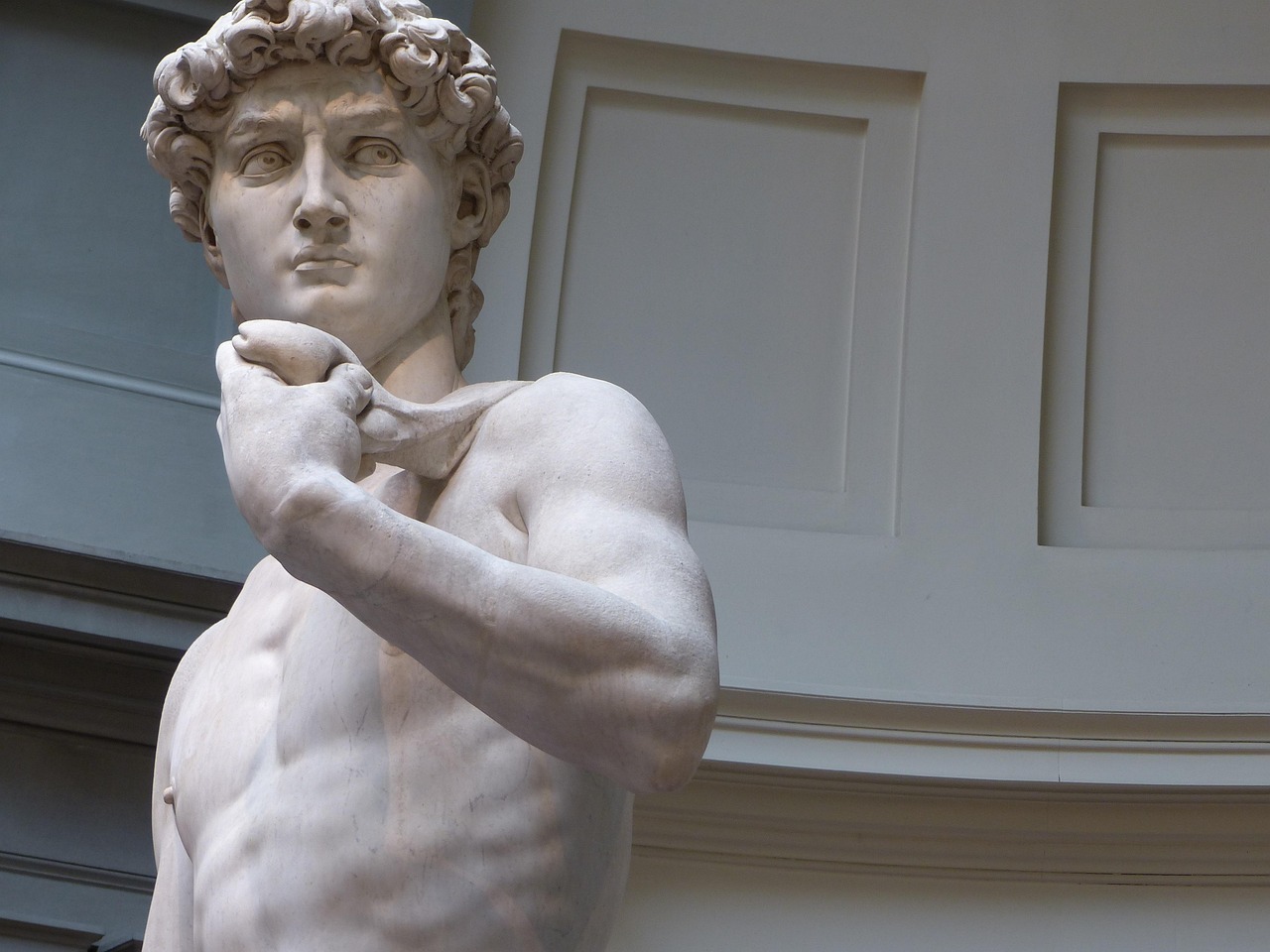
Michelangelo Masterpieces and Cultural Attractions near the Accademia and Santa Croce
For travellers mapping things to do in Florence, Michelangelo is more than a name—he’s a presence, and his work changes how you see proportion, power, and quiet vulnerability. This chapter is about choosing a few cultural essentials with care, then designing rest moments so your day never feels like a checklist.
Accademia Gallery: Michelangelo’s David and the best time slots
The Accademia Gallery is often the most emotionally direct attraction in Florence, because it leads you towards Michelangelo’s David in a way that feels theatrical—then suddenly intimate. The lighting shifts as you approach, the marble seems to hold its own weather, and even a busy room can fall into a respectful hush.
A solo traveller once described this as a life-changing moment: they had seen David in books, but standing in front of it made them feel both small and strangely brave. That’s the gift of Michelangelo—he doesn’t just show you perfection; he shows you human strength under pressure.
To keep it calm, go early or choose a late slot, and avoid the mid-day crush. If you can, book a guided visit for context in under an hour, then give yourself time afterwards for a coffee before the next museum.
Santa Croce: legacy, tombs, and the history of Florence
Santa Croce offers a different kind of grandeur—more reflective, less showy. It’s worth a visit not only for the architecture, but for the tombs that hold Florence’s cultural memory, including Michelangelo and Galileo. For many visitors, the experience feels quietly moving, as though the past sits close to the present.
A historian guest once told us they felt an unexpected thread of connection here: the names on the monuments weren’t distant, but human—ambitious, flawed, brilliant. In a world that moves fast, Santa Croce invites you to slow down and listen to the longer rhythm of the city.
Again, dress respectfully and keep voices low. This isn’t about rules; it’s about care for the atmosphere that allows others to feel something too.
San Lorenzo: Basilica di San Lorenzo, Medici stories, and nearby markets
To explore San Lorenzo well, it helps to arrive with an open mind and, ideally, an expert guide who can uncover the Medici layers without overwhelming you. The Basilica di San Lorenzo is deceptively restrained from the outside; inside, the sense of patronage and political ambition becomes clearer.
San Lorenzo is also a lesson in Florence these days: the city is not only polished façades, but a living place shaped by power, faith, and artistry. For travellers who want depth alongside beauty, this is where Florence starts to feel three-dimensional—especially around the Santa Maria district, where churches and workshops sit side by side.
Mercato Centrale: Florence food, places to eat, and gelato in Florence
For lunch, Mercato Centrale can be a delightful interlude if you treat it as curated tasting rather than a quick refuel. It’s open every day, and the best approach is to choose a stall with seasonal Tuscan produce, add a glass of something crisp, and keep your pace unhurried. It’s a chance to explore Florence food in a way that feels crafted, not chaotic.
If you’re searching for gelato in Florence that feels thoughtful, look for smaller batches, muted colours, and flavours that taste of real ingredients. One family told us their children were delighted by the hands-on Leonardo museum earlier in the day, then insisted on “gelato every day” as the new house rule—Florence has a way of making simple pleasures feel like traditions.
To keep your cultural day smooth, use this gentle planning layer:
- Prioritise one major museum in the morning (Uffizi or Accademia) and one church or smaller site after lunch.
- Build in rest every 90 minutes—coffee, a shaded bench, or a quiet courtyard—so your energy stays steady.
- Choose your focus: sculpture and Michelangelo, or painting and the Uffizi Gallery; your confidence grows when you stop trying to do everything.
Next, we cross the river for Florence’s most romantic bridge, artisan studios, and the gardens that let the city exhale.
Ponte Vecchio to Oltrarno – Top Things to See, Boboli Gardens, Palazzo Pitti & a Tuscany Day Trip
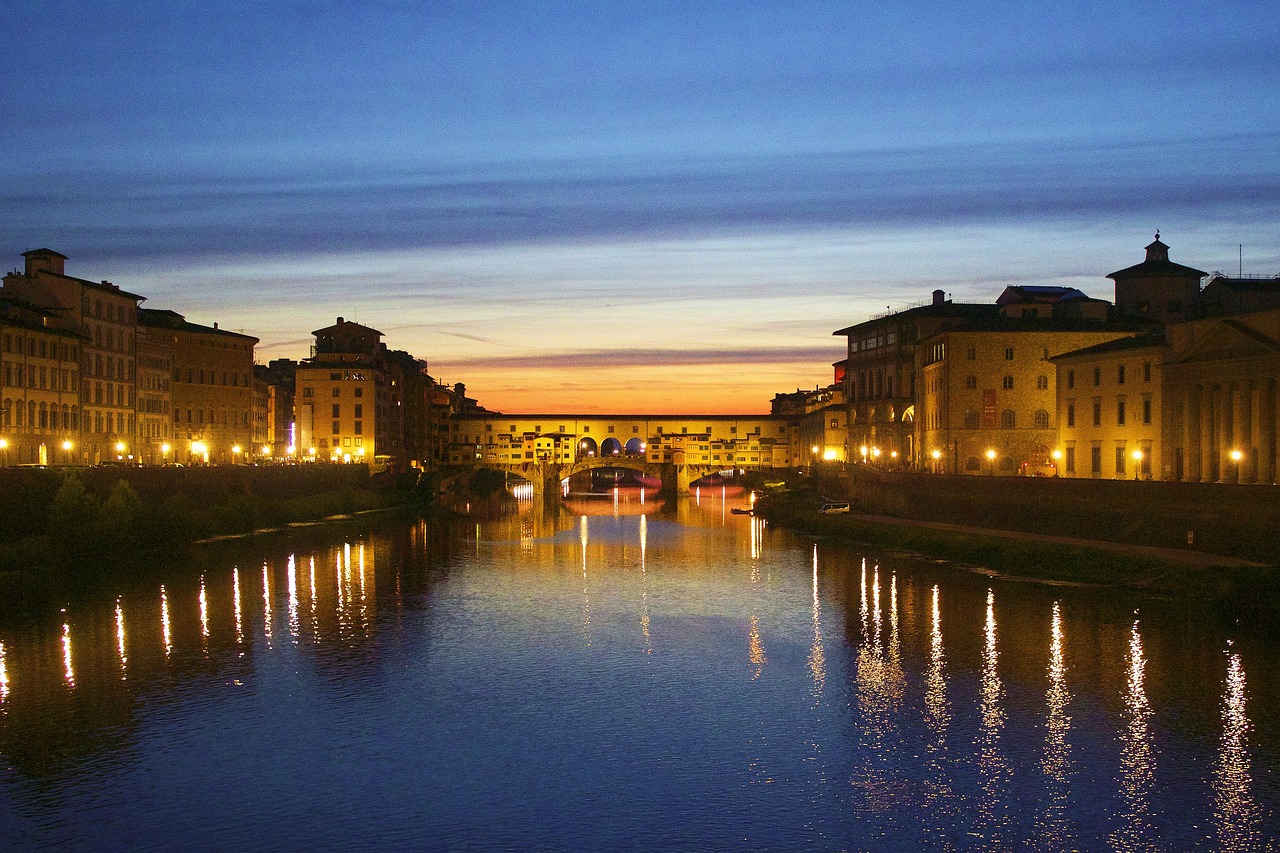
Ponte Vecchio to Oltrarno Plus a Tuscany Day Trip with golden hour on the Arno
If your list includes the top things to see in Florence Ponte Vecchio Oltrarno Boboli Gardens Palazzo Pitti, plan this chapter for late afternoon into evening. The light softens, boutiques glow, and the city’s romance feels effortless—especially if you’re travelling as a couple or celebrating something personal. This is also where the ponte vecchio in florence experience becomes more photogenic and less crowded.
Ponte Vecchio in Florence: golden hour photos and best view spots
Ponte Vecchio is not just a bridge; it’s a corridor of sparkle and history. The jewellery boutiques are part of its character, and even window-shopping feels like stepping into a cinematic scene. For the best view, don’t linger only on the bridge itself—walk to the neighbouring bridges for cleaner lines, wider frames, and reflections that turn the Arno into polished silk.
A couple once described crossing Ponte Vecchio at sunset, when the lights began to shimmer and the conversations around them softened into a gentle hum. It felt romantic not because it was perfect, but because it was ordinary and beautiful at once—Florence’s signature gift.
As a practical note, be mindful of pickpockets here: the density of visitors can make distraction easy. Keep valuables tucked away, and enjoy the atmosphere with quiet confidence.
Oltrarno: artisan studios, shopping, and respectful local etiquette
Cross into Oltrarno and you’ll feel the pace shift. This is where you can uncover artisan workshops—leather, paper marbling, jewellery, small interiors—often most active in the late afternoon. Visiting at that hour supports the makers and reduces the sense of “tourist performance”, because you’re arriving during real working rhythms and discovering quieter spots in Florence.
One visitor told us locals welcomed them with warmth after a simple buonasera, then invited them to a hidden studio off the main streets. They watched hands at work, heard stories of family tools passed down, and left with something far more meaningful than a branded souvenir. This is a must buy in Florence in the truest sense: an object with a human story.
Palazzo Pitti (Pitti Palace): interiors, collections, and calm planning
Palazzo Pitti is where Florence’s grandeur becomes palatial—high ceilings, heavy textiles, and rooms designed to impress. The Pitti Palace collections can feel vast, so decide what you want: decorative arts, portraiture, or a broader sweep. Pre-booked tickets are essential in high season, and a guided entry can help you explore with purpose instead of fatigue.
Some guests still talk about an evening private dinner in a Renaissance palazzo—an experience that captured Florence’s blend of art and haute cuisine. Even if you’re not dining inside a palace, you can bring that feeling into your night by choosing a refined trattoria with Tuscan classics served with care.
Boboli Gardens: shaded walks and views of Florence across the river
The Boboli Gardens are your pause button. Designed and sculpted, they offer shade, geometry, and surprise viewpoints that make the city feel distant for a moment. If your day has been museum-rich, this is where your senses can reset.
Several visitors have noted the tranquillity here—an escape from the bustle, with fountains and statues that invite you to wander without an agenda. Take water, move slowly, and sit when you find a view that feels like yours alone—one of the simplest best things you can do on a warm afternoon.
Piazzale Michelangelo: sunset viewpoint in Florence and Chianti day trip ideas
To finish a Florence day with intention, plan a sunset walk up to Piazzale Michelangelo. Arrive early to claim space, then watch the Florence skyline soften as the light changes. This is the best view of Florence for many travellers—a true viewpoint in Florence where the Duomo, the river, and the rooftops settle into one harmonious scene.
Then, if your schedule allows, add a day trip into Chianti. The countryside is close, yet it feels like another world—vine rows, stone villages, and a slower, grounded beauty. For wine lovers, a private tasting offers the most seamless experience: you can design a route around smaller estates, meet the people behind the vintages, and enjoy a long lunch without watching the clock. It’s one of the most rewarding add-ons for travellers combining Florence and Tuscany, and it pairs beautifully with other cities to visit like Siena or San Gimignano.
An oenophile once recalled the unforgettable flavours discovered on an exclusive Chianti tour—older reserves poured with generosity, and a sense of trust that came from being looked after all day. Book in advance, and consider private over small-group if you want deeper conversation, flexible timing, and a calmer pace through Tuscany.
By now, your Florence bucket list will feel both complete and delightfully unfinished—exactly as it should for a first trip to Florence.
What Florence Leaves With You – Reflections After a Trip to Florence, Italy
After a trip to Florence Italy, what lingers isn’t only what you see in Florence, or even the list of things you managed to fit in. It’s the softer residue: the hush of stairways worn by centuries, the way light lands on stone, and the feeling that the city has been quietly watching you back with patient familiarity.
You might remember the Duomo not as a monument, but as a morning breath—cool air and steps to the top that asked you to slow down. Or you may recall Michelangelo as a presence that made you stand a little straighter, as though beauty can lend you courage when you least expect it.
What often becomes most personal are the small kindnesses: a server who noticed you needed a pause, a shopkeeper who wrapped an object like a gift, or a local who offered directions with a smile and a story. These moments create a sense of being supported, not processed—proof that luxury is, at heart, a form of care.
Florence also leaves many travellers with a quiet creative itch. The city doesn’t demand that you become an artist; it simply invites you to notice more, to imagine with confidence, and to carry that attentiveness into the next journey—whether it’s a future visit to Italy or a slower return to everyday life.
And when you think back on it—perhaps on an ordinary afternoon far from Tuscany—you may find Florence still there, warm and steady in the mind, as if it’s waiting without hurry for your return to Florence.
F.A.Qs: Top 10 things to see in Florence Italy
What should I not miss in Florence?
Don’t miss the Duomo and Santa Maria del Fiore complex, the Uffizi Gallery, Michelangelo’s David at the Accademia, and an evening stroll over Ponte Vecchio. Add Santa Croce for its powerful tombs, then give yourself time in Oltrarno for artisan studios and a calmer, more local mood.
What should I see in Florence for one day?
For one day, design a Florence itinerary with an early Duomo climb, then Piazza della Signoria and Palazzo Vecchio outdoors. Choose one major museum (Uffizi Gallery or Accademia), take a leisurely lunch at Mercato Centrale, then cross Ponte Vecchio to Oltrarno and finish at Piazzale Michelangelo for sunset views of Florence.
What is Florence Italy best known for?
Florence is best known for Renaissance art and architecture, including the Duomo, world-class museums like the Uffizi, and masterpieces by Michelangelo. It’s also celebrated for craftsmanship—leather, jewellery, paper—and a refined Tuscan food culture that makes even simple meals feel crafted and memorable.
What is a must buy in Florence?
A meaningful must buy is something made by local artisans in Oltrarno—handmade leather goods, gold jewellery, marbled paper, or small homewares. Choose a piece with provenance and conversation behind it, rather than mass-produced souvenirs, so it becomes a personal anchor to the city. If this is your visit to Florence, it’s a beautiful way to take the feeling home.