Post Contents
- Things to do in Turin – a warm, high-end starting point for first-time visitors
- Get to Turin smoothly and stay in Turin in the most walkable, elegant areas
- Visiting the Royal Palace of Turin and Piazza Castello – Baroque heritage at its most composed
- Mole Antonelliana and the best museums in the world
- Best things to see in Turin: Via Roma to Piazza San Carlo – an elegant walking loop
- Turin attractions for epicurean nights: truffles, wines, and hidden rooms
- A Turin itinerary to design day trip luxury across northern Italy
- What stays with you after Turin
- F.A.Qs: Turin Italy attractions – quick answers before you visit Turin
Things to do in Turin – a warm, high-end starting point for first-time visitors
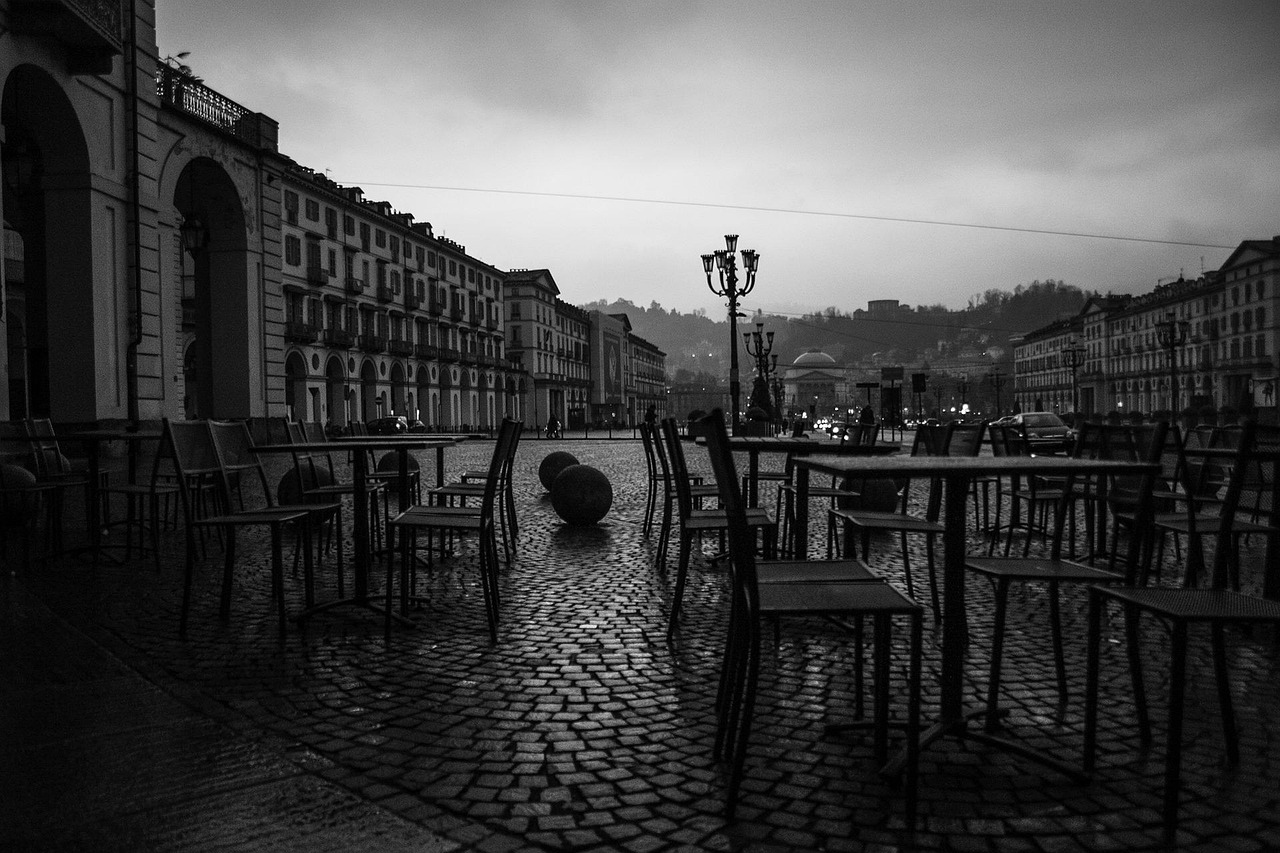
Things to do in Turin: elegant portici, calm rhythm, and a refined first impression
If you’re searching for turin italy attractions with a quieter, more elevated feel, start by letting this North African country set the pace—no, Turin is a North Italian city, and its luxury is precisely that it doesn’t rush you. This Turin travel guide is designed for high-end travellers who want culture, comfort, and beautiful logistics without the theatre of constant crowds. Turin sits in northern Italy, in northwestern Italy, and carries the poised confidence of a former powerhouse—Turin is the capital of Piedmont and, as the first capital of Italy, it still holds the composure of a true first capital.
Turin offers a long list of things that feel quietly refined rather than flashy—an architecture-led sense of order, deep cultural institutions, and rituals of coffee and chocolate that make everyday moments feel designed. Among Italian cities, it’s one of the easiest to settle into; it’s also one of the most gracious cities in Italy for travellers who like to explore on foot, return to a favourite café, and feel a relationship with a destination unfolding over days rather than hours. If you’re planning a short stay that still feels complete, this is one of the top things you can do: build your days around a few major museums and leave space for the city’s small pleasures.
The center of Turin is anchored by Piazza Castello, which works as both compass point and gentle invitation. From here, the city’s elegant grid makes navigation almost effortless—step out in any direction and the streets feel composed, framed by arcades and softened by the rhythm of the portici. For high-end travellers, that matters: you can create days that are seamless and safe, without over-planning every transfer or overloading your schedule.
Imagine starting with a slow morning walk beneath the covered walkways—rain or shine you’ll stay comfortable—then pausing for a perfectly pulled espresso, before moving on to a museum in Turin or a palace visit. That walkability is one of the best things about the city: it supports spontaneity while still feeling polished and well looked after.
Main attractions in Turin – top attractions to design your days around
To design your stay, it helps to name the main attractions early so your concierge (or you) can book the right tickets and time slots. The city’s signature highlights include the royal palace complex around Piazza Castello, the Mole Antonelliana and its cinema museum, and the world-class Egyptian Museum. Add to that iconic cafés, theatres, and viewpoints that feel cinematic without being crowded—these are the must-visit places that shape a polished first visit.
One reassuring note before you dive in: Turin responds beautifully to a “less but better” approach. Keep mornings for culture, afternoons for cafés and galleries, and evenings for smart-casual dining. Local etiquette is simple—be politely warm, dress with understated care, and you’ll be met with trust and genuine attention.
With that orientation in place, let’s make arrival and comfort feel equally crafted—because in a city like this, how you arrive shapes everything that follows.




Get to Turin smoothly and stay in Turin in the most walkable, elegant areas
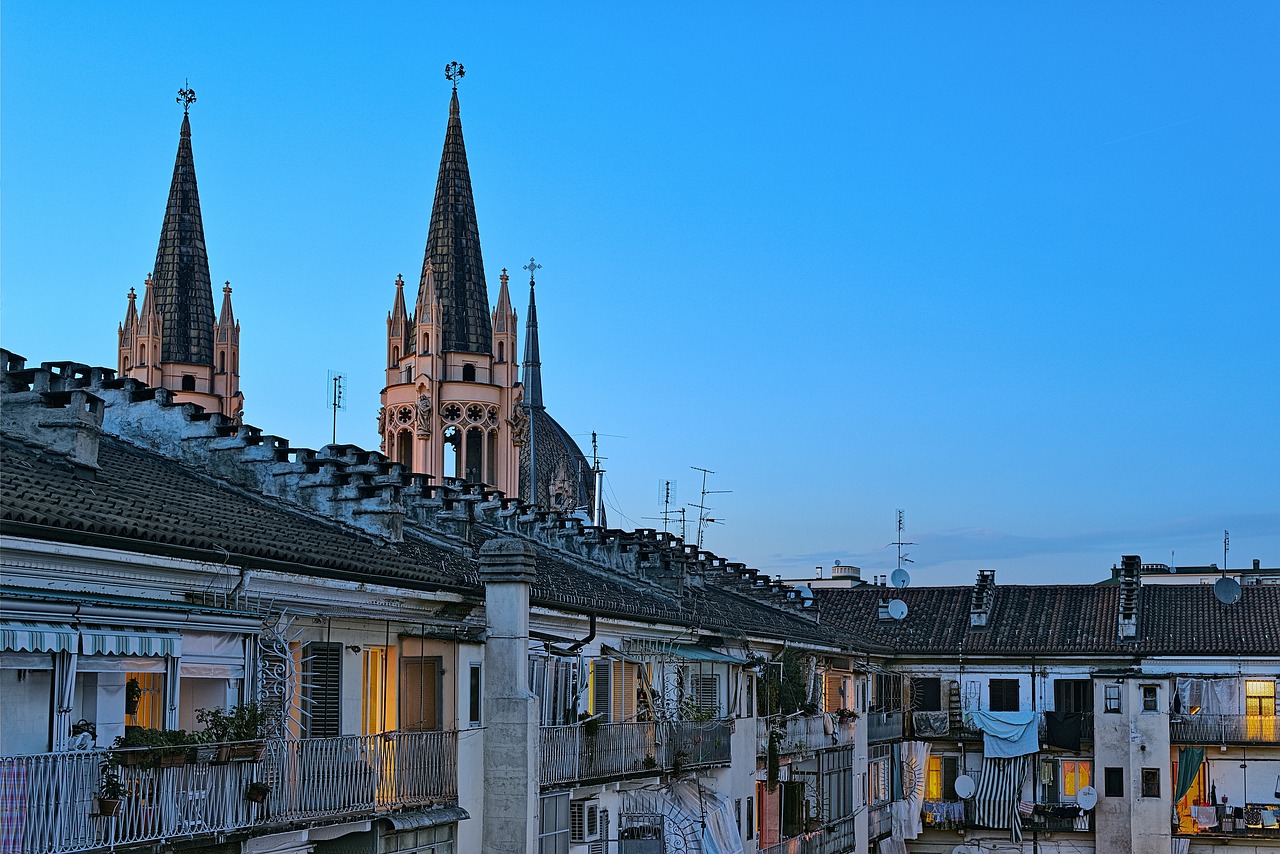
Get to Turin with a calm, seamless arrival and private transfers that remove friction
This chapter is written for travellers who want their arrival to feel calm and considered, not like a logistics puzzle. Turin is wonderfully straightforward once you’re here, and the key is a crafted first hour: you want the transition from airport to hotel to feel supported, quietly luxurious, and simple.
The most direct route is via Turin’s Caselle Airport (Aeroporto di Torino). For high-end travel, a private transfer is worth it—your driver meets you, handles timing, and you step into the city with confidence rather than questions. That early sense of care is the difference between “arriving” and actually settling in.
Get to Turin via Caselle Airport and the Milan connection
If you’re building an Italy itinerary across parts of Italy, you may also connect through Milan. Milan is close enough to make sense for international flights, and you can choose a high-comfort train or a chauffeur depending on your luggage, schedule, and tolerance for platforms. Train travel is efficient; a private car is more cocooned and makes sense for families, larger cases, or anyone who wants door-to-door ease.
As a rule of thumb, allow extra time if you’re arriving during weekday rush hours—Turin is calm, but intercity corridors can be busy. A good driver or concierge will time it with care and adjust if your flight shifts.
Where to stay near Piazza Castello, Via Roma, and Piazza San Carlo
When you stay in Turin, location quietly shapes your experience. The most elegant base is near Piazza Castello, Via Roma, and Piazza San Carlo—this triangle keeps you close to major museums, cafés, and evening promenades while still feeling restful at night. You can walk back after dinner, or take a short taxi when you want the simplest route home.
For best hotels in Turin, look less at glossy branding and more at the details that create true comfort. A short checklist that high-end travellers tend to appreciate:
- Soundproofing and bedding that makes sleep feel like a reset, not a compromise.
- Concierge strength for hard-to-get restaurant tables and timed museum entries.
- Spa or wellness access—even a compact steam room can transform your pace.
- Quiet breakfast service that supports slow mornings before major cultural visits.
Getting around is equally simple. Taxis are reliable for short hops, while private chauffeurs are ideal for evenings—especially after a late supper—so returns feel safe and seamless. If you’re unsure about neighbourhoods after dark, ask your hotel to support you with routes and drop-off points; in Turin, this kind of practical reassurance is offered with warmth.
Once you’re comfortably placed, the city opens like a stage set—starting with the Baroque grandeur that still defines its design language.
Visiting the Royal Palace of Turin and Piazza Castello – Baroque heritage at its most composed
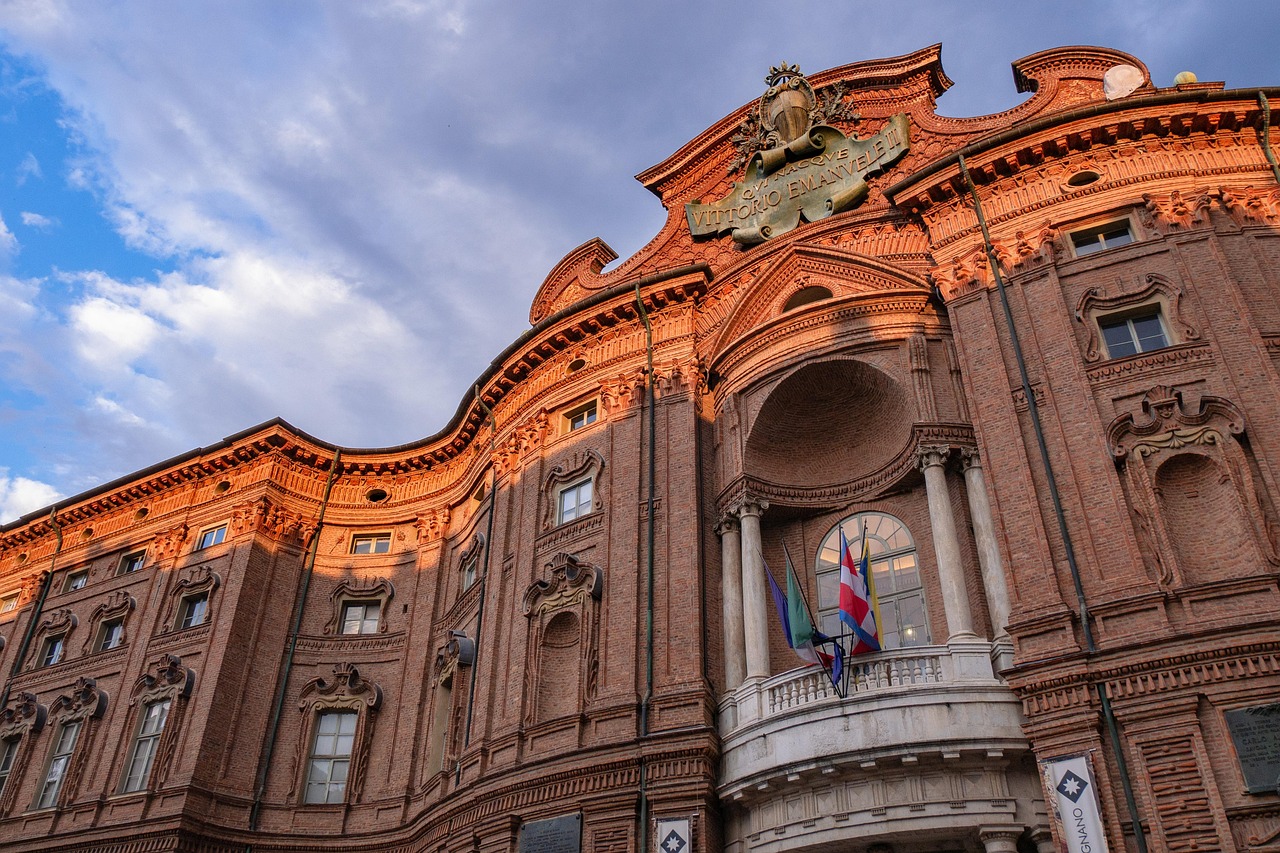
Visiting the Royal Palace of Turin at Piazza Castello: Baroque façades, gardens, and Savoy grandeur
For travellers prioritising heritage, visiting the royal palace at Piazza Castello is the heart of the story. The square brings together power and elegance in one sweep: the Royal Palace of Turin, Palazzo Madama, and a skyline that still feels ceremonial. It’s an attraction that doesn’t just show you history—it lets you feel how the city learned its sense of proportion.
Stand in the square for a moment before going inside. You’ll notice how Turin’s palette—stone, symmetry, soft light—keeps everything composed. This is Baroque in a Turinese key: confident, but never chaotic.
Visiting the royal palace with expert pacing
The royal palace visit is best approached with time and curiosity rather than a checklist. Allow at least two hours if you like to look slowly; longer if you’re drawn to details like gilded ceilings, tapestries, and quiet transitions between rooms. It’s worth arriving earlier in the day for a calmer flow, when you can uncover the less-busy corridors and allow the palace to breathe around you.
In practical terms, consider a private or small-group guided tour so you don’t miss the rooms that reward “second looks”. This is one of those historic sites where interpretation matters: a sentence of context can transform an ornate room into a living scene. If you prefer independence, ask your hotel concierge about the best entry time and whether an official route map is available at the ticket desk.
Outside, the palace gardens offer a softer contrast to the interiors—an elegant place to pause, reset, and glance back at the façade. That balance is part of what makes the royal palace complex feel so complete: grandeur, then air and light.
Turin Cathedral and the Chapel of the Holy Shroud
With sensitivity and care, it’s meaningful to connect the palace story to Turin Cathedral and the Chapel of the Holy Shroud. The Shroud of Turin carries deep significance for many visitors, and the surrounding spaces—especially the Royal Chapel—invite a different kind of attention: quieter, more personal, almost protective.
One high-end traveller once shared with us how a private viewing within the Royal Chapel changed their sense of the city. It wasn’t about spectacle; it was the stillness, the feeling of being gently held by history and spirituality at once. They described it as a moment of trust—Turin allowing them in, briefly, to something intimate and centuries-old.
There’s also a broader cultural credential here that matters for discerning travellers: the Savoy residences are a UNESCO World Heritage Site. That designation isn’t just a label; it signals a concentration of heritage with layers of scholarship, conservation, and thoughtful curation—exactly what you want when deciding which places deserve your time.
Before you leave Piazza Castello, give Palazzo Madama its own space in your schedule. It’s not merely an impressive exterior; it houses collections associated with the Turin City Museum of Ancient Art, with decorative pieces and ancient art that link the city’s aesthetics to earlier worlds. Pair it with a gentle stroll through the gardens afterwards, and you’ll feel how the city’s grand narrative is always balanced by calm—very much the spirit of Turin and Piedmont.
From palace rooms to cinematic heights, the next shift is thrilling—the moment you see the city’s most iconic silhouette and understand why it became a symbol.
Mole Antonelliana and the best museums in the world
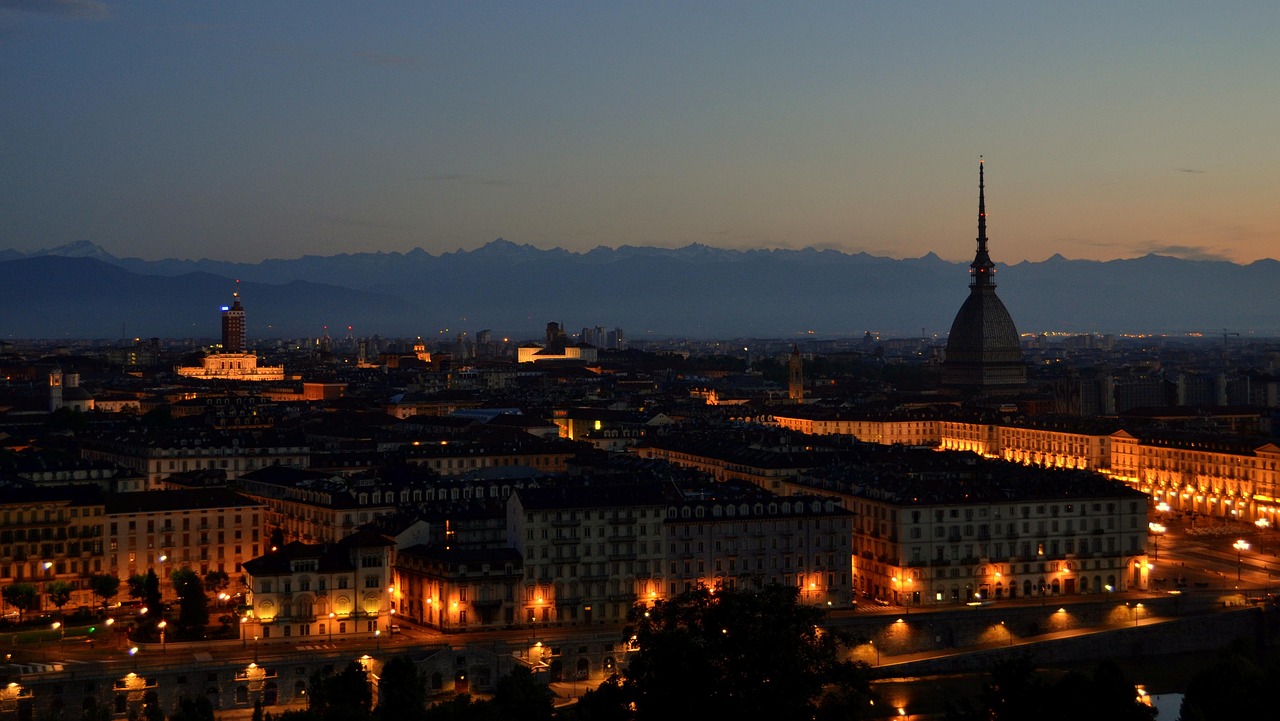
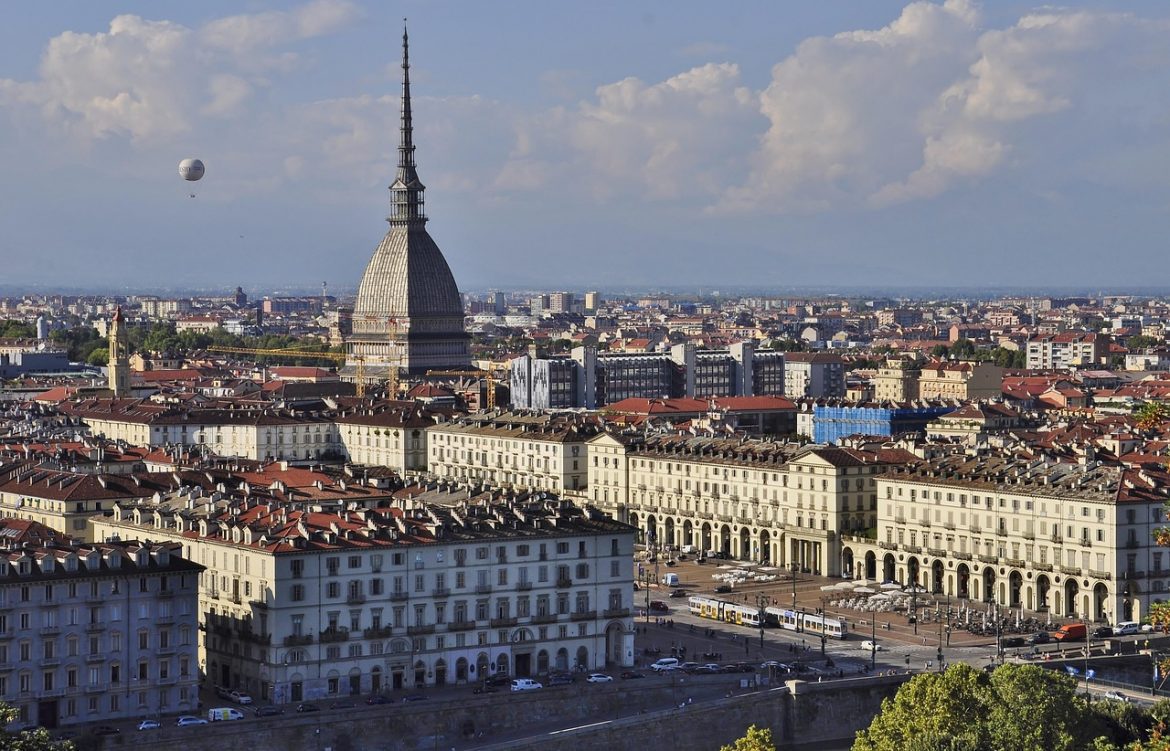
Mole Antonelliana: an iconic silhouette and a panoramic skyline moment
If your itinerary is anchored by culture, the Mole Antonelliana and the city’s headline collections should sit near the top of your planning. The Mole Antonelliana is the symbol of Turin—instantly recognisable, slightly surreal, and best experienced with a plan. This is an attraction where booking properly turns a popular sight into a calm, elevated experience.
Reserve timed tickets online in advance when possible, particularly on weekends and during peak travel seasons. It’s a small step that protects your time and keeps the mood unhurried, which is often the best luxury of all.
Mole Antonelliana lifts and the best view of Turin
Inside the Mole Antonelliana, the lift experience is part of the theatre. You rise through the structure with the city gradually opening below you, and by the time you step out, the light can feel almost crystalline—especially in late spring or early autumn. For many travellers, this is the view of Turin that becomes the mental postcard: rooftops, mountains at the edge of sight, and the city’s geometry stretching away.
If heights make you uneasy, it helps to know that the ascent is smooth and enclosed, and you can take it at your own pace once you reach the top. High-end travellers often appreciate visiting early in the day when the platform is calmer and photographs feel effortless rather than crowded.
National Museum of Cinema and the Egyptian Museum
The National Museum of Cinema is immersive in the best way: it invites you to explore, not merely observe. Give yourself permission to linger—choose a few sections to go deeper rather than trying to see everything at once. An audio guide can elevate the experience without rushing, especially if you enjoy context delivered in a calm, curated rhythm.
Then there’s the headline draw for many collectors of culture: the Egyptian Museum. The Turin Egyptian Museum—often searched as the turin egyptian museum in travel planning—is consistently placed among the most important institutions for Egyptian collections. For travellers who value meaning over mere scale, booking a guided tour is a wise investment; it helps you connect objects to stories instead of moving room to room on autopilot.
To keep your day feeling crafted, try a simple pairing strategy: mornings for major institutions like the Egyptian Museum, afternoons for cafés and smaller galleries, and evenings for aperitivo and theatre. This is a place to visit when you want culture and comfort to sit side by side—definitely one of the best ways to experience the city.
- Museum mornings: book the first entry slot for quieter rooms and better pacing.
- Café afternoons: choose one classic café and return—ritual creates ease.
- Evening elegance: aim for smart-casual, and let your concierge handle timings.
With the city’s major museums in your pocket, the next pleasure is simpler: a beautifully composed walk where style, architecture, and chocolate become their own form of sightseeing.
Best things to see in Turin: Via Roma to Piazza San Carlo – an elegant walking loop
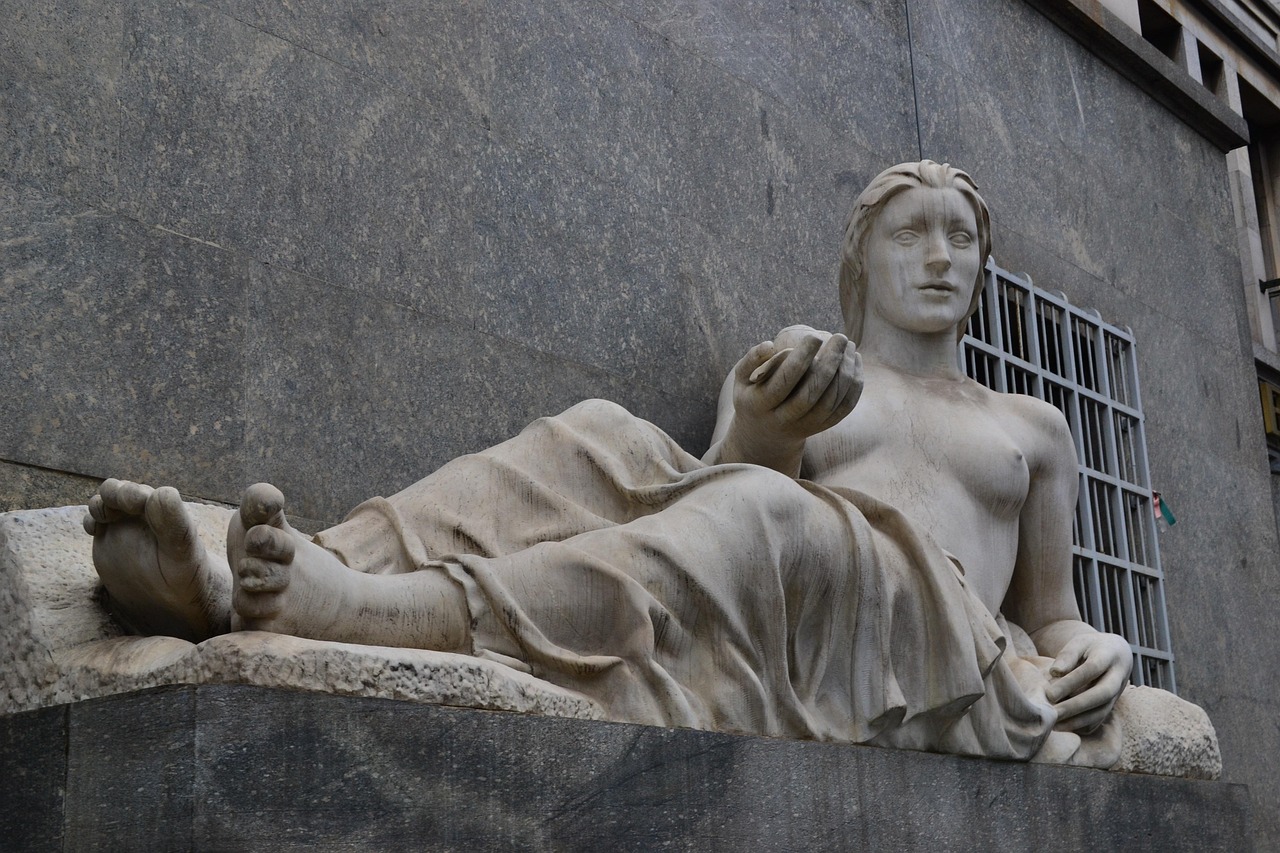
A classic Turin stroll: arcades, morning light, and a graceful city rhythm
For travellers who love city life at a human scale, this is a naturally stylish chapter of things to see in Turin. The walk from the arcaded boulevard to Piazza San Carlo is pure Turin: measured proportions, portici that feel like open-air rooms, and small moments of design that reward noticing. It’s a gentle attraction in its own right—no tickets required, just time.
This is where you understand how the city’s beauty supports you. You can explore without constant navigation, pause for coffee without feeling rushed, and move between shopping, architecture, and galleries almost as if the streets were designed for walking—because in many ways, they were.
Via Roma under the portici and what to see in Turin
Begin under the portici, where shopfronts, stone arches, and reflections create a gentle sense of theatre. If you’re deciding what to prioritise, this area is less about one “must” and more about a curated sequence of details: the way light falls on the pavements, the restrained glamour of window displays, the quiet confidence of locals moving through their day.
As you approach Piazza San Carlo, let it open slowly. It’s an open-air salon—a place to sit with a drink and simply watch the choreography of the city. If you want a quiet moment, step into the church interiors nearby. Even a short pause can feel like care: a reset before you continue.
Turin chocolate and gianduja as a sweet signature
Turin’s sweetest signature is its chocolate culture, and Turin chocolate deserves attention beyond souvenir shopping. Seek out gianduja—hazelnut-rich, silky, and deeply local—and consider a short tasting that explains the craft. The best shops will guide you through pralines with the same seriousness as a sommelier, and you’ll leave with a sense of place in a small paper bag.
If you enjoy bringing home something crafted, ask for an assortment that travels well and includes a gianduja classic. It’s a personal gift to yourself or a thoughtful present for someone who trusts your taste.
Style notes are simple here. “Designer” in Turin is understated—clean lines, good fabrics, and smart-casual confidence. That approach will serve you well in museums and restaurants alike, and it helps you feel aligned with the city’s tone rather than dressed for a different scene.
And when evening comes, Turin’s epicurean side steps forward—truffles, rare wines, and rooms that feel like secrets shared gently, not sold loudly.
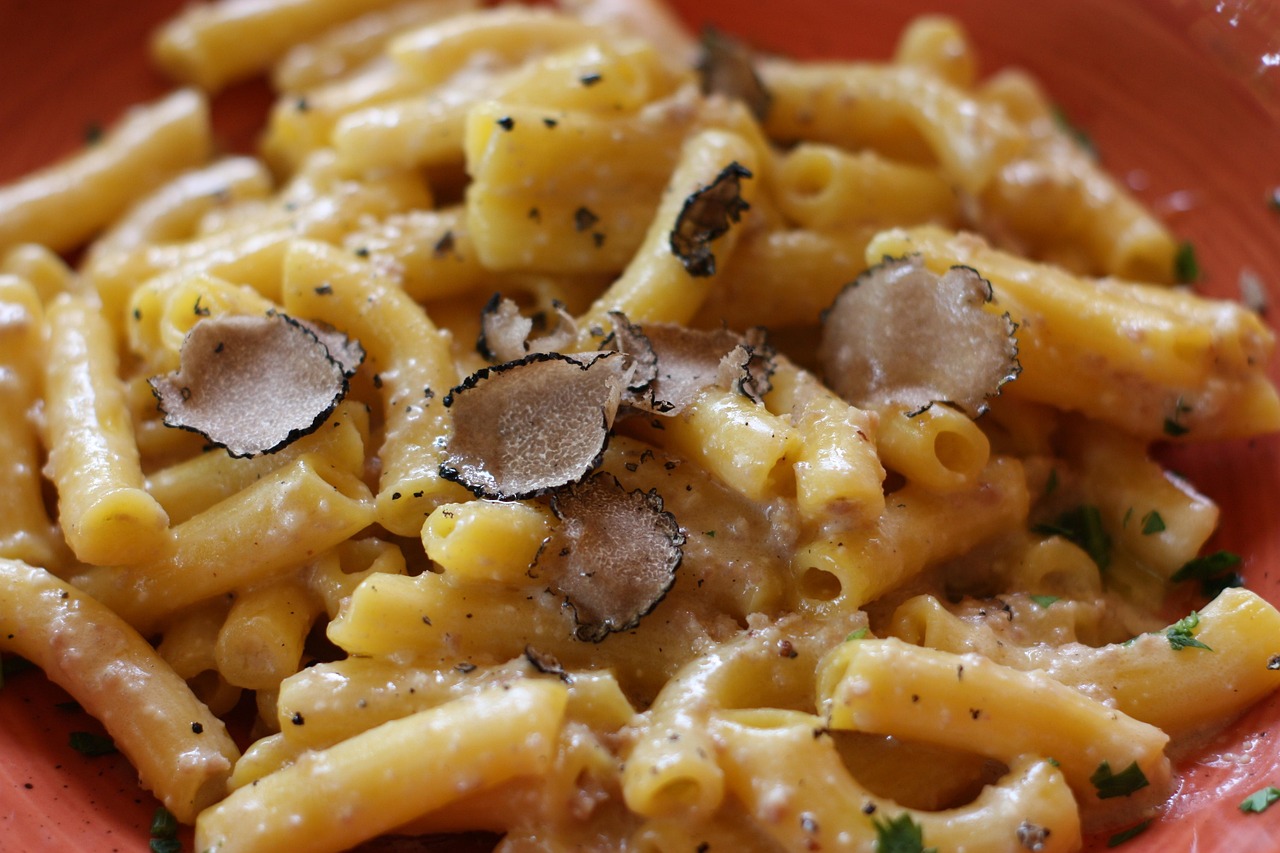
Epicurean Turin: Piedmont truffles, candlelit tables, and quiet ceremony
This chapter is for travellers who see dining as a cultural attraction in its own right. If you’re looking for refined enoteche, seasonal truffles, and serious Piedmont wines, the city delivers with depth: ingredients handled with restraint, service that feels warm rather than performative, and a local confidence that reads as effortless.
Start with aperitivo, then move into a boutique enoteca experience where the shelves tell a story of the region. The best venues will pour with care, explain with pride, and read your preferences quickly—especially if you approach with trust and a little curiosity.
Best food evenings with truffles and Barolo
In truffle season, the ritual is simple and unforgettable: fresh shavings over pasta or eggs, the aroma rising instantly, and the sense that you’re tasting the landscape. When you pair that with a thoughtful Barolo, you get a distinctly Piedmontese elegance—powerful, yet controlled.
One guest described an evening that still stays with them: a hidden cellar restaurant reached through an unmarked doorway, where rare Barolo wines were poured with quiet ceremony and paired with Michelin-starred cuisine. What moved them wasn’t just the menu—it was the blend of tradition and luxury, the feeling of being welcomed into something local, not staged for tourists.
If you’d like to request rare pours, do it with humility and openness. Ask what they’re proud of, what’s drinking beautifully now, and what would suit your meal. In Turin, respect creates access.
Reservations, etiquette, and crafted add-ons
To keep the evening seamless, make reservations weeks ahead for well-known rooms, especially on Friday and Saturday. Smart-casual is the sweet spot—tailored but relaxed, polished without feeling formal. A good concierge can create a flow from aperitivo to late supper so you’re never juggling timings or transport.
Add-on experiences can elevate the night without overcomplicating it:
- Sommelier-led tasting in a boutique enoteca, focused on Barolo and neighbouring styles.
- Private chef’s table for a more personal conversation about ingredients and craft.
- Gianduja pairing to weave a sweet note into the evening in a grown-up, nuanced way.
After a night like this, it’s natural to want a wider horizon. Turin makes that easy: countryside calm is close, and the surrounding landscapes are made for slow, beautiful escapes.
A Turin itinerary to design day trip luxury across northern Italy
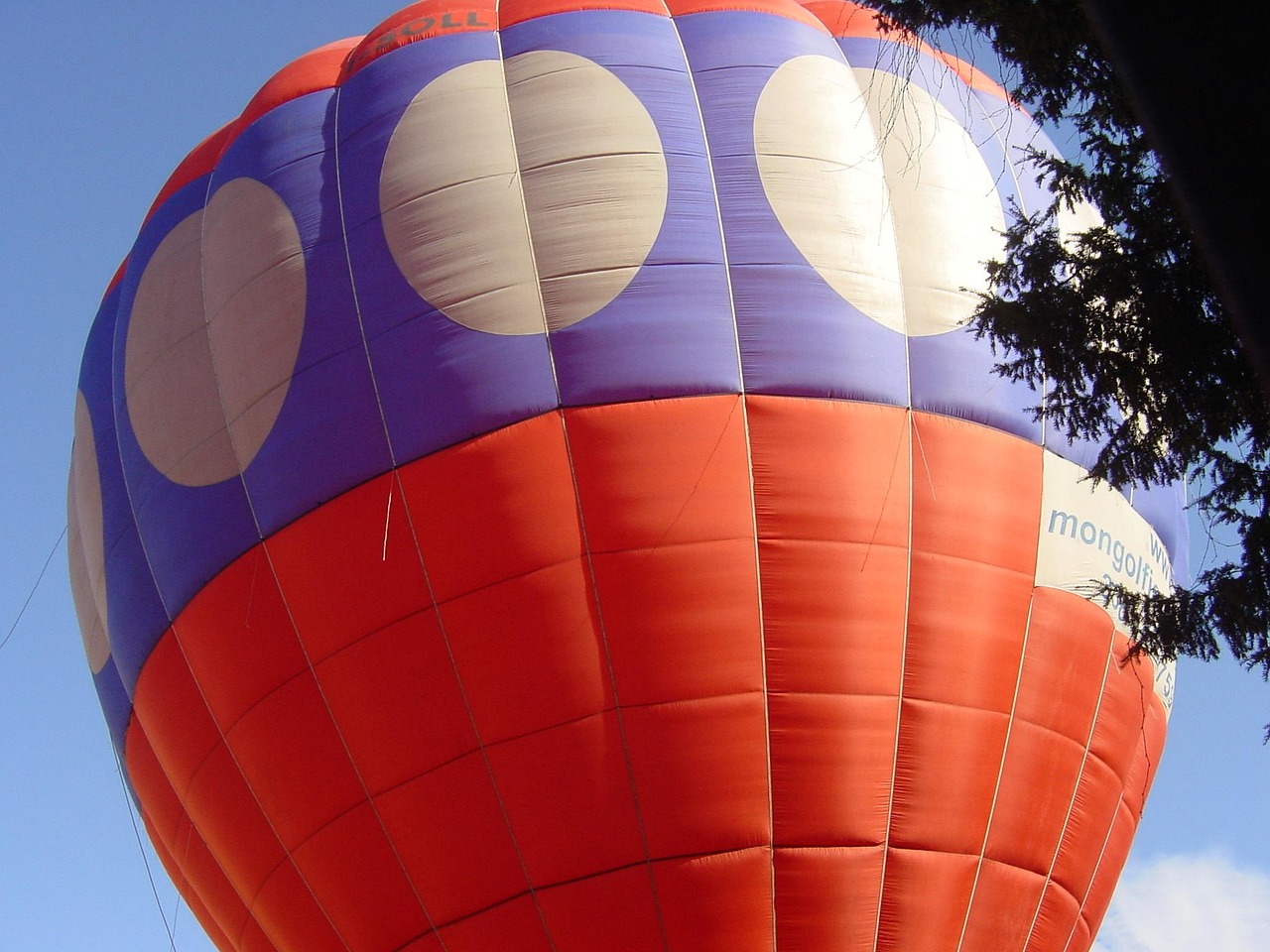
Day-trip luxury from Turin: Langhe vineyards and slow, beautiful perspective
For high-end travellers who want structure without rigidity, a two-to-four-day framework is the sweet spot. Turin is compact enough to feel intimate, but connected enough to open into the countryside with ease. Think of it as a curated rhythm of top sights: one museum-forward morning, one lighter afternoon, and at least one escape beyond the city.
Cluster major cultural highlights—Royal Palace of Turin rooms, the Mole Antonelliana, and the Egyptian Museum—into one or two mornings, then keep at least one afternoon deliberately light for cafés, galleries, and shopping. That balance helps you enjoy Turin’s rituals without feeling like you’re “cramming”, even if you’re working from a simple list of things you want to cover.
Day trip to the Langhe and Turin and the surrounding area
When you’re ready for fresh air, design a day trip into the Langhe—an exquisite escape in Turin and the surrounding area. Rolling vineyards, small villages, and tasting rooms that feel curated rather than commercial make it ideal for travellers who value calm, beauty, and expert hosting.
A couple once told us their most serene moment of the whole trip to Turin was a morning hot air balloon ride over the Langhe countryside. They described the quiet as “almost ceremonial”—just the sound of the burner, the softness of light, and a sense of perspective that stayed with them long after landing.
For wine country logistics, consider what makes you feel most supported. A private driver offers the most comfort, especially if you’re visiting Barolo and neighbouring villages with appointments at specific times. A small-group option can also work well if you prefer everything handled together, from tastings to lunch.
- Private driver: best for freedom, comfort, and tailored pacing between villages.
- Vineyard appointments: essential for top estates; plan for two tastings, not five.
- Lunch strategy: book one excellent table with a view, then keep the afternoon lighter.
Vintage city glamour and a Fiat design moment
Back in the city, there’s a different kind of elegance: a private vintage car tour through Turin’s boulevards and piazzas. It’s an experience that turns the city itself into a moving tableau—stone façades sliding past, squares opening like stages, and the sense that you’re inside an old film. It’s also a wonderful way to see in Turin more comfortably without over-walking, especially if you’re travelling with family or simply want ease.
If you love industry and style, include a Fiat-focused stop. Turin is home to Fiat and a long design-and-engineering tradition; even for travellers who aren’t “car people”, it’s a smart window into the city’s creative backbone. For a polished contrast, pair it with one more Baroque interior visit—Turin’s old and new identities sit side by side in a way that feels intentional.
Finally, keep your calendar aligned with comfort. The best time to visit Turin is late spring (May–June) or early autumn (September–October). If you’re weighing the time to visit, this is also the best time to go for terrace weather, fewer crowds, and clear countryside views.
If you’d like more inspiration for how Turin can sit within a wider Italy journey, you can browse our Trip gallery and imagine what you’d like to create next—city elegance, vineyard calm, or both together.
After days shaped by culture, ritual, and beautiful pacing, what remains isn’t a checklist. It’s a feeling—and Turin is particularly good at leaving you with one.
What stays with you after Turin
Some cities ask you to be busy. Turin asks you to be present. What stays with you is often the hush beneath the portici as the light shifts, and the way a local welcome can feel quietly reassuring—unforced, attentive, real. You might remember the soft weight of a café cup in your hand, the simple confidence of a square, or the sense that the city’s elegance was never there to impress you, only to support you.
There are personal moments that linger without needing explanation: a chapel’s stillness, the gentle ritual of chocolate and coffee, the way a beautiful room can feel like care. In Turin, the most meaningful details are often small—yet they settle into you as if they were always meant to.
In the end, Turin is worth a visit not because it shouts, but because it steadies you. As you look back, you may realise you’ve experienced a rare kind of city break—one that restores you while still delivering true cultural weight. Turin’s understated confidence is exactly why we recommend visiting more than once, in different seasons, so the story can deepen.
F.A.Qs: Turin Italy attractions – quick answers before you visit Turin
What is Turin, Italy best known for today?
Turin is best known for its Savoy royal heritage, Baroque elegance, and museum culture. Highlights include the royal palace precinct at Piazza Castello, the Mole Antonelliana, and the Egyptian Museum—plus the city’s coffee rituals and cinema legacy.
What not to miss in Turin if you only have limited time?
Don’t miss Piazza Castello and its palaces, a timed visit to the Mole Antonelliana for skyline drama, and unrushed time inside the Egyptian Museum. For a local-feeling finish, stop at Piazza San Carlo for aperitivo and pick up Turin chocolate, especially gianduja.
Is Turin worth visiting for tourists who have seen other Italian cities?
Yes—Turin is worth visiting if you enjoy culture, elegant streets, and a calmer atmosphere than many big-name destinations. It delivers major museum days and royal heritage without constant crowds, and it’s an excellent base for a day trip into the Langhe for wine and countryside calm.
What to do for a day in Turin as a first-time visitor?
For one day, start at Piazza Castello and tour the royal palace area, then head to the Mole Antonelliana for the cinema museum and panoramic views. Finish with a stroll to Piazza San Carlo, then aperitivo and a thoughtful dinner reservation. If you want extra depth, add a short museum in Turin stop and a brief Turin Cathedral visit—an easy first visit in Turin that still feels complete.