Post Contents
- Accademia Gallery in Florence: First Steps, Plan Your Visit, and a Museum in Florence Guide
- Michelangelo in Florence: meet Michelangelo’s David, a masterpiece sculpture
- Beyond David at Galleria dell’Accademia di Firenze: hidden rooms, artwork & calm corners
- Tickets, opening hours, and best time to visit the Accademia: tips for visiting the Accademia
- Design your Florence day itinerary: visiting Florence including the Accademia Gallery, Uffizi Gallery & Duomo
- After Firenze: Accademia Florence Italy reflections from a trip to Florence
- F.A.Qs: Accademia Florence planning questions
Accademia Gallery in Florence: First Steps, Plan Your Visit, and a Museum in Florence Guide
Accademia Gallery in Florence: first steps inside one of the top museums and a museum in Florence essential
If you’re searching for an accademia gallery in florence museum in florence guide, start here: the Accademia is a must-see stop in Florence, especially on a first-time trip to Florence. It’s an iconic museum, but it can still feel intimate when you plan your visit with a calm, unhurried approach. This guide is designed to help you visit the Accademia Gallery with confidence, not stress.
From Florence’s historic centre, the walk is refreshingly straightforward. Aim for Via Ricasoli, where the city’s energy narrows into a focused approach—cafés, bookshops, and that soft hum of anticipation. Save your energy for inside: keep your pace gentle, sip water, and let the streets do the warm-up rather than the sprint.
Visit the Accademia: an adventure-seeker mindset for la galleria
Adventure seekers often think “faster, further”, but the accademia invites a different kind of bravery: slowing down. Treat each room like a small discovery—look for composition, texture, and human choices before you read a single label. With that mindset, la galleria becomes less about rushing to a highlight and more about letting the museum reveal itself.
What you’ll encounter when you visit the accademia gallery is broader than one statue. Yes, there’s world-famous sculpture, but there’s also Renaissance artwork, the museum of musical instruments, and quieter rooms where the air feels almost staged for reflection. This is the kind of museum day that can be crafted, not crammed.
Guide to the Accademia Gallery: what you’ll see in the Accademia Gallery museum in Florence
To make your first steps seamless, hold this simple map in your head: a headline moment, then a gentler wander. If you’d like a quick, reassuring checklist before you step inside, here’s a light-touch guide to the accademia gallery that keeps the experience personal while still covering the must-see rooms.
- Begin slowly: give your eyes time to adjust to the galleries and their natural hush.
- Choose your pace: one room can be enough if you’re seeking depth rather than volume.
- Look for quieter corners: the accademia rewards those who explore beyond the obvious.
One moment I return to, every time: the hush before the first room properly opens up, and that shared sense of awe as you step in together with strangers who suddenly feel like fellow travellers. Even if you only connect deeply with one piece of art, the visit can feel complete.




Michelangelo in Florence: meet Michelangelo’s David, a masterpiece sculpture
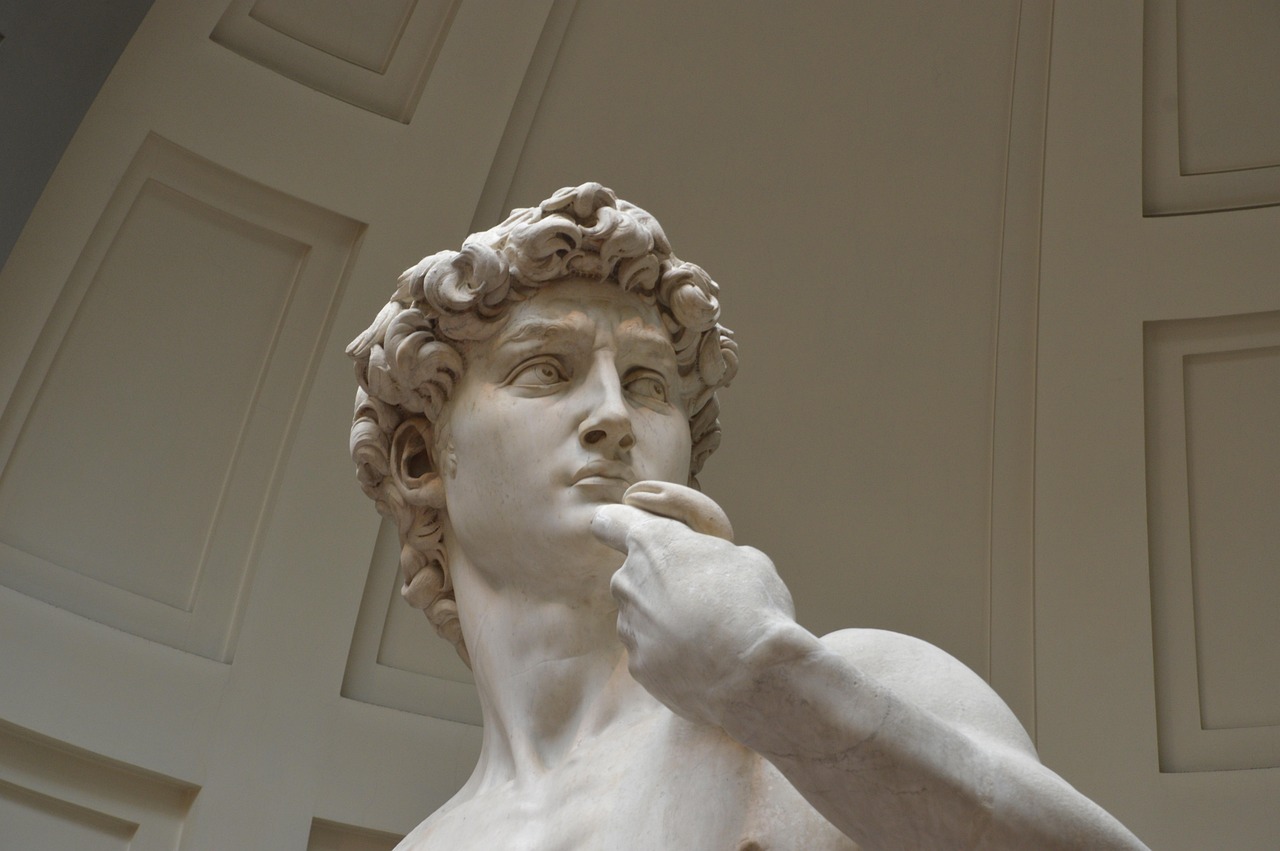
Michelangelo’s David at the Accademia in Florence: a face-to-face masterpiece moment
For many, the reason to search michelangelo david accademia florence masterpiece sculpture is simple: you want to meet the legend in person. The accademia delivers that meeting with theatre-like precision—then quietly surpasses it. Seeing Michelangelo’s work at full scale doesn’t just impress; it steadies you, as if the marble is teaching patience.
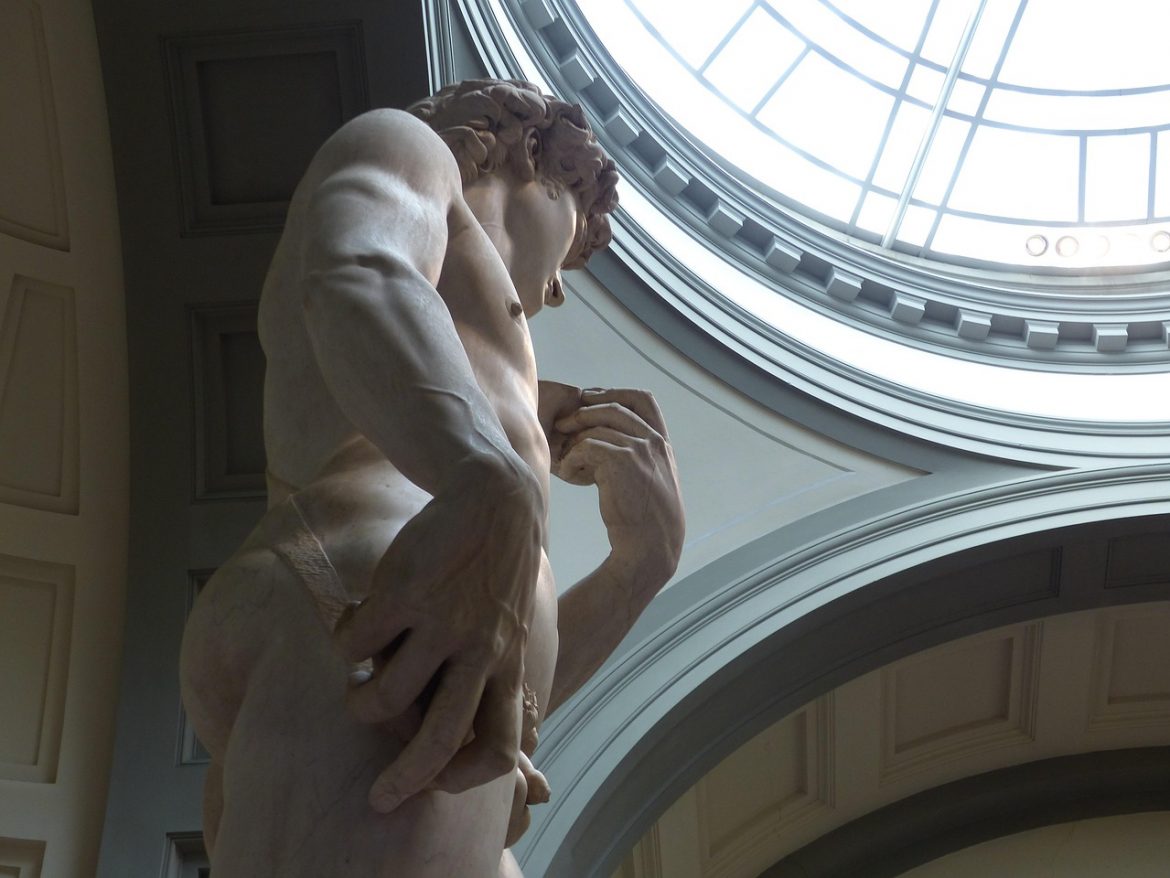
There’s a reason people describe Michelangelo’s David as a masterpiece among the sculptures in the world. It’s not only the size; it’s the sense of contained motion—tension held under calm skin. The statue of david becomes less a photograph you’ve seen and more a presence you feel in your chest.
Natural lighting and sightlines at the Accademia: respectful photos of Michelangelo’s David
The hall is designed for sightlines, and the natural lighting can be surprisingly kind for thoughtful photo opportunities. For the most flattering view, pause at a distance first, then approach slowly and look up from slightly to the side. Keep your phone low and your movements calm; it helps everyone share the space with care.
Etiquette here is part of the experience: speak softly, never touch, and avoid flash photography. A quiet museum is not a rule to endure—it’s the very thing that allows the work to land.
Uncover the moment with Michelangelo: details, tool marks, and viewing angles
Travellers often recount the same feeling: standing face-to-face, close enough to uncover tool marks and tiny decisions in the marble, they feel time compress. One solo traveller told me the accademia felt like the safest kind of solitude—peaceful, present, and free of performance.
Here’s the expert context without the lecture: Michelangelo shaped proportions for impact and viewing angles, so the body reads with startling vitality from below. In person, the balance between strength and vulnerability becomes the real subject—and it’s why so many people call this room the emotional core of the museum.
Mini-activity: circle the hall once. Look again at the hands, the gaze, the tension of the neck. Then return to your first viewpoint and notice what changed—this small act of attention makes the masterpiece feel newly alive.
If your notes say Galleria dell’Accademia di Firenze, artwork, gipsoteca, musical instruments, you’re already thinking like a seasoned explorer. The truth is: beyond David, the academia opens into quieter chapters—rooms where you can explore at a calm pace and let the works of art have space to breathe. It’s also where the museum’s personality feels most local, not just famous.
Start by letting the ground floor unfold naturally. Don’t rush to “complete” the museum; instead, design your route around energy and wonder. A small pause between rooms helps your eyes reset, and your attention stays sharp for each artwork you meet.
Renaissance artwork in Florence: Botticelli, Ghirlandaio, and quieter masters
Yes, you’ll encounter revered Renaissance voices—look out for Botticelli and Ghirlandaio—but there’s also pleasure in widening the lens. A quieter stop with Andrea del Sarto can feel like a conversation rather than a crowd scene, and a work attributed to Lippi brings a softer, more intimate rhythm to your viewing. These rooms are a lovely reminder that visiting Florence isn’t only about the biggest names.
This is where visiting florence starts to feel less like a checklist and more like a relationship. One family shared how these calmer galleries sparked their children’s curiosity; without the pressure of “the big moment”, they started asking better questions about history, technique, and meaning.
Gipsoteca and plaster cast stories: Lorenzo Bartolini and the museum of musical instruments
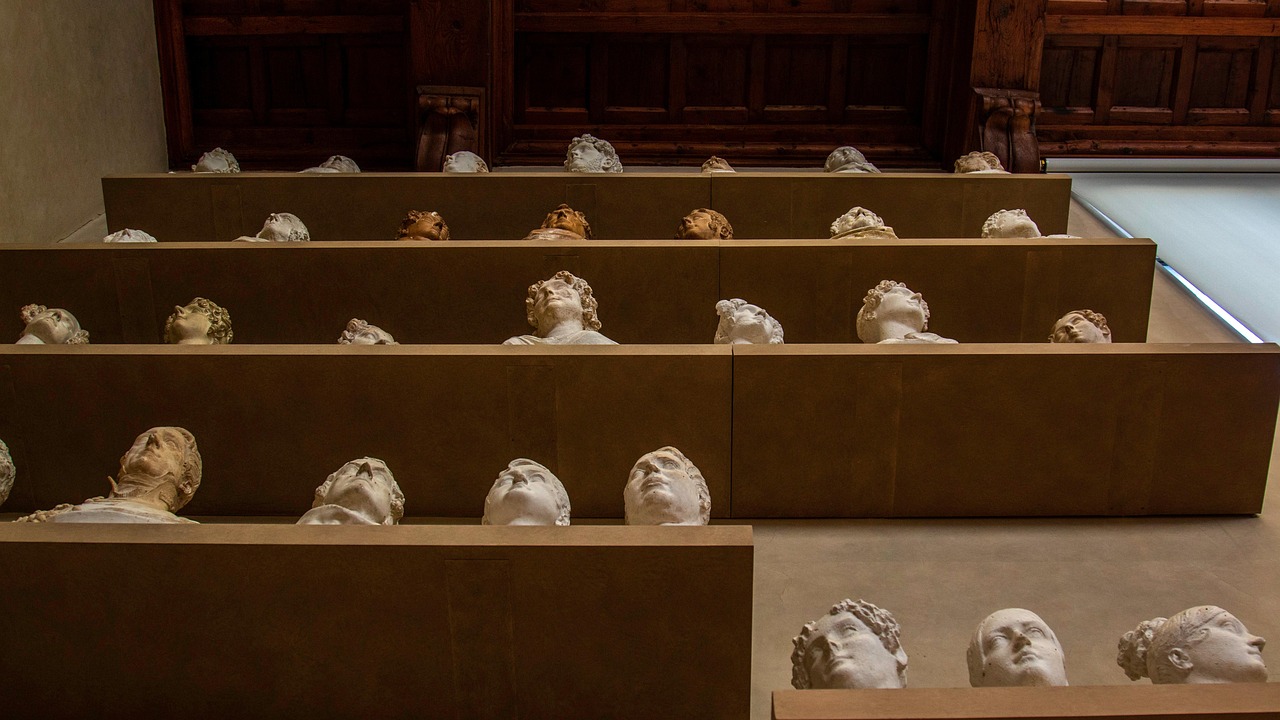
The Gipsoteca is a behind-the-scenes adventure: rows of plaster studies and a plaster cast world that reveals how ideas become form. Here you’ll see the 19th-century shift in taste and technique, and you may come across Lorenzo Bartolini—a sculptor and professor whose work links the Accademia to the Academy of Fine Arts and the teaching of fine arts in Firenze. It’s a rare insight into process, not just polish.
For niche cultural touchpoints, keep an eye out for references that connect the accademia to the wider city. Giovan Battista Niccolini and Elisa Baciocchi appear in Florence’s monuments and portrait culture; spotting their names in the galleries can make your later strolls feel more local and joined-up.
And then, unexpectedly, sound enters the story. The museum of musical instruments—part of Galleria dell’Accademia di Firenze e Museo degli Strumenti Musicali—adds a surprising layer: Medici-era collecting, astonishing craftsmanship, and the intimacy of objects made to be held. The Medici connection reminds you that power once expressed itself not only through paintings and sculpture, but through music, patronage, and time.
Tickets, opening hours, and best time to visit the Accademia: tips for visiting the Accademia
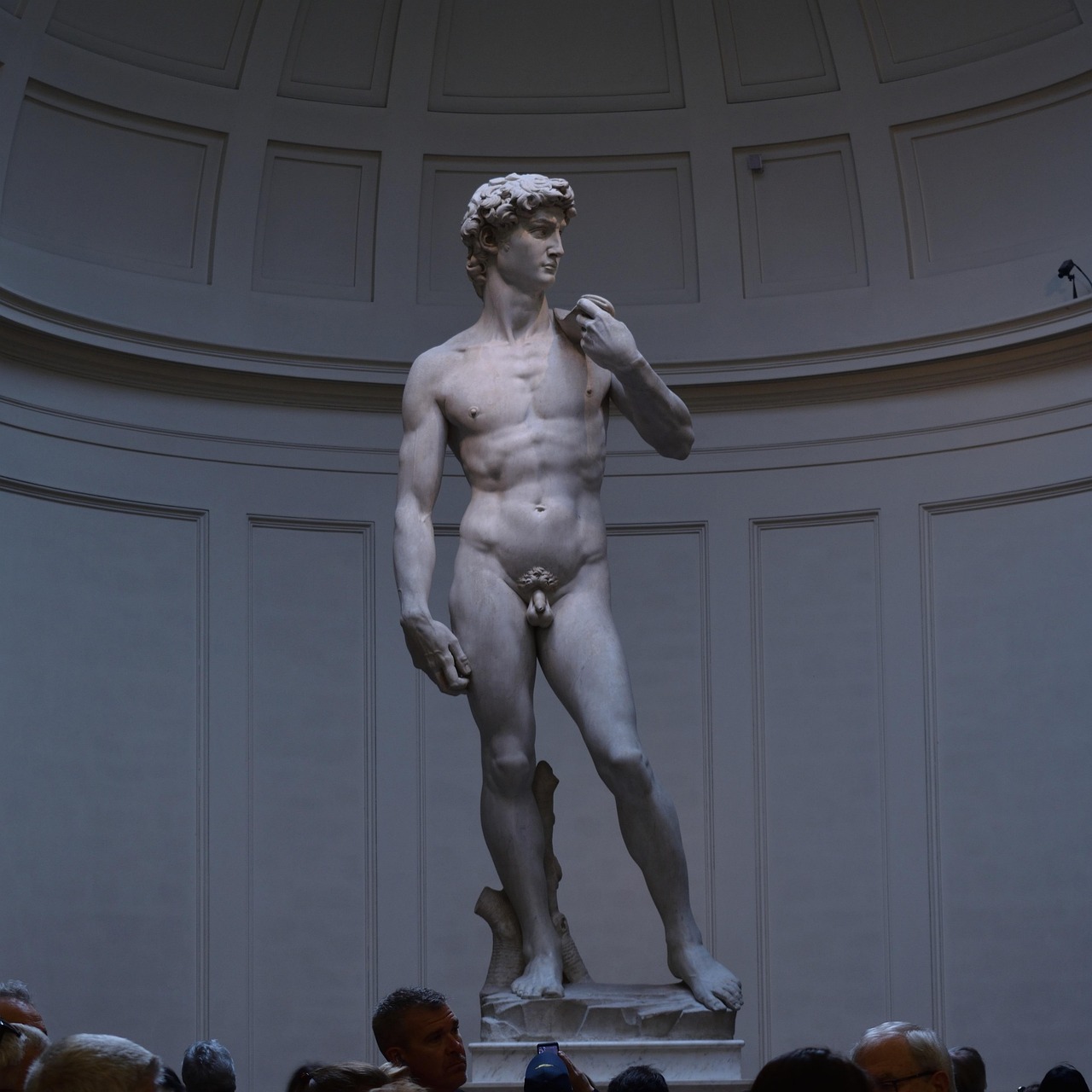
Tickets, opening hours, and best time to visit the Accademia in Florence
If you’re collecting tips for visiting the accademia gallery tickets accademia online opening hours, you’re already doing the most luxurious thing a traveller can do: removing friction. The accademia is often described as the second most visited museum in the city after the Uffizi Gallery, so planning tickets for the accademia gallery isn’t fussy—it’s simply smart. Consider this section your practical Florence travel tips checklist for a smoother entry.
Start with tickets in advance. Accademia online booking is the cleanest path to a calm arrival, especially in peak seasons, and it’s the easiest way to avoid the temptation to wait in line. You can still buy tickets at the ticket office, but that choice trades spontaneity for time—so if you know your date, visit in advance and lock it in.
Gallery tickets and Accademia online booking: museum ticket office flow, buy tickets
The museum ticket office flow is straightforward: security first, then validation. Travel light, keep water handy, and if you’re using tickets online, screenshot your confirmation in case signal drops. If you’re deciding between gallery tickets on the day or reserved entry, most visitors find that pre-booked slots reduce stress.
For official information, verify timings and prices via the official website. Many travellers choose tickets on the official website for clarity, and it’s also where you’ll see updates shared by the museum’s leadership, including director Cecilie Hollberg. If you want the simplest route, buy tickets there, then follow the instructions for entry and checks.
Opening hours and closing time: time to visit the Accademia (and when it’s closed on Mondays)
Opening hours can shift seasonally, and the closing time matters more than you think—last entry is often earlier than the posted closing. Many travellers plan around the common note that it’s closed on Mondays, and it’s wise to check public holiday changes before you commit.
For budgeting, entry costs around 16 euros for adults, with discounts for European Union citizens under 26 (always confirm on the official website). Mentioning it plainly: these are not “hidden” costs, just details that help you plan your visit with calm certainty. Your accademia tickets may also carry a small booking fee depending on provider, so compare totals before checkout.
- Best time to visit: early morning for hushed rooms and softer light.
- Time to visit: late afternoon can be gentler, especially outside peak weekends.
- Time to visit the Accademia: 60–90 minutes for David plus a curated wander; longer if you linger in the Gipsoteca and instruments.
One final reassurance: comfortable shoes matter. You’ll stand more than you expect, and a physically easy visit leaves you free to feel the art rather than your feet.
Design your Florence day itinerary: visiting Florence including the Accademia Gallery, Uffizi Gallery & Duomo
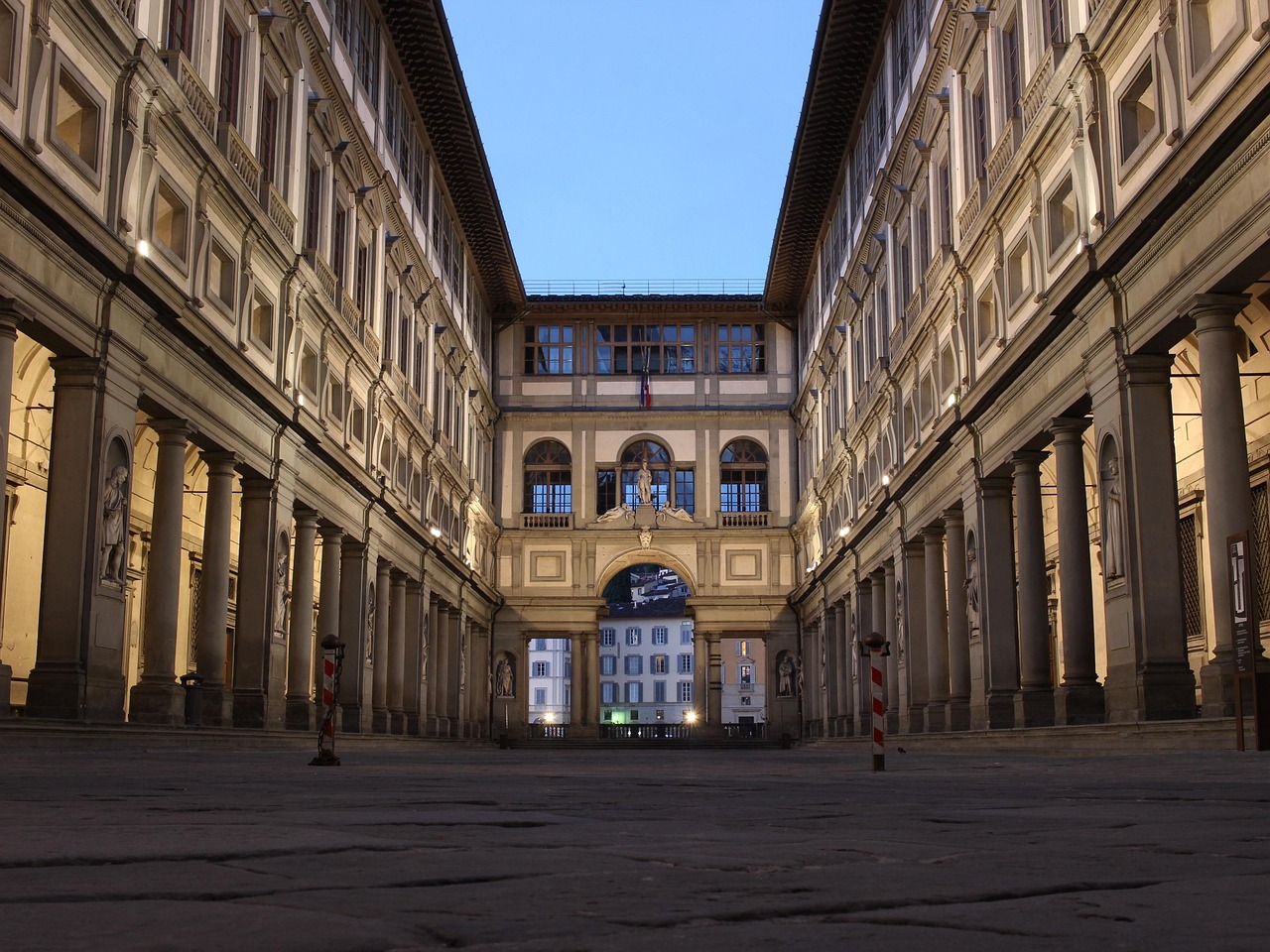
Design your Florence day itinerary including the Accademia, Uffizi Gallery and Duomo
For travellers searching itinerary visiting florence including the accademia gallery uffizi gallery duomo, the goal isn’t to do everything—it’s to create a day that feels seamless. Start with the accademia when your attention is freshest, then let the city widen into streets and squares once you’ve had a café pause. This kind of itinerary balances two museums without turning your day into a race.
A flexible rhythm works beautifully: morning at the Accademia, a slow walk past the Florence Duomo, then afternoon at the Uffizi Gallery (or Uffizi) when you’re ready for painting-heavy immersion. This pairing balances sculpture and colour, intensity and ease—ideal for a relaxed trip to Florence.
Guided tour or self-guided: book a guided tour for deeper Florence art
If you love stories, book a guided tour—especially a small group visit. One adventurer told me their guide transformed the day by pointing out hidden Renaissance details and Michelangelo techniques they’d never have noticed alone. A guided tour also supports timing and meeting points, which can be valuable in peak season.
If you prefer to explore solo, an audio guide can be the perfect middle ground: expert insight without losing your sense of personal discovery. Either way, the aim is the same—depth over speed, and a richer connection to Florence art.
A Firenze walking loop: Piazza della Signoria, Giambologna, and open-air sculpture
After the accademia, let Firenze carry you. Walk towards Piazza della Signoria for an open-air sculpture moment under the Loggia. Here, look for Giambologna’s Rape of the Sabines, also known as ratto delle sabine—a dramatic counterpoint to the quiet control you’ve just experienced indoors.
For keen explorers who still have energy, add the Bargello. The Musei del Bargello collections are a dream for lovers of material and form, and they round out your day with a different kind of intimacy. If you’re prioritising just one extra stop, choose the Bargello when you want more sculpture, or the Uffizi when you want more colour.
- Morning: visit the accademia in pre-booked slots, including the Accademia Gallery, then take a café reset.
- Midday: Duomo area stroll and a little shopping or gelato—keep it unhurried.
- Afternoon: Uffizi, or swap for Bargello if you’re more sculpture than painting.
If you’d like inspiration for a crafted, high-end route across Italy beyond Florence, you can browse our Trip gallery. The best plans feel like they were designed around you, not around a timetable.
After Firenze: Accademia Florence Italy reflections from a trip to Florence
When you leave the accademia and step back into Firenze, the streets can feel a touch louder—but not in a bad way. It’s as if the museum has quietly tuned your attention. You notice the rhythm of footsteps on stone, the way light moves across façades, and the care in a doorway handle that you might once have ignored.
What stays with me most is not the sense that I “did” the gallery, but the stillness I carried out with me. I think of travellers who spoke about the awe of Michelangelo, and those who described the gentle calm of standing in front of a work without needing to explain it. Even in a busy city, the accademia offered a shared pause—strangers together, softened by art.
There was also an unexpected tenderness in small moments: someone lowering their voice instinctively, a parent kneeling to help a child see, a glance that said “yes, it’s extraordinary” without any need for words. That kind of care is easy to miss when you’re rushing, yet it’s often the most meaningful souvenir.
And perhaps that’s the quiet gift of Florence: it encourages a warmer relationship with beauty—less conquest, more companionship. Imagine returning one day, not to do more, but to see differently, with trust in your own curiosity and the confidence that grows from small choices made gently around every piece of art.
F.A.Qs: Accademia Florence planning questions
Is the Accademia Florence worth it?
Yes—especially if you value close-up encounters with Renaissance genius. The accademia is worth it for Michelangelo’s David alone, but the quieter rooms, plaster studies, and musical collections add depth that many visitors don’t expect. Go early or late and the atmosphere can feel surprisingly personal for such a famous museum.
How much time do you need in Accademia Florence?
Most travellers need 60–90 minutes for a focused visit, including time with David and a calm wander through adjacent rooms. If you enjoy reading labels, lingering with artwork, or spending time in the Gipsoteca and museum of musical instruments, allow 2 hours so the visit stays unhurried.
What is the most famous art in Accademia Florence?
The most famous work is Michelangelo’s David, the gallery’s defining masterpiece. Many visitors also remember Michelangelo’s unfinished sculptures, which reveal the carving process and feel intensely human. Beyond that, you’ll find Renaissance paintings and collections that broaden your sense of Florence’s artistic life—each one a distinct piece of art in its own right.
Is there a dress code for Accademia Florence?
There’s no strict dress code like some churches, but respectful attire is always wise in a major museum in Florence. Comfortable shoes are essential because you’ll stand and walk. Keep layers in mind—gallery temperatures can vary—and remember standard etiquette: speak softly, don’t touch artworks, and avoid flash photography.