Post Contents
- Assisi destination guide: Basilica of San Francesco with a papal, Franciscan welcome
- Giotto frescoes and frescoed storytelling in Assisi – inside the Basilica of Saint Francis
- Architecture of San Francesco in Assisi – Romanesque to Gothic, Sacred Convent and papal history
- Lower basilica in Assisi: quiet chapels and a Franciscan pilgrimage pause at San Francesco
- San Francesco cloisters and gardens in Assisi – best light for photography and calm corners
- How to visit San Francesco in Assisi: guided tour, train links from Rome and Florence, plus an audio guide
- What stays with you after San Francesco in Assisi – reflective travel moments
- F.A.Qs: Visiting San Francesco in Assisi
Assisi destination guide: Basilica of San Francesco with a papal, Franciscan welcome
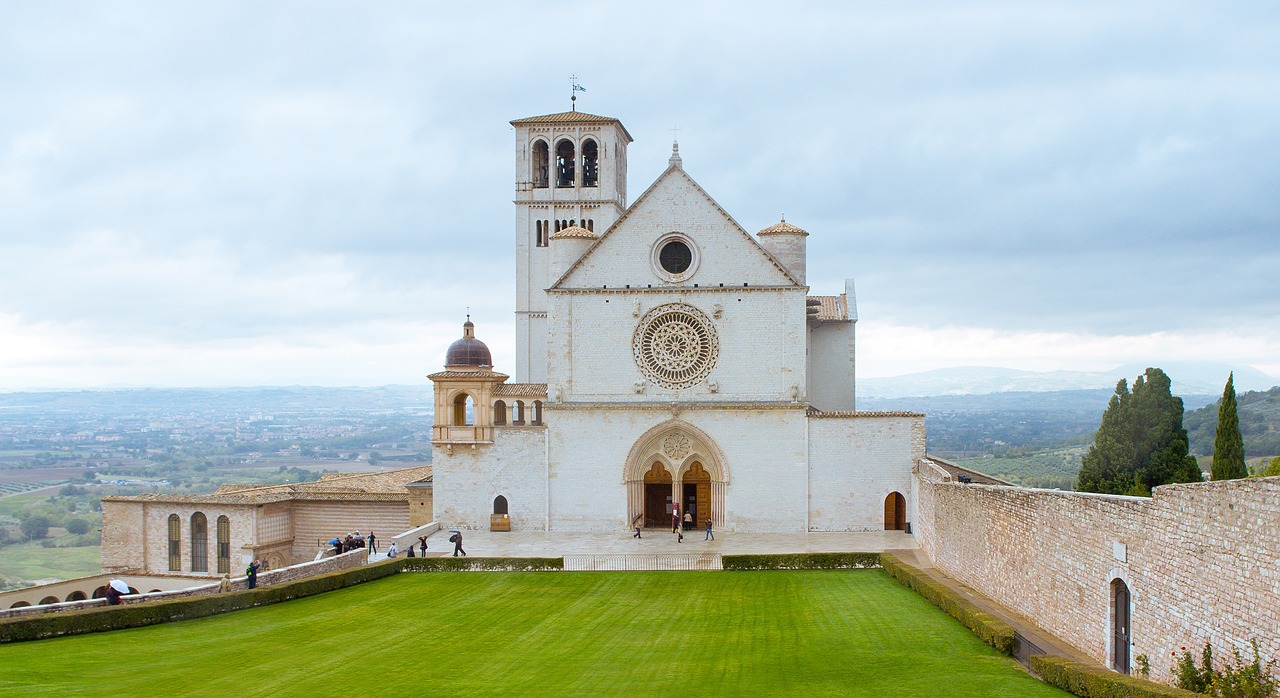
First impressions of Assisi as you approach San Francesco on the hillside
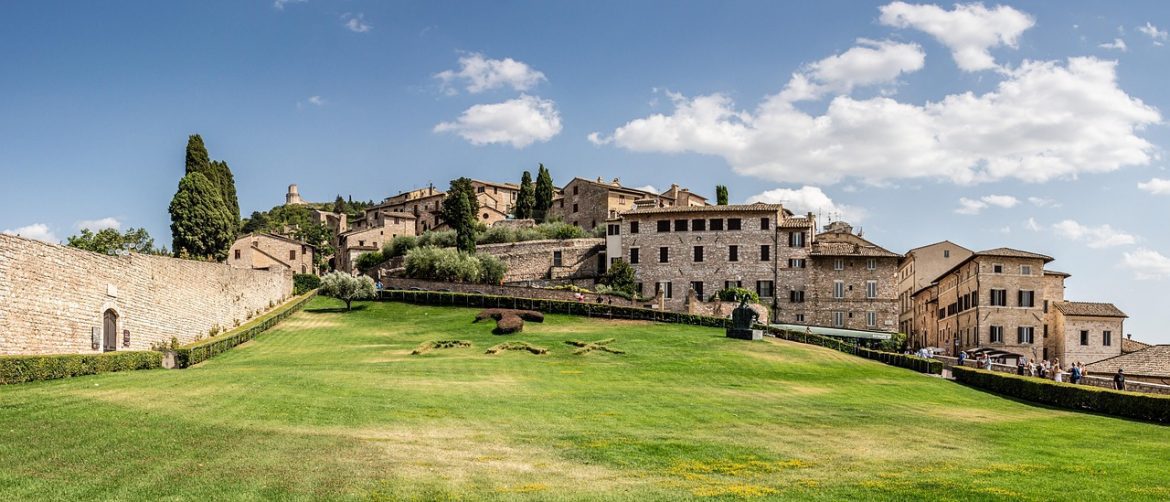
For a refined first-time visit to basilica of st francis italy, begin in Assisi’s historic centre and let the walk down the slope set your pace. The first views open towards the basilica, with Monte Subasio behind and Rocca Maggiore watching over the town like a quiet guardian—an Umbrian cultural landscape that feels both intimate and expansive.
This revered monument is closely associated with the franciscan movement, shaped by the Rule approved in 1223 and its message of peace and tolerance. Travellers often tell us they feel a profound hush the moment they step inside, as if the stone itself is offering reassurance. Even on a busy day, you can move through Assisi without feeling like just another tourist—the town’s light and stillness tend to meet you halfway.
Assisi walk-in experience: the “two churches” rhythm at San Francesco
The basilica is famously built as a single complex on two levels, each with a distinct mood. For the best flow, design your visit from light to shadow—start upstairs with the frescoed narratives, then descend slowly towards the quieter spaces and the heart of devotion.
As you pass the porta and approach the entrance, pause for a breath before you cross the threshold. It’s a small ritual, but it helps you arrive with intention—together with the place, rather than rushing through it.




Giotto frescoes and frescoed storytelling in Assisi – inside the Basilica of Saint Francis
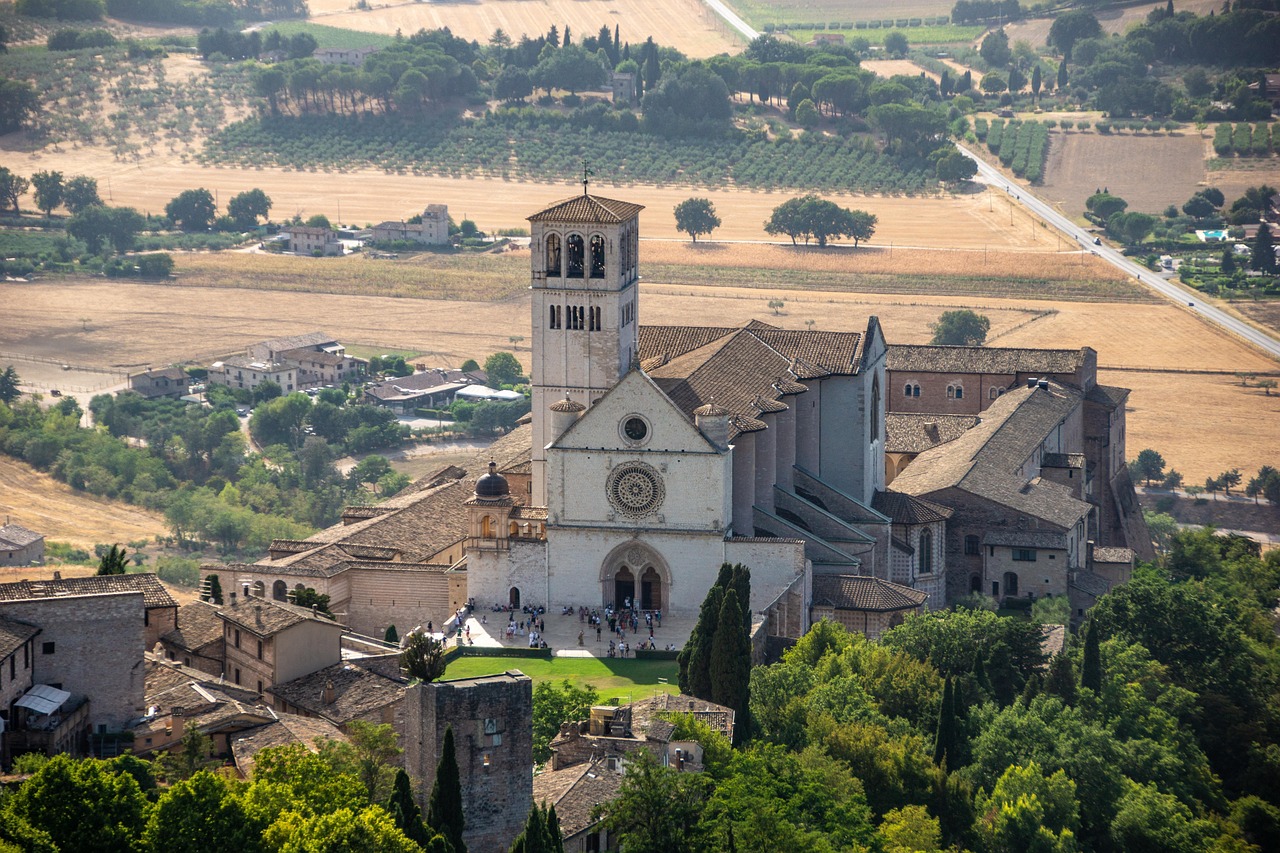
Frescoed storytelling by Giotto and Cimabue in Assisi’s basilica complex
To explore the paintings by Giotto in the Upper Church is to read the life of saint francis as a sequence of human choices—scene by scene, gesture by gesture. In particular, the cycle makes the saint feel near and understandable, and it influenced the development of art across the Middle Ages. If you want one phrase to hold as you look, remember Saint Francis of Assisi: humility made visible, not performed.
Look for the innovations of Cimabue and Giotto, then widen your lens to include Simone Martini and Pietro Lorenzetti, among the artists of the 13th. The colour, faces, and architecture in these scenes are a quiet masterclass in the 13th century, and even a single fresco can reward ten unhurried minutes.
How to see frescoed details without rushing the basilica in Assisi
For an expert viewing approach, stand back first to understand the sequencing, then step closer to uncover details: hands tilted in blessing, a glance exchanged, a fold of cloth that seems to move. Pace yourself bay by bay rather than trying to “do it all” at once, and let the story reveal itself in layers.
- Where to stand: begin near the centre aisle for the overall rhythm, then move to the sides for expressions and colour.
- How to slow time: choose three scenes and stay longer than feels efficient.
- What to notice: narrative transitions, repeated motifs, and the way light helps decorate the story.
One high-end traveller described a private guided tour as “stepping back into the 13th”, because the guide revealed small symbols most people miss. If you prefer simplicity, an audio guide can be a gentle companion; for deeper insight, a specialist guide keeps the experience crafted and calm, without crowd-chasing.
Architecture of San Francesco in Assisi – Romanesque to Gothic, Sacred Convent and papal history
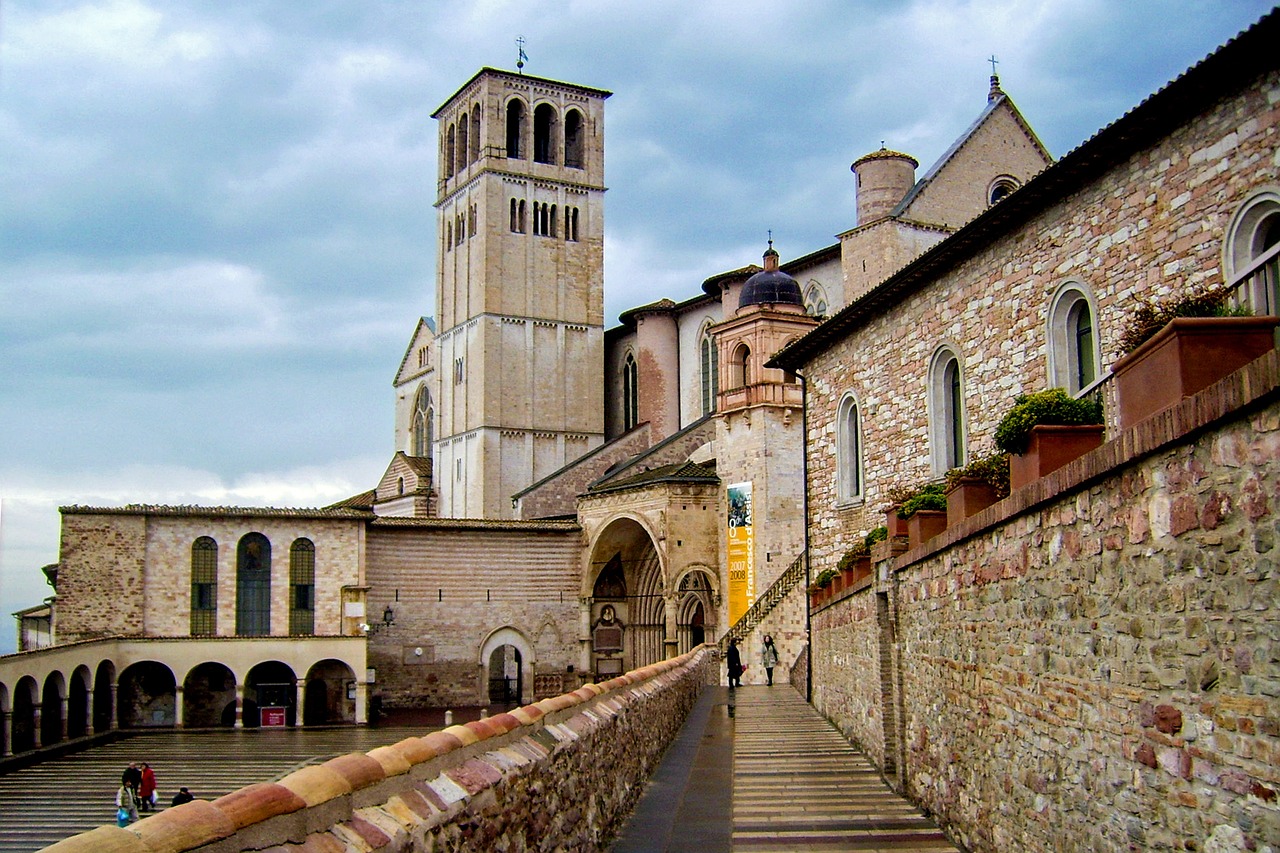
Romanesque meets Gothic at San Francesco and the adjoining convent complex in Assisi
The experience of the basilica of san francesco is as much about structure as it is about spirit. You feel Romanesque solidity in the grounding stone, then gothic lift as the spaces rise—an early lesson in the development of art and architecture that later sacred buildings would echo across Europe.
Next door, the Sacred Convent and convento remain part of a living, working monastic world, shaped by daily prayer and local ministry. In practical terms, follow local signage from the municipality and keep voices low; in emotional terms, let the stillness lead.
UNESCO listing, earthquake restoration, and convento continuity in Assisi
Founded in 1228 under a pope who recognised the growing franciscan order, key phases were complete by 1253. In 1230, the translation of relics deepened public devotion, and the story of Francesco d’assisi became inseparable from this hillside.
Di San Francesco d’Assisi is more than a masterpiece—it is a living spiritual home, still guided by a friar community. After the earthquake, careful restoration protected fragile art works; the result is not perfection, but continuity—an ongoing act of care that allows you to stand here today with wonder intact.
Lower basilica in Assisi: quiet chapels and a Franciscan pilgrimage pause at San Francesco
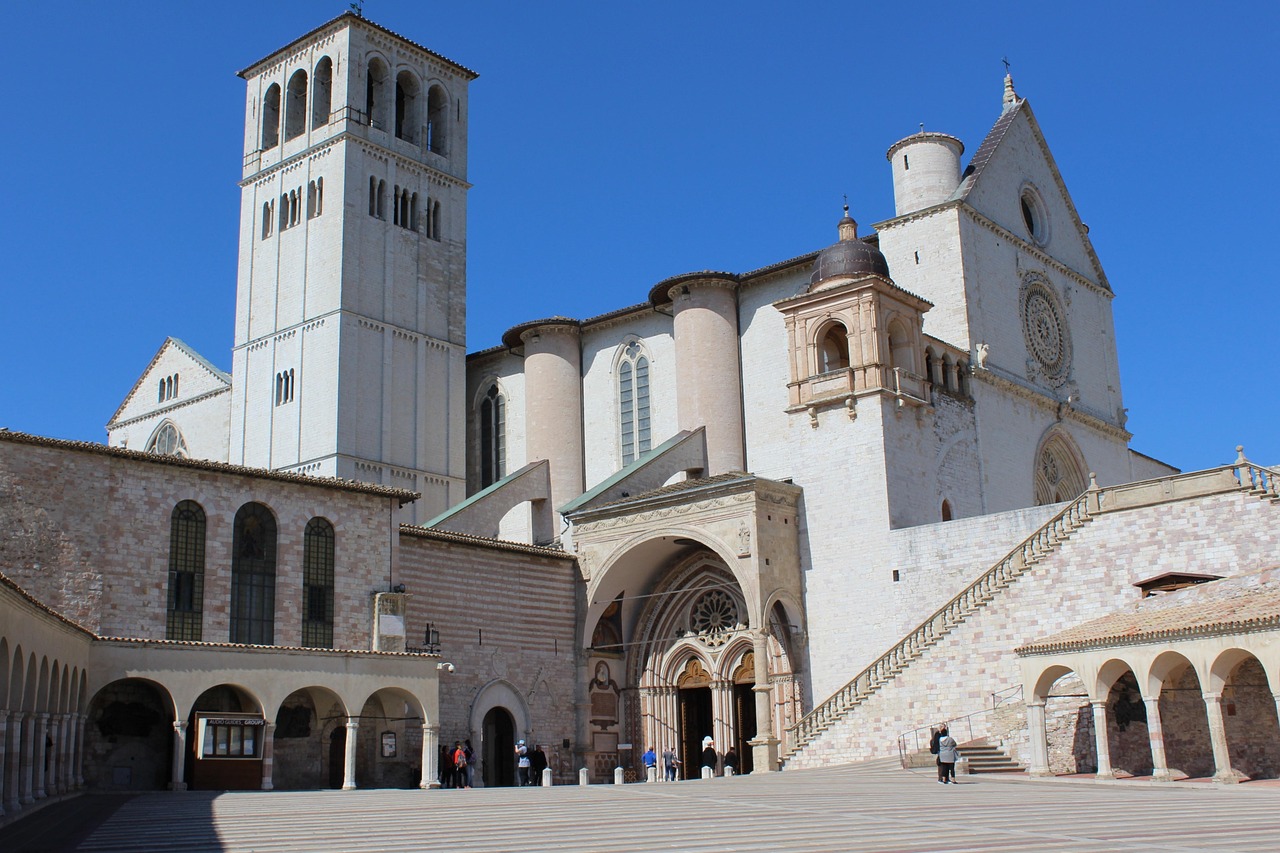
A quieter, shadowed atmosphere in the lower level of San Francesco in Assisi
This lower level is where many travellers naturally slow down, especially if you arrive with a personal intention. The air feels cooler and the light more contained, and a side chapel can offer the kind of silence that turns a visit into pilgrimage rather than sightseeing.
Here, Saint Francis is located beneath the Lower Church, in the crypt, at the tomb—an unforced moment whether you arrive as a pilgrim or simply curious. It is said Francis died in 1226; what rests here are his mortal remains, held with tenderness rather than spectacle.
San Francesco etiquette: visiting this Assisi church with care
This is a living church, so modest dress and soft voices are less “rules” than a way of supporting everyone’s experience. Photography expectations can change by area; if in doubt, ask quietly or follow posted guidance, and you’ll be met with respect.
- Wear: comfortable shoes for uneven stone floors and a few steps.
- Bring: a light layer—cool air is common below.
- Consider: an expert guide to keep the visit paced, personal, and contemplative.
In the artistic environment around you, names like Giovanni surface as gentle context rather than homework—enough to enrich the moment, without pulling you away from it.
San Francesco cloisters and gardens in Assisi – best light for photography and calm corners
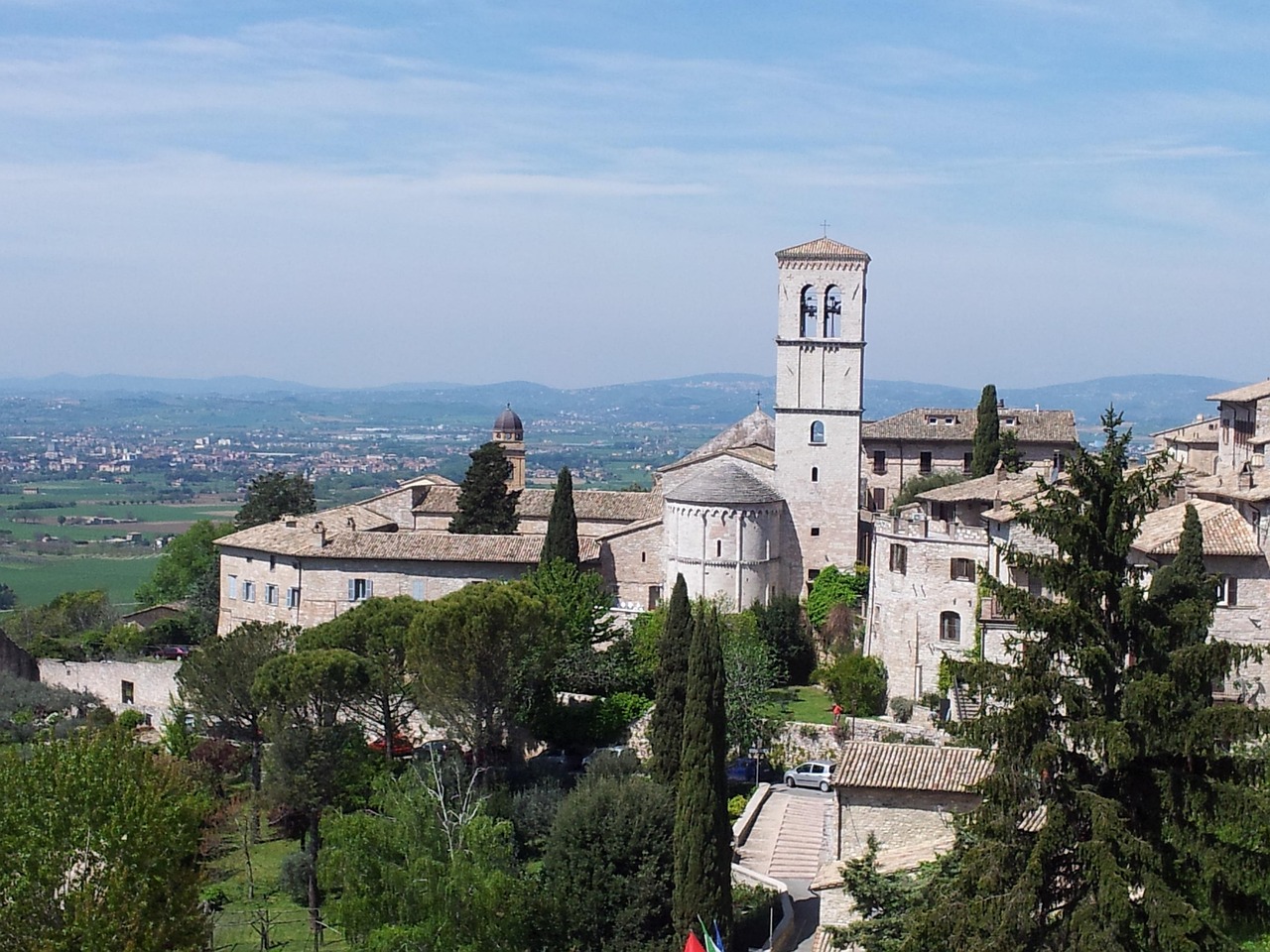
Cloisters and serene garden corners near San Francesco in Assisi
For elegant photography and a softer pace, step outside and discover the cloisters and gardens as a counterpoint to the interior. These spaces are ideal for reflection, clean architectural lines, and unposed portraits—moments where you can simply breathe, together, without performance.
Assisi photography notes near San Francesco and the cloisters
Design your photos around respect: early morning or late afternoon gives the most flattering light, and also the calmest corners. Aim for wider compositions that honour the space, rather than close images that intrude on local devotion.
We still remember a couple celebrating an anniversary here: they slipped into a quiet garden corner, hands linked, letting the crowds pass without resentment. If you have time, create a gentle continuation by walking back through the historic center towards Santa Chiara—connecting your day to Clare, the order of saint clare, and the lanes near San Giovanni.
How to visit San Francesco in Assisi: guided tour, train links from Rome and Florence, plus an audio guide
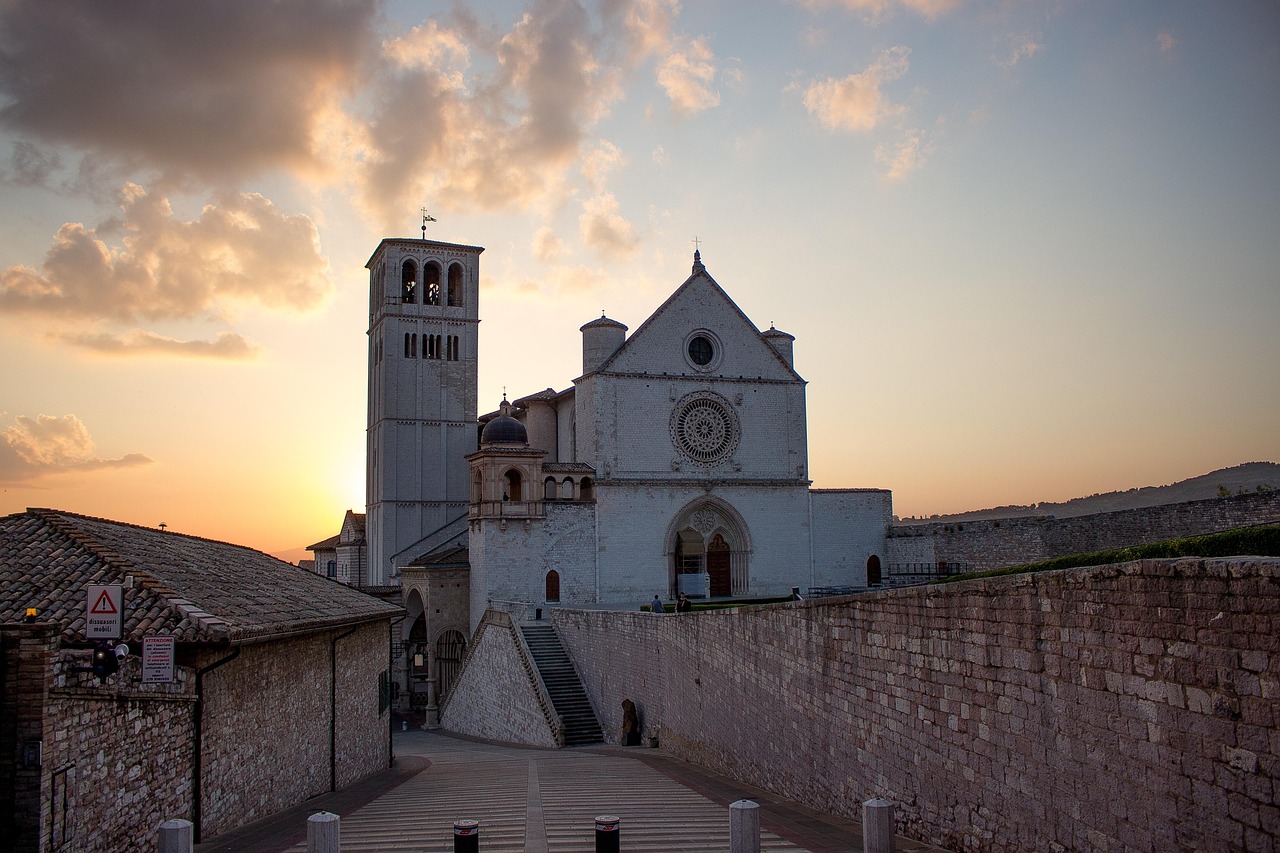
A seamless visit plan for Assisi and San Francesco
If you’re planning a polished visit, the logistics can be truly seamless with a little forethought. Arrive by train from Rome or Florence, then take a taxi or local bus up towards Assisi in Umbria; allow extra time for walking surfaces, as the streets can be uneven and gently steep.
Timing is your quiet luxury. Early morning is serene, and late afternoon brings soft light; try to avoid Easter and October when major religious events change the town’s rhythm. Entry is free, yet a crafted private tour can add context, better pacing, and—where permitted—access to calmer areas; if you’re going solo, a second audio guide option can still deliver excellent context.
Evening prayers at San Francesco: local devotion in Assisi
To witness authentic ritual, consider evening prayers or mass. Sit toward the back, follow local cues, and let the sound and stillness do the work—no need to understand every word to feel the meaning.
If you’re building a fuller day, include the Basilica of Santa Maria degli Angeli and the Porziuncola nearby as a quiet complement to San Francesco. For inspiration as you design your journey, explore our Trip gallery and consider booking with trusted local support, leaving buffer time for pauses, a portico coffee, and a conversation with a padre if the moment invites it.
What stays with you after San Francesco in Assisi – reflective travel moments
After San Francesco, what stays is rarely a list of facts. It’s the way Assisi seems to change your relationship with time: light on stone, a pause between footsteps, and a painted story that lands softly and then returns to you later, when you least expect it.
Many travellers describe the basilica as a kind of steady presence—unshowy, grounded, and quietly present. The silence you met in the lower spaces can reappear in ordinary life, not as emptiness, but as a calm confidence that meaningful travel can be simple, human, and deeply personal.
Imagine one last glance back as evening settles across the hillside, the outlines of San Francesco holding the town in gentle balance. Assisi doesn’t ask you to hurry, or to explain what you felt—only to carry it with care, and to stay curious about what might call you back one day.
F.A.Qs: Visiting San Francesco in Assisi
Is entry to San Francesco in Assisi free?
Yes. Entry is free, which makes it easy to visit at your own pace. If you’d like deeper insight, you can add an audio guide or book an expert-led private tour for more context, calmer pacing, and a more crafted experience.
Why do people visit San Francesco in Assisi?
People visit for two reasons that beautifully overlap: spiritual meaning and extraordinary art. Many come to feel close to saint francis, while others arrive to explore Giotto and the atmosphere of a living place of worship. Often, it becomes both.
Where is Assisi located, and how do you reach the basilica complex?
Assisi sits in central Umbria and is straightforward to reach. Most travellers arrive by train via major hubs such as Rome or Florence, then take a short taxi or bus ride up to the town and the basilica complex.
What is San Francesco famous for?
San Francesco is famous for its layered design, world-class medieval fresco cycles, and its role as a major Franciscan sanctuary. Visitors come to explore the upper and lower spaces, experience the quiet devotion of the site, and feel the distinctive calm that defines Assisi.