Post Contents
- Planning a Trip to Bologna With Confidence: when to get to Bologna, where to stay in Bologna, and the best time to visit bologna
- Piazza Maggiore – history and culture of Bologna: things to do in Bologna with San Petronio and the Archiginnasio
- Dawn views from Bologna’s towers and the UNESCO porticoes of Bologna: Asinelli, Santo Stefano, and San Luca
- Quadrilatero indulgence and the best food in Bologna: a Bologna food tour, Mercato delle Erbe, and wine bars
- Hidden gems and a day trip design around Bologna: Parma, Modena, and Museo d’Arte Moderna di Bologna
- What Bologna Leaves With You: visited Bologna reflections and favourite places in Italy
- F.A.Qs: bologna italy things to do and travel planning
Planning a Trip to Bologna With Confidence: when to get to Bologna, where to stay in Bologna, and the best time to visit bologna
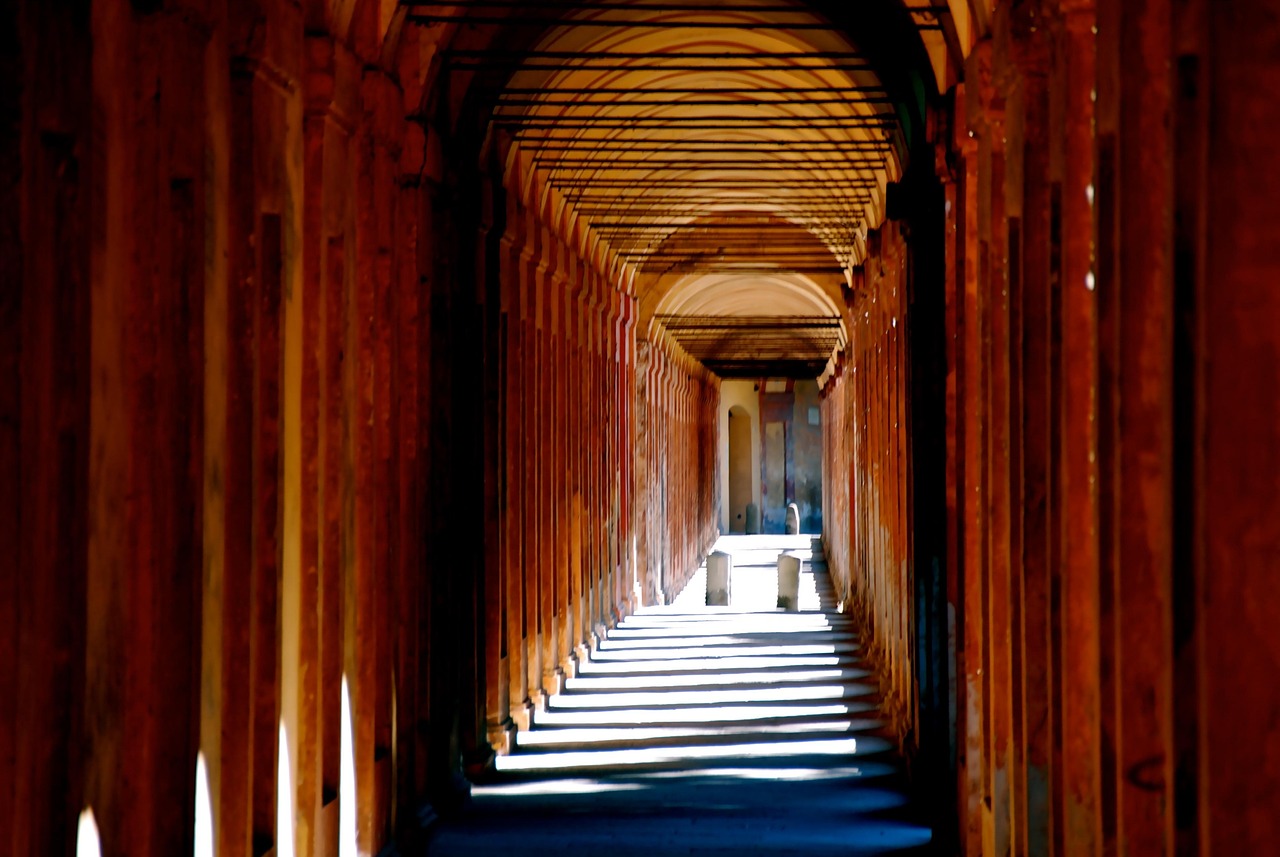
A calm, design-forward start to Bologna—porticoes, warm light, and an easy pace.
If you’re mapping out a Bologna getaway, a little forethought is what turns a good city break into a trip that feels deliberately crafted. Bologna is a city that rewards rhythm: gentle mornings, long lunches, and evenings that stretch late under the arcades. If you have 2–3 days in Bologna, you can move slowly and still cover the essentials without ever feeling rushed.
Choosing the right season in Bologna: comfort, crowds, and festival dates
Spring (April to June) and early autumn (September to October) are often ideal, when soft light hits terracotta roofs and the air stays pleasant beneath the portico arcades. These shoulder months typically mean fewer peak-tourist surges while keeping café life lively and stylish. If music shapes your itinerary, watch Bologna Jazz Festival dates so you can reserve dinner around performances that feel polished yet local.
Summer can be hot, and winter has a moody charm—perfect for museum afternoons and long, unhurried lunches—but many high-end travellers find shoulder season offers the most seamless blend of comfort and atmosphere. If you come to Bologna for a festival weekend, book transfers and key reservations earlier, and build in extra time for check-in and dining.
Arriving in Bologna smoothly: airport, Bologna Centrale, and a relaxed first hour
For refined arrivals, you have two reliable entry points: Bologna Guglielmo Marconi Airport for direct flights, or high-speed rail into Bologna Centrale for an easy glide from Milan, Florence, or Rome. A private car service is one of those quiet upgrades that changes everything—especially with luggage, family travel, or when you want airport support without thinking twice.
Once you arrive, design your first hours as a gentle landing: check in, take a short walking tour orientation beneath the porticoes of Bologna, then pause for an early aperitivo so your body clock catches up with Italian time. If you want to explore Bologna with less friction, check Bologna Welcome for updated opening times, tickets, and city-wide events.
Where you base yourself shapes your entire visit in bologna. The historic centre keeps you close to Piazza Maggiore and many attractions in bologna on foot, ideal if you want to step out and immediately feel the city’s pulse. If you prefer calmer nights, choose the elegant edges of the centre where design-led hotels and quieter streets bring better sleep, while still keeping a short taxi ride to the heart.
In Italy, “crafted service” often looks like staff who remember your coffee preference, a concierge who books the exact table you want, and a breakfast room that feels personal rather than performative. It’s subtle, but it builds trust quickly—especially when you’re asking for the right museum slot, a driver to San Luca, or the most comfortable timing for a climb.
Getting around Bologna is easiest when you embrace its slow confidence: short distances, long pauses, and the occasional set of steps. Bologna on foot is genuinely enjoyable, but you’ll still want comfortable shoes for cobblestones and a sleeker pair for evenings. For my own “Bologna things” checklist, I always include one early walk, one long lunch, and one night stroll under the arcades.
- Booking: reserve key museums and major sites ahead in peak periods for a more seamless experience.
- Etiquette: a warm “Buongiorno” in shops goes a long way; dress modestly when visiting a church or basilica.
- Cash: carry a little for small markets and artisan studios, even though cards are widely accepted.
- Dining rhythm: dinner typically starts after 7:30pm—book high-end tables in advance for peace of mind.
If you’d like inspiration for the wider journey around Italy, you can browse our Trip gallery and imagine how Bologna might sit within a larger northern route around italy.




Piazza Maggiore – history and culture of Bologna: things to do in Bologna with San Petronio and the Archiginnasio
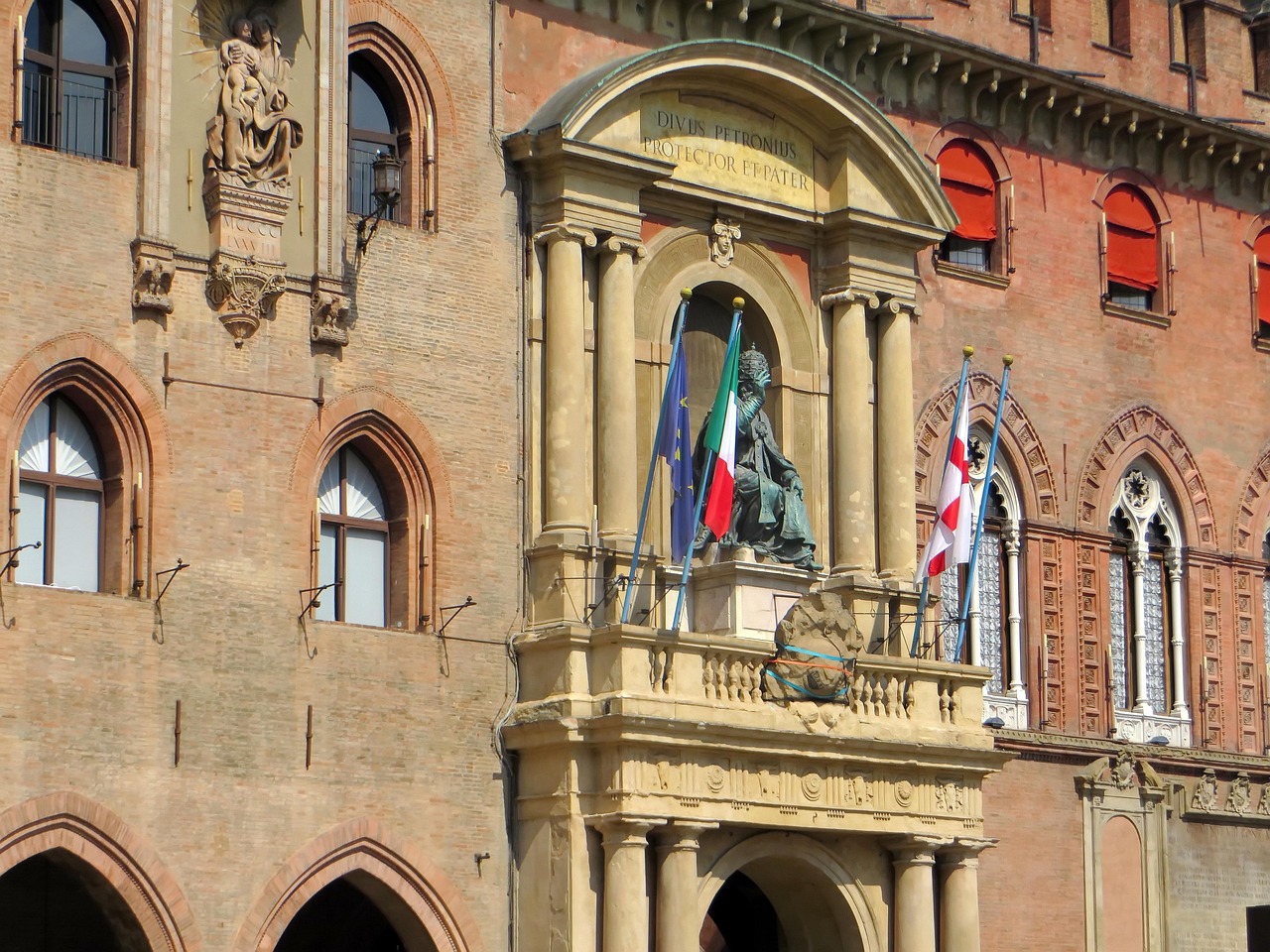
Golden hour in Bologna’s central square—an elegant starting point for first-time visitors.
When you’re deciding on things to do in bologna, this central square is the natural beginning, and it’s far more than a landmark—it’s the city’s living room. Start in the early evening when café terraces feel effortless and medieval façades soften into warm colour. Bologna has an intimate energy at night: cutlery sounds, a few musicians, and a gentle hum that never tips into chaos.
Piazza Maggiore: one of the top things to do in Bologna for sunset atmosphere
Let the square set your pace. Sit with an aperitivo and watch how Bologna moves: students crossing the stones, locals greeting each other, couples drifting toward dinner. One couple once described a romantic evening here—live music carrying across the stones, glasses clinking on an outdoor terrace, and the feeling that Bologna holds you close without demanding your attention.
For photographs, arrive just before sunset. You’ll capture the scale without feeling squeezed by crowds, and you can slip into side streets quickly if you want a quieter moment.
San Petronio, palazzo views, and the stillness of a basilica
Step into the Basilica di San Petronio for a reset of the senses: high ceilings, cool air, and a reverent hush. San Petronio is monumental, yet it doesn’t feel showy; it feels like a place to visit with respect. Keep voices low, dress modestly, and allow yourself to linger—this is the kind of calm that carries you through a busy day.
Outside, civic grandeur comes into focus through palazzo details. Look toward Palazzo d’Accursio for a classic perspective, and don’t miss the clock tower, which adds quiet authority to the skyline. A short stroll brings you to the Neptune fountain, an iconic photo frame where water, stone, and light feel unmistakably bolognese.
The Archiginnasio di Bologna brings you into the story of the oldest university, and with it, Bologna’s identity as a university town. Inside, the fresco coats walls and ceilings like an inherited memory, and the Anatomical Theatre is a rare cultural encounter—an intimate room where science, curiosity, and ritual once met. Book ahead in peak months, and consider a guided visit so symbols and details don’t pass you by.
To deepen the narrative, add one carefully chosen museum stop rather than trying to do everything in one day. The Museo della Storia di Bologna offers a concise history of Bologna from the middle ages to modern life, helping you understand why the city feels both scholarly and deeply lived-in. It’s also a helpful place to correct a common confusion: Bologna is not the capital of italy, yet it is the capital of the emilia-romagna region, and it wears that status with understated confidence.
Dawn views from Bologna’s towers and the UNESCO porticoes of Bologna: Asinelli, Santo Stefano, and San Luca
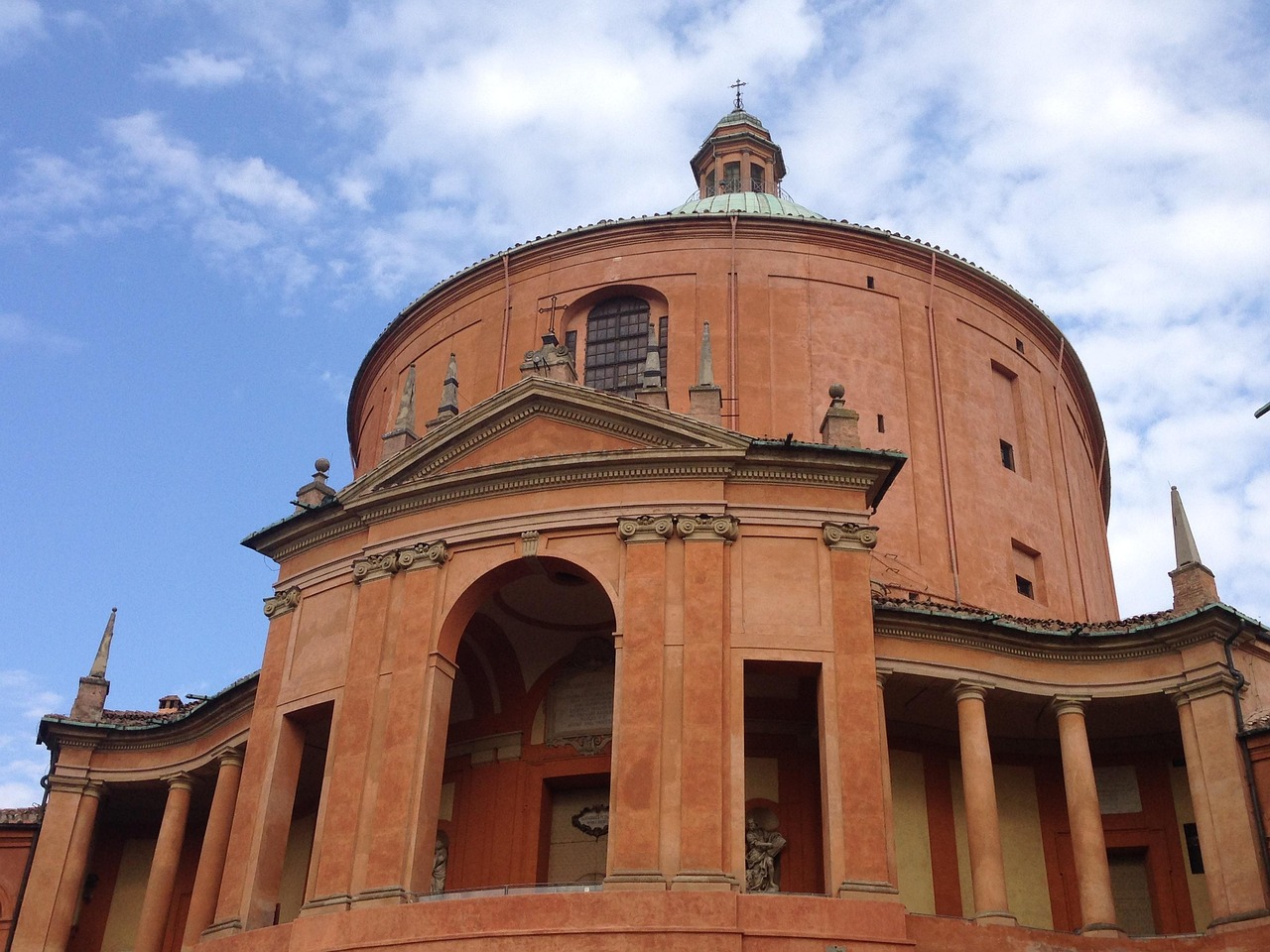
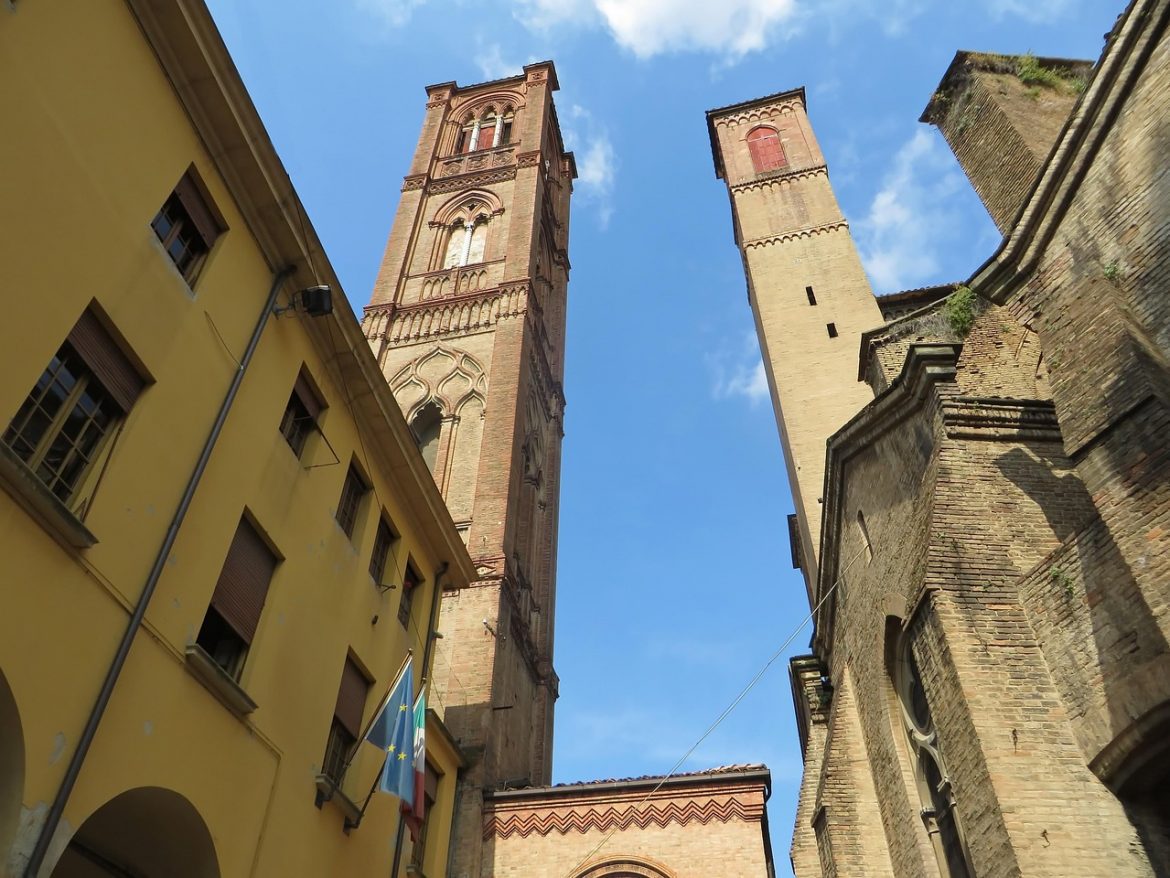
Early light over terracotta rooftops—an elevated morning in Bologna.
For many high-end travellers, the best things Bologna offers are the ones that change with the light, and that’s why an early climb matters. This is where “best things” becomes personal: a quieter skyline, cooler air, and the sense you designed the moment rather than stumbled into it. If you’re moving at a gentle pace, schedule your ascent for a cooler hour and keep the rest of the day intentionally light.
Torre degli Asinelli and the signature tower experience
This climb is Bologna’s classic ritual, and it’s worth doing well. Book tickets ahead where possible, choose a time that suits your comfort, and take the steps steadily; the goal is enjoyment, not speed. One traveller shared how reaching the top of Asinelli at dawn brought a serene panorama—quiet streets below, pale light spilling across the city, and a feeling of having Bologna entirely to yourself.
On the way up, pace your breathing and allow pauses; there’s no need to prove anything. If someone in your group prefers not to climb, plan a parallel morning: coffee beneath the arcades while you take the steps, then meet afterwards for breakfast.
Portico life and the route to Madonna di San Luca (with a stop by the city’s two towers)
In the centre, it’s worth pausing near the city’s two towers for a quick photo moment, then shifting into Bologna’s most comforting feature: its UNESCO World Heritage porticoes, where architecture becomes shelter and style in equal measure. Walking under a portico is practical—shade in summer, cover in rain—but it also changes how you experience the city, letting you move elegantly in any weather.
From the centre, the long portico route to Madonna di San Luca is one of the most memorable walks in Bologna. If you love a mindful challenge, go on foot and take panoramic pauses; if you prefer ease, arrange a private driver and save your energy for the sanctuary itself. Either way, San Luca delivers a wide-open view that feels like a breath after the close texture of the old streets.
To balance high viewpoints with grounded history, step into Santo Stefano, often called the seven churches. This religious complex offers an intimate counterpoint—quiet cloisters, worn stone, and a sense of layered devotion. It’s one of those moments that makes Bologna feel less like a destination and more like a lived-in city of stories.
Quadrilatero indulgence and the best food in Bologna: a Bologna food tour, Mercato delle Erbe, and wine bars
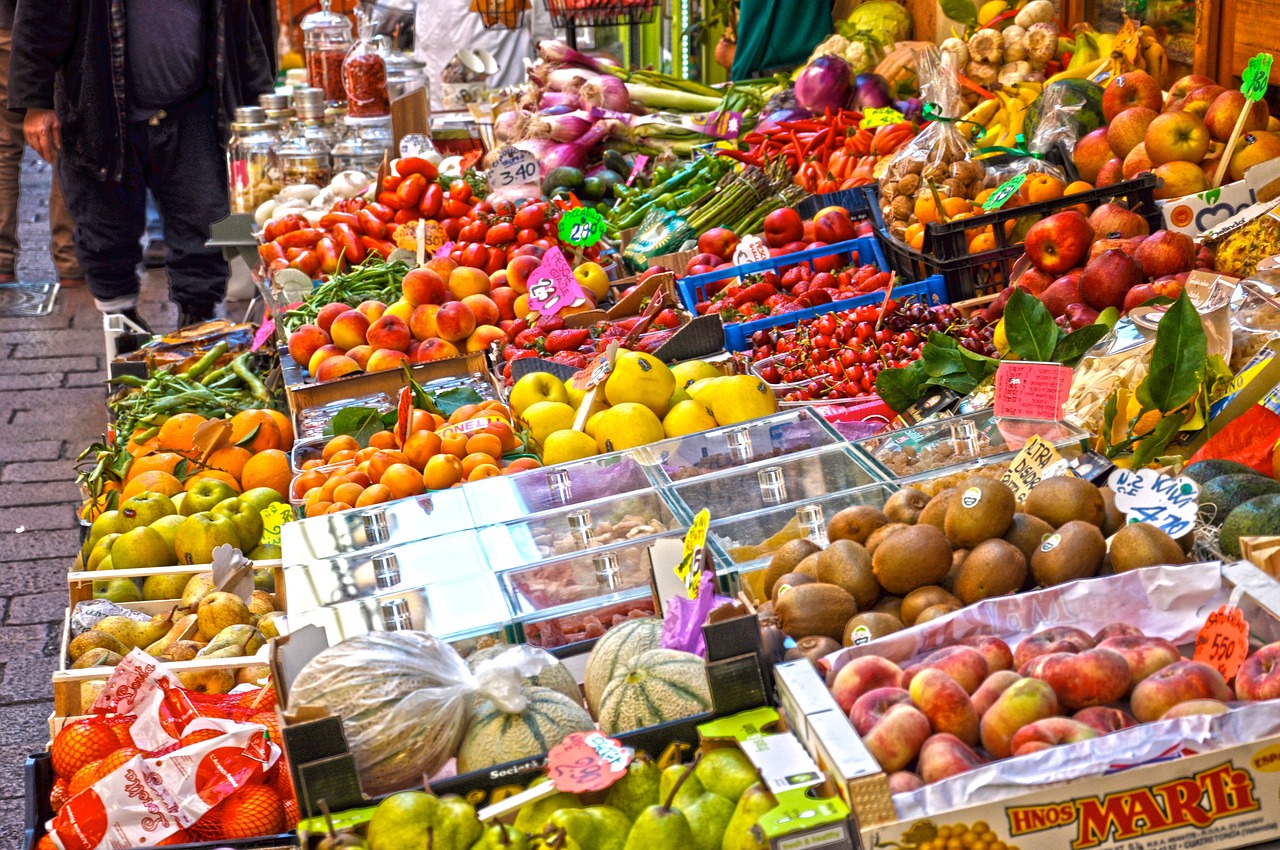
Market colour and artisan counters—Bologna’s edible culture at its most inviting.
If your idea of luxury includes taste, provenance, and a little theatre, Bologna delivers with quiet confidence. Bologna food is rooted in tradition, but it’s presented with modern ease, and food in bologna is culture the city proudly shares. You don’t need to chase hype—just a few well-chosen addresses and the willingness to savour slowly.
Quadrilatero and the craft behind Bologna’s market lanes
The Quadrilatero district is a gourmet maze of artisan lanes and polished counters, and it’s an ideal place to begin when your appetite is curiosity. A foodie once told us the joy wasn’t only what they tasted—it was the vendors explaining ingredients, sharing family recipes, and guiding them toward the right cut, the right ageing, and the right pairing. In Bologna, that kind of conversation is a form of care.
Go in the morning if you can. The energy feels purposeful, and you’ll see the city’s rhythm unfold before lunch reservations begin to fill tables.
A private food tour, Mercato delle Erbe, and dining with confidence
A private food tour is one of the most seamless ways to taste well without feeling like a tourist. Tastings tend to be small but rich, so plan the day as curated bites rather than full meals. A great guide can build the route around signature flavours—tagliatelle al ragù (the original Bolognese), mortadella, Parmigiano Reggiano, and beautiful cured meats—while weaving in stories that make each stop feel personal.
- Start with a bite-sized lesson in pasta culture and how to spot quality fresh pasta.
- Balance richer tastings with pauses—espresso, sparkling water, and a gentle walk between stops.
- Pair with Emilia-Romagna bottles in a sommelier-led wine bar for expert guidance without intimidation.
- Leave room for dinner; Bologna’s evenings are designed for lingering.
For a classic covered market stop, Mercato delle Erbe offers a bright, contained space where you can browse seasonal produce and choose counters that feel confident rather than performative. If you’re unsure where to begin, look for stalls with a short queue of locals and staff who are happy to explain, not just sell. It’s a food market that invites you to slow down and taste thoughtfully.
When it’s time for dinner, book ahead—especially if you’re aiming for the best restaurants or a particular room with atmosphere. A traditional osteria evening can be just as luxurious as fine dining when the pacing is right and the wine is chosen with care. If you’d like help, ask your hotel concierge for restaurants in bologna that match your style: classic, contemporary, or quietly experimental.
For hands-on luxury, consider a cooking class with a Michelin-starred chef. One visitor described how their class became unexpectedly connective—bonding with chefs and neighbours, laughing over technique, and ending with regional wines that tasted even better because they’d made the pasta together. It’s the kind of experience that builds confidence in your palate for the rest of your trip.
Hidden gems and a day trip design around Bologna: Parma, Modena, and Museo d’Arte Moderna di Bologna
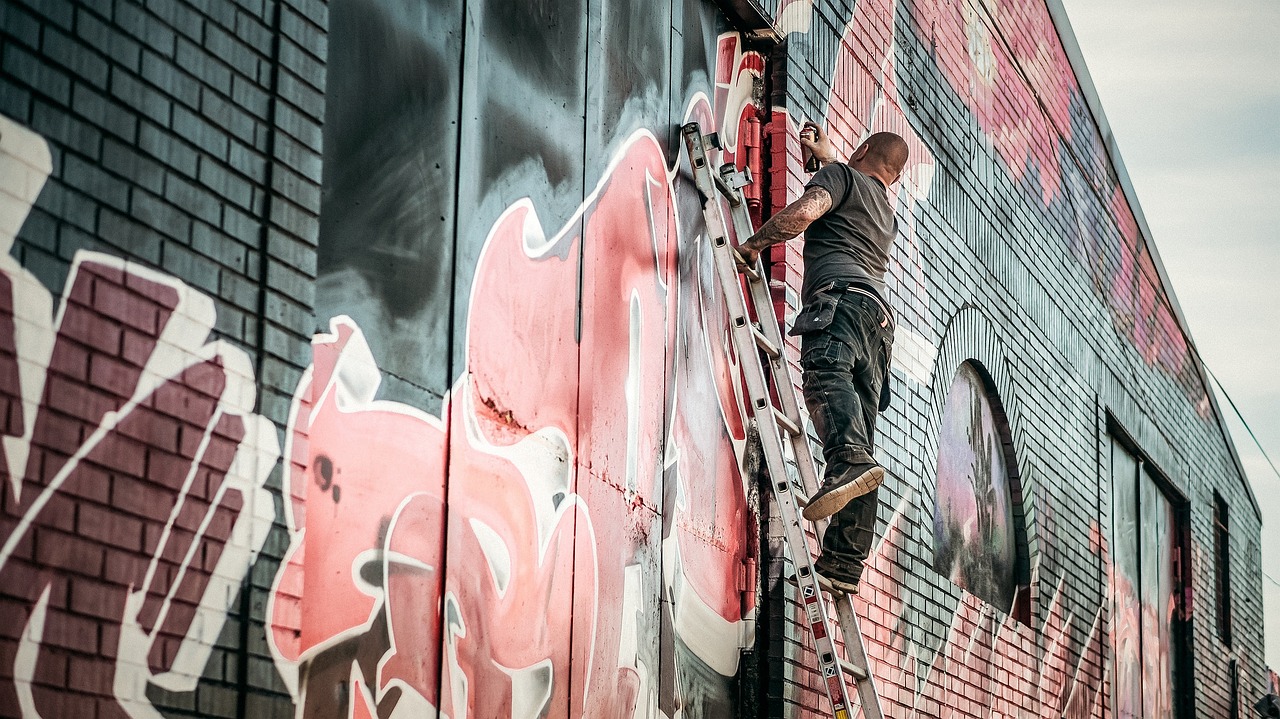
Curated street art and colour—Bologna’s quieter, creative side.
Once you’ve seen the icons, Bologna becomes even more rewarding when you uncover quieter layers—studios, modern design, and day trips that expand the story. This is where a well-edited itinerary feels bespoke: you don’t need to add more, you need to add what fits your pace and interests.
Quiet corners in Bologna and a modern museo reset
Start with lesser-known pockets: street art that appears like secret murals between porticoes, and artisan workshops where leather, paper, and jewellery are still made with patience. Ask for a brief studio visit, watch hands at work, and choose one meaningful piece rather than a bag of souvenirs; in Bologna, craft feels like a relationship, not a transaction.
For a clean contemporary counterpoint, spend a few hours at the museo d’arte moderna di bologna. It’s a design-led pause that pairs beautifully with a long lunch afterwards, and it helps your schedule feel curated rather than crowded. Keep it as a half-day: museo first, then a slow walk and a quiet coffee before dinner.
Wine tastings and a tour from Bologna to Parma and Modena
If you love wine, design one evening around an intimate tasting in a historic cellar. The pleasure isn’t only the bottles—it’s the storytelling, and the way local pairings change what you taste. Add a few small bites alongside your glasses, and let the pace stay unhurried.
For a refined day trip, Parma and Modena are natural companions to Bologna in northern italy. Parma brings elegant culinary heritage and proud cheese culture, while Modena offers balsamic tradition alongside supercar design—an unexpectedly glamorous mix of old and new that mirrors Bologna’s balance.
If you’re short on time, choose one tour from bologna rather than trying to do both at speed. Private transport makes the day seamless—door-to-door comfort, flexible stops, and the sense that logistics are handled quietly in the background.
- Parma: aim for one focused tasting and one beautiful lunch; keep the afternoon for an easy stroll.
- Modena: book balsamic visits in advance and pair them with a design stop for contrast.
- Seasonal strategy: for festival dates, confirm programmes early and secure reservations well ahead.
- Extra options: consider places like FICO Eataly World if current programming aligns with your interests.
On certain nights, Bologna Jazz Festival performances can become the perfect finale to a day of exploring—elevated yet warmly local. Keep everything lightly planned: tickets arranged, dinner booked, and enough space between events that you’re never rushing across the city.
What Bologna Leaves With You: visited Bologna reflections and favourite places in Italy
After your time in Bologna, the city doesn’t feel like a list you completed—it feels like a rhythm you slipped into. Imagine walking home under the porticoes, your steps softened by stone, the air warm with the day’s last light. Terracotta glows gently above, and the street sounds are reassuring rather than loud: a murmur from a café, a scooter passing, a door closing somewhere close by.
The moments that stay with you when the sights are done
You might remember the climb at dawn, not as a conquest but as a quiet pact with yourself—to wake early, to move steadily, to take in the view without needing to photograph every angle. Or the hush inside Santo Stefano, where time feels layered, and the stories of the seven churches settle into a grounded calm. Or the shared laughter over handmade pasta, flour on sleeves, wine poured with the ease of neighbours.
Even the central square lingers differently once you’ve allowed it to be ordinary. It becomes less of a landmark and more of a feeling: evening light, live music drifting across the stones, and the sense you were looked after—by your planning, by local kindness, and by the city’s own pace.
A calmer relationship with time and a quiet invitation to return
What you carry forward from Bologna is often a gentler confidence: the trust to slow down, to choose fewer plans with more care, and to notice craft wherever it appears—whether in a frescoed hallway, a perfectly folded pasta, or a small conversation at a market counter. There’s renewed respect for how places are made and maintained, and for the people who keep traditions alive without turning them into performance.
And perhaps that’s why Bologna becomes one of those favorite places in italy you don’t try to finish. You simply leave a little space for it, knowing that another season would show a different colour under the same arcades—waiting quietly, whenever you feel ready to return.
F.A.Qs: bologna italy things to do and travel planning
Is Bologna, Italy worth a visit for a first-time tourist?
Yes—Bologna is worth a visit if you value culture, comfort, and exceptional dining without the constant crowds of more famous cities. It offers grand architecture in Piazza Maggiore, meaningful museum and university heritage, and an easy-going pace beneath the portico arcades. For high-end travellers, Bologna feels personal: you can book experiences smoothly, enjoy elegant evenings, and still find calm moments between landmarks.
What is Bologna, Italy best known for?
Bologna is best known for its cuisine, medieval streets, and its role as a scholarly centre with the oldest university tradition. Visitors come for landmarks like San Petronio, the leaning skyline of its historic towers, and the atmospheric arcades, as well as for food culture—fresh pasta, ragù, and outstanding local produce. It’s also a place where daily life and craftsmanship feel beautifully intertwined.
What are the three T’s of Bologna?
The “three T’s” commonly refer to Towers, Tortellini, and Terracotta. Towers points to the city’s distinctive skyline, Tortellini nods to Bologna’s culinary pride, and Terracotta captures the warm tones of rooftops and façades that glow at sunrise and sunset. Together, they sum up Bologna’s blend of taste, texture, and atmosphere.
Is Bologna nicer than Florence for travellers who like museums and food?
It depends on what you want. Florence is more monumental and museum-heavy, but it can feel busier and more tourist-driven in peak months. Bologna is often calmer, with an easier flow, a serious dining scene, and more room to settle into local routines under its porticoes. If you prefer an understated Italian city that feels lived-in and welcoming, Bologna may feel “nicer” for your style of trip.