Post Contents
- Venice travel guide for days in Venice and a one-day itinerary in Venice
- San Marco must see icons in Venice for things to do in Venice, San Marco St Mark’s Basilica, Doge’s Palace
- Grand Canal gondola ride and Rialto Bridge, Venice
- Luxury day trip to Murano, Burano, and Venice.
- Cicchetti wine bars Venice Cannaregio Dorsoduro Teatro La Fenice
- F.A.Qs: Best things to do in Venice, Italy
- Experience Venice reflections, la serenissima
Venice travel guide for days in Venice and a one-day itinerary in Venice
Venice travel guide to design your days in Venice
This chapter is your Venice travel guide to choosing the right rhythm: days in Venice and a one-day in Venice itinerary, without the frantic box-ticking that can make even the most beautiful city feel loud. Venice has a lot to offer, yet the true luxury is how you design your time—slow mornings, booked afternoons, and unrushed evenings that let the city meet you gently.
If you have days in Venice, think in layers rather than landmarks. Give yourself one anchor each day (San Marco, the Grand Canal, the islands), then leave space to discover a courtyard, a workshop window, or a hushed church. If you only have one day in Venice, you can still see in Venice what matters most—so long as you commit to a clean route, pre-book key entries, and keep your transitions smooth.
Get to Venice smoothly via Venice Marco Polo Airport
Most high-end arrivals start at Venice Marco Polo Airport; from there, the goal is to get to Venice with minimal decision fatigue. A private water taxi is the most seamless choice—direct, elegant, and especially helpful if you’re staying along the canal network with luggage. The water bus option (Alilaguna) is calmer than you might expect, and it’s a supportive choice when you want an easy glide into the city without the premium price tag.
On first arrival, remember that Venice proper is a walking city threaded by water. Pack your valuables in a small day bag and keep one hand free: you’ll likely cross a bridge within minutes of stepping off the boat. If you’re staying in a Venice hotel that feels tucked away, ask the property for the closest dock name and the best foot route—this single detail saves time and builds confidence.
Getting around Venice with ease and local etiquette
For elegant practicality, the vaporetto is your friend—especially for a first look around Venice. The classic Grand Canal run is vaporetto line 1, and it’s one of the easiest ways to see Venice in motion: palazzi rising, laundry lines fluttering, and the water changing colour as the light shifts.
Walking, though, is where Venice becomes personal. Move softly through narrow lanes, and don’t block the flow on tight bridges—step to one side if you need to check a map. In churches, speak quietly and dress with care; in busy areas, avoid eating on bridges, and keep doorways clear. These small gestures are a kind of trust with the city—and with the Venetians who still live their daily lives here.
The best time to visit Venice is April to June or September to November, when the weather is mild, and the city feels less crowded. If you’re going to Venice in shoulder season, pack comfortable shoes for cobblestones, and add waterproof footwear as gentle insurance for acqua alta. High water can flood the city in brief episodes; it’s rarely trip-ruining, but being prepared keeps you relaxed.
A solo traveller once told us their favourite moment wasn’t a headline sight at all: they wandered before the city wakes, when the first deliveries arrive, and shutters lift one by one. In that quiet hour, they felt like a discoverer—uncovering small courtyards and half-hidden passages, enjoying Venice without the day trippers and the midday rush. It’s a reminder that the best plan is often the one that leaves room for stillness.
If you’d like help shaping a journey with comfort built in—from transfers to stays and thoughtful pacing—browse our Trip gallery for Italy travel inspiration.




San Marco must see icons in Venice for things to do in Venice, San Marco St Mark’s Basilica, Doge’s Palace
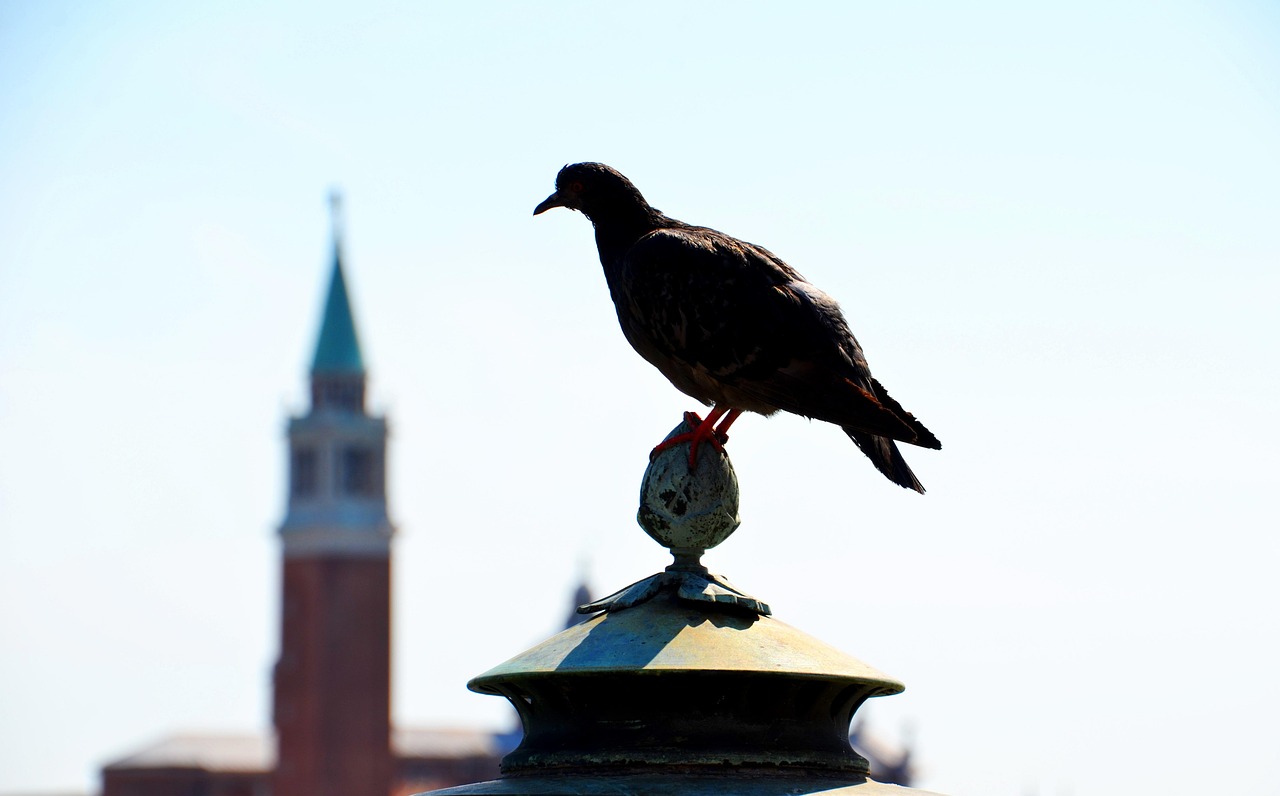
San Marco must see icons in Venice with St Mark’s Basilica and Doge’s Palace
For first-timers, the most essential stop is often framed as “things to do in Venice San Marco St Mark’s Basilica Doge’s Palace” and, done well, it truly is the must-see heart of the city. The key is timing: arrive early or choose a quieter slot, so Piazza San Marco feels cinematic rather than crowded. This is the thing to do in Venice when you want an immediate sense of scale, history, and Venetian confidence in craftsmanship.
Start with a gentle circuit of Mark’s Square as it wakes up: café chairs aligning, the light clearing the arches, and the first photographs taken with space to breathe. In Piazza San Marco, you don’t need to hurry—let the scene settle, then step inside the icons with purpose.
St Mark’s Basilica mosaics and the golden altarpiece
Mark’s Basilica is a basilica that rewards patience. Inside, the Venetian world turns to gold: mosaics shimmer above you, and the famed Pala d’Oro (the golden altarpiece) glows with a jewelled intensity that feels almost unreal. Dress modestly (shoulders and knees covered), and keep your voice low; the atmosphere is part of the experience, and your care helps protect it.
An art lover shared a moment we often think about: they visited at a quieter midday slot, just before a wave of groups arrived. With time to look up uninterrupted, the mosaics felt less like decoration and more like a living surface of light. That single, calm hour gave them insight into why planning isn’t about restriction—it’s about protecting wonder.
Doge’s Palace and the Bridge of Sighs moment
Next, step into Doge’s Palace, where Venetian Gothic architecture and political power sit side by side. An exclusive guided tour adds real depth—helping you read the rooms, symbols, and decision-making rituals that shaped Venice at its height. The Bridge of Sighs is a brief passage, but it lands emotionally when you understand what it means: a threshold between public splendour and private fear.
If you’d like an optional add-on, book the bell tower and go right to the top for a clean, orienting view. It’s the simplest way to understand the lagoon edge, the geometry of rooftops, and how the canal arteries connect the city. Pre-booking keeps the day seamless, especially in peak periods when queues can feel unexpectedly touristy.
Grand Canal gondola ride and Rialto Bridge, Venice
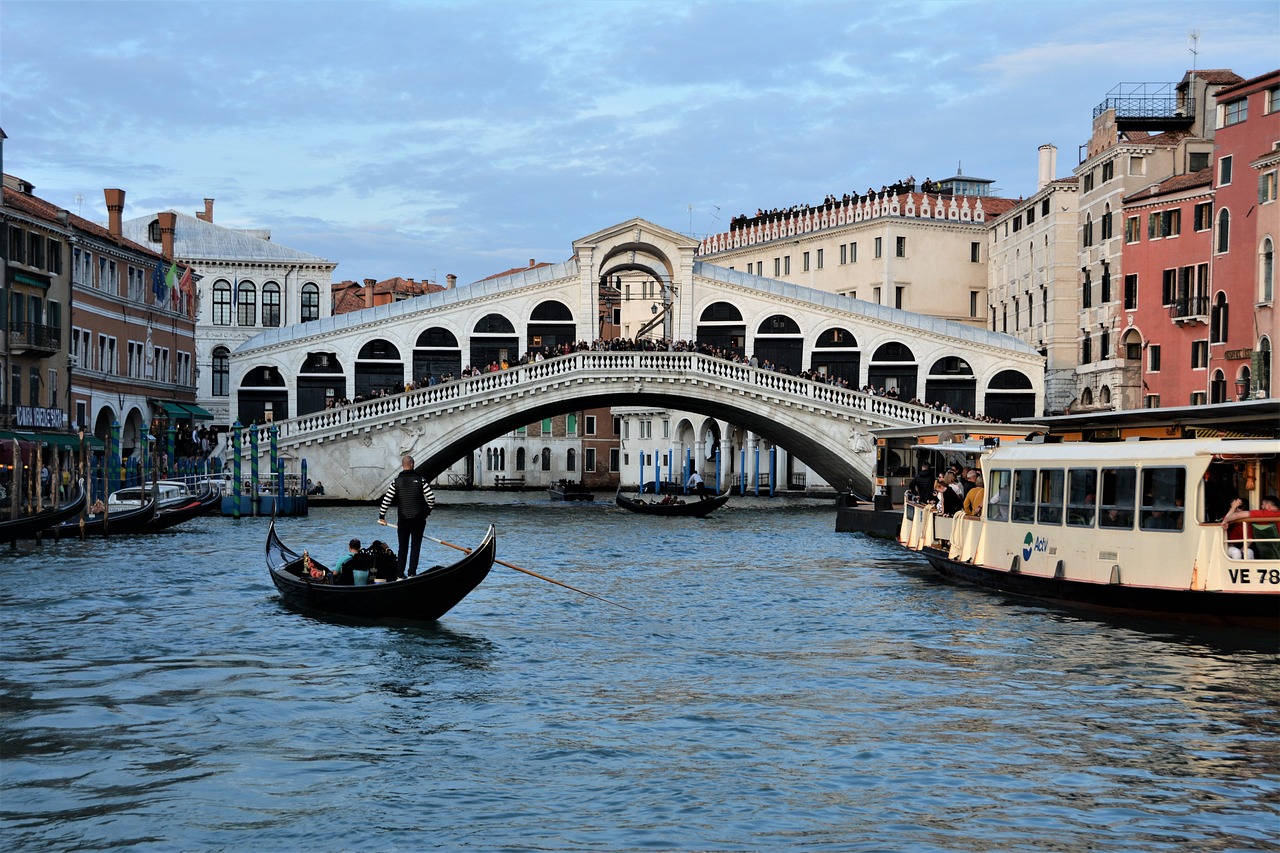
Grand Canal evenings and a private gondola ride in Venice
For many travellers, “Grand Canal gondola ride Rialto Bridge Venice” is shorthand for the dream—and it can be, if you shape it with intention. Imagine a private gondola at golden hour, slipping into smaller waterways where the city quiets, then drifting back towards the Grand Canal as lights begin to glow. It’s not only romantic; it’s also an elegant way to explore the city’s texture from the waterline.
Confirm the gondola stations you’ll use, and agree on the price before you step in. A typical gondola fare is around 80–120 euros for 30–40 minutes; if you want longer or special routing, simply negotiate calmly and confirm the final figure. This small practical step creates instant ease—so you can focus on the moment rather than the meter.
Rialto Bridge at sunrise and a quieter Venice
One traveller described an unforgettable sunrise at Rialto Bridge, watching fishermen arrive, and early merchants exchange stories as shutters lifted along the canal. In that light, the city felt like a stage set before the performance—gently real, not curated. If you photograph, do so respectfully: keep pathways open, avoid stepping into private thresholds, and let the scene stay unforced.
This is also when you begin to understand how water shapes the day. A canal at 6 am feels like a whispered secret; by midday, it can be bright, busy, and reflective. Seeing both sides gives you a fuller sense of place.
A gondolier’s stories, rooftops, and the best view
A couple once hired a local gondolier who narrated tales of Venice’s history as they moved—small details about palazzi, old trades, and the way Venetians read the tides. That storytelling turned a simple gondola ride into a personal memory with depth. It’s a reminder that the most luxurious upgrade is often human: local knowledge shared with warmth.
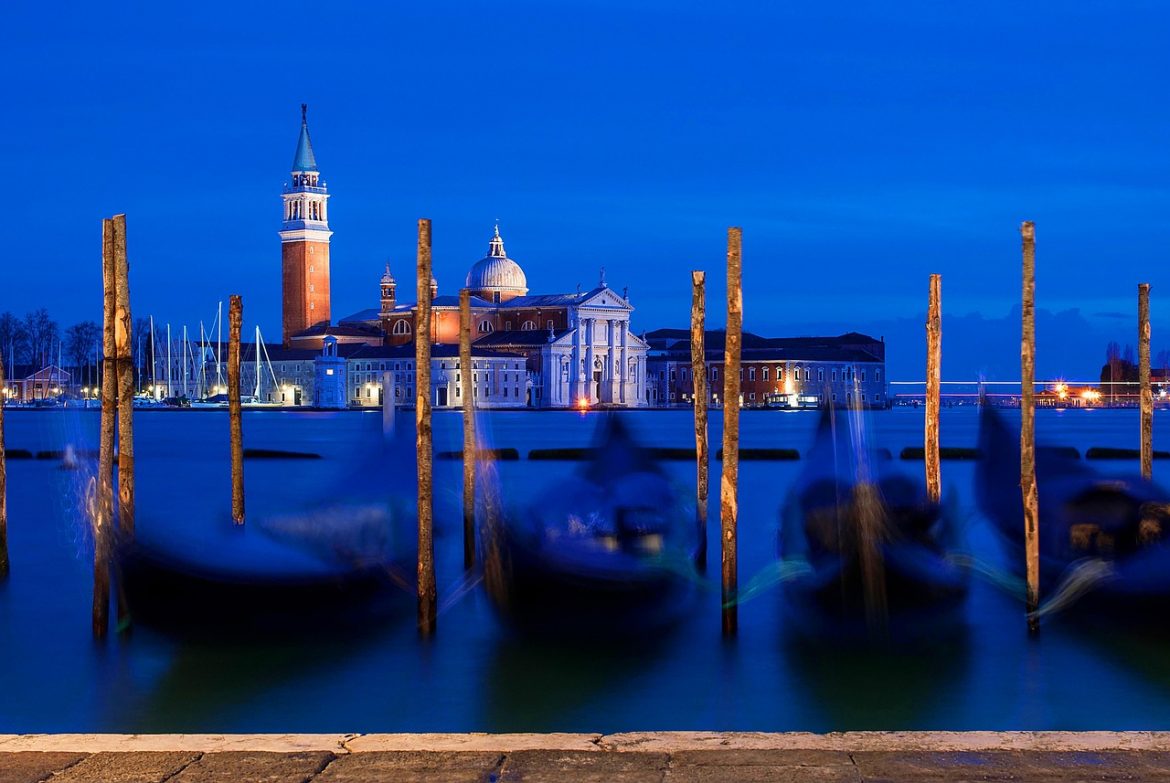
Afterwards, choose a final-light ritual: a rooftop drink, a quiet terrace on the water, or a pause facing San Giorgio Maggiore across the lagoon. If you can, reserve a rooftop terrace to take in the rooftops of Venice as dusk settles; it’s often the best view because it holds both the grandeur and the intimacy at once.
If schedules tighten, an elegant alternative is a vaporetto glide along the Grand Canal—simple, atmospheric, and surprisingly soothing after a busy day. Done together, it still feels crafted: you’re letting the city carry you, rather than chasing it.
Luxury day trip to Murano, Burano, and Venice.
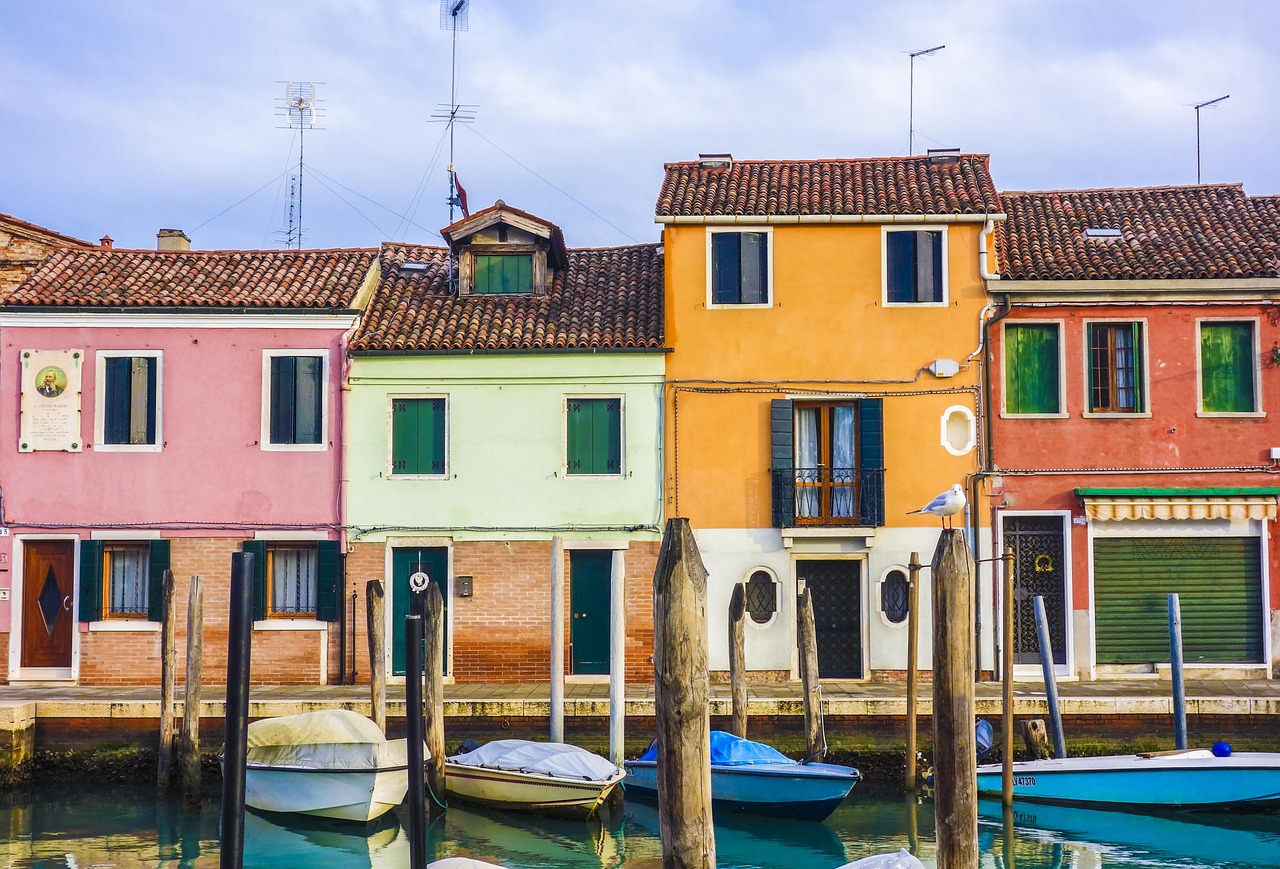
Murano, Burano, and Venice to make with your hands on an island day
When you’re ready to breathe beyond the main lanes, “Murano Burano islands of Venice day trip luxury” is your cue to slow down and open the horizon. The islands of Venice offer a different kind of beauty—less monumental, more intimate—and they pair perfectly with a late-morning departure and a planned return that avoids rushing. This is where you explore craft, colour, and daily life with a lighter touch.
Think of it as a refined day with three beats: a thoughtful atelier visit, a quiet lunch, and time to wander without an agenda. The boats skim the lagoon, and the city falls behind in a way that feels restorative rather than disconnected.
Murano glass with trusted ateliers
Murano is synonymous with glass, but the luxury lies in discernment. Choose trusted ateliers that demonstrate technique and provenance, and don’t be shy about asking where a piece was made—respectful shopping supports the craft. If a bargain feels too easy, it often is; mass-produced souvenirs can dilute the meaning of what should be a crafted object you’ll keep for years.
Seek pieces that feel contemporary yet rooted: clean forms, subtle colour, and a maker’s signature. The best studios make you feel welcome, not pressured, and offer the kind of expert explanation that turns buying into learning.
Burano colour, lace legacy, and a mask-making workshop
Burano is famously photograph-friendly, but it’s at its best when you drift beyond the first canal and uncover quieter corners. The colours are joyful, yet the mood can be surprisingly calm—especially if you step away from the busiest viewpoints. Burano’s lace legacy is part of its identity, and even a brief stop in a small shop can add texture to the day.
To create a Venetian memory in a hands-on way, consider a mask-making workshop—your chance to bring Venice into your own story. A family told us their children lit up as they painted and gilded their masks, learning tradition through touch rather than lectures. That shared creativity built connection and confidence, making the journey feel like something they had designed together, not simply consumed.
Cicchetti wine bars Venice Cannaregio Dorsoduro Teatro La Fenice
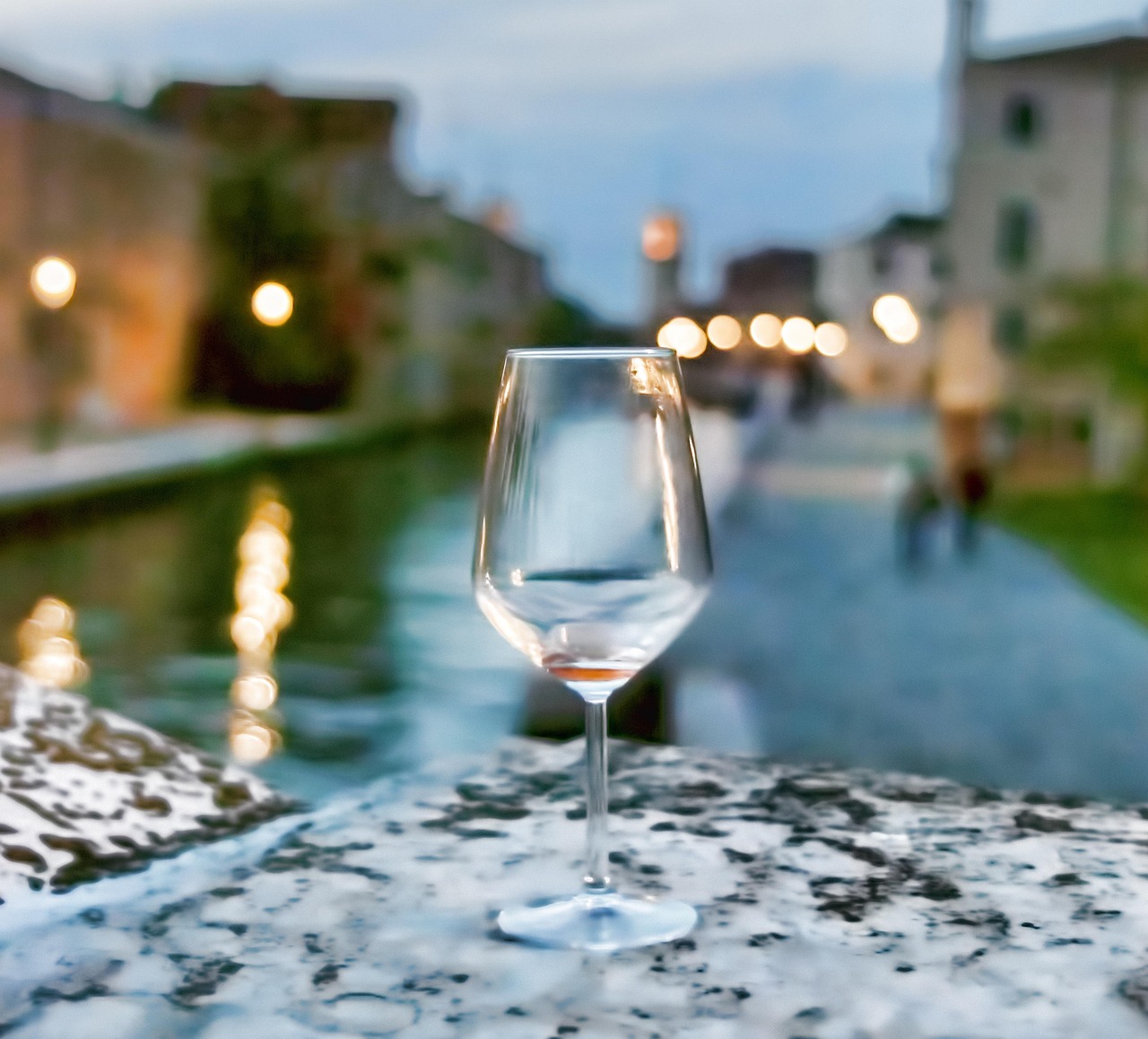
Cicchetti culture and elegant nights in Venice in Cannaregio and Dorsoduro
For evenings with texture, “cicchetti wine bars Venice Cannaregio Dorsoduro Teatro La Fenice” points you towards the city’s most satisfying pleasures: small bites, excellent pours, and music in a space that knows how to hold a room. Venice food is at its best when it’s curated rather than rushed—less about volume, more about quality, conversation, and trust in your own palate.
Begin with a curated cicchetti crawl through hidden alleys, where the food scene feels local, and the pace stays civilised. Order with confidence by choosing one or two bites per stop, then moving on—like a progressive tasting rather than a meal. Ask what’s freshest, and match it with a glass of wine; the staff usually guide you with quiet pride.
Cannaregio, Dorsoduro, and the Jewish Ghetto with care
For a more lived-in feel, explore Cannaregio and Dorsoduro, where evenings can be lively without feeling staged. In Cannaregio, take a respectful walk through the Jewish Ghetto to absorb the weight of history and the resilience of community; keep your voice low, and let the space speak. Later, you might hear locals—Venetians—chatting on a small campo, reminding you this is still a real city, not just a beautiful set.
In Dorsoduro, the waterfront feels open and airy, and it’s easy to add a calm pause near San Zaccaria on a more reflective route back. If you slip over to Giudecca island for a quieter stroll, you’ll often find a gentler pace with broad views across the water.
Spritz hour and Teatro La Fenice elegance
For aperitivo, go earlier than the peak—think pre-8 pm—so the mood stays seamless and tables are easier to secure. Order a spritz (an Aperol version is classic, and yes, one Aperol mention is enough), and treat it as a small ritual rather than a rush. For the most sought-after wine bars, make a reservation; a little planning is the difference between hovering and settling in.
Then dress for a signature night: a classical concert at Teatro La Fenice. Aim to arrive 20–30 minutes early, enjoy the interiors, and let the evening feel like a deliberate chapter of your trip rather than an add-on. It’s an expert-level way to experience Venice after dark—polished, atmospheric, and surprisingly moving.
If you’re collecting cultural hidden gems, add the Peggy Guggenheim Collection for modern art in a setting that still feels intimate, or pop into Libreria Acqua Alta for a whimsical, bookish detour. These are the moments that make a trip feel like a guide to the best of Venice—personal, layered, and quietly original. And if you’re deciding where to stay in Venice, this is also why location matters: the right hotels in Venice let you step into your evening rather than commute to it.
F.A.Qs: Best things to do in Venice, Italy
What shouldn’t I miss in Venice?
Make time for St Mark’s Basilica and the Doge’s Palace in San Marco, then balance the icons with one quieter neighbourhood wander in Cannaregio or Dorsoduro. Add one water moment—either a private gondola at sunset or a vaporetto ride along the Grand Canal—so you experience Venice from its natural viewpoint.
What time of year does Venice smell?
Venice can smell unpleasant on very hot, still summer days when water levels are low, and crowds are high, particularly in the busiest areas. Visiting in April to June or September to November usually brings fresher air, more comfortable temperatures, and a calmer feel across the city.
Is 3 days long enough in Venice?
Yes—three days is enough to see the major sights at a comfortable pace and still have time for slower pleasures like cicchetti, a concert, and a morning wander before the streets fill. The key is to pre-book one or two essentials and leave space for unplanned discoveries between them.
What is the number one attraction in Venice, Italy?
St Mark’s Basilica is often considered the number one attraction because of its extraordinary mosaics and the golden Pala d’Oro. With thoughtful timing and respectful dress, it can feel intimate rather than crowded—an experience that captures Venice’s artistry and history in a single place.
Experience Venice reflections, la serenissima
This final chapter is not about what you did, but what remains—an experience Venice gives quietly, then carries forward with you. Venice is one of those places that alters your sense of time: light sliding across water, footsteps on stone, the soft echo of a bell in the distance. Long after you’ve left, you may still remember the way a canal narrowed into shadow, then opened suddenly into brightness.
It’s often the small moments that stay closest. A hand on a cool bridge rail. The hush inside a basilica where your voice naturally lowers. The gentle choreography of boats passing as though they’ve always known where to go. Even a final glance from a vaporetto window can feel like a private farewell, as if the city is reassuring you that beauty doesn’t need to be chased.
Perhaps that’s the gift of la serenissima: it invites you to move with care, to notice what you might normally miss, and to let the day be shaped by attention rather than urgency. When you travel together—whether as a couple, a family, or friends—those shared pauses become a kind of support. You trust each other more because you’ve practised being present in a place that asks for gentleness.
And on the journey home, what you carry isn’t a checklist. It’s the last glimpse of Venice in your mind’s eye—water catching light, a turning corner, a quiet certainty that some cities don’t end when you leave. They simply wait, somewhere inside you, for curiosity to unfold again.