Post Contents
- Florence Italy Museums: How to Choose What Matters Most (and Still See the Best Museums in Florence)
- Uffizi Gallery: Botticelli, works by Leonardo da Vinci, and the emotional spark
- Accademia Gallery: Michelangelo’s David and why a guided tour of the Accademia helps
- Pitti Palace and Boboli Gardens: a slower open-air afternoon beyond the big museums
- Palazzo Vecchio and the Medici Chapels: power, devotion, and detail near San Lorenzo
- Opera del Duomo Museum and Santa Maria Novella: art and architecture that explain the Duomo
- The Bargello and the Bardini Museum: sculpture, craft, and a collector’s eye
- Lesser-known museums in Florence: Stibbert, science, Innocenti, and San Marco
- Museum Tickets, guided tours, and a seamless Florence plan (including the Vasari Corridor)
- What Florence leaves with you after the museums: reflection, memory, and return
- F.A.Qs: Florence Italy museums planning essentials
Florence Italy Museums: How to Choose What Matters Most (and Still See the Best Museums in Florence)
Museums in Florence: choose what matters most in the city of Florence—masterpieces, craft, or quiet rooms
This florence italy museums guide starts with a reassuring truth: you don’t need to visit all the museums to feel the city’s genius. The city of Florence is a cultural jewel with 70 museums, yet the historic centre is compact enough to navigate confidently—especially for a first visit in Florence when you focus on a short, meaningful list.
For some travellers, “best” means the essential masterpieces; for others, it means quieter rooms, craft, or a museum that feels like a private world. Think of Florence museums as experiences on a spectrum—from grand art museums to intimate art galleries—each offering a different kind of connection and pace.
Your first 5 museums to visit when visiting Florence for the classics
If this is your first time and you want the best museums in Florence without overplanning, these 5 museums are a beautifully balanced foundation—important museums that cover painting, sculpture, civic history, and sacred craftsmanship.
- Uffizi Gallery for renaissance art and emotional, once-in-a-lifetime encounters
- Accademia Gallery for Michelangelo and the power of scale
- Pitti Palace for court life, the palatine gallery, and an open air museum afternoon in the Boboli Gardens
- Palazzo Vecchio for the city’s political heartbeat and dramatic rooms
- Opera del Duomo Museum for sculptural brilliance and cathedral context
Design your day like a designer would: begin earlier for softer light and fewer decisions, then leave space for a long lunch and a gentle reset. Comfortable footwear matters—Florence is best on foot, and museum floors and stones can be uneven in places.
Guided tours, calm etiquette, and protecting the works of art
When time is limited, guided tours can create a seamless rhythm: fewer decisions, smoother entry, and clear storytelling when rooms feel busy. Inside galleries, keep voices low, avoid flash, and give others space; that small care protects the works of art and keeps the atmosphere calm for everyone.




Uffizi Gallery: Botticelli, works by Leonardo da Vinci, and the emotional spark
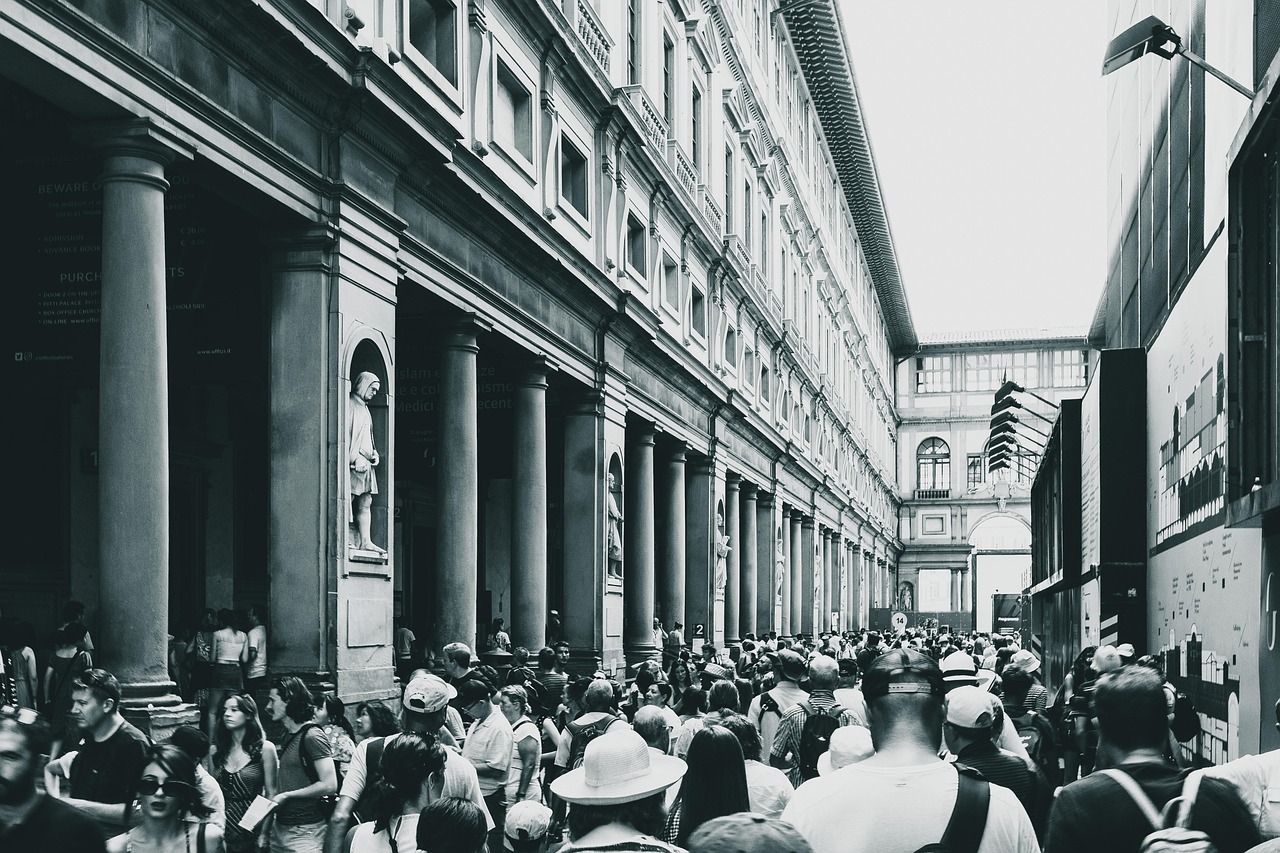
Uffizi Gallery: Botticelli, Leonardo, and the emotional spark inside Florence’s most iconic galleries
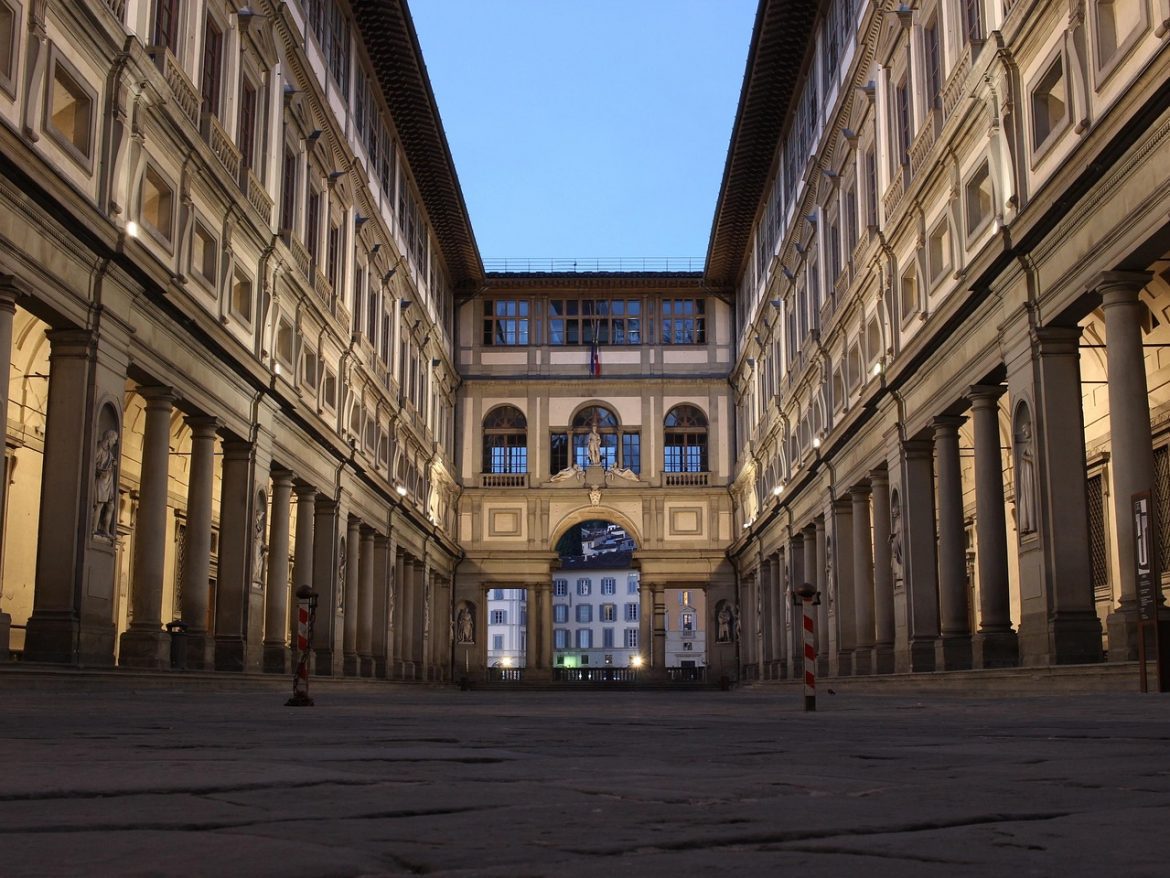
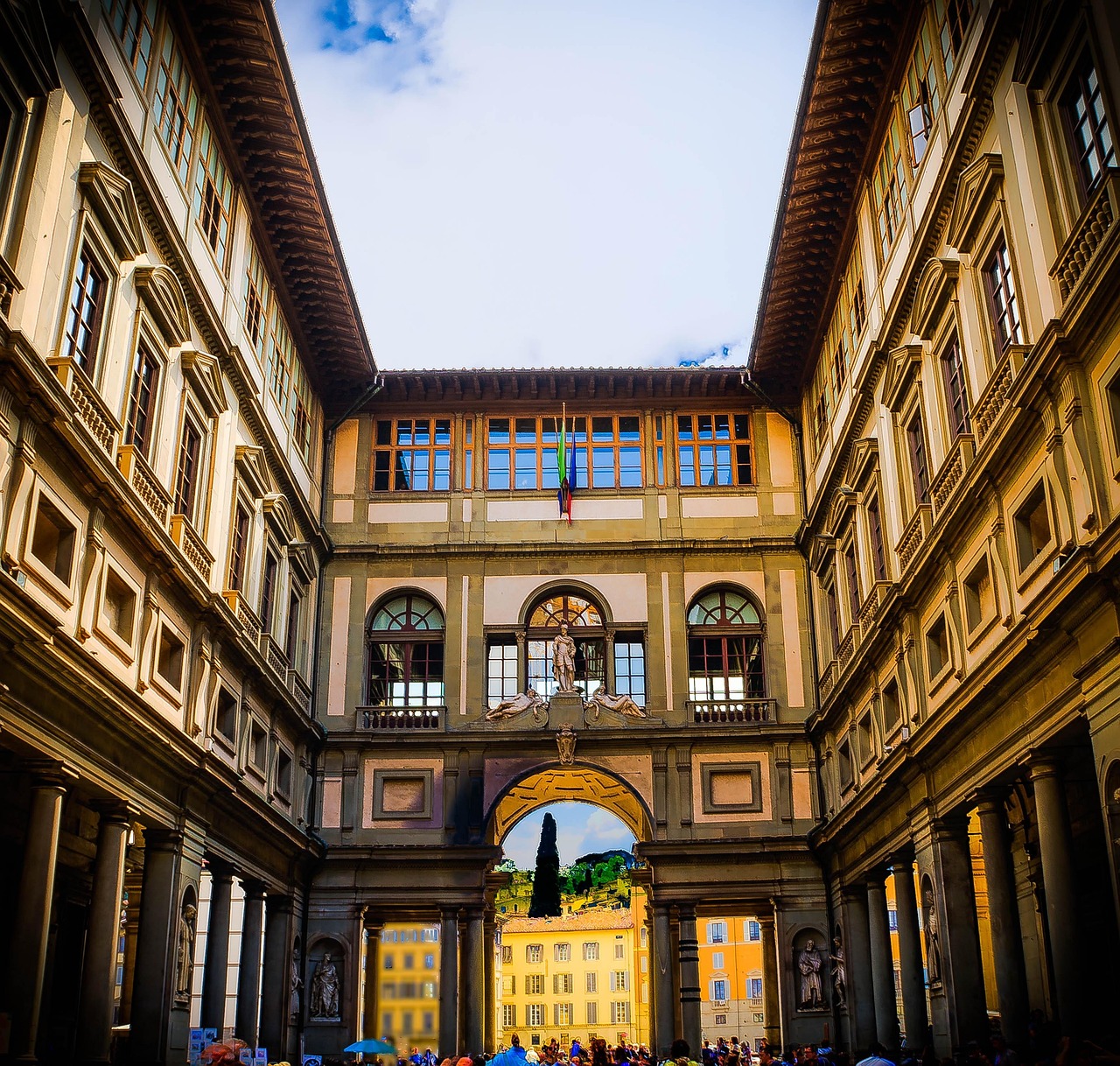
For many travellers, the Uffizi Gallery is the key to unlocking one of the world’s essential art museums in Florence. Among the museums of Florence, the Uffizi is the flagship: a place where Florentine art moves from gold-ground devotion to humanist brilliance in a few unforgettable rooms.
Yes, you’ll find works by Leonardo da Vinci, but the magic is also in the journey—the way the collection lets you uncover how artists learned to paint skin, silk, and sky with startling confidence. If you want to see the best of Italian art in one concentrated morning, this is where to begin—and where to visit the Uffizi with purpose.
Standing before Botticelli in the Uffizi Gallery
An art lover once told me that standing before Botticelli’s The Birth of Venus felt oddly intimate, like meeting the past without a barrier. The room was busy, yet the painting created its own hush—an emotional spark that made history feel present and personal rather than academic.
If you can, pause here and let your eyes settle. Notice the rhythm of lines, the softness of colour, and the courage of myth in a city that once debated faith and beauty in the same breath.
Timed tickets, route planning, and avoiding the queue
Inside, the busiest pinch points are the most famous rooms—so choose a timed entry that gives you breathing space. Book online, arrive a little early, and walk in with calm confidence; the right slot is often early morning or late afternoon, when the queue eases and you can explore without feeling rushed.
Quick flow tip: commit to a handful of rooms, then return to one favourite and look slowly. This is one of those museums in Florence where doing less—together with a little expert context—often feels more luxurious than trying to do everything.
Accademia Gallery: Michelangelo’s David and why a guided tour of the Accademia helps
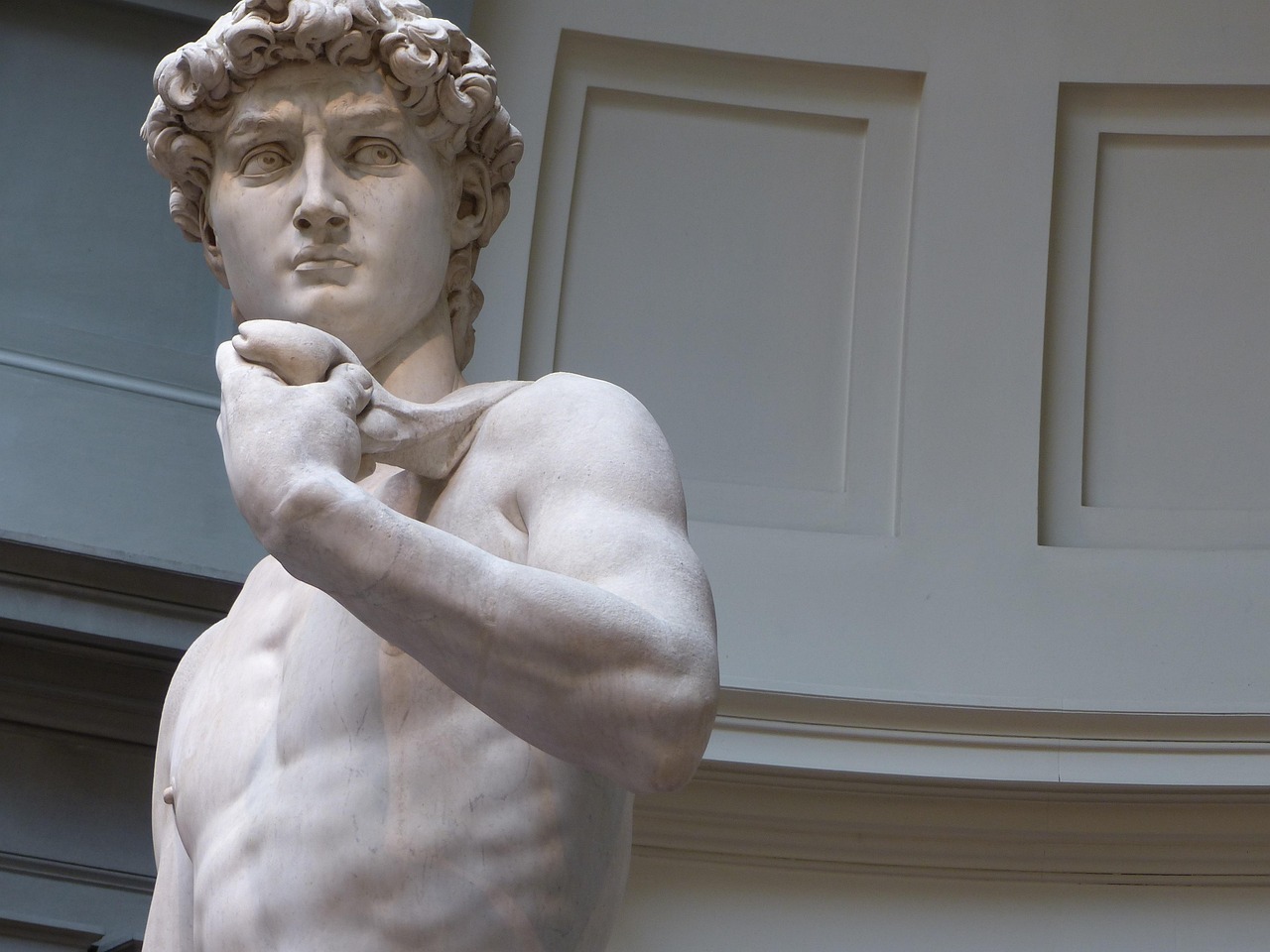
Accademia Gallery: Michelangelo, David, and a tour that makes the visit smoother
The Accademia Gallery is a must among museums in Florence, and Michelangelo’s David remains one of Europe’s most powerful encounters. One visitor shared how the first sight of the statue felt like stepping back into Renaissance Florence—suddenly, art history wasn’t a subject, it was a living presence.
Even if you’re not a sculpture devotee, the impact is immediate: the scale, the poise, and the quiet tension in the marble. This is one of the rare best art museums where a single work can genuinely reshape your sense of what human hands can create.
Tour of the Accademia Gallery: insight, timing, and fewer decisions
A focused visit with an excellent guide (or a well-designed audio guide) brings Michelangelo’s process into focus—especially the unfinished figures, where you can see forms emerging as if the stone itself is waking. You’ll also gain context for how the sculpture’s details mattered to civic pride and ideals of the time, which makes the room feel less crowded in your mind.
- Book timed entry in advance for a calmer arrival and fewer choices on the day—especially when you’re visiting the Accademia Gallery in peak season.
- Dress in layers; climate control is moderate inside, while Florence can be hot outside.
- Carry water and keep your pace gentle—this visit is short but emotionally intense.
A mini looking guide for Michelangelo’s David
As you stand before the masterpiece, let your eyes travel slowly: the proportion of head and hands, the twist through torso and hips, the focused gaze. Look for the balance of strength and vulnerability—an emotion held in stillness. Speak softly, avoid flash, and allow others their moment too; this is shared wonder, and it deserves care.
Pitti Palace and Boboli Gardens: a slower open-air afternoon beyond the big museums
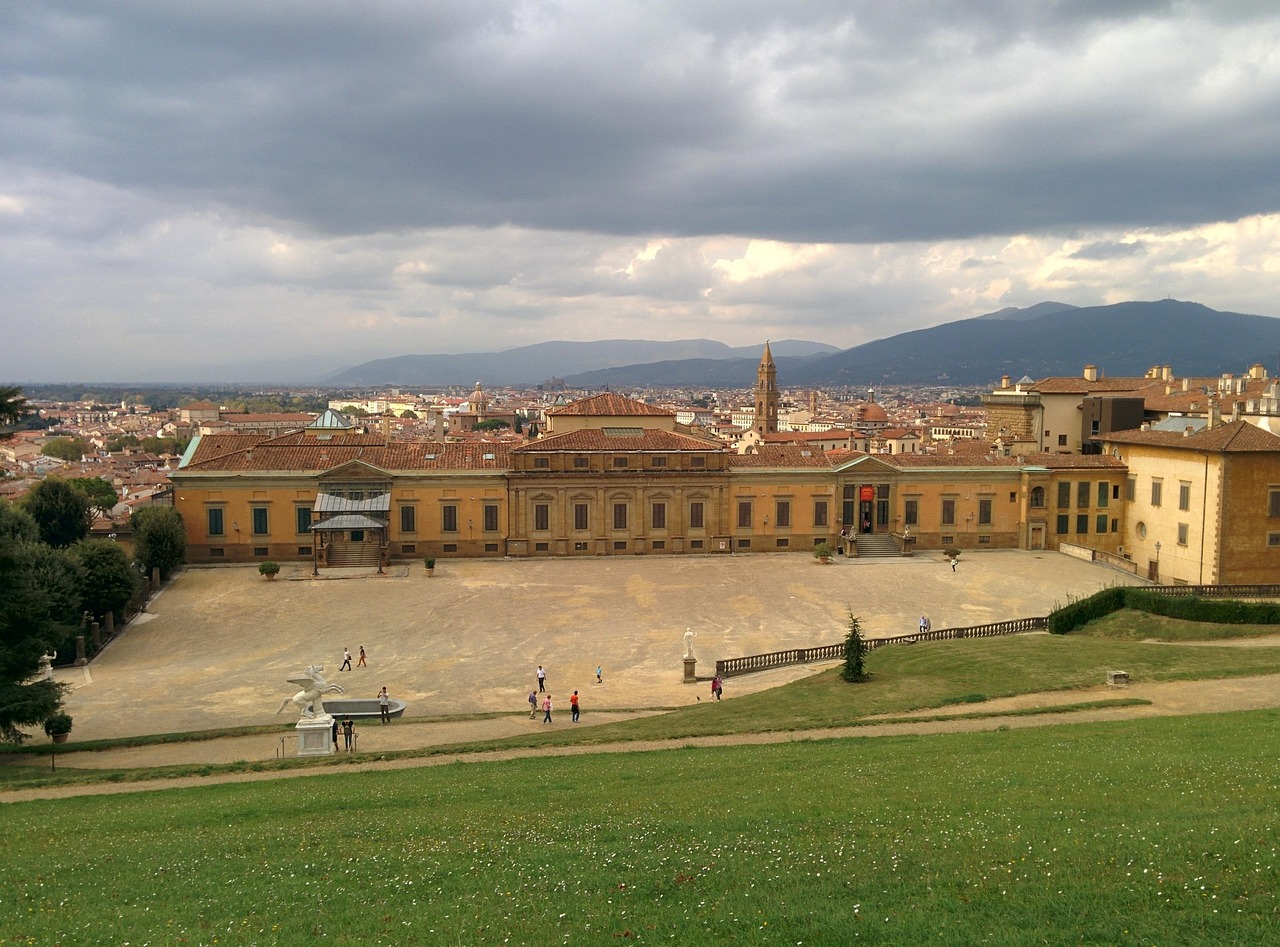
Pitti Palace and the Boboli Gardens: an open-air afternoon of court life and calm
Pitti Palace is your cue to imagine a slower, more atmospheric side of Florence. The former Palazzo Pitti offers a layered museum experience: art, court life, and collecting wrapped in the grandeur of a historic residence of the Medici.
The interiors feel ceremonial, yet never sterile; the rooms hold centuries of taste, power, and collecting. If you’ve already done the Uffizi Gallery and Accademia Gallery, this is a beautiful way to widen the story—especially if you want more than Renaissance painting alone.
Boboli Gardens as an open air museum with space to exhale
Step outside and the mood changes. The Boboli Gardens are an open air museum of sculpture, cypress shade, and long views—an antidote to the bustle of the centre. A traveller once described finding tranquillity here as the perfect contrast to crowded streets: each path felt like permission to breathe again.
Practical comfort matters: paths can be uneven, and the sun can be strong, so choose supportive shoes and carry sun protection. Pace the afternoon with a café stop and a slow wander; high-end travel is as much about how you feel as what you see.
Optional modern art within the wider complex
If you enjoy a broader timeline, look out for modern art within the wider complex—an elegant reminder that Florence is not frozen in time. It’s a living city, still collecting, still evolving, still ready to be explored with curiosity.
Palazzo Vecchio and the Medici Chapels: power, devotion, and detail near San Lorenzo
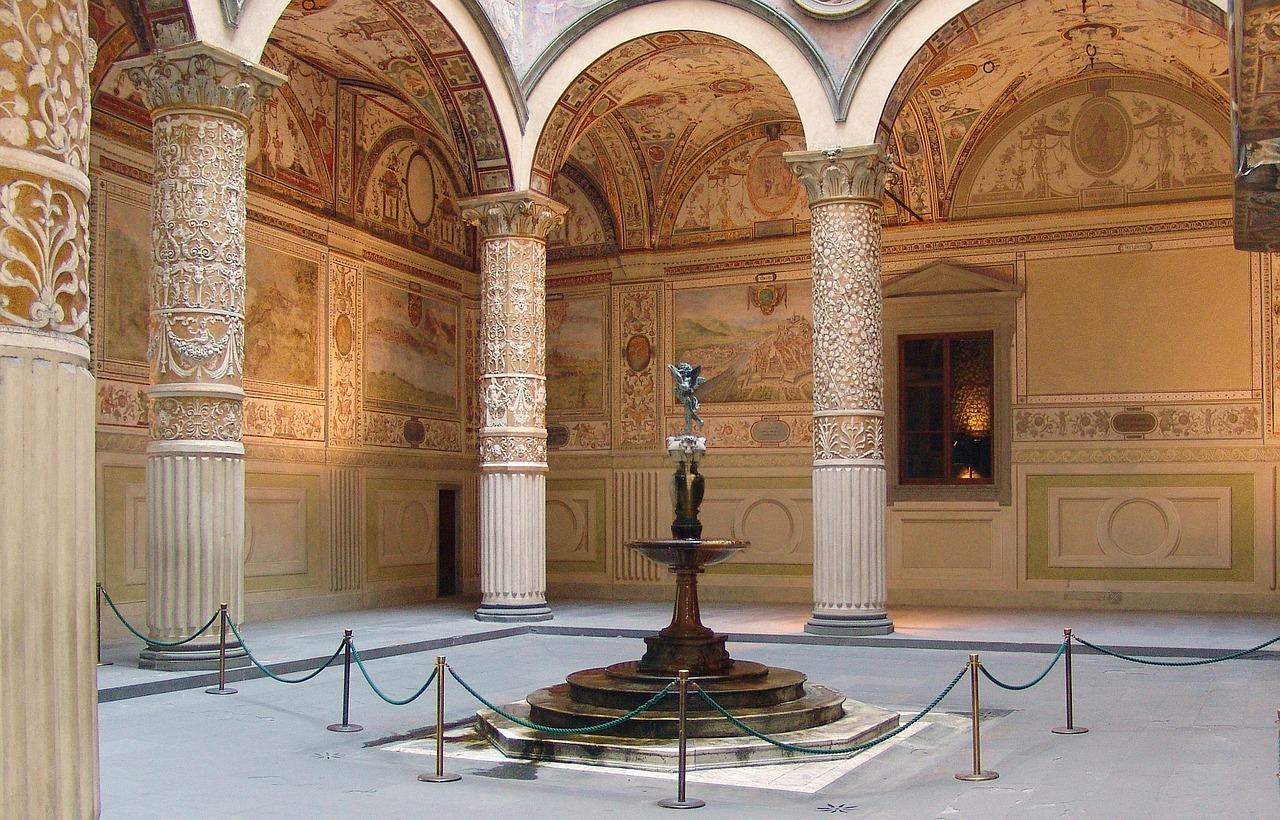
Palazzo Vecchio and the Medici Chapels: where politics, devotion, and craft meet
Palazzo Vecchio is where Florence feels most immediate. Its fortress-like presence carries the middle ages into the Renaissance, and the rooms still hum with political theatre, diplomacy, and the city’s fierce pride.
To explore it well is to understand that art here was never merely decoration—it was persuasion, identity, and legacy. And no dynasty shaped that story more than the Medici family, whose patronage and ambition still frame how we see Florence today.
Medici Chapels: the museum of the Medici Chapels and the Chapel of the Princes
The Medici Chapels offer a quieter counterpoint. In the museum of the Medici Chapels, the Chapel of the Princes glows with an almost solemn magnificence, steps from the church of San Lorenzo. Keep your tone—and your pace—reverent; it’s a place that holds devotion, grief, and grandeur in equal measure.
You’ll also find spaces designed by Michelangelo, where architecture becomes message: symmetry, weight, and shadow speaking of ambition and belief.
Pairing suggestion with Santa Croce for human stories
If you want Florence’s narratives to feel more human, pair this chapter of power with Santa Croce. Between civic rooms and memorial quiet, the city’s genius becomes less abstract and more personal—artists, patrons, and ordinary lives held together in stone.
Opera del Duomo Museum and Santa Maria Novella: art and architecture that explain the Duomo
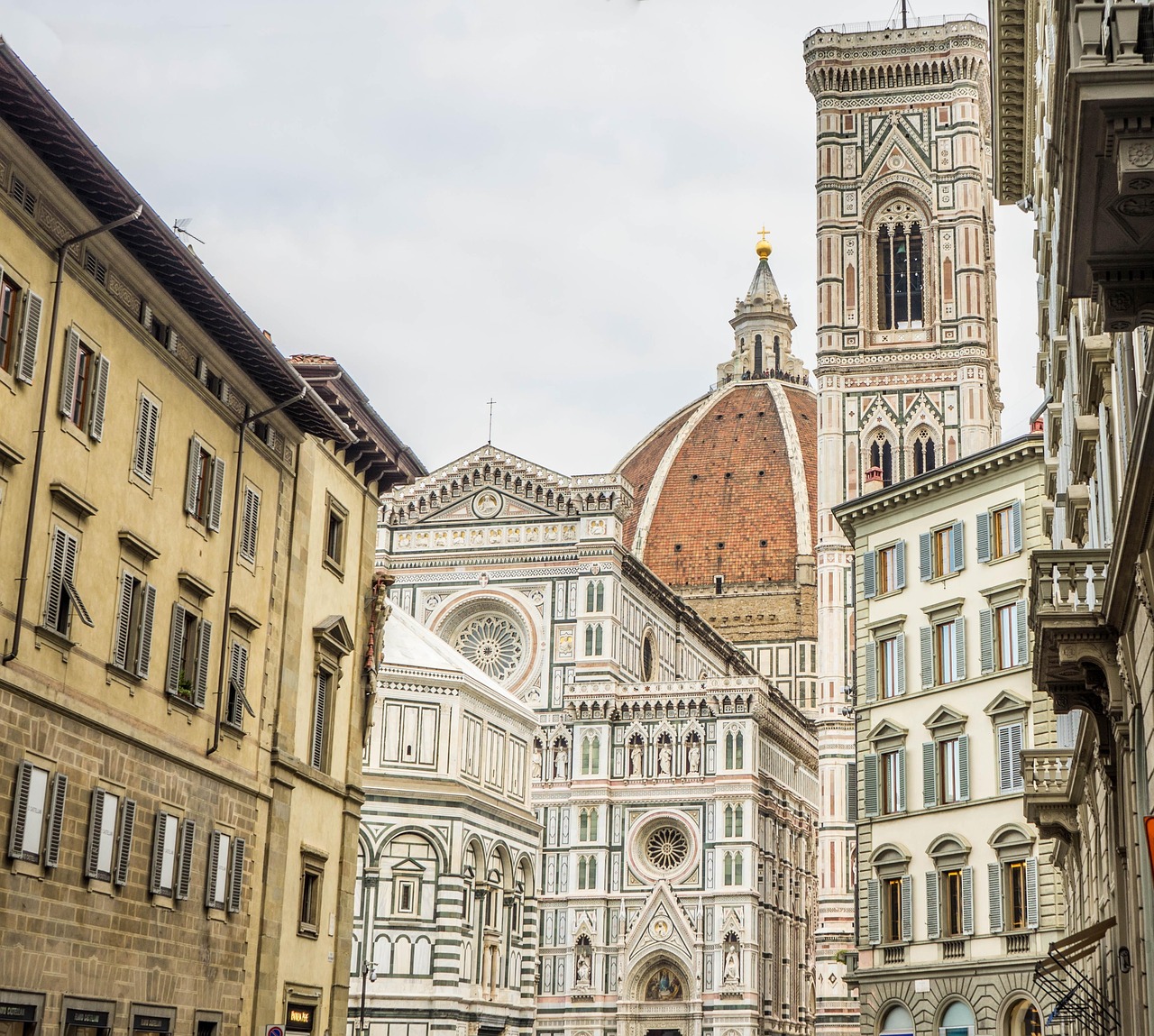
Opera del Duomo Museum and Santa Maria Novella: art, architecture, and quiet beauty
This chapter gives the cathedral complex its true meaning. The Opera del Duomo Museum is essential not because it offers “views”, but because it reveals craft: sculpture, tools of devotion, and the ambition behind some of the finest examples of Renaissance making tied to the Opera del Duomo.
Check official opening hours before you go, and expect timed-entry realities in peak season. The most seamless approach is to decide your priorities in advance, confirm tickets available for your preferred slot, and arrive with a little time to settle.
A reading guide inside the Opera del Duomo Museum for art and architecture
As you explore, look for materials and technique: marble that seems to soften into skin, precise carving that catches light, and the way scale is used to move the heart. This is art and architecture working together—an expert lesson in how Florence communicated faith, civic pride, and innovation.
- Go earlier for a calmer experience and clearer viewing.
- Hydrate and layer up; it may be warm outside even when galleries feel cool.
- Speak softly and avoid flash photography to help preserve delicate surfaces.
Santa Maria Novella as a quieter, elegant pause
After the museum, walk to Santa Maria Novella for an elegant, quieter stop. It rewards slow looking—an ideal moment to reset your energy so the rest of the day stays calm, crafted, and genuinely pleasurable.
The Bargello and the Bardini Museum: sculpture, craft, and a collector’s eye
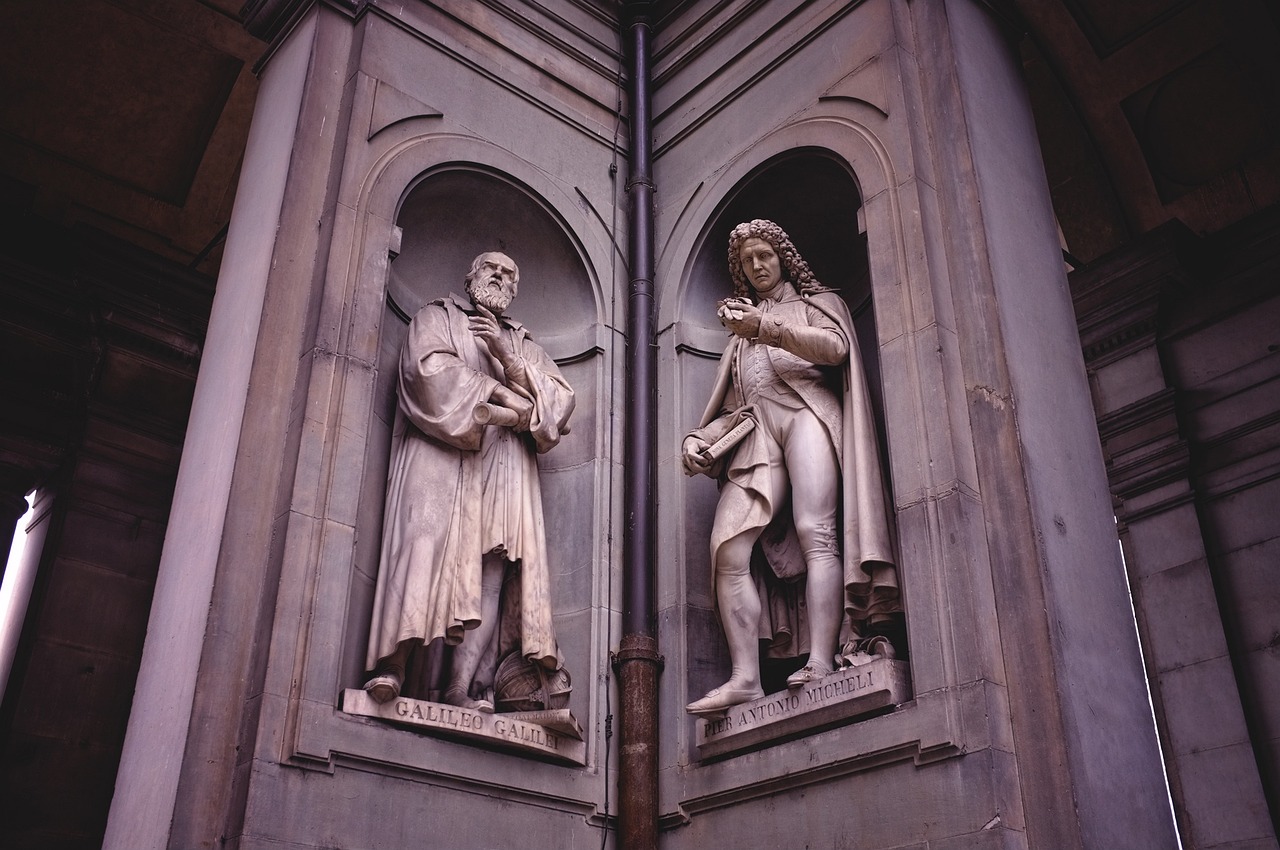
The Bargello and the Bardini Museum: craft, colour, and sculpture in smaller rooms
This pairing is your invitation to go beyond the big names and uncover Florence’s confidence in craft. The Bargello Museum feels like a national museum for sculpture lovers—a museo where form and shadow are the main event, and where the city’s workshop culture becomes vivid.
In the Bargello, look closely at how artists shaped movement and emotion into stone and bronze. The scale can be more intimate than the Accademia, but the artistry is no less commanding—and the rooms reward patient looking.
From the Bargello to the Bardini Museum’s collector world
The Bardini Museum, shaped by Stefano Bardini’s taste, can feel like stepping into a collector’s private realm of colour, textiles, and luminous surfaces. It’s less about a single headline masterpiece and more about atmosphere—the pleasure of art pieces placed with a decorator’s eye.
Opificio delle Pietre Dure and Florentine craftsmanship
If craftsmanship is your love language, add the Opificio delle Pietre Dure to your Florence plan. It’s a window into inlay, restoration, and the meticulous care that keeps masterpieces alive—deeply local, and quietly luxurious.
Lesser-known museums in Florence: Stibbert, science, Innocenti, and San Marco
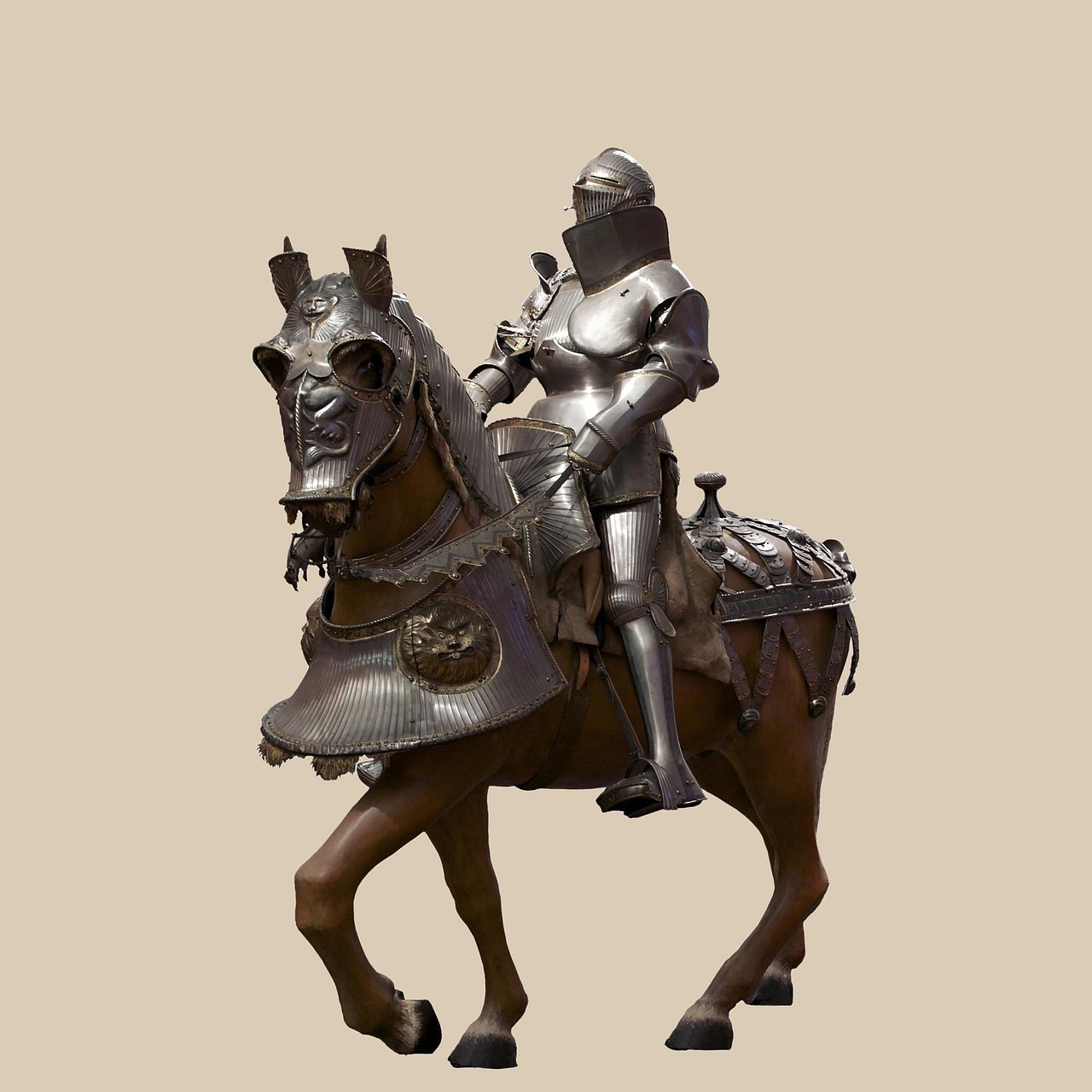
Lesser-known museums in Florence: armour, science, human stories, and quiet corridors
lesser-known museums are for travellers who have already met the classics and want a day that feels more local, surprising, and spacious. These are the museums in Florence that change the lens: armour and costume and fashion, science and invention, human stories, and contemplative stillness.
It’s also where you can design a gentler pace, with fewer crowds and more room for curiosity. If you’re planning a trip with variety in mind, this chapter adds depth without pressure—perfect when the big names feel like enough.
Stibbert Museum and Galileo Museum for unexpected discovery
The Stibbert Museum is atmospheric and richly detailed—an evocative shift from Renaissance painting into armour, textiles, and storytelling across cultures. Then the science collections offer a counterbalance, reminding you Florence also shaped the modern world through observation and daring ideas.
- Build in time for travel between sites; these stops can be slightly beyond the central cluster.
- Choose one anchor and let the rest follow your energy—especially if you’re balancing smaller sites with the big museums.
- Consider a small specialist visit like a leonardo da vinci interactive museum if you’re travelling with teens or simply love hands-on learning.
Innocenti: visiting with care, then ending with stillness
The Innocenti and the Innocenti Museum are deeply moving—approach with respect, and give yourself time afterwards. It’s a human chapter of Florence that deserves quiet attention and emotional space.
Close with San Marco: serene corridors and art that feels like a whisper. Between big statements and small moments, you’ll find a different kind of luxury—stillness you can carry with you.
Museum Tickets, guided tours, and a seamless Florence plan (including the Vasari Corridor)
Museum tickets and guided tours: build a calm plan for visiting Florence
museum tickets and smart timing are where your trip becomes seamless. Start with the essentials: timed entries for Uffizi and Accademia, then add Palazzo Vecchio depending on your interests. A city pass or combined ticket can be helpful if it matches your exact museums to visit; otherwise, individual bookings often give more control—especially for the biggest museums.
Queue management is a quiet form of luxury. Choose early slots or late afternoon entries, and design breathing space between big museums so your day feels supported rather than stacked.
Calendar pitfalls, opening hours, and what’s closed on Mondays
Always confirm seasonal opening hours on official sites before you lock anything in. Some venues are closed on Mondays, while others may be open on Mondays; this can change across the year, and special closures happen. Also note that some smaller sites are closed on Tuesdays, so keep one flexible day for the less predictable stops and your best tips for visiting without stress.
When guided tours are worth it and the Vasari Corridor dream
Guided tours are most valuable when a site is complex, time is tight, or you want expert storytelling with a calmer pace—private options add comfort, clarity, and confidence. If the vasari corridor is accessible during your dates, treat it as an aspirational thread connecting power, movement, and art; availability shifts, so trust current guidance when you plan.
If you’d like support designing a crafted route that matches your tastes, you can explore our Trip gallery for inspiration.
What Florence leaves with you after the museums: reflection, memory, and return
After a day among the museums in Florence, the itinerary softens into something quieter. After you’ve stood before Michelangelo in marble, or met Botticelli’s gaze in the Uffizi, what remains isn’t a checklist. It’s a feeling: a hush in the chest, a subtle shift in how you notice light on skin, or the patience in a carved hand.
You may find yourself remembering contrasts more than highlights: grand rooms and small courtyards, the contemplative calm of San Marco, and the open sky of the Boboli Gardens. Together, they form a private map of the city—one made of atmosphere, not directions.
And perhaps that’s Florence’s most generous gift. It doesn’t demand that you see everything, only that you feel one thing deeply, with trust in your own pace and care for your own attention. Long after you’ve left, you may still catch yourself looking at the world a little differently—ready to see the best in small details, and wondering what quiet beauty is waiting to be uncovered next time.
F.A.Qs: Florence Italy museums planning essentials
Which museums are must see in Florence?
For most travellers, the must-see Florence Italy museums are the Uffizi Gallery and the Accademia Gallery, then Pitti Palace for its collections and the Boboli Gardens. Add Palazzo Vecchio for civic history and the Opera del Duomo Museum for cathedral context. Book timed entry for the Uffizi and Accademia to keep your day seamless and calm.
What is the famous museum in Florence?
The most famous museum in Florence is the Uffizi Gallery, one of the world’s essential art museums for Renaissance painting. It’s celebrated for masterpieces including Botticelli and paintings by Leonardo da Vinci. To avoid long waits, reserve tickets online and choose an early morning or late afternoon entry time.
What must not miss in Florence?
Don’t miss seeing Michelangelo’s David at the Accademia Gallery, and allow time for one unhurried room in the Uffizi Gallery for a deeper, more personal connection. If you want a contrasting mood, the Boboli Gardens behind Pitti Palace offer a restorative open-air pause. Comfortable footwear and layers help you stay comfortable across the day.
What are the top three attractions in Florence?
Many visitors rank the Uffizi Gallery, the Accademia Gallery, and the Duomo complex as the top three attractions in Florence. The Opera del Duomo Museum adds essential context to the cathedral’s art and craftsmanship. For a high-end pace, schedule timed entries, avoid peak midday crowds, and consider guided tours when you want expert storytelling and fewer decisions.