Post Contents
- Villa Borghese Rome Italy: garden essentials, the best entrance, and easy ways to begin
- Borghese Gardens walking route: loop ideas through Villa Borghese to hidden corners
- Borghese Gallery timed entry in Roma: book one ticket and enjoy the gallery
- Bike rental and lake rowing in Villa Borghese: wheels, views, and an easy rhythm
- Pincio Pincian Hill viewpoint Villa Borghese itinerary: terrace views and a nearby hotel
- What stayed with me after Villa Borghese
- F.A.Qs: Villa Borghese Rome Italy
Villa Borghese Rome Italy: garden essentials, the best entrance, and easy ways to begin
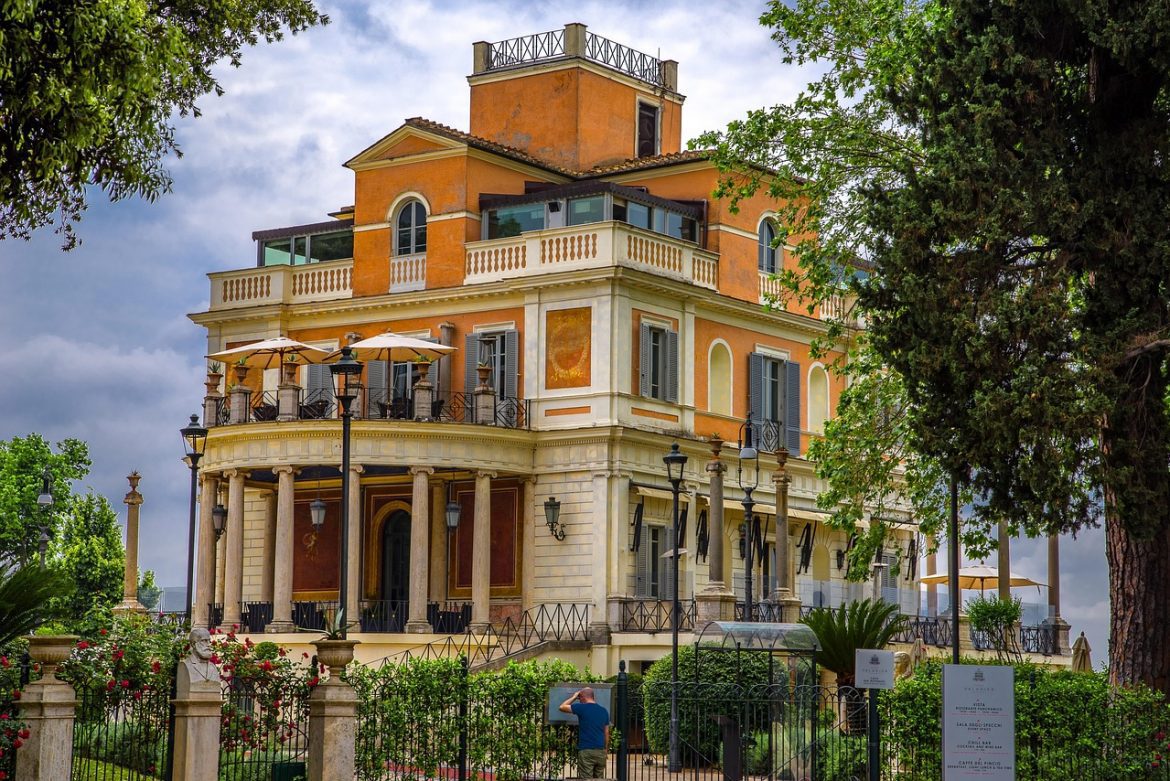
Villa Borghese essentials: entry points, first steps, and a calmer start
For first-timers, planning villa borghese rome italy can feel oddly vague because this vast green space doesn’t start with one obvious gate. Villa Borghese reads more like a giardino stitched into the city, with multiple ways in depending on what you want first: viewpoints, a museum slot, or wide cycling lanes. Think of it as a landmark you can enter on your own terms, then let the day unfold at your pace.
Best entry points from the Spanish Steps, Popolo Square, and Flaminio (metro)
Coming from the Spanish Steps (Spagna), walk up toward Viale Trinità dei Monti and approach the park edge without rushing; it’s a gentle rise that feels quietly elegant. If you’re starting near piazza del popolo, slip in from the terrace side with Via del Corso behind you and the city suddenly feels wider. From the Flaminio side, the metro at Flaminio keeps logistics simple—perfect if you’d rather save your energy for the Borghese Gardens paths and viewpoints.
Your calm 10-minute walk to the first fountain: a simple orientation
Here’s a simple 10-minute walk reset: step inside, follow a main viale straight until the street noise softens, then keep going until you spot the first fountain. Pause there, breathe, and choose your mode—walking, cycling, or a mix. If you’re riding, start with the broadest avenues first, then experiment with smaller paths once your confidence is up.
Comfort matters, especially in summer: look for a toilet near the busiest areas, refill at public taps, and take shade under umbrella pines at the hottest hour. A practical tip for heat is to slow down rather than fight it—Villa Borghese rewards a measured pace. Local etiquette is part of the park’s care: respect quieter corners, don’t pick flowers, and always use bins so the setting stays pleasant for everyone.
A quick history hook makes the layout feel more meaningful. Villa Borghese began as a noble estate shaped by Cardinal Scipione Borghese, whose villa commission aimed to match an illustrious art collection with pleasure grounds. Work began in 1606 under architect Flaminio Ponzio, later continued by Giovanni Vasanzio; the family line is often told through figures like Marcantonio and Camillo, with later names such as Mario and Francesco appearing in the broader Borghese story. As you wander, you may notice dates on plaques and guideboards—1621 and 1633—that hint at the site’s long timeline and layered heritage, rooted in an italian tradition of villa-making that reaches back to the xvi-century culture of city-edge ville. By 1903 it had become a public park, and later 19th century landscaping helped the whole place feel both designed and beautifully free.




Borghese Gardens loops for calm strolls and hidden corners
If you’re searching for a “Borghese Gardens walking route”, it helps to think in loops rather than straight lines. The villa borghese gardens in rome are expansive, and a loop keeps the day feeling seamless instead of scattered. Choose a short circuit for a restorative wander, or a longer one when you want to explore with more momentum.
Two loop ideas through avenues, viewpoints, and the Meridiana (della meridiana)
Short loop (60–90 minutes): stay on the broader avenues, letting the canopy guide you toward a viewpoint, then circle back without checking maps every five minutes. You’ll pass the meridiana area (often referenced as della meridiana), a quietly photogenic pocket that makes everything slow down on purpose. This is ideal before a museum time slot because it lets you move without draining your energy—an easy way to curate your day.
Long loop (2–3 hours): branch into smaller paths, then return to a main viale whenever you want to re-orient without stress. Aim for Parco dei Daini for a wilder feel, then continue toward a Diana reference point—often a statue detail that makes a refined photo stop. This longer route is where the park’s allure shows up: you’re still in the city, yet it can feel wonderfully removed.
- Adventure-seeker pacing: alternate wide avenues with one “mystery turn” down a smaller lane.
- Best photo rhythm: stop briefly, shoot once, then keep moving so the day stays alive.
- Quiet confidence: if you feel turned around, step back to a main path and reset with the flow.
Casina stops, Casina di Raffaello, and Bioparco with the Fortezzuola playground
High-end travel doesn’t have to mean hushed seriousness; it can be playful too. Casina di Raffaello is a warm, family-friendly stop, and nearby playground areas keep little ones happy without breaking your stride—the Fortezzuola zone is often a favourite for a quick reset. If you want an optional extension, Bioparco is close enough to fold in without hijacking the day; think of it as an “if the mood is right” add-on rather than a must.
One early-morning story stays with me: at dawn, a solo traveller watched locals—Giulia, Francesco, and a smiling Mario among them—practising tai chi beneath the trees. It felt deeply romano, an everyday ritual in Roma, yet still welcoming to an outsider, as if the park had a calm routine that could hold you while you found your own pace.
Borghese Gallery timed entry in Roma: book one ticket and enjoy the gallery
Timed-entry planning for the gallery and museum visit
Timed entry is the single most important move if you want your visit to feel crafted rather than chaotic. Numbers are limited, so book ahead and build your walk around the time slot; that way you arrive calm and leave inspired. There is an entry fee, so it’s worth planning a gentle pre-visit stroll and a slower decompression afterward.
Galleria Borghese highlights: Bernini sculpture, Caravaggio, and Baroque intensity
Inside Galleria Borghese, Bernini is the emotional centre; his sculpture can feel like it’s breathing. Standing before Apollo and Daphne has made more than one visitor feel transported, as if the marble is turning soft in front of your eyes. Pair that with Caravaggio’s dramatic light, and you get a concentrated lesson in baroque power within a compact, high-impact museum.
How to pace the museum: audio guide strategy and room-by-room flow
If you tend to rush, try moving room by room and choosing one work in each space for a longer pause. You’ll absorb more, and the experience will feel personal rather than performative. An audio guide (or a well-made app) adds context without needing to join a large group, and it helps the narrative stay coherent even when rooms are busy.
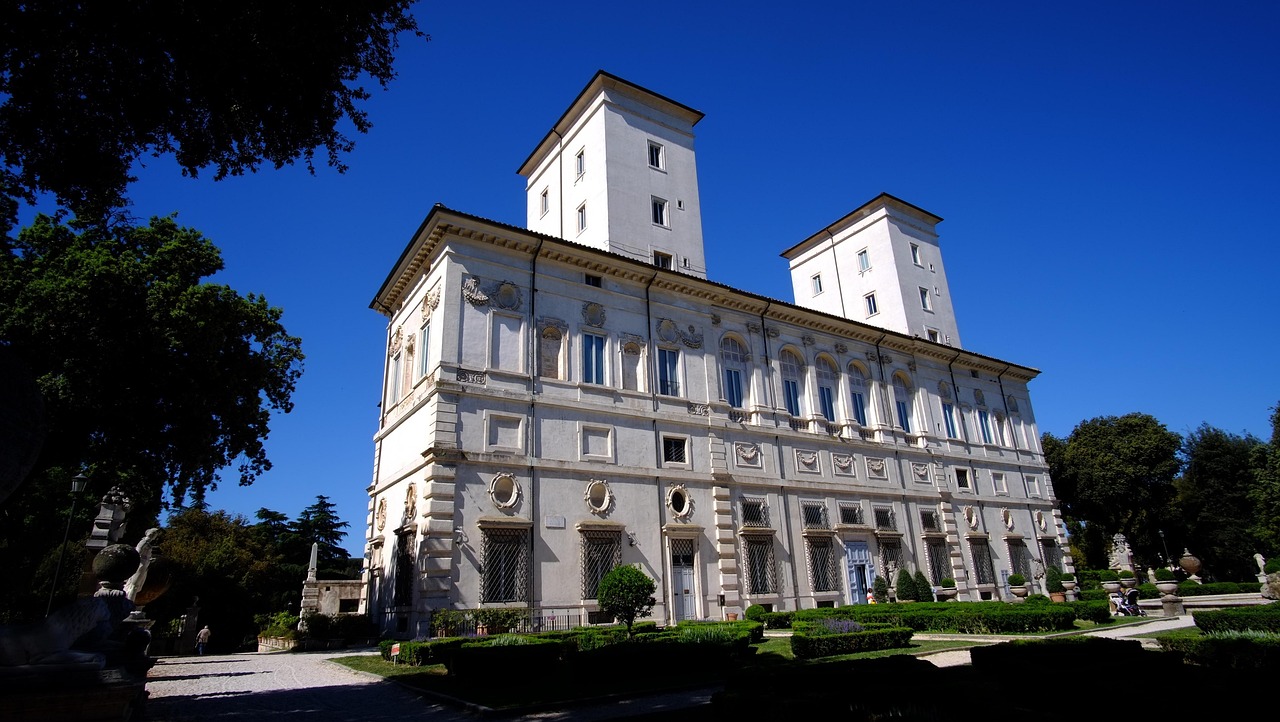
The setting matters too: the collection sits within the Casino Nobile, where architecture and art read as one story, with later neoclassical refinements linked to Antonio Asprucci. Each visitor gets a limited window, so keep transitions smooth and save your deeper reading for the pieces that truly pull you in. If you have extra time, nearby cultural satellites extend the mood without overload—Carlo Bilotti offers a smaller, modern-leaning contrast, and Museo Canonica (Pietro Canonica) adds studio intimacy and another layer of local history.
Bike rental and lake rowing in Villa Borghese: wheels, views, and an easy rhythm
Create your own Villa Borghese day on wheels and water
Many people want a softer kind of adventure—movement without pressure—and Villa Borghese is ideal for it. You get broad lanes, changing scenery, and constant “stop when you feel like it” moments. Done well, it’s one of the most confidence-building ways to explore the city at your own speed.
Bike routes along a viale: how to ride safely when it’s busy
You’ll find places to rent bikes near the busiest activity hubs; choose a comfortable city bike unless you’re a regular cyclist. Start on a wider viale, keep your line predictable, and use your bell gently—park etiquette is friendly when you ride with care. Many travellers describe the joy of cycling beneath umbrella pines, with the city volume fading as if someone turned it down.
- Best riding window: early morning on weekdays for space and shade.
- Shared paths: slow near prams and runners; overtake only with clear room.
- Comfort add-on: pause at a café or restaurant for a cold drink before your next stretch.
Rowing on the lake by the temple: dedicated to aesculapius and the best time to go
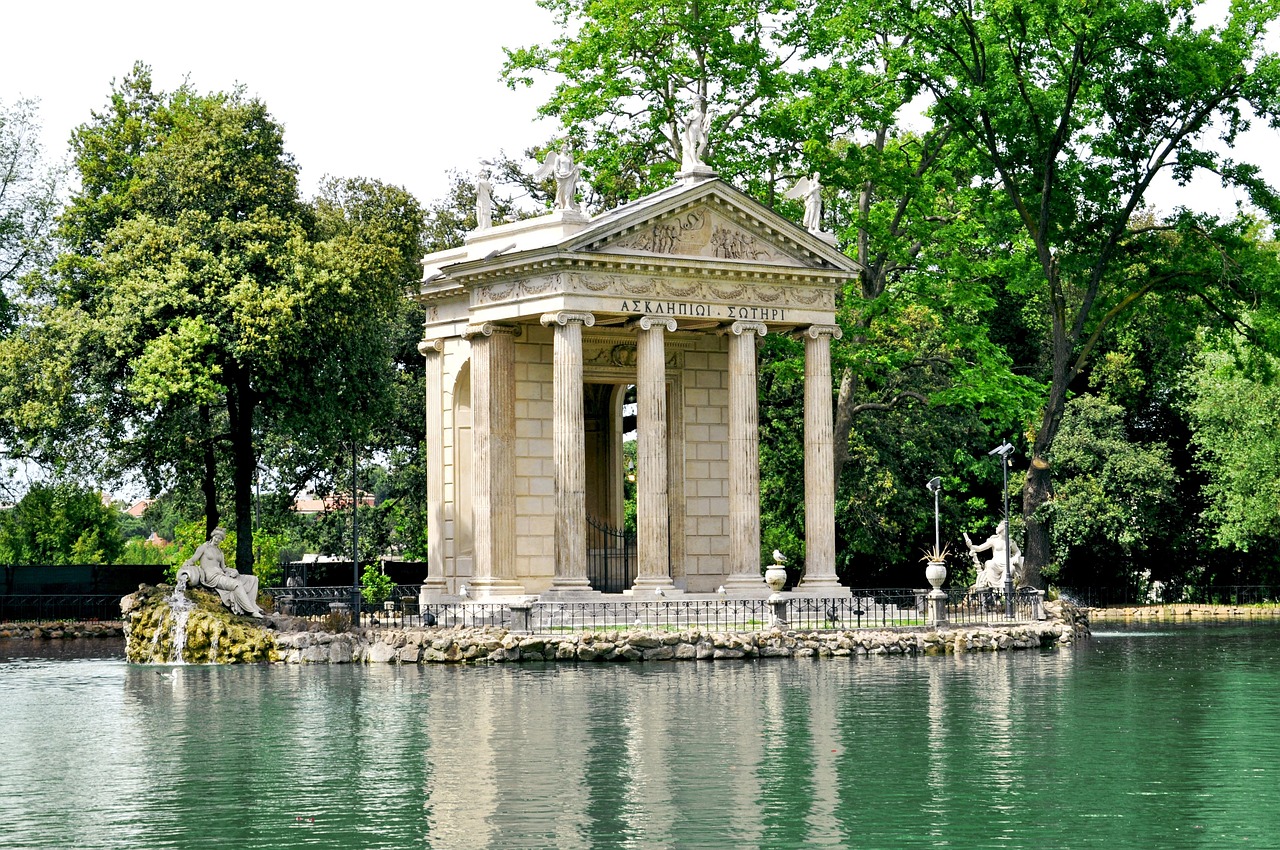
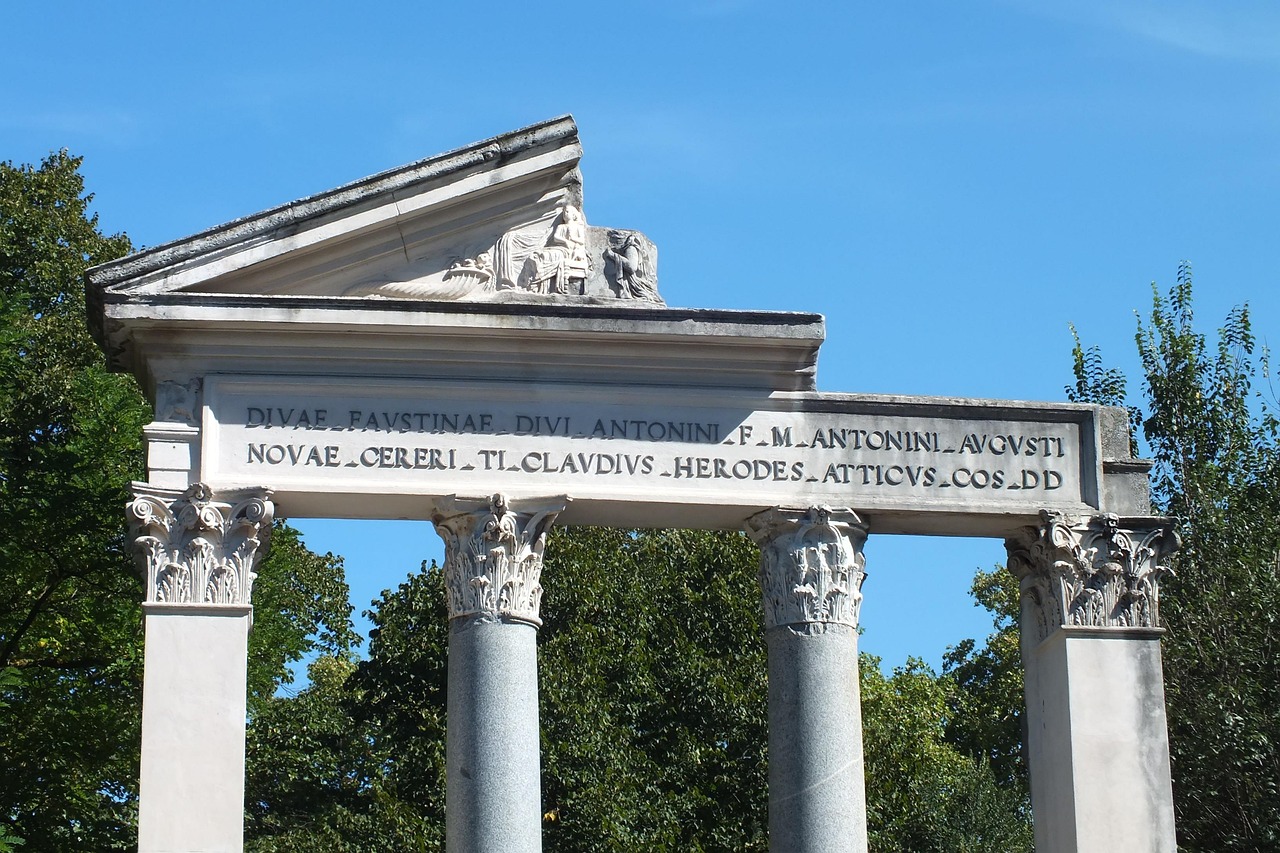
On the central lake, rowing feels surprisingly intimate: water sound, oar rhythm, and a sense of being gently unhooked from everything else. For calmer water, aim for earlier hours; couples often call it a personal trip highlight because conversation returns without distraction. Near the shore, the Temple of Aesculapius—dedicated to aesculapius—adds a cinematic edge, like a scene-setter for your own story.
For “culture in the park” energy, check what’s on at the globe theatre replica: a Shakespeare play, a concert, or seasonal events can add an evening layer without overplanning. Piazza di Siena is another refined surprise—an event space where the park’s formal side briefly shows itself. If you want a low-effort finish, Casa del Cinema is a lovely place to sit with a drink and let the day settle.
Pincio Pincian Hill viewpoint Villa Borghese itinerary: terrace views and a nearby hotel
Sunset viewpoints and nearby stays for a seamless day
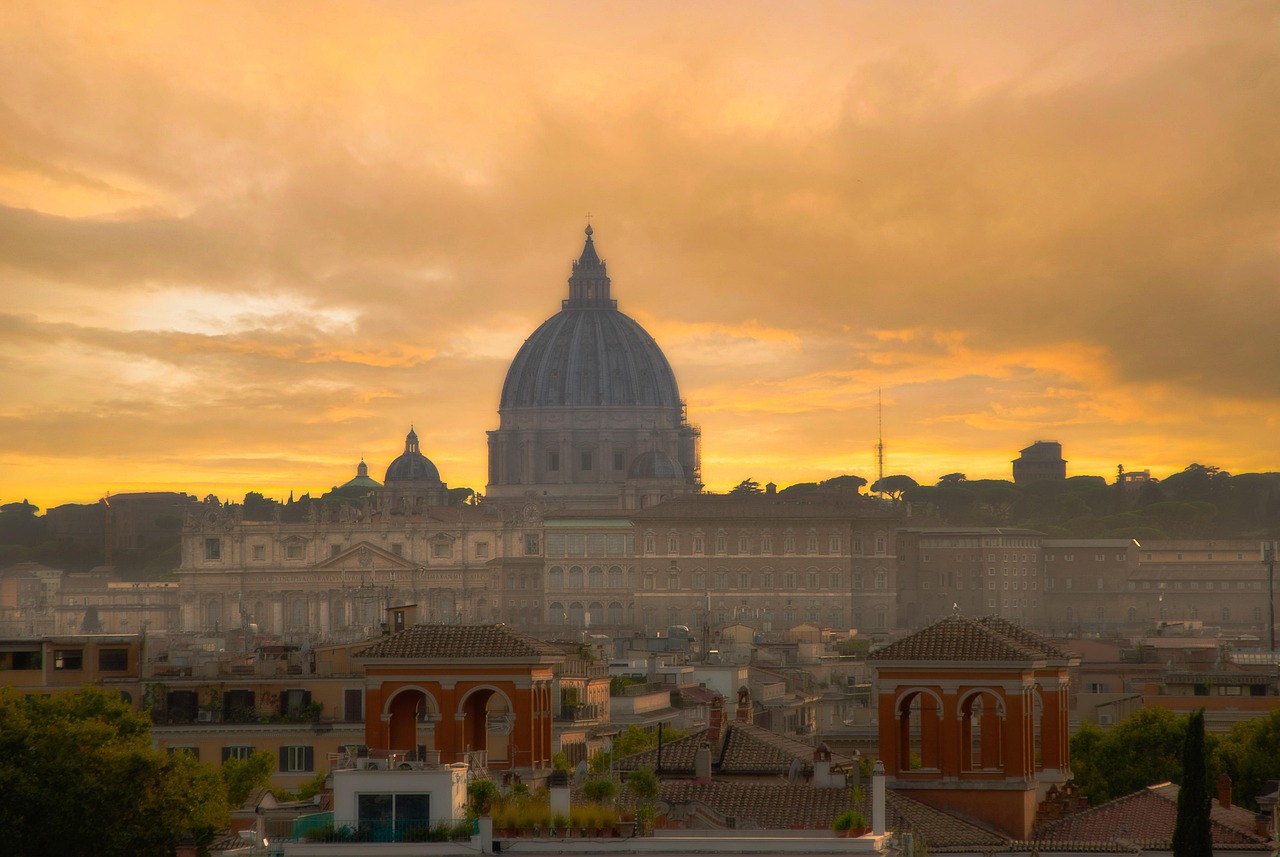
If the Pincian Hill terrace is on your list, treat it as a mood shift rather than a checklist stop. This landmark viewpoint is where the park hands you back to Rome with distance and light, and it’s a beautiful place to pause and let the city feel spacious. It’s also a simple anchor if you’re staying nearby and want an unhurried start.
Pincian Hill terrace timing: best light and arriving quietly
For photography, late afternoon into sunset gives the warmest tones, but early morning offers a cleaner, quieter frame. Try arriving quietly: lower your voice, step to the side, and watch how the panorama changes your sense of scale. At street level the city can feel intense; from up here it becomes layered and reassuring.
Seamless exits to Popolo Square, the Spanish Steps, and streets around Pinciana & Umberto
When you’re ready to leave, you have two graceful options: descend toward Popolo Square and rejoin the city, or drift back in the direction of the Spanish Steps. Both routes feel seamless, like the park is designed to release you gently into the city’s pulse. For high-end travellers, choosing the right hotel nearby makes the whole day easier—look around Viale Pinciana and the Umberto area for quiet rooms, strong sound insulation, and a location that supports early starts without fuss.
Before you go, a small local etiquette checklist keeps trust intact for everyone: keep to paths, don’t pick flowers, and stay considerate in calmer corners where people come for stillness. Every person plays a part in keeping Villa Borghese feeling like a shared refuge, not just a busy attraction.
If you’re designing a wider journey, you can browse our Trip gallery for inspiration that pairs city art with countryside calm.
What stayed with me after Villa Borghese
What stayed with me after Villa Borghese wasn’t the sense of having “done” it, but the way it softened the day. Leaving the park, thoughts felt quieter than when I arrived—less crowded, more spacious—like the city offered both wildness and art, and held me in the balance between the two. It’s a subtle kind of care you notice only once you’re back on the street.
I still remember a bicycle glide beneath the umbrella pines, that moment when the air changed and urgency slipped away. I remember the lake’s stillness, and how even a single detail—light across marble, a curve of foliage—can feel like a private message. Discovery, I realised, can be gentle as well as bold.
Travel has a way of revealing what we already carry: our pace, our courage, our capacity for wonder. In Villa Borghese, the crafted beauty and open paths seem to say there’s no need to force meaning; you can simply allow it to unfold. And perhaps that’s why the idea of returning to Roma feels so natural—less a plan, more a quiet curiosity about what might call you back next time.
F.A.Qs: Villa Borghese Rome Italy
Is Villa Borghese worth visiting?
Yes—Villa Borghese is worth visiting if you want a green pause in Rome with real cultural weight. You get space for walking or cycling, plus world-class art in the main gallery building, viewpoints, and small surprises like rowing and open-air performances. It’s especially rewarding for travellers who like to mix movement with museum-level beauty.
Can you walk around Villa Borghese for free?
You can walk around Villa Borghese for free. The park itself is open, so you can explore paths, viewpoints, and many outdoor areas without paying. Costs usually come from optional activities such as bike hire or rowing, and from paid cultural sites like the Borghese museum.
Why is Villa Borghese famous?
Villa Borghese is famous for combining a grand historic landscape with one of the city’s most celebrated art collections. The grounds evolved from an elite estate into a beloved green space, and the on-site museum collection holds masterpieces that make the visit feel both refined and emotionally powerful. It’s also known for its terrace views and the way it balances nature with art.
What famous sculptures are in the Borghese museum?
The collection is renowned for masterpieces by Bernini, especially Apollo and Daphne, which many people consider unforgettable for its movement and detail. You’ll also find major works across several rooms, creating a concentrated experience of artistic brilliance in a single visit.