Post Contents
- Must Do in Rome Italy: Designing a High-End Rome itinerary Travel Guide for 3–5 Days
- Ancient Rome at First Light: Colosseum, Roman Forum, and Palatine Hill (Top Attractions)
- Vatican City with an Expert: Vatican Museums, Sistine Chapel, and a Private Tour Plan
- Pantheon Evenings: Cool Places in Rome for Piazzas, Piazza Navona, and the Trevi Fountain
- Trastevere Nights: Crafted Flavours, a Food Tour, and Bespoke Wine Tasting
- Leaving Rome: What You Carry Home After Your Itinerary
- F.A.Qs: Rome essentials for high-end travellers
Must Do in Rome Italy: Designing a High-End Rome itinerary Travel Guide for 3–5 Days
Designing a refined Rome itinerary with an elegant city overview
If you’re searching for a Rome travel guide built for high-end travellers, the secret isn’t squeezing in more tourist attractions—it’s shaping a rhythm that feels intentional. When you visit Rome, mornings reward you with history and light, late afternoons suit a slow square drift, and evenings are best left open for a rooftop pause, a last-minute museum opening, or a reservation that appears through the concierge. Think of this as design, not a checklist of must-sees.
A helpful starting point might be a Rick Steves-style overview, but your own itinerary should feel more like a tailored jacket: fitted to your energy, interests, and the season. Below is a 3–4 day framework (with an optional fifth day) that lets you explore deeply, without rushing the heart of Rome—and with a clear sense of what to see in Rome if time is limited.
3–4 days in Rome framework with an optional fifth day
Day 1: Ancient Rome early, then a softer afternoon. Begin early in the morning at the Colosseum and nearby ruins, then take a long lunch and a calm wander through a design-led neighbourhood near the Forum. In the evening, keep it simple—perhaps a terrace aperitivo and an early night so you’re fresh for art tomorrow.
Day 2: Vatican City, then reset. Choose an early or late timed entry for the Vatican Museums, add St Peter’s Basilica—better known to many as Peter’s Basilica—then step back into the neighbourhood for gelato and a quiet lunch. This is a day where expert support makes the difference between feeling guided and feeling herded, especially if you want to see Vatican highlights without standing in unnecessary lines.
Day 3: The center of Rome on foot. Plan the Pantheon, Piazza Navona, Campo de’ Fiori, the Trevi Fountain, and Spagna in a single elegant loop, then anchor the evening with a private walk or a refined dinner reservation.
Day 4: Trastevere for flavour and atmosphere. Take your time: a late start, a food tour that feels indulgent rather than exhausting, then a bespoke wine tasting in a historic cellar.
Optional Day 5: A garden-and-gallery day. A timed visit to a top museum collection paired with a restorative park walk is one of the best ways to balance how much to see in the Eternal City—beauty, shade, and breathing space.
Time to visit, hot-day rhythm, and the best places to stay in Rome
The best time to visit is spring (April–June) or early autumn (September–October), when light is flattering and walking feels effortless. If you hit a hot day, swap exposed ruins for shaded museum time, then take a rooftop break at the warmest hour—Rome’s pleasures are often found in the pause, not the push.
Where you stay in Rome shapes everything, from how you start your mornings to how easily you slip out for a late dinner. For quiet luxury and walkability, consider these three bases:
- Monti: design-minded and relaxed, close to the Forum and easy for a gentle return after sightseeing.
- Near the Vatican: ideal for early access and a calmer start on your Vatican day.
- Historic center near Piazza Navona: elegant, central, and excellent for evening strolls when the streets soften.
When reviewing the best places to stay, look for rooms with views, a concierge who can secure timed entries, and help arranging transfers. A private driver from the airport can feel like instant care after a flight, and it sets the tone for a calmer trip in Italy’s capital city.
Practical support matters. Book skip-the-line entries days in advance for major attractions; hire a licensed guide when you want real insight; and plan to walk in comfortable shoes—cobbles are charming, but they are not forgiving. Getting around is easiest by taxi or Uber, or by a pre-booked car when you want confidence after dark. These travel tips sound simple, but they protect your time and your mood in the busiest weeks.
If you’d like to see what Designer Journeys travellers love across the country, browse our Trip gallery for inspiration before you finalise your dates.
Beyond what Rome has to offer: If you’re building trips to Rome with breathing space, add Tivoli for gardens and fountains, an aqueduct walk with an Appian Way feel, or a Villa park afternoon to create room for art and green calm. It’s also one of those classic places to visit in Italy when you want a day outside the city without losing the sense of place.




Ancient Rome at First Light: Colosseum, Roman Forum, and Palatine Hill (Top Attractions)
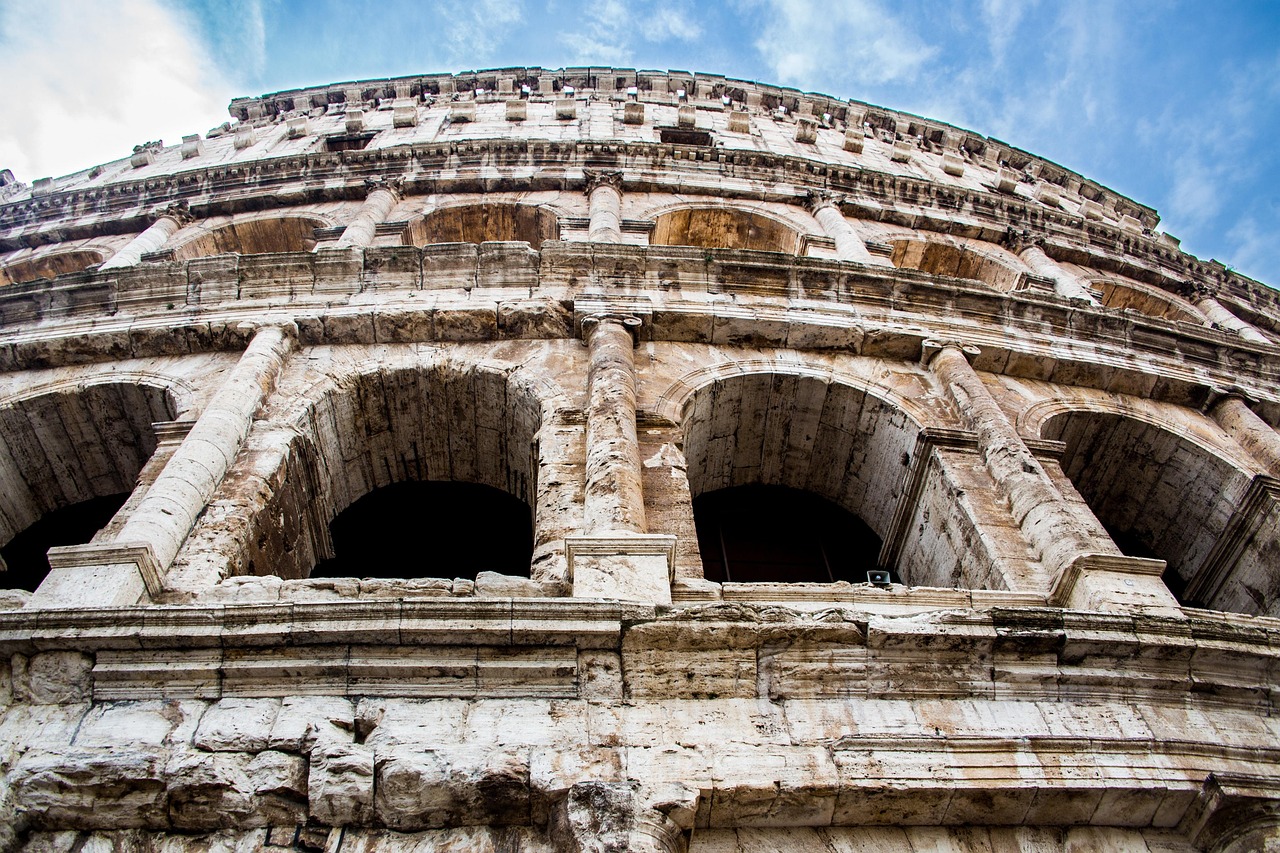
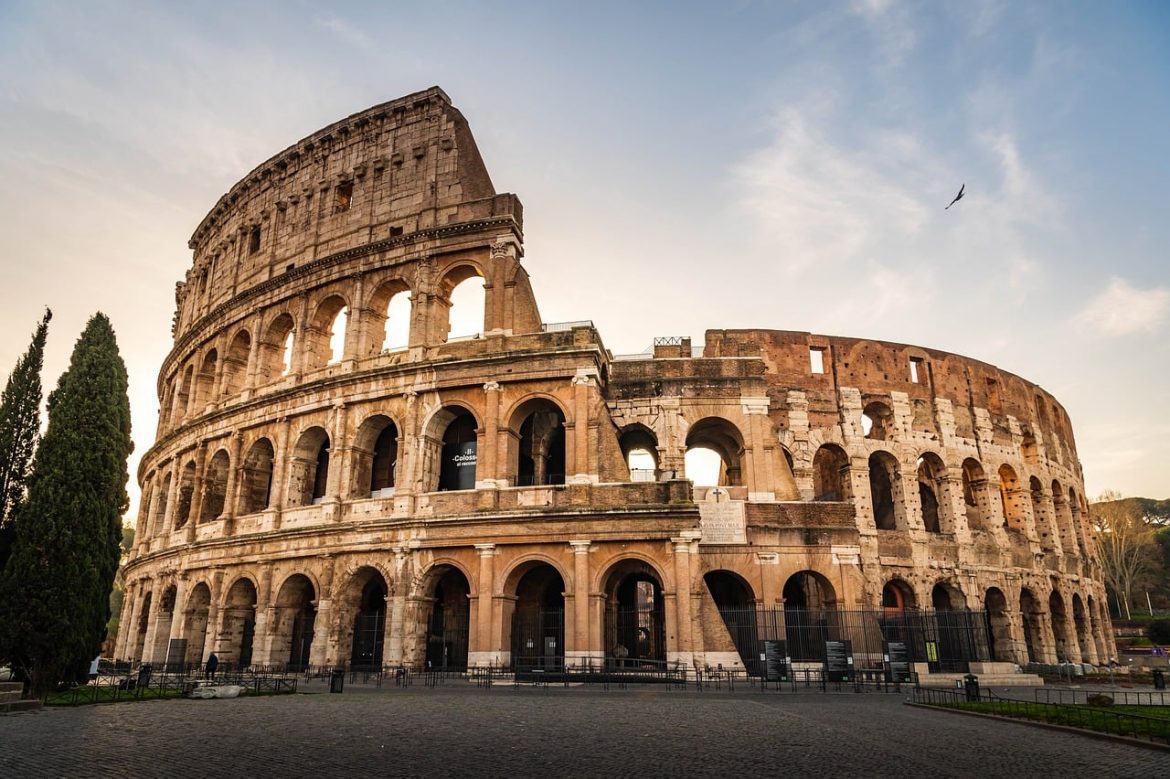
Ancient Rome at first light, with sunrise on a defining monument
For many travellers, the things to do in Rome that truly land start with an early-entry strategy for the Colosseum area. Arrive before the city fully wakes and the Colosseum feels less like an attraction in Rome and more like a living echo—stone, shadow, and the suggestion of voices. One traveller once told us that a quiet dawn visit made ancient Rome feel almost audible, as if the day’s first light unlocked the atmosphere before the crowds arrived.
Colosseum and Roman Forum: the best way to see the site with Palatine Hill
Pair the Colosseum with the Roman Forum and Palatine Hill so the story unfolds naturally. Start inside the Colosseum while the air is cool, then move into the Roman Forum where the scale makes more sense once you’ve stood in the amphitheatre’s curve. Continue up Palatine Hill for breezier views and a calmer tempo—this roman forum and palatine hill sequence also keeps your walking efficient.
A private guide is where trust becomes tangible. The best guides don’t just point; they uncover tiny inscriptions, explain sightlines, and give context that turns stones into choices made by Romans. That level of expert insight changes how you remember the morning—less about photos, more about meaning.
Grounding the legend: pacing, shade, and Forum viewpoints
Yes, this complex is often placed on “top sites” lists and compared to 7 wonders of the world-style icons, but the most luxurious approach is to keep it grounded and personal. Notice the worn edges under your hand, the way sunlight slides along arches, and how the city Rome continues around you—ordinary life beside extraordinary history.
To pace well, plan shaded breaks and water stops; in warmer months, your guide can time the most exposed stretches earlier. For views across the Forum, pause where the columns align and the route opens—these are the moments that make the morning feel designed, not endured. If you need a reset, a nearby museum stop can cool the mind and give your feet a breather before lunch.
Optional add-on for design-minded travellers: follow your ancient morning with a curated wander through a boutique quarter, then settle into a long lunch before the next attraction. It’s a gentle way to keep the day feeling layered rather than packed.
Vatican City with an Expert: Vatican Museums, Sistine Chapel, and a Private Tour Plan
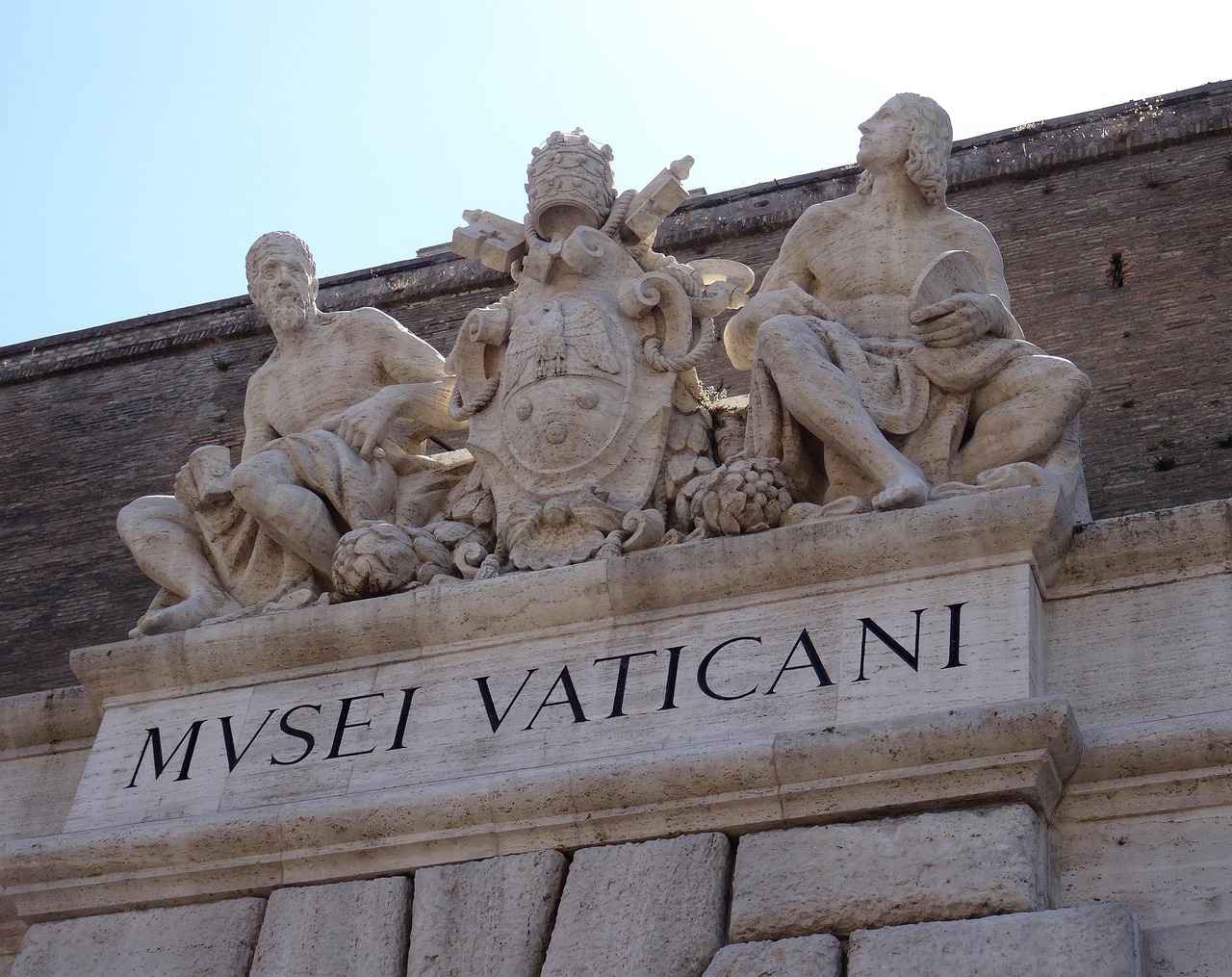
Vatican City with an expert, curated museum light, and calmer galleries
To visit the Vatican with confidence, treat it as a timed experience rather than a free-for-all. Choose a timed entry, arrive with a little buffer for security queues, and dress modestly (shoulders and knees) so nothing interrupts your flow. An early or late slot often feels more seamless, especially if you’re staying nearby and want to move through this major attraction with ease.
Vatican museum route: Vatican Museums highlights for first-timers
The Vatican museum experience can feel vast, so a curated path helps. Focus on key galleries and sculpture highlights first, then let the mood shift as you approach the Sistine Chapel. There’s a particular hush that settles over people—an emotional change that’s hard to explain until you feel it for yourself.
One visitor described the joy of uncovering hidden art gems during a private Vatican tour led by an expert guide. They weren’t rushed past the obvious; instead, their guide gently steered them away from bottlenecks, offered nuanced context, and pointed out details they would never have noticed alone. It’s the difference between seeing and understanding in a world-class museum.
St Peter’s Basilica, quiet corners, and a mid-morning gelato reset
After the museum, add the basilica for scale and serenity, and allow yourself to linger in quieter corners within Vatican City where the atmosphere softens. A gentle route—rather than pushing through the most crowded corridors—keeps the day feeling calm and personal.
- Plan a pause: a mid-morning gelato stop helps everyone reset after the sensory intensity of art.
- Choose a nearby square: sit, people-watch, and take a light lunch before your next plan.
- Mind the basics: keep valuables secure, especially as crowds compress near entrances and exits.
In Rome, the most refined days are the ones that include a deliberate exhale—and a little extra time built in for the unexpected.
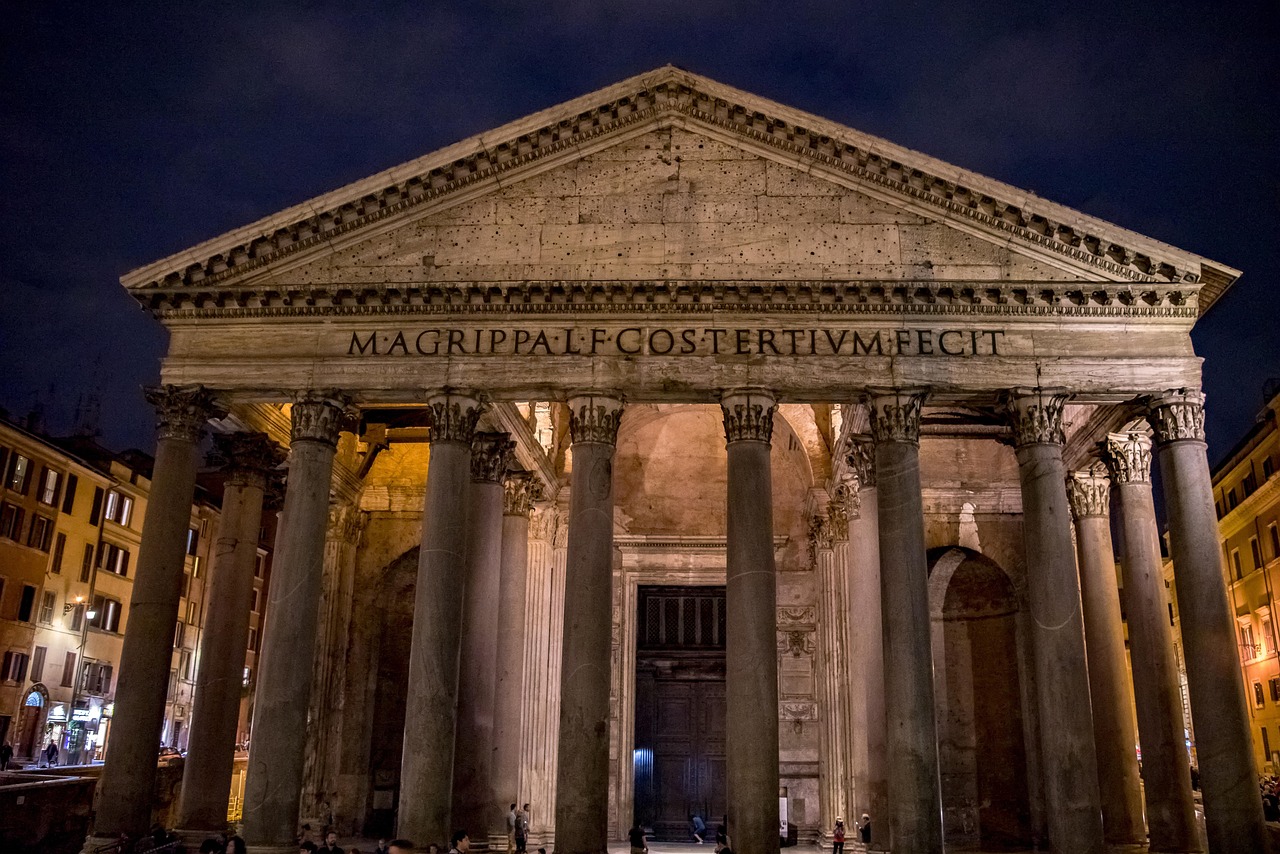
Evening light in the historic core—cool places and calmer streets
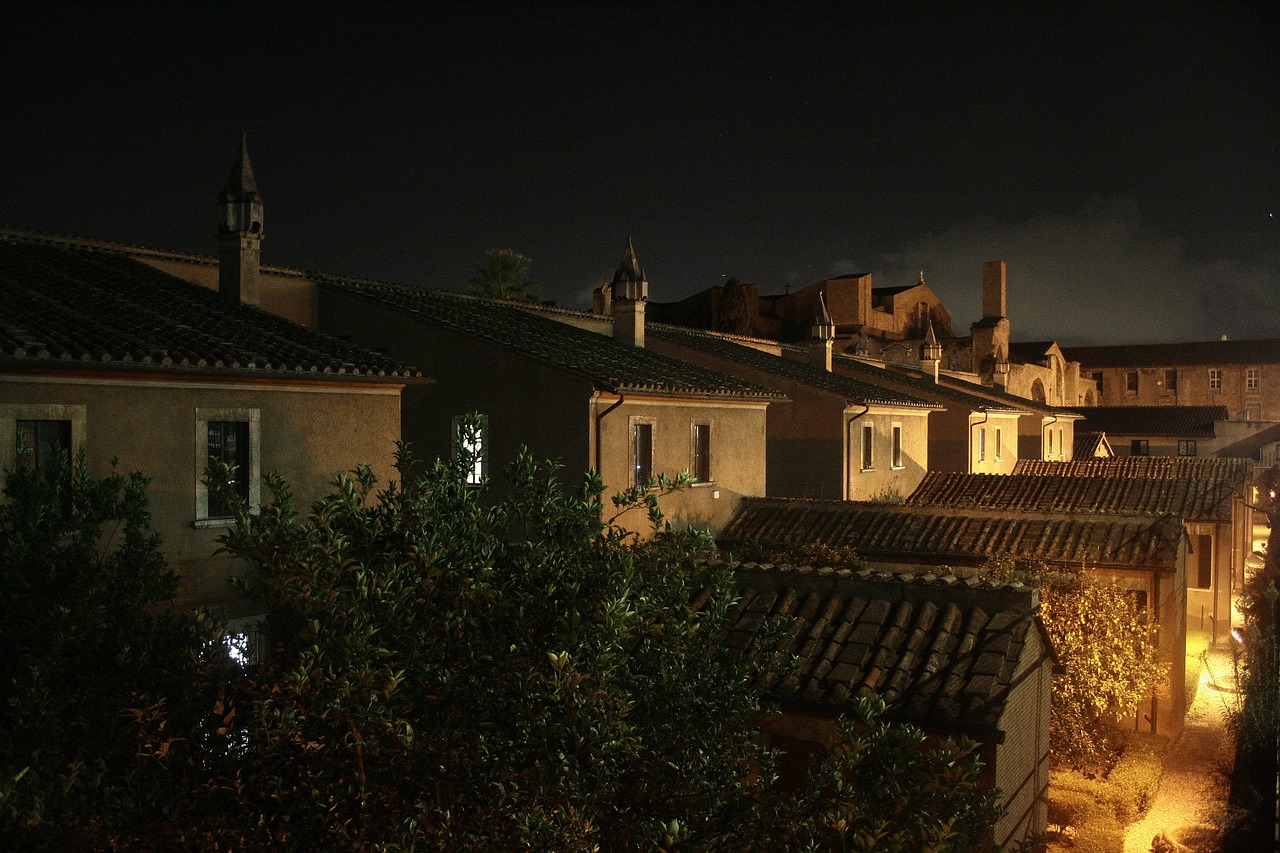
For travellers searching cool places after sunset, the most memorable moments often arrive when day-trippers leave. An evening walk is a calm counterpoint to daytime crowds; lit up at night, this monument and the surrounding lanes feel less like stops and more like encounters. The air cools, footsteps soften, and the space invites you to look up—properly, slowly.
From the corner from the Pantheon, follow an easy walking sequence through the historic core: drift to Piazza Navona for fountains and painters, then on towards Campo de’ Fiori for colour and energy. The charm here is not in rushing; it’s in letting the streets lead you, choosing a table when it feels right, and keeping the evening open.
If you prefer, plan a short rooftop stop between walking moments—Rome’s skyline is a quiet theatre, best enjoyed with time and a small glass in hand.
Trevi Fountain, Spanish Steps, and viewpoints with a terrace feel
The Trevi Fountain is often called a famous fountain in the world, and yes—there will be a crowd. But your experience can still feel personal. A family once shared their delight watching children toss coins into the water, making wishes together. Tradition says the coin helps ensure your return to Rome; it’s a simple gesture that becomes surprisingly emotional. Keep your bag secure here and in any dense crowd, and let the moment stay light.
Continue to the Spanish Steps at Spagna for a refined late walk. For quieter photos, aim for the top of the steps at sunrise or later in the evening, when the city feels gentler. Nearby, pause for excellent coffee and a little browsing—Rome can be wonderfully understated when you lean into quality rather than quantity.
For viewpoints, Giardino degli Aranci offers a sunset terrace moment that feels almost private, even when shared. Architecture lovers should add Victor Emmanuel II and the altar of the fatherland—built to honour unified Italy and its first king, it’s an imposing sight and a striking contrast to the intimate lanes. If you have energy, finish with a riverside stroll towards Castel Sant’Angelo, or begin the next morning at Piazza del Popolo, one of the city’s grandest open spaces.
Trastevere Nights: Crafted Flavours, a Food Tour, and Bespoke Wine Tasting
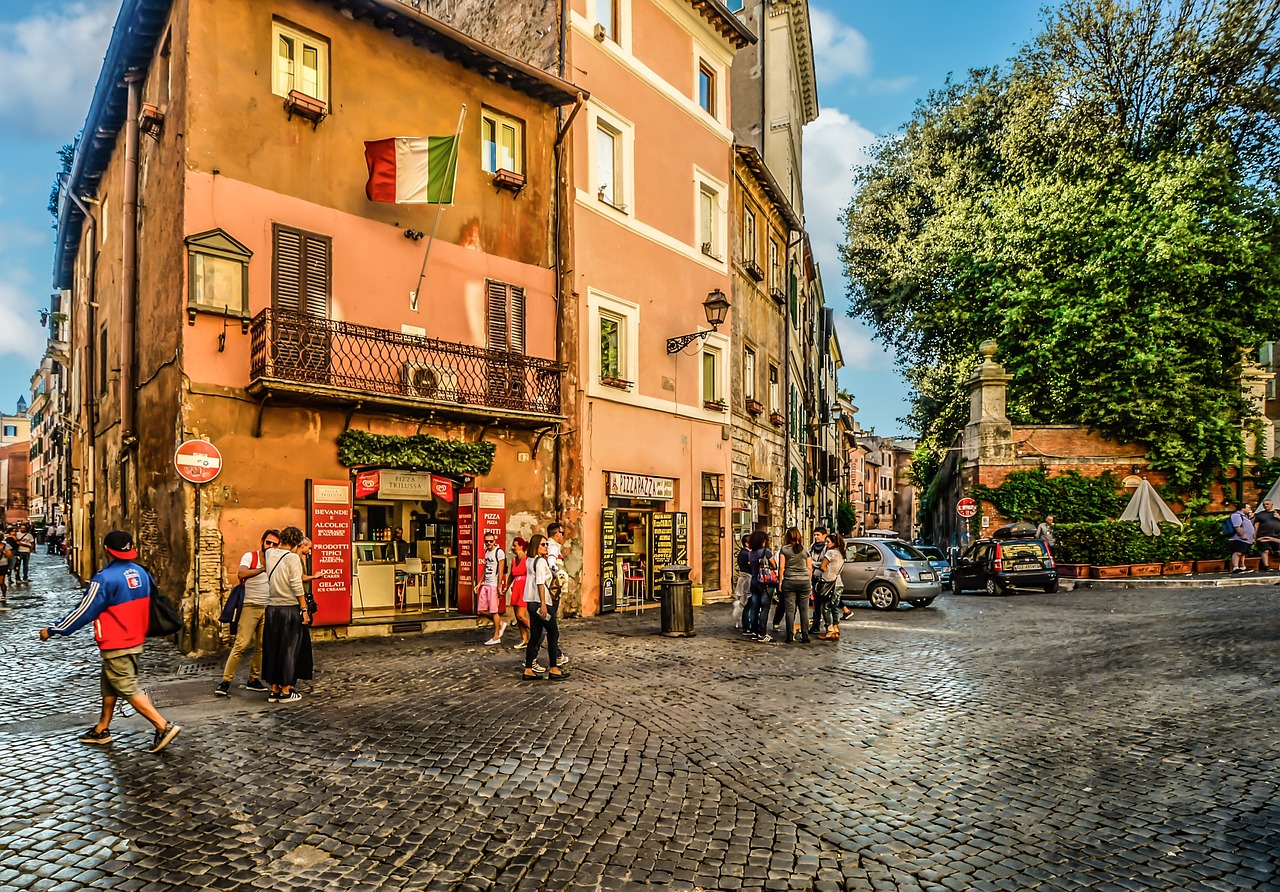
Lantern-lit lanes, local tables, and the warm evening rhythm of Trastevere
If you’re mapping things to do in Rome for evenings, think of this as the city’s warm exhale. Trastevere’s narrow lanes invite you to slow down—window boxes, small squares, and the glow around Santa Maria in Trastevere. One couple described a candlelit dinner where locals joined in singing traditional Roman songs; it felt shared, together, and completely unforced, the kind of night you can’t schedule but can gently make space for.
A high-end food tour focused on Italian food and pace
A food tour here should feel curated rather than crowded. Choose seasonal tastings—proper Roman pasta, vegetables at their peak, and a sweet finish that’s more about quality than volume. Add a gelato stop, then leave time to wander so indulgence doesn’t become exhaustion; it’s the most satisfying way to experience italian food without turning dinner into a sprint.
- Start later: Trastevere shines in the evening; save your energy for nightfall.
- Keep it flexible: let your guide pivot to a quieter lane if a trattoria is too busy.
- Know the rhythm: lingering over one beautiful course often beats chasing five stops.
Vespa tour confidence, then a bespoke wine tasting priced in euro
A Vespa tour can be a stylish way to explore Rome’s layers without overloading your step count. A solo traveller once recalled the thrill of navigating narrow alleys, feeling immersed in the city’s vibrant life—wind, stone, and sudden glimpses of domes. For confidence, book with a licensed operator, wear a helmet, and choose a route planned around quieter streets at the right times of day.
End with a bespoke wine tasting in a historic cellar, led by a sommelier who tells the stories behind rare Italian vintages. It’s refined, intimate, and deeply Roman: the pleasure of craft, the patience of ageing, and the sense of being looked after. Expect tastings priced in euro that reflect scarcity and provenance; a good host will guide you gently, never showily.
Best places add-on: if you want a calmer art afternoon, book the Borghese Gallery for Bernini, then take a slow walk through Villa Borghese afterwards. It’s a restorative counterpoint to big-ticket crowds and one of the city’s loveliest place to visit options when you want green space.
Leaving Rome: What You Carry Home After Your Itinerary
If you’re reading a reflection after your itinerary, it’s likely because the city doesn’t simply end when your car turns towards the airport. Rome stays in layers: light on stone, the sound of heels and trainers on cobbles, and the way conversation seems to float from table to table as dusk arrives. Even back home, you may find yourself imagining a corner you didn’t quite reach, or a church door you passed without opening.
What lingers is rarely the busiest hour. It’s the hush of the Colosseum at dawn, when the day felt wide and possible. It’s the quiet awe on your Vatican day, the way art can steady you. And it’s the shared wish at the Trevi Fountain, a small family ritual that somehow became a lasting memory.
Perhaps the greatest luxury is knowing you did it well: with care, with expert support when it mattered, and with enough space to discover your own pace. Rome’s gift is not that you finish it, but that you carry it—then, one day, you find yourself wanting to go back to Rome to uncover the softer details you missed the first time.
F.A.Qs: Rome essentials for high-end travellers
Rome essentials and planning notes for a seamless stay
What should you not miss in Rome?
Don’t miss the Colosseum at an early timed entry, a curated Vatican Museums visit ending in the Sistine Chapel, and an evening moment at the Pantheon. Add one slow square stretch—Piazza Navona works beautifully—and make time for a Trastevere dinner so Rome feels local, not just iconic.
What are the top 3 attractions in Rome?
The three most defining attractions are the Colosseum (ideally paired with the Roman Forum), the Vatican Museums with the Sistine Chapel, and the Trevi Fountain. If you schedule them thoughtfully—early starts, timed entries, and an evening walk—each one feels calmer and more meaningful.
Is there a 7 wonder in Rome?
Rome is often discussed in “7 wonders of the world” style lists because the Colosseum is one of the most recognisable ancient structures on earth. Whether or not you follow the label, visiting early with a guide helps you experience it as living history rather than a crowded photo stop.
What I wish I knew before going to Rome?
I wish I’d known how much timed planning improves the experience: book key tickets days in advance, wear comfortable shoes for cobblestones, and use a trusted driver or taxi at the right moments. Also, modest dress is essential for religious sites, and keeping valuables secure in crowds will protect your peace of mind.