Post Contents
- Pozzuoli Italy from Naples in Campania and how to get to Pozzuoli Italy from Naples Campania
- Port and Seafront Life in Pozzuoli and Pozzuoli port seafront old town local market
- Flavian Amphitheatre and the Roman Amphitheatre Thrill and Flavian Amphitheatre Pozzuoli Roman amphitheatre gladiator history
- Macellum and Temples Serapide Augustus and Underworld Myths and Temple of Serapis Macellum Pozzuoli Roman ruins
- Rione Terra and the Cathedral of San Procolo Above the Bay and Rione Terra Pozzuoli Cathedral of San Procolo Bay of Naples views
- Solfatara Volcano Adventure in Pozzuoli and Solfatara of Pozzuoli volcano hike fumaroles safety
- Design a Seamless Pozzuoli Day With Local Flavours and Side Trips and Pozzuoli day trip itinerary Naples train Baiae Ischia Pompeii
- Leaving Pozzuoli What Stays With You and Pozzuoli Italy travel reflections Bay of Naples
- F.A.Qs: Pozzuoli Italy travel essentials
Pozzuoli Italy from Naples in Campania and how to get to Pozzuoli Italy from Naples Campania
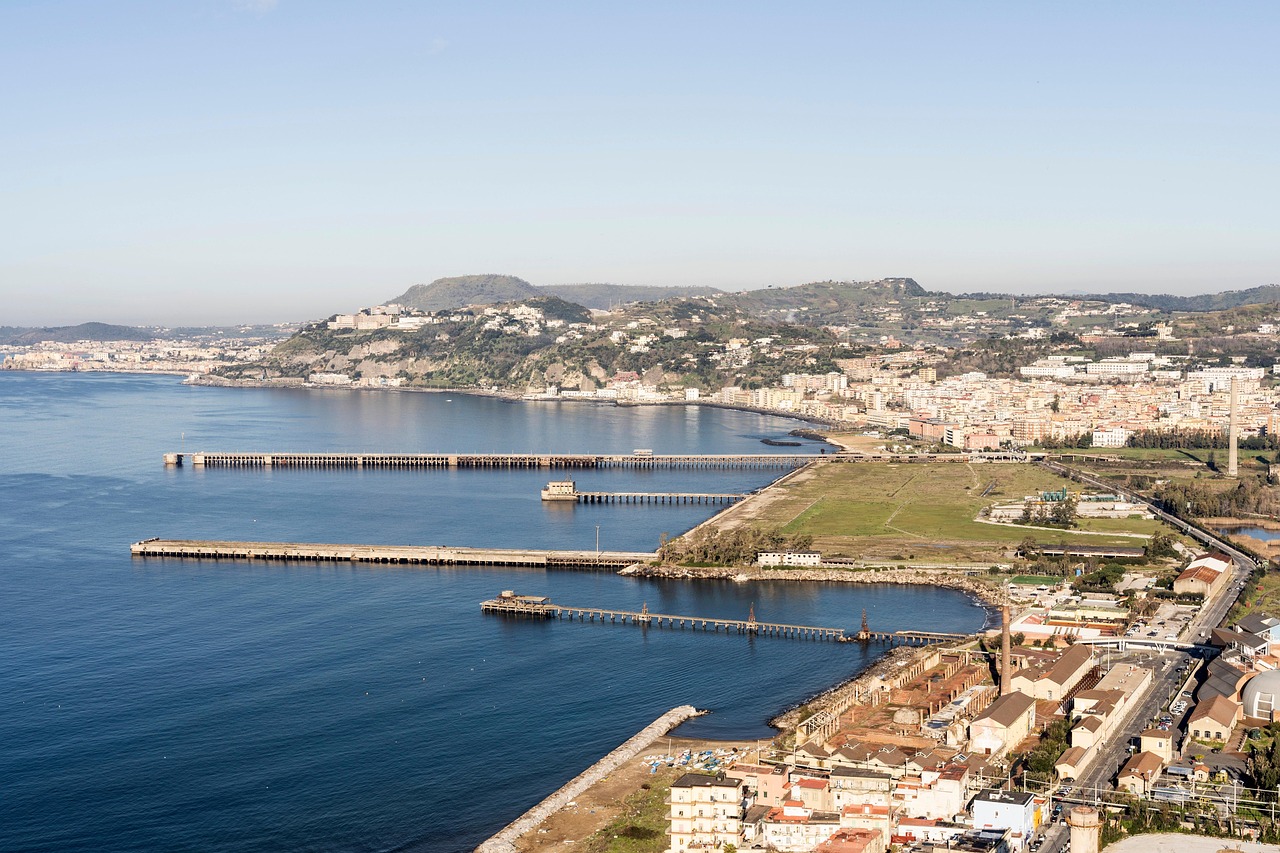
Pozzuoli Italy from Naples in Campania with a calm coastal approach
If you’ve been wondering how to get to Pozzuoli Italy from Naples Campania, the answer is reassuringly simple—and the reward feels wonderfully layered. Pozzuoli sits in the metropolitan city of Naples, in southern Italy, close enough to feel like an easy extension of Napoli yet slower in tempo and more textural in atmosphere.
Historically known as Puteoli, this is a destination shaped by sea trade, Roman ambition, and a volcanic setting. You can sense Naples’ energy nearby, but in Pozzuoli the streets breathe; the light on the harbour lingers; conversations stretch out like an afternoon espresso.
Arriving from Naples with confidence on the Circumflegrea
Take the Circumflegrea train from Naples—around 30 minutes depending on your starting station—and treat the ride as the first scene of the day. At Pozzuoli station, expect a local, lived-in feel rather than a glossy hub: clear signage, commuters, and a quick transition from platform to street. From there, the walk to the old centre is straightforward, and it’s one of those short routes where you start to uncover the town’s character almost immediately.
To keep it seamless, aim to arrive earlier in the morning, when the air is cooler and you have time to explore without pressure. If you’re carrying designer luggage, you’ll appreciate that the historic centre is compact—more about curiosity than long transfers.
Campi Flegrei, bradyseism, and why the ground subtly shifts
Pozzuoli is part of the Campi Flegrei, a wider system where the earth can gently rise and fall over time. That phenomenon is called bradyseism—slow ground movement that can change the relationship between land and sea levels in small, measurable ways. It’s not a scary fact; it’s an insight that helps you read the landscape with intelligence and trust.
Designer Journeys tip for a crafted day: create a rhythm rather than a checklist. Blend three moods—volcano, Roman sites, and the port—so the experience feels calm, curated, and deeply personal.
- Morning: seafront and marketplace hello
- Midday: amphitheatre and Roman ruins
- Late afternoon: Solfatara window (or an elegant alternative if weather shifts)




Port and Seafront Life in Pozzuoli and Pozzuoli port seafront old town local market
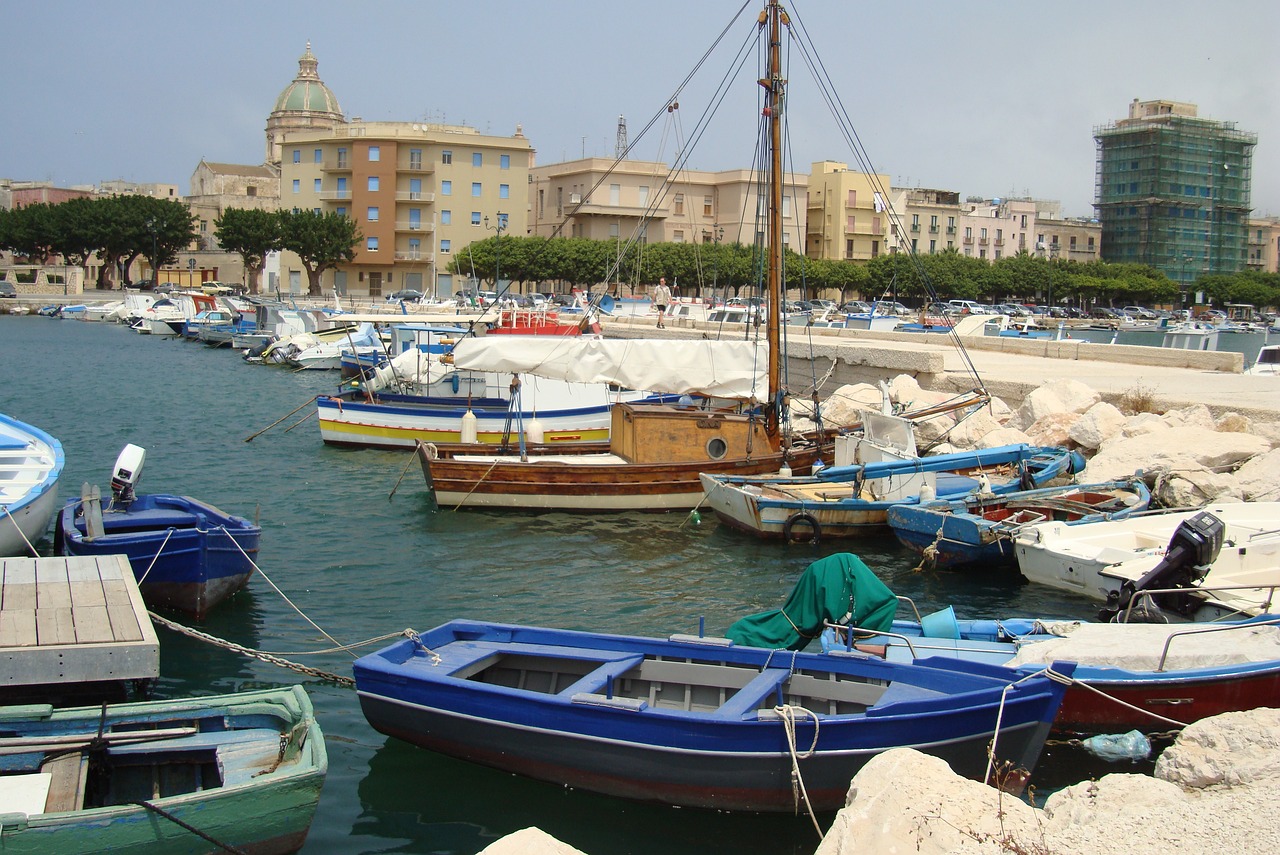
Port and Seafront Life in Pozzuoli with fishing boats and evening light
To experience Pozzuoli port seafront old town local market life in one gentle flow, start at the water and let your feet set the pace. The port is functional and beautiful—fishing boats, tidy routines, and that unmistakable Mediterranean glow that makes even a short stroll feel cinematic.
From the harbour, follow the promenade and watch the town shift from working waterfront to relaxed, Neapolitan social theatre. The seafront is where you begin to recognise the small rituals—greetings, pauses, laughter—that make travel feel like connection rather than consumption.
Marketplace rhythms and the people of Pozzuoli
Lean into the morning marketplace energy: buy a piece of fruit, ask a simple question, and you’ll often get more than an answer—an exchange. This is how you meet the people of Pozzuoli without forcing it: quietly, respectfully, as a guest with confidence and care.
A small group of friends once described their sunset walk here as the moment Pozzuoli “clicked”. They watched boats return, heard locals chatting in the open air, and felt the scene move from lively to suddenly tranquil—like the town had designed a private ending just for them.
Seafood, pastiera, and a few phrases that open doors
Food is cultural access in its most delicious form. Choose family-run trattorias for fresh seafood—simply grilled fish, pasta with clams—and trust the house recommendations. For a sweet local nod, try pastiera, which carries a comforting, home-made warmth even when served in a smart dining room.
Etiquette stays simple: greet first, be patient, and use a few Italian phrases. “Buongiorno”, “Per favore”, and “Grazie” go a long way; in a Neapolitan setting, effort is often met with warmth. Is it touristy in places? Along the most obvious stretches, yes—but authenticity returns quickly when you slow down, dine thoughtfully, and treat the town as local life rather than an attraction.
Flavian Amphitheatre and the Roman Amphitheatre Thrill and Flavian Amphitheatre Pozzuoli Roman amphitheatre gladiator history
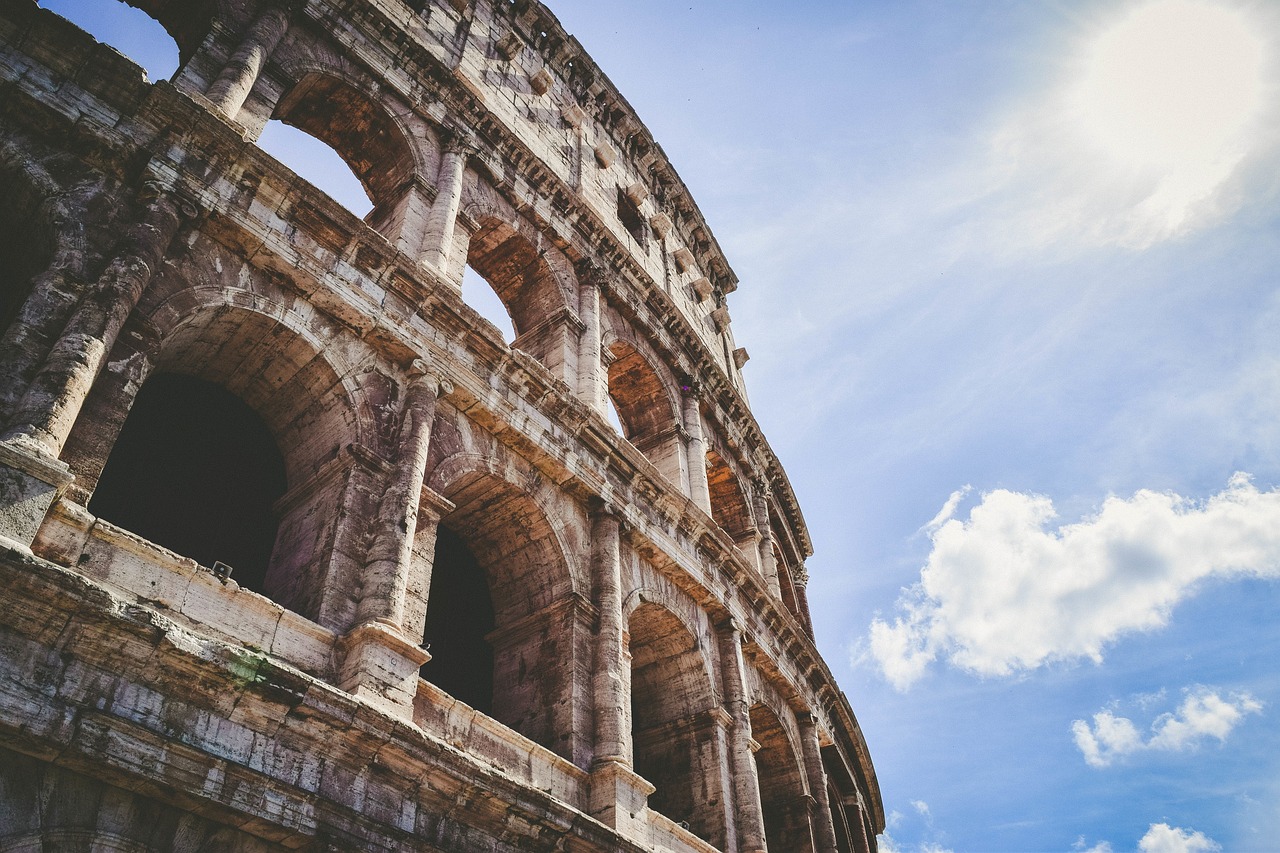
Flavian Amphitheatre and the Roman Amphitheatre Thrill in Pozzuoli
If you’re searching for Flavian Amphitheatre Pozzuoli Roman amphitheatre gladiator history, you’re in the right place—and the experience is even more immersive than the photos suggest. The Flavian amphitheatre is among the largest arenas in Italy, and its under-arena spaces give you that rare sense of stepping behind the spectacle.
Plan to move slowly through corridors, stairways, and the hypogeum areas with calm attention. Signage is generally clear, but your best wayfinding tool is simply patience—pause at junctions, follow the flow, and keep the experience crafted rather than hurried.
Amphitheatre corridors, under-arena spaces, and easy wayfinding
For high-end travellers who prefer seamless ease, arrive at opening time or late afternoon. You’ll have room to imagine the machinery, the animal holding areas, and how the crowd’s energy once moved like a wave. This is the kind of Roman site where the stone still feels purposeful, designed for movement and theatre.
- Timing: early or later visits feel calmer
- Comfort: bring water; the tunnels can feel warm
- Details: look for wear on steps—history is underfoot
Gladiator stories, ancient Romans, and a Colosseum comparison without rivalry
Many travellers describe an emotional moment here: standing inside the Roman amphitheatre and feeling ancient Roman life snap into focus. You picture Romans as spectators, and the harsh glamour of a gladiator world built for public thrill.
It’s tempting to compare it to the Colosseum in Rome. Rather than competing, they complement: Rome’s monumentality versus Pozzuoli’s intimacy and access. Also, you’ll see both spellings—amphitheatre and amphitheater—on maps and tickets. Don’t worry; it’s the same unforgettable site. Entry is often around 4 euros, and that gentle price-to-impact ratio is part of the magic.
Macellum and Temples Serapide Augustus and Underworld Myths and Temple of Serapis Macellum Pozzuoli Roman ruins
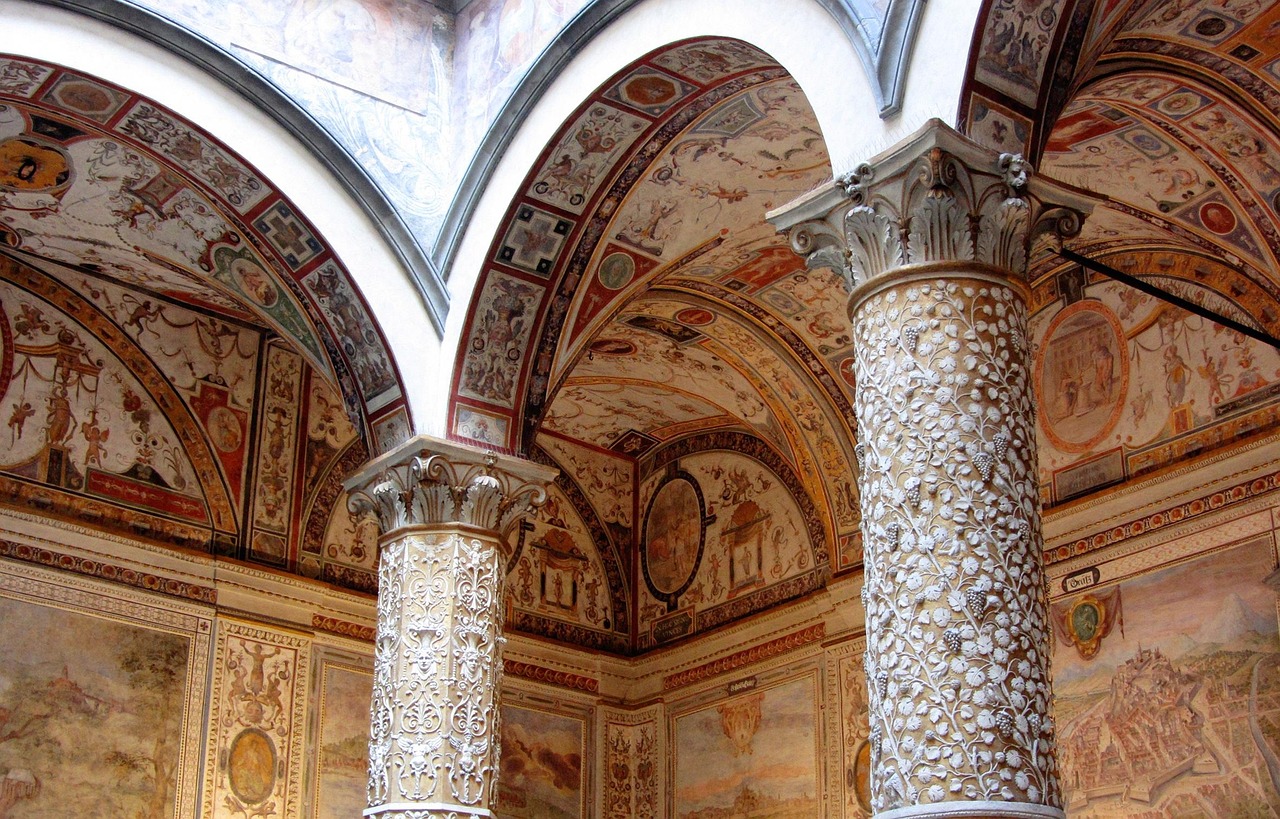
Macellum and Temples Serapide Augustus and Underworld Myths in Pozzuoli
For travellers seeking Temple of Serapis Macellum Pozzuoli Roman ruins, this stop is pure layered storytelling. The site is the Macellum—a Roman market complex—yet it’s often referred to as the Temple of Serapis (or “Serapide”), because early interpretations leaned towards worship rather than commerce. Knowing it was a market matters: it brings you closer to everyday life, not just marble grandeur.
Wander with a cultural enthusiast’s eye. Here, the drama is quieter: stone foundations, scattered fragments, and the idea that daily transactions once echoed where you stand.
The famous column, marble clues, and bradyseism made visible
Look for the famous column marks—boreholes and water lines that helped scientists understand long-term shifts in the ground and sea. It’s bradyseism in plain sight: history meeting geology, a clue that turns “ruins” into living evidence. Even the remaining marble speaks, if you let it.
In the wider Campi Flegrei imagination, underworld stories have always hovered. You’ll hear Hades mentioned in relation to this landscape, shaped by steam and subterranean heat. Keep it grounded: think of it as myth reflecting human awe, not a performance.
Augustus, Caligula, and finding meaning through local support
Nearby references to the Temple of Augustus add a civic layer: the emperor as architect of public life, shaping what people saw, valued, and remembered. Even Caligula appears as a curiosity—best treated as a spark for your own exploration rather than trivia for its own sake.
A solo traveller once told us they got briefly lost in narrow lanes while trying to reach the site, and a local stepped in—gentle directions, a short story, a moment of human care. That kind of support turns confusion into insight, and it’s often what stays with you longest.
Rione Terra and the Cathedral of San Procolo Above the Bay and Rione Terra Pozzuoli Cathedral of San Procolo Bay of Naples views
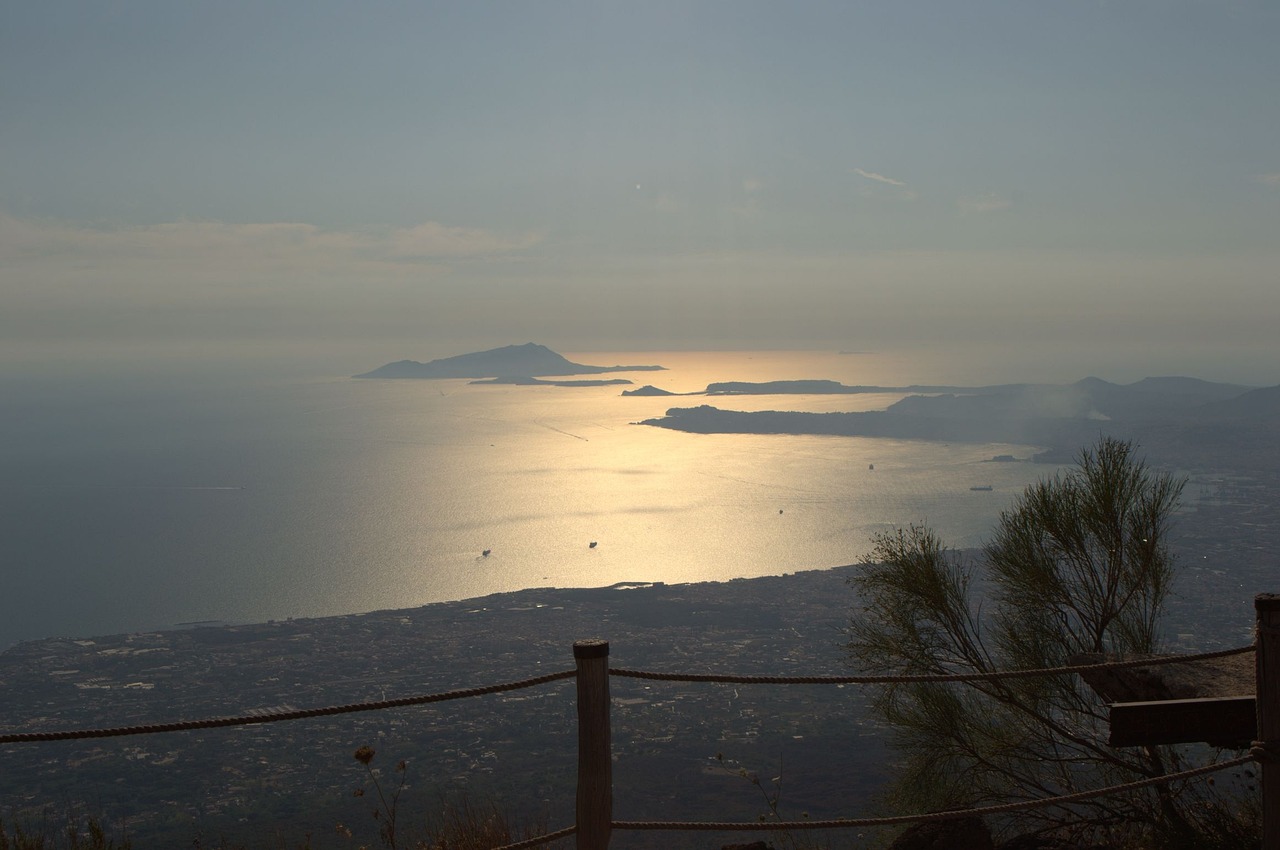
Rione Terra and the Cathedral of San Procolo Above the Bay in Pozzuoli
To plan Rione Terra Pozzuoli Cathedral of San Procolo Bay of Naples views with confidence, give this hilltop district a dedicated, unhurried window. Rione Terra is the historic heart—archaeology underfoot, quiet lanes, and viewpoints that reframe the town in one breath.
The shift in atmosphere is immediate: from port bustle to a calmer, almost contemplative height. It’s an ideal place to design a slower moment into an adventurous day.
Cathedral layers and respectful exploring in Rione Terra
At the cathedral of San Procolo, you feel worship space meeting ancient structure in a way that invites care. Keep your voice low, dress respectfully, and let the architecture do the talking. Even if you’re not religious, the layered history can feel profoundly human.
- Best light: late afternoon for softer tones and fewer groups
- Footwear: stable soles for uneven stone and steps
- Mindset: pause often; the quiet is part of the design
A Bay of Naples pause and a Nero-era aside
Then comes the panoramic moment: the Bay of Naples opening out, the town’s edges softened by distance, the wider bay shimmering as if it’s been painted into place. It’s the kind of view that makes you stop performing your trip and simply be in it.
If you enjoy optional context, ask about civic changes and stories linked to Nero. Keep it light—one intriguing thread is enough—then return to the present, where the sea breeze and stone steps are doing the real work.
Solfatara Volcano Adventure in Pozzuoli and Solfatara of Pozzuoli volcano hike fumaroles safety
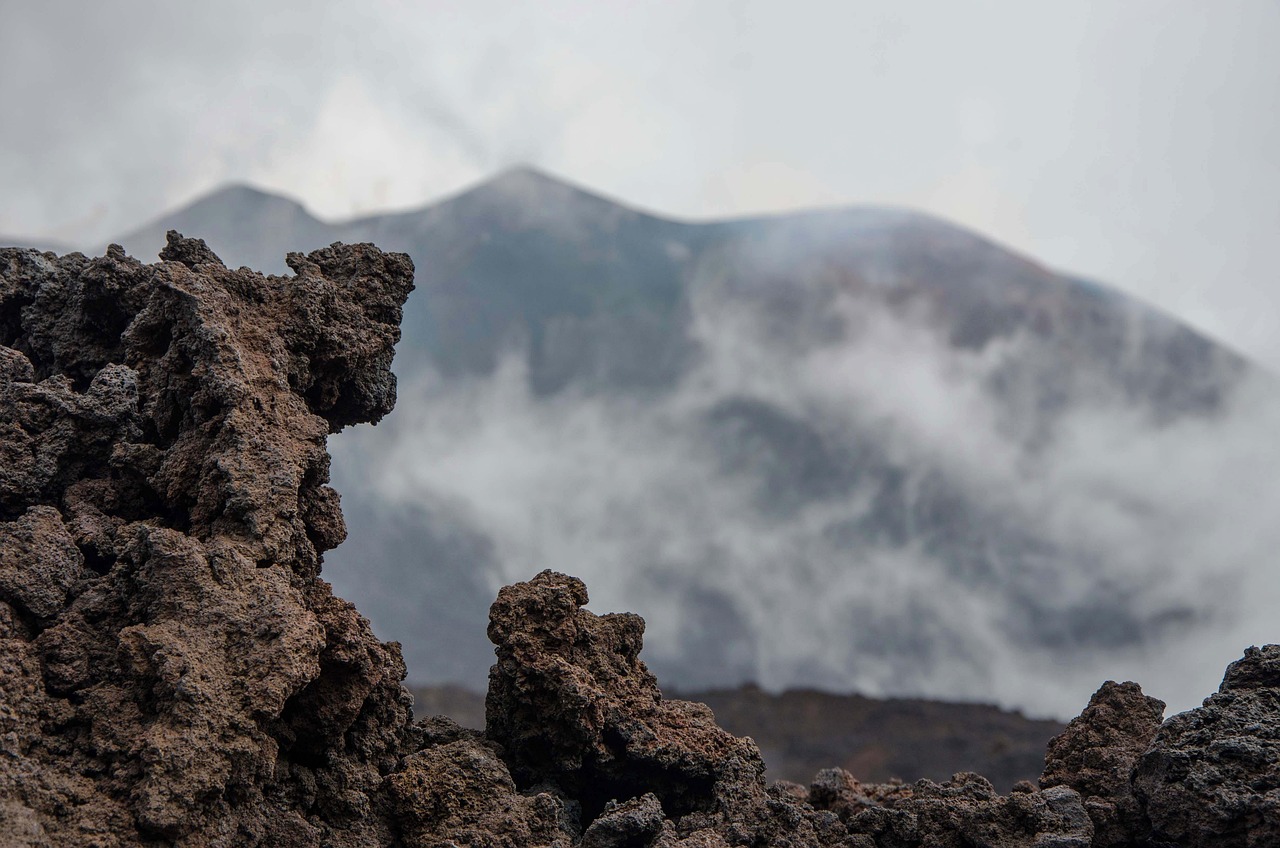
Solfatara Volcano Adventure in Pozzuoli with steaming fumaroles
If your adventure compass points to Solfatara of Pozzuoli volcano hike fumaroles safety, this is where nature feels thrillingly close. The Solfatara of Pozzuoli is an active crater experience with walking paths, visible steam, fumaroles, and bubbling mud pools—an encounter with a living system rather than a static viewpoint.
It’s also the place to let expert guidance lead: excitement and care should travel together. You’re here to explore, not to push beyond comfort.
Warm, expert safety guidance for a confident crater walk
Wear sturdy footwear, carry water, and use sun protection—this landscape reflects heat. Follow instructions calmly and keep respectful distance from vents; volcanic gases are real, and the best experience is a thoughtful one. There’s usually a small entrance fee, and it’s worth it for managed access.
Avoid rainy days: paths can become slippery and visibility drops, which dulls both safety and wonder. Early morning often gives clearer views and cooler walking conditions.
Campi Flegrei context, seismic reality, and the 1538 eruption
Travellers often recall the moment they felt warmth underfoot and smelled sulphur as steam rose—an immediate, sensory reminder that the earth is active. In the wider Campi Flegrei system, seismic movement and the occasional earthquake are part of the region’s natural story; naming it plainly can feel more reassuring than avoiding it.
A historical spark adds perspective: the 1538 eruption reminds us this landscape evolves. On clear days you may glimpse Vesuvius and even the silhouette of Mount Vesuvius, placing Pozzuoli’s crater within a bigger volcanic theatre.
Design a Seamless Pozzuoli Day With Local Flavours and Side Trips and Pozzuoli day trip itinerary Naples train Baiae Ischia Pompeii
Design a Seamless Pozzuoli Day With Local Flavours and Side Trips from Naples
If you’re building a Pozzuoli day trip itinerary Naples train Baiae Ischia Pompeii, the secret is flow. Start with a port breakfast, move into Roman sites while your energy is high, savour Rione Terra in softer light, then hold an afternoon window for the crater—designed to reduce decision fatigue and increase joy.
The best time to visit is spring (April to June) and early autumn (September to October). You’ll get pleasant weather, fewer crowds, and a more personal sense of place—especially if you begin early and keep the middle of the day for long lunches or shaded lanes.
Weather flexibility and calm alternatives when Solfatara isn’t ideal
If rain is forecast, don’t force Solfatara—slippery paths can turn an adventurous plan into an anxious one. Instead, create a slower loop: cafés, a longer seafront walk, or extra time around the Roman areas where you can linger over details like carved fragments and the occasional statue display.
Quick costs and logistics are simple: the amphitheatre ticket is often around 4 euros, while Solfatara has an entrance fee. Bring water, and pack a light layer for changing seaside breezes.
Side trips for adventure seekers with high-end pacing
If you have extra energy, choose add-ons based on curiosity, not pressure. Baiae offers submerged-history vibes and a dreamy, almost cinematic coastline. Bagnoli gives a different seaside mood, and Ischia is perfect for a refined spa and bath day—more resort calm than city rush.
Staying in Naples makes bolder day trips possible: Pompeii is iconic, while a long day in Rome can work if you’re already comfortable with fast travel. For a quieter local green pause in Pozzuoli itself, consider a stroll through Villa Avellino—a gentle reset between stones and sea.
- Order politely: “Vorrei…” (I’d like…) feels gracious
- Eat simply: let the seafood lead, minimal sauces
- Precautions: the town is generally safe; standard awareness is enough
If you’d like to design a wider Italian route with trusted support, browse our Trip gallery for inspiration that keeps comfort and discovery beautifully balanced.
Leaving Pozzuoli What Stays With You and Pozzuoli Italy travel reflections Bay of Naples
When you search for Pozzuoli Italy travel reflections Bay of Naples, what you’re really looking for is the after-feeling—the part that doesn’t fit neatly into photographs. Leaving Pozzuoli often feels like stepping away from a place that was quietly holding you: salt on the air, warm voices in narrow lanes, and the steady presence of living earth somewhere behind the skyline.
It’s not a checklist that stays with you, but small moments of trust and care: a waiter who steers you towards the freshest catch, a local who helps you find the right turn without making you feel foolish, a pause on stone steps where you realise you’ve stopped rushing. The town gives confidence back to the traveller—proof that the best days are created through attention, not speed.
Later, you might remember the light softening over the water and the sense that history here isn’t “past”; it’s layered into everyday life, quietly intact. And even when you’re far away, the idea of Pozzuoli can return at unexpected times—stone, sea, and that gentle knowledge that the world is still wonderfully alive, waiting for whenever you next feel called to wander.
F.A.Qs: Pozzuoli Italy travel essentials
What is Pozzuoli famous for?
Pozzuoli is famous for its Roman heritage—especially the Flavian Amphitheatre—alongside its living volcanic landscape in the Campi Flegrei. Travellers come for atmospheric ruins, port and seafront life, and the nearby Solfatara crater experience, all within an easy reach of Naples.
Is Pozzuoli worth visiting?
Yes, Pozzuoli is worth visiting if you enjoy culture with a sense of adventure. It offers major Roman sites, a beautiful working waterfront, and distinctive volcanic scenery—often with fewer crowds than bigger Italian cities—making it ideal for a crafted, high-impact day trip or a slower overnight stay.
Is Pozzuoli safe for tourists?
Pozzuoli is generally safe for tourists, especially in the central areas and along the seafront. Standard travel precautions apply: keep an eye on personal items in busy spots, use well-lit streets at night, and follow local safety guidance at volcanic sites like Solfatara.
What does Pozzuoli mean in Italian?
The name Pozzuoli is linked to the area’s ancient past, associated with wells and pits, reflecting the region’s geothermal character. The town was historically known as Puteoli in Roman times, and the modern name still carries echoes of that deep, earth-shaped identity.