Post Contents
- Choosing the Best City to Visit in Italy: Why Rome Is the City in Italy That Belongs on Your Bucket List
- Ancient Rome to Baroque Grandeur: must-see landmarks, piazza life, and places to visit
- Vatican Museums & Sistine Chapel: Vatican City masterpieces, Michelangelo’s ceiling, and Trastevere’s local soul
- Crafted luxury moments in Rome + a restorative day trip beyond the city
- Design Your Trip to Italy From Rome: transport tips, days in Italy, and nearby cities worth visiting
- After Rome: what stays with you from this city, long after you leave
- FAQs: Best city to visit in Italy
Choosing the Best City to Visit in Italy: Why Rome Is the City in Italy That Belongs on Your Bucket List
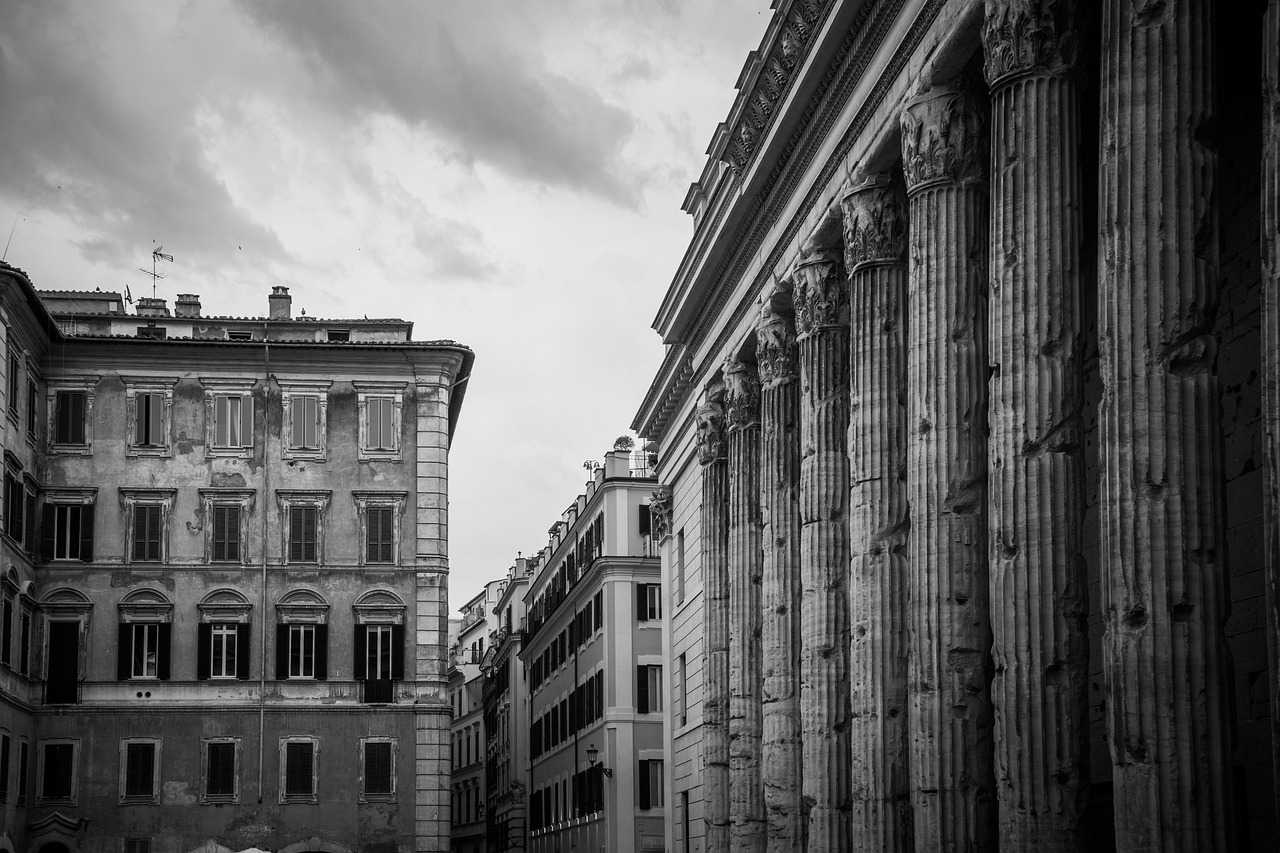
Choosing the best city to visit in Italy: Rome’s timeless scenes, golden light, and slow, elegant days
If you’re searching for the best city to visit in Italy—a city in italy with “much to see” that still feels calm, stylish, and liveable—Rome is a confident answer and a true bucket list classic. If you want to visit somewhere that balances iconic sights with everyday rituals, this is one of those beautiful places where your days feel effortless without becoming overly planned.
Rome works for first-timers and return visitors because it holds layers rather than a single storyline. You can move from emperors to artists in the same afternoon, then slip into a neighbourhood where locals still greet their barista by name. It’s one city where your pace can be designed around comfort—private guides, timed entries, and smooth transfers—while still leaving room for spontaneous detours.
Why Rome feels like the perfect city for first-time visitors, repeat travellers, and a refined return
As a place in italy to begin, Rome is unusually generous: ancient history, contemporary design-led hotels, and a dining scene that rewards curiosity. Even if you’ve done rome and florence before, the capital keeps unfolding—new exhibitions, quieter lanes, and candlelit corners that make the city feel intimate rather than overwhelming.
For travellers who prefer refined simplicity, Rome’s luxury is often understated: a calm suite above a side street, a concierge who secures the right time slot, and an expert guide who reads your energy and adjusts on the fly. That thoughtful support turns a good break into a genuinely restorative one.
A simple lens to compare cities to visit in Italy—Rome vs Florence, Venice, Milan, and the Amalfi Coast
When comparing cities to visit in italy, I use four filters: culture density, walkability, access to an easy escape, and how effortlessly the experience can be personalised. Rome scores highly on all four—especially because it can be both grand and local in the same day, with the metro and private cars offering options depending on your mood.
And yes, other italian cities are unforgettable: florence for the Renaissance that shaped the West, venice for timeless water-and-stone romance, milan for modern style, and the amalfi coast for coastline drama. But if you want one base that feels like a complete anthology of what italy has to offer, Rome is hard to surpass—especially when you design it well.




Ancient Rome to Baroque Grandeur: must-see landmarks, piazza life, and places to visit
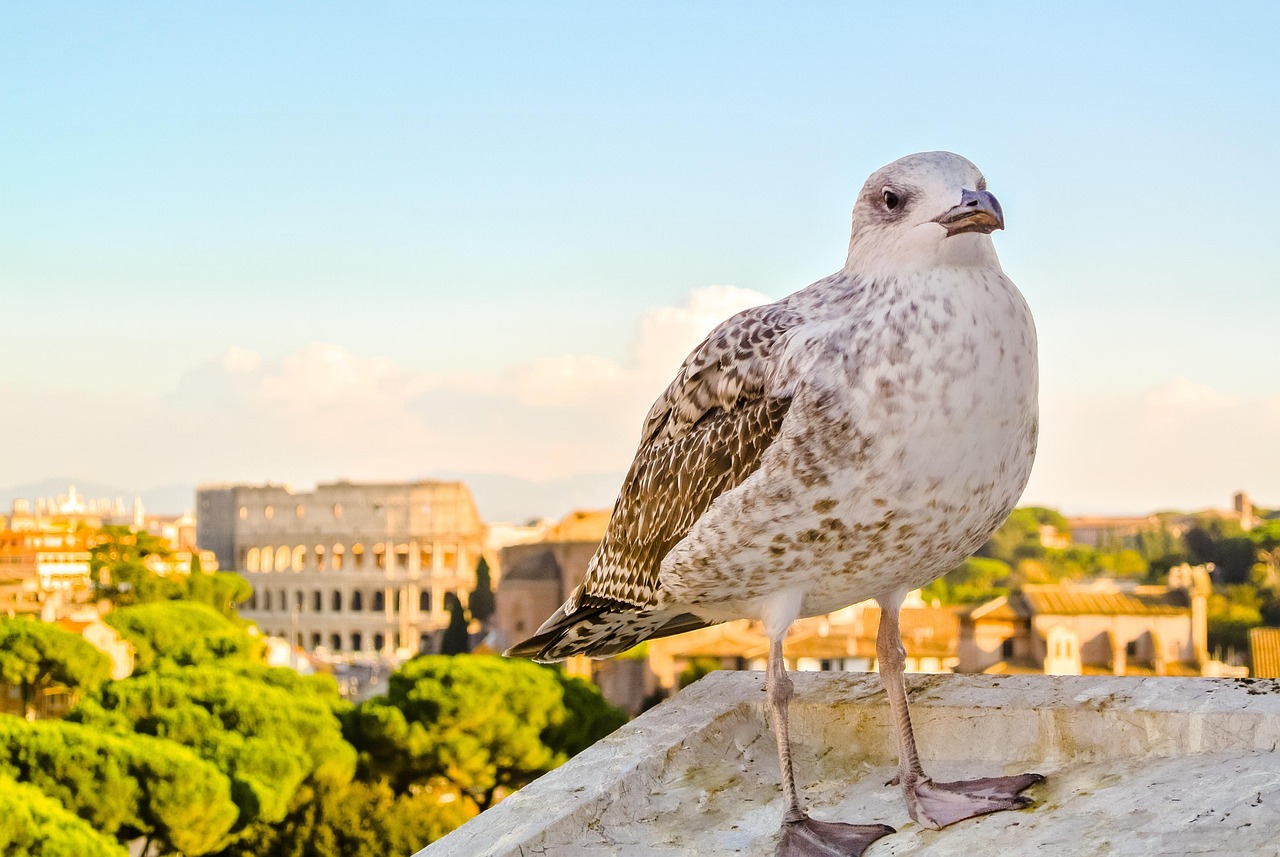
Ancient Rome to Baroque Grandeur: from the Colosseum to Piazza Navona, with room to breathe
To visit rome well, start with an iconic day that still feels human: focus on the Colosseum and Roman Forum, then drift into the city’s Baroque heart—Trevi Fountain and Piazza Navona—without queue fatigue. Done with smart timing, this is the easiest way to feel Rome’s scale while keeping the day comfortable, well-paced, and quietly elevated.
Colosseum and Roman Forum: ancient history with context, shade breaks, and an expert pace
Begin early with timed entry and a private or small-group expert who can translate stone into story. The Colosseum’s engineering and the Forum’s politics become vivid when someone points out the details you’d otherwise miss—how arches carried sound, where speeches were staged, and why certain routes mattered. With the right guide, you’ll move in shade when possible, pause when you need, and keep the morning purposeful rather than exhausting.
High-end pacing is also about micro-choices: a chauffeured drop-off near your entry point, a short comfort stop nearby, and a calm lunch reservation that’s not trapped in a touristy strip. You’ll enjoy better food, gentler service, and a more local feel.
In the afternoon, design a slow arc through Rome’s open-air theatre. From the Spanish Steps, slip into quieter lanes and hidden courtyards where the city feels like one of the most beautiful cities in the world—especially when you’re not fighting crowds. This is where a single scoop of gelato becomes a small ritual rather than a rushed snack.
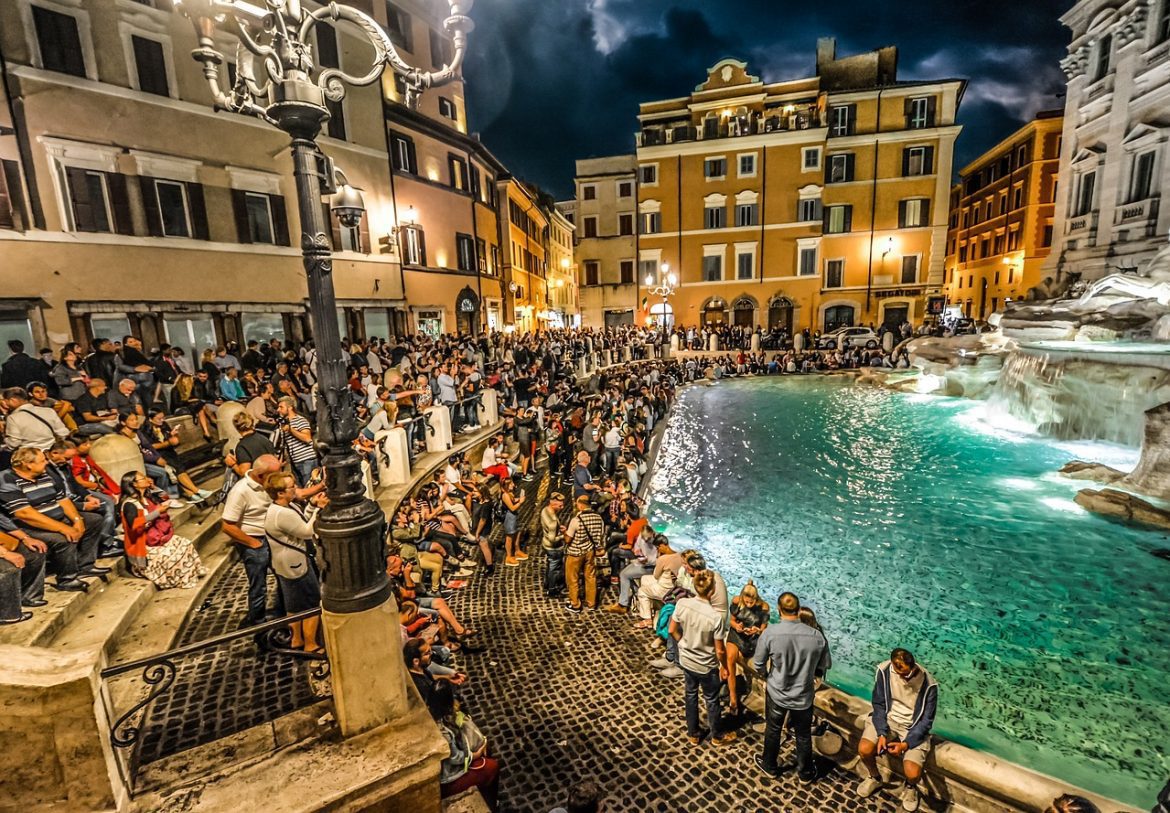
Then uncover Baroque drama at gentler hours: the Trevi district just before dusk, and a meandering walk that lands you in a candlelit piazza with music and that soft Roman light. Navona is the star, but the magic often happens between stops—fountains you didn’t plan, doorways you simply noticed, and a sense of ease returning to your shoulders.
- Comfort tip: book timed entries for the Colosseum and Forum, then keep your afternoon flexible.
- Photo angles: step a street back from Trevi for calmer frames and easier breathing space.
- Aperitivo idea: choose a bar with local energy on a side street off a main square—less spectacle, more soul.
As you move through these highlights, you’ll notice Rome doesn’t demand speed. It rewards attention, and it loves travellers who give themselves permission to pause.
Vatican Museums & Sistine Chapel: Vatican City masterpieces, Michelangelo’s ceiling, and Trastevere’s local soul
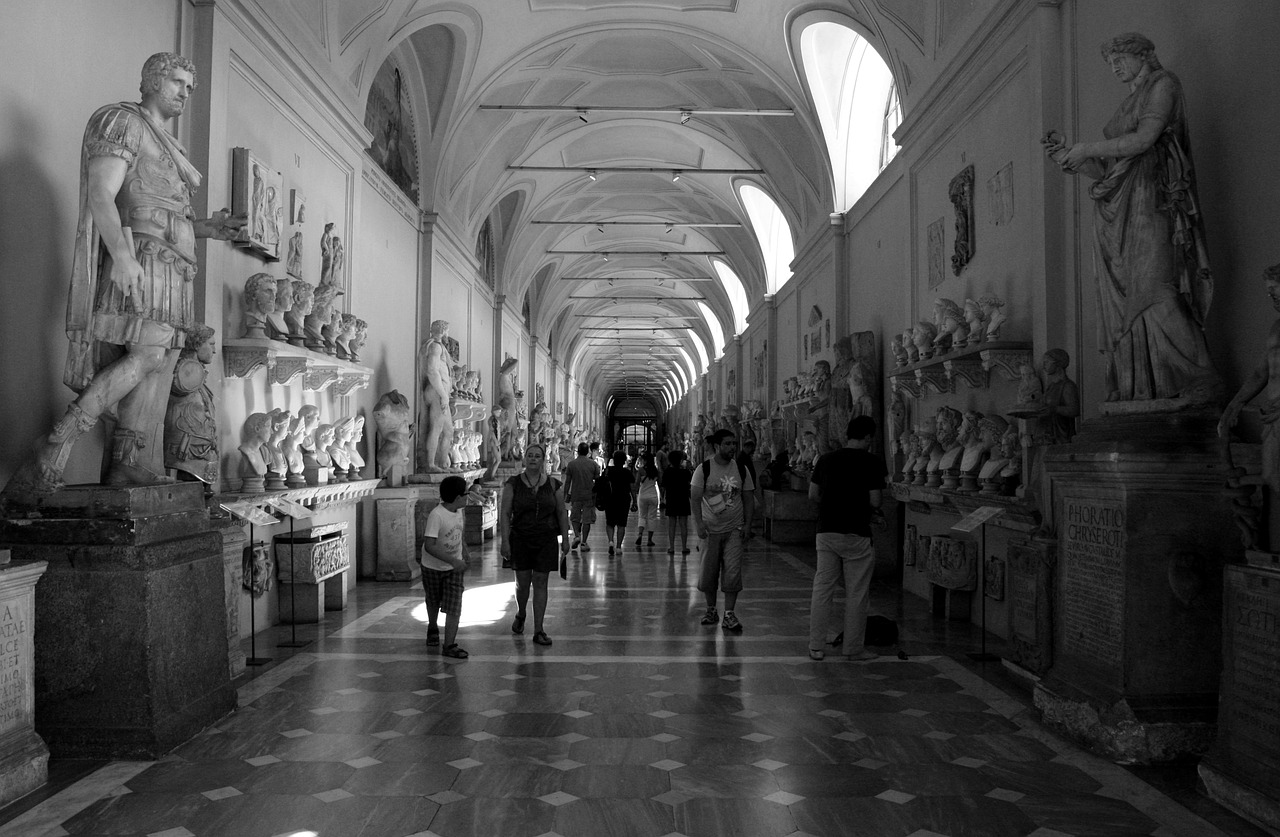
Vatican Museums art and Trastevere local soul with the Sistine Chapel
For many travellers deciding what to do when they visit in Italy, a morning at vatican city is non-negotiable—and it should feel serene, not stressful. Plan skip-the-line access to the Vatican Museums and the Sistine Chapel, spend time with michelangelo’s masterpiece overhead, then transition to Trastevere for cobblestones, local insight, and a dinner you’ll remember for years.
Vatican Museums and Sistine Chapel: early entry calm, curated highlights, and quieter viewing
The Vatican Museums are astonishing, but they’re also intense without the right pacing. With early entry (or a private guide if you prefer), you can create space to actually see: the architecture, the perspective tricks, and the hush that settles in when a room finally quiets. It becomes less about “doing the Vatican” and more about letting the art meet you where you are.
Dress codes matter here, and it’s worth planning for comfort: shoulders and knees covered, light layers, and shoes that can handle long corridors. If you’re short on time, a guide can curate the route so you don’t lose your energy before the Sistine Chapel, where many people want to linger in silence.
Trastevere artisan lanes: osteria dinners, makers’ studios, and a personal souvenir story
Cross the river and the mood shifts. Trastevere is where you stroll without agenda, letting the neighbourhood guide you. A solo traveller once told me their favourite moment wasn’t a headline attraction, but finding a hidden artisan shop tucked behind a vine-draped doorway. They connected with craftspeople, learned how certain pieces were made, and chose a souvenir that felt meaningful rather than generic.
That’s Trastevere: small conversations, warm smiles, and a sense that you’re part of the evening rather than watching it. It’s also a smart place to eat well with confidence, especially if you follow local timing and book ahead when needed.
Dining guidance with care: avoid tables directly beside major sights, where menus can be built for passing footfall. Instead, choose an osteria or family-run trattoria on a quieter lane—where the local rhythm is unhurried, and the welcome feels genuine.
Crafted luxury moments in Rome + a restorative day trip beyond the city
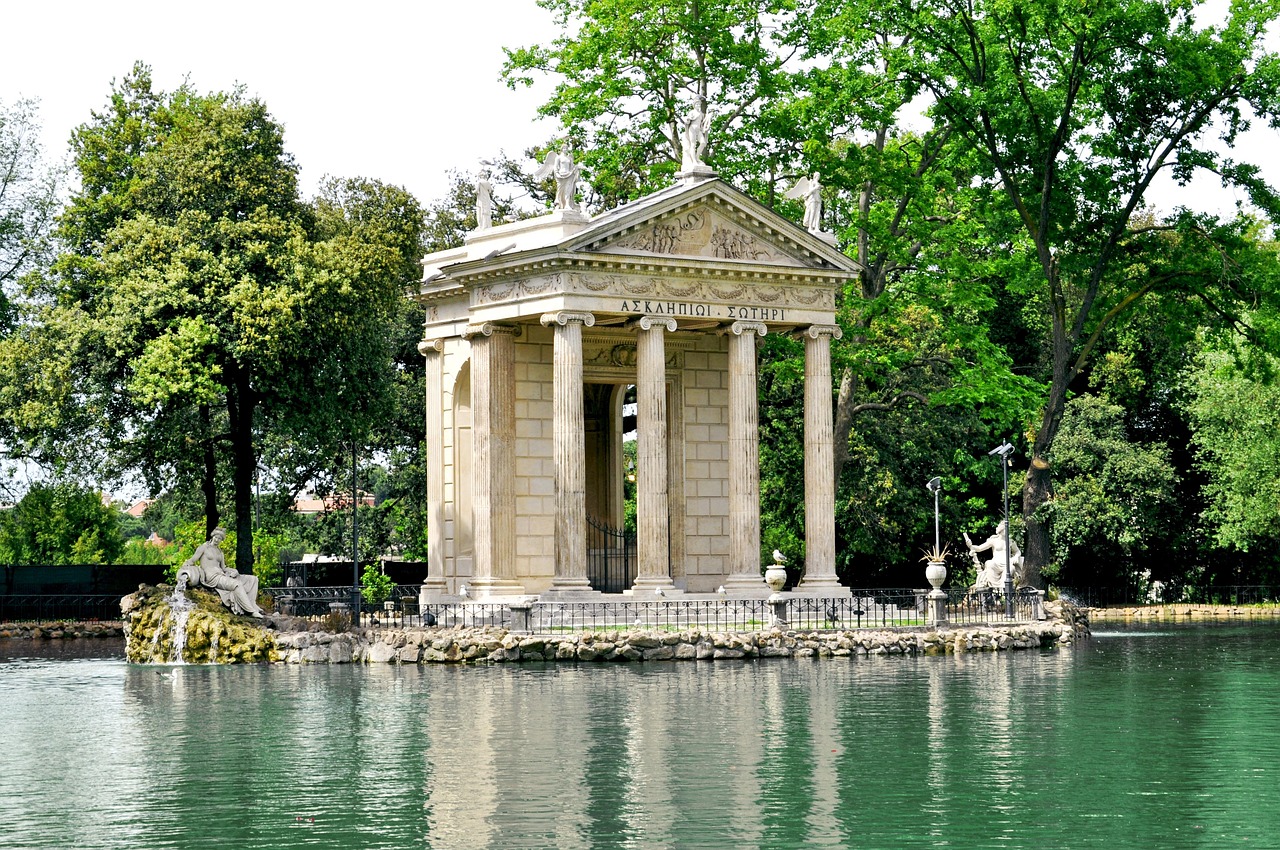
Crafted luxury moments in Rome at Villa Borghese and a Frascati day trip
A holiday in Italy can be beautifully planned, yet the moments you carry home are often the ones you didn’t schedule. This chapter is about luxury as a feeling: crafted evenings, personal encounters, and a day trip that lets you exhale—without losing the thread of Rome.
Villa Borghese at sunset: slow time, green space, and a local rhythm
One traveller shared how a spontaneous evening walk through Villa Borghese’s gardens became the unexpected highlight of their Roman week. They followed the sound of laughter, ended up chatting with locals, and found themselves invited into a casual sunset picnic—nothing flashy, just warmth, ease, and that gentle Roman twilight. It’s a reminder that care in travel isn’t only professional; sometimes it’s human, offered freely.
If you’d like to recreate the feeling, go in the early evening, bring something simple from a quality deli, and let the park do the rest. This is Rome at its most reassuring—green, soft-edged, and quietly generous.
Pantheon candlelight dinner + Frascati wine tasting: an elegant evening and an easy escape
A couple once described their candlelit dinner overlooking the Pantheon as the highlight of their Roman holiday. The food mattered, of course, but what stayed with them was the atmosphere: the steady glow, the murmur of the square, and the sense that time had slowed to meet them. For nights like this, book ahead and request a table with a view—then arrive early enough for a gentle pre-dinner stroll.
For a restorative escape, design a private Frascati experience. A chauffeured car makes the journey effortless, and a cellar visit with a small producer offers insight without pretence. You’ll taste elegant whites, learn the story of the vines, and settle into a relaxed lunch that feels crafted rather than scheduled—an unforced pleasure that balances Rome’s intensity.
- Luxury detail: ask your driver to time the return for golden hour so Rome welcomes you back softly.
- Souvenir with meaning: choose a bottle you’ll open at home on a quiet evening, not the most obvious label.
Between experiences, Rome also rewards mindful shopping: atelier-style boutiques, artisan studios, and makers who appreciate respectful curiosity. Buy fewer things, but better ones—and let the story travel home with you.
Design Your Trip to Italy From Rome: transport tips, days in Italy, and nearby cities worth visiting
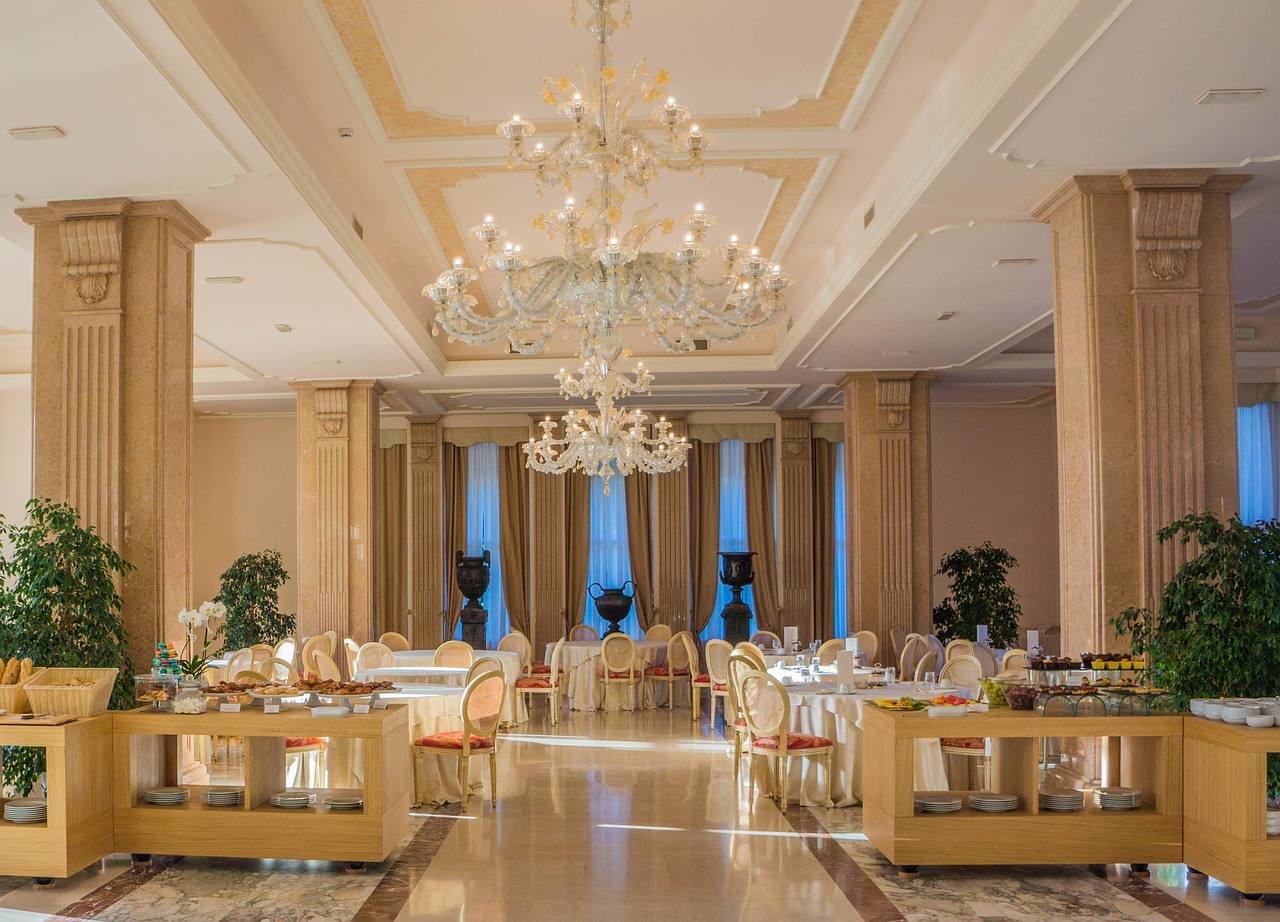
Design your trip to Italy from Rome with flexible planning and nearby cities
If you’re mapping days in Italy, Rome makes an elegant anchor: you can go deep without feeling hemmed in, and you can branch to nearby cities with ease. If you’re planning to visit Italy in a popular season, this “one base + smart add-ons” approach often protects your energy and keeps logistics calm. This is where your itinerary becomes less of a checklist and more of a design—built around taste, timing, and the kind of memories you want to create. For inspiration beyond this guide, you can browse our Italy tour trip gallery.
3, 5, 7 days from Rome: when staying the night elsewhere adds contrast
Three days: keep it concentrated—ancient Rome, the Vatican, and one unplanned neighbourhood evening. Choose one major museum moment and protect your afternoons for lingering lunches and people-watching in a Roman piazza.
Five days: add a day trip like Frascati, and include a design-led walk through boutique districts. This is the sweet spot for travellers who want comfort and variety without overreaching.
Seven days: consider overnighting elsewhere for contrast. A night in florence adds Renaissance intimacy, while a night in venice delivers that after-dark quiet once day-trippers leave. Rome remains your steady return point, but the texture changes—beautifully.
Seamless transport and timed tickets: exploring Italy with add-ons like Florence, Venice, Milan, Lake Como, and the Amalfi Coast
Getting around Rome can be simple with the metro and buses, especially for direct routes, but many high-end travellers prefer luxury private transfers for airport arrivals, late dinners, or when temperatures rise. The goal is to keep things seamless: minimal waiting, clear meeting points, and calm starts to your days.
For top sights, plan skip-the-line tickets and timed entries wherever possible. Carry some cash for smaller vendors, and keep pickpocket awareness in crowded areas without letting it colour your enjoyment—confidence and a zipped crossbody go a long way.
Once Rome is set, it’s easier to evaluate popular destinations as extensions. Here’s a warm, honest comparison—so you can explore in italy with clarity, whether you’re drawn to the major cities or a quieter corner with more breathing room:
- Florence and Tuscany: florence is where the renaissance started, and where art and architecture reward slow looking. Pair it with tuscany for vineyard light and a small city of towers like san gimignano, plus long lunches in hilltop villages.
- Pisa: a quick stop for the leaning tower of pisa (the famous leaning tower) and a stroll around the monumental complex before continuing on.
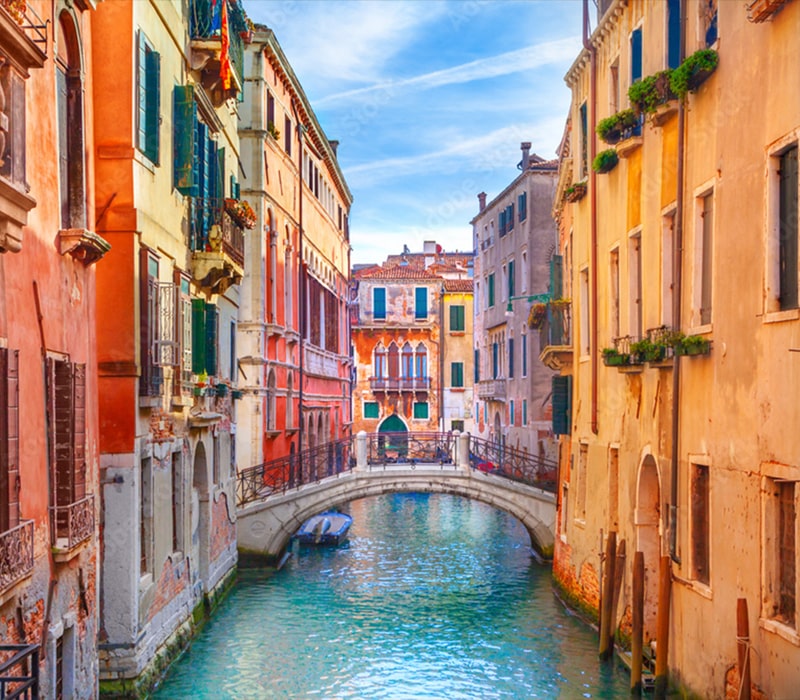
- Venice: venice is a masterpiece of atmosphere. A dusk walk beside a canal, a single gondola ride if you wish, and the soft curve of the grand canal can feel genuinely cinematic. Add burano for colour and craft, then enjoy the quieter lanes once the daytime crowds fade.
- Milan: milan is polished and purposeful—start with the duomo, then follow the thread of design and see the legacy of leonardo da vinci. If you have room for one easy add-on, lake como makes a stunning day trip for villas, gardens, and mountain light.
- Bologna and Verona: bologna is food-first and deeply liveable, with porticoes that make wandering easy; verona offers the arena di verona and the echo of romeo and juliet. Both are rewarding if you prefer an elegant pace over constant headline chasing.
- Genoa and Liguria in northwest italy: genoa has grit, grandeur, and an underrated maritime soul. In liguria, order trofie al pesto and taste something distinctively ligurian—bright, herbal, and shaped by the sea.
- Cinque Terre: the cinque terre are picturesque, with villages stacked high and footpaths that reveal sea views from a sunlit terrace. Go early or in shoulder-season for a calmer, more photogenic experience.
- Amalfi Coast and Naples: the amalfi coast is jaw-dropping—think amalfi, positano, sorrento, and ravello, with a coastline that feels sculpted. Fly into naples if it suits your route, consider a trip to pompeii for history lovers, and add capri for sunlit glamour. End the evening with a chilled glass of limoncello.
- Puglia: puglia is often less touristy, with whitewashed towns and a slower dining rhythm—wonderful if you want to decompress in a different part of italy, with long meals and sea air.
Each of these is a distinct place in italy, and each meets different moods. The luxury is choosing what fits you now, rather than what you think you “should” do.
And if you ever wonder whether Rome is still the best base, return to your original lens: culture density, walkability, easy escapes, and how supported you feel. When those are in balance, Italy becomes not just a beautiful country, but a deeply personal experience—one of those places in the world that changes how you see time.
For clarity, italy is a country of contrasts, not a single style. You might want to visit a walled city one year, then chase coastline the next; the point is that your choices can stay rooted in trust, comfort, and curiosity.
After Rome: what stays with you from this city, long after you leave
Long after your visit to italy ends, Rome tends to return in quiet fragments rather than loud souvenirs. It’s the remembered coolness of stone beneath your fingertips, the way a piazza holds conversation like a bowl holds water, and the gentle hush of art once the crowds have moved on.
You may find yourself thinking of small kindnesses: a waiter who noticed you were tired and slowed the service without being asked, a stranger who offered directions with patient warmth, or the soft clink of glasses from a nearby table as evening arrived. The city’s grandeur becomes less about monuments and more about how it taught you to look—up at cornices, down at mosaics, and inward at what you actually need when you travel.
And perhaps that’s Rome’s most lasting gift: a steadier confidence in your own instincts. You learn that beauty doesn’t always sit where the loudest crowds gather, and that care can be designed into a journey—through pacing, through choosing well, and through giving yourself permission to wander. In that sense, the capital is always worth visiting, because it meets you differently each time.
When you next think of exploring italy, it may not feel like returning to the same place, but to another version of yourself—one who notices more, hurries less, and stays open to whatever waits around the next turning. And that’s italy’s quiet promise: there is always another corner that fits who you are now.
FAQs: Best city to visit in Italy
What is the nicest city in Italy to visit on a first trip?
For many travellers, Rome is the nicest choice because it combines ancient history, world-class art, beautiful neighbourhoods, and excellent hotels in one place. It’s ideal if you want variety without constant packing, and it suits both first-time visitors and those returning for deeper, quieter discoveries.
Is $10,000 enough for a comfortable trip to Italy?
Yes—$10,000 can be enough for a comfortable, high-end trip, depending on your travel style, season, and how many cities you include. Choosing one base (like Rome) and adding a few curated experiences—private guides, timed tickets, and one or two special meals—often delivers more ease and value than moving every night.
Where should I go for the first time in Italy if I’m short on time?
Rome is a superb first stop because it offers iconic sights, walkable districts, and easy add-ons. If you have extra time, pairing Rome with Florence or Venice creates a balanced first impression—classical history, Renaissance art, and that unmistakable canal atmosphere—without trying to do too much at once.
What are the top 3 destinations in Italy for a first itinerary?
A classic top three is Rome, Florence, and Venice. Rome delivers ancient landmarks and lively squares, Florence offers Renaissance masterpieces and refined dining, and Venice is a one-of-a-kind city of water and light. If you extend the list, milan is a standout for design, fashion, and cathedral architecture—an easy add-on for travellers who love modern culture.