Post Contents
- Santa Croce in Florence – a basilica masterpiece in Italy and the di Santa Croce story
- Visiting Santa Croce in Florence: opening times, tickets, and dress code at the basilica
- Basilica of Santa Croce chapels and Giotto fresco in Florence, Italy – a focused viewing trail
- Buried in Santa Croce: tombs, funerary monuments, and a Florentine pantheon
- Piazza Santa Croce: roof terraces, the leather school, and local craft
- Santa Croce in Florence: reflection and travel insight that stays with you
- F.A.Qs: Santa Croce cathedral Florence Italy
Santa Croce in Florence – a basilica masterpiece in Italy and the di Santa Croce story
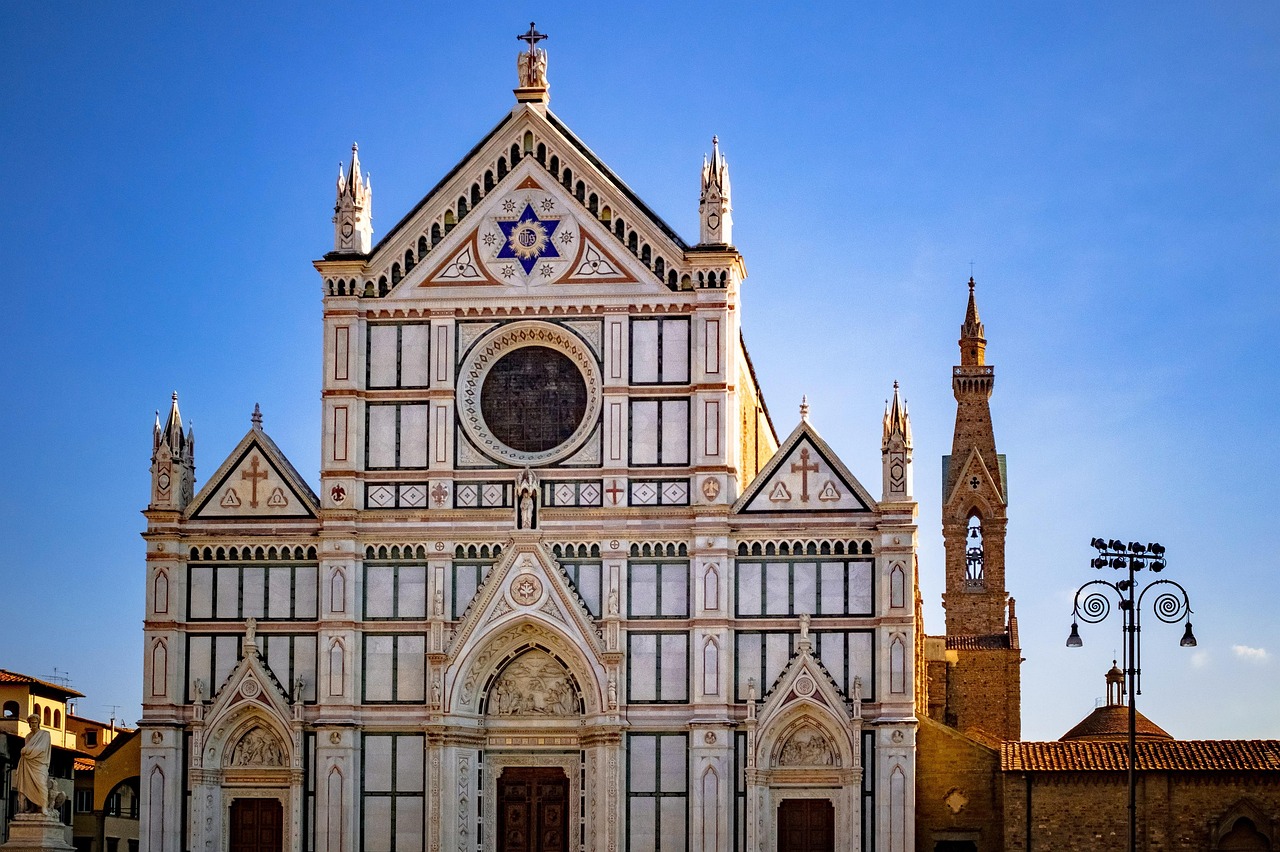
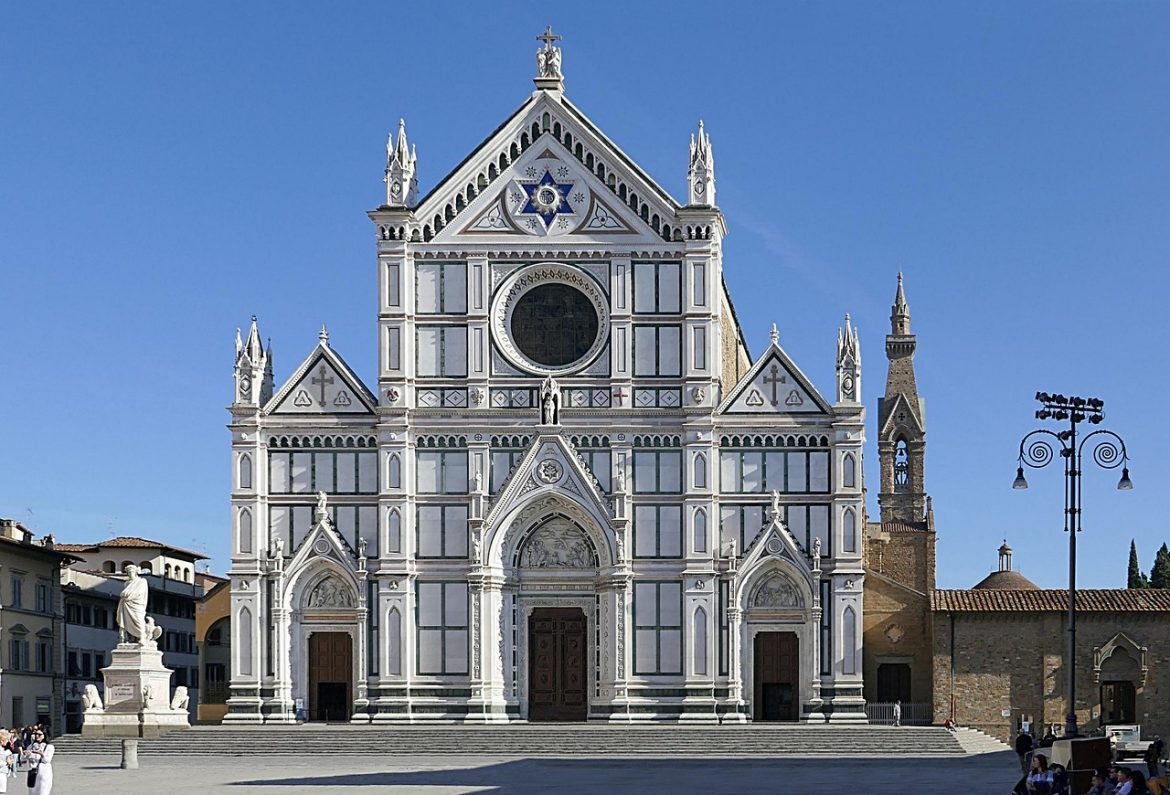
Santa Croce in Florence: your first view of the monumental facade and the spirit of the Holy Cross
Many travellers search for santa croce cathedral florence italy, but what you’ll actually be stepping into is a celebrated basilica: Santa Croce, dedicated to the Holy Cross. It stands slightly east of the historic centre, close to the riverside, and it still feels woven into Florentine daily life rather than set apart as a museum. Walk up to the façade slowly and picture a living archive—built for worship, memory, and art—rather than a checklist stop.
This Franciscan church grew from the ideals of Francis of Assisi, with a focus on clarity, generous proportions, and space that speaks to ordinary people. Tradition links the early plan to Arnolfo di Cambio, and the building that followed became the largest Franciscan church; some guides even call it the largest Franciscan church in the world, a Franciscan church in the world admired for both scale and restraint. Its long history spans the 14th century to later additions and restorations, including significant changes in the 16th century as the city’s tastes and needs evolved.
Santa Croce as a monumental complex: cloister walks, the Pazzi Chapel, and quiet corners
Santa Croce is more than the interior of the church. It forms a monumental complex with a cloister, museum rooms, and the serene Pazzi Chapel, plus spaces once used by the attached convent and resident friars. As you move through the Santa Croce complex, look for frescoed surfaces that still hold colour and meaning, and notice how the atmosphere shifts from open volume to intimate thresholds.
To explore with confidence, orient yourself first. The nave draws you forward, the transept opens into side chapels, and near the working areas you may glimpse the sacristy where liturgical life is prepared. This is one of those spaces in churches where the best approach is unhurried attention: pause, look up, then look closer.
Key zones to uncover without rushing inside Santa Croce
Think of Santa Croce’s layout as a gentle route you can shape on the go. You’ll move from the open nave toward chapel clusters, then—when accessible—out into the cloistered museum areas. Later in this guide we’ll go deeper into the chapel trail, the most important tombs, and the piazza outside so you can plan a seamless half-day without hurrying.




Visiting Santa Croce in Florence: opening times, tickets, and dress code at the basilica
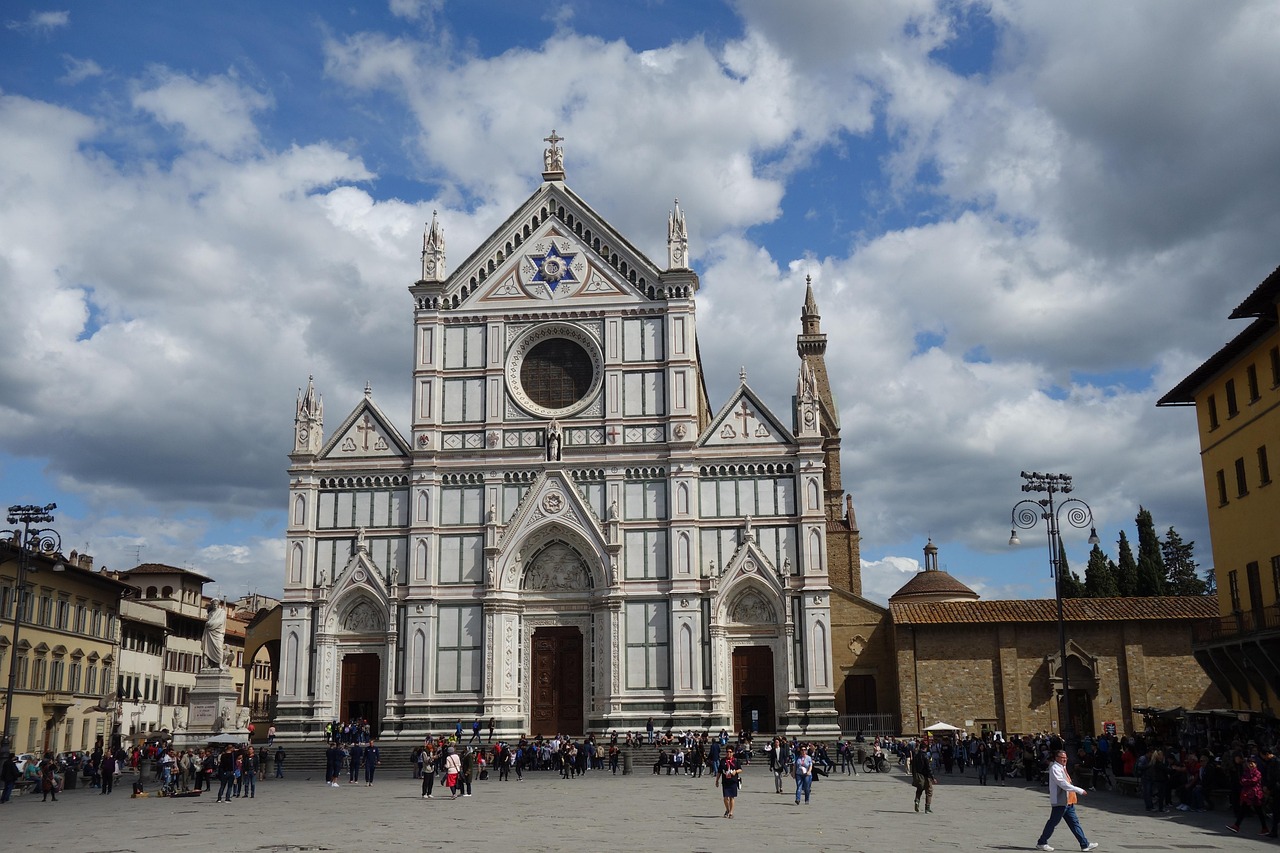
Visiting Santa Croce in Florence: tickets, simple checks, and calm planning for a smooth entry
For visiting Santa Croce, the practical details—hours, tickets, and dress expectations—are what turn a good plan into an easy one. Expect a quick security and ticket check, then a gentle funnel into the nave where the scale immediately settles your pace. Because service schedules and events can affect access, it’s wise to confirm the official opening times the day before, especially if you’re timing your visit around a concert or a special liturgy.
Tickets are typically around 8–10 euros, with discounts for EU citizens, students, and seniors. High-end travellers often book online for peace of mind, and it can help reduce waiting when the basilica is busy. If you’re coordinating multiple cultural stops, ask about combined admissions and any options that include the museum areas and roof access when available.
Tickets, timing, and a simple plan for Santa Croce
A low-stress itinerary is to pair Santa Croce with one other major sight, not three. Many guests start near the Duomo, drift east for a focused basilica visit, and later finish near Santa Maria Novella for an evening train or aperitivo. If you’d like to browse curated routes and upscale inspiration across Italy, you can explore our Trip gallery and build a day that matches your pace.
- Best crowd strategy: arrive early morning or late afternoon to see chapel art with fewer distractions.
- Dress code: cover shoulders and knees; a light layer is usually enough.
- Footwear: choose comfortable shoes—cobbles and uneven stone are part of the experience.
- Small purchases: carry a little cash for artisan shops and quick refreshments nearby.
Getting to Santa Croce and moving comfortably around the piazza
Santa Croce is an easy 15-minute walk from the historic centre, and the route itself is a pleasant warm-up through side streets and small squares. From the main station, bus lines C2 or 23 can be practical if you want to conserve energy for long gallery hours. If mobility is a concern, take your time on the cobblestones and choose steady shoes—comfort shapes what you notice once you’re inside.
One reassurance: it’s normal to feel uncertain in sacred settings. If you enter quietly, keep voices low, and follow the flow of the basilica, you’ll find the atmosphere welcoming rather than strict.
Basilica of Santa Croce chapels and Giotto fresco in Florence, Italy – a focused viewing trail
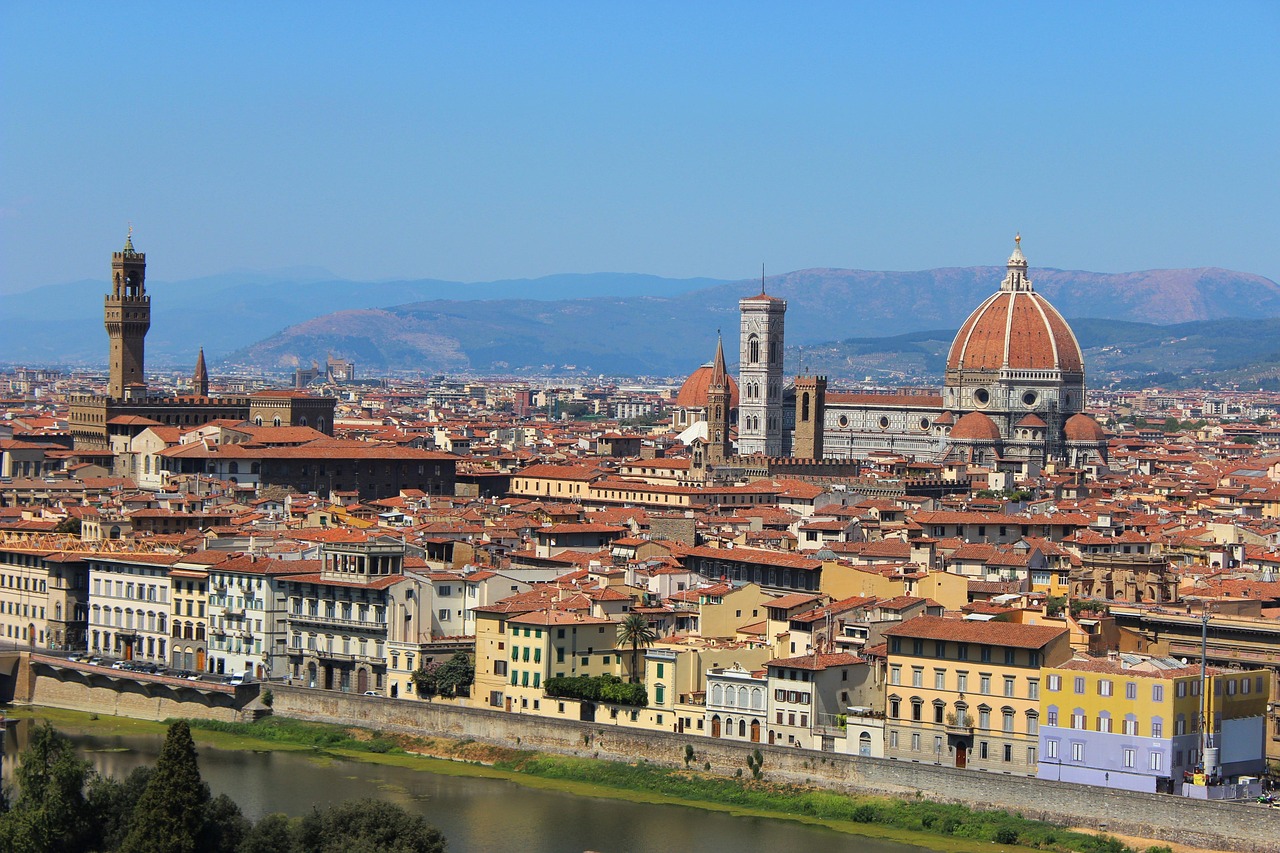
Basilica of Santa Croce chapels: painted stories, stained glass, and a calm route for close looking
What draws art lovers to Santa Croce is not just the headline names, but the discipline of close looking. Let your eyes travel from stained glass windows to painted plaster, and notice how quiet changes your sense of time. In a single chapel, a fresco cycle can hold more narrative than a whole modern gallery room.
Giotto changed how people experienced sacred stories, giving them emotion and believable space, and Santa Croce preserves some of the most discussed examples. Look for the Giotto frescoes and the work of his circle, including Taddeo, whose approach carries the same clarity. As you read the scenes, you’ll also encounter themes tied to the story of the true cross, where theology becomes visual storytelling.
Giotto and the chapel method: how to view fresco without overload
To keep your attention steady, choose one story and follow it panel by panel rather than trying to absorb every fresco at once. Stand back first so the composition reads clearly, then step closer to catch gestures, faces, and quiet drama in everyday details. Early morning light inside Santa Croce often reveals subtleties that afternoon crowds miss.
- Start wide: read the scene as a whole before you hunt for details.
- Pick one sequence: follow a single narrative across panels so each fresco becomes a story, not a blur.
- Pause once: take one insight—colour, light, or emotion—then move on with confidence.
Bardi Chapel and Peruzzi chapels: Cimabue’s crucifix, the high altar, and early Renaissance echoes
The Bardi and Peruzzi chapels are essential for understanding the leap in Florentine painting that happened here. In the Bardi chapel and the Peruzzi chapels, scan for the narrative panels, then notice how architecture frames them like chapters in a book; this is where bardi, peruzzi, and the wider tradition of bardi and peruzzi patronage becomes tangible. If a crowd gathers, step slightly aside—often the best viewing angle is one pace away from the centre.
Within the wider monumental complex, you may also encounter the famous crucifix by Cimabue, a work associated with the Crucifixion that speaks through vulnerability rather than triumph. The lines of the nave guide you toward the high altar, and along the way you’ll pass sculpture and decoration linked to major workshops—Donatello and Luca della Robbia among them—where the conversation between brunelleschi and donatello can be felt in the city’s broader artistic language. If time allows, glance toward devotional chapels dedicated to John the Baptist, John the Evangelist, or Anthony of Padua, each adding another layer to the basilica’s lived identity.
For travellers who want depth without overwhelm, a private guide can be valuable here—not to lecture, but to help you notice what you would otherwise walk past. The goal remains simple: discover meaning while keeping your own response intact.
Buried in Santa Croce: tombs, funerary monuments, and a Florentine pantheon
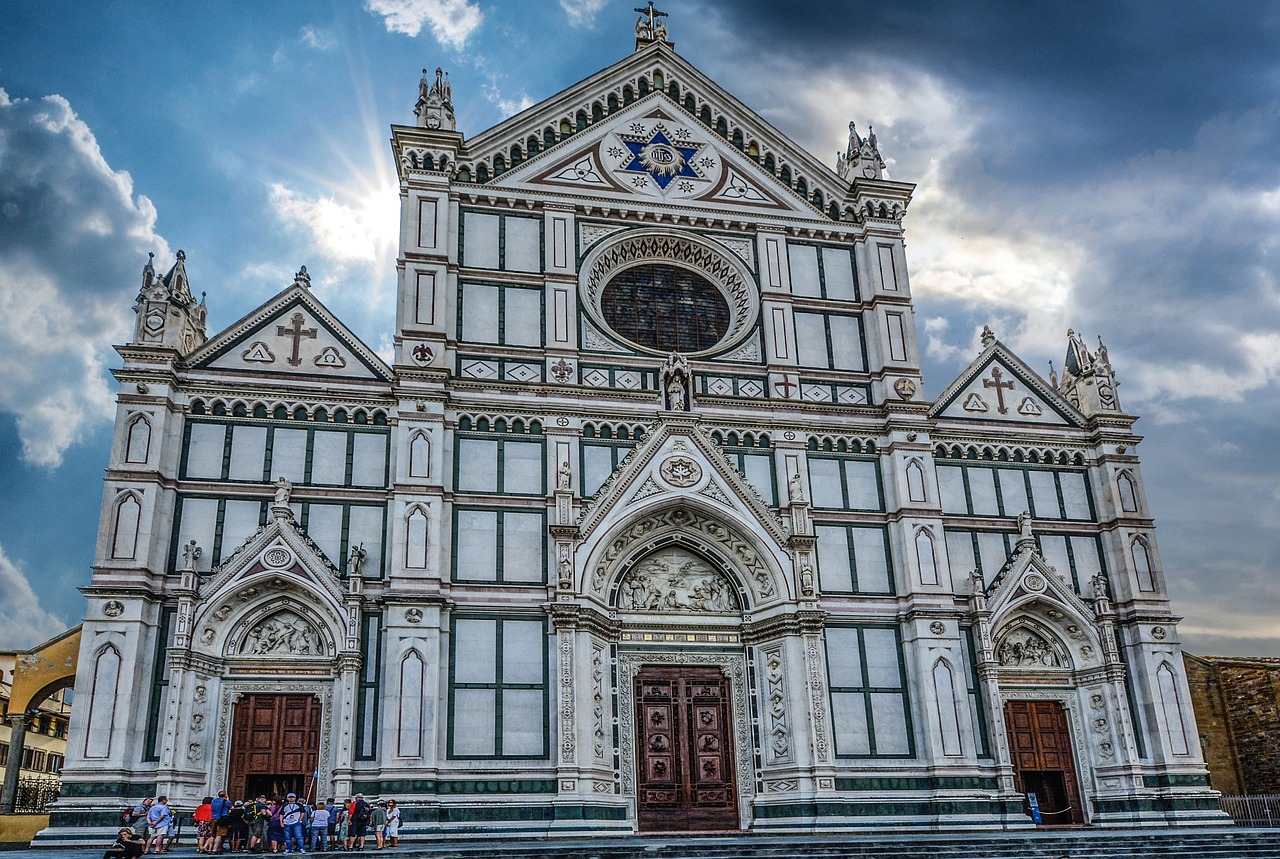
Tombs and monuments at Santa Croce: where remembrance, art, and national memory meet
This basilica is often described as a civic pantheon because of the way funerary monuments line the walls of the church. Art sits side by side with grief, pride, and devotion, and the effect is surprisingly personal when you give yourself time to absorb it. For many Italians, these memorials are part of a shared story, not just a tourist highlight.
Begin with the most resonant names. Michelangelo’s monument is often the moment travellers describe as profound, a reminder of Renaissance ambition held in stone and allegory. Nearby, the tombs and memorials create a monumental rhythm along the nave and into the transept, and even a single inscription can shift the atmosphere from admiration to reflection.
How to read a monument and tomb at Santa Croce with confidence
Give yourself emotional pacing. It’s normal to feel moved, and you don’t have to perform the moment—just allow it to deepen your attention. If you’d like a simple way to read each monument and epitaph, try this:
- Look for symbols: allegorical figures, tools, books, or laurel that signal what a life meant to Florentines.
- Read one line: even without translating everything, one phrase can bring the remains of the deceased into human focus.
- Notice placement: location along the nave or transept often reflects esteem, patronage, and local history.
Dante memorial and writers, thinkers, and civic leaders worth noticing
The memorial to Dante Alighieri is part of Santa Croce’s layered truth: it speaks to honour, exile, and the complicated ways a city claims its geniuses. If you have time, look for other names that deepen the story—Alfieri, Foscolo, and Rossini, as well as civic figures like Leonardo Bruni and Carlo Marsuppini—each a doorway into politics, letters, and public ideals.
As you explore, you may also catch echoes of Medici influence in Florence’s wider church culture, even though Santa Croce keeps a distinctly Franciscan tone. Step back once more and take in the monumental scale: it holds many lives, yet it still leaves space for yours.
Piazza Santa Croce: roof terraces, the leather school, and local craft
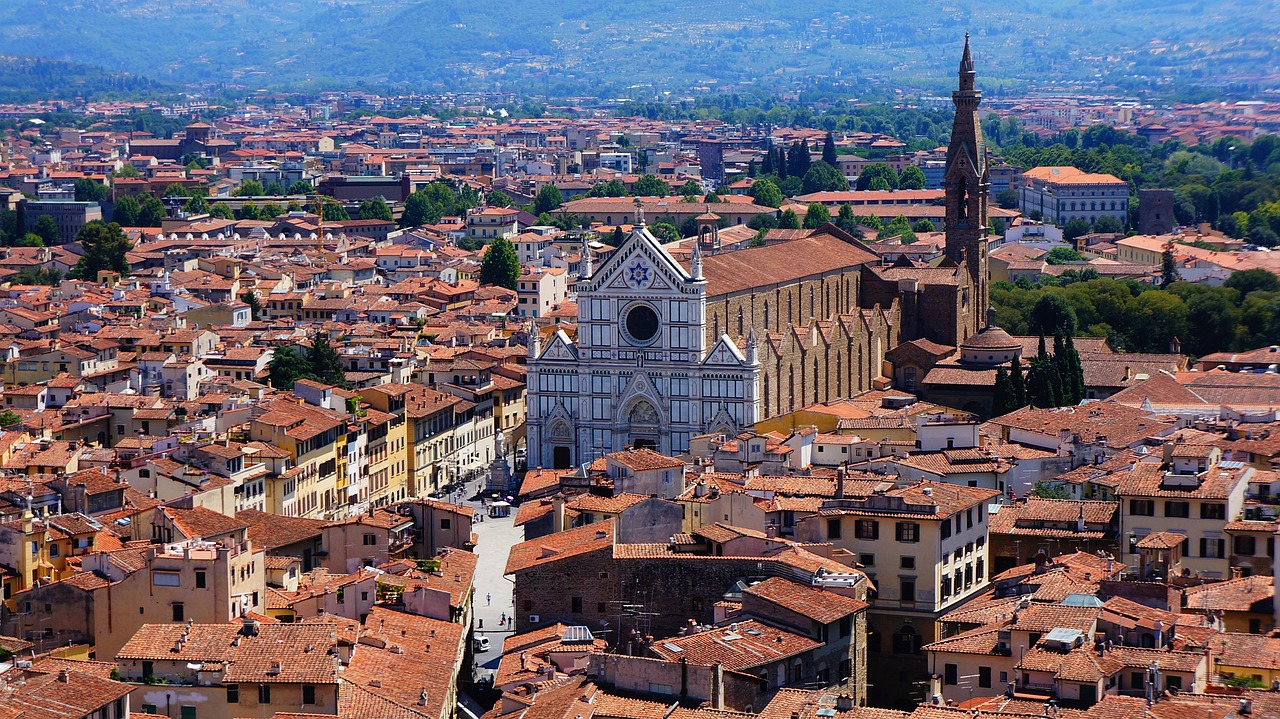
Piazza Santa Croce: roof terraces, artisan craft, and a lively local stage beyond the basilica
Piazza Santa Croce is where the experience turns outward and bright. Step into piazza santa croce and you’ll often find a lively local stage—street performances, seasonal markets, and cultural events that bring residents and visitors together. Check the local calendar so you can plan with confidence; Santa Croce’s piazza can feel magical during events, but it may also affect access and queues.
One traveller told us that hearing a live concert in the nave at sunset transformed their sense of sacred space. Santa Croce seemed to hold the sound, turning reverence into something shared and current. It’s a reminder that this basilica isn’t only history; it remains part of the city’s pulse.
Roof terraces: panoramic views and a new angle on the city
When roof terraces are available, the payoff is immediate: a panoramic sweep of rooftops, the skyline, and Tuscan hills beyond. Pace yourself on the steps, keep a hand free for railings, and choose shoes with grip—this is adventure in a tailored form. Up high, even familiar landmarks look new, and you may spot the dome with a fresh appreciation for Filippo Brunelleschi.
Leather school and museum: crafted tradition near Santa Croce
Close by, the dedicated leather school and museum offers a satisfying shift from chapel art to material craft. You’ll see how Florentine tradition continues through skilled hands—cutting, stitching, and burnishing—often with demonstrations that make the process feel immediate. It’s also a graceful place to choose a souvenir with meaning rather than something generic.
To make the day feel seamless, here’s a simple half-day loop you can design around your energy:
- Start: basilica visit focused on the interior of the church and one chapel route.
- Next: cloister and museum rooms (look for the chapter house and the former refectory if open).
- Pause: a slow drink in the piazza while the city moves around you.
- Finish: leather school visit and a small crafted purchase you’ll actually keep.
If you’re travelling together, agree on one shared priority—roof views or craft—then let the rest unfold. That balance of design and freedom is where this part of Florence often feels most generous.
Santa Croce in Florence: reflection and travel insight that stays with you
Santa Croce often lingers in your mind after you’ve stepped back into daylight. Santa Croce has always been a place where religious and civic life overlap, and you can feel it in the rhythm of visitors, worshippers, and locals passing through. The basilica’s scale may stay with you, but it’s usually the smaller things that return later: softened light on a fresco, the steadiness of stone underfoot, the hush that feels like support rather than emptiness.
You might remember standing by Michelangelo’s monument and feeling time compress into something close and human. Or it may be the sensation of looking up, breathing more slowly, and noticing how the walls of the church hold both grandeur and restraint. In spaces in churches like this, courage can be gentle—staying present, noticing what moves you, and allowing it to be enough.
There’s a kind of trust you build in Santa Croce: trust in your own pace, and care for the lives held within its stone and paint. The city beyond continues—busy, bright, and beautifully Florentine—but you carry a calmer attention with you, like a private compass.
And when you find yourself walking along the Arno again, you may feel a new curiosity rising—not to tick off another monument, but to keep uncovering the quiet threads that make travel feel personal.
F.A.Qs: Santa Croce cathedral Florence Italy
F.A.Qs: Santa Croce cathedral Florence Italy with practical answers for a smooth visit
Is Michelangelo buried at Santa Croce?
Yes. Michelangelo is buried in Santa Croce, and his tomb monument is one of the basilica’s most visited sites. Many travellers find it unexpectedly moving, so give yourself a quiet minute there and let the moment land without rushing.
Why is Santa Croce famous?
Santa Croce is famous for extraordinary art, chapel cycles, and its role as a Florentine pantheon of memorials and monuments. It also opens directly onto a lively square that often hosts cultural events.
Who is buried and memorialised in Santa Croce?
Santa Croce contains tombs and memorials for many notable figures, including Michelangelo and Machiavelli, alongside celebrated Italians such as Alfieri and civic leaders like Leonardo Bruni and Carlo Marsuppini. You may also notice a monument associated with Florence Nightingale among later commemorations that broaden the church’s story beyond Florence.
Why is Galileo honoured at Santa Croce?
Galileo Galilei is honoured at Santa Croce because Florence later chose to recognise his scientific legacy publicly within this prestigious religious setting. His monument reflects how reputation can change over time, placing science and civic pride within the basilica’s wider culture of remembrance.