Post Contents
- Arriving at Santa Croce in Florence: first impressions, façades, and the energy of the square
- Gothic architecture inside the basilica: nave and transept details that make it a masterpiece
- Giotto frescoes in Florence: the Bardi Chapel and Peruzzi Chapel as a chapel-by-chapel highlight
- Tombs and monuments in the Church of Santa Croce: Michelangelo, Galileo, Dante, and civic memory
- Pazzi Chapel in Florence: Brunelleschi proportions, pietra serena stone, and a Renaissance pause
- Exploring the Santa Croce complex: cloister paths, the sacristy, and museum spaces cared for by Opera di Santa Croce
- Piazza Santa Croce at night: local festivals, street food, and cultural events near the basilica
- Santa Croce Leather School in Florence, Italy: traditional leather crafting next to the church
- F.A.Qs: Santa Croce Church, Florence, Italy
- What stayed with us after visiting Santa Croce: a reflective travel experience in Florence
Arriving at Santa Croce in Florence: first impressions, façades, and the energy of the square
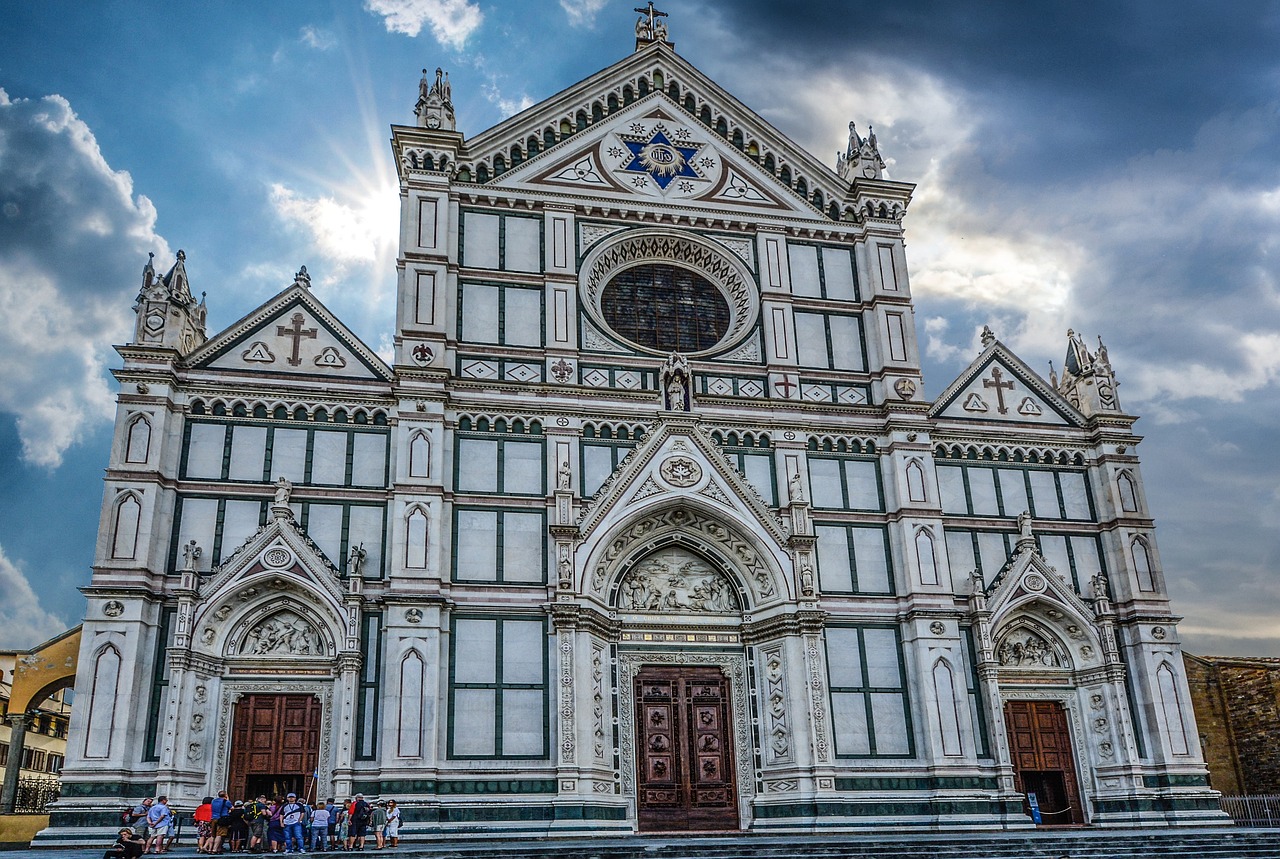
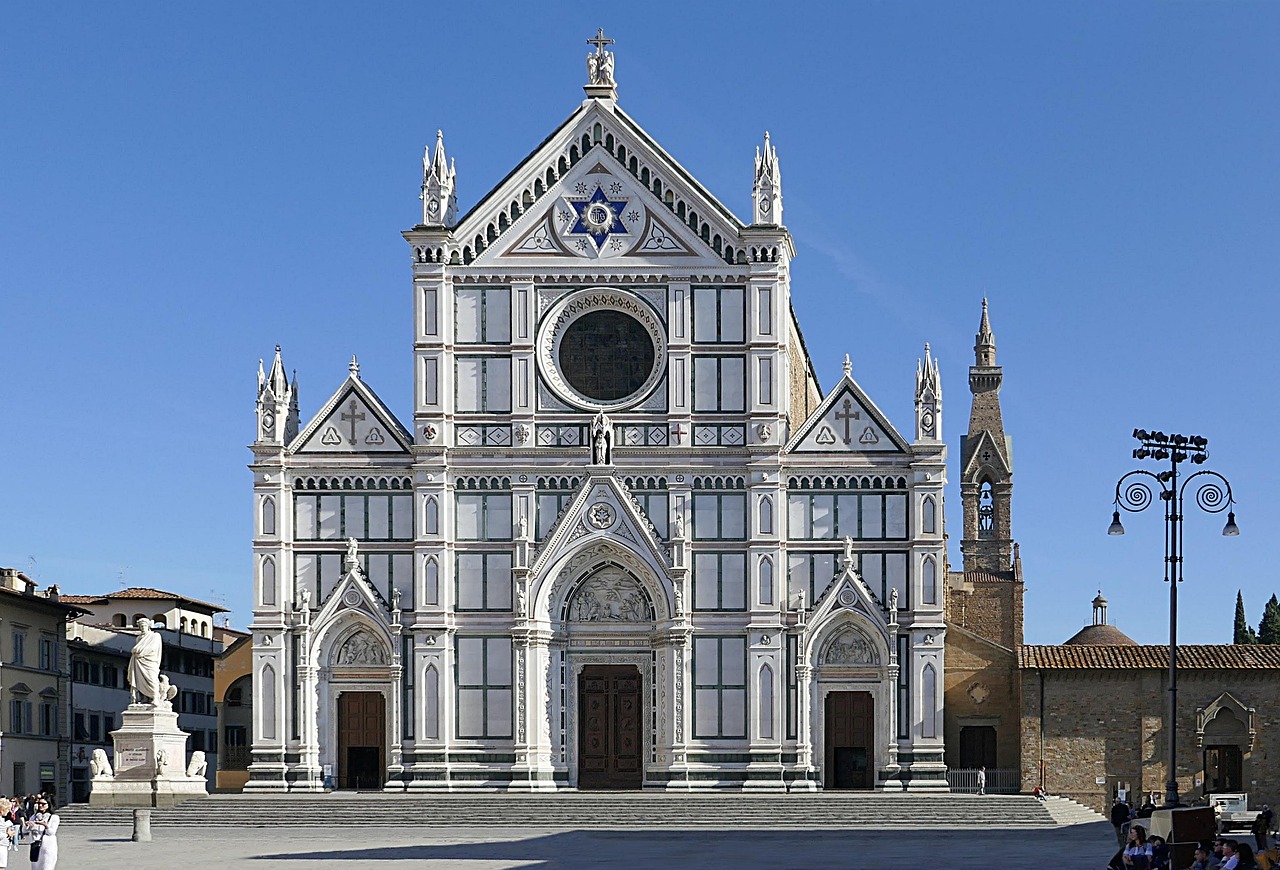
A calm arrival outside the basilica: marble geometry, open space, and that unmistakable Florence anticipation
Your first moments at santa croce church florence italy come quickly: a wide square that breathes, a confident façade, and that spark of expectation you only get in this city. The easiest approach is on foot from the historic centre, but local buses also drop you close by—well signposted, central, and reassuringly simple. Arrive early if you can, and the whole visit feels less rushed and more like a slow unfolding.
The piazza here isn’t a museum forecourt—it’s a living stage in everyday life in Florence. Some mornings bring small markets; other days bring cultural events, when music and conversation spill across the stones. That mix is part of the charm: you can soak up the atmosphere, mingle lightly, and still keep your awareness gently switched on when it’s busy.
Square rhythm and the monumental complex: what you’ll see before you step inside
Before you enter, take a minute to clock the full scope of the complex of Santa Croce. Beyond the church, you’ll find a cloister, museum spaces, and the serene Pazzi Chapel; it’s a monumental complex designed to be wandered, not speed-run. Even from outside, the crisp marble and bold geometry hint at a place where craft, devotion, and Florentine confidence have been held with care for centuries.
Micro-moments for photographers (and peace of mind) before entry
For a seamless start, build a few tiny pauses into your approach. Morning and late afternoon give the most flattering light on stone, and the square feels more spacious for framing shots. When the crowd energy rises, keep things simple:
- Best light: early morning for softer shadows; late afternoon for warm tones across the façade.
- Water pause: sip and reset before you go in, so you’re not hunting mid-visit.
- Wallet care: keep valuables zipped and close, especially during events.
- Shoes: supportive soles help you stay present on Florentine paving.
Once you feel settled, step through the doors—Santa Croce’s story shifts from sunlit bustle to stone-cool quiet in a single breath.




Gothic calm in the nave: arches, light, and the scale that makes you slow down
Step into the basilica of Santa Croce and you’ll feel your pace change almost automatically. Santa Croce was founded in 1295, and the early project is often linked to Arnolfo di Cambio, which helps explain the assured Gothic clarity you sense the moment you enter. It’s often described as the largest Franciscan church in the world, and the scale makes that claim feel believable.
Begin in the nave, letting your eyes adjust to the soft light and the repeating rhythm of arches. The mood is unmistakably Franciscan—less glitter, more space, more air—yet still deeply Florentine in its devotion to proportion and craft. That balance makes the building feel like a quiet support for your own attention.
As you approach the transept, notice how the architecture draws you forward without hurrying you. Side aisles create a steady cadence, opening onto chapels you can explore more slowly later. You may spot a crucifix that anchors the room emotionally, and you’ll feel the whole space align towards the altar and main chapel as if the building itself is offering guidance.
Respectful visiting and easy photography rules inside a working church
Because this is still a place of worship, modest dress matters—covered shoulders, considered hemlines, and a quiet tone. Cameras are usually allowed, but photography inside certain chapel areas may be restricted; if in doubt, pause and check signage. These small choices build trust with the space and keep your visit feeling personal rather than performative.
Giotto frescoes in Florence: the Bardi Chapel and Peruzzi Chapel as a chapel-by-chapel highlight
Giotto’s storytelling on plaster: the famous Bardi and Peruzzi chapels up close
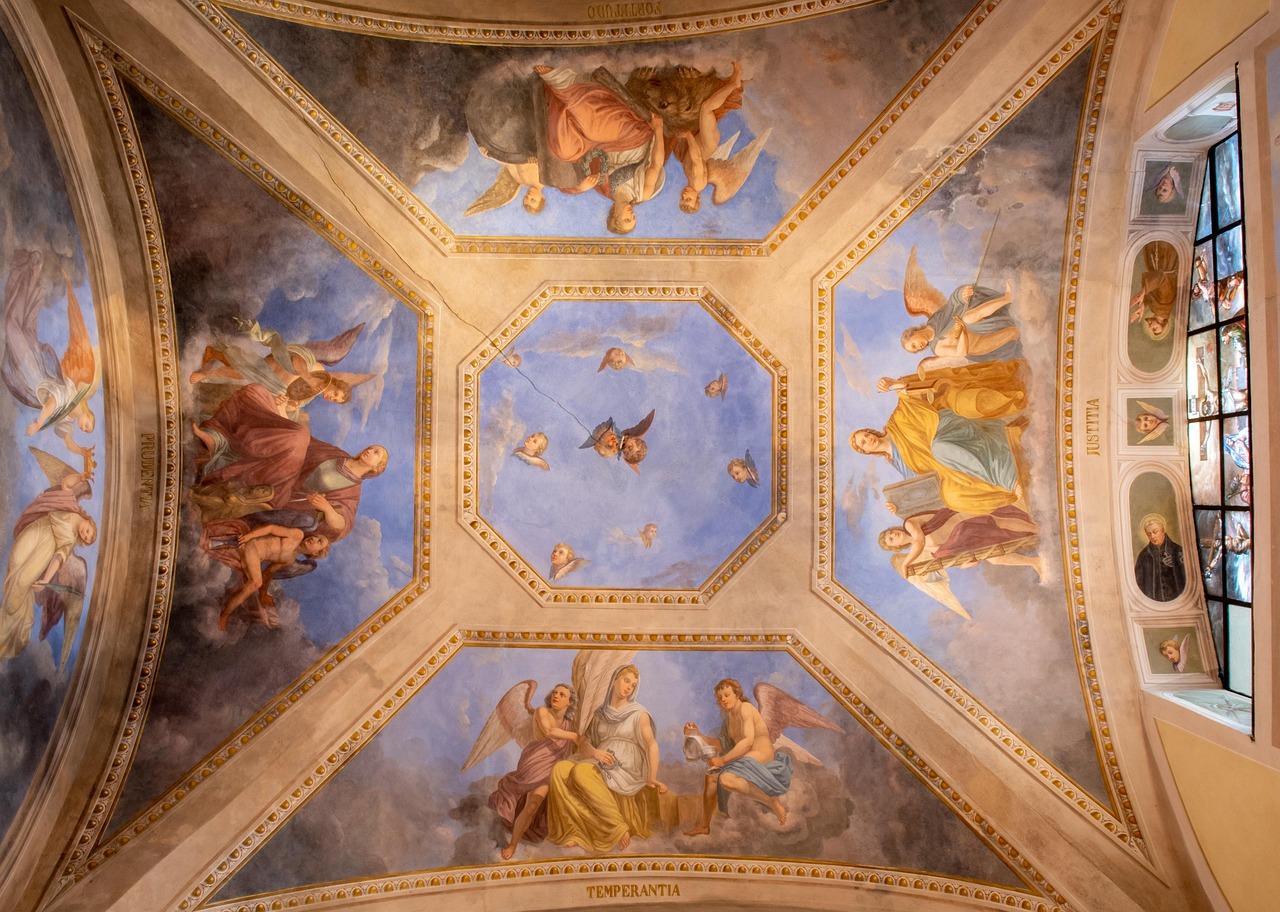
This is where Santa Croce reveals how storytelling can live on plaster and still feel urgent. You don’t need an art degree—just a willingness to look for colour choices, gestures, and the way each scene directs your eye. Think of every fresco as a carefully planned sequence, built to be read slowly.
Giotto’s cycles in the Bardi chapel and Peruzzi chapel are a cornerstone of 14th-century Florence, and they still stand with surprising clarity. For the clearest view, step back to take in the whole composition, then move closer to read faces and hands. When it’s busy, wait a moment—crowds shift, and a clean sightline appears if you’re patient.
How to read a fresco with confidence: quick cues for light, gesture, and narrative
To explore with insight, try a simple method that keeps you grounded rather than overwhelmed:
- Follow the light: notice where highlights pull you first, then trace the story outwards.
- Watch the hands: gestures often carry the message more than any background detail.
- Spot repeated colours: they link scenes like a visual thread across the chapel walls.
- Find the human moment: grief, courage, tenderness—universal entry points that make the paintings feel close.
The Bardi and Peruzzi chapels: Franciscan themes, saint stories, and nearby details
These are the Bardi and Peruzzi chapels, where Franciscan themes shape the narratives—the life of St choices, stories of St courage, and the death of St moment that can feel quietly confronting. Look out for surfaces that were once more richly frescoed, and notice how time has softened the colour without erasing the emotion. Nearby, you may hear references to the Baroncelli area and to Taddeo (Taddeo Gaddi), whose gentler touch adds warmth to the wider decorative programme; ask a guide to point out a detail linked to John the Evangelist, and the storytelling suddenly feels intimate.
If you want an extra layer, note that the Bardi family presence stretches beyond one room—some visitors also seek out the Bardi di Vernio chapel as part of the wider Bardi network within the church.
For a personal vignette, choose one scene that mirrors your own journey—arrival, risk, return—and write a one-minute sketch in your notes. It’s small, but it turns into remembering.
Tombs and monuments in the Church of Santa Croce: Michelangelo, Galileo, Dante, and civic memory
Tombs and memorials that turn stone into story: slow down and let the details land
The tomb route here can feel like stepping into a national memory book, but the best way to experience it is as a calm loop. Choose a simple path: start near the centre, drift to one side aisle, cross towards the transept, then return. That way, each tomb and monument feels meaningful rather than like a checklist.
Many visitors feel the impact of standing before Michelangelo’s monument; it’s unexpectedly moving, even if you didn’t think you’d feel much. Michelangelo died in 1564, and in this space, the date stops being a fact and becomes a bridge between your life and his. Give yourself a quiet minute—no photos, just presence—and you may feel a gentle connection to history and artistry.
Who is buried in Florence, who is remembered, and why the distinction matters
Galileo and Machiavelli are here too, alongside the Dante cenotaph—an honour for someone not buried in Florence, but commemorated with unmistakable pride. That tension between burial and memorial says a lot about identity and belonging. It’s the city’s religious and civic life held in one place, where devotion meets public memory.
Other memorial artistry to uncover beyond the famous names
If you have time, explore beyond the headline figures. Look for Leonardo Bruni and Carlo Marsuppini, each of whom offers a different idea of human dignity in a monumental memorial. You’ll also find connections to Donatello, while Giorgio Vasari appears in the wider story of conservation and decoration—once you start noticing Vasari in Florence, you tend to see him everywhere. For a sculptural detail to remember, seek the work of Bernardo Rossellino; elsewhere, Desiderio da Settignano adds another layer of Florentine tenderness, and the name Giovanni Battista Foggini is a useful reference point for comparing later Baroque tastes across the city.
Even music finds an echo here—Rossini appears as a reminder that the basilica holds creativity in many forms, not only paint and marble. Let it be a space where your own courage feels quietly supported.
Pazzi Chapel in Florence: Brunelleschi proportions, pietra serena stone, and a Renaissance pause
Renaissance calm in the Pazzi Chapel: proportion, light, and cool grey stone details
The pazzi chapel signals a shift: from Gothic awe to Renaissance calm. After the basilica’s vastness, this chapel feels designed to steady the mind, as a deep exhale rendered in geometry. It’s one of those spaces where you can almost feel your thoughts settle into clearer lines.
This is the moment to name the designer: Filippo Brunelleschi. Brunelleschi’s proportions make the room feel both human and quietly exalted, and the pietra serena stone adds a measured rhythm against pale surfaces. If you love crafted details, this is pure insight—architecture as a form of calm.
Della Robbia light: glazed terracotta roundels and colour that holds steady
Don’t rush the decoration. The glazed terracotta roundels by Andrea della Robbia hold their colour with luminous steadiness, and small changes in daylight shift their presence across the walls. It’s a simple lesson in attention: when you slow down, even a quiet detail becomes its own tiny masterpiece.
When is an expert-guided tour worth it in this chapel?
A guided tour can be especially valuable here because symbolism and proportion are easy to miss when you’re simply admiring beauty. A good guide will point out one or two key alignments, then step back and let you experience the silence. If you’re travelling together, it’s also a lovely way to share a single focus before drifting back into your own reflections.
Exploring the Santa Croce complex: cloister paths, the sacristy, and museum spaces cared for by Opera di Santa Croce
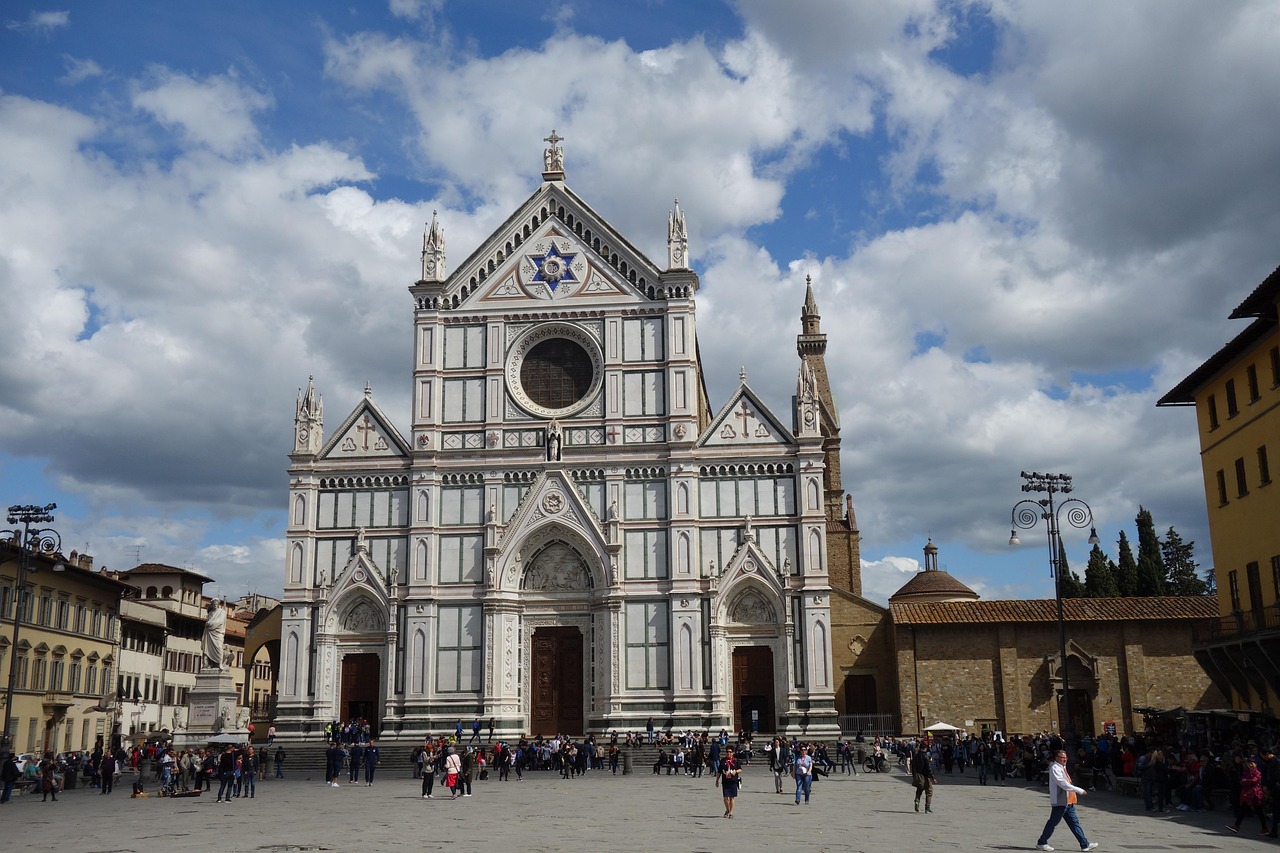
Beyond the main church: cloister calm, museum rooms, and the quieter corners of the Santa Croce complex
The Santa Croce complex is your invitation to move from headline sights into softer spaces. The cloister is a reset: gentle footsteps, open air, and a pace that helps adventure seekers absorb culture without burning out. If you’re visiting with others, it’s also where energy evens out—everyone finds their own rhythm again.
The sacristy is a working world behind the scenes
Step into the sacristy and you’ll sense the practical heartbeat behind the beauty. This room existed for preparation and safekeeping, and it still asks for respectful behaviour—quiet voices, no leaning, and extra care near any working areas. You may even glimpse a friar moving with calm purpose, a reminder that faith here is lived, not staged.
Refectory resilience, restoration, and the flood of 1966
The refectory and museum context deepen the visit with a story of survival. The flood of 1966 and the restoration that followed reveal the city’s resilience in the face of loss, and they also show how stewardship becomes visible over time. Site management by Opera di Santa Croce—the historic opera di santa responsible for care and conservation—helps keep this vast place coherent across centuries, from chapels and monuments to smaller museum rooms.
If you’re building a broader itinerary, it also offers a gentle comparison to Santa Maria Novella: two very different atmospheres, both unforgettable, both central to understanding Florentine art and devotion. For context, names you’ll meet across the city’s wider artistic web include Andrea Orcagna, whose work and influence shaped later Florentine taste.
Piazza Santa Croce at night: local festivals, street food, and cultural events near the basilica
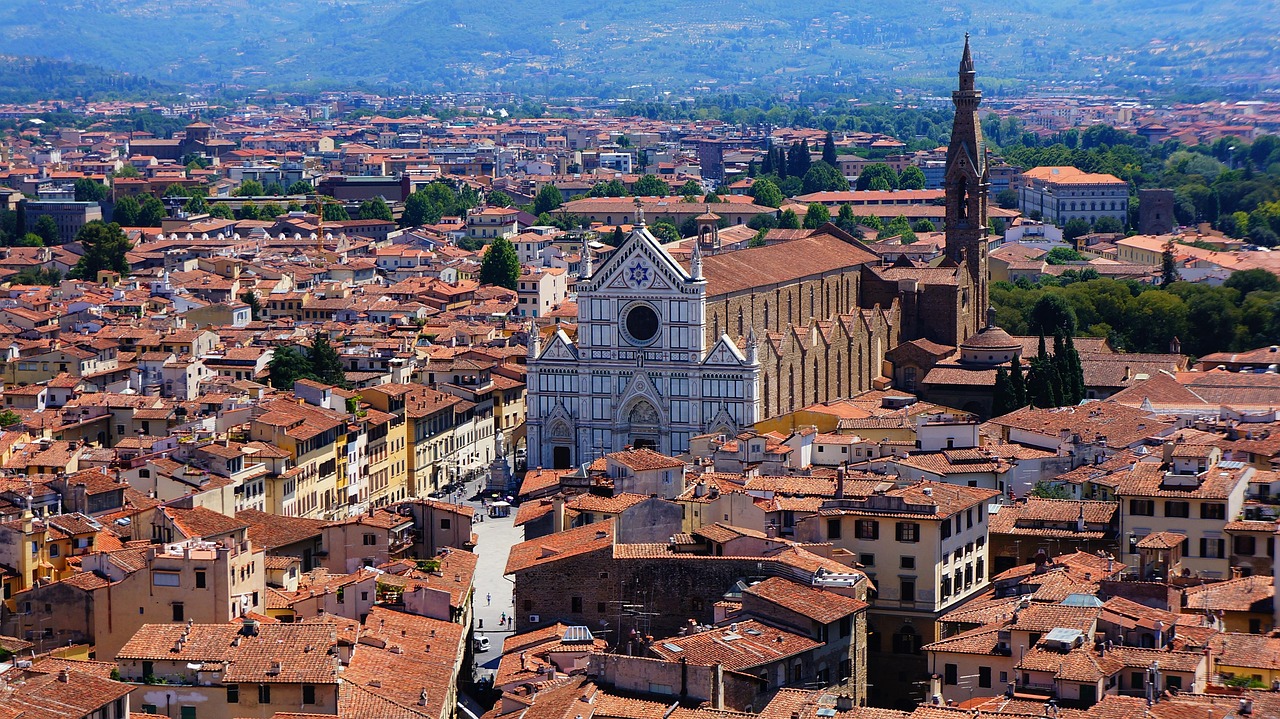
After-hours atmosphere: festival lights, warm conversation, and an easy evening wander nearby
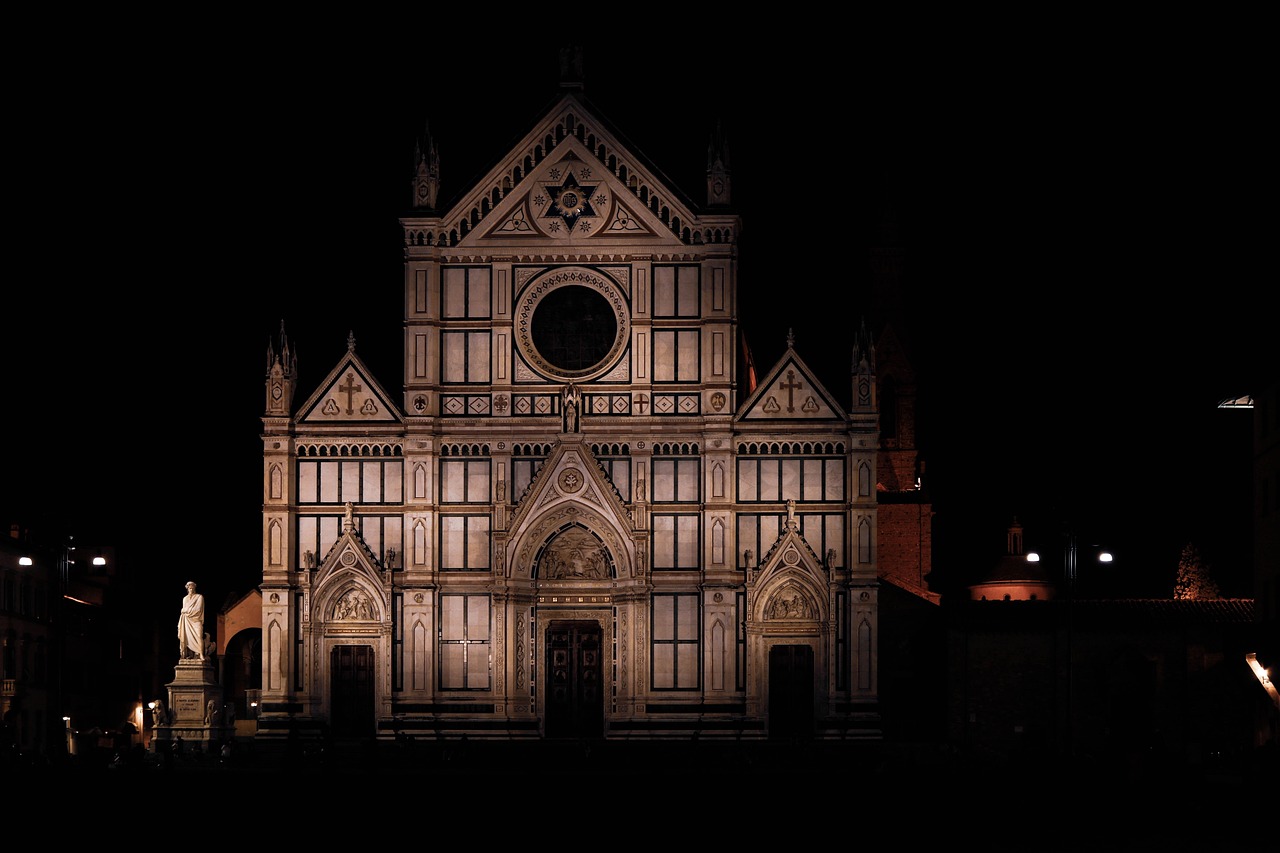
Piazza Santa Croce is where the day’s hush turns into evening warmth. As the light fades, the square becomes a gathering place—locals catching up, travellers lingering, and that unmistakable sense of life in Florence unfolding in real time. If you like a little adventure with your culture, this is your moment to explore without needing a tight plan.
One group of travellers told me they arrived during a local festival and ended up tasting authentic street food, swapping tips with locals, and laughing like old friends by the second bite. The best evenings often happen this way—unplanned, but still comfortable when you keep simple meeting points and stay aware of your surroundings.
Music, concerts, and a courtyard glow after dark
There’s also the possibility of concerts, and one traveller described a sunset performance in Santa Croce’s courtyard: ancient walls, golden light, and sound that seemed to hover in the air. Even if you don’t catch a programme, you can still imagine it—the way stone amplifies emotion and makes you listen more carefully.
Comfort and security in busy evenings: small habits that help
To keep the experience seamless, a few small habits go a long way:
- Hydration: carry water and sip before you feel tired.
- Footing: Comfortable shoes help you stay relaxed on cobbles.
- Meeting point: choose one landmark if you’re travelling together.
- Valuables: keep phones and wallets secure, especially in dense crowds.
Santa Croce Leather School in Florence, Italy: traditional leather crafting next to the church
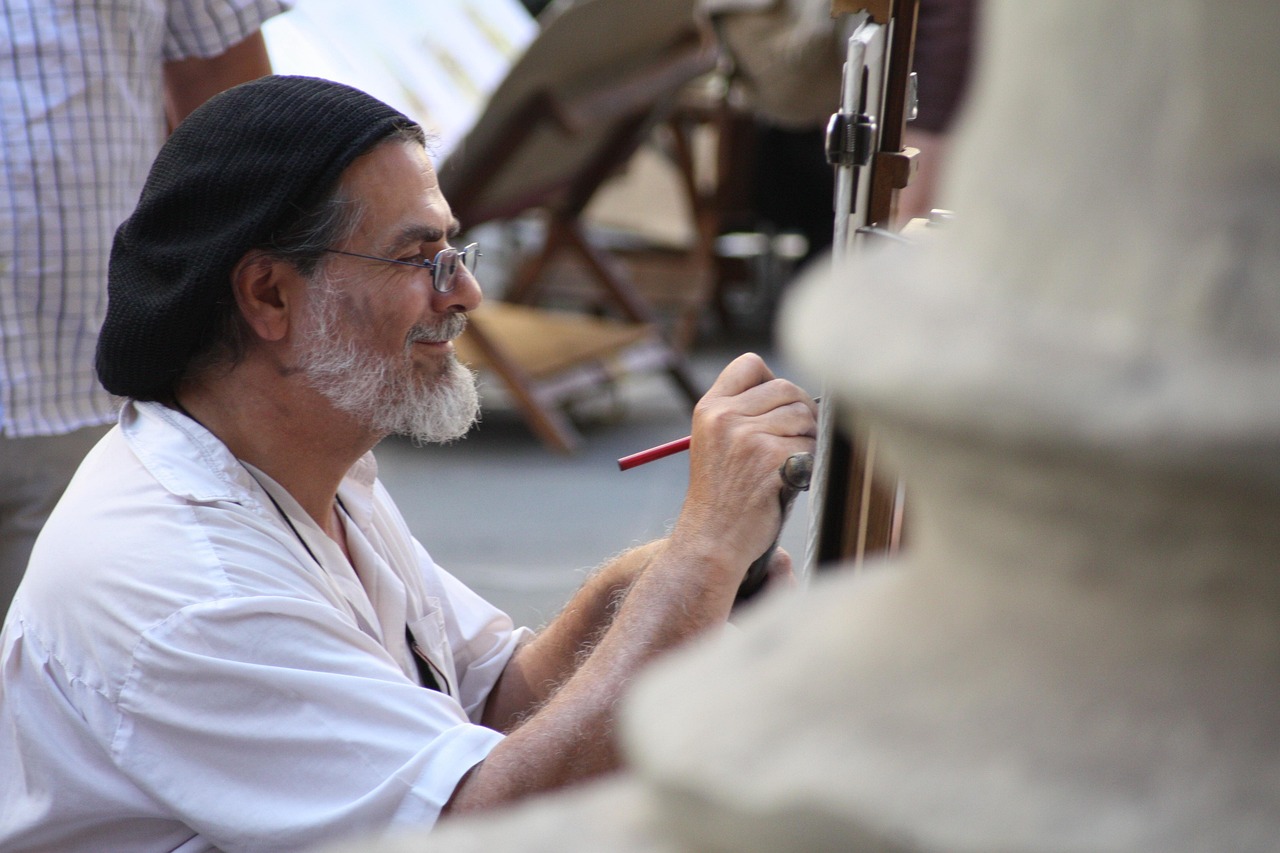
A hands-on detour nearby: watching leatherwork and choosing a practical souvenir with confidence
The Leather School is the hands-on counterpoint to chapels and tombs—a place to see making in motion. Just next to Santa Croce, you can watch tools at work, observe cutting and stitching, and feel the quiet pride of skill passed down. After so much looking, it’s refreshing to explore something tactile and immediate.
If you want a souvenir plan without impulse-buy pressure, aim for something practical: a strap, a wallet, or small goods you’ll actually use. Quality cues are reassuring—clean edges, even stitching, leather that feels supple rather than plasticised. Trust becomes simple when you can see the craft, not just the label.
How to ask about materials (and care) with warmth and respect
Supporting local artisans can feel personal when you ask a couple of polite questions. Try: “What leather is this?” or “How should I care for it at home?” People usually respond with generosity, and you’ll leave with a more meaningful story attached to what you buy. If you’re curious about wider Florentine craft and patronage, you may also hear the Medici mentioned, or a passing reference to a Medici chapel elsewhere in the city’s artistic web.
Logistics for a seamless stop: tickets, timing, and planning
If combined tickets are available for parts of the site, buying online can save time. At entrances, you may hear the gentle refrain—tickets please—and it keeps the flow orderly in peak season. Do check opening hours before you go, especially if you’re pairing this stop with museums on the same day. For more design-led inspiration across Italy, you can browse our Trip gallery and imagine what you’ll create next.
F.A.Qs: Santa Croce Church, Florence, Italy
Why is Michelangelo buried in Santa Croce?
Michelangelo is honoured here because Florence claimed him as one of its greatest sons, celebrating his artistic genius and civic importance. His memorial monument turns the church into a place of shared memory, where visitors can feel a personal connection to his life and legacy.
Who is buried at Santa Croce in Florence?
The basilica is famous for its tombs and memorials of major Italian figures, including Michelangelo, Galileo, and Machiavelli, as well as many other notable Florentines. Some are truly buried here, while others are commemorated, creating a powerful “pantheon” atmosphere inside the church.
Why is the Basilica of Santa Croce famous?
It’s renowned for Gothic architecture, chapel art, including Giotto’s fresco cycles, and an extraordinary collection of monuments to celebrated thinkers and artists. Together, the art, the spaces, and the sense of history make the visit feel both monumental and intimate.
Who is buried in Santa Maria della Croce?
“Santa Maria della Croce” is sometimes used to refer to Santa Croce, and the church is associated with the burials and memorials of figures such as Michelangelo, Galileo, and Machiavelli. If you see the name elsewhere, it’s worth confirming the exact site, as Florence has several similarly named historic churches.
What stayed with us after visiting Santa Croce: a reflective travel experience in Florence
A visit to Santa Croce isn’t something you finish when you exit the doors—it lingers, quietly, in the body. There’s the memory of stone-cool air after sunlit streets, and the way candlelight softens hard edges into something gentler. It’s the feeling that Santa Croce has always offered: shelter for thought, where your attention is treated with care.
For me, it returns as one clear moment: standing before Michelangelo’s tomb, not trying to “understand” greatness, simply letting it be close. In that pause, courage felt less like a performance and more like a practice—showing up, looking carefully, and trusting what moves you. The chapels and Giotto’s scenes echo the same lesson: creativity often arises from patience.
There’s also the togetherness of travel that stays—shared silence in a cloister, a glance exchanged during a concert-like hush, the comfort of knowing someone else is feeling it too. Florence can be dazzling, but this place offers a steadier register: confidence without noise, beauty without rush, insight without pressure.
Long after you’ve left, you may find yourself imagining another Florentine doorway, half-open to the street, and wondering what quiet masterpiece might be waiting inside.