Post Contents
- Where the Colosseum Is in Italy and Rome for a Confident Visit
- Roman Colosseum Origins and Architectural Insight in Rome Italy
- Tickets and Opening Hours for 2026 With Calm Planning in Rome
- Private Guided Tour Design Underground Chambers and Arena Access in Rome Italy
- Evening Tours Roman Forum and Palatine Hill Together at Sunset in Rome
- What Stays With You After the Colosseum
- F.A.Qs: Colosseum Rome Italy travel questions
Where the Colosseum Is in Italy and Rome for a Confident Visit
Where the Colosseum Is in Italy and Rome with the Roman Forum nearby
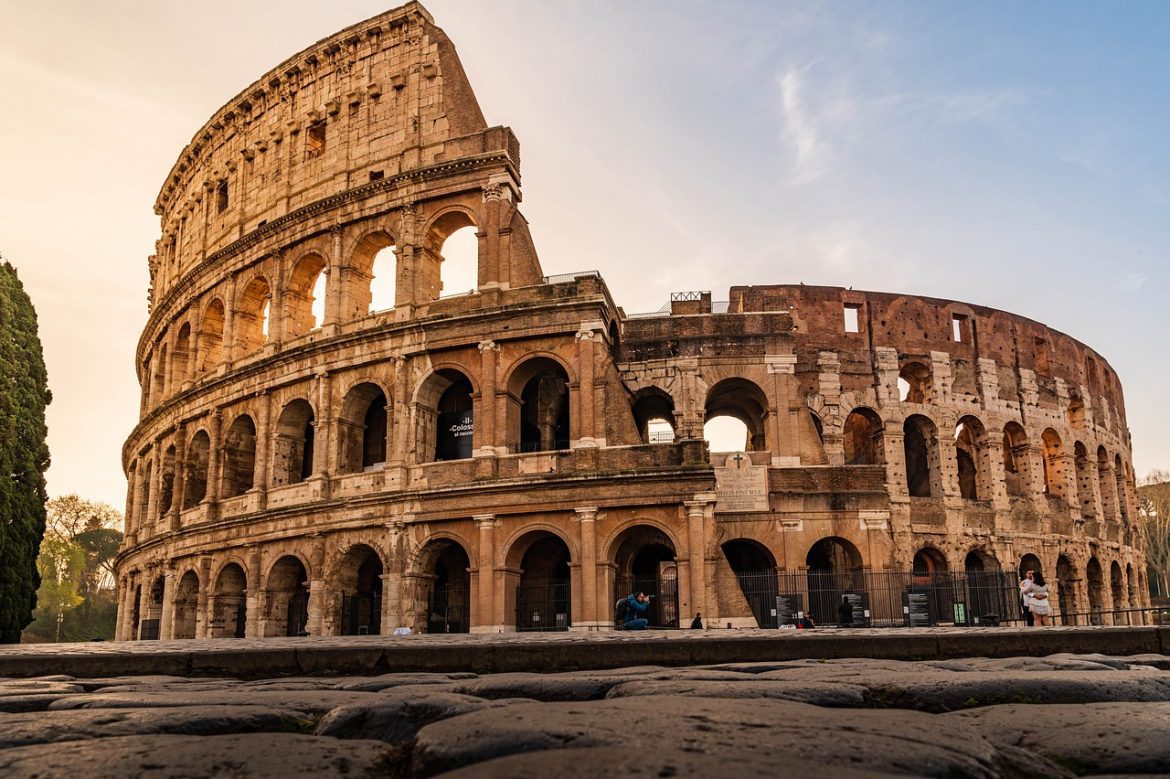
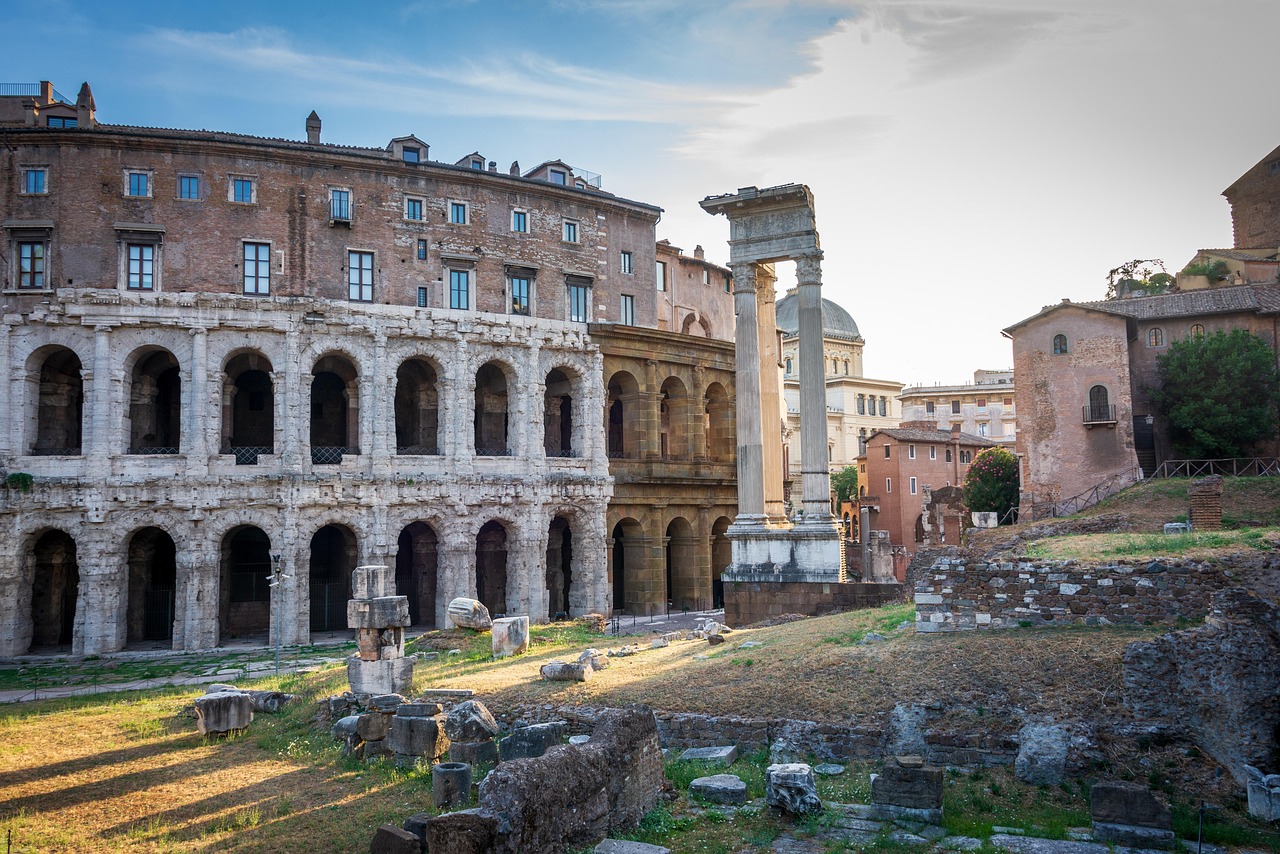
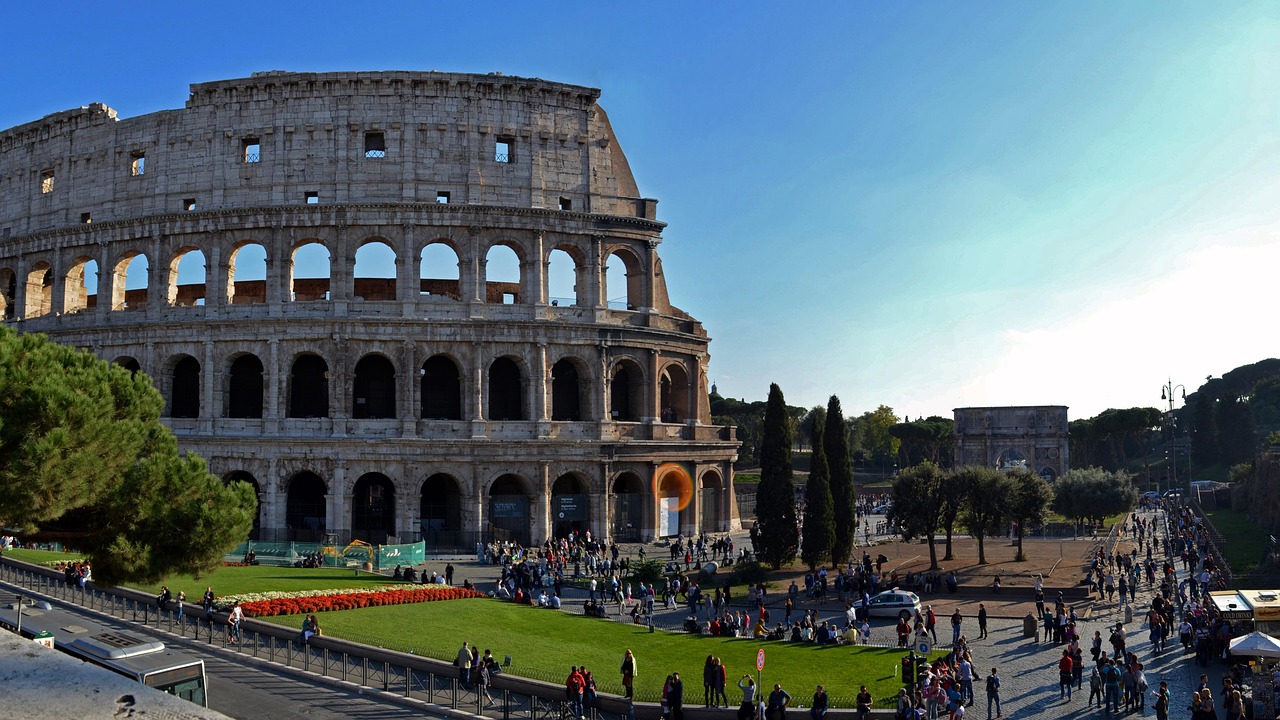
If you’re wondering where is the colosseum in italy and where is the colosseum in rome, the answer is beautifully simple: it sits in the historic heart of Rome, beside the Roman Forum and within walking distance of Palatine Hill. This is one of the world’s major tourist attractions, yet it doesn’t have to feel like a rushed tourist treadmill if you arrive with a little local insight.
The Colosseum is a living landmark—part monument, part open-air museum, and a powerful symbol of imperial ambition. You’ll feel it in the warm stone, the scale of the arches, and the way the neighbourhood acts as a true hub for ancient sites, cafés, and viewpoints.
Arrive and orient in Rome with ease
The most straightforward arrival is Metro Line B (the subway), getting off at Colosseo station—step out and the amphitheatre is immediately in front of you. For a more seamless, high-comfort approach, choose a reputable taxi or private transfer, especially if you’re coming from a hotel near Piazza di Spagna or beyond the centre.
Approach the main entrance area expecting airport-style checks and a brief wait even with priority access. With the right pacing, it feels cared for rather than chaotic—your first moment of “I’m really here” arrives quickly.
Photo moments without the conveyor-belt feeling
To create images that feel personal, aim for early light when the stone looks honeyed, or late afternoon when shadows stretch across the arches. A calm approach is to pause at the edges of the plaza first, then enter once you’ve oriented yourself and chosen the angles you want.
Designer Journeys note: design your visit around energy and heat. In summer, start early and build in a shaded pause after security; in shoulder seasons, arrive late afternoon for softer crowds and a more intimate atmosphere. There are calmer corners near the Forum perimeter where you can reset before stepping back into the flow.




Roman Colosseum Origins and Architectural Insight in Rome Italy
Roman Colosseum Origins and Architectural Insight in Rome Italy
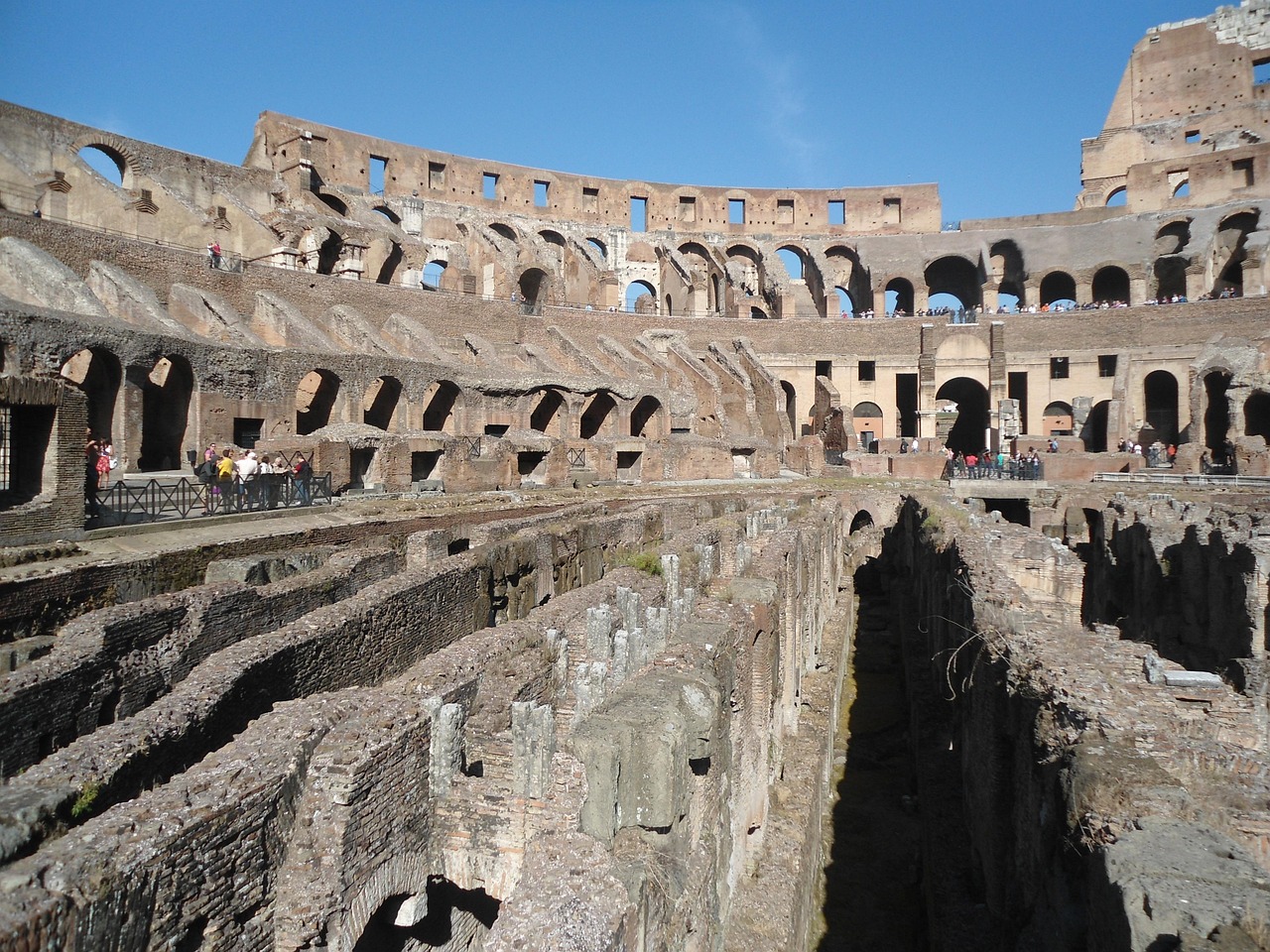
For context that truly enriches your day, it helps to know the roman colosseum history architecture Flavian Amphitheatre Rome Italy story in human terms. The structure is also called the Flavian Amphitheatre, with the construction of the colosseum beginning under emperor vespasian in 72, then inaugurated in 80 under emperor titus; later refinements are linked to domitian. It’s a sweep of years of history, but you feel it as you walk—each level revealing a different Roman intention.
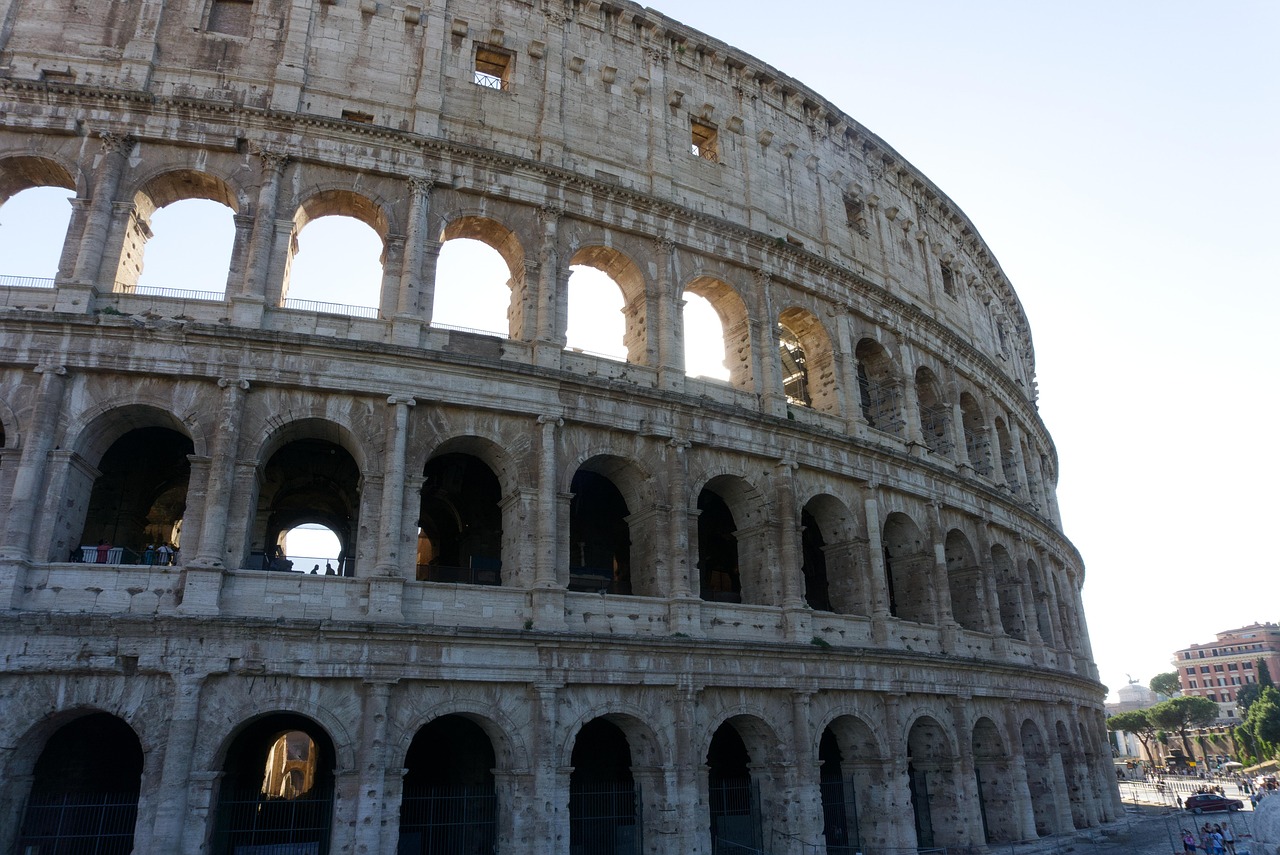
Architecturally, the Colosseum’s elliptical form is an elegant answer to crowd movement and visibility. Look closely and you’ll notice how the planning feels modern: disciplined symmetry, repeated arches, and a structural logic that helped it endure for centuries.
Architecture and scale you can feel under your feet
Its scale still surprises first-time visitors: the outer walls once rose with a confidence that broadcast the power of the roman empire. Some guides will invite you to measure the experience in numbers—around 156 feet in height is often cited—yet what stays with you is the sensation of moving through a perfectly engineered bowl of stone.
It’s no wonder it’s counted among the new seven wonders. The Colosseum is not just beautiful; it’s a statement of what Roman planning could do when imperial money and ambition aligned.
Spectacle, contests, and the roar of the crowd
Imagine the spectacle at its peak: gladiator fights, theatrical contest events, and even mock naval battles staged for awe. Ancient sources speak of the famed 100 days of games, with a spectator crowd that would have made the air vibrate.
- Then: a stage-managed world of gladiatorial drama, empire propaganda, and ritualised violence.
- Now: a quieter monument where you can explore details—stone textures, vaulted corridors, and surprisingly tender light.
- Through time: layers of damage and care, including an earthquake, ongoing restoration, and periods of renaissance reuse that changed how the site was seen.
There are also belief-layers to handle with respect: later traditions, including the role of the pope, ideas of martyrdom, and links sometimes made to early christians. A thoughtful expert will frame these as evolving stories—part devotion, part cultural memory—rather than simple fact.
Tickets and Opening Hours for 2026 With Calm Planning in Rome
Tickets and Opening Hours for 2026 With Calm Planning in Rome
Planning colosseum tickets 2026 opening hours combined ticket Roman Forum Palatine Hill is where luxury travel becomes less about extravagance and more about reassurance. The right ticket choice protects your time, your comfort, and your sense of ease—especially in spring and early autumn when demand peaks.
In plain terms, you’ll typically see timed-entry options (a specific slot to enter), and a combined ticket that also covers the Roman Forum and palatine hill. “Skip-the-line” usually means you’ve pre-booked and avoided the purchase queue—security lines still exist, but the overall flow feels far more seamless.
Colosseum tickets and what they include
Admission costs vary by access level, day, and any special areas included. If you want the best value and narrative continuity, the combined ticket can be ideal because it connects the amphitheatre to the wider world of ancient Rome rather than treating it as a stand-alone photo stop.
- Timed-entry standard: best for independent travellers who prefer to explore at their own rhythm.
- Combined ticket: includes the Forum and Palatine Hill—excellent for a full, coherent day of Roman history.
- Upgraded access: may include the arena floor or underground areas, often with a guided component.
Opening hours in 2026 and seasonal shifts
Opening hours shift through the year, so check official sources close to your travel dates and book well ahead for 2026. In high season, a few days’ delay can mean missing the time you wanted—particularly for late-afternoon entries that photographers love.
On the ground, arrive early morning or late afternoon to reduce crowd pressure, and allow time for checks at the entrance. Build in a hydration pause—comfort is part of the design—and wear supportive shoes for stone surfaces and stairs.
If you’re combining sites and also visiting the Vatican or vatican city, keep clothing choices respectful: light layers that cover shoulders are a simple, elegant solution when moving between sacred spaces and archaeological zones.
For travellers who value accessibility, expect uneven paving, steps, and occasional lifts in certain areas. Official services can help you navigate with confidence; when in doubt, ask at the information point or book with an operator known for clear support and trust.
If you’d like inspiration for the wider journey through Italy beyond Rome—perhaps pairing the capital with Naples and the coast—browse our Trip gallery for crafted itineraries.
Private Guided Tour Design Underground Chambers and Arena Access in Rome Italy
Private Guided Tour Design Underground Chambers and Arena Access in Rome Italy
For travellers seeking depth, private guided tour underground Colosseum arena floor Rome Italy access is where the Colosseum becomes intensely vivid. An expert guide doesn’t just recite facts—they shape a smarter route, time the pauses, and offer insight that feels personal rather than performative.
Choose official guides and reputable providers to protect authenticity and safety. The best experiences feel crafted: you move together at an unhurried pace, with space for questions, photographs, and moments of quiet.
Underground passages and the arena viewpoint
The underground levels are where the story turns intimate. In narrow corridors and holding areas, you can picture how a gladiator prepared below the noise—waiting, listening, breathing—before rising towards the arena. Standing on (or near) the arena floor afterwards shifts your perspective: you’re no longer looking at the Colosseum, you’re inside its logic.
A historian visiting from the UK described walking those underground passages as a deep connection to lives lived in readiness for battle. It wasn’t melodrama; it was the quiet realisation that the spectacle depended on real bodies and real fear—an insight that stayed with them long after they left Rome.
Gentle safety and comfort notes for refined travellers
These areas can be uneven and occasionally tight. Wear stable footwear, move mindfully on worn stone, and let your guide position the group so everyone feels secure. If you’re travelling as a couple, a private format offers an easy rhythm—less waiting, more shared noticing, and the calm care that makes the day feel seamless.
Evening Tours Roman Forum and Palatine Hill Together at Sunset in Rome
Evening Tours Roman Forum and Palatine Hill Together at Sunset in Rome
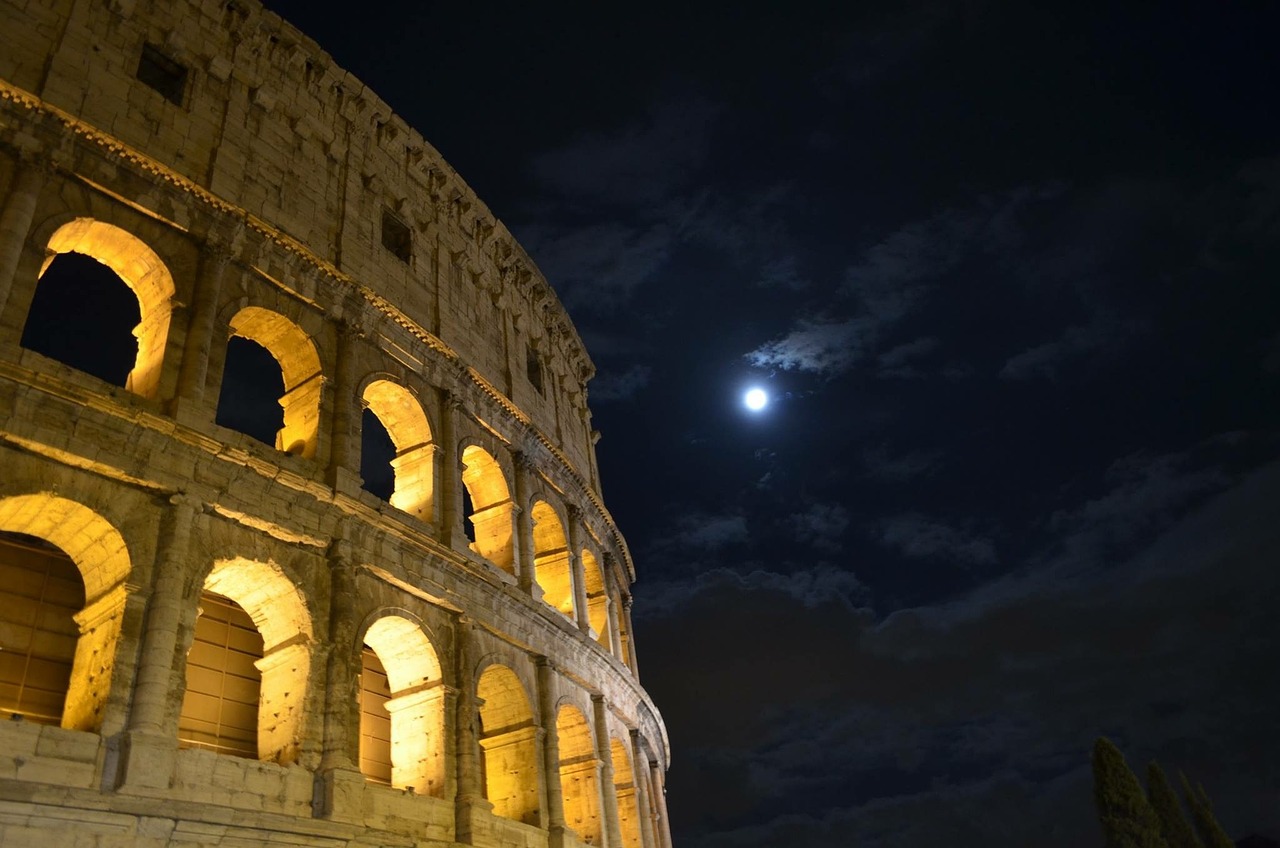
If your ideal memory is atmosphere over intensity, evening tour Colosseum Rome Roman Forum Palatine Hill sunset planning is a beautiful choice. The illuminated arches feel almost theatrical, yet the rhythm is quieter—less jostling, more space to breathe—perfect for high-end travellers who want to explore with ease rather than urgency.
Even when the Colosseum is a global tourist attraction, evening access can restore a sense of intimacy. You’re still in the centre of Rome, yet it feels like the city has softened around you.
Emma’s unforgettable private night tour
Luxury traveller Emma shared her unforgettable private night tour: the eerie beauty of the ruins, the way the lights caught the stone, and the guide’s vivid storytelling that made ancient Rome feel close enough to touch. What she loved most was the trust in the experience—clear meeting points, calm security, and the gentle support of someone who knew exactly when to linger and when to move on.
From the Colosseum to the Forum and Palatine Hill
To complete the story, stroll onwards into the forum and across to palatine hill, where viewpoints open over temple ruins and palace remnants. Step by step, imperial Rome becomes a landscape rather than a chapter: you begin to understand how politics, religion, and daily life were staged in stone.
- Best viewpoints: higher paths on Palatine Hill for long looks back towards the Colosseum.
- Details to notice: a single temple column catching the last light, or the outline of a palace wall that hints at power without shouting.
- Romantic pacing: pause, photograph, then move on—let the ruins set the tempo.
A couple on their honeymoon described exploring the Colosseum at sunset, then drifting into a gourmet Italian dinner nearby—history first, then indulgence, in exactly the right order. If you want a soft extension, consider a gentle walk later to the Trevi Fountain, or simply return to your hotel and let the evening settle.
And if you hear locals say Roma with a smile, it’s often this feeling they mean: the city’s ability to turn the past into a living companion.
What Stays With You After the Colosseum
After you leave, it isn’t the checklist that stays with you. It’s the temperature of the stone under your palm, the long shadows that make the arches feel taller, and the strange intimacy of standing where thousands once gathered—each person convinced they were watching something unmissable.
There’s an emotional contrast that lingers: grandeur and fragility, noise and silence. The Colosseum can feel like the finest expression of an imperial idea, and yet it’s also a lesson in how time reshapes everything—power, architecture, even certainty. You may find yourself walking differently through Rome afterwards, noticing quiet corners, listening for older stories, and holding a little more care for what survives.
And perhaps that’s the most lasting gift this place offers in Italy: a shift in perspective. You don’t just “do” the Colosseum—you carry it, as if the city has placed a small, steady weight of wonder in your pocket. One day, when you return, you might uncover another layer waiting in the light.
F.A.Qs: Colosseum Rome Italy travel questions
Can you go inside the Colosseum in Italy?
Yes. You can enter the Colosseum in Rome with a valid timed-entry ticket, and many options also include access to the Roman Forum and Palatine Hill. Some experiences add the arena floor or underground levels, often with a guided tour. Expect security checks at the entrance, and book ahead in busy seasons for a smoother, more seamless visit.
How far apart are the Vatican and the Colosseum?
The Vatican City area and the Colosseum are several kilometres apart, so they’re not next door, but they’re easy to combine in one day with planning. By taxi it’s often around 15–30 minutes depending on traffic; by Metro you’ll usually change lines. If you prefer calm pacing, many travellers split them across two days.
Are there toilets in the Colosseum?
Yes, there are toilets available for visitors inside the Colosseum complex. Facilities can be busiest around peak entry times, so it helps to use them as soon as you arrive or near quieter moments of your visit. If you’re exploring the Roman Forum and Palatine Hill as well, you’ll find additional facilities within those areas too.
What did the Colosseum smell like?
In antiquity, the Colosseum likely carried a dense mix of smells: animals, sweat, dust, food, and smoke from torches, intensified by packed crowds. During games, blood and the presence of wild beasts would have added to the atmosphere. Today, the experience is very different—more sun-warmed stone, open air, and the quieter scent of Rome around a famous monument.