Post Contents
- Hachiko Statue in Tokyo Why This Loyal Dog Matters for Adventure Seekers
- How to Visit the Hachiko Statue at Shibuya Station Hachiko Exit Tokyo Japan
- The Story of Hachiko Hachi Professor Ueno University of Tokyo Akita Dog
- Hachiko Square Meeting Point in Front of Shibuya Station Statue in Shibuya
- Shibuya Crossing Shibuya Scramble Crossing Near Hachiko Statue Tokyo
- Hachiko Museum Tokyo Ueno National Museum of Nature and Science Context
- Odate City Akita Prefecture Akita Dog Museum and Aoyama Cemetery Hachiko
- What Stayed With Me After Meeting Hachiko in Shibuya
- F.A.Qs: Hachiko statue Japan
Hachiko Statue in Tokyo Why This Loyal Dog Matters for Adventure Seekers
Hachiko Statue in Tokyo Why This Loyal Dog Matters for Adventure Seekers
If you’re following a hachiko statue Tokyo Japan travel guide for adventure seekers, your first view is often the same: a bronze statue catching the light just outside the station, with Tokyo’s Shibuya humming around it. The hachiko statue sits with a quiet confidence, and it’s striking how quickly the noise softens when you step into that little pocket of space.
Hachiko is remembered as a loyal dog in a city built for movement—proof that devotion can hold its ground even when everyone else is in a hurry. In Japan’s culture, this faithful dog has become a symbol of trust, care, and the courage to keep showing up, owner every day, no matter what the world does.
Why a small statue in Shibuya can feel unexpectedly personal
Travellers often tell me they didn’t expect to feel anything beyond curiosity—then they meet hachiko and suddenly the moment lands. Someone beside them leaves a note, another pauses for a photo at sunset, and for a breath the crowd feels together rather than chaotic.
That’s the gift here: you uncover local values without needing a grand itinerary. Consider it a crafted starting point before you go Tokyo exploring—small, accessible, and quietly profound.


How to Visit the Hachiko Statue at Shibuya Station Hachiko Exit Tokyo Japan
How to Visit the Hachiko Statue at Shibuya Station Hachiko Exit Tokyo Japan
To visit the hachiko statue Shibuya Station Hachiko Exit Tokyo Japan, arrive by the JR Yamanote Line or Tokyo Metro and follow the signs to the “hachiko exit”. The statue is located outside Shibuya Station in Tokyo, right at the front of the hachiko exit, so you don’t need to second-guess yourself once you see the flow of people heading towards Hachiko Square.
There’s no entrance fee, and the statue in front area is open day and night—ideal if you’re designing a seamless day that flexes around dinner reservations, galleries, or a late-night skyline view. For a high-end rhythm, I like to keep this stop brief but intentional: arrive, pause, take it in, then move on with confidence.
Best times and a calm photo plan outside Shibuya Station
Early morning gives you cleaner lines and softer sound; late evening adds city lights that make the bronze sculpture feel almost cinematic. Sunset is the sweet spot when you want warmth on the statue without the busiest commuter crush.
- Best time: before 09:00 or after 21:00 for clearer photos.
- Where to stand: step slightly to the side so others can still use the popular meeting point.
- What to keep close: phone and wallet—this is busy, though generally safe.
Etiquette and safety at Shibuya Station with support and care
Shibuya is energetic, but it’s also well-organised. Keep your belongings close, read the crowd flow, and be patient around the statue of hachiko—locals use it as a meeting point, not a queue. A small smile and a half-step back can create space for everyone.
A simple, no-stress mini-route: see the statue in front of Shibuya, then walk straight towards the scramble crossing without over-planning. If you’d like extra inspiration for your wider Japan travel, open the Trip gallery and imagine how Tokyo can link beautifully with quieter regions.
The Story of Hachiko Hachi Professor Ueno University of Tokyo Akita Dog
The Story of Hachiko Hachi Professor Ueno University of Tokyo Akita Dog
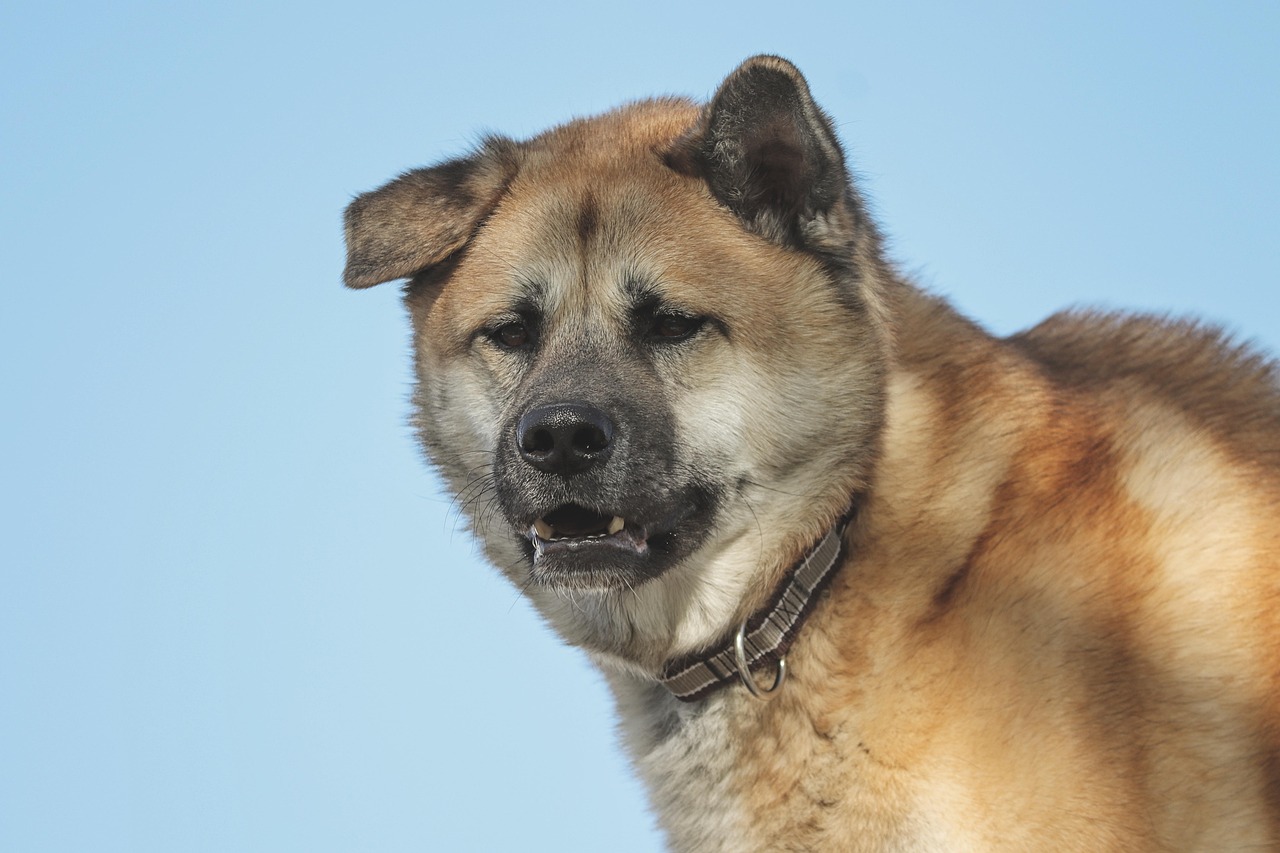
If you’re searching the story of Hachiko Hachi Professor Ueno University of Tokyo Akita dog, it helps to hold the timeline gently in mind before you arrive. Hachiko—often called hachi—was born in November 1923, and his early days were shaped by a bond that Tokyo still remembers.
Professor Ueno and hachi’s Tokyo routine
Professor Hidesaburo Ueno of the Faculty of Agriculture at Tokyo Imperial University (now the University of Tokyo) commuted through Shibuya, and hachi would accompany him. The rhythm became famous: ueno to the station in the morning, and hachi waiting in the afternoon for his master to return.
In May 1925, Professor Ueno died of a cerebral hemorrhage, and hachiko continued to wait for his owner. He returned to the station, day after day, continued to wait, nearly ten years—turning an ordinary commute into national lore.
Akita Inu roots and why Japan’s affection endures
Hachiko was an Akita Inu, a Japanese dog breed celebrated for calm strength; over time, the “loyal akita dog” idea helped the public connect to him as more than a headline. People left small memorials, station staff watched over him, and hachiko’s presence became part of Tokyo’s everyday fabric.
On March 8, 1935, hachiko died—yet the devotion didn’t. The statue was erected to honour that steadfast love, and later, a statue of the faithful bond between professor ueno and hachi was unveiled at the University of Tokyo for the 80th anniversary.
Hachiko Square Meeting Point in Front of Shibuya Station Statue in Shibuya
Hachiko Square Meeting Point in Front of Shibuya Station Statue in Shibuya
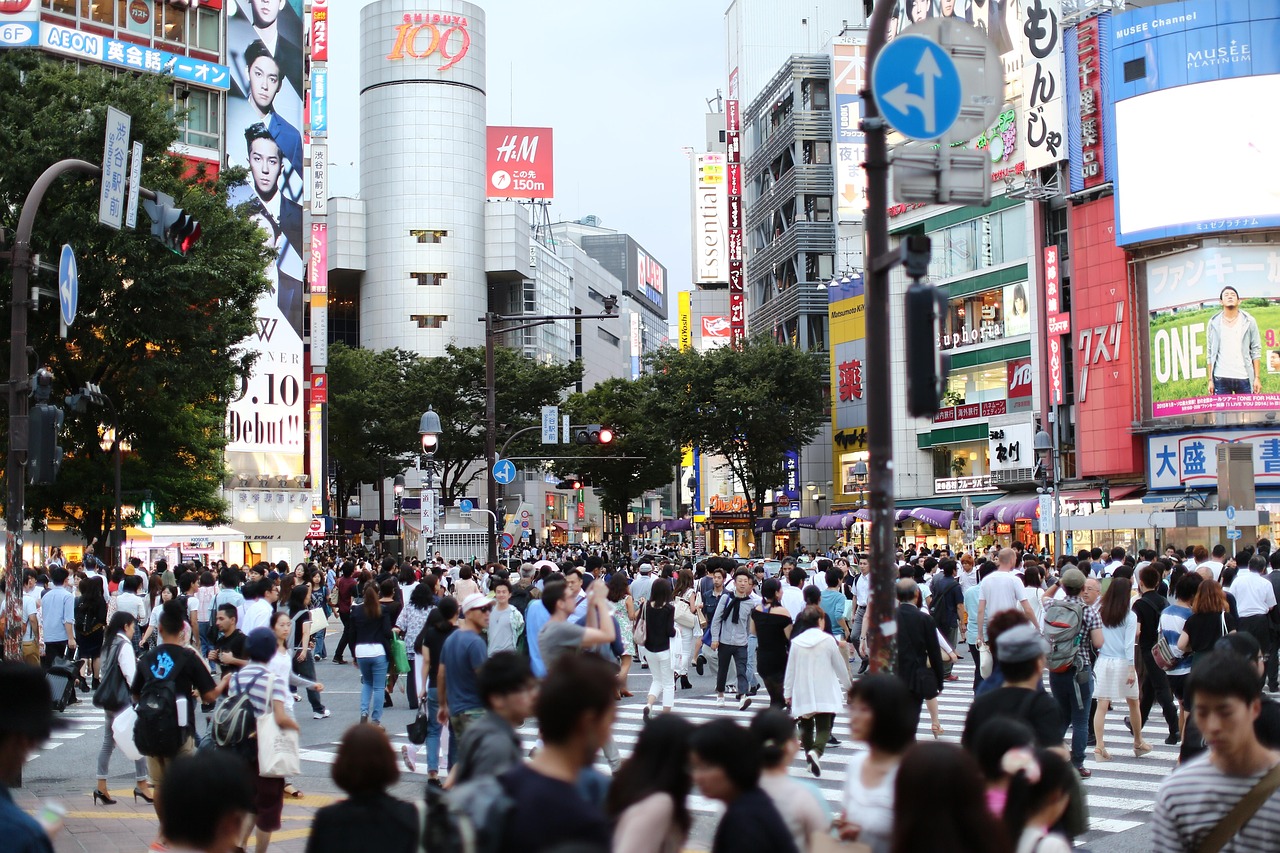
For anyone looking up Hachiko Square meeting point front of Shibuya Station statue in Shibuya, the feeling is instantly familiar: this is where friends reunite, dates begin, and solo travellers find their bearings. Hachiko Square is a social anchor at the front of Shibuya, and it makes the statue in Shibuya feel alive rather than ceremonial.
Spontaneous memorials and how to observe with respect
One of the most moving local moments is the spontaneous memorials—flowers, notes, and small tokens praising hachiko’s devotion. If you see them, take a breath, keep your distance, and let the space hold its meaning without trying to “capture” it.
- Photograph from the side rather than hovering directly in front.
- Let people meet, hug, and depart—this is a working meeting point.
- If you’re travelling with children, guide them with warmth: quiet voices, gentle hands.
Photo strategy to keep the energy of the front of Shibuya
For adventure seekers, the challenge is speed: take your quick shot, then step back so others can meet hachiko too. Try an angle that includes the station signage to show it’s located in front, and another wider frame that catches the city surge behind the statue.
Once you learn to read the crowd’s rhythm, the experience becomes surprisingly unhurried—designed by the city itself, and easy to trust.
Shibuya Crossing Shibuya Scramble Crossing Near Hachiko Statue Tokyo

Shibuya Crossing Shibuya Scramble Crossing Near Hachiko Statue Tokyo
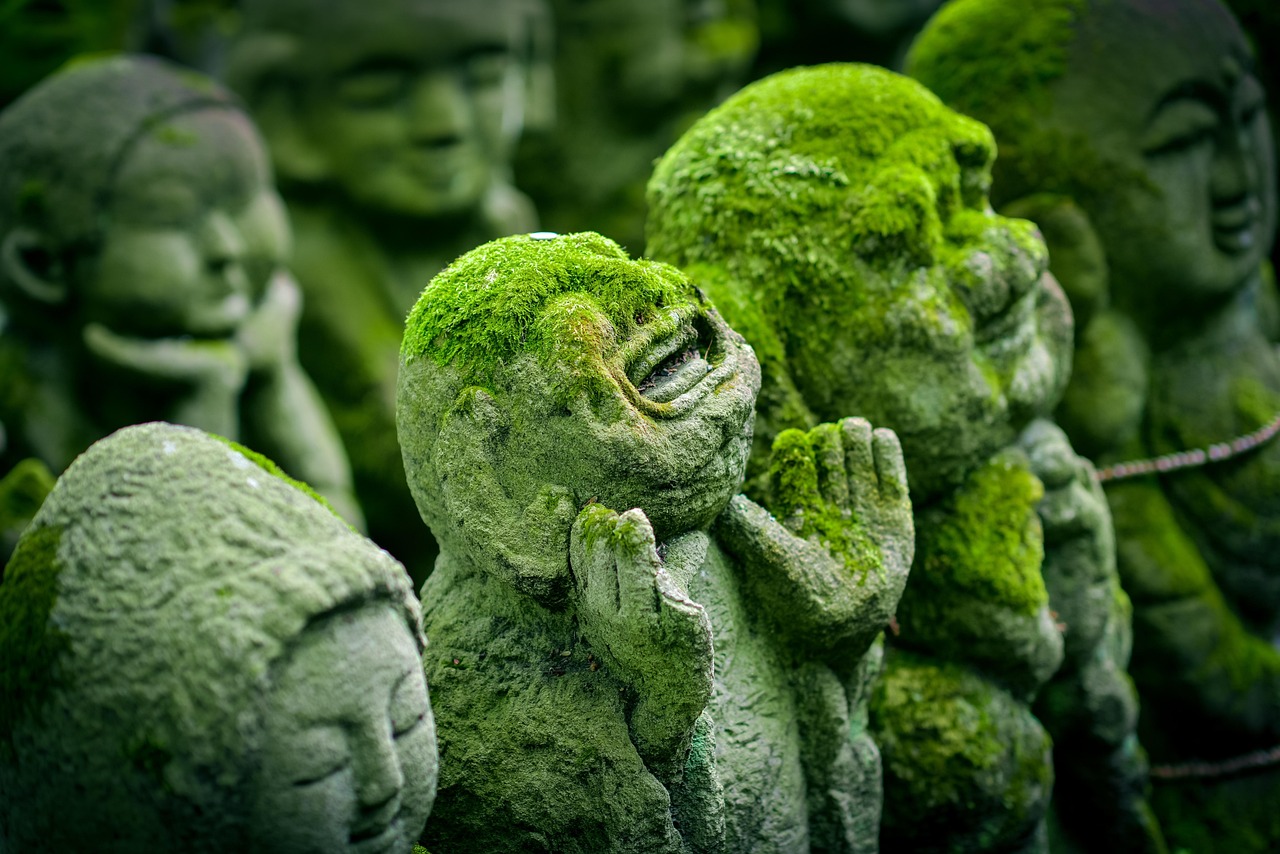
From the hachiko statue, it’s a short, simple walk to Shibuya Crossing Shibuya Scramble Crossing near Hachiko statue Tokyo. You’ll feel the shift immediately: the intimacy of the statue gives way to the city’s bold theatre, as the scramble crossing gathers people from every corner of the intersection.
Pause then plunge at the scramble crossing
Stand at the edge, breathe, and then cross with confidence when the lights change. The first time is exhilarating; the second time, you start to notice details—shoes on the pavement, the hush before movement, the way Tokyo’s choreography somehow stays kind.
It’s one of those rare adventures where you don’t need adrenaline to feel alive—just attention.
Cafés and crafted keepsakes that echo hachiko’s legacy
Around Shibuya Station, you’ll find local cafés and shops that celebrate hachiko with themed art and crafted merchandise. If you’re choosing one small souvenir, let it be something understated: a postcard, a pin, or a simple illustration that feels like your own insight rather than a mass purchase.
For an easy loop, explore on foot: crossing, a café pause, then a gentle wander through near Shibuya streets with map-app support to keep navigation seamless and fun.
Hachiko Museum Tokyo Ueno National Museum of Nature and Science Context
Hachiko Museum Tokyo Ueno National Museum of Nature and Science Context
For travellers searching Hachiko Museum Tokyo Ueno National Museum of Nature and Science, set expectations kindly: the small Hachiko Museum nearby is modest, but it can add context through memorabilia and historical framing around the famous dog. It’s less about spectacle and more about letting the story of hachiko settle into something real.
Ueno learning for curious explorers
If your curiosity runs wider—especially if you love animals, history, and design—pair your Shibuya emotion with an Ueno stop. The National Museum of Nature and Science (also called the Museum of Nature and Science) offers a broader lens on nature, evolution, and Japan’s relationship with the living world; some travellers find it deepens their appreciation for an Akita dog’s place in the cultural imagination.
- Designed culture day: morning in Shibuya, afternoon in Ueno for balance.
- Choose one museum: keep it light so you don’t rush the insight.
- Comfort-first pacing: build in a café pause and a slower train ride.
An expert note on letting meaning land
The most luxurious thing in Tokyo can be time: the choice to not cram every hour. Pick one learning stop, then let the rest of the day breathe—so the loyalty at the heart of hachiko’s tale stays with you rather than slipping into a checklist.
Odate City Akita Prefecture Akita Dog Museum and Aoyama Cemetery Hachiko

Odate City Akita Prefecture Akita Dog Museum and Aoyama Cemetery Hachiko
For those researching Odate City Akita Prefecture Akita dog museum Aoyama Cemetery Hachiko, there’s a beautiful next layer beyond Tokyo. If you want to go deeper, a side-journey to Odate City in Akita Prefecture connects the urban story back to hachiko’s roots, and it can feel like you’re uncovering the wider thread behind a single statue.
Odate City and the Akita Dog Museum
In Odate City, the Akita Dog Museum offers a focused look at the breed, its history, and why the Akita has become a symbol of loyalty. Many visitors also take a simple photo at the front of Odate Station—a quiet echo of Shibuya, but with a different pace and a softer soundtrack.
Aoyama Cemetery as a calm counterpoint in Tokyo
If you’d rather stay in Tokyo, consider Aoyama Cemetery for a reflective walk after Shibuya’s intensity. The shift from neon to trees can create space to process what you felt at the statue outside Shibuya Station in Tokyo—without needing words.
- Seasonal note: cherry blossom time can heighten atmosphere in both Tokyo and beyond.
- Flexibility: keep plans loose; Tokyo rewards travellers who trust their own rhythm.
- Respect: in cemeteries and shrines alike, move quietly and with care.
What Stayed With Me After Meeting Hachiko in Shibuya
If you search for a “hachiko statue in Shibuya reflection Tokyo Japan”, you might be hoping to name an emotion you can’t quite pin down. For me, it wasn’t the scale of the moment—it was the way a small statue can soften a loud city, as if Tokyo’s edges briefly blur and you remember you’re allowed to feel.
In the space around hachiko, strangers gather without needing to agree on anything. There’s loyalty, yes, but there’s also belonging: a shared pause in the middle of motion, a quiet kind of companionship that asks nothing back.
I think of the waiting—not as sadness, but as a steady form of love that makes room for hope. It creates a gentle perspective: you can move through Tokyo with confidence and still stay tender, still be present, still notice the human detail in the rush.
Long after you’ve left Shibuya Station behind, what remains is simple: a feeling that some stories are designed to travel with you—until you’re ready to uncover the next one, somewhere else in Japan.
F.A.Qs: Hachiko statue Japan
What is the story of the Hachiko statue in Japan?
The Hachiko statue honours hachiko, an Akita Inu who became famous for waiting at Shibuya Station for Professor Hidesaburo Ueno after his death in 1925. The story of Hachiko is remembered as a quiet lesson in loyalty, and the statue outside the station marks where he was seen day after day.
Is the Hachiko statue worth visiting?
Yes—especially if you enjoy culture with emotional depth. The hachiko statue is free to see, easy to reach, and it offers a moving contrast to Tokyo’s pace. For many travellers, the meaning of the loyal dog story turns a quick photo into a personal moment of insight.
How many years did Hachiko wait for his owner?
After Professor Ueno died in May 1925, hachiko continued to wait at Shibuya Station for nearly ten years. Knowing that timeframe before you arrive often makes the meeting feel more grounded and surprisingly powerful, even amid Shibuya’s crowds.
Who took care of Hachiko when his owner died?
After Professor Ueno’s death, people around Shibuya Station—particularly station staff and locals—looked out for hachiko in practical ways, helping him survive as he returned to the station daily. That shared care is part of why the story still feels collective, not just historical.