Post Contents
- Tokyo travel guide: best places to stay in Tokyo and how to get around Tokyo with ease
- City views in Tokyo: Tokyo Tower, Tokyo Skytree and Shibuya Crossing (best things for first-time visitors)
- Shrines, temple walks and gardens in Tokyo: Meiji Shrine, Asakusa, and Shinjuku Gyoen National Garden
- Ginza and Omotesando: best places for luxury shopping, art, and the best things to do in Tokyo
- Crafted experiences in Tokyo: private sushi class, teamLab Borderless, a food tour, and Akihabara
- What stayed with us after Tokyo: Tokyo for first timers travel guide to personal moments in Tokyo Japan
- F.A.Qs: Must-see places in Tokyo Japan
Tokyo travel guide: best places to stay in Tokyo and how to get around Tokyo with ease
If you’re searching for must-see places in Tokyo Japan and a calm, design-led Tokyo travel guide, start with one reassuring idea: Tokyo is a city in the world built on contrast, and that contrast is the attraction. Whether it’s a first trip to Japan, a short trip to Tokyo, or five beautifully paced days in Tokyo, you can move from a quiet shrine to a neon avenue in minutes, then slip into modernity that feels effortless. For high-end travellers, the goal isn’t to tick boxes—it’s to choose the best places for your style of travel, so each day feels personal, spacious, and thoughtfully orchestrated.
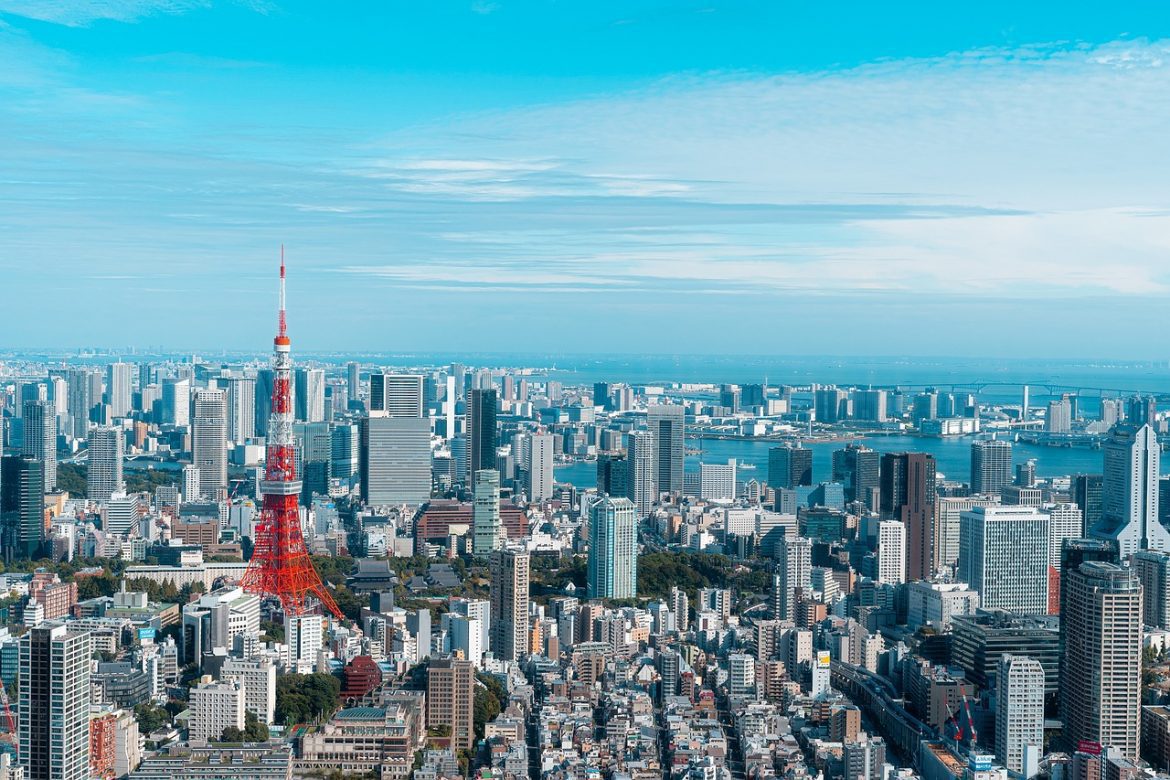
Tokyo Travel Guide for First Timers Design Your Seamless Start with Tokyo skyline and modern city streets
Best time to visit Tokyo for a paced, high-end rhythm (spring cherry blossoms or crisp autumn)
For most travellers, the best time to visit Tokyo is spring (March to May) for cherry blossoms and soft light, or autumn (September to November) for crisp days and clear skies. These seasons suit a luxury pace: you can linger in gardens, enjoy longer city walks, and plan rooftop dinners without weather anxiety. Photographs also become effortless—Tokyo architecture, street scenes, and seasonal colour do the work for you.
If you’re planning my first trip, consider how your energy moves through the day. Spring and autumn let you start early, rest mid-afternoon, then return to Tokyo for an elegant evening—without battling heat or heavy rain.
Arrivals via Narita Airport, Tokyo Station and the easiest way to travel into the city
Most first visits begin at Narita Airport, and the Narita Express is a calm, direct introduction to Tokyo precision. Step off at Tokyo Station—an architectural statement in itself—and you’ll immediately feel the logic of the network. From there, your hotel team or driver can support a smooth transfer, but it’s equally simple to continue onward by subway or local lines once you’re settled.
To move confidently, load Suica or Pasmo on your phone, or pick up a Suica or Pasmo card so you’re never thinking about tickets. The JR Yamanote Line loops through key neighbourhoods, while Shinjuku Station and Shibuya Station act as major hubs—perfect for linking your Tokyo itinerary with minimal friction.
Seamless tip: if you have theatre tickets, a special dinner, or a late reservation, a private transfer can be the most soothing choice; otherwise, the train network is remarkably reliable day to day.
- When to use a driver: airport arrival, late-night returns, or back-to-back bookings across Tokyo.
- When to use the train: daytime exploration between Shinjuku, Shibuya, Ginza and Asakusa.
- How to dress: comfortable yet elegant—especially for refined dining and sacred sites.
Where you stay in Tokyo shapes everything, especially on a first trip. A landmark choice like Park Hyatt Tokyo offers a high-rise sense of arrival (and a beautifully crafted Tokyo city mood), while other five-star addresses place you closer to shopping, galleries, or quieter residential streets. Choose a hotel in Tokyo that matches your rhythm, and stay in Tokyo for first-time ease by prioritising fast connections and a calm room you’ll genuinely enjoy returning to.
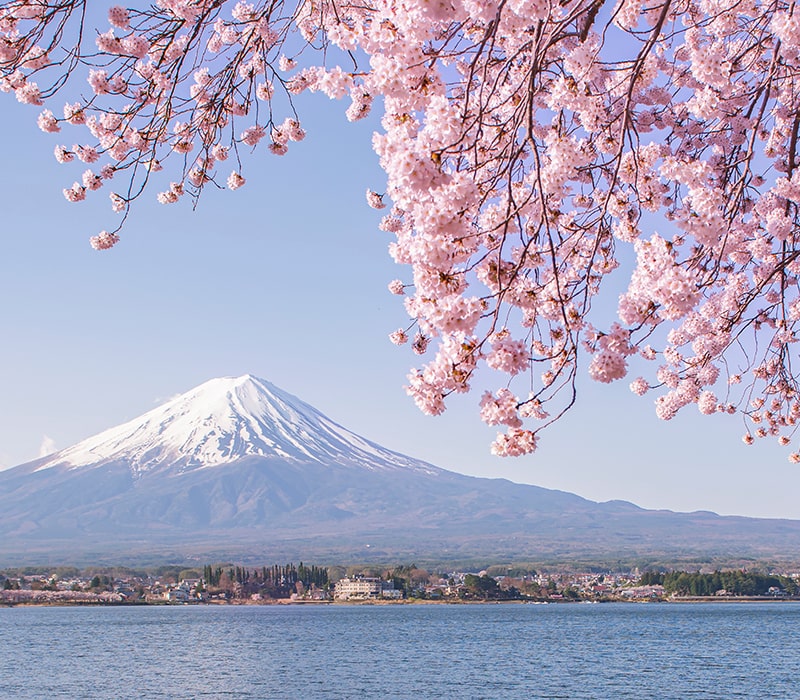
Finally, keep one day flexible for around Tokyo—many guests also visit a Mount Fuji day trip to see Mount Fuji floating above the landscape, a striking counterpoint to the city’s scale. If you have weeks in Tokyo, you can slow down further; if not, this single contrast can still feel deeply complete. For more inspiration, browse our Trip gallery and imagine how your own Japan itinerary could unfold.


City views in Tokyo: Tokyo Tower, Tokyo Skytree and Shibuya Crossing (best things for first-time visitors)
This chapter is for travellers searching things to do in Tokyo with city views—think Tokyo Tower, Tokyo Skytree and the cinematic pull of Shibuya Crossing. Tokyo offers that rare feeling of being both immense and intimate: you can see the city from above, then step back into its rhythm at street level. The key is to design each moment so it feels calm, not crowded.
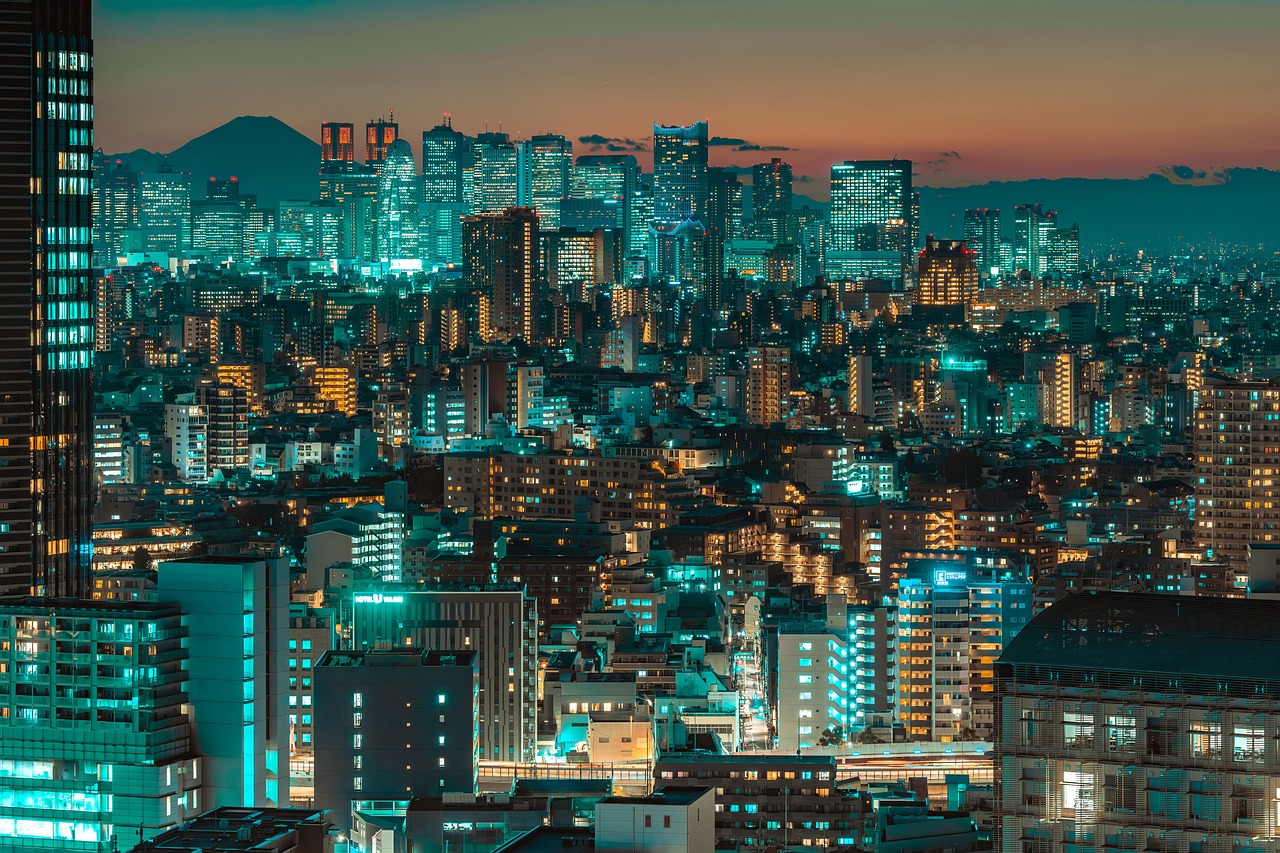
City Views and Icon Icons Tokyo Tower to Shibuya Crossing with illuminated Tokyo streets
Tokyo Tower at golden hour: views of the Tokyo from the top floor
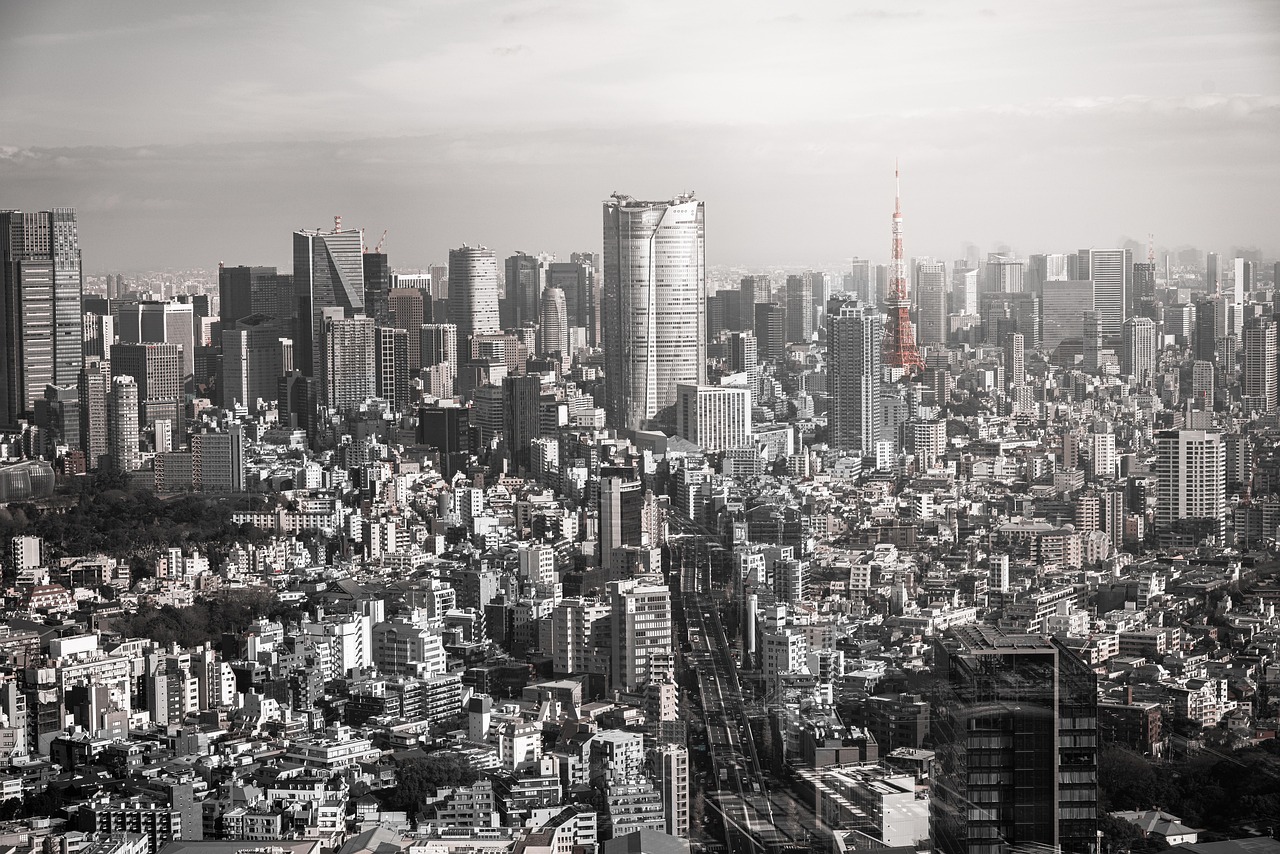
Tokyo Tower is worth a visit for more than nostalgia—its warm glow and vantage point deliver one of the city’s most flattering perspectives. A traveller once told us how watching sunset from the observation deck, champagne in hand, made the entire evening feel suspended in time. That’s the art here: arrive slightly before golden hour, enjoy the top floor for the slow reveal, and let the city lights arrive gently rather than as a rush.
To keep it luxurious, book your dining reservation first, then build the tower visit around it. You’ll avoid peak queues and still have time for a quiet toast—an elevated “see the city” moment that feels personal.
Tokyo Skytree and Shibuya Crossing: a smooth, cinematic flow from Shibuya Station
For a different best view, Tokyo Skytree offers higher altitude and a wider sweep—especially clear in autumn. Choose early morning for crisp visibility or late afternoon for layered light. If you’re deciding between the two, consider Tokyo Tower for romance and design, and Tokyo Skytree for scale.
Then there’s Shibuya. Shibuya Crossing can feel chaotic unless you treat it like an attraction with a plan: exit Shibuya Station with purpose, take your position slightly above street level for photographs, and move on before it becomes overstimulating. The aim is to enjoy Shibuya with confidence—arrive, capture the cinematic moment, then slip into a reserved table or gallery without lingering in the crush.
In Shinjuku, the skyline mood shifts again: more vertical, more nocturnal, more “Tokyo after dark”. Pair a viewpoint with a refined nightcap, or return to Park Hyatt Tokyo for a high-rise atmosphere that feels intentionally composed. This is one of those unique things that makes visiting Tokyo at night so memorable: light, architecture, and the feeling that every district has its own stage-set.
- Ideal timing: Tokyo Tower at sunset; Tokyo Skytree in the morning for clarity.
- For Shibuya: arrive with a single photo spot in mind, then move to your reservation.
- For Shinjuku: choose one skyline stop and one calm bar rather than hopping endlessly.
Shrines, temple walks and gardens in Tokyo: Meiji Shrine, Asakusa, and Shinjuku Gyoen National Garden
If your planning includes Meiji Shrine Tokyo, an Asakusa temple morning, and a Shinjuku Gyoen pause that feels restorative, this is where Tokyo becomes quietly profound. Tokyo can move fast, but it also invites stillness—especially when you step into a shrine or temple space and let your breath catch up to you. For many travellers, these are the places in Tokyo that turn a busy itinerary into something more grounded.
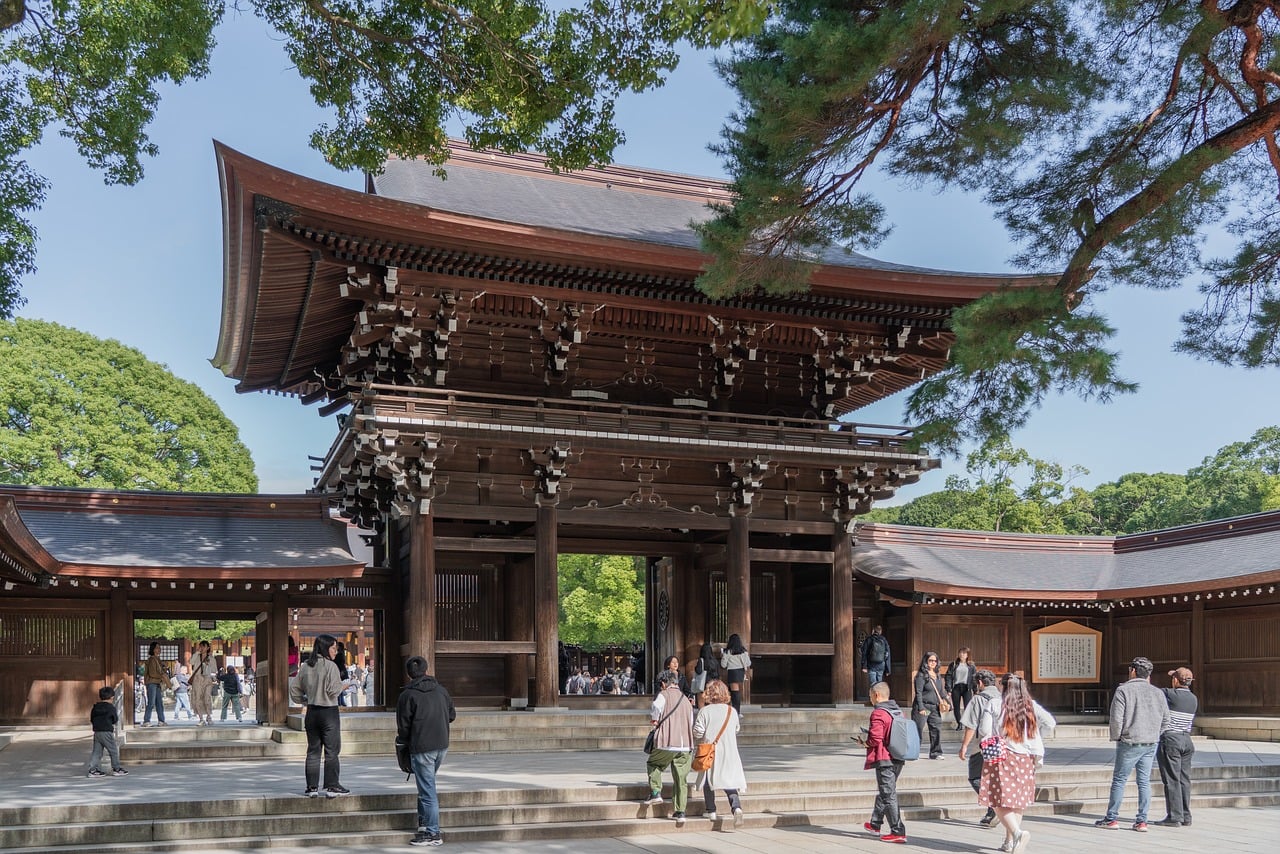
Shrines Temples and Gardens Meiji to Asakusa Calm in Tokyo with a forest path at Meiji Shrine
Meiji Shrine and a Yoyogi Park hush in the heart of Tokyo
Meiji Shrine sits near Yoyogi and Yoyogi Park, wrapped in a forested approach that feels like stepping through a curtain. A solo traveller once described the contrast: outside, Tokyo pace; inside, a calm that offered a moment of reflection rather than a photo opportunity. Let this part of Tokyo be unhurried—arrive early, walk slowly, and allow the silence to feel like a form of care.
For many, this is the moment Tokyo is a city of depth rather than spectacle. You don’t need to “do” much here; you simply discover how the atmosphere changes you.
Temple mornings in Asakusa, then a Shinjuku Gyoen reset between neighbourhoods
For a temple counterpoint, Asakusa (Senso-ji) is at its best early, before the lanes fill. With fewer people, the lanterns, incense, and architecture photograph beautifully, and the experience feels more reverent. The Asakusa Culture Tourist Information centre is a helpful stop for orientation—particularly if you’d like a viewpoint or a quick local map before you wander.
Later, reset at Shinjuku Gyoen. Shinjuku Gyoen is a curated pause between neighbourhoods, especially during cherry blossoms when petals soften every path. Even if your day includes Shinjuku Station and a busy dinner, this garden gives your itinerary breathing space.
Harajuku can act as a bridge between sacred and playful. A brief pass through Takeshita Street is enough—go mid-morning on a weekday so it complements, rather than competes with, the Meiji experience. It’s one of the unique things about Tokyo: in the space of one walk, the city shifts tone without losing its coherence.
- Shrine and temple etiquette: keep voices low, remove shoes where required, and dress modestly—comfortable yet elegant.
- Photographs: mornings in Asakusa; soft afternoon light in Shinjuku Gyoen.
- Mindset: treat sacred spaces as living places, not just landmarks.
Ginza and Omotesando: best places for luxury shopping, art, and the best things to do in Tokyo
For high-end travellers, Ginza luxury shopping and an Omotesando personalised tour can be among the best things to do in Tokyo—less about chasing logos, more about uncovering craftsmanship, art, and the city’s refined sense of detail. This is where Tokyo polish becomes tactile: glassy architecture, impeccable service, and discreet doors that open into quiet worlds.
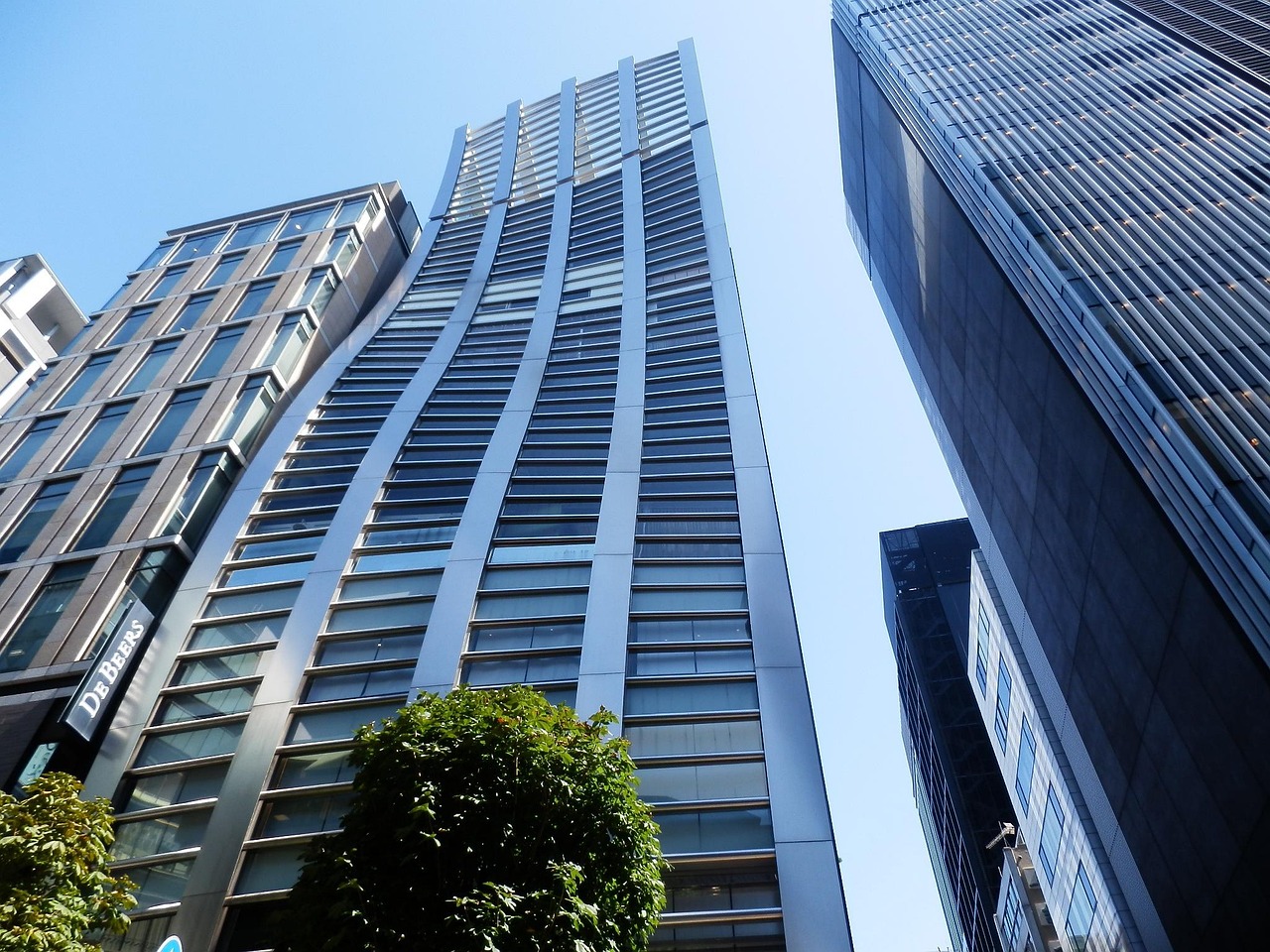
Ginza and Omotesando Best Places for Luxury Shopping and Art with modern architecture in Tokyo
Ginza after dark: galleries, architecture near Tokyo Station, and a private tea moment
Ginza after dark is cinematic in a different way to Shibuya: calmer, gleaming, and quietly assured. A couple once recounted an intimate stroll through Ginza illuminated streets, pausing at art galleries and slipping through discreet entrances, before ending with a private tea ceremony in a hidden teahouse. It wasn’t advertised; it was arranged with trust, and it felt like Tokyo revealing itself.
When you explore Ginza, look for small gallery spaces and design-forward flagship buildings—this is one of the best places to see how modern Japan blends restraint and creativity. Pair it with a short architecture walk near Tokyo Station for a quieter promenade and elegant photographs.
Michelin planning and Omotesando style with personal support (credit cards and concierge tips)
Upscale dining here rewards preparation. Many Michelin-starred restaurants release reservations weeks in advance, and some prefer concierge introductions. Be punctual, confirm dietary needs early, and let your hotel team support the booking—this is where expert handling makes the whole evening feel seamless rather than stressful.
Then shift to Omotesando. A personalised luxury shopping tour can uncover hidden designer ateliers and offer local insight into Japanese fashion that goes far beyond the obvious. One fashion lover told us bespoke styling advice transformed their wardrobe—not by changing who they were, but by clarifying it. The experience felt crafted, private, and surprisingly emotional: a mirror held up with kindness.
To keep the day effortless, space appointments and plan a quiet café break. Japan is wonderfully card-friendly in luxury districts, but keep credit cards thoughtfully organised—one for deposits, one for daily spend—so you’re never searching at the till. Also note that some high-end boutiques may ask you to remove shoes in fitting areas; it’s a small gesture of respect that signals you understand the culture.
- Luxury budget guide: plan roughly ¥20,000 to ¥50,000 per private experience (styling sessions, tours, tastings).
- Timing: Ginza at dusk; Omotesando late morning for a calmer boutique rhythm.
- Design walk: pair Ginza polish with Tokyo Station architecture for photographs and a quieter promenade.
Crafted experiences in Tokyo: private sushi class, teamLab Borderless, a food tour, and Akihabara
If you’re craving crafted experiences in Tokyo—a private sushi class, teamLab Borderless, a refined food tour, and an optional detour to Akihabara—this chapter helps you weave it together with confidence. Tokyo rewards curiosity, but it also rewards pacing. Choose a few experiences in Tokyo that feel genuinely you, and let them be deep rather than busy.
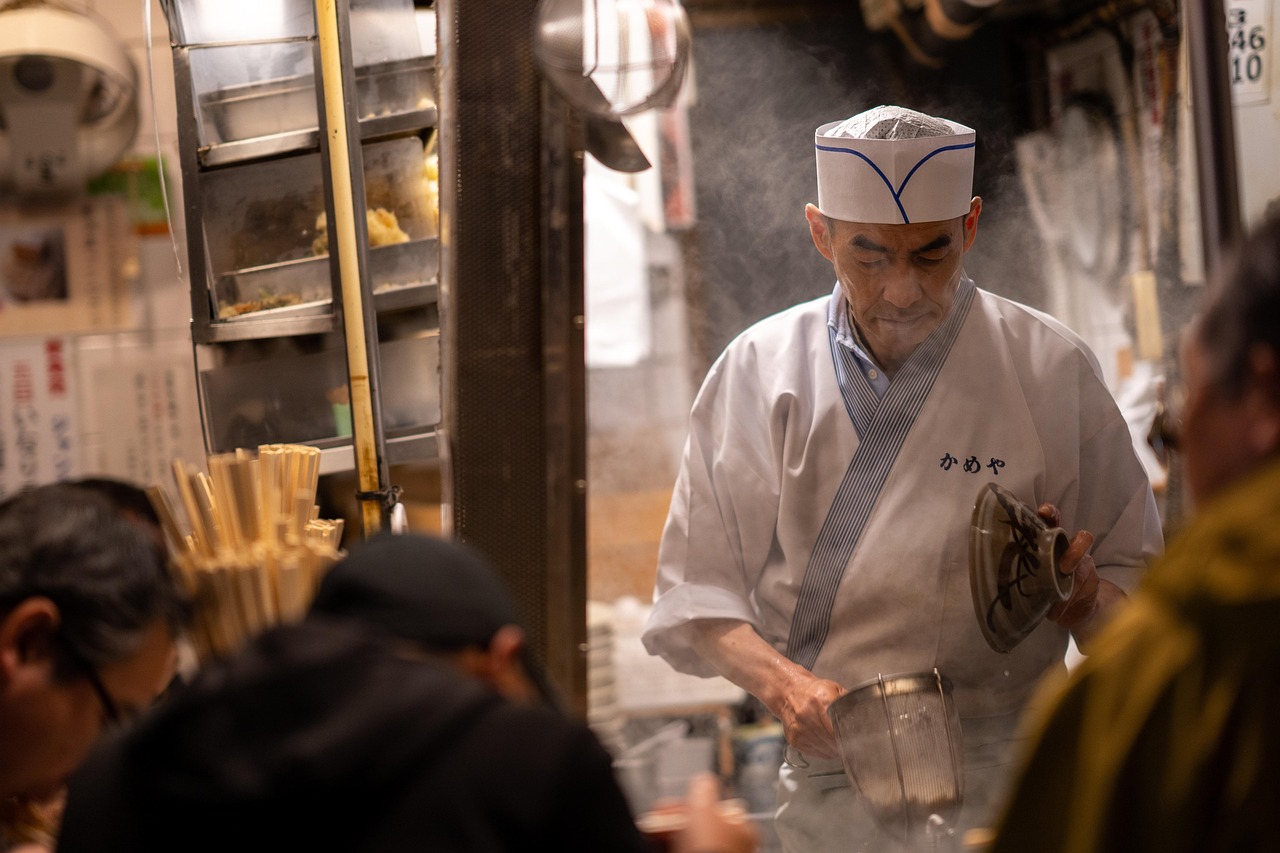
Crafted Tokyo Experiences Sushi Mastery teamLab and Late-Night Finds with a chef preparing sushi
Private sushi-making with a master: technique, taste, and what you learn together
A private sushi-making class changes the way you taste Japan. One foodie enthusiast told us they bonded with a sushi master over small corrections—knife angle, rice pressure, respect for ingredients—until technique became a quiet conversation. It’s not a performance; it’s insight, shared together, and it often becomes the story you retell long after your trip to Japan ends.
Book a smaller class for a calmer pace, and ask to include seasonal fish so you understand what “fresh” means in Tokyo. This kind of experience also supports mindful dining afterwards; you’ll notice details at the counter you once overlooked.
teamLab nights, elevated food stalls, tiny bars, and an Akihabara contrast
To curate “eat in Tokyo” beyond the obvious, consider a refined progression: market-to-counter tastings, a short stop for elevated food stalls (chosen for quality rather than novelty), then a yakitori evening that still feels high-end—counter seating, great charcoal craft, and excellent sake. If you use a platform like get your guide, treat it as a starting point, then let a trusted concierge refine the plan for quality and timing.
For immersive modern art, teamLab is a sensory attraction that feels like walking inside light. Schedule teamLab Borderless on a weekday and aim for a late afternoon slot, then flow into dinner once the peak crowds thin. Your evening will feel smoother, and you’ll leave with that rare sense of being both stimulated and calm.
After-hours Tokyo is best approached with support. Ask for tiny bars with a reservation-only feel—quiet rooms where conversation is gentle and the lighting is kind. Moving between Shinjuku and Shibuya late at night is safe and straightforward, but a pre-arranged pickup can feel like pure comfort when you’re dressed up.
Finally, Akihabara is an optional add-on for a first trip: a bright, tech-heavy contrast that shows another part of Tokyo. If you want one more cultural spectacle, consider tickets to sumo wrestling on an available evening, then return to your chosen pace. And because reassurance matters, ensure travel insurance is in place—especially if you’re booking premium dining deposits, private lessons, or late-night transport.
- Balance your nights: one big experience (teamLab) paired with one calm dinner, not three late stops.
- Food focus: one sushi session, one yakitori evening, and one curated food tour for range.
- Optional contrast: Akihabara for an hour or two, then back to your hotel for quiet.
What stayed with us after Tokyo: Tokyo for first timers travel guide to personal moments in Tokyo Japan
This final note is for anyone building a first trip with intention, because what remains is rarely the checklist. Long after the reservations and routes fade, Tokyo stays as a sensation: the soft shift from temple hush to city light, and the way the streets somehow invite you to slow down even when everything moves fast. It’s the kind of Tokyo trip that lingers—quietly, and for the right reasons.
It might be a toast above Tokyo Tower, when the skyline turns from blue to ink and you realise you’ve stopped thinking about time. It might be the quiet turn beneath trees at Meiji, where your footsteps sound different on the path and the air feels cooler. Or it may be a shared glance in Ginza—two people walking in step, the city reflected in shopfront glass, everything illuminated but oddly intimate.
Tokyo guidebooks often describe scale, but the more lasting beauty is attention: the care in a greeting, the trust in a perfectly timed course, the seamless support of a train arriving exactly when it should. Tokyo is a city where small details matter, and that’s part of what you’ll carry home. If you’re visiting Tokyo again one day, you’ll likely return to different neighbourhoods—but with the same heightened sense of craftsmanship.
If you want a simple way to choose what to see in Tokyo next time, let mood lead: one sacred site, one view, one meal, and one walk with no plan at all. Consider this a Japan guide to returning well—slowly, with curiosity, and without trying to do everything at once.
F.A.Qs: Must-see places in Tokyo Japan
F.A.Qs Must-see places in Tokyo Japan with a seamless luxury travel guide
What shouldn’t you miss in Tokyo?
Don’t miss the feeling of contrast: a quiet shrine visit at Meiji, a classic temple morning in Asakusa, and one elevated city-view moment such as Tokyo Tower at sunset. Add a refined neighbourhood stroll in Ginza and a curated meal (sushi or yakitori) to experience Tokyo craft and hospitality without overfilling your schedule.
What are the top 5 tourist attractions in Tokyo?
Many first-time visitors prioritise Tokyo Tower, Tokyo Skytree, Shibuya Crossing, Meiji Shrine, and Senso-ji Temple in Asakusa. Each is an iconic attraction and one of the most photographed places in Tokyo, delivering a different perspective—city views, modern scale, street-level energy, forested calm, and historic atmosphere—so you can design a day that feels balanced rather than rushed.
What is the most visited place in Tokyo?
Shibuya Crossing is often cited as one of the most visited and photographed places in Tokyo thanks to its iconic scramble of movement and light. For the best experience, arrive with a plan (a set viewpoint and a short visit), then move on to a calmer reservation so the moment feels cinematic, not overwhelming.
Where to go in Tokyo for first timers?
For a first trip to Tokyo, start with a base near Shinjuku or Ginza to keep connections easy, then explore Shibuya for energy, Meiji for calm, Asakusa for tradition, and a garden pause at Shinjuku Gyoen. Book one or two crafted experiences—like teamLab Borderless or a private sushi class—to make your Tokyo trip feel personal, beautifully paced, and expertly supported.