Post Contents
- Designing a seamless Kyoto Japan temples itinerary – a guide to the best Kyoto temples and shrines for high-end travellers
- Kinkaku-ji in northern Kyoto – the Golden Pavilion, a beautiful temple covered in gold leaf
- Ryoan-ji – a Buddhist temple in Kyoto with Zen calm and a rock garden of stillness
- Fushimi Inari – an iconic Kyoto shrine with red torii gates and a mountain-trail walk
- Kiyomizu-dera temple – the classic Kyoto arc of shrines and temples, Gion, and one day in Kyoto
- Leaving Kyoto – what stays with you after Kyoto Japan temples and shrines
- F.A.Qs: Kyoto temples and shrines
Designing a seamless Kyoto Japan temples itinerary – a guide to the best Kyoto temples and shrines for high-end travellers
Designing a seamless Kyoto itinerary with a calm, design-led pace through temples and shrines
This Visit Kyoto guide to the best Kyoto temples and shrines for high-end travellers is for people who prefer to explore with intention, not urgency. The city can feel like a gallery of living architecture, where every temple in Kyoto is shaped by light, landscaping and ritual. Rather than rushing between many temples and shrines, we’ll help you create a seamless rhythm: one beautiful temple, one quiet lane, one pause for tea, then onward with confidence.
Kyoto is often said to hold 1600 buddhist temples and more—sometimes quoted as 1600 buddhist temples and 400 Shinto sites; you’ll also see it written as buddhist temples and 400 shinto, or simply temples and 400 shinto shrines. Even with a private car and perfect reservations, that scale can overwhelm. The art is to design your days around atmosphere—so each temple complex has space to work on you, and you still feel you’ve experienced real buddhist temples in kyoto, not just checked names off a list.
Best seasons to visit Kyoto temples and shrines – cherry blossom, autumn colour, and the way light changes design
Spring cherry blossom and autumn foliage are the classic windows for a reason. A temple building framed by sakura feels like a watercolour; in November, maples turn temple grounds into glowing embers. Light changes everything: morning brings clarity for photography and calm walking routes, while late afternoon softens crowds and reveals more texture in wood, stone and moss.
If you can, consider two visits to one key site: an early arrival to uncover details, then a later moment for mood. Even if you’re based in Tokyo earlier in your trip, a visit to Kyoto invites you to slow down and let a single scene settle—exactly the pacing that turns Kyoto Japan temples into memory, not a sprint.
Getting around Kyoto from Kyoto Station – rail, taxis, and elegant routing across the city
From Kyoto Station, the JR Nara Line is ideal for shrine hops to the south, while the Keihan Main Line helps link areas along the eastern side of Kyoto. For high-end travellers, taxis are often the most seamless choice—especially when you’re dressed for dinner or travelling with a guide—yet traffic can be unpredictable around peak hours and popular places to visit in central Kyoto.
A practical approach is to combine rail for predictable timing with taxis for door-to-door ease when you’re returning from a major site at the end of the day. If you’d like inspiration for crafted routing across Japan, our Trip gallery shows how travellers often blend Kyoto with Tokyo and beyond, including gentle day trips around Kyoto.
Costs and access are refreshingly straightforward: temples charge a fee more often than shrines, and it’s commonly around 400–1000 yen per day depending on special gardens or halls. In some areas, a combined pass can support better value if you’re doing multiple sites in a tight cluster, but for luxury pacing it’s usually better to pick fewer and stay longer—especially at the most busier temples.
- Timing: arrive early for busier temples, then allow a slower late-afternoon finish elsewhere, including smaller shrines tucked off the main lanes.
- Dress: choose respectful clothing that covers shoulders and knees; it keeps you comfortable and avoids awkwardness.
- On site: remove shoes where required, keep voices low in quiet zones, and follow photography signs with care.
- Support: an expert local guide can add context without lecturing, so you feel looked after together—and can include smaller temples or even a little temple stop that most visitors miss.
With the foundations set, we can now explore three signature experiences—each distinct in design, spiritual tone and sensory memory, and among the most beautiful temples in Kyoto.


Kinkaku-ji in northern Kyoto – the Golden Pavilion, a beautiful temple covered in gold leaf
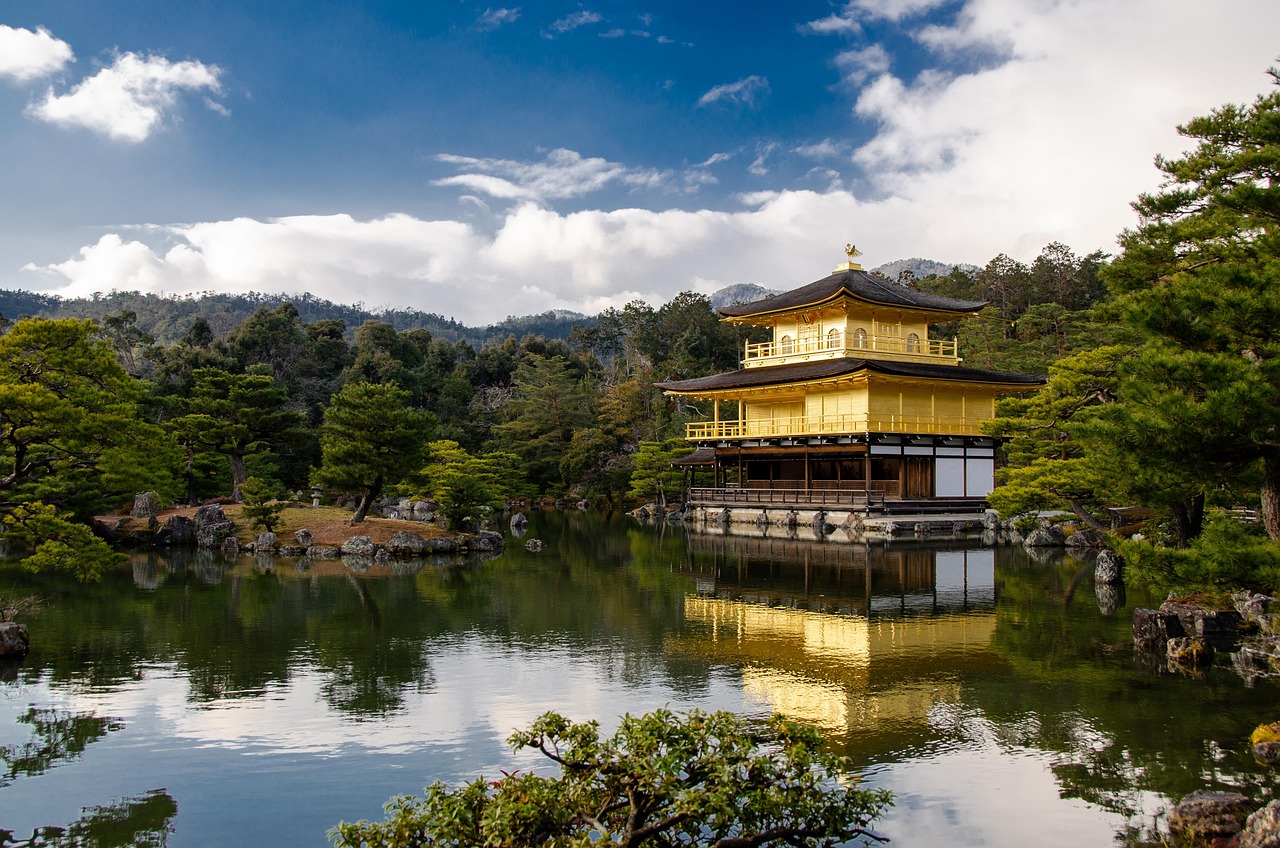
Kinkaku-ji, the Golden Pavilion in northern Kyoto, reflecting in the pond
Kinkaku-ji Golden Pavilion Kyoto temples beautiful temple covered in gold leaf captures a kind of Kyoto perfection: a pavilion poised above water, framed by pines, with garden paths that feel composed like a painting. This temple in Kyoto is famed for being covered in gold leaf; up close, you notice the sheen of gold leaf catching the light as the scene changes minute by minute. Yet what stays with you is often the calm geometry of the view—how the garden seems to guide your gaze with quiet confidence.
For a high-end experience, arrive early to avoid the tightest crowds; you’ll hear more birdsong, and you can explore with a sense of trust in your own pace. Then, whether or not you physically return, hold space for the idea of sunset: Kinkaku-ji becomes a different golden temple in your mind as the light warms.
Kinkaku-ji timing in northern Kyoto – how to keep this famous temple visit calm and crafted
Because Kinkaku-ji is one of the best known Kyoto temples, it can feel like the day’s centre of gravity. The simplest way to keep it seamless is to make it your first appointment in northern Kyoto, then drift towards quieter neighbouring sites rather than pushing across the city at rush hour.
A luxury traveller once described the reflective beauty of the golden pavilion at dusk: even from memory, they could see the surface of the pond catching the last light, the pavilion seeming to glow from within. That kind of personal moment is exactly what you create by not over-scheduling.
What to notice at this Kyoto temple site beyond the postcard view
Pause and watch how the main building and its reflection shift with wind and passing clouds. It’s a subtle lesson in impermanence that feels reassuring rather than solemn. If you’re travelling with an expert guide, they can uncover layers of history—political, artistic and spiritual—so the pavilion becomes more than a beautiful temple to photograph.
To pair the morning elegantly, consider a slower loop through smaller temples nearby, or contrast the gold and still water with the greener, more textural feel of a bamboo grove in the Arashiyama area if time allows. That shift—from shimmer to shade—can make the whole day feel intentionally designed, especially if you’re building a personal list of favourite Kyoto temples.
- Best light: crisp morning for clean lines; late afternoon for warmth on the pavilion.
- Comfort: taxis support a calm arrival, but allow extra time for traffic around peak hours.
- Depth: a temple guide helps you uncover meaning without turning the visit into a lecture.
From gold and water, Kyoto leads you naturally into a different design language—one built from stone, silence and space.
Ryoan-ji – a Buddhist temple in Kyoto with Zen calm and a rock garden of stillness

Ryoan-ji, a Zen temple in Kyoto, and the rock garden of stillness
Ryoan-ji Buddhist temple Kyoto zen buddhist temple in Kyoto rock garden is one of those Kyoto experiences that feels almost designed for modern minds—overstimulated, always moving, rarely quiet. This zen temple expresses minimalist design with extraordinary confidence: raked gravel, carefully placed stones, and a viewing platform that invites you to sit rather than circulate. If you’re seeking a zen buddhist temple experience that’s contemplative without being complicated, this is a superb choice.
If Kinkaku-ji offers brilliance, Ryoan-ji offers relief. Here, silence is not an absence; it’s part of the temple building, as real as timber and tile. Many travellers find it becomes their favourite temple in Kyoto precisely because it asks so little of them, yet gives them back a steadier mind.
How to sit with the Zen rock garden – a simple practice for seeing, not rushing
Take your time choosing where to sit on the wooden veranda. Let your eyes soften rather than “searching” for meaning. In a zen rock garden, your attention is the real subject: patterns appear, dissolve, and re-form as your mind settles.
A visitor once shared that they felt deeply moved while meditating here, finding a moment of inner peace amid the bustle of Kyoto. Their insight was simple: the garden didn’t demand anything—yet it supported everything they were trying to remember about being present.
Buddhist temple and Shinto shrine differences – how temples and shrines feel in Kyoto
In Kyoto, the feel of a buddhist temple often centres on contemplation—halls, gardens, and a mood of inward attention. A shinto shrine, by contrast, can feel more like a threshold in nature: gates, offerings, and a sense of arriving into a living landscape. Neither is “better”; they simply invite different parts of you to wake up, and together they explain why the city is famous for temples and shrines.
Ryoan-ji is also tied to the wider story of zen in Japan—less about decoration, more about disciplined seeing. If your interests run to the oldest zen temple traditions or the experience of a large zen temple precinct, your guide can place Ryoan-ji within that lineage without overwhelming you with dates. Whether or not you’ve studied zen buddhist practice, the calm is immediate, and the subtlety becomes part of the pleasure.
After the stillness of stone and gravel, Kyoto’s next icon invites movement—an outdoor pilgrimage where the path is the experience.
Fushimi Inari – an iconic Kyoto shrine with red torii gates and a mountain-trail walk
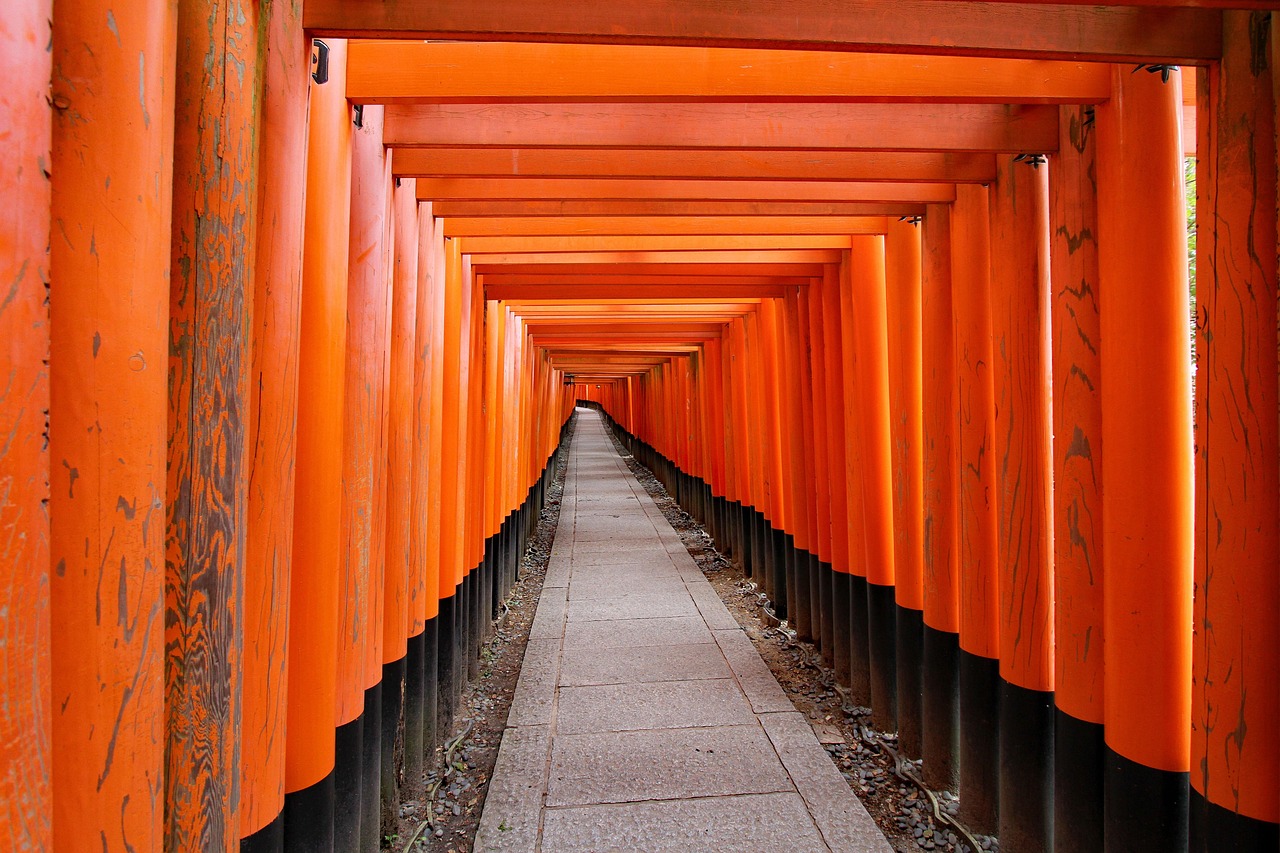
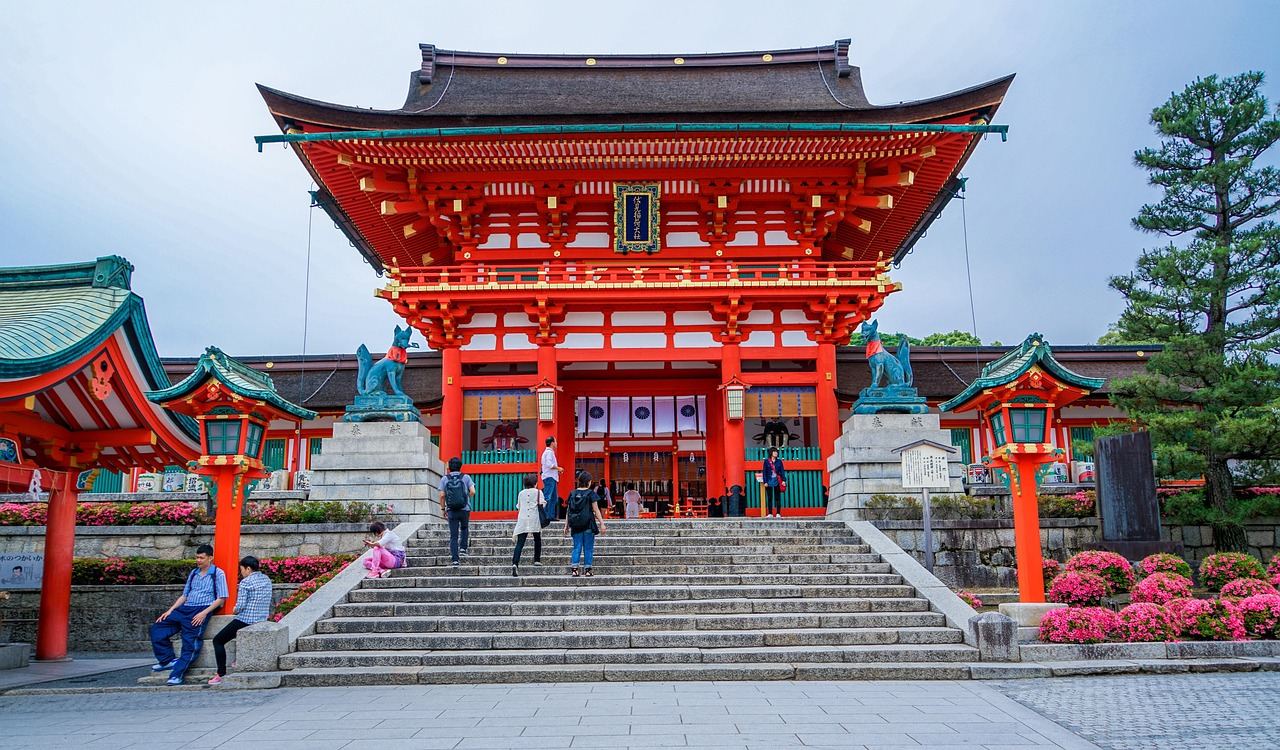
Fushimi Inari Taisha and its torii gate mountain trails in Kyoto
Fushimi Inari Shrine Kyoto shrine in Kyoto shinto shrine torii gate hike is instantly recognisable, yet it still feels personal once you start walking. Thousands of red torii create corridors of colour through the forested hillside—those famous red torii gates—leading to smaller inari shrines tucked into the landscape. This Kyoto shrine is both spiritual and outdoorsy—an experience you can design as a short, photogenic loop or a longer, restorative climb.
For high-end travellers, the luxury here is control of pace. Begin early for cooler air and clearer paths, especially if you want those clean “endless gate” images. Bring water, wear proper footwear, and let the mountain set your tempo; it’s one of the most rewarding shrines and temples experiences in Kyoto because movement becomes part of the ritual.
Choosing your Fushimi Inari route – sunrise calm, quieter trails, and a deeper sense of Zen
If you’re short on time, do a gentle out-and-back to the first viewpoints for soft morning light. If you want immersion, continue upward past the densest crowds; the trail grows quieter, and the sound of footsteps becomes its own kind of zen. Along the way you’ll pass fox imagery and altars—small gestures that remind you this isn’t a theme-park corridor, but a living shrine in Kyoto with active communities and rituals.
An avid hiker once recounted the serene climb through fushimi inari, highlighting friendly shrine volunteers who explained the spiritual significance behind various rituals. That local insight offered reassurance: it’s absolutely fine to observe first, then participate simply and respectfully.
Photography and respect on the torii gate trails and inari shrines
Fushimi Inari is a shared pathway, so photography is best done with care. Step aside to let others pass, keep entrances clear, and avoid blocking narrow sections where the torii gate corridor tightens. If you’re waiting for an empty frame, do so thoughtfully—your patience supports the atmosphere for everyone.
To capture the bright orange gates without disturbing others, shoot from slightly lower angles and use the rhythm of repeating posts rather than chasing the “perfect” empty shot. You may also notice stone statues and small offerings near the inari shrines; treat them as devotional objects, not props.
- Access: JR Nara Line or Keihan Main Line are convenient; both bring you close to the main approach.
- Afterwards: consider a taxi back to central Kyoto for comfort, especially after a longer hike.
- Etiquette: follow signs, keep voices low, and observe before joining any ritual gestures.
With your senses awakened by forest air and vermilion gates, an afternoon in eastern Kyoto brings you back to grand views and lantern-lit streets.
Kiyomizu-dera temple – the classic Kyoto arc of shrines and temples, Gion, and one day in Kyoto
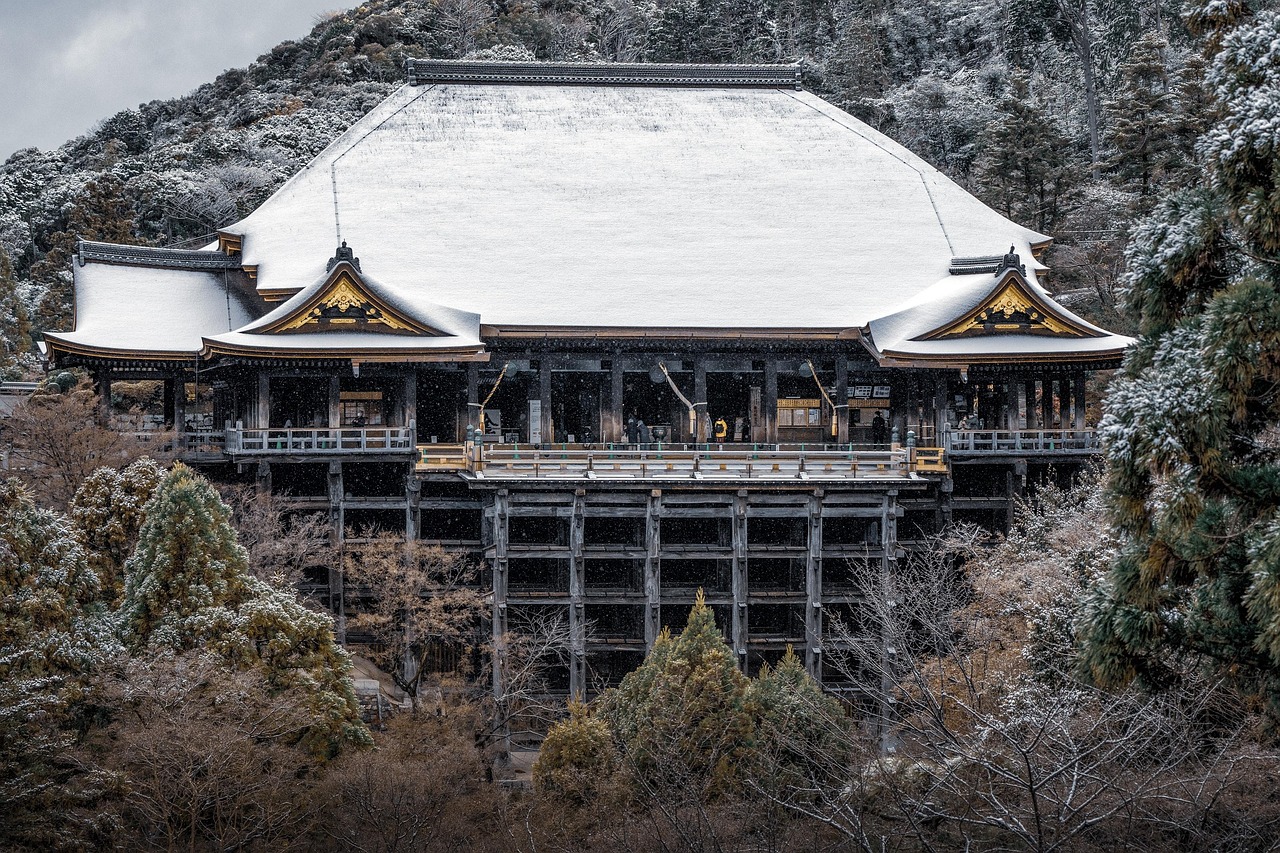
Kiyomizu-dera temple and Gion nights among shrines and temples in Kyoto
Kiyomizu-dera temple Kyoto temples shrines and temples best temples in Kyoto one day in Kyoto is the classic Kyoto arc: an inspiring Buddhist temple visit followed by an elegant drift through historic lanes towards evening in Gion. If you’re planning one day in kyoto and want it to feel crafted rather than compressed, this pairing offers a natural crescendo—wide views, then intimate streets, then dinner by reservation.
As a kiyomizu-dera moment, it’s hard to beat the first sight of the terrace and the city unfolding beyond. Take time to step through the approach slowly, then notice how the main hall anchors the experience: the architecture holds the crowd without feeling harsh. Even travellers who have visited Kyoto before often say this is where the city’s beauty feels most human: close enough to touch, wide enough to breathe.
World heritage context – why preservation shapes your visit in Kyoto
Kyoto’s cultural sites are protected with unusual care, and that preservation shapes how you experience them. When you visit kyoto and its historic districts, you’ll notice quiet zones, controlled sightlines, and subtle restrictions that keep modern clutter out of view. This is part of how world heritage thinking works: protecting not only buildings, but the feeling of place—so that shrines and temples remain living spaces, not museum props.
Kiyomizu-dera is part of the “Historic Monuments of Ancient Kyoto” listing and is recognised as a unesco world heritage site. Visitors are asked to respect the atmosphere, especially in areas where prayer and contemplation are active. This balance—access with reverence—is what makes Kyoto’s world heritage sites feel alive rather than staged, and it’s a powerful reminder of what a careful visit in Kyoto can be.
A high-end Kyoto itinerary vignette – from Kiyomizu-dera temple to Gion in the golden hour
Plan for an afternoon arrival, then leave space to linger. Make Kiyomizu-dera your main temple for the day, then let your route unfold: a pause at a viewpoint, a slow walk past a gate, then a gentle move towards Gion as lanterns begin to glow. The most memorable luxury is often timing—being in the right place as day softens into evening.
For shopping, choose artisan stops that feel local: incense blended in small batches, hand-thrown ceramics, or textiles with contemporary restraint. If you’re unsure, ask your hotel concierge or local guide to point you towards quieter makers rather than the most crowded storefronts. It’s a simple way to show care and support the community with trust.
Consider this the “day ender” among shrines and temples: kiyomizu-dera temple for grandeur, then Gion for atmosphere. It’s also one of the best ways to feel the difference between a busy lane and a calm precinct—without needing to do more things to do in kyoto than you can truly enjoy.
And then, almost without noticing, the city begins to travel home with you.
Leaving Kyoto – what stays with you after Kyoto Japan temples and shrines
Kyoto shrines and temples personal reflection after visiting Kyoto temples begins quietly, often after you’ve left the gate behind. You notice how your steps changed in the gravel, how you held your voice lower without thinking, how the light on wood and stone felt like something you could trust. In the city of kyoto, those small adjustments are part of the gift: the place teaches you a calmer rhythm without asking you to “achieve” it.
Long after the journey, it’s rarely the ticked-off list that returns. It’s the pavilion shimmer that seemed to hover on the pond, the rock garden calm that made even a crowded day feel manageable, the hush inside repeating gates where your breathing matched the slope of the hill. You might remember the shape of a roofline against autumn sky, or the way a volunteer’s explanation made a simple gesture feel meaningful.
Kyoto has a way of changing what you notice elsewhere. Back in Tokyo, or anywhere around Kyoto’s orbit, you may find yourself pausing for the play of shadow, or recognising how design can support the mind. It’s as if the temples and shrines teach a form of creative attention—gentle, practical, and quietly brave—and you start curating your own favourite Kyoto temples with more discernment.
And perhaps that’s what remains: not a sense of having done enough, but of having been present. Across Japan, you can return someday with the same unhurried confidence—curious, cared for, and open to what the next threshold might reveal.
F.A.Qs: Kyoto temples and shrines
What are the five great temples of Kyoto?
People use “five great temples” in different ways, but it’s often linked to major Zen temples historically supported by powerful patrons. In practice, travellers usually mean Kyoto’s most influential, well-preserved temple sites—those with exceptional gardens, architecture and cultural status. If you’d like certainty for your dates and interests, an expert local guide can clarify the commonly accepted set and design a seamless route that fits your pace.
What are the top 5 things to see in Kyoto?
For many high-end travellers, the top sights include a signature temple garden, a standout shrine walk, a historic district stroll, a crafted dining experience, and a moment of stillness that feels personal. In this guide, Kinkaku-ji, Ryoan-ji, Fushimi Inari, and Kiyomizu-dera paired with Gion form a refined core. The “fifth” is often time itself: early morning light or evening lanterns.
Does Kyoto have ancient temples?
Yes—Kyoto is known for ancient temples and long-established religious sites, many rebuilt over centuries with meticulous care. The city’s preservation culture means you’ll see layered history in timber, stone, gardens and ritual spaces, rather than a single frozen era. Visiting with calm attention helps you notice what’s genuinely old, what’s carefully restored, and how both are respected in daily life.
Why is Kyoto full of temples?
Kyoto was Japan’s imperial capital for more than a thousand years, and religious institutions grew alongside court culture, trade, scholarship and the arts. Temples and shrines were supported by emperors, aristocrats and later shoguns, becoming centres of learning, design and community life. Over time, this created an extraordinary concentration of sacred places—each with its own atmosphere—so Kyoto feels like a living archive of belief and aesthetics.