Post Contents
- Arriving in Himeji City Hyogo and Designing Your Day for a scenic public transport travel guide
- Himeji Castle the Heron Castle and a Samurai Past for Himeji Castle Japan UNESCO World Heritage Site Hyogo
- Koko-en Garden a Crafted Pause Beside the Castle for Koko-en Garden Himeji Japanese garden Edo period
- Old Town Streets Local Crafts and Hyogo Flavours for Himeji old town local food crafts Hyogo Japan
- Beyond the Castle Nearby Attractions Temples Shrines and a coastal Reset for Himeji nearby attractions Engyo-ji Mount Shosha shrine hot spring bath
- What Stayed With Me After Himeji for Himeji Hyogo Japan personal reflection travel
- F.A.Qs: Himeji Hyogo Japan travel guide
Arriving in Himeji City Hyogo and Designing Your Day for a scenic public transport travel guide
Arriving in Himeji City Hyogo and Designing Your Day in Himeji
If you’re seeking a high-impact day in the Kansai region that still feels unhurried, this Himeji City Hyogo Japan travel guide for public transport is your steady starting point. Himeji is scenic in a quietly confident way: a modern city with an old soul, and a gentle coastal mood not far away towards the Seto Inland Sea. For adventure seekers, it’s ideal—easy to reach, wonderfully walkable, and full of moments that invite you to slow down and really explore.
Think of Himeji as a designer day-out: you can create a seamless loop from station to castle, then garden, then local streets—keeping energy in reserve for a later hike around the grounds. The city supports both spontaneity and structure, which is exactly what luxury-minded travellers often want when time is precious.
Public transport arrivals via the Sanyo line and an easy walk to the castle
Arriving is refreshingly simple. From Osaka or Kyoto, the Shinkansen bullet train runs on the Sanyo route, placing you in Himeji quickly and comfortably. From Tokyo, you can connect onto the same corridor with an effortless change. Once you step out at Himeji Station, the main approach to the castle is about a 15-minute walk—straightforward, well-signed, and satisfying as the skyline shifts from city blocks to history.
That walk is also your first chance to settle into Japan’s travel rhythm: calm queues, clear signage, and a sense that everything has been designed to flow. If you want a little extra ease, taxis are plentiful—but the walk is part of the story, especially on a bright morning.
Designing your day for space, confidence, and calm etiquette
For photography and breathing room, arrive early. You’ll uncover softer light on the approach and more space in the courtyards before day-trip tourism peaks. As a simple framework, begin with the castle while your legs are fresh, then slow down in the garden, and finish with an unhurried browse of old-town shops and snacks.
- Best pacing: early morning for the castle approach; late morning for the garden’s quiet leisure.
- What to wear: comfortable walking shoes for cobblestones and steep stairs.
- Local care: bow when greeting, remove shoes where required, and keep a respectful volume near shrine and temple areas.
My first sight of Himeji still feels personal. As you get closer, the white silhouette rises above the city like a promise—bright, poised, and somehow reassuring. You don’t need to know every detail yet; you just need to trust your curiosity and step forward.


Himeji Castle the Heron Castle and a Samurai Past for Himeji Castle Japan UNESCO World Heritage Site Hyogo
Himeji Castle the Heron Castle and a Samurai Past in Hyogo
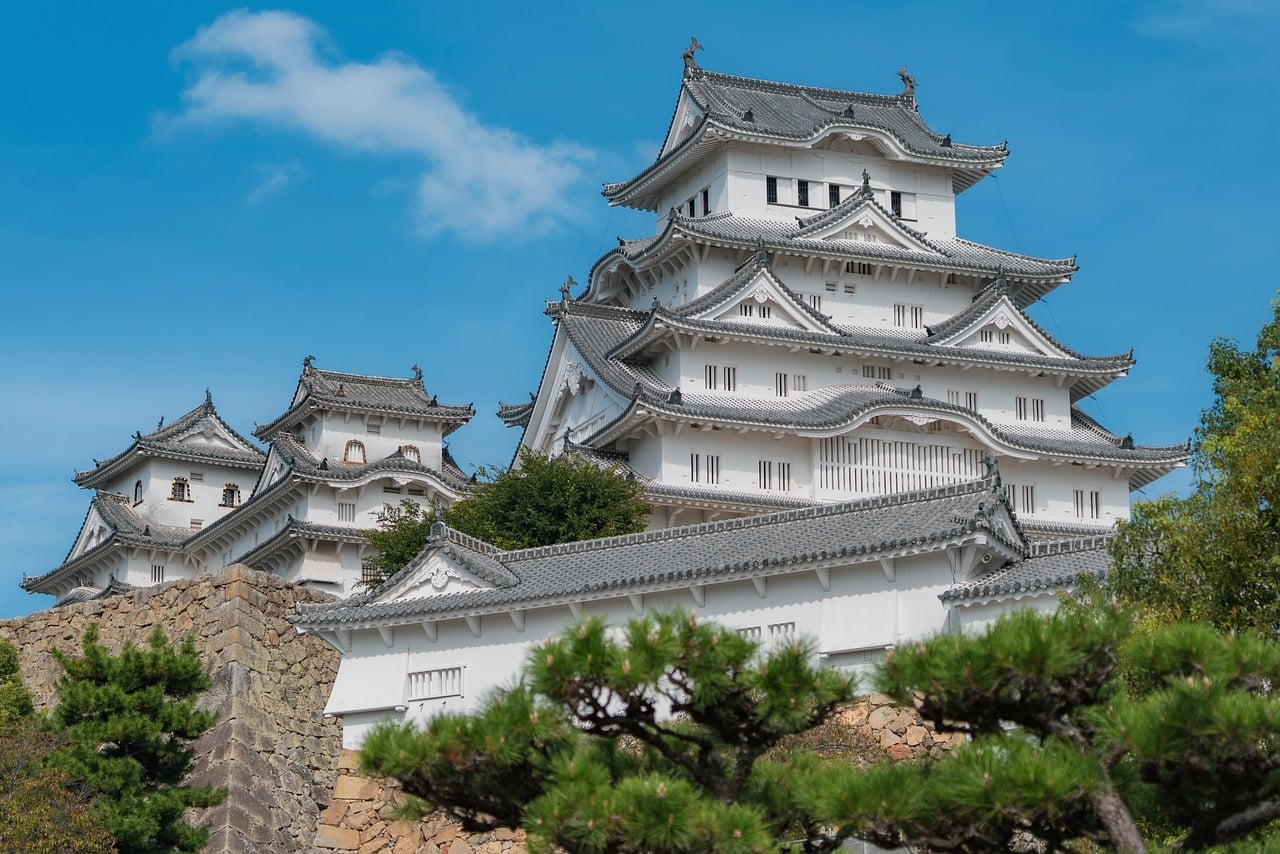
For many travellers, “Himeji Castle Japan UNESCO World Heritage Site Hyogo” is the phrase they type, but the feeling in real life is bigger than search. Himeji Castle is a UNESCO World Heritage Site and a national treasure, often designate among Japan’s most important landmark places to understand the feudal story. It’s also counted within the “100 famous” castle conversation for good reason: it’s not a reconstruction, but a surviving masterpiece.
Nicknamed the Heron Castle for its white, wing-like form, it looks almost weightless from afar—yet up close, you sense the discipline behind its beauty. As an adventure seeker, you’ll appreciate that it’s not a passive sightsee stop: it’s a vertical climb, a puzzle of gates, and a series of reveals that reward attention.
Exploring the castle keep like an expert with a comfortable pace
The keep is full of staircases—steep, polished by time, and sometimes narrow—so take it one level at a time. Good shoes and a steady pace make all the difference. From the top, the panorama feels like a small rite of passage: rooftops, distant hills, and the sensation of standing inside history rather than observing it.
Many travellers recount that view as quietly humbling—a glimpse of the samurai world that once shaped this region. You may arrive chasing a photo, but you often leave carrying an insight: power here wasn’t only about force; it was about planning, patience, and how spaces were built to protect a residence and its people.
Museum-style exhibits, wartime survival stories, and seasonal festival light
Between climbs, pause for the museum displays and interpretive corners. Armour details, building techniques, and everyday life notes add depth beyond the postcard angles. One local guide once shared a story that stayed with me—how the castle did survive the bombings of World War II, and how close it came to being lost. Standing within timber and plaster that endured, you feel gratitude rather than drama.
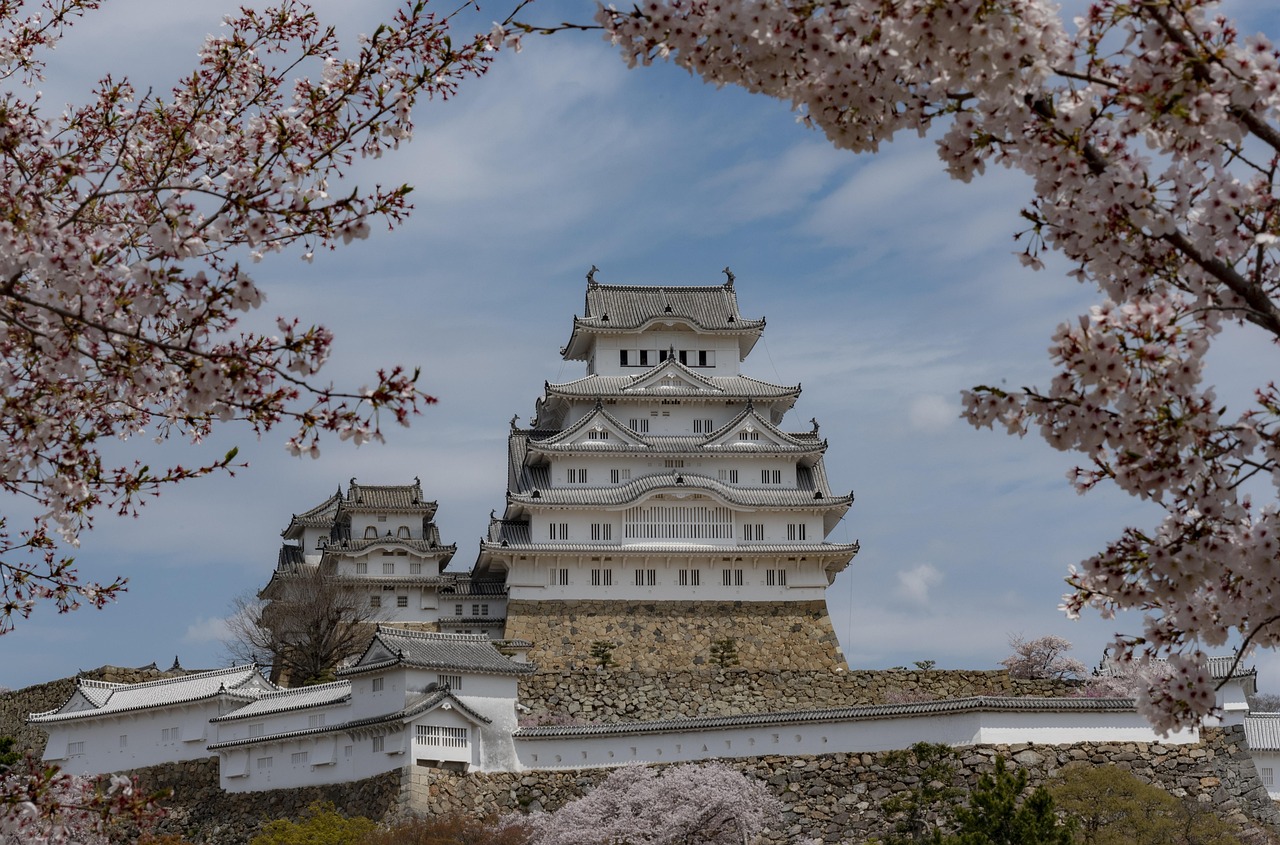
If you can, time your visit with cherry season and the city’s blossom celebrations. Festival days add music, stalls, and a celebratory tone without taking away the site’s dignity. During special events, organisers sometimes host evening illuminations; seeing the castle glow against the dark can be genuinely breathtaking, like a storybook scene that’s somehow real.
- Admission: around 1,000 yen for the castle, with clear signage at the entrance.
- Timing: mornings are calmer; late afternoon can feel busier with tour groups.
Koko-en Garden a Crafted Pause Beside the Castle for Koko-en Garden Himeji Japanese garden Edo period
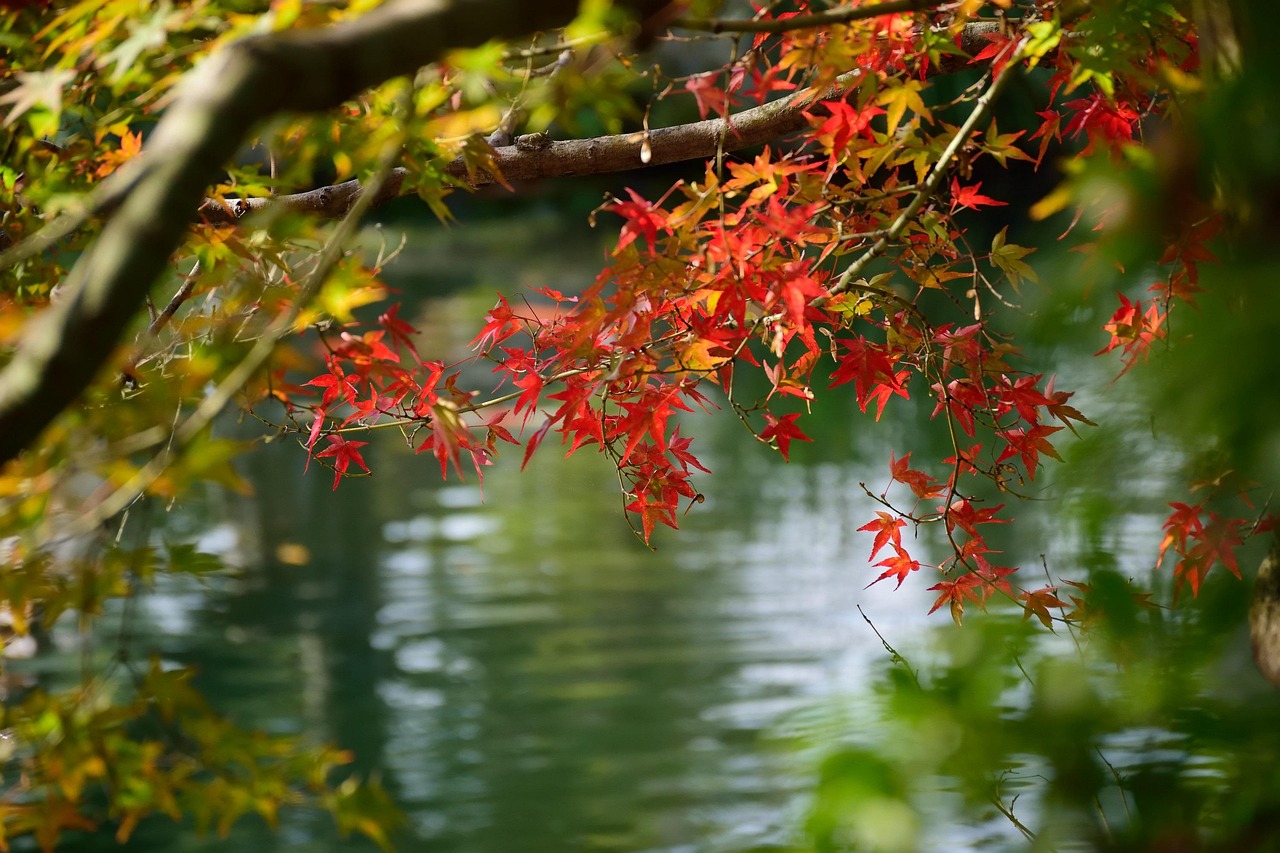
Koko-en Garden a Crafted Pause Beside the Castle in Himeji
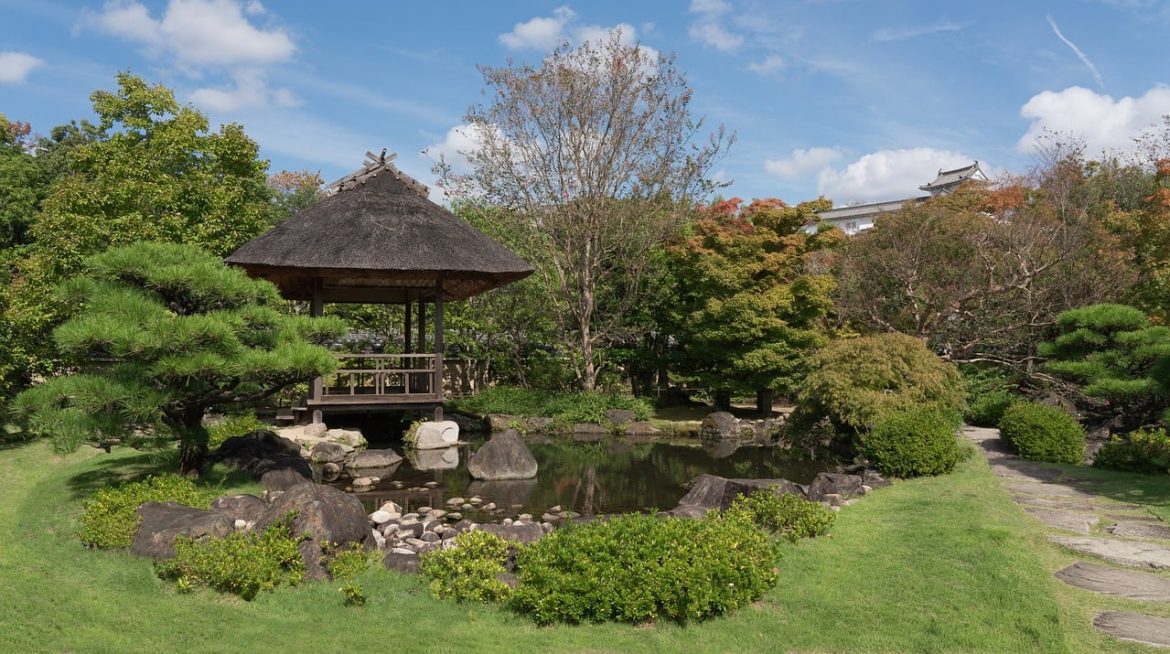
Just steps from the keep, “Koko-en Garden Himeji Japanese garden Edo period” becomes more than a label—it’s the emotional counterpoint to the castle’s intensity. Koko-en is an elegant collection of nine distinctive gardens inspired by the Edo period, created for slow looking and gentle recovery. It opened in 1992, yet it feels timeless, as if it has always belonged beside the stone walls.
After the climb and the crowds, this is where you can breathe. The garden experience isn’t about doing more; it’s about letting the day support you. You’ll notice how quickly your shoulders drop, how your steps soften, and how your confidence changes when you give yourself permission to pause.
A Japanese garden itinerary of ponds, stepping stones, and tea-house views
Follow the paths past ponds that catch the sky, stepping stones that ask you to slow, and careful plantings designed for seasonal colour. There are tea-house perspectives that frame the landscape like a painting—crafted, but never forced. The quiet feels intentional, not empty.
A group I once guided through Himeji described it perfectly: after an invigorating circuit and small hike around the castle grounds, the garden’s stillness felt like a shared exhale, together. Adventure first, then calm—an arc that makes the whole day feel more personal.
Photography and pacing tips for calm, respectful leisure
Late morning light often sits beautifully here, especially when leaves or flowers are at their peak. Keep your voice low, watch your footing near water features, and allow others their silence; it’s a small act of care that locals appreciate. If you’re travelling with someone, try walking without speaking for a minute—just noticing the sounds you normally miss.
Entry is around 300 yen, and the value is in the reset it gives you. You’ll re-enter the city streets with clearer eyes and a steadier pace.
Old Town Streets Local Crafts and Hyogo Flavours for Himeji old town local food crafts Hyogo Japan
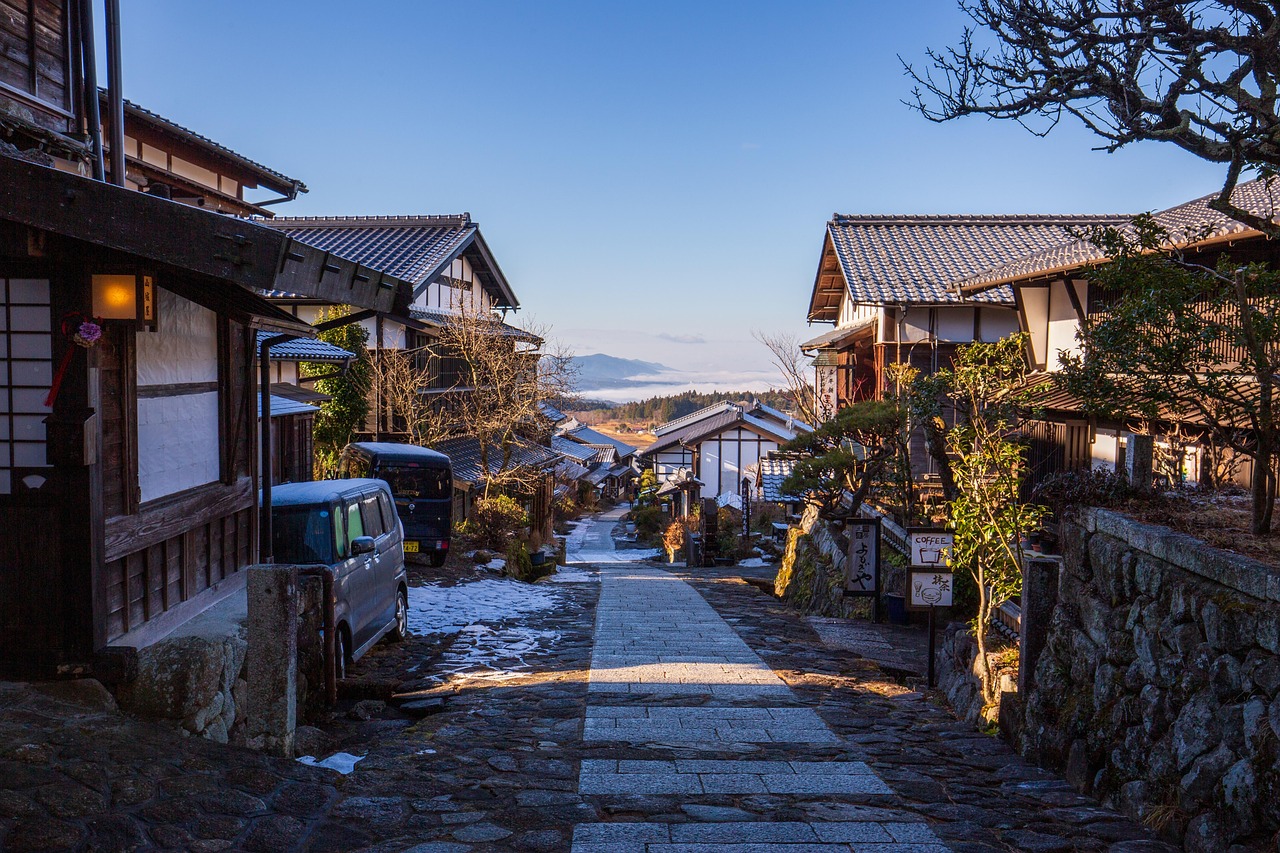
Old Town Streets Local Crafts and Hyogo Flavours in Himeji
When you search “Himeji old town local food crafts Hyogo Japan”, you’re really looking for texture: the small workshops, the everyday flavours, and the feeling of being welcomed rather than processed. From the castle area, it’s easy to stroll into historic streets where traditional shops sit beside small galleries—perfect for cultural enthusiasts who love design, detail, and conversation.
Look for ceramics with subtle glazes, textiles in muted palettes, and souvenirs that feel stylish rather than mass-made. If you’re buying gifts, choose one meaningful object over many; it helps preserve the craft economy and keeps your luggage light.
Hyogo cuisine with beef, fresh seafood, and market snacks
Hyogo flavours can surprise you. You’ll see beef on menus—rich, carefully prepared—and you’ll also feel the influence of fresh seafood from the wider prefecture. One visitor told me their “unexpected joy” was a simple market snack, made in front of them, eaten standing up, and remembered more vividly than a formal meal. That’s Japan sometimes: small moments, perfectly done.
Budget-wise, plan roughly 1,500–3,500 yen for a relaxed lunch depending on where you sit, and 300–800 yen for snack tastes as you wander. If you want a calm break, choose a café slightly off the main flow, where you can watch the street life without feeling on display.
What to look for in cherry blossom season and festival stalls
In spring, watch for seasonal sweets themed around cherry and blossom motifs—often lightly sweet, beautifully wrapped, and easy to share. During times when the city commemorate spring in full bloom, festival stalls add colour and energy; it’s fun, but you can dip in and out on your own terms.
- Trust your instincts: if a place is busy with locals, it’s usually a good sign.
- Simple phrases: “Sumimasen” (excuse me) and “Arigatou gozaimasu” (thank you) go a long way.
This is also where Himeji feels most intimate—less monumental, more human. You’re not just consuming culture; you’re sharing space with it.
Beyond the Castle Nearby Attractions Temples Shrines and a coastal Reset for Himeji nearby attractions Engyo-ji Mount Shosha shrine hot spring bath
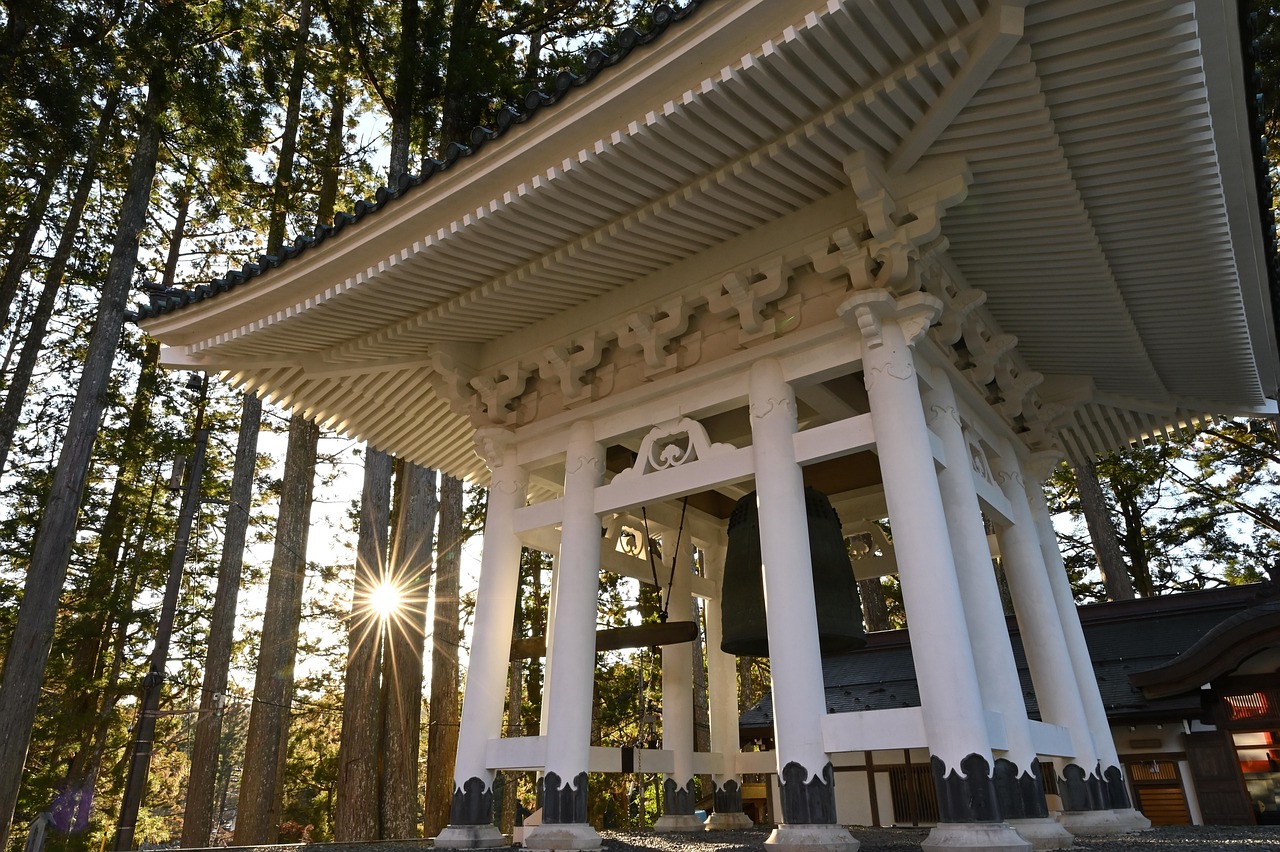
Beyond the Castle Nearby Attractions Temples Shrines and a coastal Reset from Himeji
If your search is “Himeji nearby attractions Engyo-ji Mount Shosha shrine hot spring bath”, you’re already thinking like a traveller who wants range. Beyond the castle, a half-day extension to Shoshazan brings you to the engyo-ji temple complex, a Buddhist temple high on Mount Shosha. It’s a temple on Mount Shosha that feels both cinematic and sincerely contemplative, with forested paths that make your breathing deepen almost immediately.
Within the Engyo-ji temple grounds, Mani-den is the image many people carry home: a hall poised against the hillside, calm yet dramatic. If you’re drawn to inner stillness, you can sometimes join zazen meditation—quiet, grounded, and unexpectedly supportive after a day of movement.
Engyoji, Tendai context, and a gentle comparison with Mount Hiei
Engyoji is linked to the Tendai tradition, which some travellers recognise from Mount Hiei near Kyoto. You don’t need to be an academic to appreciate the connection; it’s enough to notice a shared atmosphere of learning, discipline, and compassion. Here, the “attraction” is not a single view but the space between buildings, the cedar air, and the way silence becomes a companion.
Logistics are simple: use public transport to reach the ropeway area, then continue up the mountain. If time is tight or you’re travelling in a small group, a taxi can be a comfortable trade-off—more cost, less friction.
For variety, there are local attractions that change the mood entirely: Himeji Central Park offers a playful, family-friendly break, and an aquarium visit can be a gentle option on a rainy day. For a quieter contrast, choose a small shrine in town—brief, respectful, and often beautifully kept.
If you’re craving open air, head towards the port area and feel that coastal lift in the atmosphere. A short, breezy walk near the Seto Inland Sea can reset your senses before you finish with a hot spring bath. That bath moment—heat easing the calves after stone steps—can feel like the final design element of the day, turning effort into recovery.
- Choose your pace: castle-only, castle plus garden, or add Mount Shosha for depth.
- Transport tip: trains and buses are reliable; taxis are best for late-day simplicity.
- Etiquette: at an onsen, wash before entering the water and keep voices low.
If you’d like to imagine what a broader journey through Japan could look like, you can browse our Trip gallery for crafted inspiration.
What Stayed With Me After Himeji for Himeji Hyogo Japan personal reflection travel
When I think back on “Himeji Hyogo Japan personal reflection travel”, it isn’t a checklist of sights. It’s the way Himeji holds two truths together without forcing a conclusion: magnificent power in the castle, and gentle care in the garden. One moment you’re tracing the logic of fortifications; the next you’re watching a ripple on a pond and realising your mind has gone quiet.
What stays with me is how that contrast changes you, almost without permission. You leave with steadier confidence—because you climbed, navigated, and kept going—and also a softer pace, because the city quietly teaches you to slow down and trust what you notice. The most valuable souvenir is often invisible: the sense that you can be courageous and calm at the same time.
Long after the train doors close, I remember the feeling of walking away from the castle as light shifted across white walls, then hearing the hush of a garden path underfoot. Himeji doesn’t ask you to sum it up. It simply offers space, and lets you decide what it means—now, and later, and perhaps in another season when the same streets reveal a new feeling.
F.A.Qs: Himeji Hyogo Japan travel guide
What is Himeji famous for?
Himeji is famous for Himeji Castle, the iconic white “Heron Castle” and one of Japan’s best-preserved historic castles. Many visitors also love the neighbouring Koko-en Garden and the city’s spring cherry blossom celebrations, which add a special atmosphere without losing the site’s dignity.
What is Hyogo Japan known for?
Hyogo is known for a mix of heritage cities, mountains, and coastal access, plus excellent regional food culture. Travellers often associate the prefecture with castles and temples, high-quality beef dishes, and ports that connect to wider Seto Inland Sea routes and maritime influences.
Is Himeji closer to Osaka or Kyoto?
Himeji is closer to Osaka than Kyoto in typical travel time, especially by Shinkansen. Both are easy day trips, but Osaka usually feels more direct. If you’re planning a seamless schedule, check train times for the Sanyo corridor and aim for an early departure to enjoy quieter castle approaches.
Is Himeji town worth visiting?
Yes—Himeji town is worth visiting because it adds warmth and flavour around the headline sights. The old streets, small craft shops, relaxed cafés, and local snacks create a more personal sense of place, especially if you enjoy cultural details and prefer not to rush straight back after the castle.