Post Contents
- Why visit Matsumoto City the gateway to the Northern Japan Alps for a Nagano Prefecture Japan itinerary
- Matsumoto Castle National Treasure in black and timber in the Matsumoto area Nagano Prefecture Japan
- Artful Matsumoto from Ukiyo-e to Yayoi Kusama at Japan Ukiyo-e Museum and Matsumoto City museums
- Kamikochi valley hikes and alpine calm in the Japanese Alps for a Kamikochi day trip from Matsumoto
- Around Matsumoto day trips to Jigokudani snow monkey park Nakasendo and Azumino
- Nawate Street Matsumoto and Taiko Drum Festival rhythms on a shopping street in Japan
- What stayed with me after Matsumoto Japan travel reflections in Nagano Prefecture
- F.A.Qs: Matsumoto and Nagano Prefecture Japan
Why visit Matsumoto City the gateway to the Northern Japan Alps for a Nagano Prefecture Japan itinerary
Why visit Matsumoto City the gateway to the Northern Japan Alps
If you’re building a visit matsumoto city nagano prefecture japan itinerary alps style trip, Matsumoto is the kind of base that quietly upgrades everything around it. It’s the second largest city in nagano and a practical hub in central nagano, with a rich history that still feels lived-in rather than staged. For cultural enthusiasts, the old lanes, museums, and craft shops give you texture. For adventure seekers, the northern japan alps sit close enough to design day trips that feel bold but never stressful.
Matsumoto is a small city in nagano prefecture that still thinks like a mountain town: mornings start early, trains run with purpose, and the air often feels clean even in the city center. You can explore deeply without needing to constantly transfer hotels, and that gives you the kind of support-first pacing that high-end travel should always protect. This is a city in nagano prefecture that rewards travellers who prefer to uncover rather than tick off.
Getting in with confidence via limited express to Matsumoto Station
From Tokyo, the straightforward option is the limited express train (the JR Shinano limited express) from Shinjuku Station, and you’ll arrive in about 2.5 hours depending on the service. I like to think in a “train from matsumoto” mindset: once you’re settled, the region opens up for day adventures without constant repacking. At Matsumoto Station, signage is clear, and the main bus stands are clustered close by—easy even if you’re arriving with luggage and a slightly tired brain.
Budget travellers often use the highway bus alternative, and it’s a perfectly valid choice if you’d rather invest in a ryokan night or a private guide later. Either way, give yourself a gentle first hour: grab a coffee, orientate your map, and let your confidence catch up with your arrival.
Old Japan atmosphere in the Matsumoto area walking loop
Begin by discovering the feel of old japan around Nakamachi and the Metoba River, then trace a simple walking loop back towards the station. Nakamachi street is known for its kura-style storehouses and small galleries, and it’s also a good place to browse lacquerware that feels genuinely crafted rather than mass-produced. If you like building an intuitive city map, think in neighbourhood pockets: castle grounds to the north, Nakamachi to the south-west, and riverside lanes linking it all together.
Quick decision guide for your first day (April–November is best):
- Book early: your Matsumoto Castle ticket if you hate queues, and a weekend ryokan if you want a premium onsen routine.
- Start relaxed: do the city walk loop and a calm dinner, then keep the next day for bigger adventure.
- Carry coins: small shops and buses can be cash-first, and it keeps your day seamless.
One more local nudge: if your dates align with matsumoto bon bon in summer, it adds a joyful sense of community without needing any extra planning.


Matsumoto Castle National Treasure in black and timber in the Matsumoto area Nagano Prefecture Japan
Matsumoto Castle National Treasure in black and timber
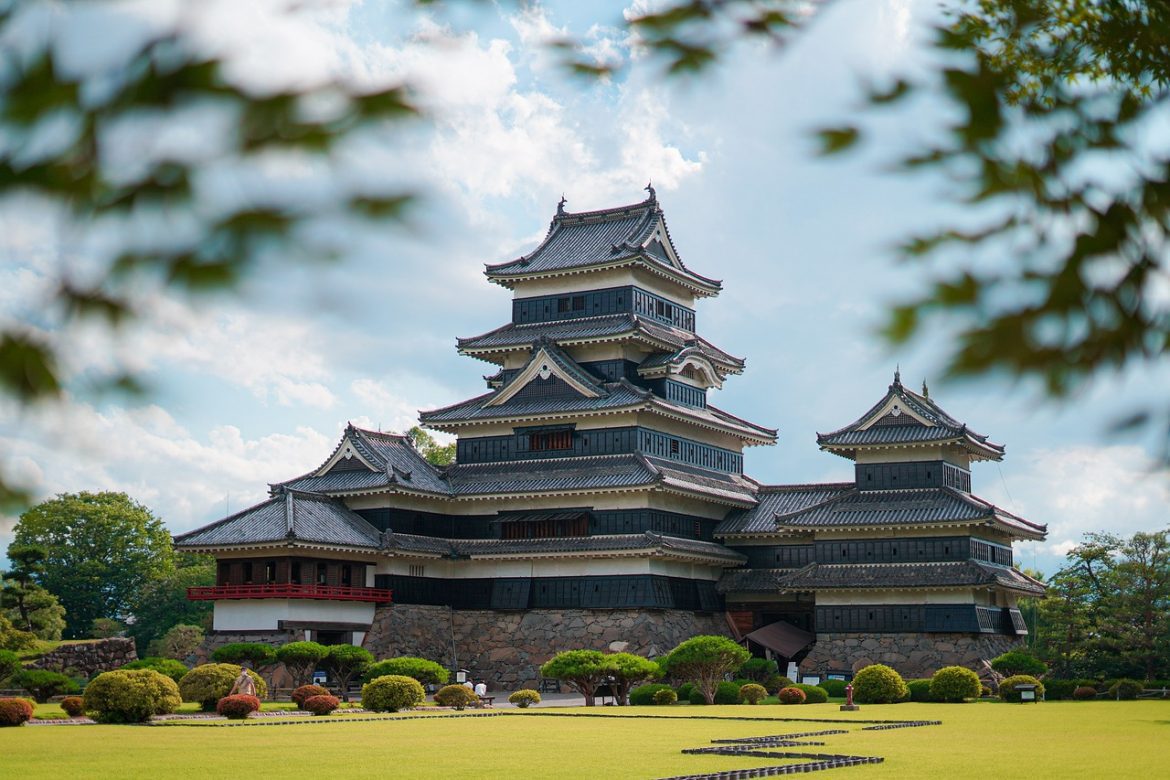
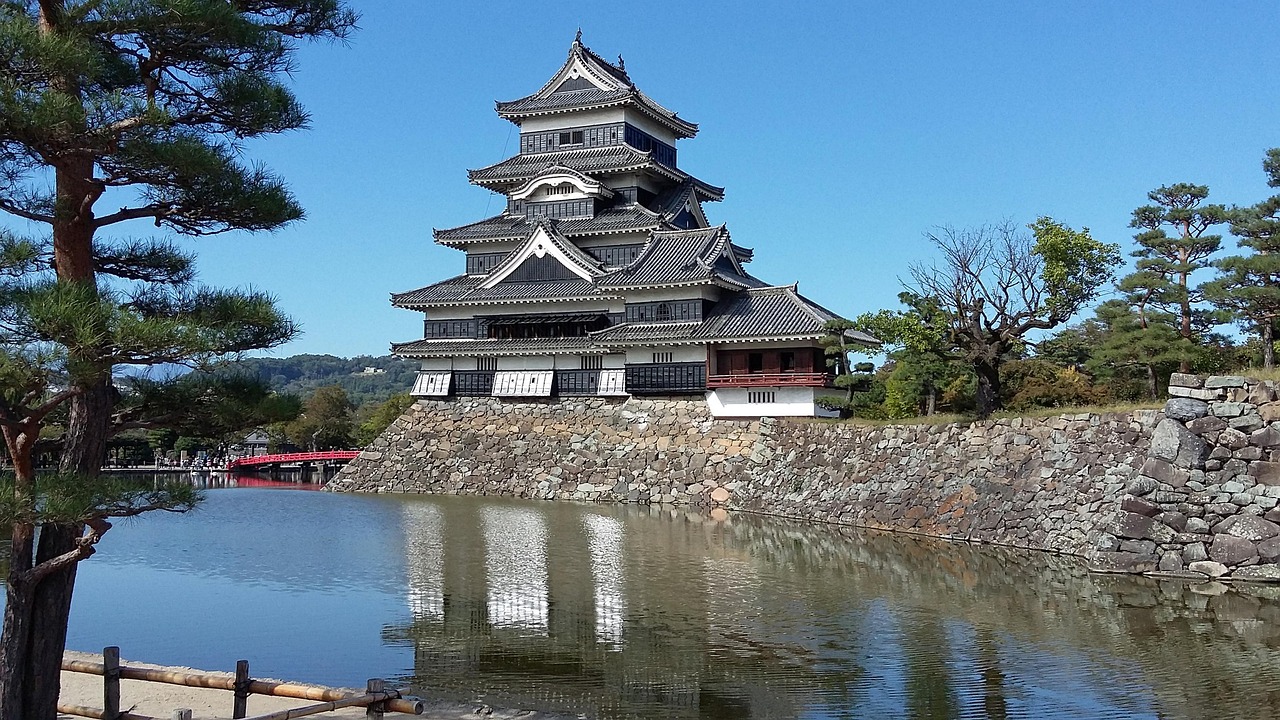
Your matsumoto castle national treasure matsumoto area nagano prefecture japan moment is the one that tends to stay sharp in memory. Matsumoto Castle is the headline attraction, and for good reason: it’s a national treasure matsumoto castle, one of Japan’s original castles, and among the most celebrated castles in japan for its authenticity. The black exterior feels both elegant and formidable—less fairytale, more purpose-built resilience.
Where some castles are reconstructions, this castle retains original wooden interiors that make the experience feel immediate. You’re not just looking at history; you’re moving through it, with each step echoing against timber that has carried centuries of footsteps. If you’re the type who likes to explore with context, read a few panels and then let the building do the talking.
What to look for in the castle moat and Edo period details
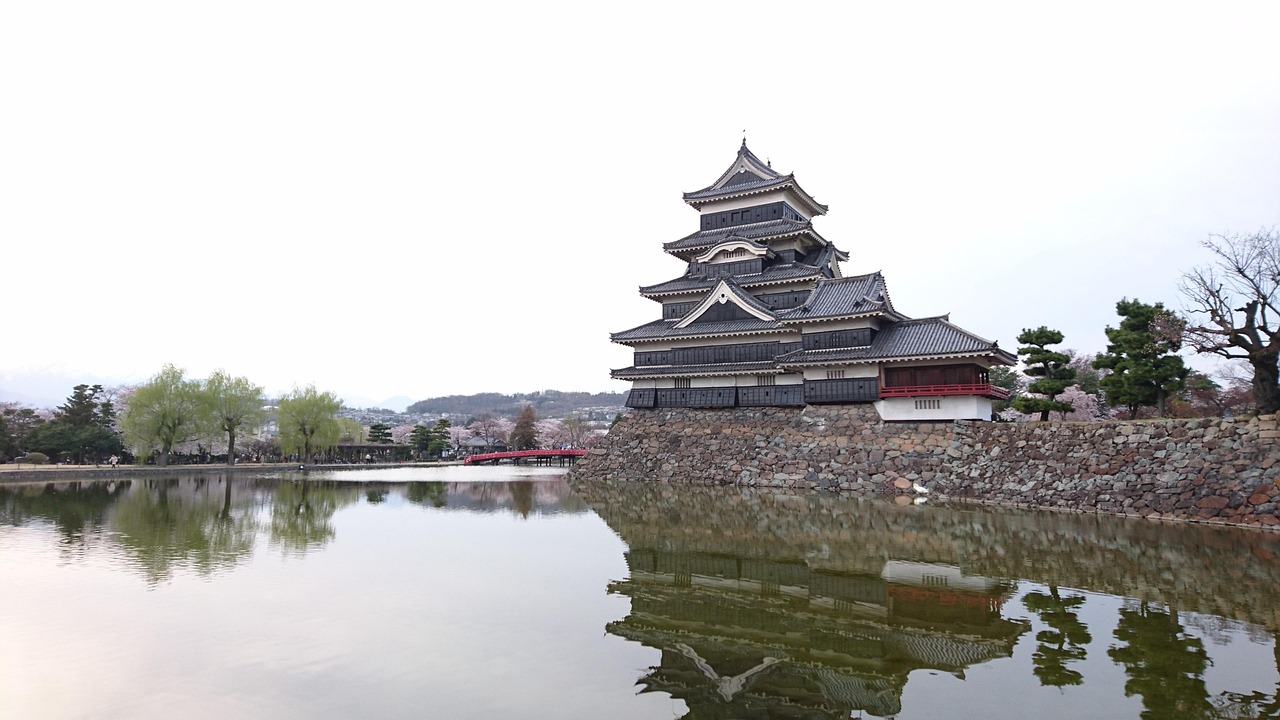
Start outside and take in the moat, the angles of defence, and the way the main keep sits like a poised ink-brush stroke against the sky. Inside, the steep stairs are famous, and the building’s design makes it clear why the edo period was as much about strategy as it was about beauty. Look for arrow and gun slits, tight corridors, and low ceilings that control movement—details that feel more intelligent than romanticised.
Travellers often share awe at ascending those steep wooden stairs, feeling transported back to samurai-era Japan. If your knees are nervous, you’re not alone—go slowly, use the handrails, and pause whenever you need. The best journeys are built on trust in your own pace, not on proving anything.
Tickets, cherry blossoms, and respectful photography
Buy your entry ticket in advance when you can, especially on weekends and during cherry blossoms season. Adult admission is often around 700 yen, and early morning tends to be the most seamless time to enter. For cherry blossom viewing, the grounds and surrounding paths offer lovely blossom framing, but keep photography etiquette in mind: avoid blocking narrow staircases, and be mindful of people who simply want to absorb the atmosphere.
If you’ve visited Kyoto, the difference is scale and intimacy: Kyoto can feel like a masterpiece gallery of popular destinations, while this castle experience feels more personal and grounded. And if you’ve done Nagoya’s castle as a day trip, Matsumoto’s original interiors offer a rarer sense of contact with the past.
Artful Matsumoto from Ukiyo-e to Yayoi Kusama at Japan Ukiyo-e Museum and Matsumoto City museums

Artful Matsumoto from Ukiyo-e to Yayoi Kusama
Plan a japan ukiyo-e museum matsumoto city museum of art yayoi kusama half-day when you want cultural depth without cognitive overload. The Japan Ukiyo-e Museum is set up with a serene garden setting that feels intentionally restorative—an antidote to the bright movement of city streets. The galleries are thoughtfully lit, and even if you’re not an art historian, you’ll get real insight by looking for small details: fabric patterns, wave lines, and the quiet drama of everyday scenes.
A visitor once told me the calm gardens were the perfect place to pause and imagine the artists’ worlds after exploring. That’s exactly the energy to hold: slow down, breathe, and let your mind create its own narrative threads. You don’t need jargon to have a meaningful encounter with art.
From artist Yayoi Kusama to the city’s avantgarde thread
Then move to the matsumoto city museum of art for a different kind of thrill: bold colour, contemporary form, and a clear link to artist yayoi kusama. Seeing Yayoi Kusama’s work here feels like meeting the city’s creative identity face-to-face—playful, precise, and quietly fearless. It’s a small reminder that Matsumoto isn’t only preserving history; it’s actively designing its future through an avantgarde sensibility.
Micro-itinerary with café time and culture care
To keep the day supportive for tired legs, build a micro-itinerary that doesn’t overreach:
- Museum first, garden second: let the calm land before you head back into town.
- Choose a café with simple comfort food and good coffee, then stroll back towards Matsumoto Station at an easy pace.
- Respectful behaviour: keep voices low in quiet spaces, follow bag policies, and ask before photographing sensitive exhibits.
It’s the sort of half-day that feels crafted for travellers who want to explore deeply, but also protect their energy for the mountains.
Kamikochi valley hikes and alpine calm in the Japanese Alps for a Kamikochi day trip from Matsumoto
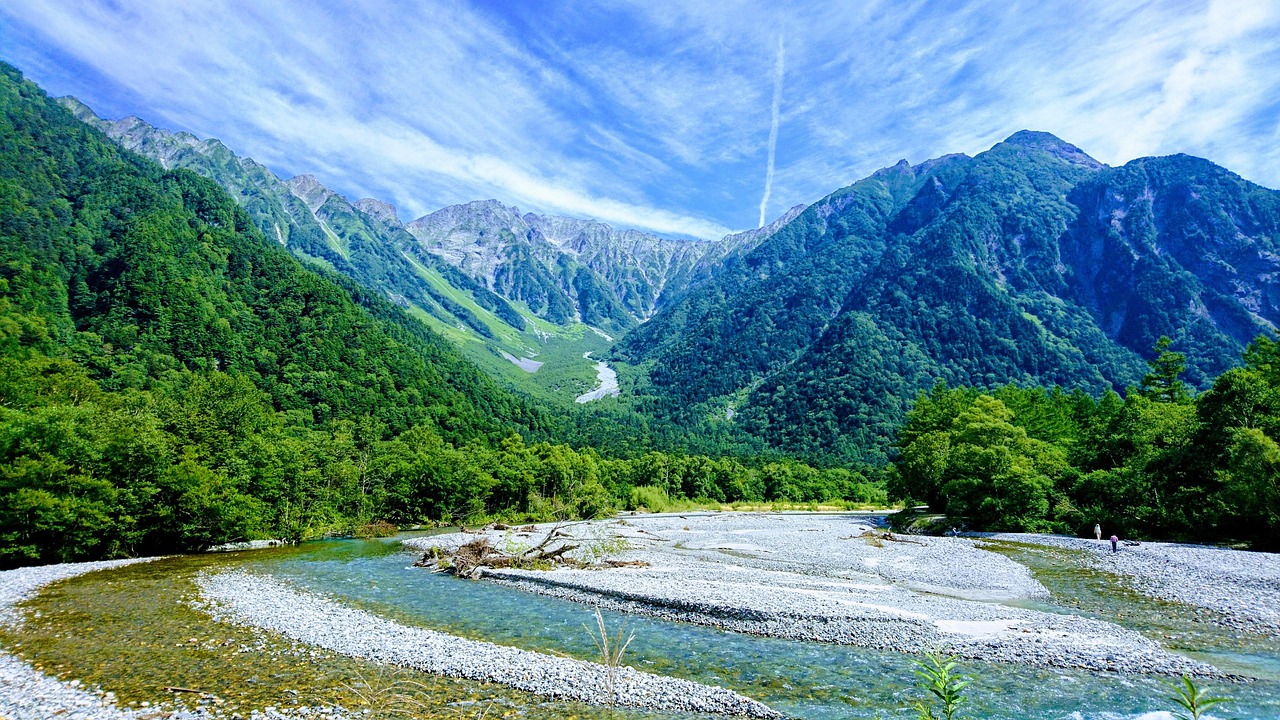
Kamikochi valley hikes and alpine calm in the Japanese Alps
For an iconic kamikochi day trip from matsumoto northern alps japan alps hiking experience, Kamikochi is the signature nature escape. The valley is renowned for its clear water, broad views, and that particular alpine hush that makes you feel both small and completely safe at the same time. In the japanese alps, the landscape doesn’t just impress; it restores, especially if you’ve been moving fast through big cities.
Route choices can be as gentle or demanding as you want. Some travellers stick to the flatter riverside walks; others push further towards higher viewpoints for a stronger sense of adventure. Either way, Kamikochi rewards a steady rhythm and a willingness to stop, look, and simply listen.
Logistics from Matsumoto Station with seasonal access
Transport typically involves a bus connection, and timetables change with seasons, so it’s worth checking the latest schedules before you go. Some trails require a park pass, and winter closures are real—Kamikochi is generally closed during the snow season, with access restricted for safety. If the forecast looks unstable, trust that changing plans is part of expert travel design, not a failure of ambition.
Route ideas, Norikura add-ons, and onsen recovery
A backpacker once described peaceful mornings hiking in Kamikochi, encountering deer and crystal-clear streams, and said the early start made every step worth it. That story rings true because the valley is at its best when the day is still cool and quiet. If you want an extra “big day”, consider norikura viewpoints as a near matsumoto extension, then reward yourself with a hot spring soak later.
Many high-end itineraries pair mountain effort with recovery: a simple meal, a gentle walk, and an onsen before bed. If you like a specific recommendation, Asama Onsen is an easy base, and it’s the kind of place where the water does half the talking for you.
Wildlife note: behave calmly around animals, never feed them, and keep your distance. In mountain regions you may also hear stories of monkey sightings—follow local signage, keep food sealed, and treat the landscape with care so everyone stays safe together.
Around Matsumoto day trips to Jigokudani snow monkey park Nakasendo and Azumino
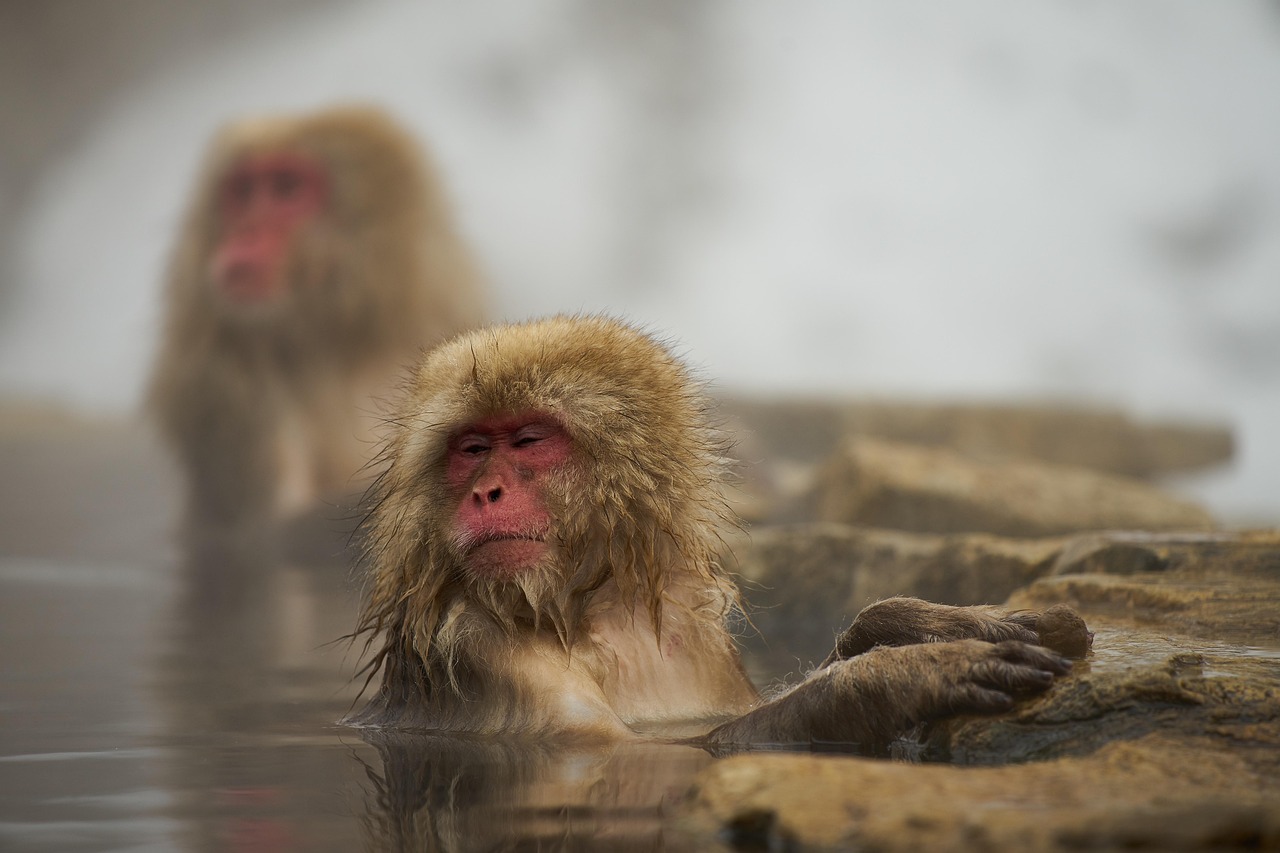
Around Matsumoto side trips snow monkeys trails and heritage roads
When you’re planning around matsumoto day trips jigokudani snow monkey park nakasendo azumino, think in contrasts: hot water and cold air, heritage roads and modern comfort, quiet countryside and small bursts of delight. The surrounding area offers enough variety to keep a longer stay feeling fresh, without losing the calm that makes Matsumoto such a reassuring base.
If you’re choosing just one extra day, decide what you want most: the playful energy of a snow monkey encounter, the slow satisfaction of walking a historic route, or a food-and-craft detour that tastes distinctly shinshu. You can’t do it all at once without rushing, and you don’t need to.
Jigokudani and the Jigokudani monkey park reality check
A day to Jigokudani is often built around the jigokudani monkey park, and it helps to have realistic expectations. A monkey park visit is outdoors, seasonal, and dependent on wildlife behaviour—sightings are common, but they’re not a staged performance. In winter, the snow monkey scenes are most iconic; in warmer months, you may still see a monkey group moving through the forest, but they may spend less time in the hot water.
Keep your distance, avoid eye contact that could feel confrontational, and never offer food. If you’re travelling with premium camera gear, bring a protective cover—weather and steam can be unpredictable.
Nakasendo heritage walking and craft and food detours
For a slower adventure day, the nakasendo offers a historical corridor that’s perfect for travellers who want to uncover Japan between the headline cities. If you’re arriving via Nagoya or moving on afterwards, it fits naturally into a wider route; it also pairs beautifully with a castle-focused stay because it keeps you in that older rhythm of travel. Walking a section of the nakasendo is less about distance and more about presence—forest shade, small villages, and the gentle satisfaction of moving under your own power.
For flavour-led detours, Azumino is a favourite, especially the Daio Wasabi Farm where the wasabi fields feel almost sculptural. You can also seek out local miso tastings—miso here isn’t a side note, it’s identity, and you’ll taste how deeply regional Japanese cuisine can be when it’s made with pride.
Optional upgrades if you want to design an even richer day:
- Shiojiri and shiojiri city wineries for a refined, low-effort tasting circuit.
- A small workshop experience (food or craft) that leaves you with a personal souvenir.
- In snow season, a nearby ski resort day—hire proper gear, check lesson availability, and prioritise safety over speed.
If you’re feeling ambitious later in the trip, you can also look towards the Tateyama-Kurobe Alpine Route, but only if it supports your overall pace rather than disrupting it.
Nawate Street Matsumoto and Taiko Drum Festival rhythms on a shopping street in Japan
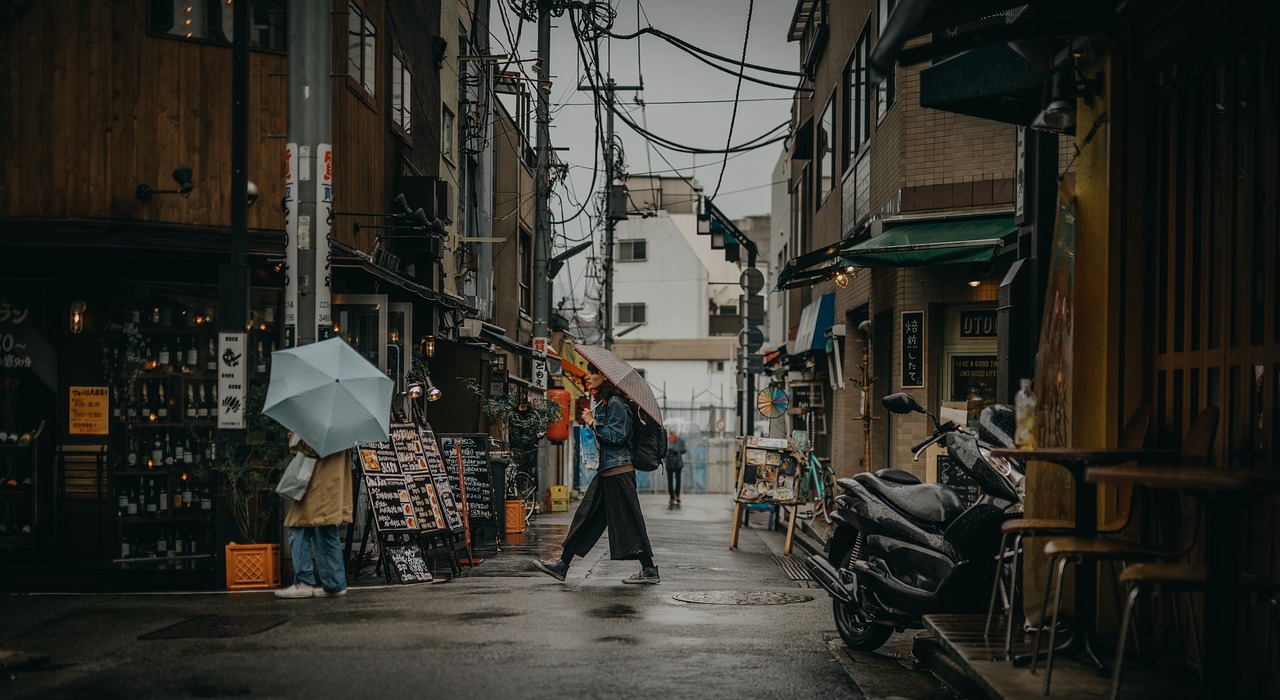
Nawate Street nights and taiko rhythms the local heart of Matsumoto
For a local-facing day, follow a nawate street matsumoto taiko drum festival shopping street japan thread and let curiosity do the steering. Nawate is a compact shopping street with a friendly, slightly playful feel, and shops typically open around 10am—arrive early and you’ll browse before the midday swell. It’s also where you can explore human-scale craftsmanship, the kind that feels meaningful because you’ve met the maker.
A couple once told me they experienced warm local hospitality here, chatting with artisans who explained the meaning behind their handcrafted goods. That kind of encounter is why I love Matsumoto: it invites you to slow down, ask questions, and travel with trust rather than performance.
Street food, coins, and Japanese cuisine you’ll remember
Come hungry, but not rushed. Try soba once while you’re here, and look for miso-based snacks that echo the region’s comfort flavours; miso can show up as grilled treats, warming soups, or little tastings that feel unexpectedly elegant. Keep coins ready for small purchases, as some vendors do not accept cards or large bills, and it keeps your browsing seamless.
If you’re curious about local drinks, consider a visit to Matsumoto Brewery for a relaxed evening sip—just enough celebration without tipping into a late night. It’s a simple way to toast the day’s discoveries.
Taiko Drum Festival and a hands-on workshop
If your visit to matsumoto lands in late spring, the Taiko Drum Festival is an electrifying cultural highlight. Adventure seekers often describe the thrill of joining a hands-on taiko drumming workshop during the festival, feeling the rhythm move through the body like a shared heartbeat. It’s energetic, yes—but also strangely grounding, because it pulls you into the moment with everyone else.
Where to sleep for a reset: choose a ryokan if you want your evening to feel designed with care. A good onsen routine—quiet soak, simple dinner, early sleep—creates the kind of recovery that makes the next day brighter. Basic etiquette matters: shoes off when required, respectful silence near any shrine, and low voices at heritage sites so others can experience the same calm.
If you’d like to see how we craft these experiences across Japan, browse our Trip gallery for itinerary inspiration.
What stayed with me after Matsumoto Japan travel reflections in Nagano Prefecture
In my matsumoto japan travel reflections nagano prefecture notebook, the clearest memories aren’t the checklist moments. It’s the timber underfoot as the castle stairwell narrows, and how your hands instinctively find the rail—steady, present, alive. It’s the cold bite of morning air up in the alps, the way the light lands on water, and how your breathing quietly changes when the mountains take over the horizon.
It’s the soft hush of museum gardens, too: the feeling that art doesn’t demand anything from you, it simply offers a space to think. Somewhere between the black silhouette of matsumoto castle and the calm of Kamikochi, you begin to notice your own rhythm. Confidence grows when you explore gently, accept support when you need it, and let local encounters shape the story you create.
Later, you may remember small things: the scent of miso drifting from a stall, the respectful pause before stepping into a quiet room, the moment you realise you’re not trying to “do Japan”, you’re simply meeting it. And perhaps that’s the real gift of a visit to matsumoto—an invitation to return, one day, not for more sights, but for a new layer of yourself waiting in a quieter place.
F.A.Qs: Matsumoto and Nagano Prefecture Japan
What is Matsumoto, Japan famous for?
Matsumoto is best known for Matsumoto Castle, a beautifully preserved black castle with original interiors, and for being a gateway to the Japanese Alps. It’s also recognised for art experiences such as ukiyo-e collections and the city’s contemporary creative spirit.
Is Matsumoto in Japan worth visiting?
Yes—especially if you want culture and outdoor adventure in one place. Matsumoto offers an authentic castle, walkable historic streets, strong local food, and straightforward access to Kamikochi and other mountain day trips, all with a calmer pace than larger cities.
Why is Matsumoto so popular?
Matsumoto is popular because it combines a national treasure castle, an approachable city centre, and easy transport links into the Alps. Travellers also love the balance of museums, markets, and nearby nature, which makes it ideal for a short break or a longer base.
What is Nagano, Japan famous for?
Nagano is famous for dramatic mountain landscapes, hot-spring culture, winter sports, and heritage routes. It’s also known for places like Jigokudani’s snow monkey habitats, excellent regional produce, and traditional food crafts including miso and soba.