Post Contents
- Milan and Milano essentials for tourist sightseeing a luxury sightseeing guide for Milano tourist attractions
- Duomo di Milano the cathedral rooftop experience Duomo di Milano rooftop tickets Milan cathedral Piazza del Duomo
- Galleria Vittorio Emanuele II and Milan city centre style Galleria Vittorio Emanuele II luxury shopping Milan city center
- The Last Supper and Santa Maria delle Grazie with an expert guide Last Supper tickets Santa Maria delle Grazie Milan Leonardo da Vinci
- Brera Navigli and Porta Nuova places in Milan you might have missed Brera district Milan Navigli Porta Nuova places to visit in Milan
- What stayed with me after Milan Italy Milan travel reflection after visiting Milano
- F.A.Qs: Milan tourist essentials for confident sightseeing
Milan and Milano essentials for tourist sightseeing a luxury sightseeing guide for Milano tourist attractions
Milan and Milano essentials for tourist sightseeing with refined Lombardy atmosphere
This tourist attractions in Milan Milano luxury sightseeing guide is designed for travellers who want the highlights, plus the softer corners that make Milano feel intimate. Milan sits at the heart of Lombardy, and it’s also a city of fashion and design—confident, creative, and surprisingly calm once you know where to step. Think of this as an attraction map in words: a way to explore the city with trust, local insight, and a pace that feels like it was crafted together.
Before you dive into the iconic sights, take a moment to decide what you want the trip to feel like. Some travellers come for the museum-grade masterpieces; others for the polished city life and shopping. Many fall in love with Milan because it lets you create both: a morning of art and a late afternoon of aperitivo, without ever needing to sprint across town.
Best time to visit Milan for elegant sightseeing
For mild weather and fewer crowds, aim to visit Milan in April–June or September–October. In these shoulder seasons, Milan’s terraces open up, the light is gentler on the cathedral façades, and you can design a day in Milan that includes long lunches without feeling you’re missing the best hours outdoors. Winter can be atmospheric too, especially for opera and galleries, but you’ll rely more on indoor plans and chauffeured hops.
Do make sure to check the city calendar: Fashion Week and Design Week can transform hotel pricing and restaurant availability overnight. If your dream is a more private, unhurried experience, your concierge can help you plan around major events while still enjoying the energy they bring.
Getting in and around with confidence
Most luxury travellers arrive via Malpensa Airport, and this is where a private transfer instantly sets the tone. It’s not just comfort; it’s support—especially after a long-haul flight—so your first steps into Milan feel seamless rather than logistical.
Inside the city, the Milan Metro is efficient and straightforward, but remember to validate metro tickets before boarding. For a polished blend, use the Metro for quick daytime hops and a private car service for evenings, shopping days, or reservations where timing matters. It’s the simplest way to stay relaxed around crowded piazza areas and popular places without sacrificing spontaneity.
A few practical notes that protect your calm:
- Pickpocket awareness: crowded stations and the city centre can be busy; keep your bag closed and worn in front when needed.
- Flexible structure: plan one major attraction per morning, then leave space to discover side streets and small galleries.
- Concierge-led planning: for hard-to-book tickets in advance and restaurant tables, an expert can turn “maybe” into “confirmed”.
When deciding where to stay in Milan, think in neighbourhood moods. Near Piazza del Duomo gives you the heart of Milan on your doorstep—ideal for early starts and late-night strolls when the stonework glows. Brera offers charm, galleries, and an elegant sense of being tucked slightly away while still close to the city. Porta Nuova feels sleek and modern, with sky-high views and a more contemporary rhythm.
If you’re planning a day trip from Milan, the lakes are close to the city and remarkably restorative. Lake Como is the classic choice; Bellagio is polished and photogenic, while Varenna feels quieter and romantic. Even if you only have half a day, your driver can make it feel effortless—then return you to Milan for dinner as the city lights come on.
For a broader “see and do in Milan” arc, you might weave in Castello Sforzesco for a cultural pause, or an evening stroll to Arco della Pace when the air is cooler. And if you enjoy the unusual, San Bernardino alle Ossa offers a small, hauntingly memorable interior—one of those important places you’ll remember not for scale, but for atmosphere.
When you’re ready, we’ll move from orientation to the iconic skyline—because the Duomo is sure to visit, and it’s definitely worth a visit in every season.




Duomo di Milano the cathedral rooftop experience Duomo di Milano rooftop tickets Milan cathedral Piazza del Duomo
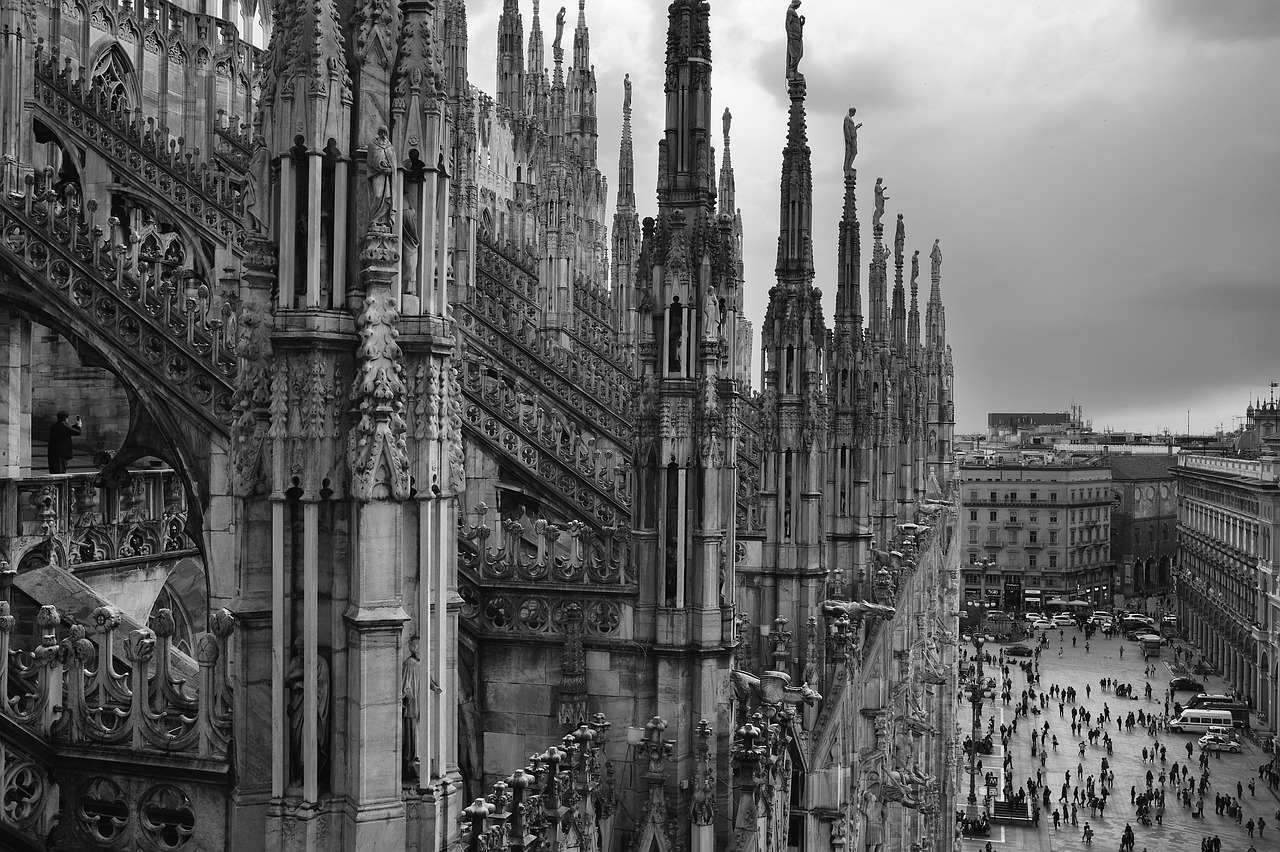
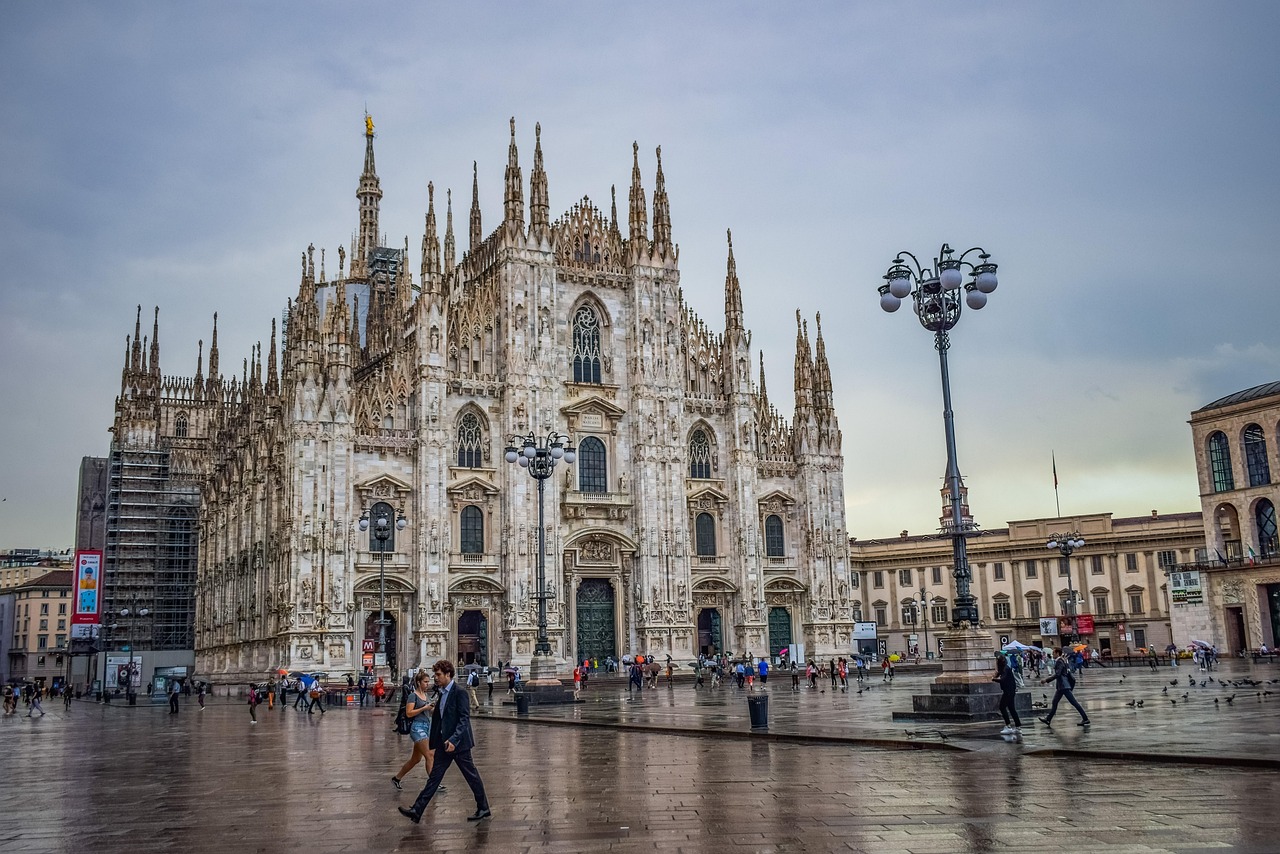
Duomo di Milano the cathedral rooftop experience with spires above Piazza del Duomo
For many travellers, the Duomo is one of the main attractions, and this Duomo di Milano rooftop tickets Milan cathedral Piazza del Duomo plan helps you experience it with ease. The scale is astonishing: pale marble, forest-like pillars, and a façade that looks hand-stitched with Gothic detail. Standing in Piazza del Duomo, you feel the city pause around the cathedral—an almost theatrical hush in the middle of Milan.
Inside, the cathedral is cool and shadowed, with stained-glass windows that pull your attention upwards. Give yourself time to simply look; it’s a place where “doing” matters less than noticing. If you want to visit the cathedral with a deeper sense of meaning, an expert guide can uncover symbols in the carvings and explain how the building evolved through centuries of ambition and devotion.
Design your Duomo rooftop visit for maximum magic
To book your tickets with confidence, purchase online and choose your preferred access: lift for elegance, or stairs if you like the slow reveal. For most high-end travellers, the lift is the more comfortable choice, and it preserves energy for the rest of the day. Aim for late afternoon into sunset—this is when the rooftop turns from bright stone to warm gold.
One traveller described their unforgettable moment ascending to the rooftop at sunset, feeling like they were walking among the spires themselves. Milan stretched out in every direction, and the city felt both near and distant—like you could hold it in your hands. It’s that rare kind of sightseeing that becomes personal, not just photographic.
Costs, timing, and photo moments on the top floor
Budget roughly €25–€40 for Duomo rooftop access depending on inclusions and lift choice. Security can create queues even with timed entry, so arrive a little early and keep your bag light. Comfortable shoes matter; the rooftop surface is uneven in places, and you’ll want to move without watching every step.
For photos, pause where the city frames itself: spires in the foreground, Milan city beyond. If you’re travelling with someone, ask your guide to help you find quieter angles; there are pockets where you can feel alone with the skyline, even on busy days. This is also a moment to slow down—because the best view is the one you remember, not the one you post.
An expert-led layer is especially rewarding here. A tour with a local can point out statues and viewpoints you might otherwise miss, and they’ll time your route so you’re not caught in the densest tourist flow. That kind of thoughtful support is what turns a famous attraction into a calm, crafted experience.
When you come down, keep the rhythm gentle. Next to the Duomo, Museo del Novecento is a beautifully curated stop for modern art, and its windows offer an elegant perspective back towards the cathedral. Then, take a quick espresso before you explore the city centre onwards—Milan’s streets reward the next unplanned turn.
Galleria Vittorio Emanuele II and Milan city centre style Galleria Vittorio Emanuele II luxury shopping Milan city center
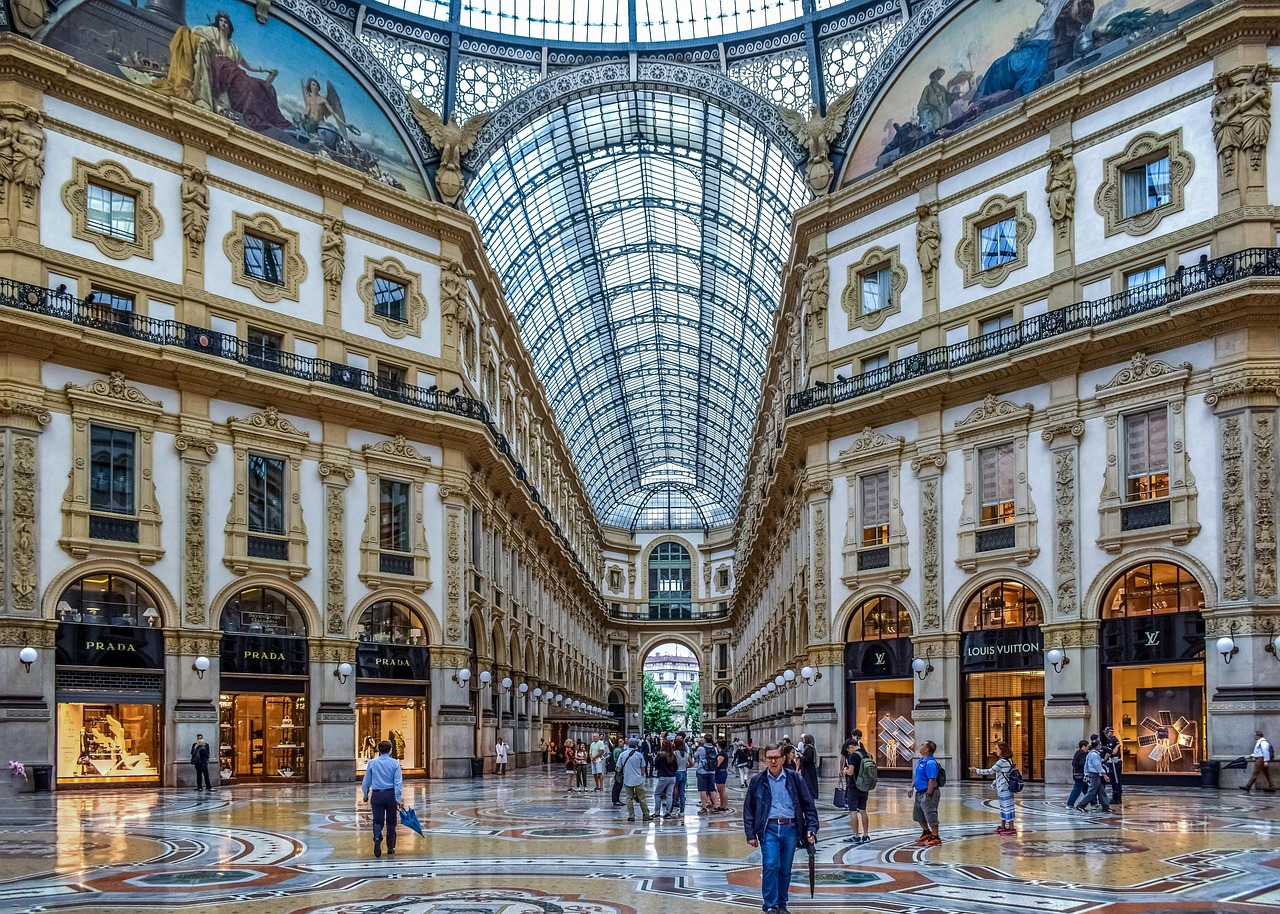
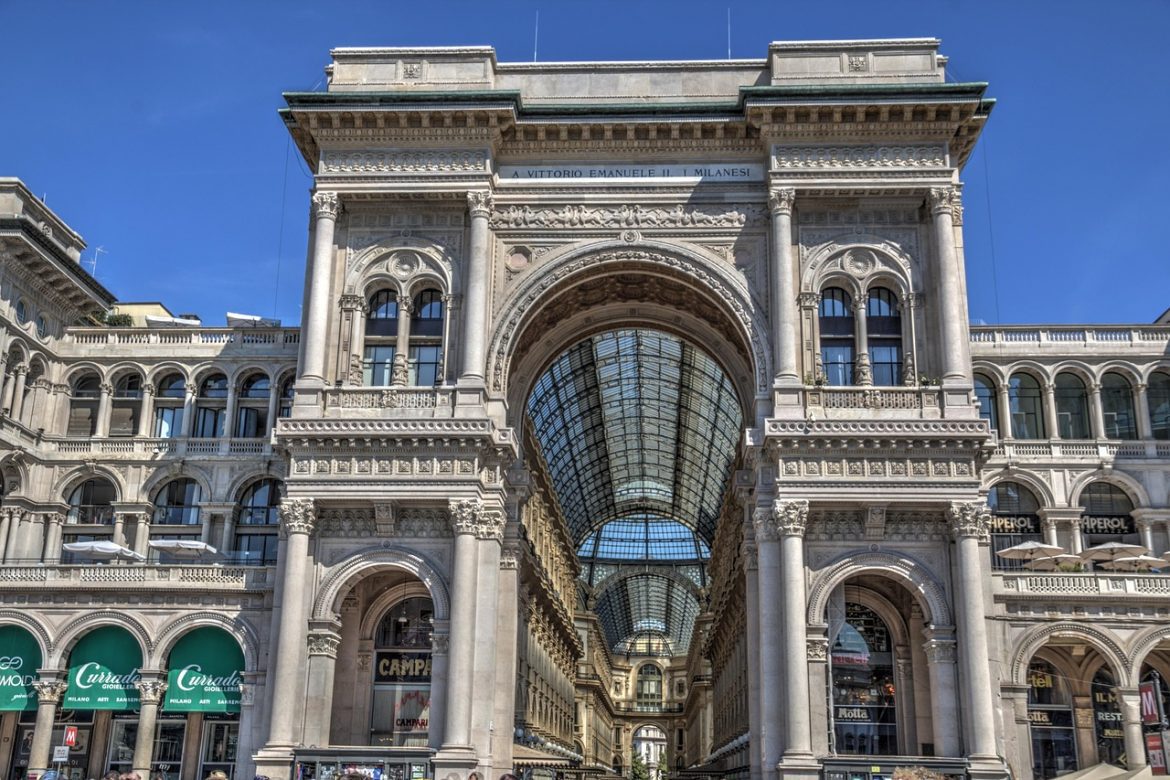
Galleria Vittorio Emanuele II and Milan city centre style beneath mosaics and glass
This Galleria Vittorio Emanuele II luxury shopping Milan city center chapter is for travellers who appreciate beauty with a pulse. The Galleria Vittorio Emanuele II is an attraction in its own right—an iron-and-glass arcade where light spills onto mosaic floors and the whole space feels like a grand salon. Even if you never buy a thing, you’ll still feel you’ve stepped into Milan’s most elegant corridor.
You’ll hear it called by many names: galleria vittorio emanuele, galleria vittorio emanuele ii, and even the occasional search typo like galleria vittorio emanuelle. Locals simply treat it as part of daily life—an indoor piazza where meetings happen, coffee pauses are taken seriously, and style is practised rather than performed. It’s the city centre at its most polished, and it’s a sure not to miss moment.
A curated boutique route in the Galleria Vittorio Emanuele II
A fashion enthusiast once shared the thrill of shopping exclusive Italian designer collections here, not because it was loud, but because it was refined. The secret is to create a calm route: start early, then layer in appointments so you’re not waiting in lines or jostling at entrances.
If you’re building a designer day, ask your hotel team to book in advance for private fittings and quieter access. This is where high-end travel becomes about trust: you’re not chasing availability; availability is prepared for you. And if you want a wider lens on Milan galleria vittorio culture, add a gentle walking narrative—how the arcade became a symbol of the city of Milan’s confidence.
Cafés, aperitivo etiquette, and people-watching with insight
Choose one elegant café and commit to it for a moment. Order a coffee or a light aperitivo and let the atmosphere do the work: heels on stone, low conversation, the shimmer of a mosaic beneath your table. Aperitivo etiquette is simple—arrive before dinner, order a drink, and enjoy the small bites without turning it into a full meal unless you want to linger.
Practical comfort tips (without losing the joy):
- Timing: go early morning for fewer crowds, or later evening when the light softens and the arcade feels more intimate.
- Valuables: keep phones and wallets secure in busy stretches; the best memories are the ones made without worry.
- Flow: step into side passages when it gets busy—Milan’s quiet side streets can feel like a hidden gem.
From the Galleria, design a short “see in Milan” loop. Walk between piazza landmarks, then drift into quieter lanes where window displays are artful and doorways hint at private courtyards. If your feet want a longer stretch, continue towards Castello Sforzesco, then back via a different route—Milan rewards variety in small distances.
And when you’re ready for something truly rarefied, it’s time to uncover the city’s most sought-after viewing—an experience that demands tickets in advance and a little reassurance.
The Last Supper and Santa Maria delle Grazie with an expert guide Last Supper tickets Santa Maria delle Grazie Milan Leonardo da Vinci
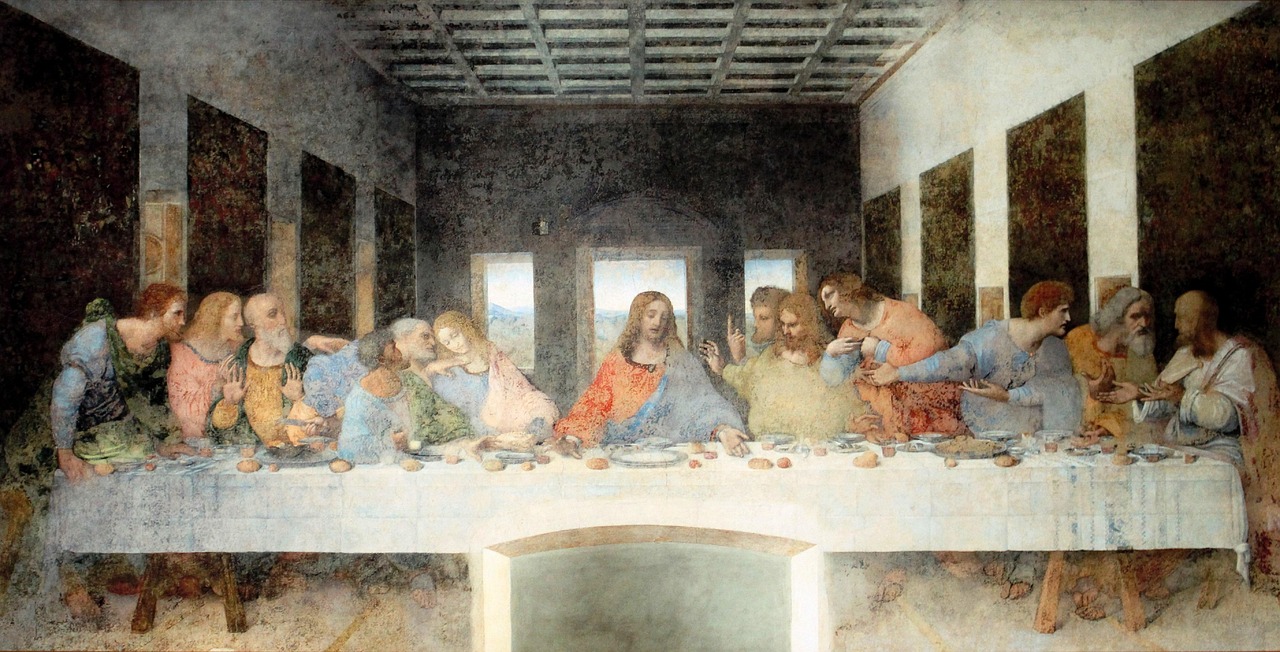
The Last Supper and Santa Maria delle Grazie with an expert guide in Milan
This Last Supper tickets Santa Maria delle Grazie Milan Leonardo da Vinci chapter is where planning becomes an act of care. The Last Supper by Leonardo da Vinci is one of the most beautiful cultural experiences in Milan, and it’s also one of the most controlled: limited slots, timed entry, and strict rules that can feel intimidating if you arrive unprepared. With the right support, though, it becomes quietly profound rather than stressful.
It’s easy to understand why demand is intense. The painting is fragile, the room is protected, and the experience is curated to minimise impact. That means the best approach is acceptance: you’re stepping into a masterpiece on its terms, not yours—and that humility is part of what makes it moving.
Booking strategy with reassurance for Last Supper tickets
Book your tickets months ahead when possible, especially in peak periods. Timed entries are fixed, and ID rules can apply, so bring the document used in booking. If independent booking feels uncertain, ask your concierge to book a guided tour or help arrange a private viewing; the goal is confidence, not complication.
For travellers who want a more personal encounter, “last supper by leonardo da” tours often include context that makes the scene feel human rather than museum-like. A good expert will help you see composition, symbolism, and restoration history without overwhelming you.
Santa Maria delle Grazie logistics and a crafted morning
Arrive early—aim for 20–30 minutes ahead—so security and entry feel smooth. Bag policies can be strict, and large luggage is generally not allowed, so plan accordingly. Once inside, time is limited; you may only have a short window with the artwork, including the last moments before the group is guided onwards.
A couple once described their private viewing with an expert guide as unexpectedly intimate. They said the guide’s gentle storytelling helped them connect the supper by Leonardo da Vinci to Milan’s wider Renaissance life, and the experience felt like a shared whisper rather than a public event. That’s the difference an expert can make: the room doesn’t change, but your relationship to it does.
Pair the visit with Santa Maria delle Grazie itself for a fuller morning. Even if you’re focused on the artwork, the church adds quiet gravity and a sense of place. Then, plan something unhurried afterwards—a slow walk, a light lunch, or a gallery. Managing expectations is key: you will be in and out quickly, but you can leave feeling supported rather than rushed if the rest of the day has breathing space.
From here, Milan opens into neighbourhoods that feel more lived-in. If you’d like to step beyond the main tourist routes and into places in Milan that many travellers missed in Milan, Brera, Navigli, and Porta Nuova are a beautiful next chapter.
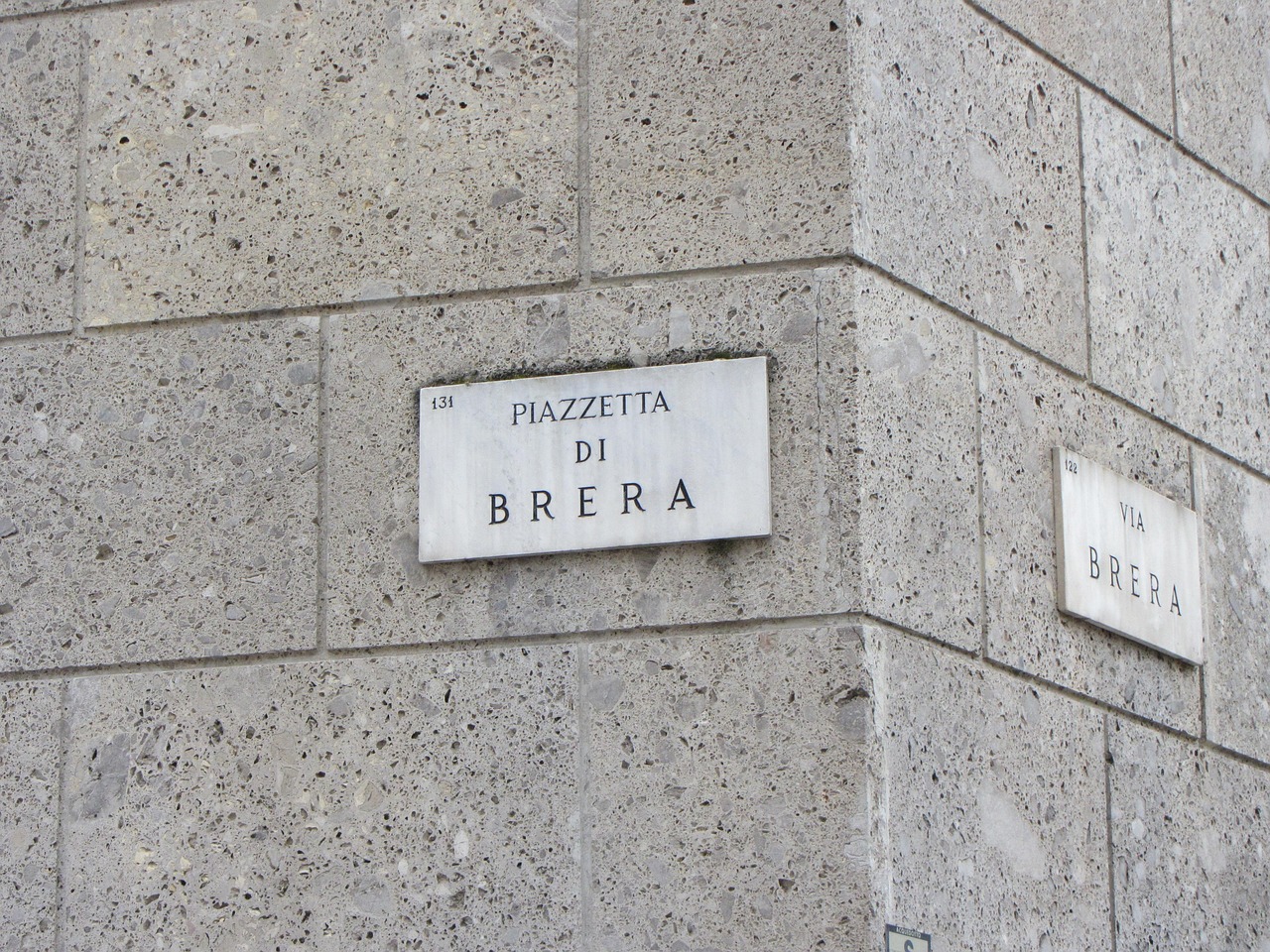
Brera Navigli and Porta Nuova places in Milan you might have missed with evening city life
This Brera district Milan Navigli Porta Nuova places to visit in Milan chapter is your invitation to slow down. If the Duomo is grandeur and the Galleria is glamour, Brera is intimacy—stone streets, galleries, and restaurants where the lighting is kinder and the conversation lingers. It’s the district of Milan that feels most like a secret you get to keep, even though it sits close to the city centre.
Start with Pinacoteca di Brera, one of the most rewarding museums in Milan for art lovers who want depth without sensory overload. Nearby, the Braidense National Library is a quietly powerful stop; even a short visit one can make you feel anchored in the city’s intellectual history. If you have niche interests, ask about the astronomical observatory connected with the complex—an elegant reminder that curiosity has many forms.
A luxury traveller once shared an intimate dinner in a hidden Brera courtyard, describing the way Milan blends historic charm with modern elegance. The evening began with a simple aperitivo, then unfolded into a reservation-led meal where every course felt intentional. If you want to recreate that feeling, let your hotel or a trusted local help you design the sequence: a quiet first drink, then a table where the pace is yours.
This is where Milan’s restaurants and bars can feel truly high-end—not because they’re loud or exclusive, but because they’re attentive. You’re looked after with care, and your evening feels crafted rather than managed.
From heritage to modern Milan in Porta Nuova
Then shift into new Milan: Porta Nuova is clean-lined and architectural, with Piazza Gae Aulenti at its centre and the Bosco Verticale rising like living sculpture. Architecture lovers will recognise why the towers earned the International Highrise Award; even if you’re not typically drawn to modern districts, the area offers a fresh kind of city life—open space, reflective glass, and a sense of Milan looking forward.
If you’re navigating between the old city centre and the newer city center zones, a car service can keep the transitions seamless—especially if you’re dressed for dinner or carrying shopping bags.
For Navigli, go at golden hour when the canals catch the light and the mood turns gently celebratory. Choose a refined canal-side table slightly set back from the busiest corners, and don’t be afraid to ask for a quieter spot—Milanese service often responds well to polite clarity. This is where you can enjoy the buzz while avoiding tourist traps.
Evening notes to keep things elegant:
- Aperitivo timing: arrive early for a calmer table; later it becomes more crowded and more tourist-heavy.
- Transport: a pre-booked car makes the return effortless, especially if you’re away from Milan’s central core.
- Dress: keep it polished—Milan respects elegance, particularly for upscale venues.
And then, the night’s crescendo: Teatro alla Scala. A music lover recalled an enchanting night here, describing the exquisite acoustics and the privilege of meeting performers backstage. A private VIP opera experience—paired with behind-the-scenes tours—can transform the evening into something deeply personal. Dress elegantly, arrive with time to settle, and let the performance carry you. It’s not simply a box to tick; it’s a feeling that stays with you.
By now, you’ve seen the famous surfaces and the quieter layers. The final gift Milan offers is reflection—how the city lingers once you’ve stepped out of its spotlight.
What stayed with me after Milan Italy Milan travel reflection after visiting Milano
This Milan travel reflection after visiting Milano isn’t a checklist; it’s the echo. What stays with me is the hush inside a cathedral when the door closes behind you, and the way the air changes—cool, still, patient. It’s the sensation of stone beneath your hand and the soft shine of a mosaic underfoot, as if Milan keeps its most beautiful details close to the ground where only the attentive notice.
I remember the city’s contrasts not as opposites, but as companions. In Milan, history and modernity stand within the same frame: a carved façade in the morning, a glass skyline by afternoon, and the softened night air that makes even busy streets feel gentle. There’s a particular comfort in how the city lets you choose your pace—fast when you want it, slow when you need it.
What surprised me most was how personal the experience became when it was designed with support. When tickets were confirmed, transfers were seamless, and someone thoughtful had helped shape the day, I felt a quiet confidence to wander. I could explore the city without bracing myself for friction, and that kind of care opens space for better memories—ones made of small, human moments.
I think of shared aperitivo conversations that drifted into laughter, and the way art can feel like a private whisper even in a public room. I think of the swell of La Scala, and how sound can wrap around you like fabric. Even the simplest pauses—an espresso taken at the right time, a shadowed side street, a glance into a courtyard—felt like Milan offering something understated and real.
And perhaps that is why I imagine returning, not to do more, but to see the same places with new eyes—another season, another light, another version of myself, including the last quiet moment of the day when the city exhales and you feel, briefly, perfectly held.
F.A.Qs: Milan tourist essentials for confident sightseeing
What is the most visited place in Milan?
The Duomo di Milano is widely the most visited place in Milan. Its vast cathedral interior, the drama of Piazza del Duomo, and the rooftop walk among spires make it a signature experience for first-time and returning travellers alike.
What should you not miss in Milan?
Sure to visit are the Duomo rooftop, Galleria Vittorio Emanuele II, and The Last Supper at Santa Maria delle Grazie. Add Brera for art and dining, and consider an evening at Teatro alla Scala for a truly crafted, Milanese finale.
What is Milan best known for?
Milan is best known as a city of fashion, design, and business, yet it also holds major cultural treasures—from Leonardo da Vinci to world-class opera. The city’s blend of elegance and creativity is what makes it definitely worth a visit.
Are 2 days enough for Milan?
Yes, 2 days can be enough to cover the essential attractions if you book in advance—especially for The Last Supper and the Duomo rooftop. With thoughtful planning and a seamless transport plan, you can enjoy the city centre and still have time for Brera or Navigli.