Post Contents
- Why the Capuchin Catacombs in Palermo pull you in — macabre history, real people, and a respectful way to visit
- Origins of the Catacombe dei Cappuccini: Capuchin monks, a Capuchin crypt, and the Palermo convent
- Inside the main corridor and chamber layout: navigating the priests’ hall and family niches
- Mummification in the Capuchin Catacombs: from natural drying to crafted methods that slow the decomposition process
- Rosalia Lombardo and the Sleeping Beauty: the most intact child story you’ll remember
- Leaving Palermo: what stays with you after the quiet, subterranean visit
- F.A.Qs: Visiting the catacombs at the Catacombe dei Cappuccini
Why the Capuchin Catacombs in Palermo pull you in — macabre history, real people, and a respectful way to visit
A quiet first impression as the street noise fades and the underground air turns cool
Your capuchin catacombs palermo italy experience starts with a subtle sensory shift: the air turns cooler, the passage tightens, and the street noise of Palermo fades away. It can attract curiosity, but it also asks for calm—move slowly, speak softly, and let the atmosphere set the pace. The presence of the capuchin order is felt in the stillness, as if the walls themselves request silence.
Set your expectations gently. There are more than 1,200 mummified bodies and a carefully organised collection of mummies, with many remains placed in an individual niche so families could be remembered by name and clothing. The display can feel confronting, yet it also offers insight into how a family might honour a relative after a decease—and how remembrance could become a status symbol in Palermo. For many travellers, the capuchin catacombs of palermo feel less like a curiosity and more like an archive of ordinary lives.
What the city quietly asks you as you walk underground
As you continue, a core question tends to emerge: what did remembrance mean here, and why did some families wish to keep their dead close—socially as well as spiritually? This is where the visit stops being “spooky” and becomes a museum-like encounter with real people who once walked the same streets above, leaving you with a deeper sense of local social history. As a visitor, you don’t have to “enjoy” it—only to witness it with steadiness and respect.
One traveller told me the moment it changed for them wasn’t at a dramatic corner, but at a simple label beside a suited body: it felt less like a haunted attraction and more like being trusted with someone’s history. That realisation steadies the heartbeat—and reshapes your curiosity into something quieter and more human.
Plan your visit with confidence, care, and the right emotional pace
To create a respectful experience, it helps to arrive with a small plan rather than bravado. High-end travel is often about ease, so we design the emotional pace as well as the route—especially in a place where every body deserves dignity.
- Go slowly at first; let your eyes adjust to the low light.
- Keep voices low and give other people space to pause and reflect.
- If the atmosphere feels intense, step aside and breathe—there’s no need to push through.
- Remember you’re in the presence of people, not props.




Origins of the Catacombe dei Cappuccini: Capuchin monks, a Capuchin crypt, and the Palermo convent
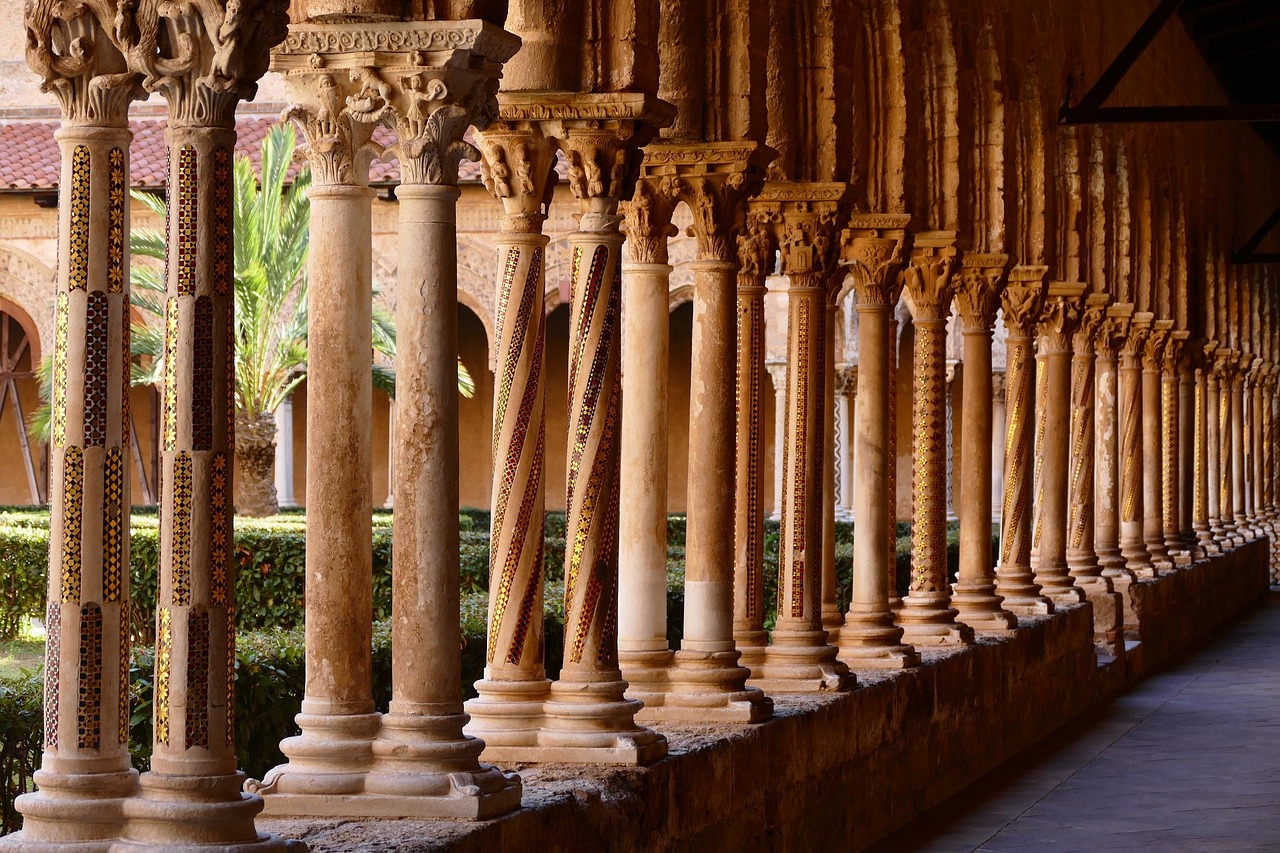
Early origins of this community space, rooted in faith and daily life
The story begins in the late sixteenth century, when capuchin monks—each monk often referred to locally as frati—used a small burial space that later expanded as requests grew. What started as a practical resting place became the catacombs of the capuchins, shaped by devotion, community memory, and changing local customs. Locals may also call it the catacombe dei cappuccini, a name you’ll see on maps and signs around Palermo.
The catacombs sit beneath the convent beside the church of santa maria della Pace. Tradition places parts of the chambers behind the main altar area—an architectural detail that underlines how closely faith and daily life were woven together. You may also notice references to the virgin in nearby iconography, a reminder of the spiritual frame surrounding the site.
Belief, blessing, and how families kept memory close
For the capuchin order, the rituals around death carried meaning: prayer, a blessing, and the belief that the community could continue to hold someone in memory. For some families, being near a Capuchin friar could feel protective, and the catacombs became a meeting point between devotion and private grief.
Writers and travellers have long tried to process Europe’s fascination with death customs. Guy de maupassant is often mentioned as a literary lens for the nineteenth century’s curiosity—though it’s wise to verify any quotation you see repeated, and keep it brief if you reference it.
Admission, donation, and visiting in a way that helps preserve the site
Admission is typically modest, and you may see a suggested donation that supports the catacombs’ care. Choosing a local, expert guide can add context without sensationalism, helping you explore respectfully while the community works to preserve this fragile heritage.
If you’d like to pair this with a broader cultural route through sicily, you can browse our Trip gallery and design a day that balances intensity with beauty.
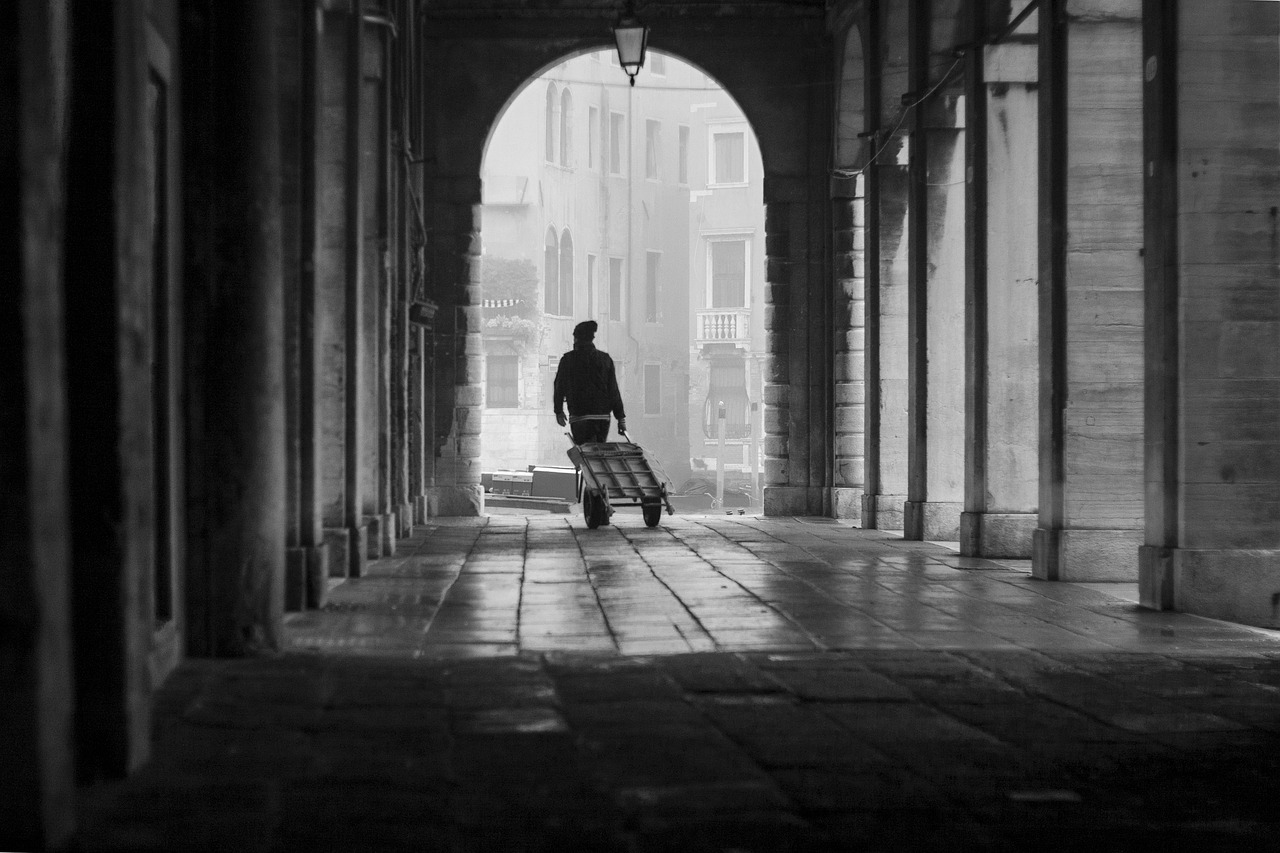
A calm, hallway-style route that helps you take each section slowly
To settle your nerves, it helps to map the visit: much of the route follows one main corridor, with side areas that naturally break the experience into manageable sections. This layout lets you slow down, pause when needed, and take in each body with the time it deserves—rather than feeling pushed onward.
As you move, you’ll see bodies set into wall spaces and, occasionally, a coffin or enclosed chamber. Think of it as a curated route: you’re not meant to consume it quickly, but to notice details—shoes, buttons, handwritten names, and dates that can span more than a century. In one small room you might even spot a marker with a year like 1783, which grounds the experience in ordinary time.
The Hall of the Priests: clothing, service, and religious identity
The Hall of the Priests can be one of the most striking sections: you’ll see mummified clergy presented in formal attire, sometimes wearing a ceremonial robe. The care taken here speaks to identity and service—less about shock, and more about how a single priest or an entire community was remembered in public.
Why bodies were dressed: when clothing becomes the story
Across the catacombs, bodies were dressed in uniforms, best suits, or simple clothing, and those garments become a language of work and class. A tailor’s neat cuffs, an aristocrat’s fabric, a child’s small shoes—each detail can feel intimate, and unexpectedly tender.
- Choose a slower pace in the first sections; it makes the rest feel more manageable.
- Step aside if you need a moment—others will be doing the same.
- Let the labels guide you; names like carlo can suddenly make a figure feel real.
- Keep your tone gentle; this is not entertainment.
Handled this way, the visit becomes extraordinary—a rare chance to understand how a city once made memory visible.
Mummification in the Capuchin Catacombs: from natural drying to crafted methods that slow the decomposition process
How preservation happened over time, shaped by climate and technique
The mummification story here is part environment, part human craft. Normally, a body will decompose as bacteria and moisture work together, speeding decay—especially in enclosed spaces. In contrast, ventilation and stable conditions can slow the decomposition process, changing how remains age over time.
In this setting, there’s a spectrum: some remains appear naturally preserved and are described as naturally mummified due to environmental factors, while others show more deliberate intervention. When people use the verb mummify, they’re describing an effort to keep a human form recognisable so it can survive longer than usual.
Craft techniques: draining fluids, vinegar washing, and protective mixtures
Accounts describe bodies being dried and positioned so fluid could drain, reducing moisture that would otherwise accelerate breakdown. You’ll also hear a commonly repeated detail that bodies were washed with vinegar and sometimes laid on straw; treat these as traditions worth fact-checking rather than guaranteed steps. In some eras, a protective mixture may have been applied, reflecting how techniques evolved.
Most of the practice people associate with the site falls within the seventeenth to the nineteenth century, as local customs shifted and public health ideas changed. What once felt like a normal family decision gradually became less common, and the catacombs transitioned into a historical site.
Respectful vocabulary for what you’re seeing (without sensationalism)
If you’re describing what you see, precision helps maintain care: a corpse is a human body after death; a grave is a resting place; a cemetery is a designated ground; a wall recess may hold remains; and a coffin is the container that appears in some sections. Used thoughtfully, these words keep your reflections grounded and avoid turning real people into spectacle.
Rosalia Lombardo and the Sleeping Beauty: the most intact child story you’ll remember
Human stories that stay with you after you step back into daylight
For many people, this is the moment the catacombs turn from history into emotion. The child known as little rosalia died in 1920, and her mummy is renowned for an almost intact, lifelike appearance. The impact isn’t about fear—it’s about recognising how personal grief can remain visible across generations.
Approach her as a famous body, yes, but not as a trophy. Her presence asks for the same respect as every other body in these passages, and it reinforces the truth that these are people, not artefacts made for entertainment.
Mummies in the Capuchin Catacombs: the lives behind the clothing and names
Beyond that single case, you’ll meet friars, children, and aristocrats—mosaic pieces of family life. One person told me that seeing older figures and children side by side sparked deeper curiosity about how families once chose to bury and remember loved ones, especially during world war years when Sicily faced uncertainty. In later decades, the city endured bombing in the wider conflict; even if these passages feel removed, civic memory is layered.
Listen for the soft lore too. Locals sometimes blend myth and reality about particular wall spaces—stories passed down like family heirlooms. Treat these as stories, not confirmed facts, and notice how they keep remembrance alive as a living symbol.
A reflection prompt for seeing the human, not just the remains
Try a simple exercise as you explore: notice what you see first—hands, shoes, uniforms, a cracked button, a ribbon. That detail becomes your anchor, turning shock into insight. The mummies in the capuchin catacombs can feel confronting, so keep voices low, move together, and allow yourself a private moment of empathy.
- If you feel overwhelmed, look at clothing rather than faces; it can soften the impact.
- Respect photography restrictions; they exist for dignity and conservation.
- Remember the range of presentation styles—each one reflects a family choice.
Many travellers leave feeling it may be the largest collection of mummies they’ve ever encountered—one of the more unusual mummies in the world experiences—yet it remains intensely personal. In that sense, it is the largest kind of lesson a place can offer: how to look carefully, without taking.
Leaving Palermo: what stays with you after the quiet, subterranean visit
The reflection often arrives as you step back into daylight and Palermo feels louder than before. Your eyes take a moment to re-adjust, and the simplest things—sun on stone, a passing scooter, a café spoon against porcelain—can feel newly vivid. The hush follows you, not as fear, but as a quiet companion.
It’s easy to focus on the shock of dead bodies, yet the more lasting impression is tenderness. For many families, the practice was a way to keep love visible and to hold continuity as the city changed from one era to the next. In that sense, these underground corridors are less about death and more about what a community does with memory—how it chooses to see one another when life is over.
You may find yourself thinking differently about a church doorway or a cemetery as you wander the island. Not because you’re chasing darkness, but because you’ve learned you can meet difficult places with confidence, trust, and care.
F.A.Qs: Visiting the catacombs at the Catacombe dei Cappuccini
Is the Catacombe dei Cappuccini worth visiting?
Yes—if you’re comfortable with a solemn, real encounter with death customs. The catacombs are worth visiting for their historical insight, preserved clothing across social classes, and the quiet, reflective atmosphere. It’s not entertainment, so travellers who value respectful cultural experiences tend to find it profoundly meaningful.
Can you still see Rosalia Lombardo today?
In most cases, yes. Rosalia Lombardo is still shown and remains a highlight for many people because it looks remarkably lifelike. Access can depend on site rules and conservation needs, so it’s wise to check official guidance on the day and follow photography restrictions.
What are the Capuchin Catacombs in Palermo, Sicily?
They are commemorative corridors linked to the capuchin community in Palermo. They contain over 1,200 preserved bodies placed in wall niches and occasional coffins, offering a rare view into how people chose to remember family members across generations. The site is best approached as a historical, museum-like space of dignity.
What is the story behind the Catacombe dei Cappuccini?
The site began in the late 16th century when the capuchin community expanded a small space beneath their church complex as requests grew. Over time, families asked to be included, and practices evolved from environmental drying to more deliberate preservation methods. The result is a unique archive of religious tradition, social identity, and remembrance.