Post Contents
- Things to do in Florence: a crafted Florence itinerary with top attractions (without the checklist feeling)
- Time to visit: the best time to visit Florence for calm light, fewer queues, and breathing room
- Elegant pacing options: an itinerary that fits a quick visit, two full days, or a slower stay
- Arriving well: Florence airport options, the Florence train station, and effortless city-centre transit
- Where to stay in Florence: the best places for walkability, privacy, and concierge-led booking
- Duomo Florence: Santa Maria del Fiore, Giotto’s bell tower, and del Duomo tickets in Piazza del Duomo
- Brunelleschi’s dome: designed by Filippo Brunelleschi and the craft of di Santa Maria
- Booking timed entries for the duomo: how to reduce queues and keep your day flowing
- Climbing: steps to the top for a view of the duomo, views of Florence, and the Florence skyline
- Giotto’s bell tower: Giotto’s bell tower views from the top (and why photographers love it)
- The Duomo Museum: Duomo Museum and Museo dell’Opera del Duomo for context and calm
- Uffizi Gallery Florence: renaissance museo highlights, booking tips, and a guided tour that makes it meaningful
- Why a guided visit elevates renaissance understanding (and saves time)
- Seeing Botticelli’s The Birth of Venus: the moment Florence feels alive
- Michelangelo in Florence: exploring the collection with intention
- High-season booking strategies: timed tickets, flexibility, and smart buffers
- A graceful post-gallery pause: coffee, gelato, and a reset before the next attraction
- Ponte Vecchio in Florence: Palazzo Vecchio, Piazza della Signoria, and an Arno River evening stroll
- Ponte Vecchio luxury shops: artisan jewellery, history, and how to browse well
- Best vantage points: a romantic Arno River evening and classic bridge photos
- Piazza della Signoria and Palazzo Vecchio: political Florence, sculpture, and the Loggia dei Lanzi
- Connecting strolls: Piazza della Repubblica, café culture, and a stylish reset
- A refined micro-itinerary: Ponte Vecchio to aperitivo, dinner, and an evening walk back
- Piazzale Michelangelo to Boboli Gardens: Pitti Palace calm, food stops, and a day trip from Florence
- Piazzale Michelangelo: best view of Florence, plus a quieter viewpoint in Florence nearby
- Boboli Gardens and Pitti Palace: restorative design, softer light, and an easy cultural pairing
- A private Tuscan wine day trip: best day trips from Florence with comfort-focused pacing
- Mercato Centrale and Florence food: tasting stops, a villa class, and gelato in Florence
- Medici and Michelangelo: Basilica di San Lorenzo, Santa Croce, and a deeper Florence story
- What stays with you: must visit in Florence Italy reflections after visiting Italy
Things to do in Florence: a crafted Florence itinerary with top attractions (without the checklist feeling)
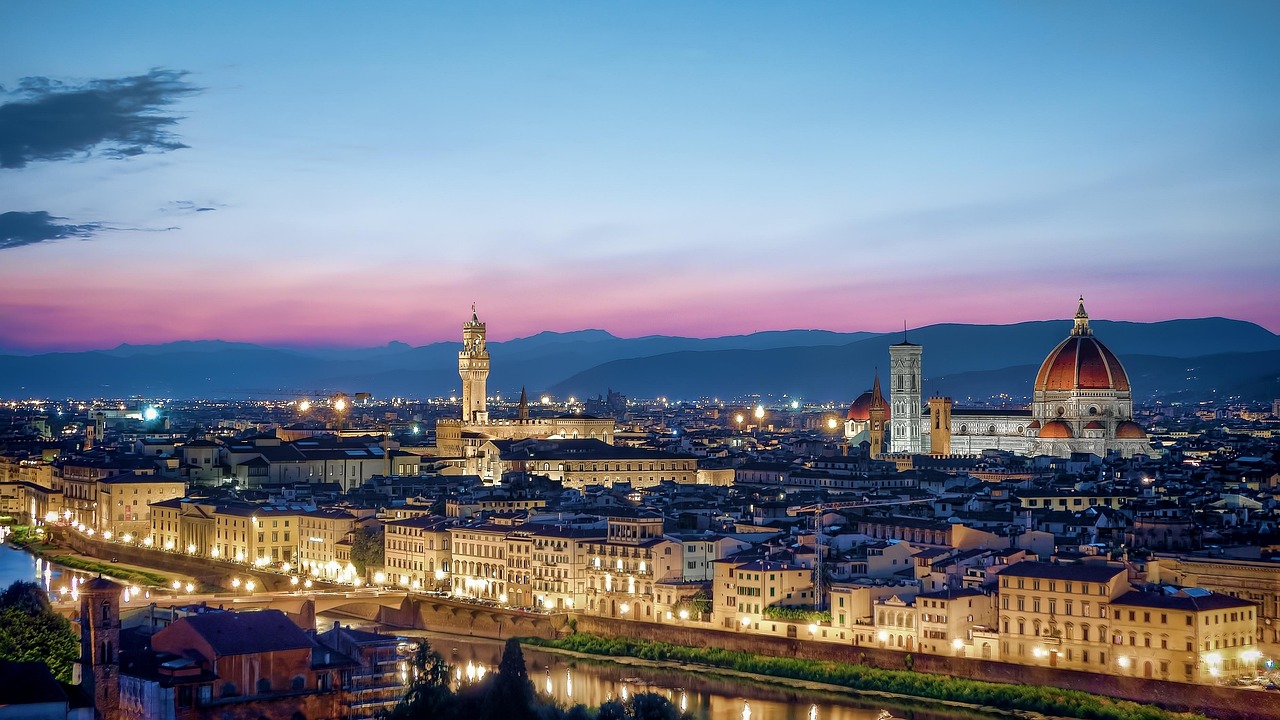
Things to do in Florence with a crafted Florence itinerary, elegant views across the historic centre
This guide opens with the things to do in Florence that matter most, shaping a florence itinerary around top attractions without turning your days into a rush. High-end travel here is about design, atmosphere, and thoughtful access as much as landmarks—choosing the right pacing, arriving smoothly, and letting beauty unfold with confidence. If you’ve ever felt that tourist crowds can dull a city’s charm, Florence rewards a more intentional approach with calmer mornings and smarter booking. Consider it a plan that covers the best things while still leaving space for discovery.
Florence is compact, but it’s layered. One moment you’re tracing renaissance lines on a façade; the next you’re stepping into a candle-lit chapel, then emerging into sunlight with an espresso in hand. The best in florence is often found in the transitions—small courtesies, a view down a side street, or a concierge who has already handled your booking so you can simply explore. If you’re wondering what to see in florence first, start with one anchor sight, then let the city’s rhythm guide the rest.
Time to visit: the best time to visit Florence for calm light, fewer queues, and breathing room
Choosing the right time to visit is one of the most powerful luxuries you can give yourself in Florence. The best time to visit is typically April to June, or September to October, when the light is soft, evenings are long, and the city’s rhythm feels more breathable. Summer can be dazzling, but it’s also when queues swell and museums feel busier—less ideal if you’re seeking a quieter, more supported experience. For many travellers, shoulder season is simply the best time to enjoy the classics without feeling rushed.
If you’re weighing seasons, think of Florence as a city of textures: warm stone, shaded cloisters, and rooftops that glow at dusk. In spring, gardens and terraces feel newly alive; in early autumn, the air has a crisp clarity that makes art and architecture feel even sharper. It’s a subtle difference, but it can transform how you remember your trip to florence—and how effortlessly you move through its popular places to visit.
Elegant pacing options: an itinerary that fits a quick visit, two full days, or a slower stay
The most satisfying itinerary is designed around your energy, not just the map. If you only have a quick visit, focus on a handful of anchors—see the duomo, one signature museo, and one unforgettable viewpoint—then let the rest be gentle wandering. With full days (two is a sweet spot), you can balance major collections with long lunches, unhurried evenings, and a bit of shopping that doesn’t feel like a detour.
For a longer stay, Florence becomes less about “doing” and more about living well. You’ll have space for artisan boutiques, private tastings, and the option to plan a relaxed day trip into the countryside without feeling that you’re constantly leaving something behind. This is when florence’s personality becomes most intimate—when you can return to favourite corners at different times of day and notice the city changing with the light.
- One day: The Duomo complex + a curated museum visit + sunset over the Arno River.
- Two days: Add the Uffizi Gallery, the Palazzo Vecchio area, and a garden evening.
- Three to five days: Add artisan shopping, Mercato Centrale tastings, and a Tuscan day trip with a private driver—one of the top things to see beyond the historic centre.
Arriving well: Florence airport options, the Florence train station, and effortless city-centre transit
Florence is one of the easiest cities in Italy to enter smoothly—especially if you plan transfers in advance. Your closest Florence airport is Florence Peretola (FLR), with Pisa (PSA) as a wider international alternative; both can be paired with a private chauffeur for a seamless arrival. If you’re coming from other cities in italy such as Rome, Venice, or Milan, the train is often the most elegant choice for comfort and timing.
Santa Maria Novella is the main hub, and the Florence train station is wonderfully central for luxury hotels and private transfer pick-ups. If you arrive with luggage, a pre-arranged car service from the train station is a small investment that protects your energy for sightseeing in florence. Once you’re settled, the historic centre is best explored on foot; cobblestones are part of the romance, so bring comfortable shoes and pace your climbs between the main monuments.
For evenings, or for reaching the hills with ease, consider a private chauffeur arranged through your hotel—discreet, punctual, and reassuring. The goal is support without fuss, so your day feels effortless rather than engineered, and your second trip to florence feels just as smooth as the first.
Where to stay in Florence: the best places for walkability, privacy, and concierge-led booking
Where you stay in florence shapes everything: how early you can reach the museums, how quietly you can return for a rest, and whether evenings feel spontaneous. For a first-time visit to florence, the Duomo area is unbeatable for proximity to major monuments and that “wake up inside the masterpiece” sensation—an easy base for many of the key places to visit in florence. Santa Croce offers a slightly calmer, artisan-leaning neighbourhood with a refined, local feel and strong dining.
Santa Maria Novella is ideal if you value quick access to the station, beautiful hotels, and an easy exit for a day trip. Wherever you choose, prioritise a concierge team that can manage restaurant reservations, timed entries, and private experiences with genuine care, especially in peak season when booking determines the ease of your days. If you’d like inspiration for bespoke routes and hotel pairings, you can browse our Trip gallery for design-led journeys that feel both imaginative and grounded.
One small cultural note that opens doors: greet with “Buongiorno” or “Buonasera,” and tip around 5–10% in restaurants when service isn’t already included. It’s not about formality; it’s about trust and warmth—Florence responds beautifully to both, even in the busiest tourist weeks.




Duomo Florence: Santa Maria del Fiore, Giotto’s bell tower, and del Duomo tickets in Piazza del Duomo
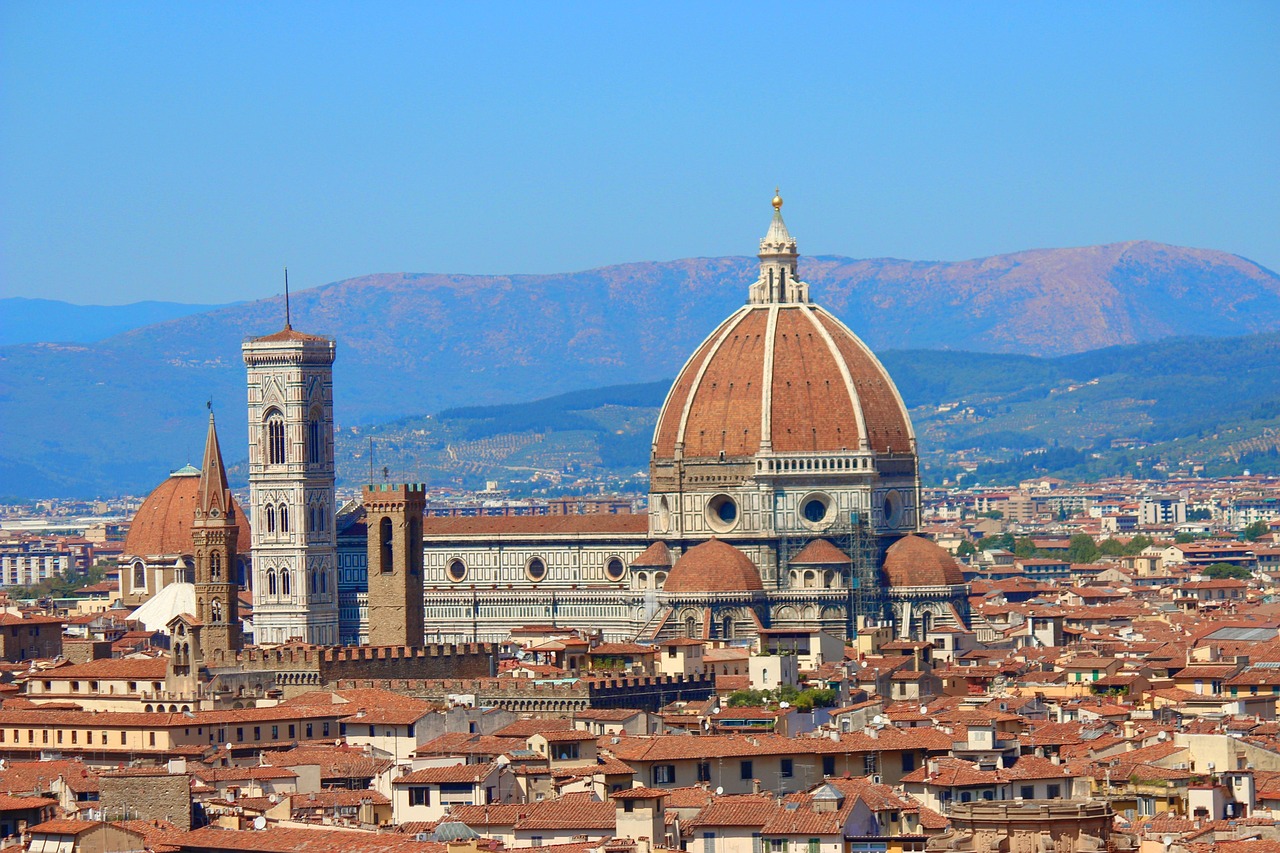
The Duomo and Santa Maria del Fiore as a top attraction, the marble façade rising over Piazza del Duomo
For many travellers, the duomo complex is the emotional centre of the city, and santa maria del fiore is the landmark you’ll orient yourself by again and again. This section covers the essential duomo experience—Cathedral, dome, museum, and the bell tower—with a focus on comfort and elegant pacing. Piazza del Duomo can be busy, but with thoughtful timing you can still feel the sense of occasion and understand why this attraction is so iconic. Rather than “doing” it fast, we’ll experience it like a love letter to Florentine craft.
As you step closer, notice the marble’s geometry and how the façade seems to change with each shift of light. This is Florence at its most confident: sacred architecture presented as human achievement, engineered with beauty and belief in equal measure. Even if you’ve seen photographs, the first moment you truly see the duomo in person often lands like a quiet surprise.
Brunelleschi’s dome: designed by Filippo Brunelleschi and the craft of di Santa Maria
The dome is a defining innovation, designed by Filippo Brunelleschi when many believed such a structure simply could not be built. Standing beneath it, you’re inside an idea that changed European architecture—and you can feel Florence’s confidence in the renaissance mindset: daring, human-scale, and precise. The cathedral’s scale is immense, yet the craftsmanship remains intimate—stonework, frescoes, and the carefully choreographed way the building draws your gaze upward.
There’s a gentle way to experience the duomo without the stress of lines. Consider an early morning entrance, when the light is clean and the space feels more contemplative. If you’re travelling as a couple or family, a private guide can add insight without overwhelming you—connecting the cathedral’s symbolism to the lived reality of Florence’s past and its powerful patrons.
Booking timed entries for the duomo: how to reduce queues and keep your day flowing
In peak season, booking becomes your quiet luxury. Reserve timed entries well ahead, and aim for the first slots of the day whenever possible—particularly if you want to climb or pair the duomo with another major attraction. If you prefer a fully supported approach, hotels can often arrange a private guide who handles logistics so you move through the complex with calm confidence.
If plans change, don’t panic—Florence is used to shifting schedules. Keep screenshots of tickets, arrive a little early, and allow a buffer between sites so a delay doesn’t ripple through your entire itinerary. When you travel with care, the city feels more generous back.
Climbing: steps to the top for a view of the duomo, views of Florence, and the Florence skyline
If you’re comfortable with stairs, the climb is one of the most vivid ways to connect with the building. There are real steps to the top, and it’s worth being honest about the physicality: narrow passages, occasional bottlenecks, and a steady ascent that can feel warm in summer. Wear good shoes for the cobblestones and take your time; you’re not racing anyone, and comfort matters as much as the view.
The reward is a singular view of the duomo from within the architecture itself, and then the wider panorama—your first proper views of florence with terracotta roofs unfolding in every direction. On a clear day, the florence skyline feels both grand and surprisingly intimate, like a model city built for the human eye.
Giotto’s bell tower: Giotto’s bell tower views from the top (and why photographers love it)
Giotto’s bell tower offers a different kind of splendour. Where the dome feels like a triumph of engineering, the bell tower is a study in proportion and decorative detail. Many travellers prefer it because the sightlines include the dome itself—an iconic composition that photographers love, particularly as the light warms later in the afternoon.
The views from the top of the bell tower can feel more open, and the climb is slightly different in rhythm. If you can only choose one ascent, decide based on your priorities: intimacy with the dome’s structure, or the classic “dome in the frame” panorama from a tower in florence.
The Duomo Museum: Duomo Museum and Museo dell’Opera del Duomo for context and calm
To understand the duomo as a living project rather than a single monument, set aside time for the Duomo Museum. The collection is deeply moving, not only for the sacred art but for what it reveals about the artisans who shaped Florence’s identity. You’ll see models, original sculptures, and details you might miss when you’re looking upward in the cathedral or scanning the crowds in the square.
The museo dell’opera del duomo connects the story of di santa maria to the city’s broader creative confidence. It’s also a beautiful way to slow the pace: after the heights and crowds outside, museum galleries offer quieter moments of reflection. In a city packed with masterpieces, this museo makes craft feel personal again.
Uffizi Gallery Florence: renaissance museo highlights, booking tips, and a guided tour that makes it meaningful
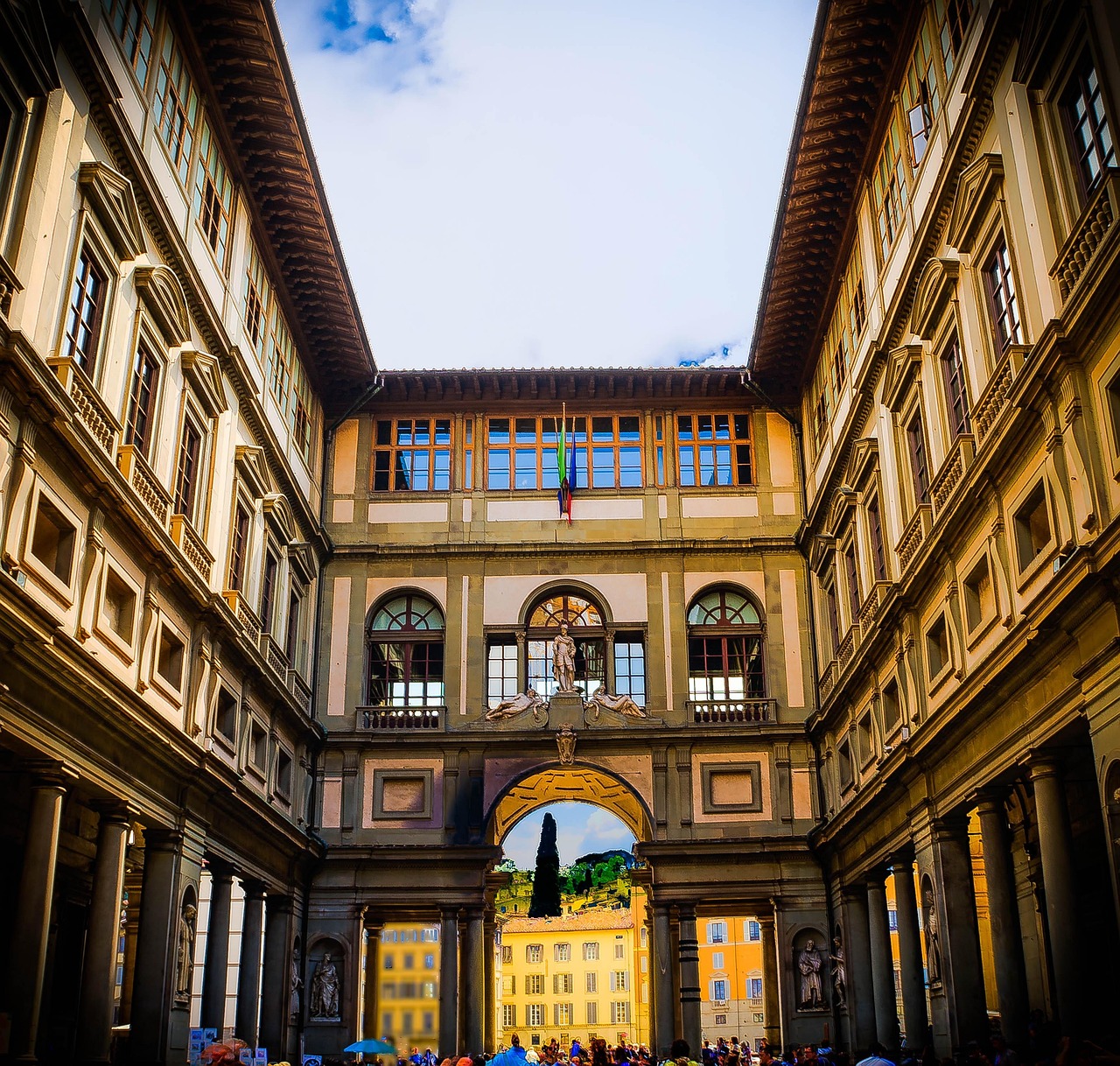
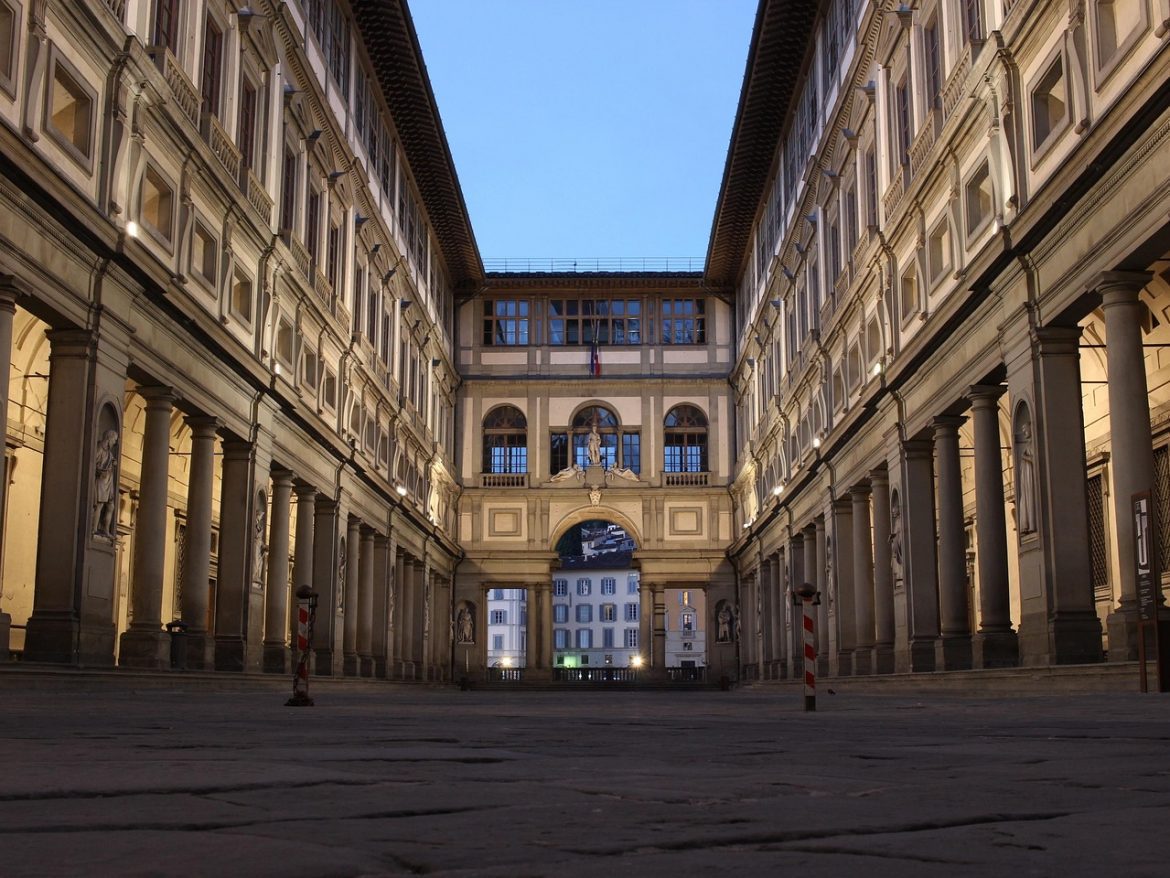
Uffizi Gallery renaissance masterpieces with expert insight, a graceful corridor of art in Florence
The Uffizi Gallery experience is one of the most powerful cultural moments you can have in Italy, especially when a guided tour turns the collection into a story rather than a sequence of rooms. This is not just a museo to “tick off”; it’s a place to uncover how the renaissance changed what the world thought art could do. With an expert beside you, paintings become conversations—about power, devotion, mythology, and the human body as a design language.
If you’re travelling in high season, the difference between stress and ease is often one word: booking. Timed tickets protect your energy and keep the day feeling crafted, particularly if you’re weaving the gallery into a wider route of things to do in Florence. When you arrive calm, you give the art the attention it deserves.
Why a guided visit elevates renaissance understanding (and saves time)
The Uffizi is famous, yes—but its real magic is the way it holds multiple threads at once. A guide can connect the Medici patronage, the politics of Florentine identity, and the technical leaps in perspective and anatomy that defined the renaissance. You begin to notice repeated gestures, symbols tucked into corners, and how light is used to direct feeling.
This is especially valuable when time is limited. Rather than wandering until you’re saturated, you can design a route around a handful of masterpieces, then leave with clarity. Luxury, here, is focus for the modern tourist who wants depth over volume.
Seeing Botticelli’s The Birth of Venus: the moment Florence feels alive
An art enthusiast once told us that seeing Botticelli’s The Birth of Venus in person was unexpectedly overwhelming. They had admired it for years in books, yet standing before the real canvas—its scale, its delicate colours, its quiet confidence—brought a rush of emotion that surprised them. In that moment, Florence felt less like history and more like a living studio.
What changed everything was context. Their guide gently pointed out details: the almost weightless way the figures are composed, the mythic symbolism, and the sense of idealised beauty that defines one face of the renaissance. With the right insight, you don’t just look—you understand why the work still matters.
Michelangelo in Florence: exploring the collection with intention
Florence holds michelangelo like a heartbeat, and even within the Uffizi you feel his presence in the wider story of artistic ambition. Your guide may weave in how michelangelo’s approach to the human form and spiritual intensity echoed across his contemporaries, influencing what visitors recognise as “Florentine strength.” It’s not about forcing connections; it’s about recognising a city where artists watched each other, competed, learned, and transformed.
If you’re short on time, aim for a “core route” that includes Botticelli, Leonardo, and a taste of michelangelo-linked narratives. Then give yourself permission to stop early, step outside, and let it settle. The goal is to leave with one or two images you can still see with your eyes closed—and a clearer sense of the best things you’ve encountered.
High-season booking strategies: timed tickets, flexibility, and smart buffers
In summer and during holidays, tickets can sell out days or weeks in advance. Choose timed entries, keep your confirmation accessible, and consider concierge-led support for private experiences where possible. If you need to rework your schedule, it helps to have your hotel or travel designer on hand—someone who can adjust dinner times or find a later slot without drama.
- Choose early: first-entry slots feel calmer and cooler.
- Go guided: a private guide gives structure and reassurance.
- Build buffers: don’t schedule back-to-back museums—leave space for a walk or coffee.
- Stay flexible: a concierge can often re-time dinner or transport if the gallery runs long.
A graceful post-gallery pause: coffee, gelato, and a reset before the next attraction
After the Uffizi, your senses will be full. Plan a small ritual—an espresso at a classic café, or a slow gelato as you return towards the river. This pause is part of the design: it keeps the day seamless and restorative rather than hurried, especially if you’re continuing on to another major attraction.
It’s also a lovely time to reflect on what you’ve just seen. Florence doesn’t ask you to consume endlessly; it invites you to feel, then breathe, then continue—one of the simplest best things you can do for yourself on a busy city break.
Ponte Vecchio in Florence: Palazzo Vecchio, Piazza della Signoria, and an Arno River evening stroll
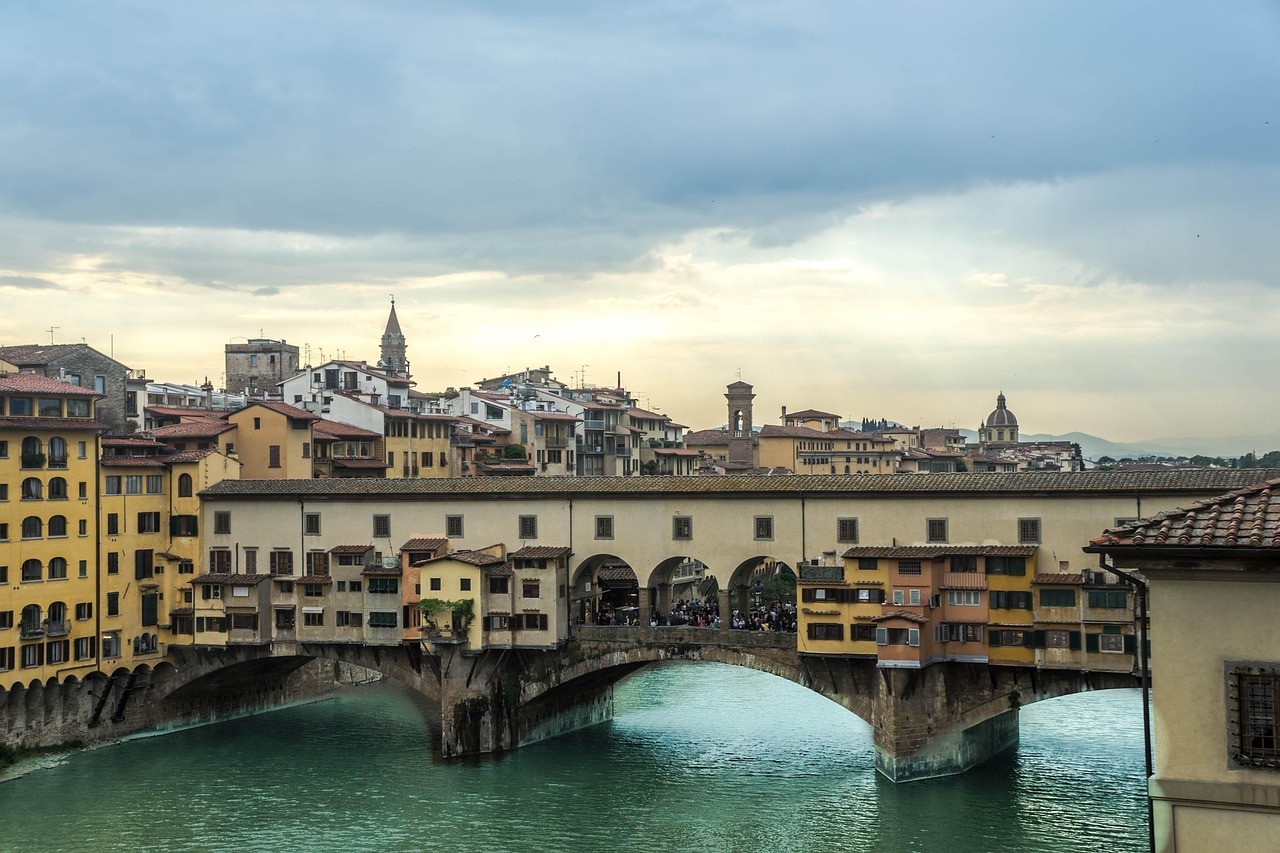
Ponte Vecchio and Piazza della Signoria with local character, jewellery-lit arches over the Arno
When people imagine the romance of Florence, they often picture the ponte vecchio in florence—a medieval bridge lined with gleaming jewellery windows and the easy hum of evening strolls. This chapter pairs the bridge with the city’s political theatre at piazza della signoria and palazzo vecchio, offering a route that feels both iconic and local. It’s one of the top things to do in Florence because it blends beauty with lived texture: artisans at work, statues in open air, and the river catching the last light.
Florence is generally safe for travellers, but crowded areas can attract pickpockets. Keep valuables close, especially in busy squares and near popular markets, and you’ll move with quiet confidence. The most elegant travel habit is simple awareness, particularly around the Ponte Vecchio at peak hours.
Ponte Vecchio luxury shops: artisan jewellery, history, and how to browse well
The ponte vecchio is often described as the oldest bridge in florence, and even if you’ve crossed other famous bridges in Europe, this one feels unusually intimate. Tiny shops sit over the water like lanterns, displaying gold and gemstones that catch the light. Many travellers mention the joy of discovering artisan jewellery here—and, more importantly, the warm conversations with local craftsmen who still treat their work as a personal calling.
If you’re shopping, treat it like a meeting rather than a transaction. Ask about the piece’s design, the workshop’s history, or how Florentine styles differ from Milanese ones. Even if you don’t buy, you’ll uncover a small human story—one of those details that stays with you long after the trip.
Best vantage points: a romantic Arno River evening and classic bridge photos
For the most flattering light, aim for golden hour. Step off the bridge and find a quiet corner to watch the arno river turn copper as the sun lowers. Some of the loveliest vantage points are just a few minutes away, where you can take in the bridge without being in the centre of the crowd—and enjoy a slower, more cinematic pace.
A couple once described their evening as the perfect Florence coda: after a day of renaissance art, they walked slowly by the Arno, then settled into a romantic dinner with the water beside them. It wasn’t extravagant in a showy way—it was simply well-timed, reservation-led, and calm. Florence excels at that kind of understated magic, and it’s easy to understand why these are popular places to visit.
Piazza della Signoria and Palazzo Vecchio: political Florence, sculpture, and the Loggia dei Lanzi
Piazza della signoria is Florence’s open-air stage, where power and art share the same stone. Approaching palazzo vecchio, notice how the building’s strong, almost fortress-like lines communicate authority. Take a moment to look outside the palazzo vecchio at the statues and the symbolism—what they celebrate, what they warn against, and how public space was used to tell the city’s story.
Just beside it, the loggia dei lanzi is free to enter, and it’s one of the most satisfying cultural stops in the centre. You can stand close to monumental sculpture without a ticket, feeling the scale and drama in open air. It’s a reminder that in Florence, art isn’t confined to museums; it spills into the street.
Connecting strolls: Piazza della Repubblica, café culture, and a stylish reset
From Piazza della Signoria, it’s an easy, stylish stroll towards piazza della repubblica, where café culture invites you to pause and people-watch. Choose a table with a view of the square’s movement, order something simple, and let the city come to you. This is a small luxury that costs little but changes the pace of your day.
As you move through these popular places to visit, keep your belongings secure and your senses open. Florence rewards travellers who walk slowly enough to notice details—door knockers, fresco fragments, the scent of leather drifting from a workshop, and the way late light softens stone.
A refined micro-itinerary: Ponte Vecchio to aperitivo, dinner, and an evening walk back
If you’d like a simple, seamless evening plan, try this: begin with a sunset walk on the ponte vecchio, step into a nearby wine bar for aperitivo, then enjoy a dinner reservation that feels special but relaxed. The bridge gives you spectacle, the aperitivo gives you transition, and the dinner gives you intimacy. It’s designed to feel spontaneous, yet supported by good timing and one well-placed booking.
Piazzale Michelangelo to Boboli Gardens: Pitti Palace calm, food stops, and a day trip from Florence
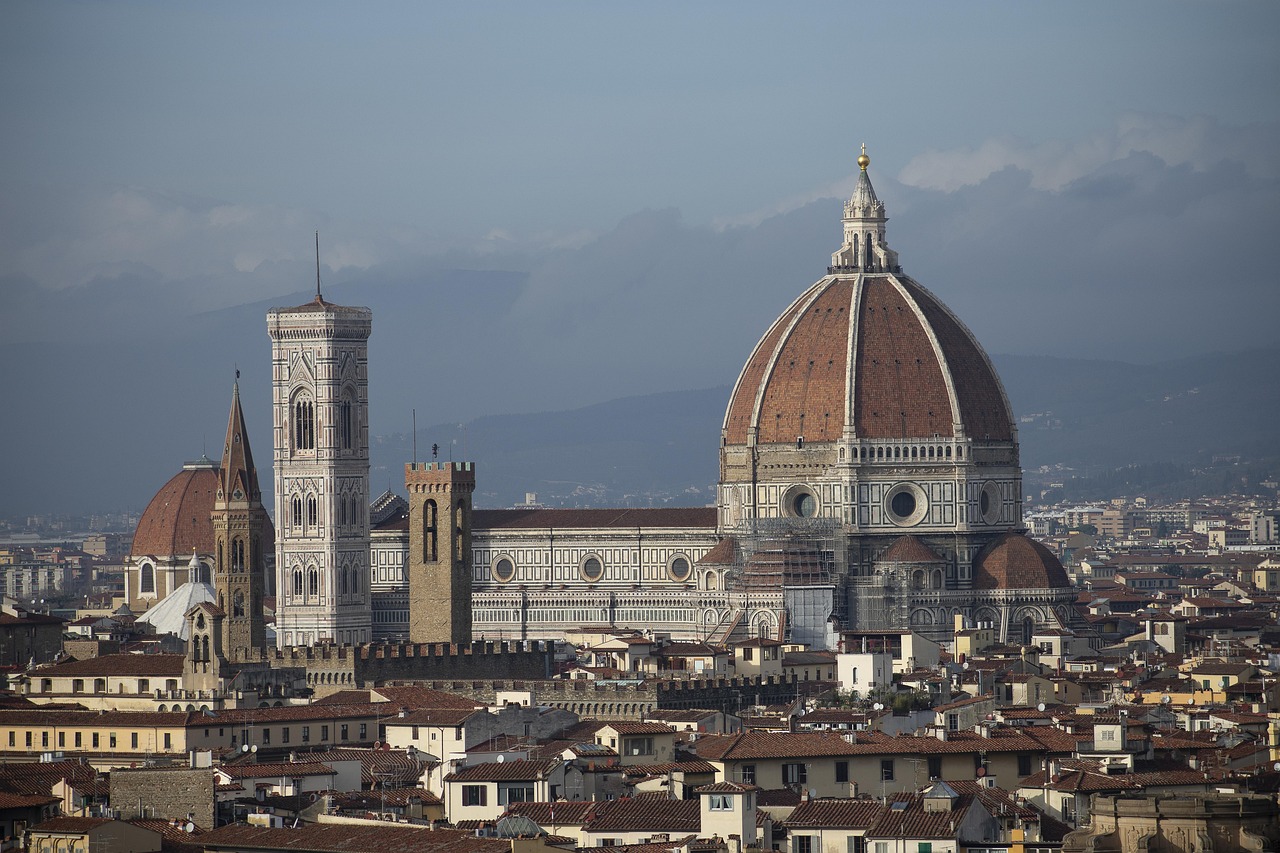
Piazzale Michelangelo, Boboli Gardens and Tuscan indulgence, a sunset viewpoint above Florence
This chapter brings together three pleasures that high-end travellers often crave: a panoramic viewpoint, a designed garden evening, and Tuscan indulgence beyond the city. From piazzale michelangelo to the boboli gardens and a day trip from florence into vineyards, it’s a rhythm of height, calm, and flavour. Think of it as the softer side of Florence—still iconic, but more spacious and sensorial. It’s also where the city feels most like a personal discovery, not just one of the best things on a list.
As you plan, remember that comfort is part of luxury. There’s uphill walking to the viewpoints, and cobblestones everywhere, so choose shoes you trust and schedule breaks that feel kind. A city this beautiful deserves unhurried attention, especially if you’re fitting several top attractions into limited time in Florence.
Piazzale Michelangelo: best view of Florence, plus a quieter viewpoint in Florence nearby
For many travellers, piazzale michelangelo is the best view of florence. One traveller shared how watching the sunset from the terrace transformed their understanding of the city’s beauty—suddenly the dome, towers, and rooftops felt like a single composition, designed with human scale in mind. It’s a moment that invites silence, even in company, and it belongs on any shortlist of things to see in Florence.
If you want an even calmer alternative, continue a little further to san miniato al monte, a timeless church with fewer people and a more meditative atmosphere. It’s a wonderful viewpoint in florence when you’re seeking quiet, and it pairs beautifully with an evening aperitivo back in town. The walk is part of the experience, but a private car can return you to your hotel with ease.
Boboli Gardens and Pitti Palace: restorative design, softer light, and an easy cultural pairing
The boboli gardens are Florence’s great green stage—a historic landscape of terraces, fountains, and sculptural surprises. Planning an evening stroll here is one of the most restorative things to do in florence, especially when the light turns honeyed and crowds thin. The garden is linked to the pitti palace, making it easy to combine culture and calm in a single arc.
If you’re choosing a time, aim for later afternoon moving into early evening. You’ll enjoy gentler temperatures, fewer tour groups, and a more cinematic mood. Florence does romance well, but it does serenity even better—and this pairing is a favourite for travellers who want best things without pressure.
A private Tuscan wine day trip: best day trips from Florence with comfort-focused pacing
A private wine tasting is one of the best day trips from florence, particularly if you value comfort and exclusivity. Choose a private driver so the day trip feels seamless—no parking puzzles, no rigid group timetable, just the freedom to linger where the light is best. Ask your hotel concierge or travel designer to select vineyards aligned with your tastes, whether that’s boutique Chianti estates or iconic producers with architectural cellars.
Build the day around pleasure rather than distance. One vineyard visit with an unrushed tasting, followed by a long lunch among the vines, can feel more luxurious than racing between multiple stops. If you’re tempted to keep adding activities, remember this gentle mantra: add a day trip, not a marathon.
If you prefer to stay closer, you can still create a countryside mood with a short drive and a single estate. The point is not mileage; it’s atmosphere and care—an ideal counterbalance to a busy museum-heavy itinerary.
Mercato Centrale and Florence food: tasting stops, a villa class, and gelato in Florence
florence food is at its most memorable when it’s rooted in place. Start at mercato centrale with a curated tasting rather than a rushed lap—choose a few excellent bites, speak with vendors, and notice how the city’s appetite reflects its history. Then, for something truly special, arrange an exclusive cooking class at a local villa, where the experience feels designed around you.
Gourmet visitors once recalled learning to make traditional ribollita soup during a private villa class—chopping, stirring, tasting, laughing together, and then sitting down to a meal they had created with their own hands. That’s the kind of personal memory Florence gives: not just consumption, but participation. Finish with gelato in florence as a small, joyful ritual, choosing a flavour that feels distinctly Tuscan—hazelnut, pistachio, or fig when it’s in season.
If you’d like one elegant dining anchor, consider a chef’s table or riverside terrace as your “best places” moment—something you reserve ahead so the evening feels effortless. Florence is full of places to eat, but the right reservation can turn dinner into an experience you’ll still talk about years later.
- Morning: Mercato Centrale for a curated tasting and local conversation.
- Afternoon: Villa cooking class focused on seasonal Tuscan cuisine.
- Evening: A calm stroll and a sweet finish with gelato.
Medici and Michelangelo: Basilica di San Lorenzo, Santa Croce, and a deeper Florence story
For cultured detours, begin near the Basilica di San Lorenzo—a place that holds the city’s dynastic heartbeat and a key thread of the medici family legacy. Here, patronage becomes tangible: ambition, faith, and the way wealth can shape art and architecture for centuries. If you visit the medici chapels, give yourself time to sit quietly; the space carries both grandeur and a surprisingly human solemnity, with echoes of michelangelo in the atmosphere of the complex.
From there, consider santa croce as a balancing note—less glitter, more depth. The basilica di santa croce offers a reflective pause that complements the glamour of boutiques and skyline views. It’s the kind of stop that quietly restores perspective, reminding you that Florence’s brilliance has always been intertwined with faith, grief, and the passage of time.
In between these sites, let the streets guide you. This is one of the best things about the city: Florence’s historic centre is compact, and some of the most beautiful moments happen when you follow curiosity rather than a strict timetable—especially if your goal is to understand, not just to collect photos.
What stays with you: must visit in Florence Italy reflections after visiting Italy
In the end, you don’t simply tick off the must visit in florence italy list; you begin to recognise a new way of seeing. After visiting italy, what returns to you is often not the loudest memory, but the quietest: the warmth of a “Buonasera” at a doorway, the ease of being well-supported, the soft confidence that comes from knowing you are exactly where you should be. Florence has a way of inviting you to slow down until your attention becomes more precise, more tender—and you realise you’ve seen far more than you expected.
It might be an artisan’s smile on the ponte vecchio as they hand back a piece of jewellery for you to try on once more, with no pressure. It might be the hush that falls just before a painting truly comes into focus, when your mind stops narrating and simply receives. Or it might be the last light over rooftops from piazzale michelangelo, when the city’s outlines become gentle and you feel, for a moment, entirely in rhythm with it.
These details reshape what beauty means. You start to notice design in everyday life—how a café arranges its chairs, how a door handle fits the hand, how stone holds warmth at dusk. Florence doesn’t demand that you remember everything; it offers you a few perfect fragments, and trusts that they will deepen over time.
And later, far from Tuscany, you may find that you’re still carrying the city in subtle ways: choosing a slower pace, seeking craftsmanship, listening for quiet excellence. Whether you visit florence once or return again, it remains not as a completed chapter, but as a soft lens through which the world looks a little more intentional—leaving you gently curious about what the next Italian horizon might reveal.