Post Contents
- Tourist spots in Italy, Venice: top attractions and tourist attractions in Venice for your first visit
- Venice from the water: best things to do on the Grand Canal with a gondola ride
- Hidden gems on the islands of Venice – itinerary ideas for Murano and Burano
- F.A.Qs: tourist attractions in Venice for first-time travellers
- What stayed with me after visiting Venice – reflections from a trip to Venice and a stay in Venice
Tourist spots in Italy, Venice: top attractions and tourist attractions in Venice for your first visit
Signature sights near Piazza San Marco for a calm, crowd-light start
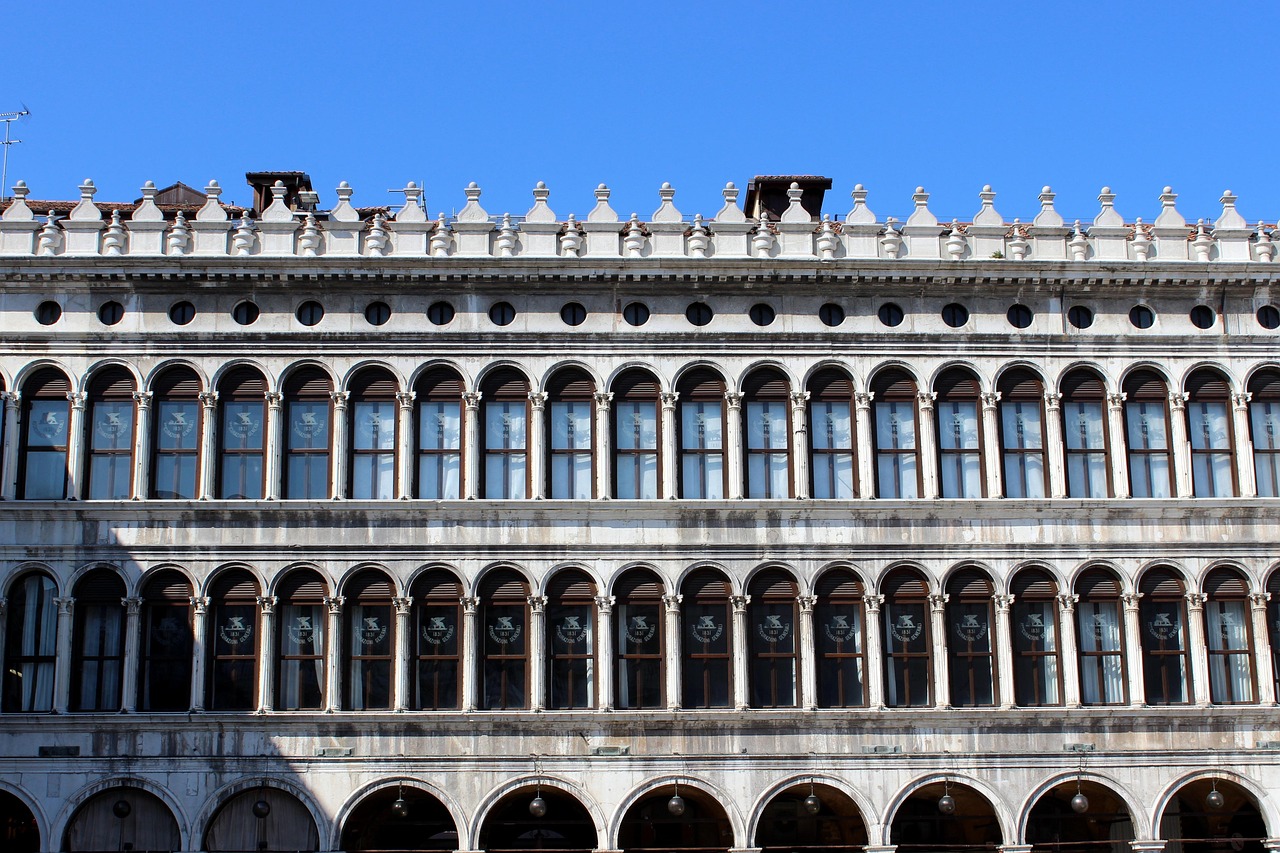
If you’re choosing tourist spots in Italy, Venice travellers talk about most. Start with a simple thing to do in Venice mindset: begin in the heart of Venice, then let this destination unfold at a walking pace. The real difference-maker is early in the morning, when the light is soft, the stone feels cooler underfoot, and the day trippers haven’t yet arrived in full force. For a first visit, a gentle loop around Piazza San Marco gives you an immediate sense of place—grand yet human in scale—and it’s one of the most beautiful cityscapes in Europe.
At Designer Journeys, we help you see in Venice what matters most while keeping the mood unhurried, almost like a private Venice travel guide written for a single day. Consider this a guide to Venice and a guide to the best pacing: choose your priorities, then add breathing space so you can discover the best details between the main stops. If you go to Venice as part of a broader trip to Italy, you can browse our Trip gallery and decide what else in Italy pairs beautifully with a few days here.
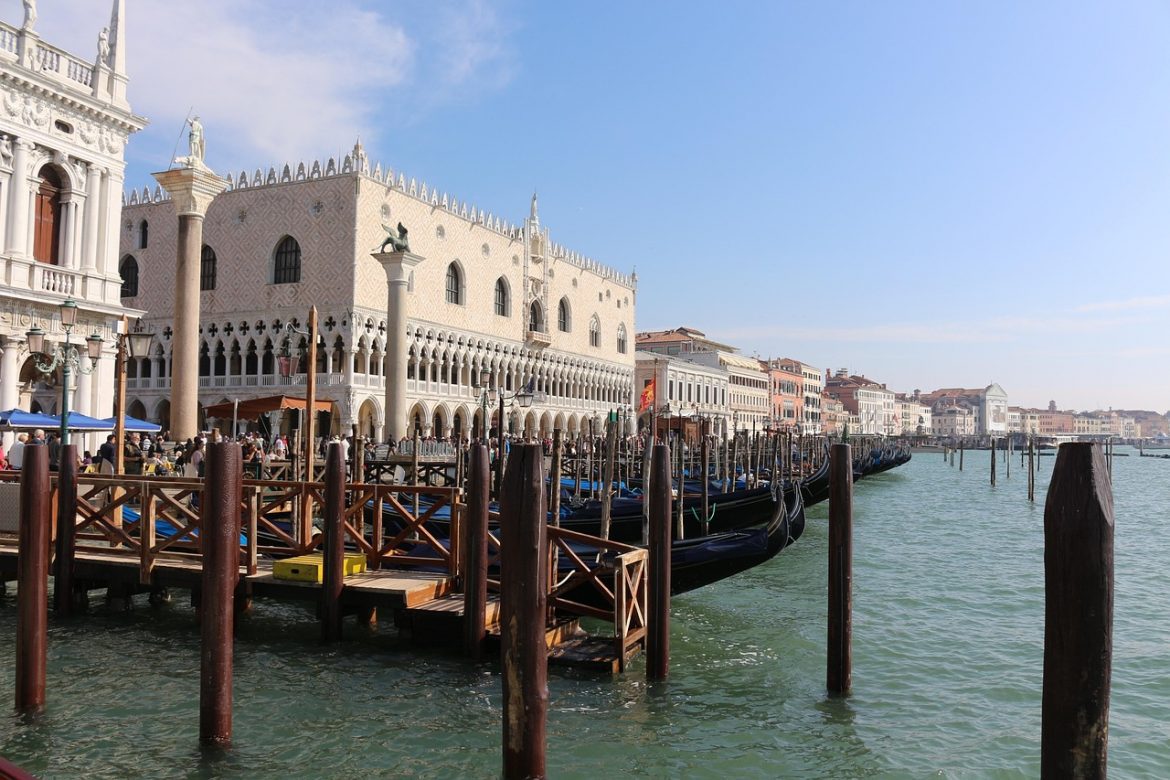
Mark’s Square (Piazza San Marco) at dawn – the calmest way to start visiting Venice
Start at Mark’s Square before the crowds swell, and you’ll understand why locals speak of Venice’s moods as if they were weather. This corner holds a concentrated sense of Venetian identity: ceremony, maritime confidence, and the quiet pride of a city shaped by trade across the Mediterranean. Give yourself permission to slow down; one of the best things here is simply noticing texture—salted air, the sheen of stone, and the sound of water beyond the colonnades.
As you wander, keep your voice low and your movements gentle. Venice rewards that softness, and the most memorable tourist moments are often the most respectful ones. This part of Venice is a living neighbourhood, not a theme set, so modest dress for sacred spaces and awareness of local routines make a noticeable difference while exploring Venice without rushing.
San Marco Basilica, the bell tower and Doge’s Palace – cross the Bridge of Sighs
The Basilica di San Marco is the basilica that anchors the city’s imagination—glowing gold, candlelit shadows, and one mosaic detail that can hold your attention far longer than you expect. As a church in Venice, it’s also an active place of worship, so dress modestly and step inside with the same calm you’d bring to a concert hall. For a seamless experience, book timed entry in advance and consider an expert-led visit: it’s the difference between being jostled like a tourist and being gently guided through the history of Venice with context and quiet.
The basilica’s atmosphere changes as the morning unfolds; the earlier you enter, the more you can hear your own footsteps and feel the scale without distraction. If this is one day in Venice, give the basilica the best of your attention rather than squeezing it between other plans; it’s a main attraction experience, but it’s also a place where you can breathe. As you step back into the light, the basilica’s domes and courtyards continue to frame San Marco with a sense of ceremony.
Next, step into Doge’s Palace (Palazzo Ducale) to understand how the Republic of Venice worked—and how Venice was ruled through councils, rituals, and careful symbolism. The opulent halls feel like a theatre: paintings, gilding, and political messaging designed to impress ambassadors and intimidate rivals, which is why it remains such a powerful attraction for anyone interested in Venetian power. Then the mood turns as you approach the Bridge of Sighs, the enclosed passage that once linked judgment to imprisonment, politics to personal emotion; the Bridge of Sighs makes that contrast feel immediate.
To lift the day back into light, add the bell tower for the best viewing moment. From above, the view of Venice becomes less maze and more miracle: islands stitched together by bridges, the Venetian lagoon stretching outward, and the city of Venice floating with a kind of impossible grace. Queue-skipping tickets are worth it here, not as extravagance, but as a kindness to your time in Italy and your energy—especially on a busy tourist weekend.
Gentle pacing tips for a confident day
- Choose two major interiors (the basilica and the ducal palace) and let everything else be optional—your day here will feel richer.
- Book timed entry online and aim for the first slots, so you’re not competing with the biggest visitor waves later on.
- Keep a quiet café pause near the square in your plan; it turns “seeing” into a genuine way to experience Venice.
- Reserve key tickets and transfers at least 30 days ahead in peak season, and if acqua alta is forecast, carry discreet waterproof footwear and confirm your travel insurance covers disruption.
When you plan with this kind of care, the best things and classic attractions in Venice feel less like a checklist and more like a curated, walkable story. Once you’ve met the icons on foot, the next chapter is to experience the city from the water, where architecture becomes a moving gallery.




Venice from the water: best things to do on the Grand Canal with a gondola ride
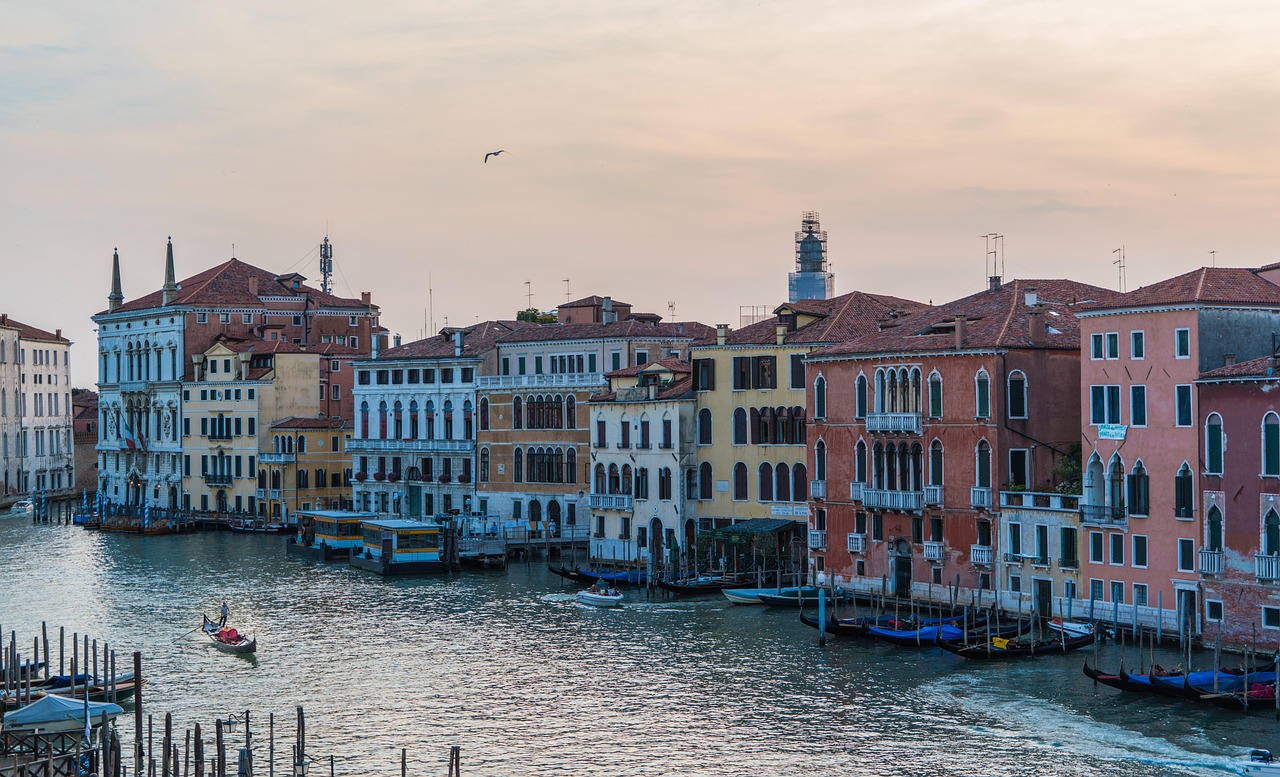
Venice on the Grand Canal, with a gondola ride and rooftop aperitivo
For many travellers, the best things in this city begin the moment you arrive on the Grand Canal. A private water taxi sweeping onto the Grand Canal isn’t simply transport; it’s your first true view of Venice, with palazzi rising like stage sets and reflections shimmering at eye level. Arriving this way feels crafted and effortless, and it’s one of those rare comforts that also makes practical sense: no dragging luggage over bridges, no guessing directions, just seamless support from arrival to your hotel dock.
The Grand Canal is Venice’s grand boulevard, and it sets the tone for everything that follows. As your boat curves past façades in faded pinks and terracottas, you see how centuries of salt air have softened the stone. The Grand Canal doesn’t just divide neighbourhoods; it connects them, carrying you through a living museum where people still commute by water and where each doorway seems to open onto another layer of Venetian life.
Grand Canal arrival by water taxi – a simple Venice itinerary for first-timers
A water-taxi arrival also offers instant orientation, which matters because the streets can feel labyrinthine on your first visit. Watching the Grand Canal’s S-shape from the water helps you understand where the bridges gather people, which stretches feel calmer, and how you might design an easy itinerary for the days ahead—including a relaxed day in Venice built around one neighbourhood at a time. If you’re visiting Venice in late spring or early autumn, you often get comfortable temperatures without the peak pressure of August; for many travellers, that’s the best time to visit Venice for balance.
When you do step ashore, keep your plans spacious. Venice is easy to love when you give it time, and the water teaches that lesson quickly: it moves at its own pace, and so do your best memories.
Gondola canals, Rialto Bridge and a rooftop sunset – a softer side of Venice at night
Of course, there’s the gondola. A private gondola moment through quieter canals is less about spectacle and more about intimacy—arched doorways, worn brick, laundry lines, and the gentle creak of wood against water. One high-end traveller we know still reminisces about a bespoke gondola serenade: the singer’s voice drifting under low bridges, the notes echoing off stone, and the feeling of stepping into a timeless Venetian romance.
For your gondola ride, consider timing carefully. A 30-minute ride during the day feels bright and architectural—perfect for seeing details and learning how the canals work. Later, as the light softens, the same gondola route becomes cinematic, with lamps flickering on and reflections lengthening into gold.
No water-based chapter is complete without the Rialto Bridge. The Rialto Bridge (Ponte di Rialto / Ponte di Rialto) is an essential bridge in Venice, and it’s where the Grand Canal feels both grand and immediate. For photographs, arrive early or drift in just before dinner, when the tourist crowds thin slightly and you can stand still long enough to notice how the stone catches the last light.
Then, create a gentle finale with a rooftop aperitivo overlooking the Grand Canal. One couple described their evening sipping spritz as the sun dropped behind the roofs, and the city after dark began to glow—music rising from somewhere unseen, water taxis tracing luminous lines, and the sense that Venice was quietly performing just for them. In that moment, luxury wasn’t excess; it was space, comfort, and a view you didn’t have to fight for.
Practical elegance for a gondola and terrace evening
Choose a gondola route that slips into side canals rather than staying entirely on the busiest water. Ask for a quieter start point, keep voices soft, and allow other boats space at narrow corners—small Venetian etiquette that signals trust and care. If you’re celebrating, let your hotel concierge arrange the gondola and a rooftop reservation together so the evening flows seamlessly without you having to check the time.
Once you’ve admired the Grand Canal from the water, the next delight is to step beyond the obvious tourist circuit. Venice has extraordinary hidden corners—on the lagoon islands, in small ateliers, and in a palazzo where modern art changes how you see everything that came before.
Hidden gems on the islands of Venice – itinerary ideas for Murano and Burano
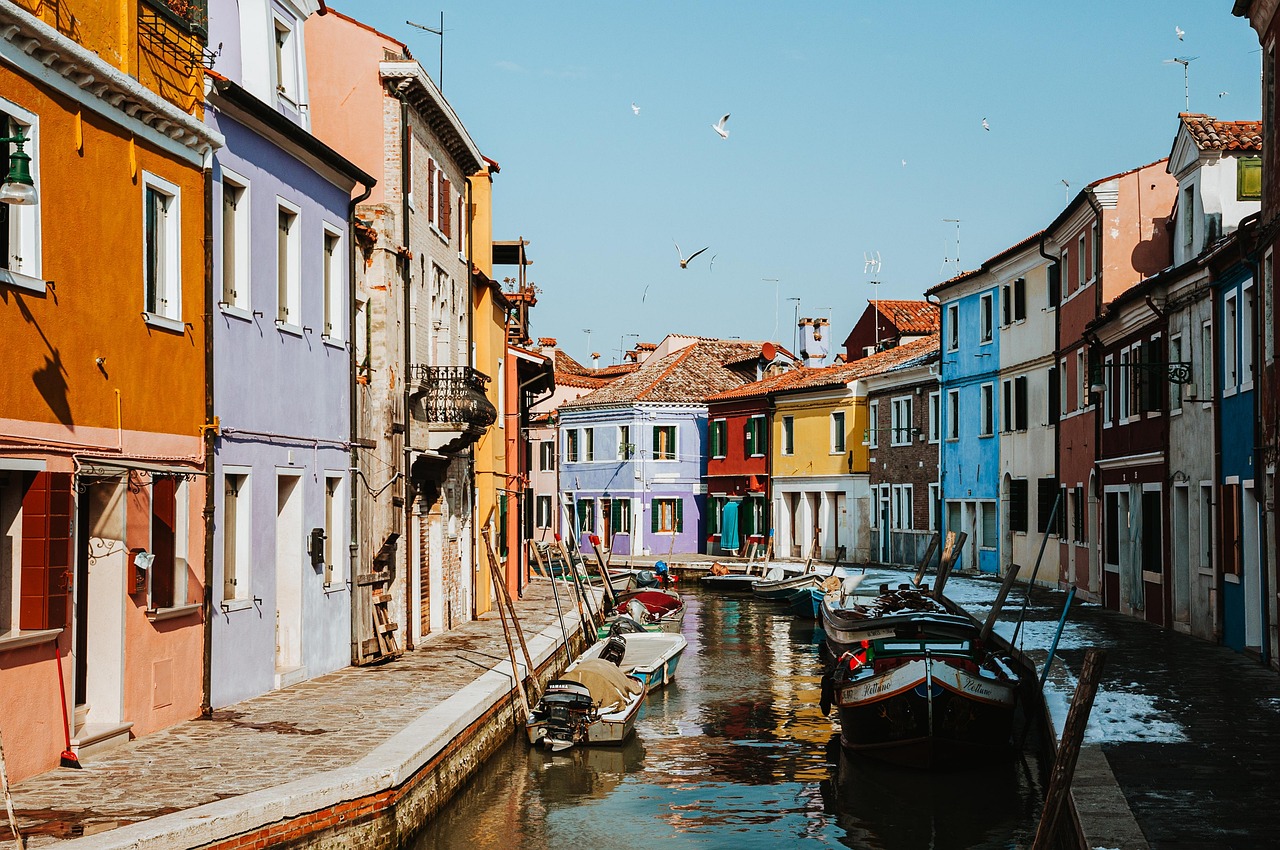
Hidden gems on Murano and Burano, plus art back in Venice
If you’re building an itinerary in Venice, Italy, beyond the headline sights, a half-day escape to Murano and Burano is one of the most satisfying ways to enjoy the lagoon. These islands of Venice feel like a change of tempo: the Venetian lagoon can be silvery and serene in winter, bright and breezy in early summer, and softly dramatic as autumn approaches. That shift in mood is part of the experience—water as atmosphere, not just scenery.
For travellers with Venice for a short time, the trick is to keep the logistics light. A private boat or a carefully timed vaporetto plan helps you visit Venice efficiently, leaving you with energy for an art interlude back on the main island. If you want a little structure, plan a simple itinerary that pairs the islands with one quiet museum stop, then allow yourself to get lost on purpose.
Murano and Burano in the Venetian lagoon – glass, colour, and lace traditions
Murano is synonymous with glass, but the most meaningful visits are curated. Rather than wandering into the first shop that calls to you, visit the beautiful workshops with an expert-led atelier experience so you can watch artisans work and understand what makes a piece truly Murano. This is also how you avoid low-quality tourist traps: look for transparency about techniques, signatures, and provenance, and choose makers who explain their process with pride.
Burano, by contrast, is colour and cheer—canals lined with vivid houses that seem designed for painters. Burano is also famous for its lace; the island is known for its bright façades that reward a slow walk and a quick conversation with local shopkeepers. Time your wander just outside the busiest mid-day window, and you’ll find quieter lanes where the colours feel more like a lived-in neighbourhood than a backdrop.
Buying beautifully on Murano and Burano
- On Murano, prefer ateliers that demonstrate workmanship and provide documentation; the best pieces come with a story and a maker’s pride.
- On Burano, step beyond the first canal-front strip to find calmer corners and more personal encounters.
- Choose one meaningful purchase rather than many; it becomes one of my favourite things to bring home, not clutter.
- Factor in careful packing and shipping advice—high-end support here protects your investment and your peace of mind.
Peggy Guggenheim Collection – modern art and quieter corners beyond the tourist track
Back in the city, slip into the Peggy Guggenheim Collection for a completely different lens on Venice. Set in a palazzo with a garden that feels like an exhale, the Peggy Guggenheim Collection has a crisp modernity that makes the surrounding centuries feel newly alive. It’s a tourist-friendly stop that doesn’t shout, yet it stays with you long after you leave.
To balance the day, weave in moments without the pressure to perform your trip for anyone else. Find a quiet bookstore in Venice and let yourself browse, even if you buy nothing—these unplanned pauses often become the stories you retell. Cross Ponte dell’Accademia for one of the best views in Venice over the Grand Canal, then pause near San Giorgio Maggiore; the calmer angle offers views over Venice and a perspective that feels surprisingly personal.
If you’re hungry, this is the time to lean into Venice food with intention. High-end travellers often enjoy Michelin-starred dining here not for formality, but for craft—Venetian seafood, seasonal vegetables, and fine local wines paired with understated expertise. It’s one of the best places to feel culture through taste, not just architecture.
After days in the city, what remains isn’t only what you photographed. It’s the way Venice’s details settle into you—quietly, tenderly—until you realise you’re carrying a new sense of beauty back into your everyday life.
F.A.Qs: tourist attractions in Venice for first-time travellers
What is the number one attraction in Venice, Italy?
For most travellers, St Mark’s Basilica is the number one attraction because it combines Venetian history, spiritual atmosphere, and extraordinary gold interiors in one unforgettable basilica visit. Booking timed entry (or a guided visit) helps you experience the basilica calmly, especially if you’re visiting Venice in a busy season.
What are some tourist attractions in Venice?
Highlights include St Mark’s Basilica, the Bridge of Sighs, the bell tower for panoramic outlooks, and a Grand Canal journey by water taxi or gondola. Beyond these attractions in Venice, many also love the Peggy Guggenheim Collection and an afternoon on Murano and Burano.
What should you not miss in Venice?
Don’t miss stepping inside the basilica, walking the corridors of the ducal palace, and taking time on the water—ideally a gondola ride through quieter canals. If you can, add a sunset aperitivo with a rooftop view, when the city feels softer, and the lights begin to shimmer.
What is famous in Venice, Italy?
Venice is famous for its canals, gondolas, the Grand Canal, and landmark sights around the basilica. It’s also celebrated for Murano glass, Burano’s colourful streets and lace tradition, and a culture that blends maritime power, art, and everyday life in a truly unique way.
What stayed with me after visiting Venice – reflections from a trip to Venice and a stay in Venice
There was a last glimpse of Venice that returned to me for weeks afterwards: not a landmark, but a texture. Water tapping against stone steps, light skimming across a worn wall, the sound of a boat passing somewhere out of sight. In memory, Venice becomes a collection of small sensations—cool air in a shaded alley, the warmth of a café cup in your hands, and the way the Grand Canal can look like glass one moment and hammered silver the next.
When I think about visiting Venice now, I don’t immediately picture the biggest tourist crowds or the loudest moments. I remember the unplanned pauses: a glance across the Grand Canal from a side alley, a few minutes of stillness near San Giorgio Maggiore, a single bell sounding somewhere behind me, and a second, quieter view of Venice that felt like it belonged only to me. Those were the moments that felt most personal, as if the city had made space for me.
There’s also a calm gratitude that comes with thoughtful planning. Knowing tickets were arranged, transfers were seamless, and the pace had been designed with care, I could relax into the experience Venice offers rather than manage it. That’s when this destination reveals itself—less like a performance for tourists, and more like a place that lets you belong for a while.
And perhaps that’s the quiet gift: Venice doesn’t insist that you do everything. It simply invites you to return in a different mood—Venice in winter when the air feels crystalline, Venice Carnival when masks turn the streets into theatre, or a slower, longer visit where mornings begin without a plan as you wander around Venice. You can leave Venice without feeling you’ve missed the unique things that matter, because the city teaches you to value presence over pace.