Post Contents
- Rome itinerary for luxury travellers: escape the crowds with smart pacing
- Things to do in Rome: private Colosseum sunrise tour for Ancient Rome
- Vatican City VIP art: Vatican Museum, Sistine Chapel, and St Peter’s Basilica
- Heart of Rome cool places: Pantheon loop to Trevi Fountain and piazzas
- Trastevere and Testaccio: Italian food, aperitivo, and a relaxed food tour
- Museum mornings in Rome: Borghese Gallery, Villa Borghese, and opera plans
- Fashion-forward Rome: Via Condotti to Via Veneto with curated shopping
- After Rome: what stays with you in the Eternal City (and why you return to Rome)
- F.A.Qs: Rome planning for high-end travellers (quick answers)
Rome itinerary for luxury travellers: escape the crowds with smart pacing
If you’re going to Rome for the first time and want things to do in italy rome without feeling managed by queues, start with a calm, curated plan. This luxury travel guide approach keeps your priorities first—ancient history, Italian food, fashion, or quiet art—while a smart itinerary protects your time and attention. It’s a Rick Steves–level of practicality, just elevated with pre-booked entries, seamless transfers, and thoughtful pacing through the most beautiful places in Rome.
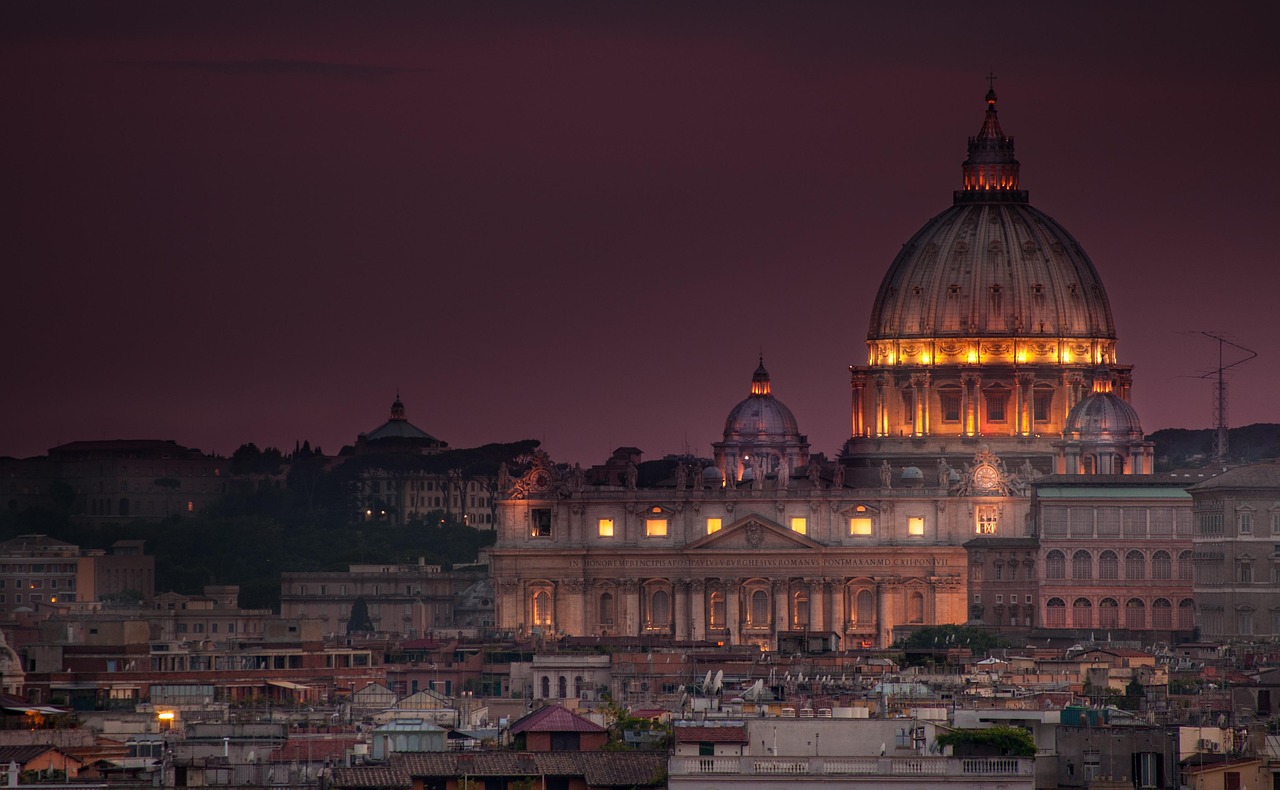
A calm, luxury-paced plan for exploring Rome comfortably
Best time to visit Rome: fewer tourists, better light, and effortless pacing
For high-end travellers, late spring and early autumn are the sweet spot to visit Rome: mild weather, softer light, and fewer tourist surges than midsummer. If your dates coincide with major events (Easter week, big football fixtures, national holidays), we design around them with earlier starts, longer lunches, and after-hours access where possible—so the day still feels like yours.
If you’re planning several days in Rome, build your rhythm like a well-composed piece of music: one “major” morning, one slower afternoon, one evening flourish. This is the best way to see in Rome’s capital city energy without racing through top attractions, and it leaves room for a relaxed gelato pause when you actually want it.
In a luxury context, your base is more than thread count. Look for a concierge who can hold restaurant tables, arrange discreet transfers, and confirm timed entries; quiet rooms with quality glazing; and easy car access for pick-ups that don’t involve dragging luggage over cobbles.
For a first visit to Rome, three bases work beautifully. The Spanish Steps area (Spagna) gives you walkable elegance and quick access to boutiques along Via Condotti. The boutique lanes near the Colosseum feel more local and design-forward, with wine bars tucked into side streets. Around Piazza Navona, you’re in the cinematic centre for evening strolls, yet still comfortable with the right room placement and a concierge who anticipates pinch points.
Quick confidence checklist before you book:
- Ask for a quiet room away from street-facing bars and restaurant terraces.
- Confirm lift size and step-free access if mobility or luggage support matters.
- Request help with taxi queues and museum timing—great hotels smooth the friction before it appears.
- Choose a property that can store shopping securely and arrange a private driver on call.
To move around Rome with ease, mix private transfers with walking. A luxury car makes sense for cross-city hops, evening returns, and anything time-sensitive. On foot, Via del Corso is a straightforward spine for daytime wandering—plan it at softer hours, and let your team handle the “in-between” logistics that make a city day feel effortless.
One respectful note that makes everything smoother: for the Vatican and any basilica visit, cover shoulders and knees. And when service feels exceptional, tip generously—especially for private guides who bring insight, trust, and calm to a city with so much to see. For more inspiration as you design your journey together, browse our Trip gallery.




Things to do in Rome: private Colosseum sunrise tour for Ancient Rome
Among the most unforgettable things to do in Rome is early access at the Colosseum, before the city fully wakes. We design a private guided tour with early entry or sunrise timing, so you can step into Ancient Rome in golden light and feel genuinely away from the crowds—even at one of the world’s most famous tourist attractions.
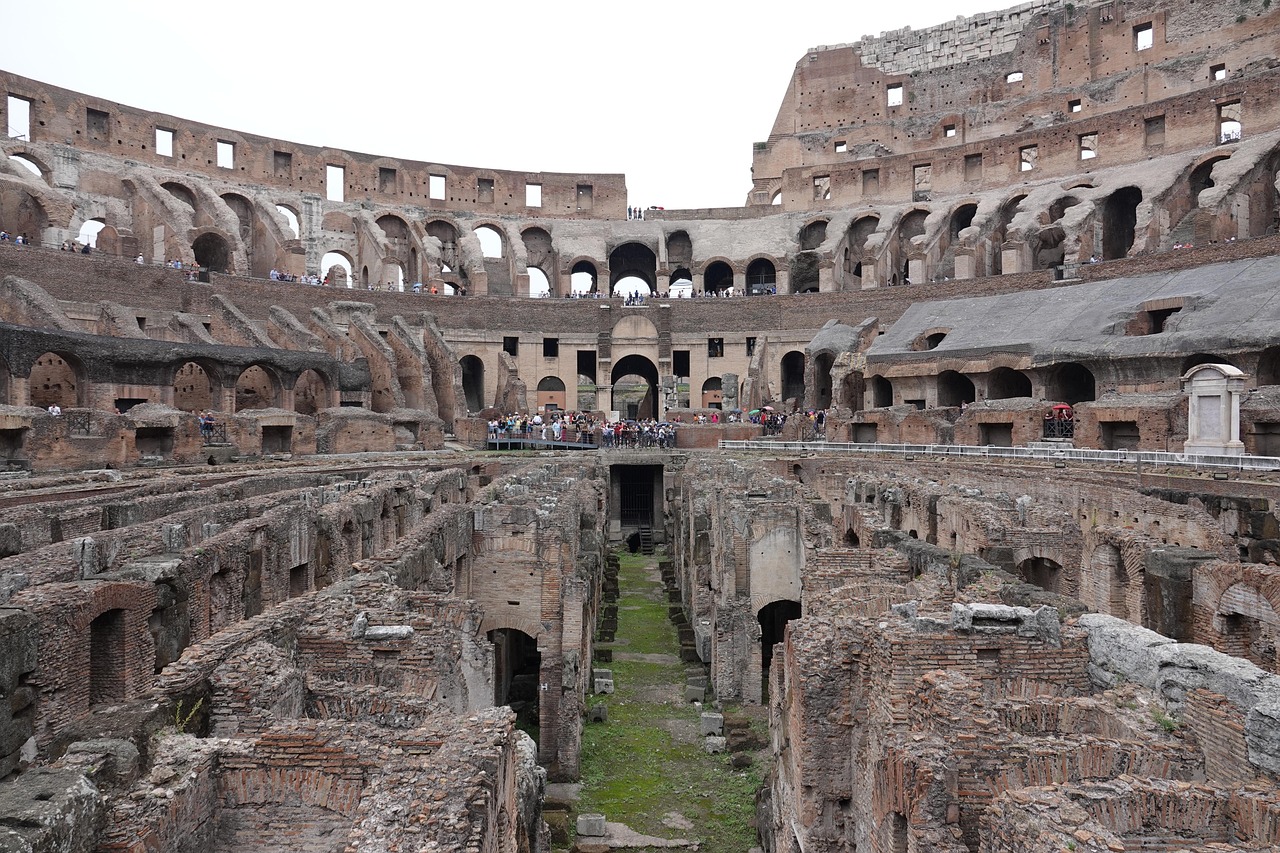
Early-entry quiet at the Colosseum changes the entire feeling of Rome
Colosseum and Roman Forum, plus Roman Forum and Palatine Hill: a calm sequence
Start with the Colosseum while your mind is fresh and the corridors are quieter, then continue to the Roman Forum and Palatine Hill for context. The stones can feel abstract without support; an expert guide helps you read the site like a living map—where Romans debated, prayed, traded, and performed power.
On the Palatine Hill, pause for viewpoint moments rather than racing for every ruin. It’s one of those places in Rome where the city becomes layered: domes in the distance, umbrella pines framing arches, and a hush that feels surprisingly intimate for an attraction in Rome of this scale. Many travellers even like to note that the Colosseum is often linked with the 7 wonders of the world lists—part of what makes the moment feel so iconic.
Booking notes for the Colosseum: timed entry, official tickets, and breathing room
To keep the experience seamless, choose timed tickets, verify official operators, and allow extra time for security. We also build a buffer for photos and a calm espresso stop—because luxury isn’t only what you see, it’s how you feel while seeing it.
A high-end traveller once told us their sunrise Colosseum visit felt deeply moving: fewer tourist groups, a soft wash of light on the stone, and a moment where they realised the plan was quietly holding them. That’s the difference between simply visiting an attraction and experiencing it with ease.
Later, when the city is busiest, take a detour to quiet courtyards, small galleries, and elevated terraces that Rome rarely shows at midday. These are the cool things that turn a checklist into a lived memory—and they’re often the most fun things to discover with a guide who knows the side streets.
Vatican City VIP art: Vatican Museum, Sistine Chapel, and St Peter’s Basilica
This VIP strategy is about creating space—space to look, to breathe, and to take in detail without being pressed forward. The Vatican can be a high-sensory morning, so the most important “luxury” is a flow that feels calm, supported, and quietly confident.
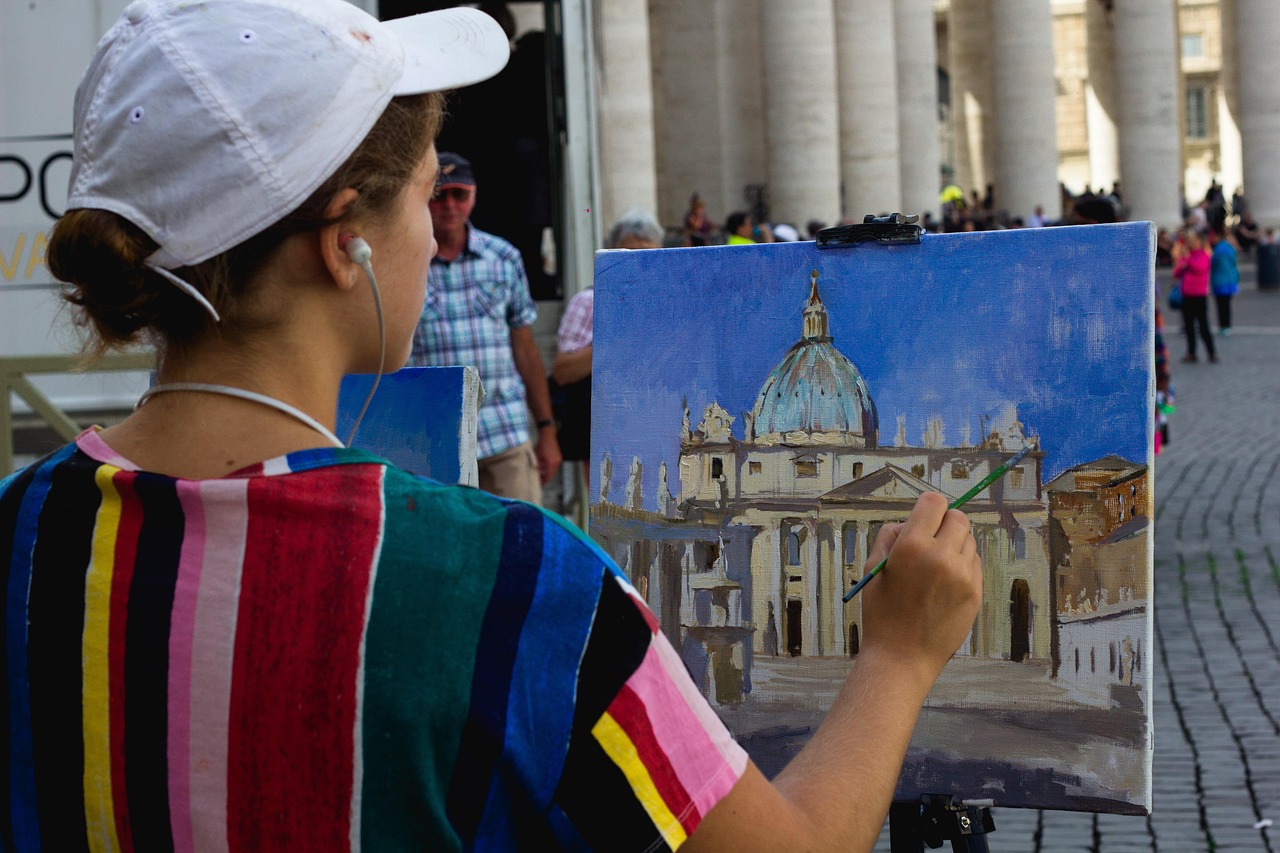
A calm, curated Vatican morning with space to truly look
Vatican Museum and Sistine Chapel: early entry or after-hours with a private guide
Book skip-the-line tickets for the Vatican Museum, and whenever possible choose early entry or an after-hours visit. You’re not just avoiding queues; you’re buying back attention. With an expert guide, you can focus on a handful of galleries that match your interests—sculpture, maps, tapestries, or Renaissance painting—rather than trying to “do it all” as a rushed tourist.
In the Sistine Chapel, the shift in atmosphere is immediate. Even when it’s not silent, there’s a collective stillness as people tilt their heads and let the ceiling do its work. Dress codes matter here and throughout the Vatican: covered shoulders, covered knees, and shoes you can stand in comfortably.
Inside the basilica: timing, dress code, and a smoother visit
For the basilica, aim for early morning or later in the day when the flow is gentler. Move respectfully, keep voices low, and let your guide steer you to details you might miss alone: the way light hits marble, the scale of the dome, and the quiet choreography of worship continuing alongside tourism. Many guests also love stepping outside to look back at Peter’s Basilica from the square, just to appreciate the sense of scale.
A couple once shared a rare highlight: a private audience with a Vatican art curator. They described being led behind the scenes to masterpieces normally passed without a second glance, and the feeling of being invited into living history rather than simply consuming an attraction. Not every day includes that level of access, but the principle remains—curation changes everything.
Afterwards, plan a gentle recharge: a rooftop aperitivo nearby and a short walk that gives you time to process. In Rome, reflection is part of the itinerary, not a gap between tourist time slots.
Heart of Rome cool places: Pantheon loop to Trevi Fountain and piazzas
This central loop is designed to feel light on your feet and rich in atmosphere. It connects signature sights you came to see, but with timing that lets them feel personal rather than performative—perfect when you want to keep moving without feeling like a tourist in a hurry.
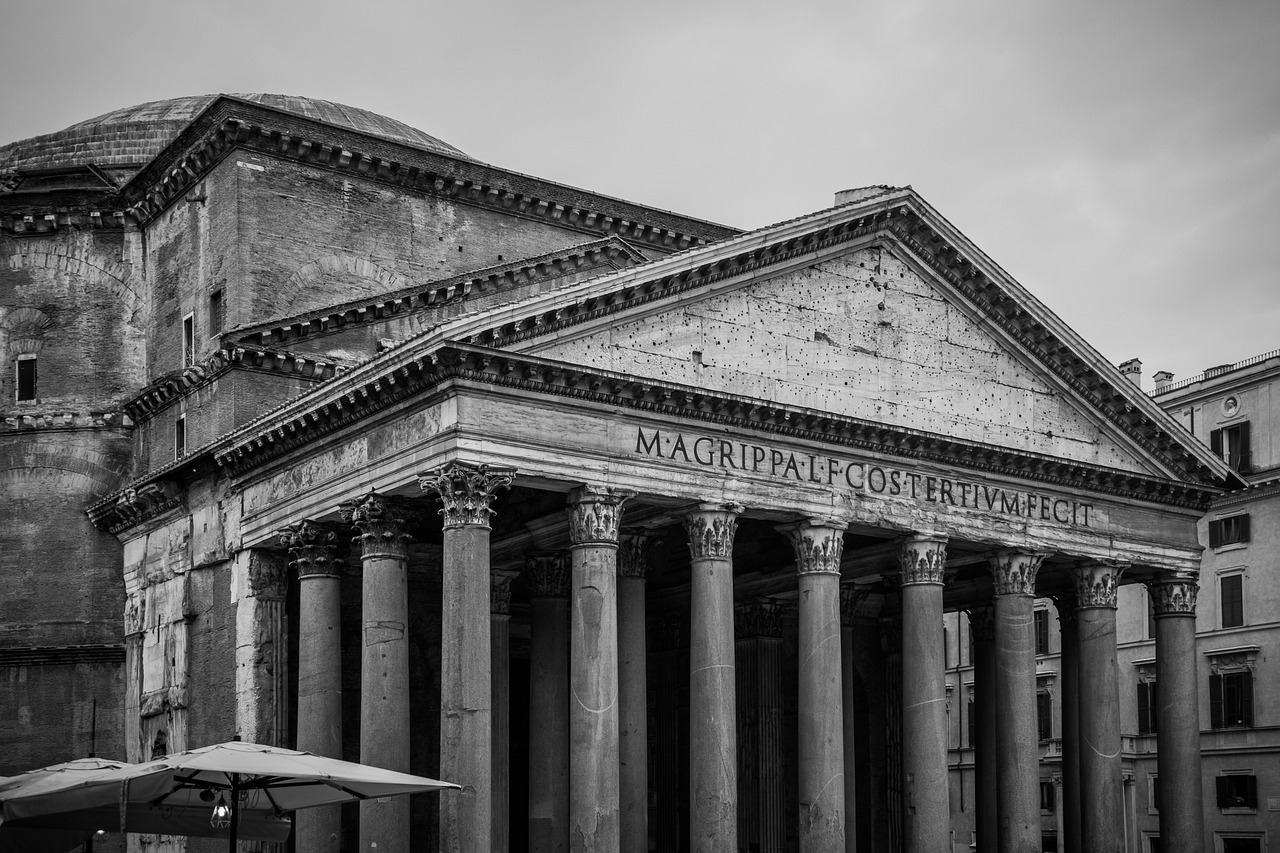
A walkable loop through the Pantheon, piazzas, and fountains at softer hours
Begin at the Pantheon in the morning, when the space feels more contemplative and you can actually hear your footsteps. From there, wander to Piazza Navona for its open-air theatre of daily life—artists setting up, cafés preparing for the day, fountains catching the light.
Then, if you want the Trevi Fountain without the shoulder-to-shoulder squeeze, go early. It’s still one of the top sites, but at the right hour it becomes a quiet ritual: coin in, wish made, and a few minutes to simply watch the water. From there, continue towards Spagna and the Spanish Steps in late afternoon, when the light softens and the streets feel less frantic.
Piazza Venezia and Victor Emmanuel II monument: history at street level
To add depth between the headline attractions, include Piazza Venezia and the Victor Emmanuel monument (Altare della Patria). It’s a powerful pause to understand unified Italy, the first king, and the visual language of nationhood that still shapes modern Rome.
Small balancing moments that keep the day elegant:
- A curated gelato stop chosen for quality over queues—your guide or concierge can steer you well.
- A micro-museum or quiet church that’s worth a visit when the streets feel too loud.
- Twilight photos from a rooftop, for views of the city that feel calm rather than crowded.
If you’re wondering about the best way to connect classic sights with quieter corners, this loop is your answer: a few grand moments, a few intimate pauses, and enough breathing room that you don’t feel pulled along by the tourist current.
Trastevere and Testaccio: Italian food, aperitivo, and a relaxed food tour
This chapter is about flavour and feeling—where you eat, yes, but also how you’re looked after. Rome can be exuberant at night, and Trastevere is the neighbourhood that turns that energy into romance, especially when you plan your timing and reservations with care.
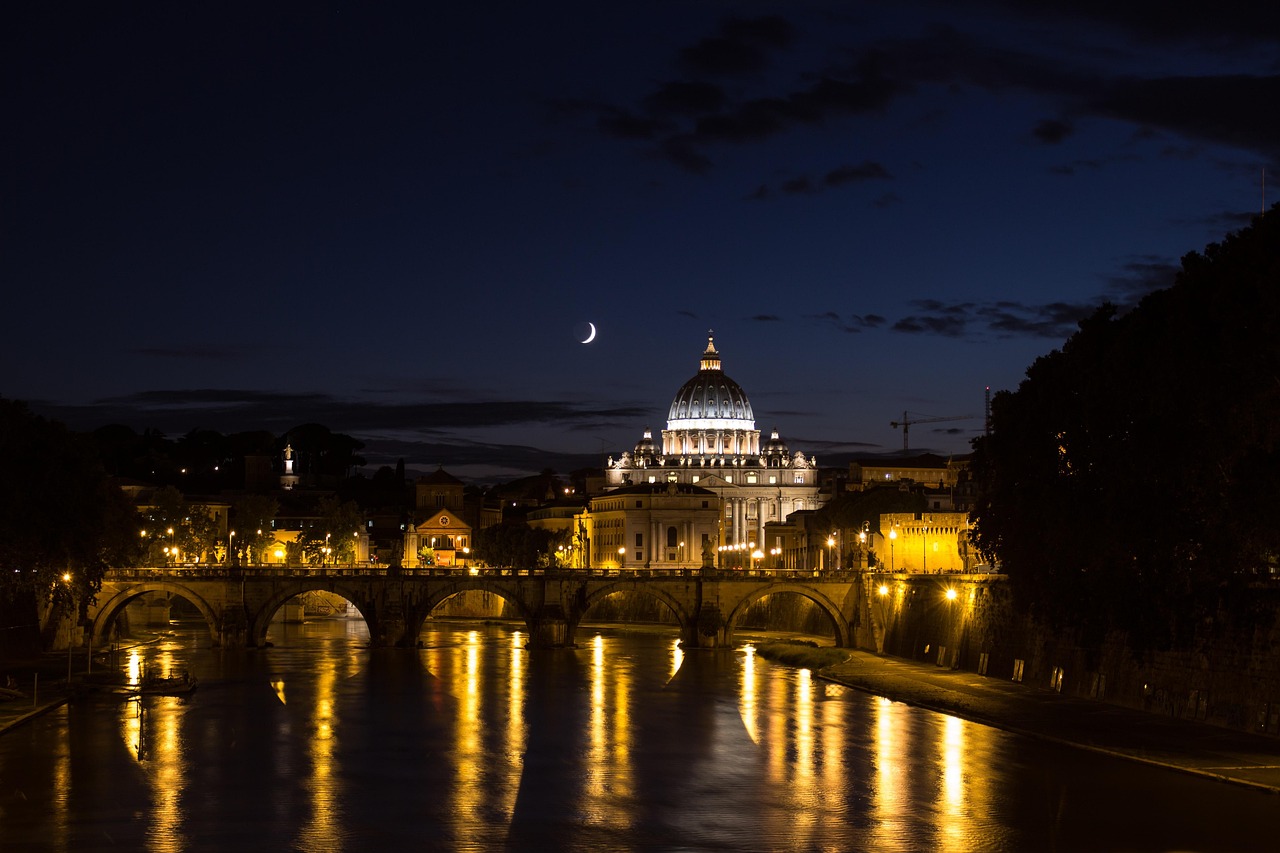
Trastevere evenings and Testaccio tastes for memorable Italian food
Trastevere at dusk: Santa Maria in Trastevere and slow lanes
Arrive in Trastevere as the light fades and the lanes begin to glow. Wander without rushing, step into artisan boutiques, and let Santa Maria in Trastevere anchor your evening with gentle, lived-in grandeur. This is where a “dinner plan” becomes a mood—local, warm, and unforced.
One traveller described an intimate dinner with a Michelin-starred chef in Trastevere that felt like being welcomed into a private home. They learned to make homemade pasta, tasted rare wines, and felt genuine care in every course—proof that luxury can be quiet and human, not only glossy.
Testaccio market bites: private food tour and Campo de’ Fiori
For daytime appetite, Testaccio is often Rome’s truest food neighbourhood. Browse the market, sample classic dishes, and book a small-group or private food tour so you can ask questions, linger, and uncover stories behind each bite. A good guide will pace it so you never feel rushed, even if you’re fitting it between other plans.
For extra colour, add Campo de’ Fiori earlier in the day for fruit, flowers, and a quick look at Roman daily life. In restaurants and on tours, tip generously when service is excellent—Rome runs on relationships, and appreciation is remembered.
To keep your evening effortless, design a lighter lunch day. It creates space for a long dinner and reduces gelato fatigue—because yes, even pleasure can start to feel like a queue if you don’t plan with care.
Museum mornings in Rome: Borghese Gallery, Villa Borghese, and opera plans
This culture-forward plan is for travellers who want depth without overload. In Rome, the secret is to schedule your museum time early, then let the afternoon exhale into gardens, long coffees, and a night that feels like a celebration.
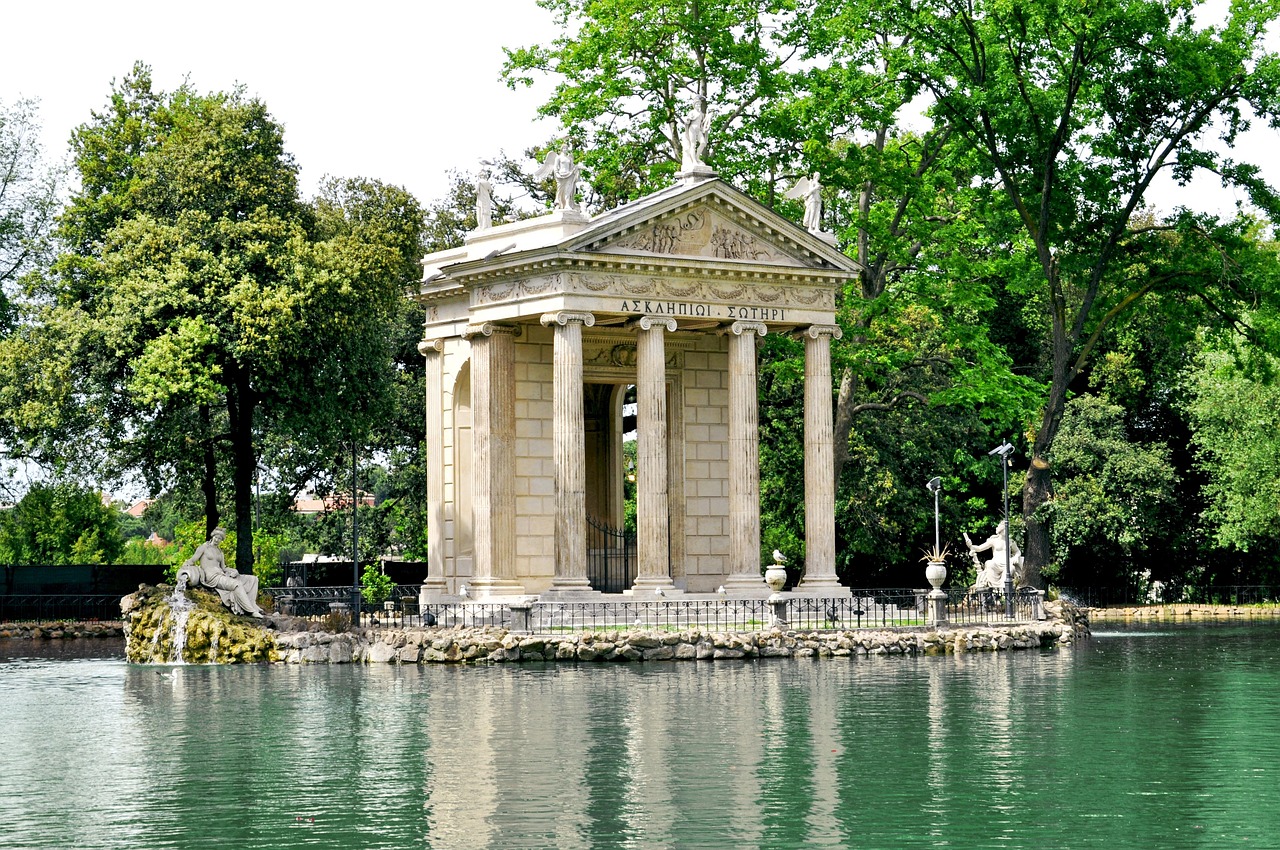
Borghese Gallery mornings and Villa Borghese calm for a lighter Rome pace
Borghese Gallery: timed entry, private guide, and Villa Borghese gardens
The Borghese Gallery rewards planning: timed entry is essential, and a private guide helps you notice what most visitors miss when they sprint. Instead of trying to photograph everything, you’ll be invited to slow down—skin in marble, tension in a gesture, a narrative hidden in a corner of canvas.
Once you’ve had your fill, step into Villa Borghese gardens for a quiet reset. This green space is where Rome softens; it’s also where you can create a morning-to-afternoon flow that feels intentional rather than overfilled.
Opera after dark and private transfers beyond the centre
For a cultural night out, book Teatro dell’Opera di Roma or a classical concert. Dress codes tend towards smart elegance, and we love seats that balance acoustics with comfort—often mid-stalls or a well-positioned box if you enjoy a little ceremony with your music.
Two comfortable ways to add depth beyond the centre:
- A day trip to Tivoli villas for gardens, fountains, and art, with private transfers for seamless logistics.
- The Appian Way for aqueduct views and countryside air without giving up support and comfort.
If you’re returning for a deeper layer of ancient history, consider the Baths of Caracalla (bath) or the ruins of Ostia Antica. They offer space, scale, and insight—often with fewer tourists than the headline sites.
Fashion-forward Rome: Via Condotti to Via Veneto with curated shopping
This luxury shopping route is for travellers who want fashion to feel curated, not chaotic. Rome does luxury in a distinct way—heritage brands, artisanal ateliers, and a confidence that comes from craftsmanship rather than noise.
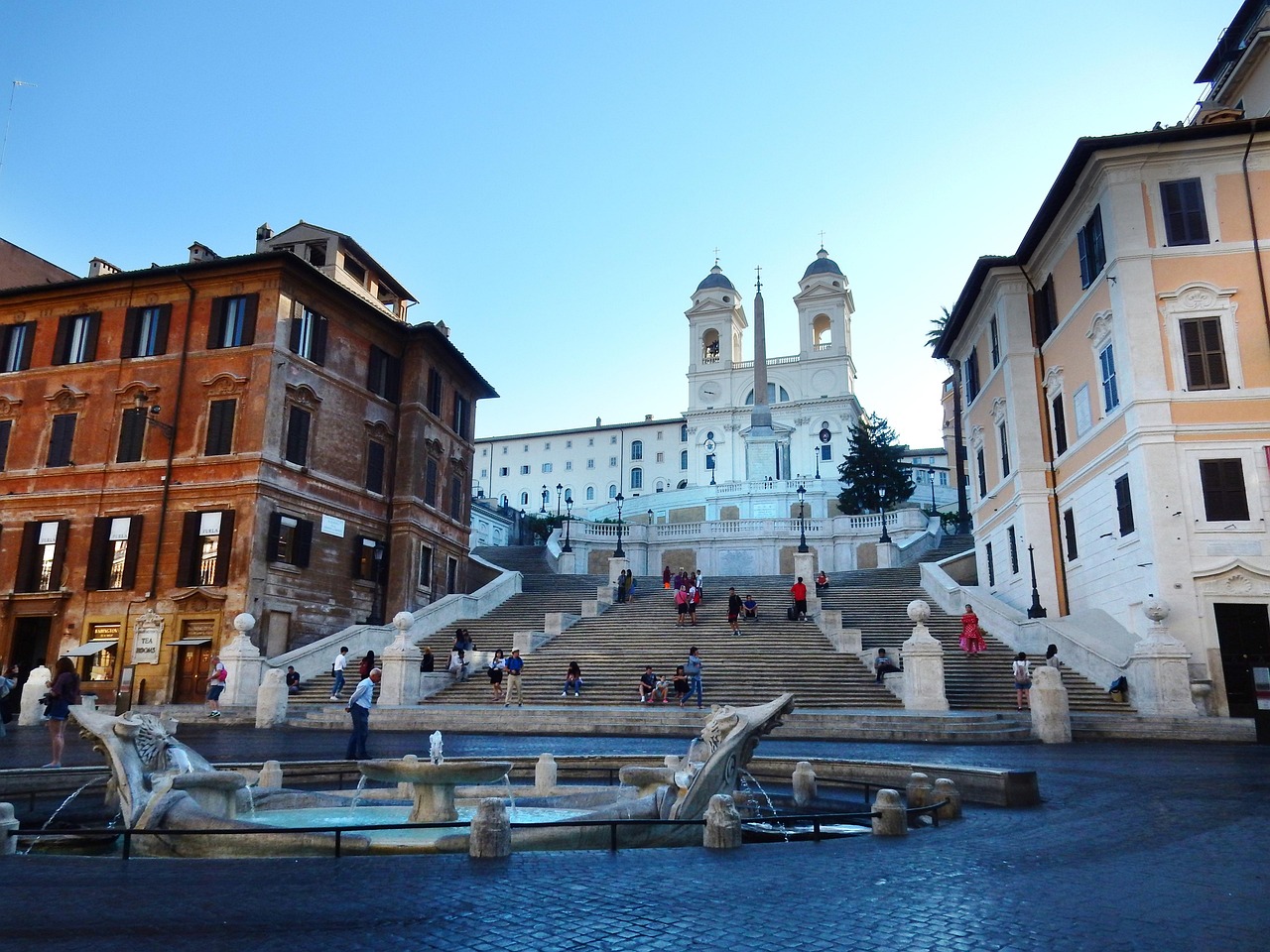
Curated shopping near Via Condotti and Via Veneto, with time to breathe
Via Condotti appointments: private styling, tax-free shopping, and boutiques
Design your shopping as you would a gallery visit: fewer stops, more meaning. Along Via Condotti, pre-arranged appointments let you explore collections with breathing room, while your stylist or hotel concierge handles timing, requests, and discreet communication.
A fashion enthusiast once reflected on the thrill of a private styling session in Rome’s luxury district: they discovered bespoke designs, built a personal wardrobe story, and left with “forever pieces” that still feel like Rome when they wear them. That’s the real souvenir—confidence you can pack.
Via Veneto final touches: security tips and a coffee in a piazza
Continue towards Via Veneto for a different expression of elegance—cinematic, spacious, and perfect for an espresso pause in a nearby piazza where you can people-watch. For a graceful finish, add a stroll up to Piazza del Popolo for wide-open space and a classic Rome perspective.
Ask for tax-free shopping paperwork in-store, and let your concierge support you with courier options if you’re buying significant pieces. For peace of mind, use secure transfers, request discreet packaging, and store purchases at your hotel rather than carrying bags through crowded streets.
After Rome: what stays with you in the Eternal City (and why you return to Rome)
This reflection isn’t really about what you managed to fit in—it’s about what the city leaves with you when the plans fall quiet. In the city Rome has layered for millennia, dusk turns stone warm and footsteps soft, as if the streets are gently asking you to remember them.
What lingers is often the smallest detail: the hush inside a basilica, a gallery room where you had a painting to yourself for a breath, the way a waiter in Trastevere noticed your pace and adjusted theirs. You remember the trust you placed in an expert guide, and how that support let you be fully present—together, without bracing for the next queue or decision.
Long after you’ve left, a sunrise can become a private compass. A piazza can stand in for a certain kind of ease. One opera note can bring back an entire evening—the scent of night air, the glimmer of lights, the quiet certainty that you were exactly where you needed to be. That’s the beauty of Rome: it doesn’t just show itself, it meets you.
And perhaps, one day, you’ll find yourself imagining a different season here—new light on familiar stone, a few more streets to explore, and a gentle curiosity that doesn’t ask you to hurry.
F.A.Qs: Rome planning for high-end travellers (quick answers)
What shouldn’t you miss in Rome?
If you visit Rome, don’t miss the Colosseum at a quiet hour, the Pantheon for its serene scale, and the Vatican for the Vatican Museum and Sistine Chapel. Add a slow evening in Trastevere, plus one rooftop moment to take in Rome without rushing.
Is $10,000 enough for a trip to Italy?
Yes, $10,000 can be enough for a trip to Italy, depending on season, number of nights, and your preferred level of luxury. In Rome, prioritise a well-located hotel, pre-booked tickets, and a few high-impact private experiences, then balance them with simple pleasures like neighbourhood walks, piazza pauses, and long lunches.
What are the top 5 attractions in Rome?
Most travellers focus on the Colosseum, the Colosseum and Roman Forum area (including Palatine Hill), the Pantheon, the Trevi Fountain, and the Vatican experience (including the Vatican Museum and a basilica visit). With smart timing, these classic attractions can feel inspiring rather than overwhelming.
What are the top 3 things to do in Rome?
For a high-end, crowd-aware visit, the top three are a private Colosseum tour at sunrise, a skip-the-line Vatican morning timed for early or after-hours entry, and an evening in Trastevere centred on crafted italian food. Together, they blend history, art, and atmosphere with comfort and confidence.