Post Contents
- First Impressions in Catania, Sicily – City Center Flow and the Best Things to See
- Piazza del Duomo in Catania, Sicily – Cathedral of Saint Agatha and Baroque beauty
- La Pescheria in Catania – fish market energy and Sicilian flavours near Via Etnea
- Mount Etna from Catania, Sicily – guided tour, sunset light, and volcanic landscapes
- Where to stay in Catania: Hotels in Catania, places to stay, and easy day trips around Catania
- Leaving Catania: what stays with you after you visit Catania
- F.A.Qs: things to do in Catania Italy
First Impressions in Catania, Sicily – City Center Flow and the Best Things to See
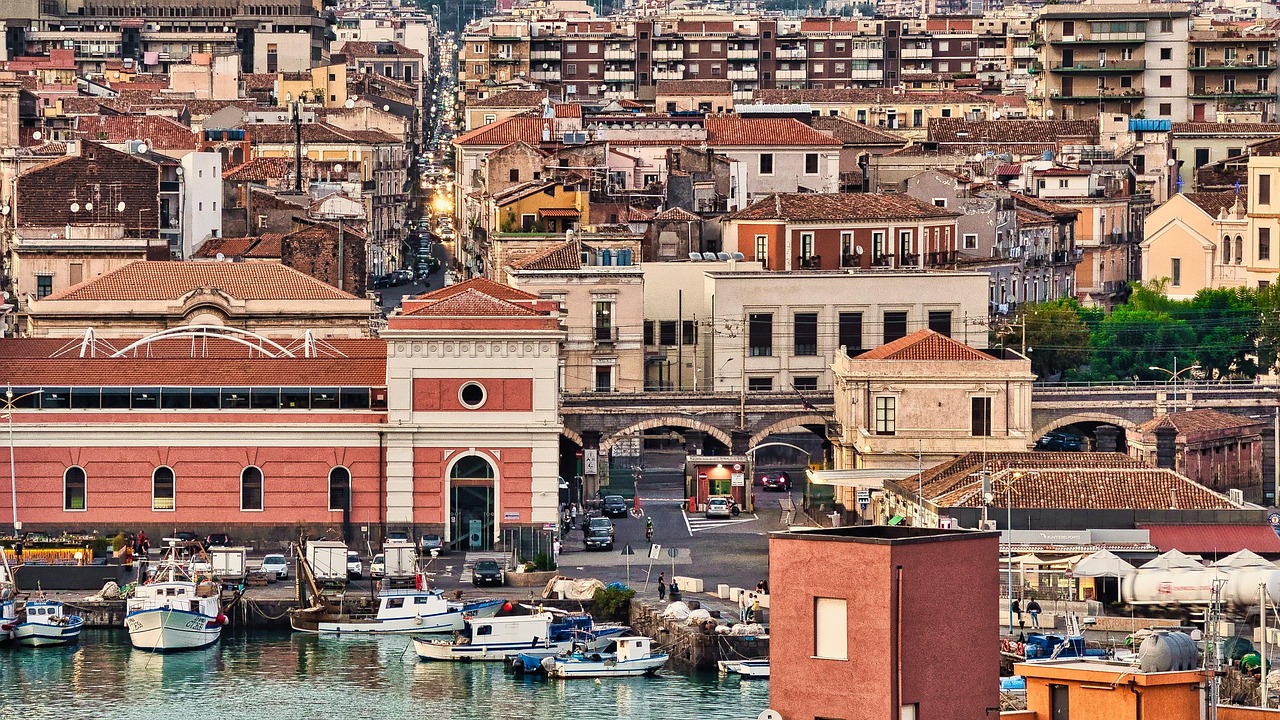
First impressions in Catania, Sicily: an easy city center flow for exploring on foot
I arrived in Catania with that familiar, delicious mix of curiosity and travel-day fatigue—and within minutes, Sicily made sense again. Catania is a city that meets you honestly: lively, a little dramatic, and wonderfully human. As Sicily’s second biggest city (and the island’s second-largest city), it balances grit and elegance, with Baroque façades set against black lava stone and the steady presence of Mount Etna.
This guide to Catania is written to help you feel oriented quickly, so you can explore with trust rather than second-guessing. In the Catania center, the city center is compact, walkable, and full of small rewards: a perfect espresso, a quiet cloister, a street opening onto a grand square. Consider it a guide to the best things that helps you move gracefully, whether you’re here for a weekend, a longer trip to Sicily, or a Sicily road trip that starts in this city in eastern Sicily—one of those memorable cities in Italy where daily life feels wonderfully present.
Exploring Catania from the center of Catania: Piazza del Duomo to Via Etnea walk
If your aim is to see in Catania the essential highlights without rushing, start where the heart of Catania beats: Piazza del Duomo. From there, follow Via Etnea, the city’s main artery, which cuts through the city like a runway of lava stone and light. This simple loop is one of the best things you can do early on: it gives you the city’s rhythm, so later detours feel intentional rather than accidental.
A walkable, high-comfort flow looks like this. Begin at the Duomo area for the cathedral and the Elephant Fountain, then drift a few minutes towards the fish market lanes (you’ll hear them before you see them). Return to Via Etnea for an elegant stroll past boutiques and cafés, pausing at viewpoints where the street frames Etna like a stage set. If you have the appetite for depth, weave in the Roman layers at Teatro Romano di Catania (a quietly atmospheric pocket of history tucked behind the bustle), then allow yourself one unhurried moment on a terrace—simply to watch the city center change tone as the day warms.
How to get to Catania with comfort and confidence
When travellers ask how to get to Catania smoothly, the answer is refreshingly simple. Most fly into Catania airport (Fontanarossa), which is close enough to make arrival feel easy, especially with luggage and a late landing. Taxis are available, but for high-end travel—especially if you’re staying in a heritage palazzo or want a calm welcome—I recommend a pre-booked private transfer so your driver is waiting, your route is direct, and your first impression stays reassuring.
Catania Centrale is your anchor for rail travel across the rest of Sicily, including routes that support a wider Sicily road trip without needing to drive every day. If you prefer to design the journey with fewer decisions on the ground, your hotel concierge can coordinate station drop-offs and timing; it’s one of those small services that makes a trip to Sicily feel crafted rather than improvised.
For culture between the landmarks, consider a brief pause at the University of Catania—an elegant reminder that this historic city is also a place of ideas, not just postcards. And because Catania is also deeply musical, listen for the name Bellini: the composer is woven into local pride, theatre life, and the city’s sense of itself.
A slow moment suggestion: choose one shaded bench or courtyard and stay for ten minutes longer than you think you should. In Sicily, that is often where the insight arrives—softly, without announcement.
To help you design your day, here’s a mini “designer” framework that keeps things pleasurable and realistic inside the city limits:
- Half-day in Catania: start at the Duomo area, enjoy a short Via Etnea stroll, add a café stop, and take a quick look into the cathedral. Many public spaces are free; budget for a museum or chapel donation and a relaxed lunch.
- A day in Catania: add La Pescheria, Teatro Romano, and a Bellini-themed aperitivo. Allow extra for guided tour options and tastings.
- 2–3 nights: stay in Catania as a base for Mount Etna and the coast, with one day kept intentionally unplanned for galleries, shopping, and lingering dinners around the city.
Think that Catania is only a transit stop, and you’ll skim the surface. Give it a little time in Catania, and it becomes a city in Sicily that rewards you with texture, stories, and a confidence that grows by the hour—especially once you’ve identified a few key things to do in Catania Italy that match your pace.




Piazza del Duomo in Catania, Sicily – Cathedral of Saint Agatha and Baroque beauty
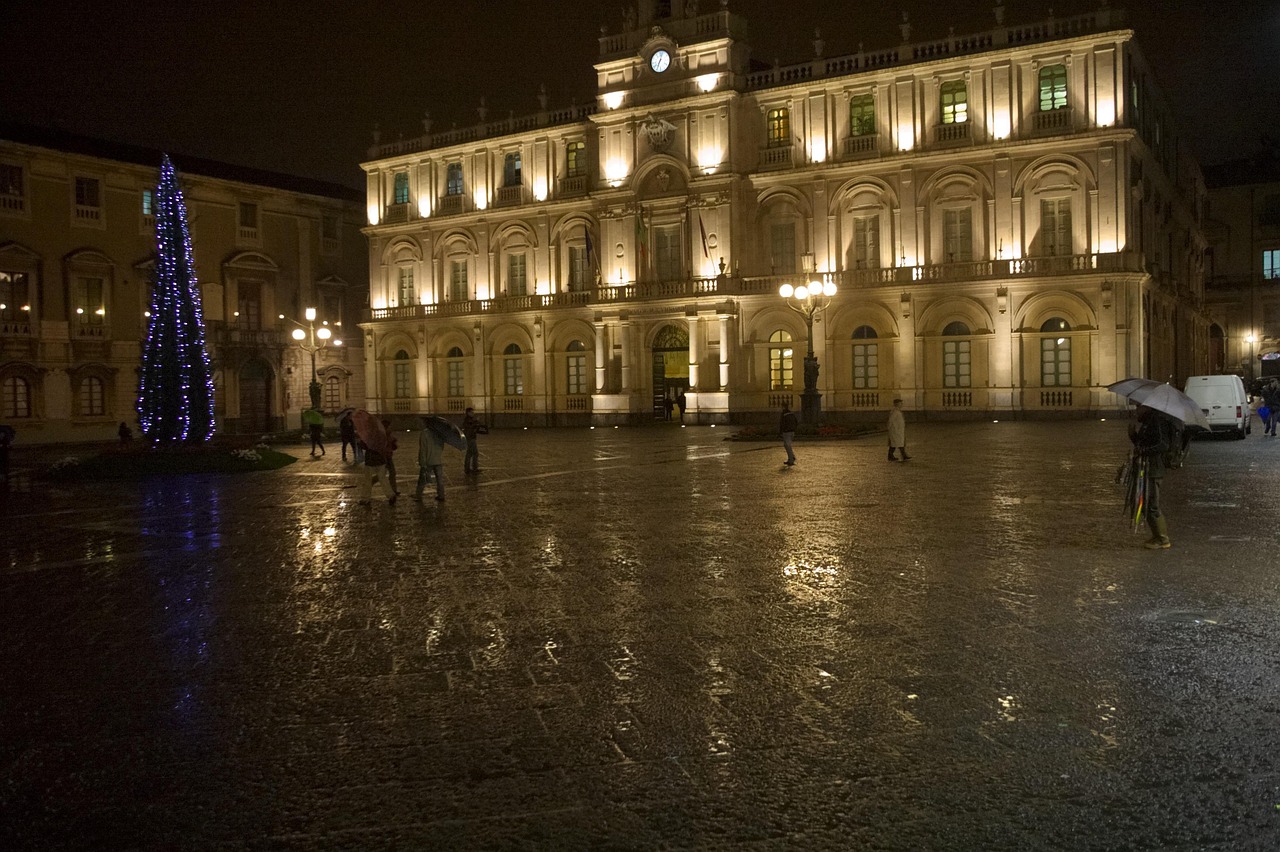
Piazza del Duomo: the cathedral, the Elephant Fountain, and Catania’s lava-stone Baroque atmosphere
If you’re collecting the most meaningful things to do in Catania Italy, begin in Piazza del Duomo, then let the square introduce you to the city at its own pace. In early morning, it feels almost private—clean lines, cool stone, and the gentle choreography of locals crossing to work. By late morning, Sicily turns the volume up: café tables fill, conversations overlap, and the light becomes theatrical.
Golden afternoon is my favourite for high-end travellers because it flatters the Baroque detail without the harshness of midday sun. It’s also a comfortable time to visit Catania with a guide: you can uncover the stories behind the façades, then step into the cathedral when you’re ready, not when the crowd dictates.
Catania Cathedral (Saint Agatha): etiquette, history, and what to notice
The Cathedral of Saint Agatha isn’t just another church on a list—it’s a living centre of devotion and civic memory. Locals still call it the Cathedral di Catania, and the building you see today carries the mark of rebuilding after earthquake and eruption cycles; that resilience is part of what makes the experience feel so human. As you enter, you’ll notice how Sicily’s artistry leans into drama: deep tones, carved stone, and a sense of history held close.
For dress codes, a gentle rule keeps it simple: shoulders covered, and hemlines that feel modest. Even in warm weather, a light shawl or linen layer is a graceful solution and supports comfort in cooler interiors. If you’re travelling as a couple or family, it’s an easy way to move with care and avoid being turned away at a doorway you’ve anticipated.
The Elephant Fountain, symbol of Catania, and how to photograph it well
In the centre of the square sits the Elephant Fountain—Catania’s beloved landmark and the symbol of Catania. It’s charming, slightly mysterious, and surprisingly photogenic if you give yourself permission to slow down. For an elegant photograph, stand a little back so the surrounding architecture frames the fountain; early morning and late afternoon create softer shadows on the lava-stone elephant.
A simple technique: wait until the square clears for a moment, then take two shots—one wide to capture the context, and one closer to highlight the textures. This is a small act of design that keeps your memory intact, rather than rushed.
To add depth, it helps to remember that Catania is shaped by forces that can’t be fully controlled. An eruption has repeatedly altered the city’s edges; an earthquake has reshaped its skyline. And yet, what you see now is not a ruin—it’s a confident reimagining, part of eastern Sicily’s late-Baroque story linked to the UNESCO World Heritage site of the Val di Noto and its wider UNESCO World Heritage legacy in Sicily.
One traveller—an art lover with a sharp eye—told me they felt transported inside the cathedral, as if time folded in on itself. They spoke about the way carved details pulled them closer, not to impress but to invite. That’s the point of lingering here: the best things are not always the biggest; they’re the moments that open a door in you.
La Pescheria in Catania – fish market energy and Sicilian flavours near Via Etnea
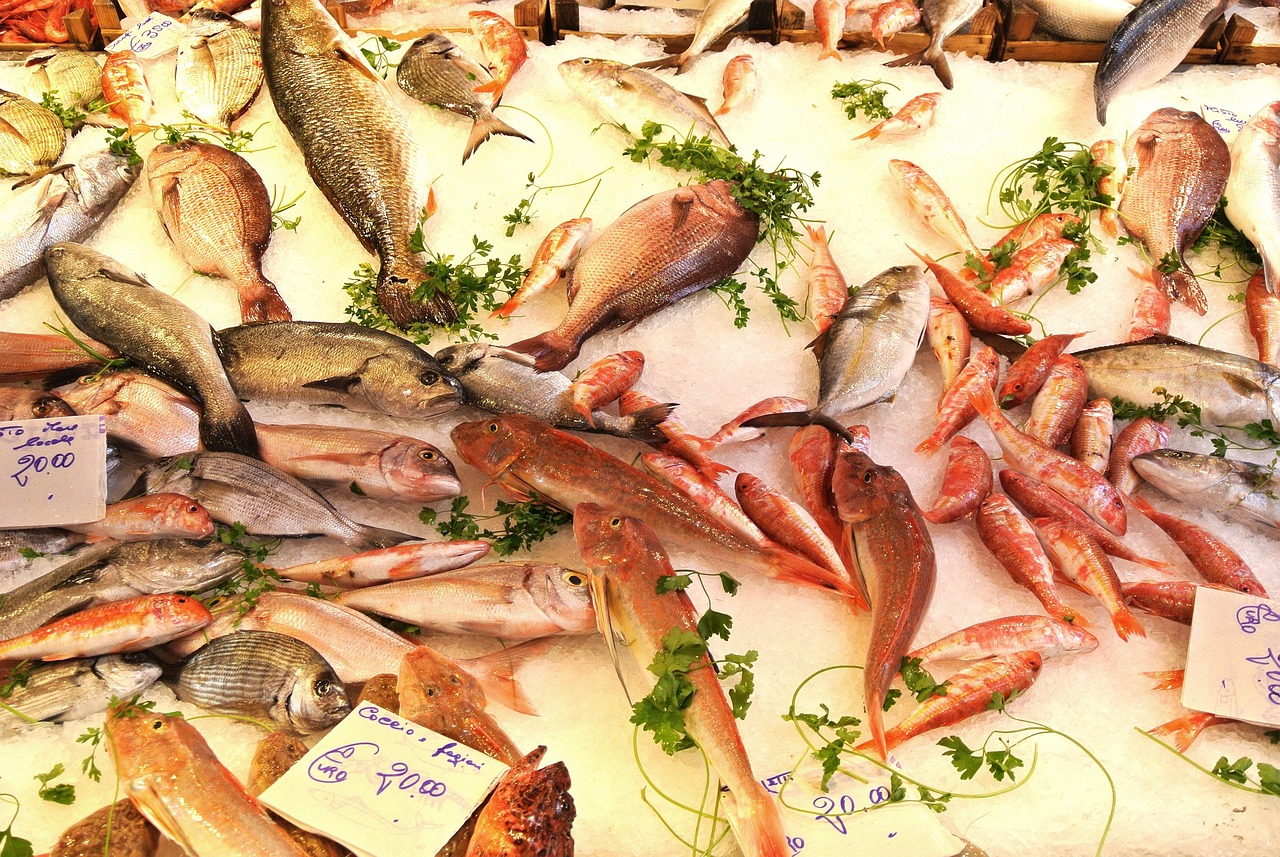
La Pescheria: a lively market experience near Via Etnea for bold Sicilian flavours
For travellers seeking places to eat in Catania that begin with real life rather than a menu, La Pescheria—the Catania fish market—is pure Sicily: audible, colourful, and thrillingly direct. This is the fish market where you’ll hear sellers calling out prices, see silver-skinned fish laid out like jewels, and smell the sea in a way that feels immediate. If you’re sensitive to crowds, go early; it’s calmer, cooler, and easier to enjoy with confidence.
To visit in Catania respectfully, keep your camera low-key, avoid blocking working space, and ask before photographing faces. A polite “buongiorno” goes a long way, as does a small smile when someone offers a taste or a suggestion. In Sicily, warmth is a currency—and it’s often returned with generosity.
How a private guide elevates the fish market without sterilising it
High-end doesn’t need to mean distant. With a private guide, the market becomes more seamless: they time your arrival to avoid the tightest crush, translate with ease, and introduce you to the stallholders in a way that feels personal rather than performative. The best guides also help you understand what you’re seeing—seasonality, traditional cuts, and why certain fish are prized on certain days in Sicily.
This kind of expert support is especially valuable if you want to pair the experience with a cooking class or a chef-led tasting. Instead of wandering and hoping, you’re gently steered towards the right moments—authentic, Sicilian, and still comfortable.
A crafted market-to-kitchen story you can recreate
One traveller told me about a fishmonger who noticed their curiosity and invited them closer—not for a show, but to help select the freshest catch for a private cooking class. Together they chose glistening prawns and firm white fish, discussing how it would be prepared with citrus and herbs. The traveller said it felt like being welcomed behind the curtain of Sicily, with trust built in minutes.
That’s the magic of Catania when it’s designed well: an experience can be crafted without losing its soul. A good guide doesn’t replace spontaneity; they create the conditions where it can happen safely and naturally.
After the market, drift back towards Via Etnea for an entirely different side of flavour—more polished, but still Sicilian in spirit. This is where you can lean into refined simplicity: a crisp white wine, a beautiful small plate, and a pace that lets you actually taste what you’ve travelled for.
What to eat and sip, with a few high-end cues:
- Seafood-led dishes: look for restaurants that name the day’s catch and offer seasonal menus rather than sprawling lists.
- Pistachio and gelato: try pistachio once, properly, from a place that makes it taste like toasted nuts rather than sugar; finish with gelato as an afternoon reset.
- A Bellini moment: not just the cocktail—think of Bellini’s operatic legacy in the city, then choose an aperitivo near the theatre district where the mood feels quietly celebratory.
Budgeting is straightforward: the market itself is free to enter, but tastings, guided tour fees, and chef-led classes add up—worth it for the insight and ease. If you want a simple luxury framework for where to eat well, prioritise three qualities: seasonal menus, seafood confidence, and a wine list that highlights Etna producers. In Sicily, those signals usually lead you well.
Mount Etna from Catania, Sicily – guided tour, sunset light, and volcanic landscapes

Mount Etna: private guided tour ideas from Catania, with sunset views and Etna wine
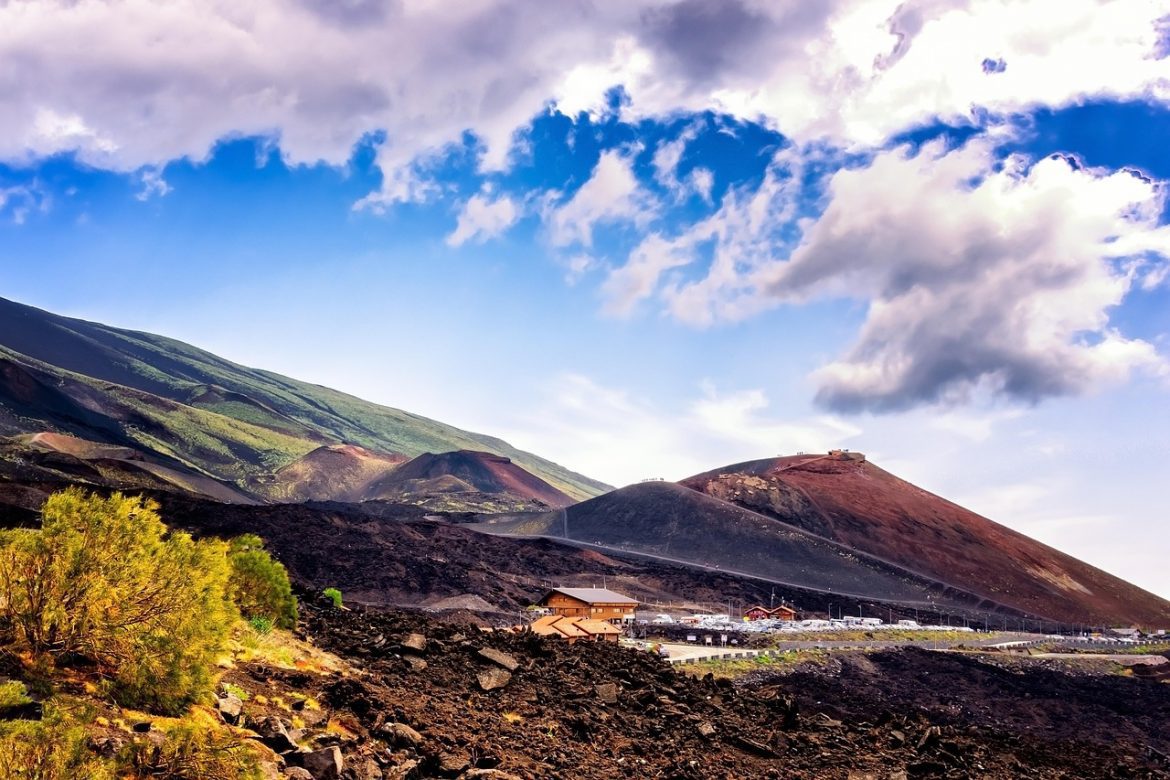
A Mount Etna guided tour—especially a private sunset tour from Catania in Sicily—belongs on any thoughtful list of things to do in Catania Italy, because it connects the city to the landscape that shaped it. Mount Etna is Europe’s highest active volcano, and that reality isn’t a headline here—it’s a living presence you can feel in the soil, the stone, and the stories locals tell without drama. For high-end travellers, the aim is to experience Etna with awe and comfort, supported by expert decision-making.
Yes, you can hire a car and drive up, but the safest, most insightful path is a guided tour. Conditions change; access points shift; and the difference between a good day and a complicated one is often local knowledge. A great guide also helps you notice the quieter beauty: the way lava flows set like velvet, and how small plants insist on returning after each eruption.
A seamless private sunset tour with luxury transport and Etna wine tastings
The signature experience I most love to design is a private sunset tour with a driver and guide, beginning with luxury transport from your hotel so the day feels seamless from the first minute. You’ll travel through villages that edge the volcano’s slopes, then rise into a landscape that looks almost lunar—dark rock, wide skies, and sudden views across eastern Sicily to the sea.
Timing matters. You want enough daylight to walk comfortably and enough golden light to make the lava-stone glow. A well-paced itinerary might include a gentle crater walk (or a safe panoramic viewpoint if winds are high), followed by gourmet tastings of Etna wines—often crisp whites and mineral reds that taste of altitude and ash. Done well, it feels crafted but never rigid: space for photographs, pauses for breath, and a warm layer handed over before you even realise you need it.
Sunrise on Mount Etna and a picnic on volcanic rock
Another couple shared a memory that still makes me smile: a sunrise hike on Mount Etna that ended with a picnic of Sicilian delicacies perched on volcanic rock. They described the light arriving slowly, turning the ground from black to bronze, with the coast of Sicily far below like a painted line. The picnic was simple but perfect—bread, cheeses, fruit, and something sweet—made extraordinary by the setting and the quiet.
If you imagine doing the same, plan it with care. Sunrise is colder, darker at the start, and more dependent on conditions; a private guide and the right gear make it feel adventurous rather than risky. The point isn’t to prove anything—it’s to be present, together, in a place that changes your sense of scale.
Safety and comfort notes (calmly, so you can relax):
- Dress in layers: even in warm seasons, wind can feel sharp at altitude.
- Wear sturdy footwear: volcanic gravel shifts underfoot; trainers can be fine on easy paths, but hiking shoes add confidence.
- Respect volcanic updates: an eruption or increased activity may close sections temporarily; your guide will adapt routes to keep you safe.
If plans change because of wind, visibility, or volcanic activity, a good operator will support you with alternatives rather than apologies. That might mean shifting to a lower trail, extending time at a boutique winery, or choosing a viewpoint that still delivers the drama—without pushing into uncertainty. Luxury, in Sicily, is often the quiet competence of having options.
Optional enhancements exist if you want to elevate the experience further: helicopter-style scenic flights can be available in the region depending on regulations and conditions, and some itineraries pair Etna with a private cellar visit for older vintages. However you shape it, Etna pairs beautifully with city culture: the cathedral’s carved stone feels different once you’ve stood on the mountain that created it.
Where to stay in Catania: Hotels in Catania, places to stay, and easy day trips around Catania
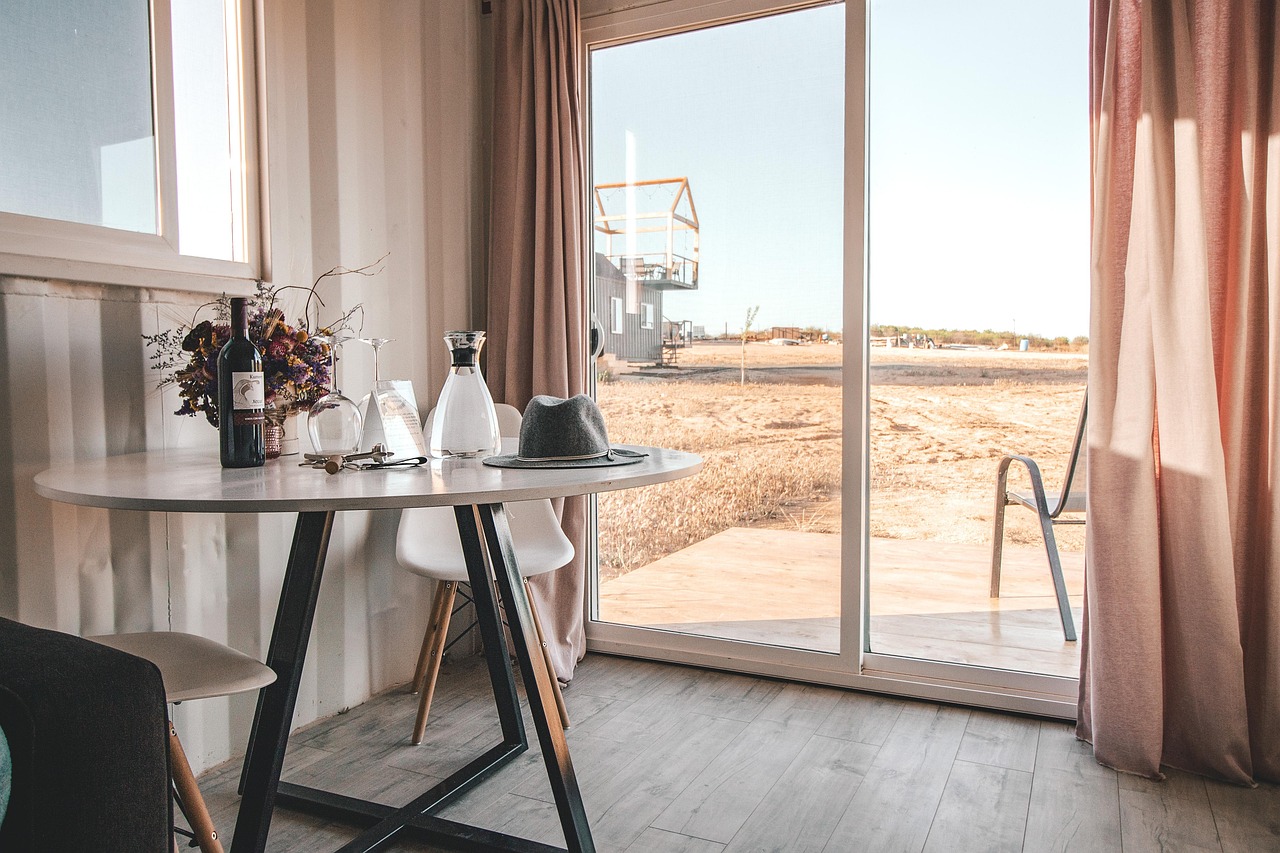
Where to stay in Catania: design-led hotels, calm mornings, and day trips beyond the city
For high-end travellers deciding where to stay in Catania, the key is matching neighbourhood feel to your personal rhythm—because “stay in Catania” can mean very different nights. The city center is convenient and atmospheric, but some streets are lively late into the evening; if you’re a light sleeper, choose a property with soundproofing or request an interior-facing room. This is one of those small decisions that protects your energy and lets you explore more joyfully the next morning.
If you want that classic Sicily sensation—balconies, high ceilings, and history—look for heritage palazzi converted into elegant hotels. If you prefer sleek calm, contemporary design hotels exist too, often with stronger spa facilities and modern sound insulation. Either way, the best places to stay are those that make the logistics feel seamless: quick check-in, a calm breakfast room, and a concierge who answers with confidence rather than guesswork.
Choosing a hotel: the service cues that matter most
In reality, accommodation spans everything from intimate boutique stays to larger business-leaning properties. For a luxury lens, ask about three service cues before you book: whether they can arrange private transfers, whether concierge can secure restaurants and guides, and whether dining is genuinely good (not just available). Those details turn a base into a pleasure, particularly in Sicily where timing and reservations can shape a whole evening.
It’s also worth asking how they handle early departures for Mount Etna or day trips—breakfast to-go, coffee before dawn, and a smooth billing process. That’s the human scale of luxury: care, not flash.
Getting around the city center and beyond: Catania Centrale and easy connections
Exploring Catania is easiest on foot within the city center, especially between the Duomo area and Via Etnea. For evenings—when you want to arrive composed, not windblown—use a driver arranged through your hotel. It’s a small upgrade that changes how a night feels in this part of Sicily.
For wider routing, Catania Centrale station connects you to the rest of Sicily, and a train from Catania Centrale can be a relaxed way to see the landscape without the mental load of driving. If you’re building a Sicily road trip with a mix of towns and coastline, consider rail for a segment and private car for another, designed around the experiences you most care about.
Now, for the pleasure of leaving the city for a few hours. A curated day trip can bring you back with fresh eyes, and the Catania area is perfectly placed for it—especially if you want variety beyond the city without packing and unpacking.
Two day-trip styles, depending on your mood:
- One day trip from Catania (easy, coastal, romantic): head to Aci Trezza and Aci Castello, north of Catania and north of the city, to see the dramatic sea stacks and the castello perched above the water. It’s simple, photogenic, and pairs beautifully with a seafood lunch on the east coast of Sicily.
- One trip from Catania with a private driver (more bespoke): choose based on your interests—wine on Etna’s lower slopes, Baroque towns in eastern Sicily, or a calm coastal afternoon with reserved loungers around Catania.
If your curiosity leans towards history, ask your guide about the Benedictine Monastery of San Nicolò l’Arena, often described as the Benedictine monastery in Europe that feels most astonishing to tour with context. It’s an extraordinary monastery to wander with an expert, and it adds an intellectual layer to the fun things you do in the city. Pair it with Teatro Romano for a satisfying “layers of time” day.
Beyond the city, the coast of Sicily offers beach moments that suit different styles. Some travellers love a lido: comfortable sunbeds, good service, and lunch that arrives without fuss. Others prefer quieter coves that feel more private, especially in shoulder season. If you’re searching for the best beaches in Sicily, let your hotel match you to your pace—because the best choice is the one you’ll actually enjoy, not the one everyone else posts.
And if you’re planning longer stays, explore the Trip gallery to imagine how Catania can fit into a wider Italian journey—balanced, beautiful, and distinctly Sicilian, as part of Sicily rather than separate from it.
Leaving Catania: what stays with you after you visit Catania
After visiting Catania, what lingers isn’t a checklist of things to see. It’s the feel of lava-stone worn smooth under your shoes, and the way light moves across façades like a slow curtain rising. Sicily has a particular softness at the edges of the day, and in the city of Catania it lands on the city center in a way that makes even a simple walk feel quietly cinematic.
You might remember the voices first: the bright calls at the fish market, the gentle “buongiorno” from a shopkeeper, the subtle pride when someone mentions Bellini as if speaking of a family member. Or perhaps it’s the texture of a moment inside the cathedral, where time seems to deepen rather than pass, and you feel—just briefly—outside of schedules and screens.
There’s meaning in the way this city holds its history. The cycles of earthquake and eruption are not told as tragedy alone; they’re woven into a local identity that values rebuilding, humour, and everyday beauty. In that sense, Mount Etna is not just a dramatic backdrop. It becomes a mirror: a reminder that the ground beneath us is alive, and that resilience can be elegant—an essence of Catania you notice most when you slow down.
Luxury here is not loud. It’s the calm confidence of travelling with care—choosing a guide who supports you, a table reserved in the right light, a pace that leaves room for the unplanned. If you visit Catania with intention, even a short stay can feel layered, and you’ll leave with a short list of things to do in Catania Italy that genuinely suited you.
And when you leave, you may find that Catania stays with you as a mood more than a memory: salt on the air, warm stone, and a sense of being welcomed into real life rather than a performance. Sicily has a way of doing that—inviting you back not to repeat what you did, but to uncover what you didn’t yet notice.
F.A.Qs: things to do in Catania Italy
FAQ planning notes: things to do in Catania Italy, when to go, and how to plan
Is Catania Sicily worth visiting?
Yes—Catania is worth visiting if you want Sicily with edge, beauty, and real daily life. The best time to visit Catania is often spring or early autumn for softer light and fewer crowds, but the city works year-round with the right pacing. You get Baroque architecture, the Cathedral of Saint Agatha, the energy of La Pescheria, and easy access to Mount Etna with an expert guided tour. It’s also a strong base for coastal days and cultural discoveries, especially if you design the trip with the right hotel and timing.
What not to miss in Catania?
Don’t miss Piazza del Duomo for the Elephant Fountain and the cathedral, an early visit to La Pescheria for the market atmosphere, and time on Via Etnea for a graceful walk through the city center. If you can, add Mount Etna at sunrise or sunset with a guide—this is where the landscape connects everything you’ve seen in the city. For a little extra culture, a guided tour of the Benedictine Monastery adds depth without feeling heavy.
What is Catania best known for?
Catania is best known for its lava-stone Baroque character shaped by earthquake rebuilding, its devotion to Saint Agatha, and its relationship with Mount Etna, the active volcano nearby. It’s also known for the fish market at La Pescheria, a powerful snapshot of Sicilian food culture, and for Bellini, the Catania native composer celebrated in the city’s theatre life.
What to do in Catania in a day?
For one day, start at the Duomo area and step into the cathedral, then explore La Pescheria early for the market energy. Walk up Via Etnea for shopping and cafés, and add a cultural stop such as Teatro Romano di Catania or the Benedictine Monastery. End with a seafood-led dinner and a refined aperitivo, keeping the pace relaxed so the island of Sicily feels immersive rather than rushed.