Post Contents
- Design a Perfect Day in Milan: One Day in Milan Itinerary for High-End Travellers
- Duomo Rooftop Experience: Milan Cathedral Tickets & Piazza del Duomo Views
- Galleria Vittorio Emanuele II: Luxury Shopping Arcade, Mosaic & Teatro alla Scala
- Brera District Milan: Things to See + Pinacoteca di Brera Highlights
- Things to Do in Milan in One Day: Castello Sforzesco, Sempione, Porta Nuova & Navigli
- After Your Day in the City: What Stays With You
- F.A.Qs: Milan Italy what to see
Design a Perfect Day in Milan: One Day in Milan Itinerary for High-End Travellers
Design a perfect day in Milan with elegant architecture, curated pacing, and a refined city rhythm
If you’re planning milan italy what to see in a single, high-comfort outing, the secret is pacing: choose fewer important places, move with confidence, and leave space to notice how the city of Milan actually feels. This Milan itinerary is built around smooth transitions, a well-timed cafe pause, and just enough structure to keep everything effortless—without turning your day into a checklist.
Below are two ways to shape one day in Milan. The first is a classic highlights route if you have limited time in Milan (or you’re using this as a first stop between Italian cities). The second is a slower, more indulgent plan for a perfect day—designed for travellers who want the best things with breathing room, and the most memorable places to visit in Milan without rushing.
Two pacing options for a day in Milan: highlights vs an indulgent loop
Option A: One day in Milan highlights. Ideal if you have half a day through early evening, or you’re treating Milan as a stylish stop between cities in Italy. You’ll focus on the Duomo, the Galleria, and one cultural anchor (La Scala or Brera), then finish in Navigli.
Option B: A more indulgent perfect day. This is where Milano becomes quietly transformative: a calm morning at the cathedral, art with context in Brera, a polished modern loop in Porta Nuova, and a golden-hour aperitivo along the canals. It’s also the easiest way to explore Milan with a sense of flow instead of friction.
If you’d like visual inspiration for how Designer Journeys brings a trip to Italy together, browse our Trip gallery and imagine how we can connect Milan to the rest of the country with the same calm, curated ease.
Best time to visit Milan: seasons, crowds, and the feel of central Milan
The best time to visit Milan is typically April to June or September to October, when the weather is pleasant and crowds are gentler. In these months, central Milan feels more breathable: terraces open, the light is softer on stone façades, and a self-paced walking tour becomes genuinely enjoyable rather than a battle with queues.
In high summer, the city can be hot and more hectic around the Piazza del Duomo; in winter, it turns atmospheric, with a sharper edge outdoors and a more intimate rhythm inside museums and theatres. Either way, the season simply changes the mood—your plan can still deliver the top sights with ease.
How to get to Milan smoothly + where to stay in Milan (Brera, Duomo, Porta Nuova)
To get to Milan with minimal friction, many luxury travellers arrive via Malpensa Airport. The Malpensa Express train is efficient and taxis are straightforward, but a pre-arranged private transfer is the most seamless option—especially after a long flight, when reliability matters.
Milan Central Station is also well-connected, which is why the Milan city often works beautifully as a first stop on a broader route—and for many travellers, a true first stop in Italy before moving on to other regions. If you’re deciding where to stay in Milan for a refined base, choose the district of Milan that matches your style:
- Brera: artful, boutique-led, ideal for evenings that feel local and unhurried.
- Piazza del Duomo: iconic, immediate access to places to visit, best if you want the heart of the city on your doorstep.
- Porta Nuova: modern, polished, chauffeur-friendly—excellent for contemporary design lovers.
One planning note that changes everything: book tickets in advance for the Duomo rooftop and La Scala museum/performance options. If you prefer less uncertainty, book a guided tour for at least one major stop—expert context and priority timing can make the day feel effortless. A Milan city pass is only worth it if your schedule is genuinely museum-heavy and you’ll use it across multiple sites.
Now, let’s begin in the heart of Milan, where spires, stone, and sky set the tone for the entire day.




Duomo Rooftop Experience: Milan Cathedral Tickets & Piazza del Duomo Views
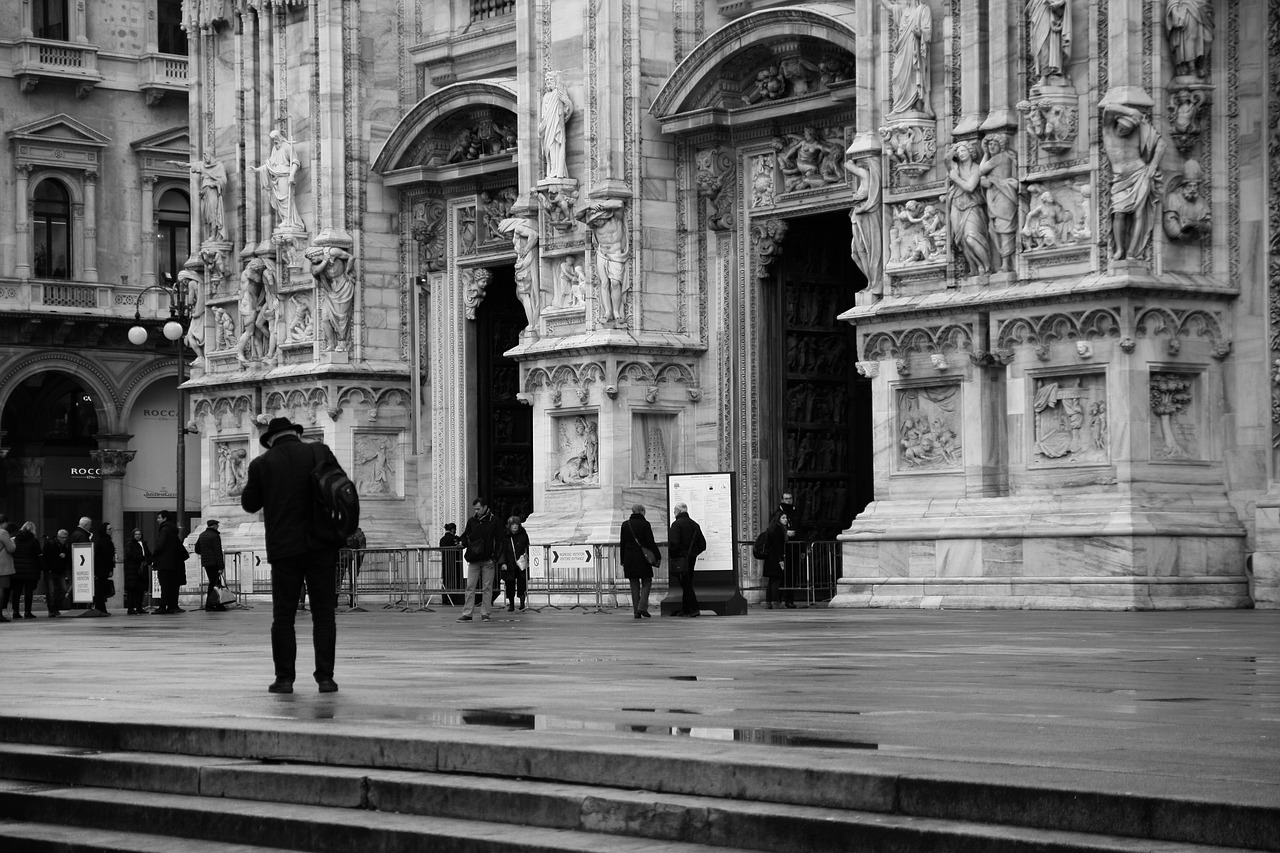
Duomo rooftop terraces and Piazza del Duomo views for a refined day in Milan
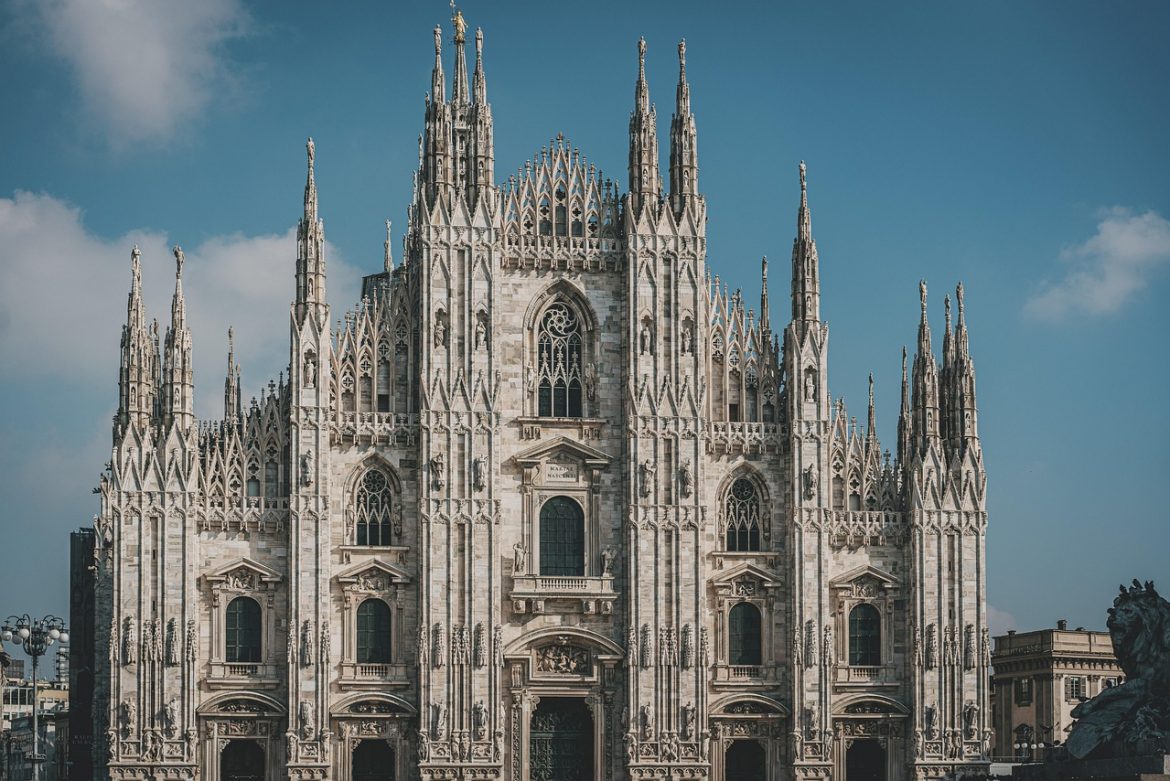
For many travellers, arranging Milan cathedral entry and rooftop access is the moment the city becomes real. Duomo di Milano is an astonishing Gothic cathedral, often described as the largest church in Italy; visiting early with timed entry lets you visit the cathedral with calm rather than crowds. If you’re building a tight day in Milan, these are the key tickets to see first.
Inside, the scale is reverent and theatrical at once. Even if you’ve seen grand churches elsewhere, the cathedral here has a particular intensity: sculpted shadows, crisp lines, and a sense that the city has always cared about how beauty is made.
Duomo rooftop terraces: lift vs stairs, timings, and top floor access
The rooftop is the essential “wow” of a Milan Duomo visit and one of the best things to do if you like views with meaning. Choose the lift if you want comfort and to protect your schedule; choose the stairs if you enjoy earning the panorama (but it’s a commitment in warm weather). “Top floor” access generally means the upper terraces among the spires, not just a lower viewing platform.
Practical details keep the experience seamless: security checks take time, so keep bags light; wear footwear with grip (stone can be slick after rain); and carry a light layer in shoulder seasons. If you can, book a mid-morning slot for clean light—then return later for atmosphere on a second pass through Piazza del Duomo.
Rooftop pause, then a cafe near Piazza del Duomo
One traveller told us their most unforgettable memory wasn’t a big gesture—it was a sunset rooftop aperitivo above the cathedral. As the skyline warmed and the city softened, the spires felt less like architecture and more like a chorus line of marble, each detail pulling your gaze outward. It reshaped their sense of Milano, not as a place to rush through, but as a city to absorb.
After your rooftop time, do a short photo loop around Piazza del Duomo to capture composed angles. Then reset in a nearby cafe: espresso standing at the bar if you want to feel local, or a slower seat if you’re protecting your energy for the next attraction.
From here, the transition is effortless: step from sacred grandeur into the city’s most iconic temple of style.
Galleria Vittorio Emanuele II: Luxury Shopping Arcade, Mosaic & Teatro alla Scala
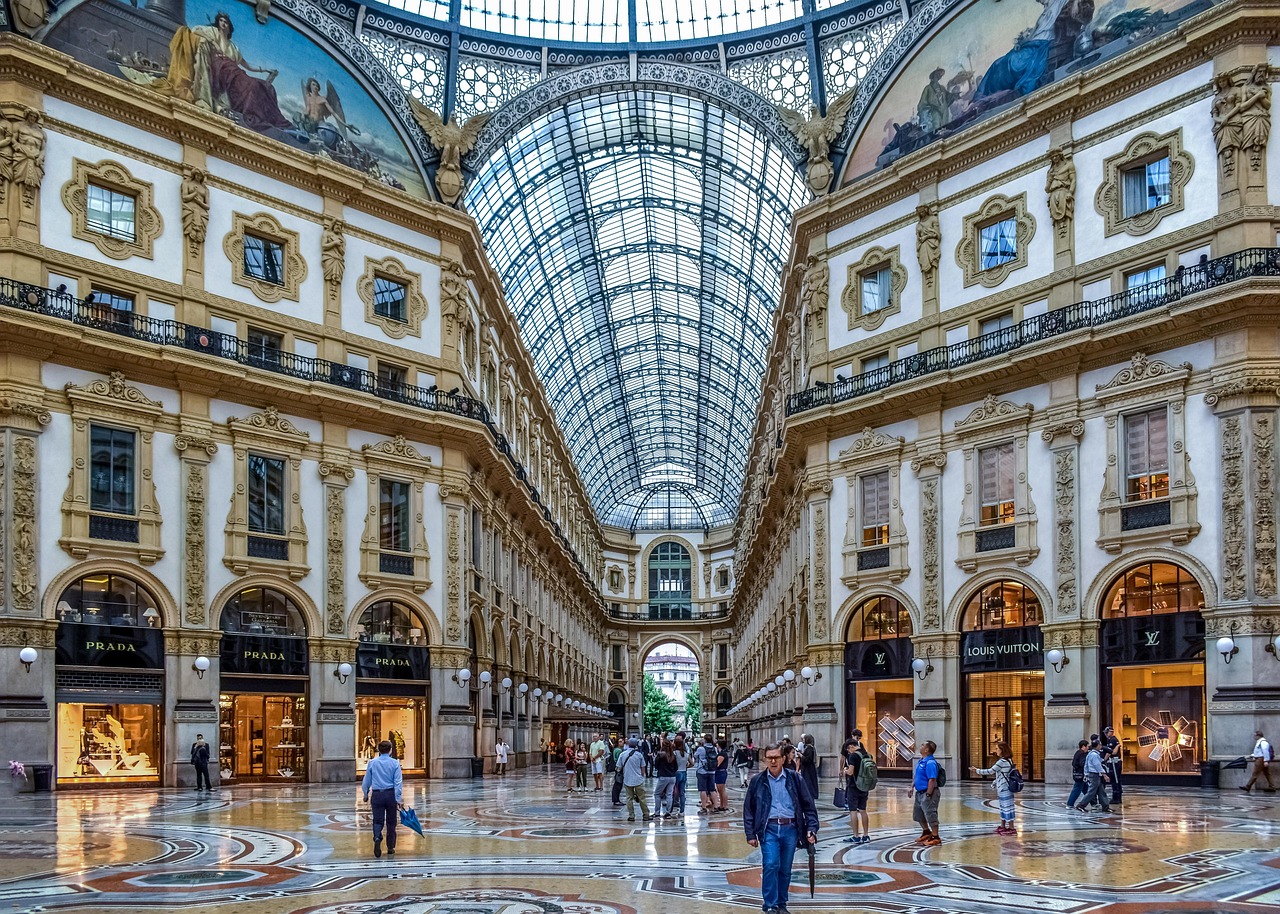
Galleria Vittorio Emanuele II shopping arcade and Teatro alla Scala culture in Milan
The classic pairing for a sophisticated afternoon is Galleria Vittorio Emanuele II and Teatro alla Scala. The Galleria is an attraction even if you buy nothing: a glass-vaulted statement of 19th-century ambition, and still the world’s oldest active shopping arcade—proof that Milan has always known how to stage desire with elegance.
To enjoy it beyond window shopping, slow down and look up. The proportions, the ironwork, and the rhythm of footsteps are part of the design experience—and a short, slow walking tour through the arcade is often more satisfying than rushing from boutique to boutique.
Galleria Vittorio Emanuele II ritual: the mosaic under the dome
In the centre of the arcade, there’s a small moment locals quietly enjoy: the famous mosaic beneath the dome. Participate lightly, smile, then move on—this is a charming detail to uncover, not a performance. If you’re photographing, step to the side and let the space breathe; your images will look more editorial than souvenir.
A luxury shopper once described the thrill of discovering limited-edition pieces in Galleria Vittorio Emanuele, made even better by personalised service from boutique staff who remembered preferences and offered tailored suggestions. The takeaway is simple: shop with intention. If something makes your heart lift—fabric, cut, colour—let it become a wardrobe memory tied to your trip to Milan, rather than an impulse that fades.
La Scala opera and Teatro alla Scala: museum visit or evening performance
Then, shift from couture to culture at La Scala. You can visit the museum for a gentle introduction, or design your evening around a performance for the full sensation of La Scala opera—velvet, tradition, and artistry with world-class precision.
One traveller shared how an exclusive backstage visit deepened their appreciation for the city’s cultural heritage. Seeing the craftsmanship behind the spectacle—the hidden corridors, the quiet discipline—made the evening feel intimate rather than intimidating. Dress elegantly, but don’t overthink it: a well-cut jacket or refined dress is enough, and the real etiquette is simply respect—arrive on time, silence your phone, and let the music carry you.
Ticket strategy matters: book ahead, choose seats for acoustics over proximity if you’re new to opera, and consider a guided tour earlier in the day to add insight before the curtain rises.
After the brilliance of marble and music, Brera offers a softer, more human scale—one of the loveliest places in Milan to slow down.
Brera District Milan: Things to See + Pinacoteca di Brera Highlights
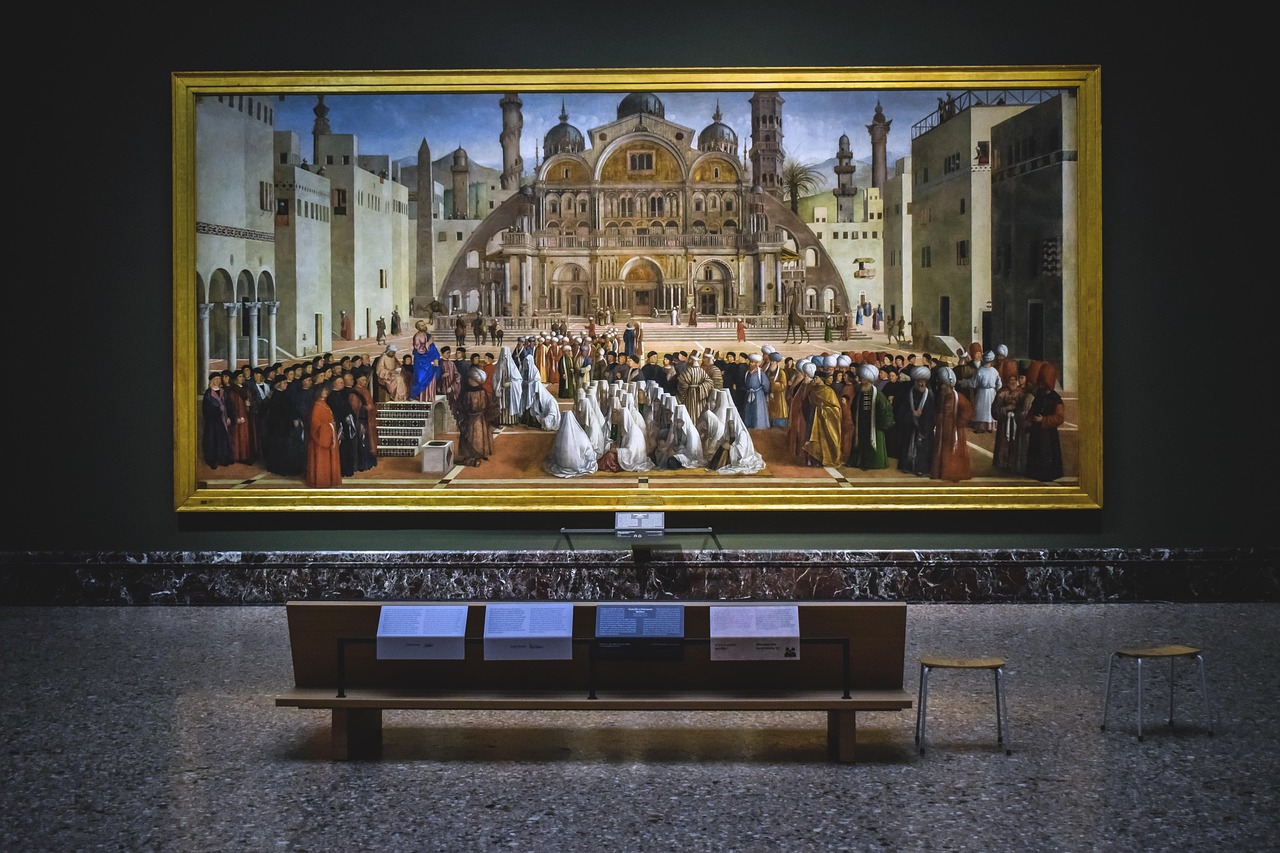
Brera district and Pinacoteca di Brera highlights for a slow-luxury day in Milan
If you’re seeking a refined list of places in Milan with charm and depth, make space for Brera. Think of this chapter of your day in Milan as “slow luxury”: cobblestone lanes, gallery windows, and boutiques that feel curated rather than loud. It’s often where travellers begin to fall in love with Milan—and realise they’re not just visiting a city, they’re meeting its taste.
Wander without rushing. Brera invites you to notice small sensory details: the weight of old doors, the softened light in courtyards, and the gentle hum of conversation drifting from terraces.
Pinacoteca di Brera: timing, guided tour options, and key rooms
The pinacoteca is one of the most rewarding museums in Milan, especially if you prefer depth over breadth. At Pinacoteca di Brera, allow 60–90 minutes for a first visit, longer if you enjoy lingering with a few works rather than trying to “do it all”. A well-designed guided tour can create meaning quickly, giving you context that makes each room feel connected.
If you prefer self-guided, choose a handful of pieces and stay with them. Notice composition, colour, and how the city’s sense of design shows up even in religious art—line, structure, and deliberate choices that still feel modern.
There’s a missed in Milan moment we love to share with curious travellers: San Maurizio al Monastero Maggiore. Locals sometimes shorten it to “maurizio” in conversation, and it feels like stepping into a secret. Frescoes, quiet space, and fewer visitors make it a genuine hidden gem when you want beauty without bustle.
For a refined pause, choose a calm cafe and greet with a warm buongiorno or buona sera. It sounds small, but these local courtesies shift the tone of a visit to Milan; you’re not consuming a city, you’re meeting it.
From Brera, create a small loop back towards central streets—unhurried, observant, and aligned with the day’s rhythm rather than fighting it.
Now it’s time to widen the lens: from Renaissance power to modern skyline, then onwards to the waterline at Navigli.
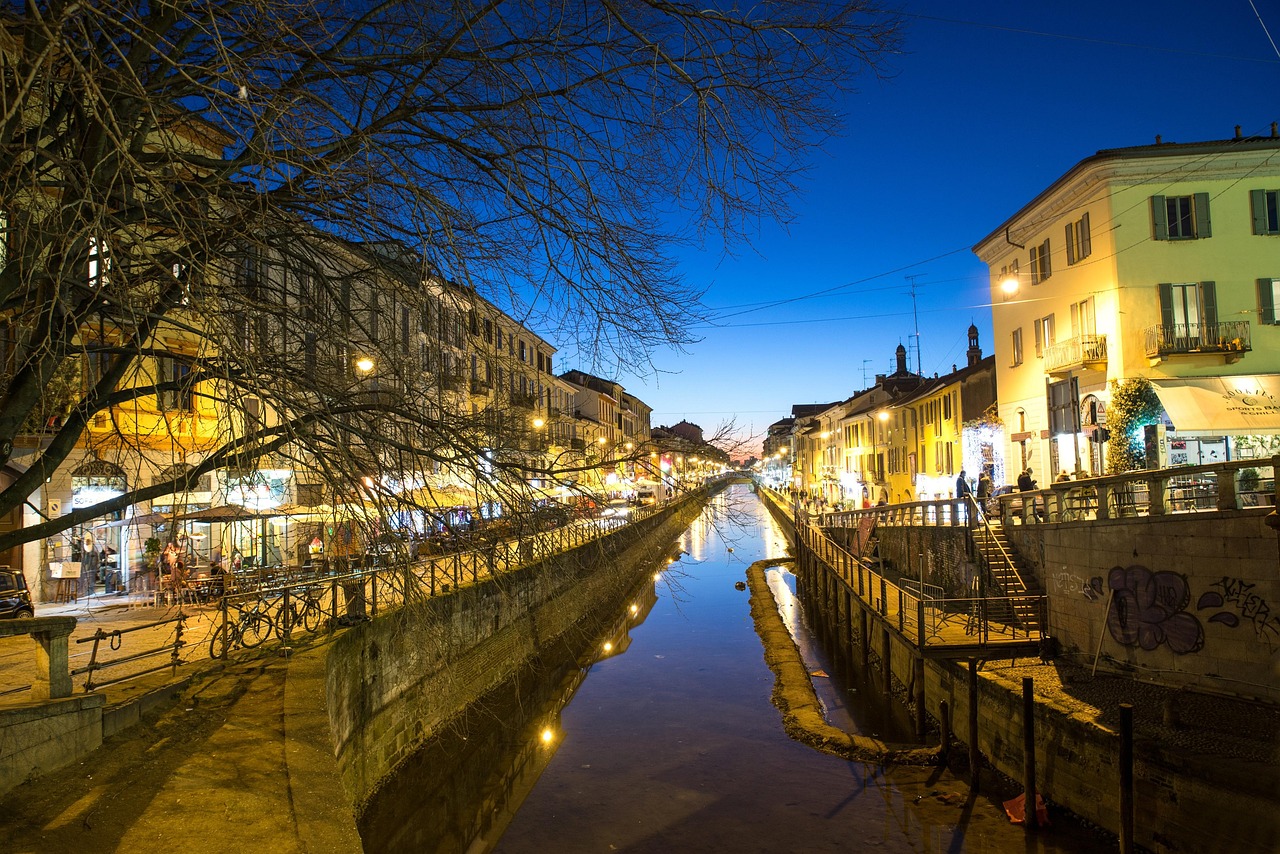
Castello Sforzesco, Parco Sempione, Porta Nuova, and Navigli for a one-day Milan itinerary
For travellers mapping a polished sequence of things to do in Milan into a single arc, this is the chapter that makes the city feel multidimensional. You’ll move from fortified history to airy parkland, into contemporary design, and finish with the most cinematic evening ritual along the water—an ideal structure for milan in one day without exhaustion.
The key is comfort: this section works beautifully with a mix of walking and a pre-arranged car, so your energy stays high and your day in Milan remains seamless.
Castello Sforzesco: courtyards, then Sempione to Arco della Pace
Castello Sforzesco is a classic Milan attraction because it holds so many stories—power, art, reinvention—within one dramatic form. Even if you don’t enter every museum space, the castello courtyards and exterior views are worth your time, especially in softer light. Pair it with a stroll through sempione (Parco Sempione), where the city suddenly feels open and airy.
Walk towards Arco della Pace and notice the shift in mood: from grand and structured to relaxed and spacious. It’s an ideal moment for a water break, a quiet chat, or simply watching Milanese life move past with effortless style.
Porta Nuova modern loop: design skyline, Leonardo da Vinci, and culture
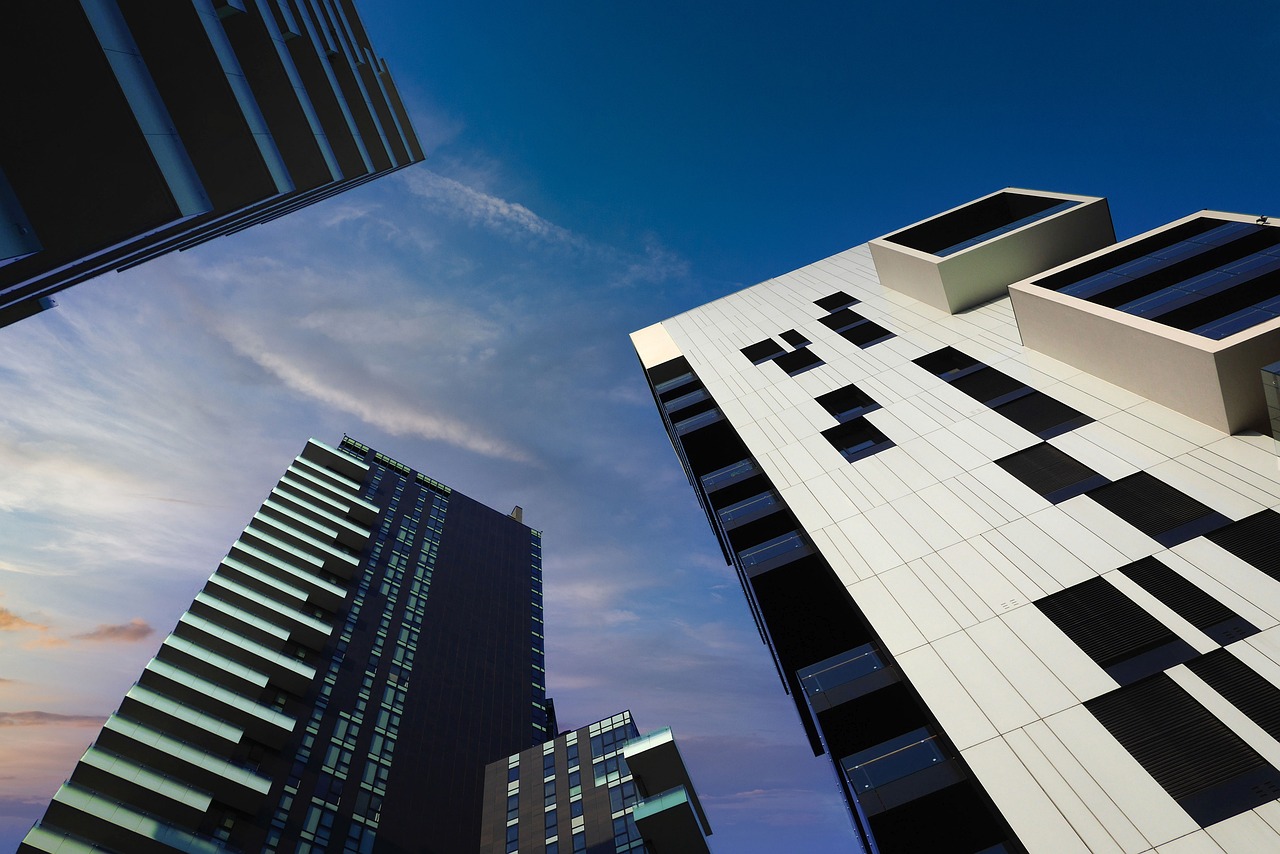
Next, lean into modern Milan with Porta Nuova. The skyline here is polished and confident, and it’s perfect for a short, chauffeur-friendly circuit—comfortable, efficient, and visually striking. If you love architecture and contemporary urban design, this is where the city looks most like tomorrow.
For art and ideas, the Prada Foundation is a bold cultural space blending fashion and contemporary art. It can reframe what a day in the city can include—less about reverence, more about curiosity and brave creativity.
If you want a deeper historical layer, follow the Leonardo da Vinci thread. Santa Maria delle Grazie is essential for The Last Supper, but it requires strict planning: booking windows are limited and entry is timed. If seeing it matters to you, build the rest of your Milan itinerary around that fixed point. Nearby, the science and technology museum adds context for travellers who love invention and craft; it’s a thoughtful complement rather than a rush-stop.
End your day where the city feels most cinematic: Navigli at golden hour. The light softens, the water catches it, and the energy becomes social without being frantic. For high-end travellers, a reserved table or private aperitivo experience is the most rewarding way to enjoy this area—crafted drinks, delicious small plates, and a view of the scene without being swallowed by it.
A couple once reminisced about a romantic glide along the canals—historic charm meeting modern elegance. It’s not about pretending this city is Venice; it’s about letting it surprise you, gently, in its own way.
If you have more time, this is also where to begin thinking about day trips. A classic day trip from Milan is Lake Como, reached in comfort with a private transfer or first-class train—an easy way to enjoy the landscapes around Milan and continue onward through Italy.
By now, you’ve seen how Milan can hold opposites together—sacred stone and modern glass, opera tradition and contemporary art—without ever losing its sense of self.
After Your Day in the City: What Stays With You
The question isn’t only what you came to see in Milan, but what stays in you afterwards. Often it’s small: the soft echo of footsteps inside a cathedral; the last note of an aria hanging in the air; the glint of evening light on water; the calm confidence of being well looked after, so you can simply be present.
Milan has a way of teaching you about your own taste. You might discover you prefer fewer attractions in Milan, chosen well, rather than a checklist; or you might realise that fashion isn’t about labels at all, but about proportion, texture, and the courage to choose what feels like you. In a city so devoted to design, your pace becomes part of the aesthetic—how you move, what you notice, what you allow yourself to linger with.
There’s also a quieter lesson in trust. When the day is crafted with care—timed entries, reassuring logistics, the right table at the right hour—you feel held by the experience, and more open to wonder. If you’re planning one day in Milan, consider choosing fewer stops and doing them well; it’s the surest way to feel the city, not just pass through it.
And then, long after you’ve left, you may find yourself imagining a return in another season—not to repeat the same route, but to uncover different corners, different light, and new beautiful places waiting quietly.
F.A.Qs: Milan Italy what to see
What should you not miss in Milan?
Don’t miss the Duomo rooftop and the cathedral interior, the Galleria Vittorio Emanuele II, and at least one cultural experience such as La Scala or Pinacoteca di Brera. If you have time, add Navigli at golden hour for aperitivo. These picks capture the city’s signature mix of architecture, fashion, and art in a smooth, elegant flow.
What is Milan best known for?
Milan is best known for fashion and design, world-class culture, and landmark architecture. The Duomo is its iconic symbol, while La Scala represents its musical heritage and the Galleria showcases refined shopping culture. Modern districts like Porta Nuova add a contemporary edge that makes the city feel both historic and forward-looking.
What is the most popular attraction in Milan?
The most popular attraction is the Duomo, especially the rooftop terraces. Travellers come for the Gothic cathedral’s intricate details and panoramic views across the city. Booking timed entry ahead is the simplest way to keep the experience smooth, comfortable, and free from long queues.
Are 2 days enough for Milan?
Yes—two days is enough for a rewarding first visit. Day one can cover the Duomo, Galleria, and La Scala, plus Brera in the evening. Day two suits contemporary art at the Prada Foundation, Castello Sforzesco and Sempione, and a relaxed Navigli aperitivo. With good planning, it feels spacious rather than rushed.