Post Contents
- Verona, Italy planning & arrival – walkable Verona travel guide essentials
- Roman Verona at Piazza Bra – Verona Arena, Roman amphitheater history and opera performances
- Juliet, the balcony and Shakespeare’s Verona – Casa di Giulietta and Juliet’s courtyard
- Piazza life in the historic centre – things to do in Verona at Piazza delle Erbe and Piazza dei Signori
- Castelvecchio and a riverside viewpoint – a beaten path climb to Castel San Pietro
- What stayed with us after Verona – reflections from a cultural journey
- F.A.Qs: Verona Italy quick answers
Verona, Italy planning & arrival – walkable Verona travel guide essentials
Verona planning and arrival: a simple, walkable start for first-timers
If you’re looking for verona verona italy planning and arrival support, start with one reassuring truth: Verona is one of the easiest Italian cities to explore on foot. The historic centre is compact, clearly signposted, and stitched together by lanes that naturally lead you from one landmark to the next, so it’s simple to visit Verona without over-planning. That walkability is a gift for Adventure Seekers who like to move, look up, and discover details without the friction of constant taxis.
To orient yourself, picture a simple triangle. Piazza Bra sits by the Arena and feels like the city’s open-air foyer; the historic centre unfurls behind it with lanes, churches, and market squares; and the Adige River curves around the old town like a protective ribbon. Verona is one city where you can create a plan that’s both ambitious and gentle—big culture, small distances, and plenty of pauses.
Neighbourhood notes for confident walking in the historic centre
Staying close to Piazza Bra or inside the historic centre gives you a seamless base, especially if you want early starts and late finishes after an opera. From here, you can design mornings for museums and viewpoints, then keep afternoons flexible for shopping street wanderings and a quiet aperitivo. The city’s rhythm rewards travellers who trust their feet and let each street reveal itself corner by corner.
If you’re combining northern Italy, this stop works beautifully between lakes, vineyards, and city breaks. It’s also a refreshing contrast to central Italy’s grand, ceremonial avenues and southern Italy’s more chaotic charm—here, the pace feels composed, yet never stiff.
How to take the train into Verona Porta Nuova
For most visitors, the simplest route is arriving by rail from Milan or Venice, stepping off the platform with energy to spare. From the main station, buses and taxis are straightforward, and the first steps into town can be as easy as heading towards the Arena area and letting the streets guide you naturally.
A quick reassurance: Italians here are used to visitors and are usually happy to help if you ask politely. A simple “Buongiorno” goes a long way, and it sets a tone of care and mutual respect from the start.
What to pack for long walks
- Comfortable shoes with grip for smooth stone paving and occasional cobbles.
- A light layer for evenings, even in warm months.
- A refillable water bottle (especially May to September).
- A crossbody bag that zips—keep belongings close in busy piazza areas.
May to September is ideal for warm evenings and outdoor events, but design your days with breathers: early sightseeing, a long lunch, then golden-hour wandering. Heat and crowds are real, yet manageable when you keep plans slightly looser than you think you need and build in shade stops.




Roman Verona at Piazza Bra – Verona Arena, Roman amphitheater history and opera performances
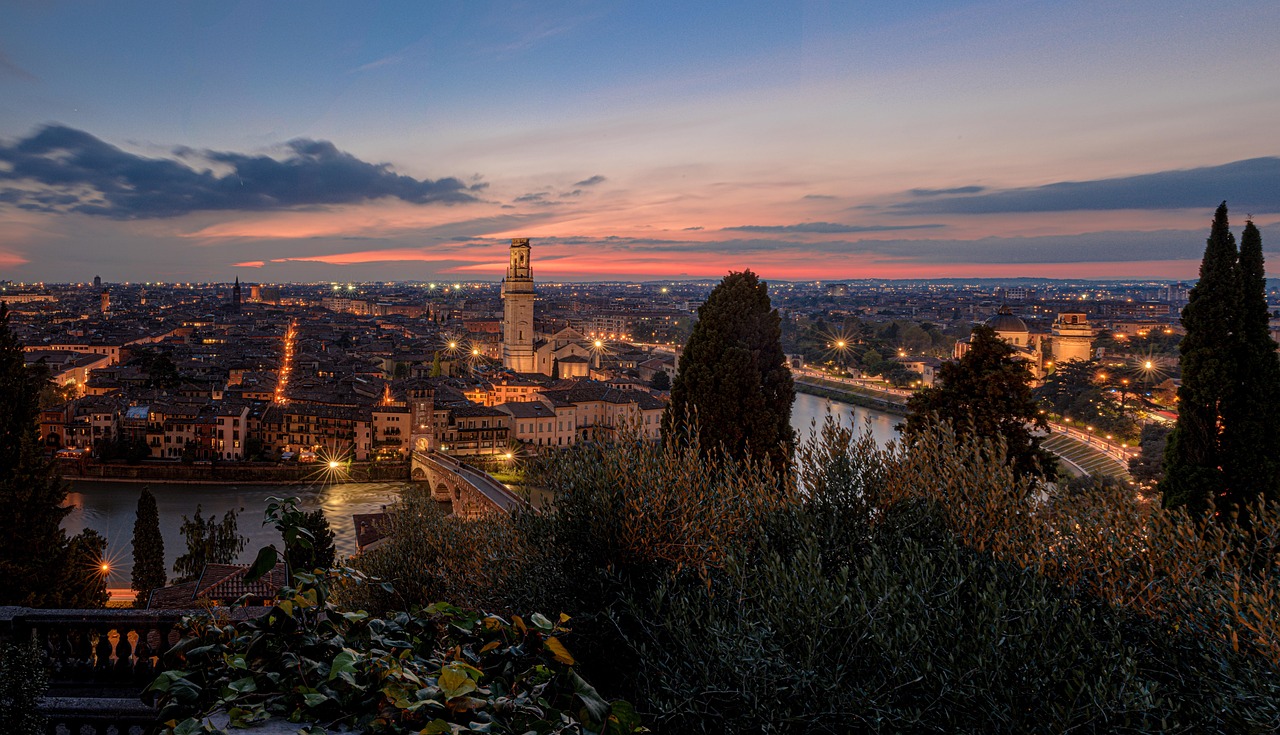
Roman Verona at Piazza Bra: the Arena by day, music by night
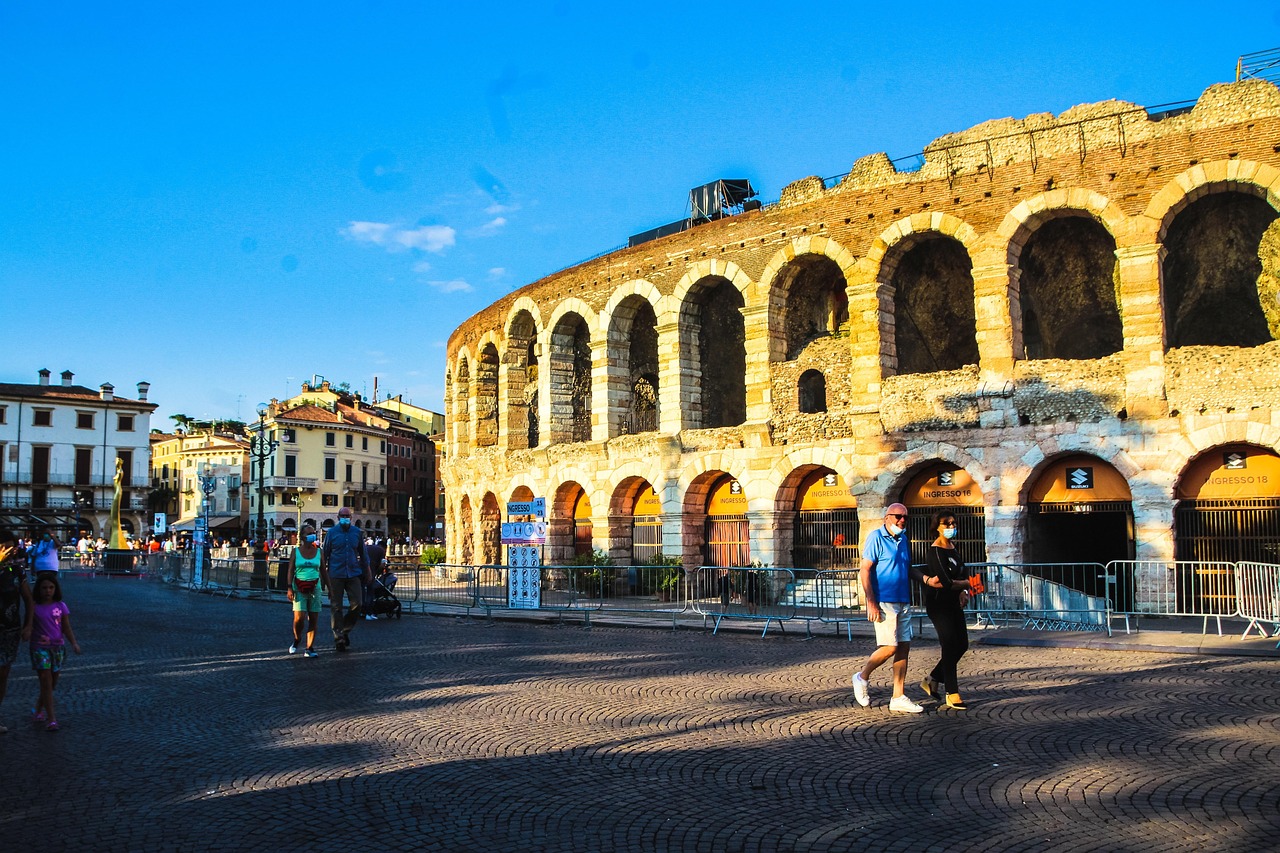
When your plan includes the Verona Arena and an evening of opera performances, you’re stepping straight into the city’s oldest heartbeat. The Roman Arena in Piazza Bra is a well-preserved Roman amphitheater from the first century AD, and it still holds a crowd with the same effortless authority it did two millennia ago. Stand near the outer arches and imagine the ancient Romans arriving in sandals and linen, the air alive with anticipation for gladiator battles and public spectacle—century AD engineering, still doing its job.
Today, the spectacle is more refined but no less thrilling. The amphitheater hosts opera performances that feel both grand and intimate—stone, music, and night sky in one frame. It’s one of those travel moments that doesn’t just impress you; it stays with you.
A practical summer opera plan with expert reassurance
For summer opera, book well in advance and buy from official sites to avoid confusion and inflated prices. Seating tiers range from affordable steps (often with cushions) to premium numbered seats; the right choice depends on whether you value budget, comfort, or the best sightlines. If you’re travelling high-end, consider front-facing seats for ease, and arrive early so the evening feels unhurried rather than rushed.
Opera-night essentials that keep things simple
- Bring a light scarf or jacket—stone holds the cool after sunset.
- Allow time for security checks and finding your section without stress.
- Pack a small cushion if you’re on the stone steps.
- Photograph quickly, then let the romantic atmosphere do the work.
One visitor described the Arena night as pure storybook: a soft sea of candles, a hush before the first note, then applause that rolled like thunder along the curved walls. In a city like Verona, that kind of shared emotion feels surprisingly natural—like the stage has been rehearsing it for centuries.
A short Roman walk loop for extra depth
After your Arena visit, add extra depth with a short loop through Roman Verona. Walk towards Arco dei Gavi, a fragment of triumphal architecture that makes the past feel close enough to touch, then follow Via Roma as a natural connector back towards the centre. Along the way, look for subtle Roman ruins embedded into later buildings—layers that aren’t hidden, just quietly integrated.
If you enjoy photography, time this route for dusk. As the crowds thin, the stone walls warm to a rose-gold glow, and the streets feel more spacious. It’s a small adventure that delivers a big mood shift without demanding extra miles.
Juliet, the balcony and Shakespeare’s Verona – Casa di Giulietta and Juliet’s courtyard
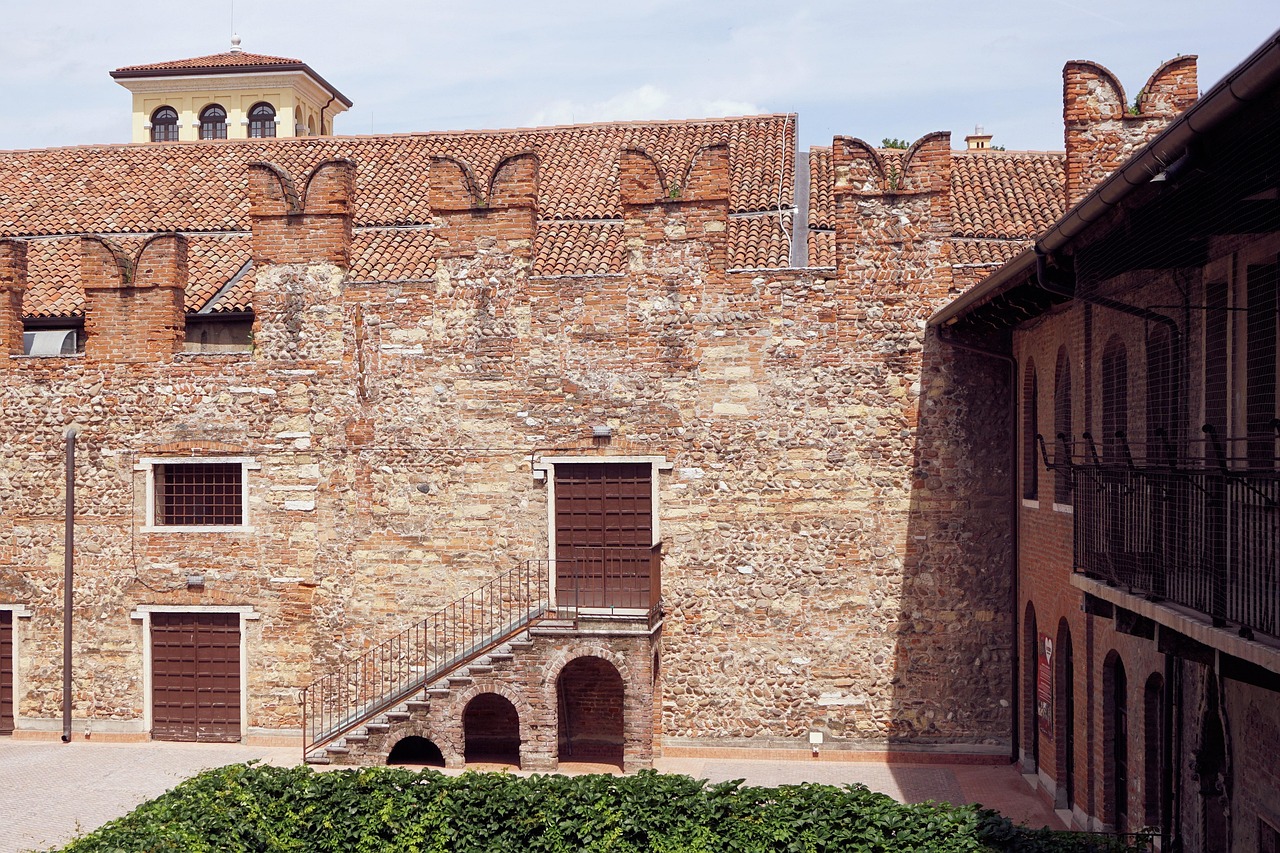
Juliet and the famous balcony: a brief stop that still feels iconic
For many travellers, the courtyard linked to Juliet is the emotional centre of a visit—whether or not you’re usually drawn to legends. The House of Juliet is a small courtyard experience with a big cultural echo: the statue of Juliet, the famous balcony overhead, and a constant hum of hopeful visitors. A single mention of Romeo and Juliet is enough to understand why this corner keeps calling people back, and why Juliet’s story still feels strangely alive.
The key is to keep it personal. You don’t need a perfect photograph or a grand gesture; you need a moment that feels like yours, even if it’s only thirty seconds of stillness.
How to visit Juliet’s courtyard without feeling rushed
Go early, accept that queues are part of the experience, and choose one meaningful ritual rather than trying to do everything. Take a photo, leave a letter, or simply pause beneath the balcony and listen to the sounds of the courtyard. This is one of those “less is more” places, where a gentle pace protects the romance rather than diluting it.
A couple once told us they wrote a love note together, folded it carefully, and left it with a quiet laugh—then walked out feeling oddly connected to strangers across time. It wasn’t sentimental in an exaggerated way; it was grounded, like making a small promise to travel with attention.
Verona without the clichés just beyond the balcony
Here’s Verona without the tourist rush: once you’ve had your moment, step into the nearby lanes for calmer photos and softer light. The walls and archways around Cappello are full of texture, and you can create your own romance in small details—hands brushing as you pass through a doorway, or the sound of footsteps turning a corner.
Keep etiquette in mind because the courtyard can be crowded. Be respectful, avoid blocking others, and if you’re continuing on to churches afterwards, dress modestly. The city is generous with beauty; meeting it with the same care changes the whole feeling of the day.
Piazza life in the historic centre – things to do in Verona at Piazza delle Erbe and Piazza dei Signori
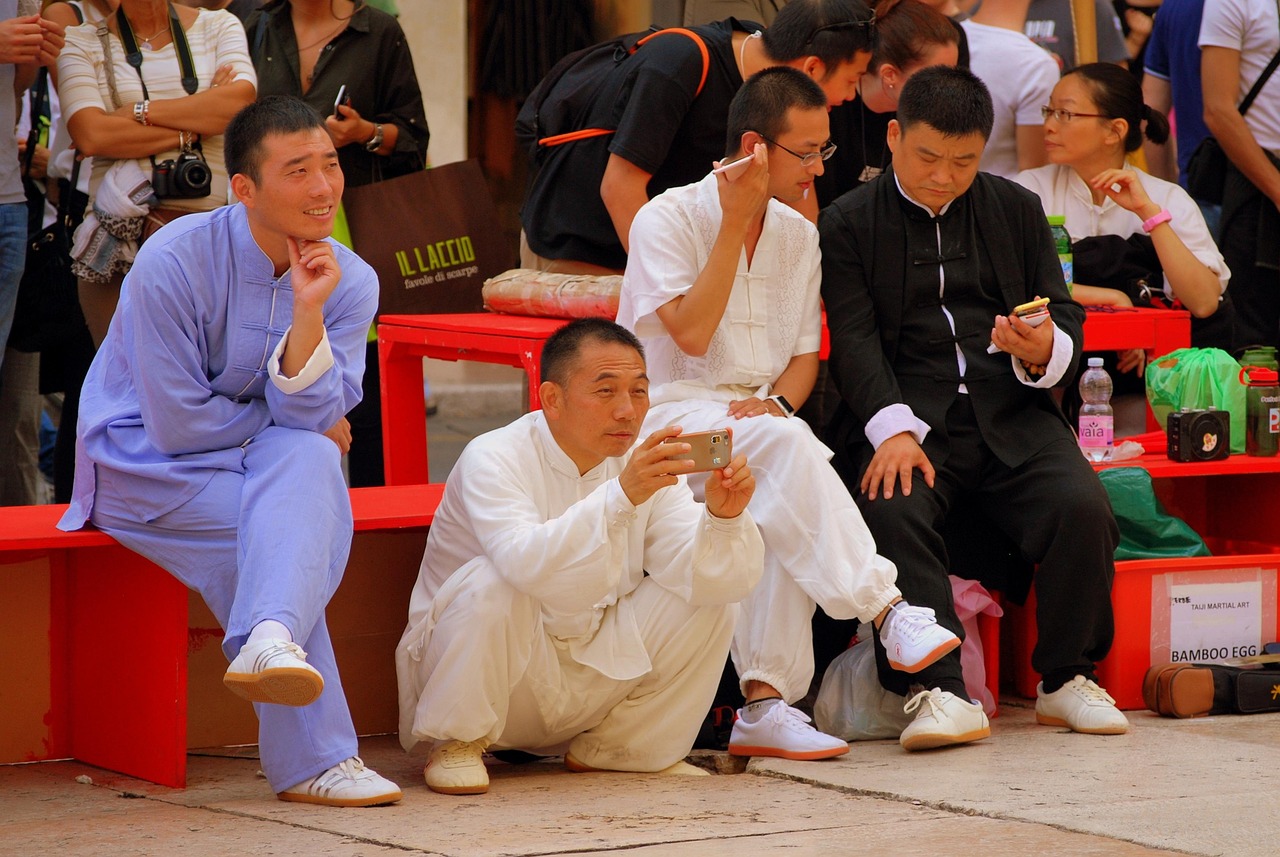
Piazza life in the historic centre: markets, palazzi, and easy walking
If your list of things to do in Verona includes market life and architectural theatre, begin with Piazza delle Erbe and let it set your tempo. This square—once the Roman forum—still feels like the city’s living room, where locals weave through stalls and visitors look up at frescoed façades. Order an espresso, slow down, and observe: the rhythm of conversation, the clink of cups, and the way morning light slides across stone.
Piazza delle Erbe is also where Verona’s everyday culture feels most accessible. You can pass through quickly, but it’s more rewarding when you linger long enough for one small detail to find you.
Piazza delle Erbe market colour and an artisan encounter
One traveller shared an unexpected encounter at the market: they stopped to admire small handcrafted pieces and ended up in conversation with local artisans about Venetian design influences and old techniques. That kind of insight is hard to plan, yet easy to invite—ask a question, show genuine curiosity, and you’ll often be met with warmth. It’s also a reminder that Venice and this city share cultural currents, even when they feel like different worlds.
To connect the squares, walk onwards to Piazza dei Signori, a more composed space framed by civic power. Nearby you’ll pass Palazzo della Ragione, Palazzo Maffei, and Palazzo degli Scaligeri—names that sound formal, but in person they feel like a film set you can step into, each palace façade adding to the scene. This is the city’s Scala legacy in stone, still quietly steering the atmosphere.
Torre dei Lamberti and a designer weave through the centre
Climb Torre dei Lamberti for a higher viewpoint; even confident walkers find the height adds instant perspective. The spiral staircase is part of the fun, and the view helps you understand how compact the historic centre really is. From above, you can trace Piazza Bra in the distance and see how the river’s curve shapes the old town’s edges.
A simple “city weave” route that feels natural
- Start at Piazza delle Erbe and drift into Piazza dei Signori.
- Continue via Corso and pause for people-watching.
- Cut down to Cappello for quieter lanes near the courtyard.
- Finish on Via Mazzini, the shopping street, for design-led browsing without pressure.
For one perfectly placed pause, slip into Caffè Borsari. It feels local, relaxed, and elegantly timed between sights—exactly the kind of stop that helps you explore with confidence rather than fatigue.
Castelvecchio and a riverside viewpoint – a beaten path climb to Castel San Pietro
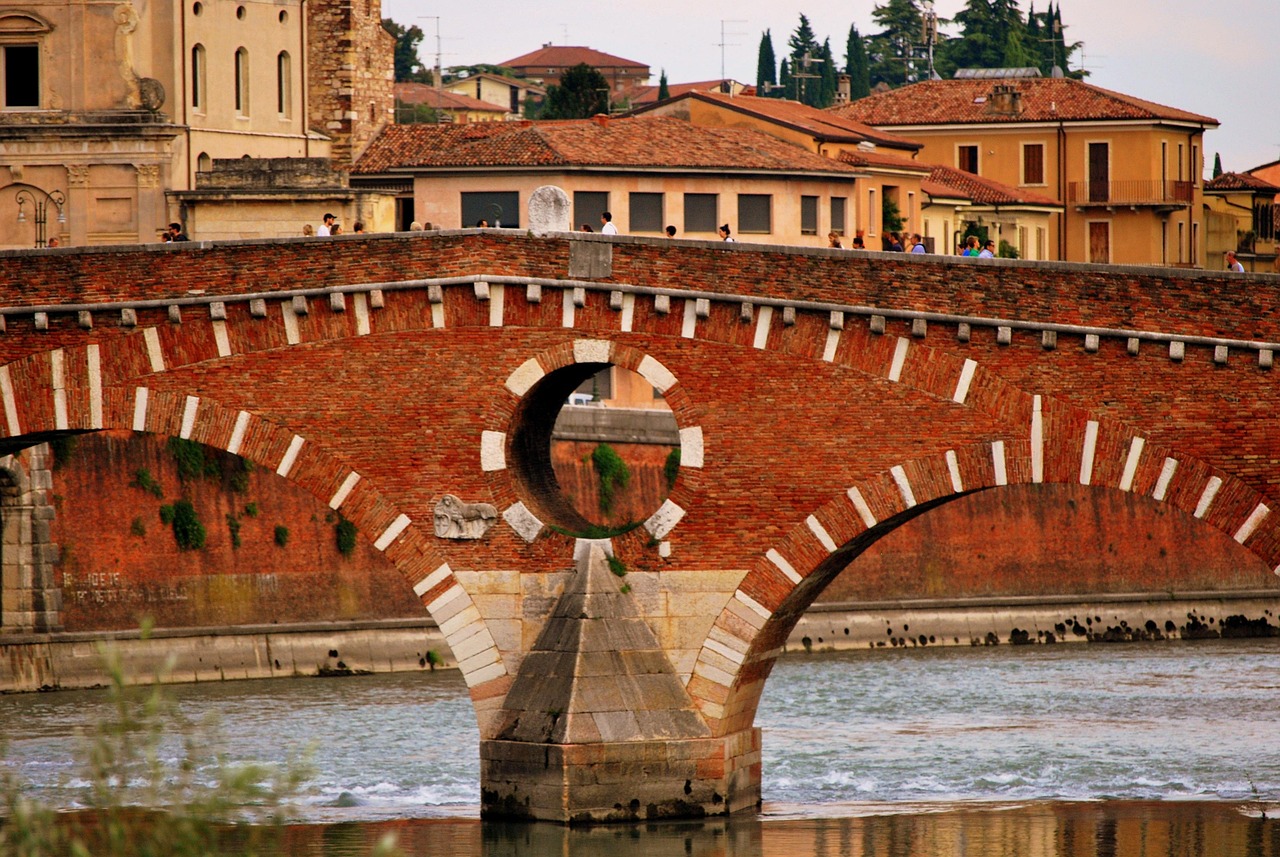
Castelvecchio and the river: museum calm, then a hilltop panorama
To pair art with fresh air, plan a day that balances deep culture with a little physical challenge. Castelvecchio is crafted by time: fortress stone, a bridge, and galleries that hold medieval and Renaissance works with calm authority. It’s not only about what’s on the walls; it’s about how the city’s history sits together, layer on layer, without needing to shout.
Give yourself space to move slowly through the collection. A single, unhurried museum stop often delivers more meaning than three rushed highlights, especially in a UNESCO World Heritage city that rewards attention.
Food and wine with purpose in Verona
After Castelvecchio, choose an osteria or trattoria for an Italian meal that matches the setting: thoughtful, regional, and unforced. This is your cue to explore food and wine properly—try Amarone with a plate that makes sense of it, such as risotto all’Amarone, then add a Valpolicella pour for a lighter contrast. If you enjoy Italian cuisine, you’ll notice how northern Italian flavours lean towards richness and restraint rather than heat.
Ask your server for the chef’s recommendation and let it be simple. Traditional Italian dishes don’t need reinvention here; the kitchen does classic veronese with quiet confidence, and Veronese hospitality tends to feel warm rather than showy.
Adventure Seekers’ morning along the River Adige to Castel San Pietro
A solo adventurer once described a dawn walk along the River Adige as the most peaceful hour of their entire trip: soft light, empty streets, and a city that seemed to exhale before the day began. Cross the ponte at Ponte Pietra while the colours are still muted and the air is cool, then keep going towards the hill. This is the kind of adventure that feels safe and centring—movement as meditation.
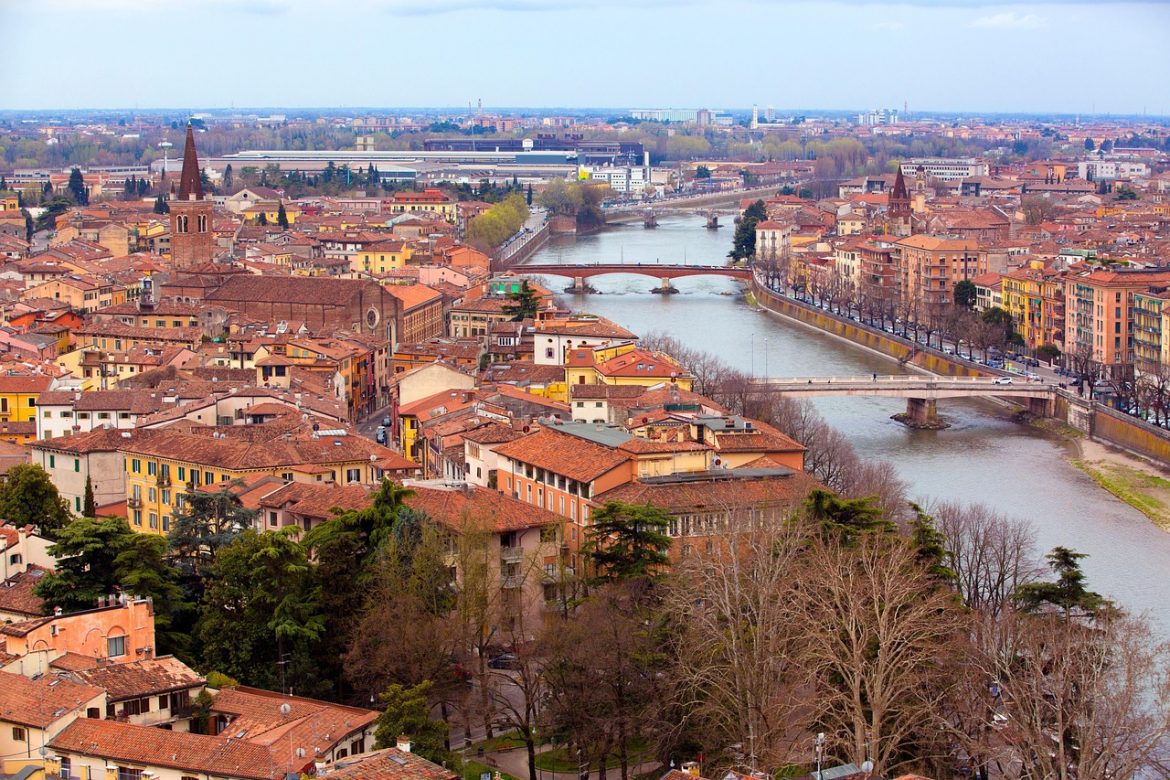
The climb to Castel San Pietro is a small challenge with a big reward. Bring water in warm months, take your time, and let the view arrive gradually: terracotta roofs, the river’s curve, and the old town’s geometry laid out below. It’s the kind of panorama that makes you feel you’ve earned your understanding rather than merely collected highlights.
If you’re drawn to an off-the-radar feeling without going far, choose early hours, take side streets, and linger in one quiet eatery instead of chasing a checklist. The pace becomes part of the pleasure—supporting you to explore more deeply, not just more widely.
To browse more designer-led journeys through the Veneto region and beyond, you can look through our Trip gallery when the timing feels right.
What stayed with us after Verona – reflections from a cultural journey
For reflections after time in this destination, the memory isn’t a checklist of places so much as a lingering sensation—light on stone, voices rising and falling, the way the streets hold you gently as you learn their shape. Verona’s confidence is quiet, and that’s precisely why it stays: you remember how easy it felt to navigate, how quickly you began to recognise corners, how the day softened when you let it.
Sometimes what remains is surprisingly small. A balcony note folded into a pocket, an aria caught on the night air as you walked back through Piazza Bra, or the river hush that greeted you before breakfast—these are the details that return years later, uninvited and perfectly clear.
It helps to remember that you don’t need to do everything to travel well. Care, attention, and trust in your own rhythm are enough, and this city seems to meet you there—halfway, warmly, together.
Even now, you might find yourself imagining another season: a different street, a kind conversation with a stranger, a familiar corner seen in new light. Not a plan, not a promise—just a gentle curiosity that keeps the door open.
F.A.Qs: Verona Italy quick answers
What is so special about Verona, Italy?
Verona is special for how effortlessly it blends Roman heritage, live culture, and everyday life in a walkable historic centre. You can experience the Arena, elegant piazza moments, and riverside viewpoints in the same day, then slow down over local wine and food. It’s also a UNESCO World Heritage City, so even casual wandering delivers beauty and history.
What movie was filmed in Verona, Italy?
Several productions have used the city as a backdrop, and many travellers recognise it through films inspired by Romeo and Juliet themes. Courtyards, bridges, and squares photograph beautifully, so it often stands in for “romantic Italy” on screen. If film locations matter to you, ask locally which scenes were shot where—local guides are usually delighted to share.
What language do they speak in Verona?
The language spoken here is Italian. In tourist areas, many people also speak some English, especially in hotels, museums, and restaurants. Learning a few polite greetings is appreciated and helps interactions feel warmer and more respectful, particularly in smaller shops or market stalls.
What is the most famous thing in Verona Italy?
The most famous sight is the Arena, the vast Roman amphitheatre that still hosts world-class opera. Casa di Giulietta is also iconic, thanks to its legendary balcony and the enduring pull of Shakespeare’s story. Together, these landmarks shape the city’s global reputation—one rooted in history, performance, and romance.