Post Contents
- First encounter with the Verona Arena amphitheatre first visit guide in Verona Arena Verona Italy
- Arena di Verona history Roman amphitheater in Verona built around AD 30 with earthquake 1117 and survival in Verona
- Arena di Verona opera festival 2026 tickets seating Aida Giuseppe Verdi in Verona Arena
- Verona Arena guided tour underground passages night tour to uncover the amphitheater in Verona
- Piazza Bra Verona local restaurants gelato near Verona Arena for local flavours in Verona
- Verona Arena Verona Italy practical tips tickets transport June to September for a seamless day and night plan in Verona
- Verona Arena reflections Italy travel personal meaning after the arena in Verona
- F.A.Qs: Verona Arena Verona Italy
First encounter with the Verona Arena amphitheatre first visit guide in Verona Arena Verona Italy
First encounter with the Verona Arena amphitheatre first visit guide in Verona
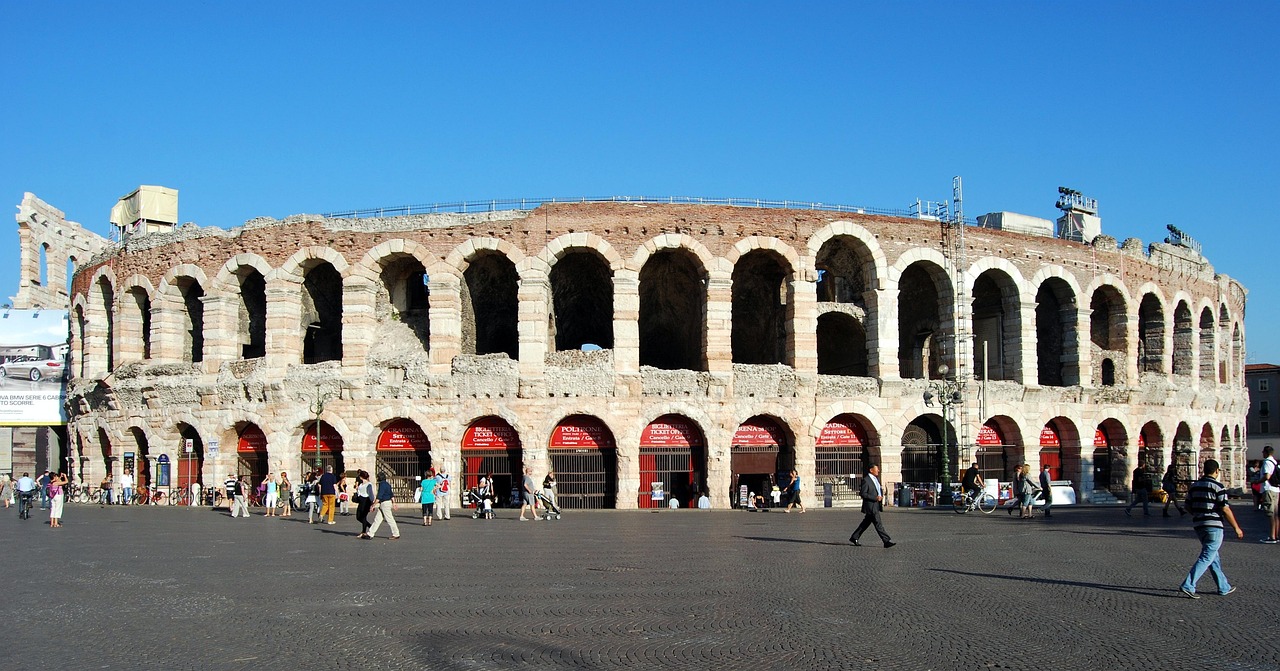
Consider this your Verona Arena Verona Italy amphitheatre first visit guide: you arrive into Verona and suddenly the arena appears—massive, honey-coloured, and quietly commanding the edge of Piazza Bra. It’s one of those travel moments where you don’t just see a landmark; you feel it, as if the city has been holding its breath for two thousand years and is now exhaling right beside you. The veronese rhythm all around—café cups clinking, footsteps, snippets of Italian—makes the Verona Arena feel ancient and alive at the same time.
Start by letting yourself slow down. Stand at a comfortable distance and take in the curve of the amphitheater, then walk towards the entrance with purpose. You’ll notice the scale changes as you near the arches; stone details sharpen, and the arena becomes less “postcard” and more “place”. If you’re travelling in summer, arrive with water and a calm plan—this is the kind of monument that rewards attention, not haste.
Verona first-look ritual in Piazza Bra
The amphitheatre sits right in Verona’s historic centre, opening onto Piazza Bra like a stage set. Approaching on foot is part of the pleasure: from the piazza you can read the arena’s outline, then follow the curve to choose your perspective. Look for how locals use the space—some pause for a quick photo, others linger like they’ve done it a hundred times. That mix of awe and everyday life is the city’s signature.
If you’re arriving from the station, you can easily create a “first-look” ritual: walk in, pause in the open square, then trace the outer edge of the arena before stepping inside. It builds confidence, especially for adventure seekers who like to orient themselves before they explore. And if you’re planning an evening performance, this is also where you’ll feel the anticipation start to gather.
Verona arena viewpoints for the adventurous
Inside, choose viewpoints that match your energy. Climb to higher levels for a wide spectator panorama, then come back down to feel the intimacy of the lower tiers. The stone carries sound in a way you’ll notice even in daytime: a guide speaking, a group laughing, your own footsteps. It’s a simple moment of insight—this arena was designed for presence.
- Set a personal intention: history, architecture, or pure atmosphere—pick one so your visit feels crafted, not chaotic.
- Notice the light: afternoon sun warms the limestone; early evening makes the arena glow.
- Choose your pace: a steady loop first, then details—your attention will sharpen naturally.
And if you want to begin designing the rest of your Italy trip around experiences like this, you can browse our Trip gallery for inspiration that balances culture with seamless comfort.




Arena di Verona history Roman amphitheater in Verona built around AD 30 with earthquake 1117 and survival in Verona
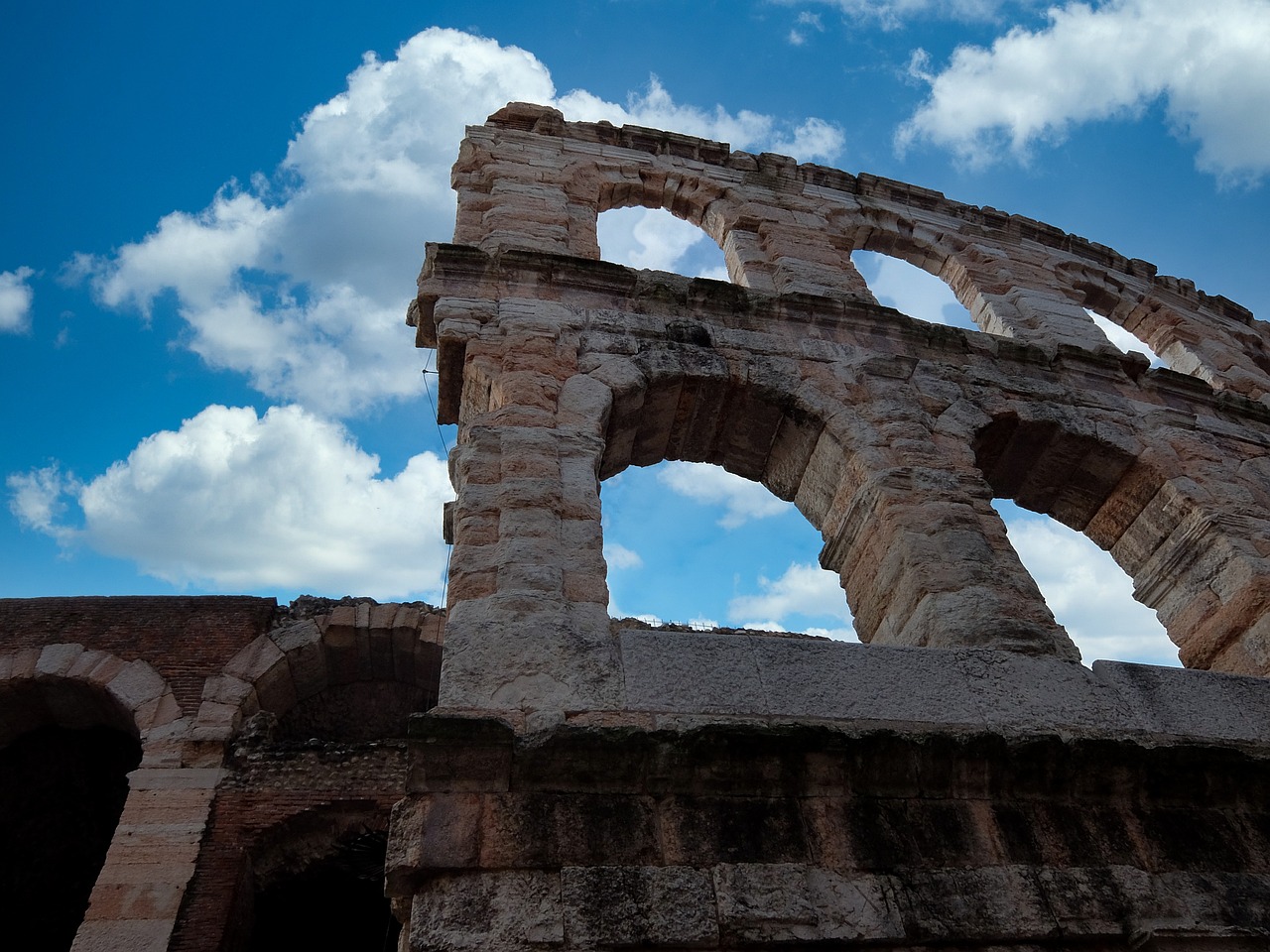
How the amphitheater in Verona was built and survived through centuries
For an Arena di Verona history of the Roman amphitheater in Verona, built around AD 30 (with some narratives pointing you to 42 AD) and tested by the 1117 earthquake, it helps to explore with an archaeologist-led lens or a well-researched guide. Even without a lecture, you can feel the story in the stone: this is a place that has been used, damaged, repaired, and loved back into life again and again. The arena’s survival is not a single miracle; it’s a long chain of care, compromise, and local pride.
Start with the basics of Roman architecture. The plan is elliptical, organised around a major axis and minor axis that shaped how people entered, circulated, and found their place. The seating bowl—called the cavea—was designed so a spectator could see, hear, and feel the action with startling clarity. Beneath and around it, concentric galleries guided crowds in and out with efficiency that still feels modern.
Verona architecture you can read in the arches
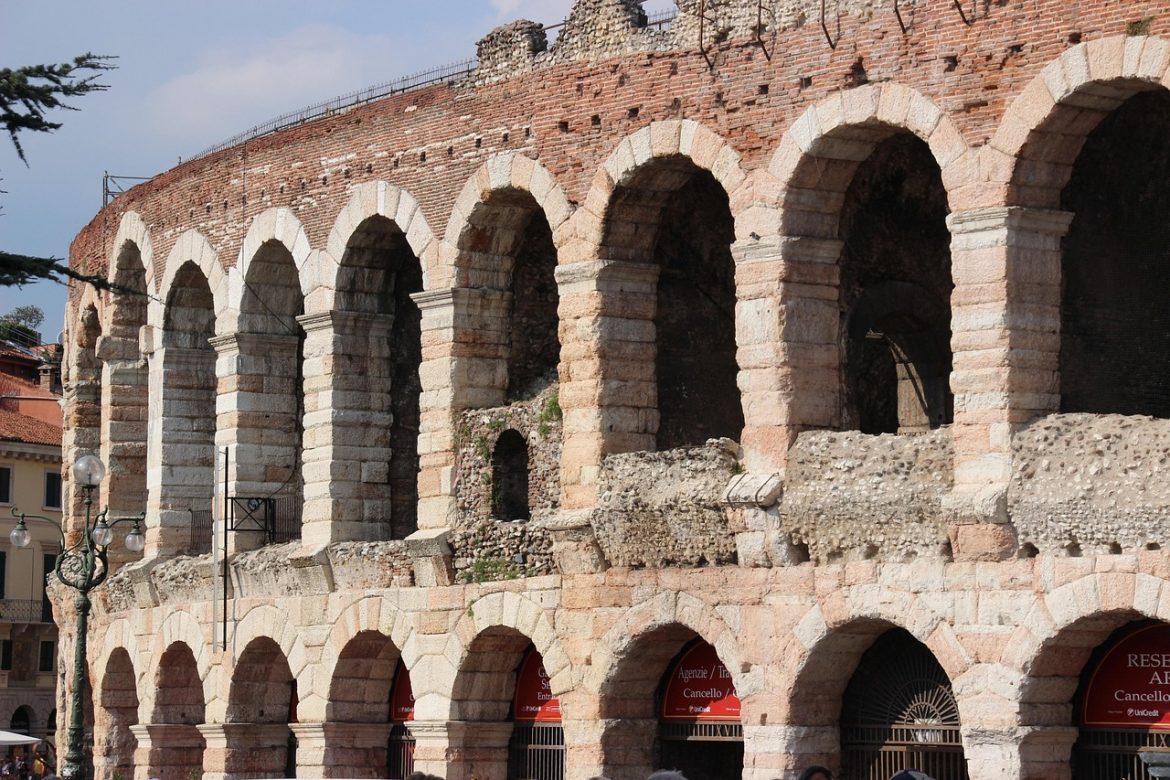
As you walk, look for the logic of the external arches and the remnants of the portico. The famous outer ring survives mainly as a single section known as the ala—a fragment that somehow makes the whole structure feel even more dramatic, like a sentence with a missing word you can still understand. The arena is built from limestone, tied to local quarry traditions, and that material choice is part of why it photographs so beautifully in Verona’s soft light.
Originally, the arena was built outside the Roman city walls, in what were then ancient times outskirts—practical for crowd control and space. Later, as Verona grew, the city absorbed it, turning a boundary landmark into a central, everyday companion. If you enjoy comparisons, it’s worth holding one in mind: the Verona Arena is not the Colosseum in Rome, but it offers a more intimate closeness to the performance bowl, and it’s often described as the third-largest surviving Roman amphitheatre—an important amphitheater in Europe by scale and preservation.
Verona resilience from the Middle Ages onwards
After the middle ages began reshaping Italy’s cities, the arena’s life became complicated. There are accounts of stone being taken for other projects—reuse that was common in medieval building culture—and periods when parts were at risk of being stripped or even to demolish sections for development. Some stories link repairs and civic identity to rulers and patrons; you may hear names like Theodoric in local narratives, which is your cue to ask your guide what’s legend, what’s documented, and what is still debated.
In later Roman records, Verona appears in broader imperial history, and enthusiasts sometimes reference figures such as emperor gallienus and the year 265 in discussions of northern Italy’s defences and inscriptions. For most travellers, the more grounded takeaway is this: the arena has been adapted through centuries of events and shows, not frozen in time. If you’ve visited other arenas in places like Pula or Capua, you’ll recognise the shared Roman logic—yet Verona’s setting, right at the heart of the city, gives it a uniquely lived-in atmosphere.
Arena di Verona opera festival 2026 tickets seating Aida Giuseppe Verdi in Verona Arena
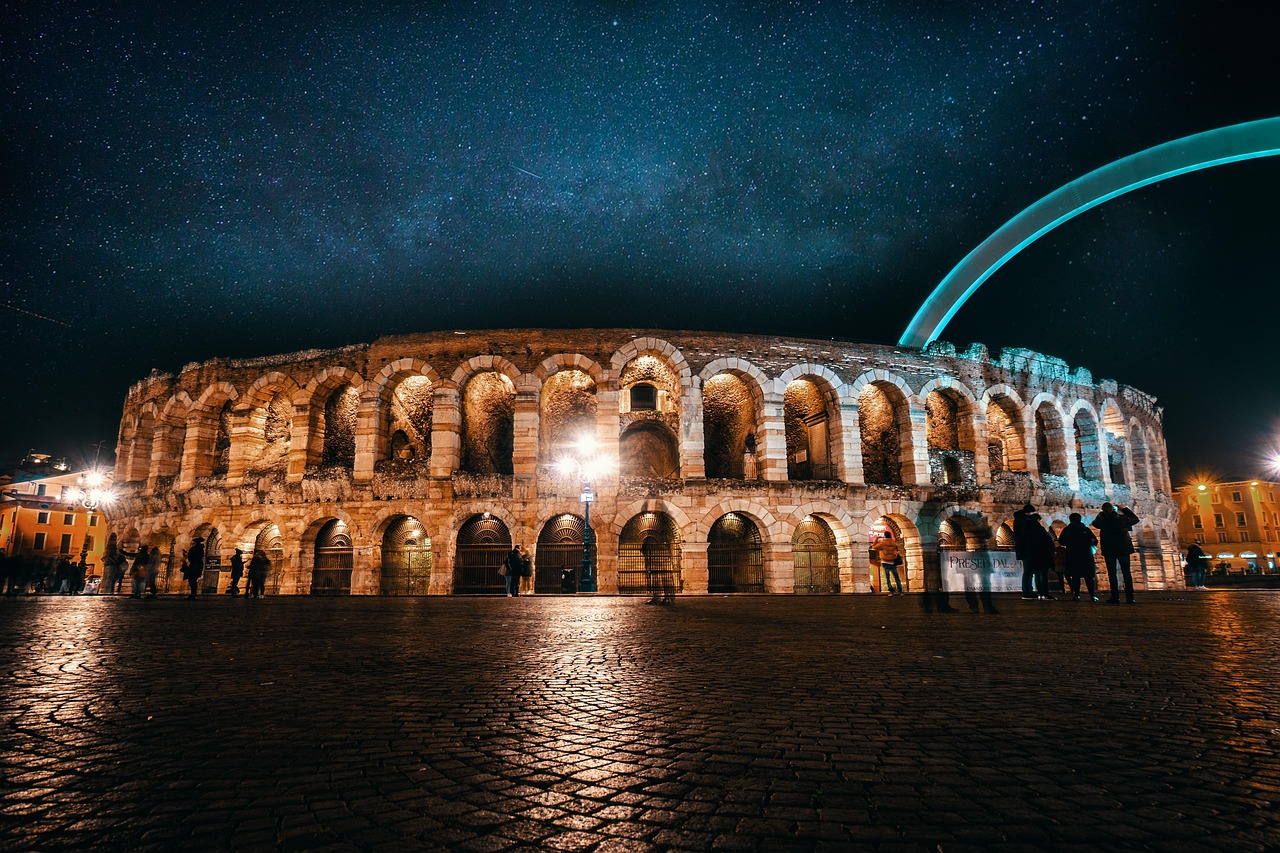
Opera under the stars at Arena di Verona 2026 in Verona
If you’re eyeing Arena di Verona opera festival 2026 tickets seating Aida Giuseppe Verdi, know this: an open-air night here can feel like time travel, but with the comfort of a well-run modern teatro. Even first-time opera travellers often find it immersive rather than intimidating, because the arena’s scale holds you gently—thousands of people, yet somehow the music lands personally. For adventure seekers, it’s a cultural leap that still feels accessible, especially when you arrive prepared.
The tradition many point to begins in 1913, a landmark year linked to a celebrated staging of Aida and the ongoing legacy of Giuseppe Verdi. You don’t need to be an expert to enjoy it; you just need a little context and a bit of care for your own comfort. That’s what turns “I’m not sure opera is for me” into “I can’t believe I nearly missed this.”
Verona seat and sector choices without stress
Choosing where to sit is part of designing your evening. The stone steps are iconic, but they’re still stone—so think in terms of both view and support. When you book, you’ll see your sector options; what matters most is how you want to experience the spectacle: close to the stage for facial expression and detail, or higher for a full picture of the choreography and lighting. If you’re on the steps, bring a cushion, and consider a light layer as the night air changes.
- Comfort kit: small cushion, refillable water, a light wrap, and shoes you trust on steps.
- Timing: arrive early enough to settle in calmly and watch the arena fill—half the magic is the build-up.
- Spectator mindset: treat it as theatre under the sky, not a formal indoor hall.
Verona stage legends and a sensory first-timer moment
Names like Zenatello, Maria Callas, and Pavarotti are woven into the arena’s lore—use them as prompts for a quick listen before you travel. You’ll enjoy the night more when you recognise how voices carry in an amphitheatre designed for projection and crowd. Even the role of the tenor can feel clearer live: you sense the voice landing, not just hear it.
One traveller told me they’d worried they wouldn’t “get” opera. Then the lights softened, the first notes rose, and the acoustics seemed to lift straight out of the stone. They described the hush before the music—thousands of people together, suddenly gentle. That’s the reassurance I want you to hold: you don’t need perfection; you just need openness, and Verona will do the rest.
Verona Arena guided tour underground passages night tour to uncover the amphitheater in Verona
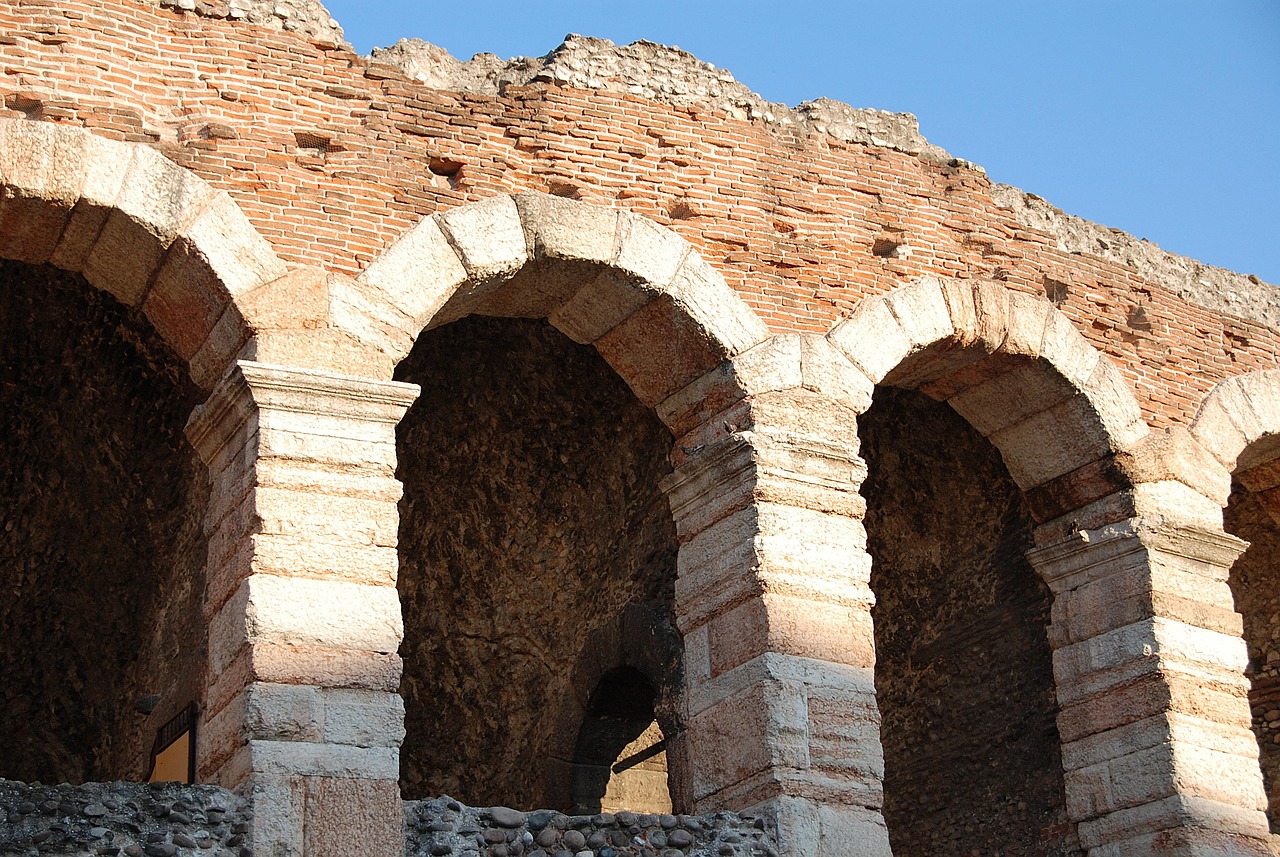
Uncover guided tours and the arena’s hidden layers at Verona Arena
To go beyond the obvious, book a Verona Arena guided tour underground passages night tour—it’s the easiest way to uncover how the arena actually worked. Standard entry gives you the wow factor, but a crafted tour gives you the why: where people moved, how the space was managed, and which details are easy to walk past when you’re distracted by scale. If you like independence, an audio guide is a good middle ground; if you love depth, choose an expert-led group and ask questions freely.
The “behind the scenes” areas are where your imagination catches. In underground corridors and service spaces, you can picture the practical logistics without romanticising them: the arena was built for control, timing, and crowd flow. References to gladiator life and gladiatorial organisation come up, but a good guide keeps it grounded—less sensationalism, more context about Roman society, discipline, and performance culture.
One of the most fascinating insights is how social classes shaped the architecture. Tours often point out numbering systems, entrances, and circulation routes that helped direct people to their place with minimal confusion. It’s a reminder that the arena wasn’t just a building; it was a social map. As you walk the tiers, you’re not only looking at stone—you’re reading a historical system of status, access, and visibility.
You might also hear about earlier arena programming: hunt scenes, staged combat, and the use of exotic animals in Roman spectacles. In some traditions across Europe, arenas later hosted different public entertainment—including bullfighting in certain periods and places—another sign of how these spaces were repeatedly repurposed. The key is to notice how Verona’s monument has held many identities while staying recognisably itself.
Verona after dark and the gift of spontaneity
Night-time visits are a different world. The arena illuminated against the sky makes Piazza Bra feel calmer, almost cinematic, and photographers love the softer contrast. A night tour also feels more intimate; fewer people, more room to linger, and a mood that invites reflection rather than ticking boxes.
One adventure seeker I met had planned a strict schedule—until they stumbled upon a local street artist performing near the arena. They stayed, listened, and let the evening unfold. It was a small, spontaneous cultural twist, and it’s exactly the kind of moment I encourage you to create space for: design your day with structure, then leave a pocket of time for surprise.
Piazza Bra Verona local restaurants gelato near Verona Arena for local flavours in Verona

Piazza Bra and local Verona flavours between shows near the Verona Arena
Between tickets and timings, it’s easy to rush—so use Piazza Bra Verona local restaurants gelato near Verona Arena as your gentle reminder to slow down. This square is more than a waiting room; it’s where Verona shows you its warmth. Take a table, order something simple, and watch the flow of people: families, elegantly dressed opera-goers, and locals doing ordinary errands beside an extraordinary arena.
The best luxury here isn’t always the most formal restaurant—it’s the feeling of being looked after. Travellers often mention the hospitality of servers who share local insight about Verona’s history and the monument in Verona just across the road. Ask what they recommend if you want something seasonal, and you’ll often receive a small story alongside your meal.
Verona pre-show and post-show rituals
Build a ritual you’ll remember. Before an evening performance, arrive early enough for an aperitivo—light, unhurried, and supportive of your energy rather than heavy. After the show, keep the night soft: a walk across the piazza, a pause by the arena’s glowing arches, and a gelato that tastes like celebration.
A couple once told me their favourite moment in Verona wasn’t inside the arena at all: it was sitting together on Piazza Bra after the music ended, sharing gelato and replaying the evening in quiet sentences. That blend—culture and local lifestyle, spectacle and simplicity—is the city’s real signature.
Verona responsible enjoyment with a Valpolicella hint
In summer, care matters. Pace alcohol, drink water, and choose places that feel relaxed rather than rushed—your comfort is part of the experience. If you’re curious and want an adventurous palate without overcomplicating things, consider a glass linked to the nearby hills: Valpolicella is an easy, local pairing that suits an unhurried evening. (If you’re travelling onward into Tuscany, you’ll find a different rhythm again—more rolling landscapes, different reds—but Verona’s charm is its city-centre intimacy.)
Verona Arena Verona Italy practical tips tickets transport June to September for a seamless day and night plan in Verona
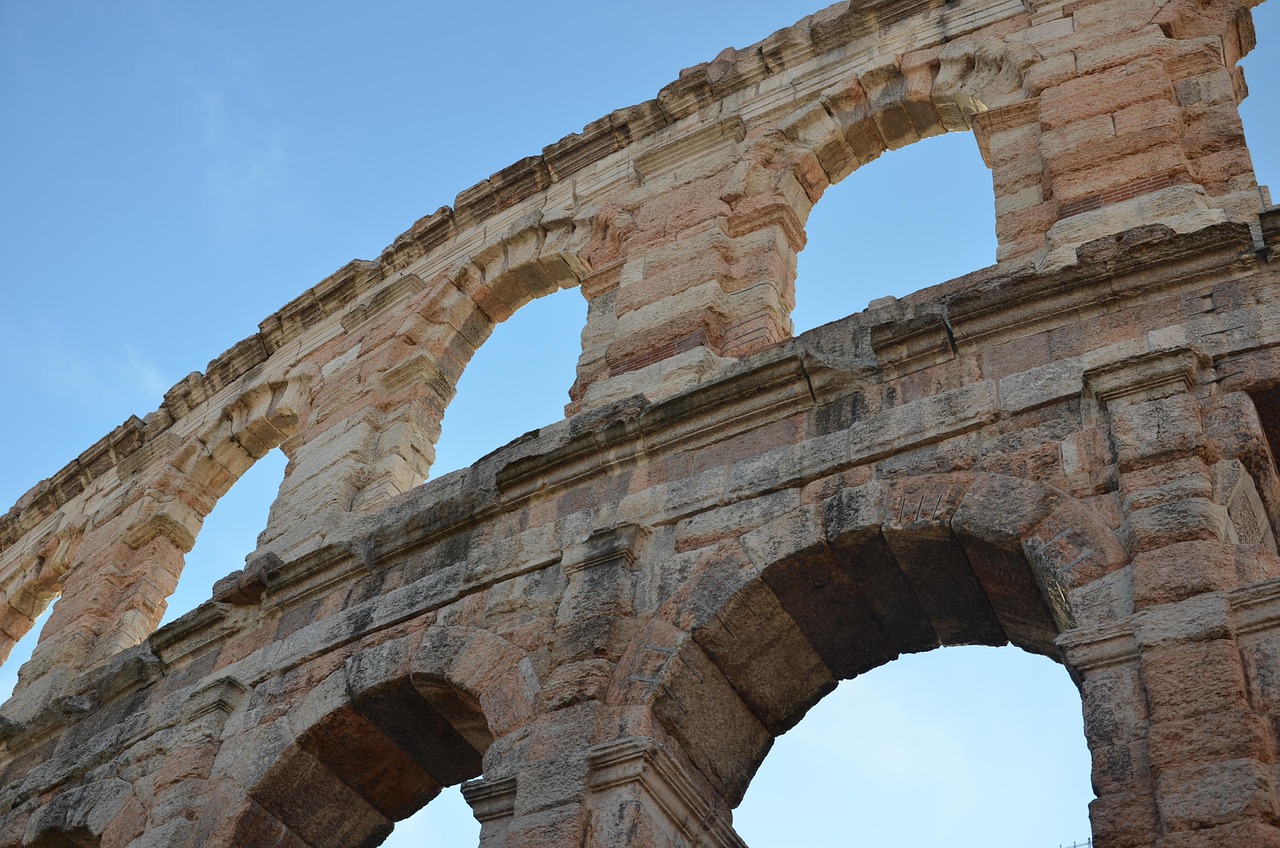
Design a seamless Verona Arena day and night plan in Verona Italy
For Verona Arena Verona Italy practical tips tickets transport June to September, think of your day as a seamless arc: explore in daylight, rest, then return for the evening glow. The best time strategy is June to September if you want opera; for opera festival 2026 dates, book months ahead. High-demand nights can sell fast, and choosing early gives you better options and more confidence about your plan.
Getting there is straightforward. From Verona Porta Nuova station (Verona Porta Nuova), you can walk into the centre or take local buses; either way, the arena is central and easy to reach. Time your arrival so you’re not joining the biggest queue right at the entrance—especially on performance nights when the crowd energy rises quickly.
Verona costs and ticket expectations
It helps to see costs in one place so you can decide what feels right for your style of travel. Guided visits are often around 10–15 euros, while opera pricing varies widely by date and seat category. You’re not only paying for view; you’re paying for how you want to feel during the performance—close and immersive, or panoramic and grand.
- Standard arena entry: best for flexible daytime exploring.
- Audio guide: a good balance of independence and depth.
- Expert-led tour: ideal if you want crisp context and space to ask questions.
Verona comfort and care checklist for stone steps
Comfort is not optional in the arena; it’s what lets you stay present. Wear supportive shoes (the stone can be unforgiving), and bring sun protection for daytime. If you’re combining your day with nearby religious sites, keep modest dress in mind—light layers are an elegant solution. In the heat, build in an afternoon pause: return to your hotel, shower, and reset so the evening feels like a treat rather than an endurance test.
A simple itinerary template can look like this: morning history walk and arena visit, long lunch, afternoon rest, twilight Piazza Bra, then opera or a guided night tour. It’s adventurous without being forced, and it supports you to enjoy Verona at its best.
Verona Arena reflections Italy travel personal meaning after the arena in Verona
In the days after you leave, Verona Arena reflections Italy travel personal meaning often arrive unexpectedly. You might be back home and hear a fragment of opera, and suddenly you’re there again—stone warming under your hand, a hush gathering before music, the arena holding thousands of lives in one shared pause. The memory isn’t only visual; it’s the sound in the stone and the way the city seemed to cradle the evening.
What stays with me most is the human thread: a local smile at a café table, a gentle correction when I mispronounced something, a shared bench in Piazza Bra where strangers gave one another space with quiet grace. Verona has a way of making you feel supported, as if the city knows that cultural travel is emotional as well as intellectual.
And perhaps that’s the arena’s deeper gift. It becomes a mirror: you notice your own pace, your own courage to try something new, your own curiosity when you wander beyond the obvious. Whether you came for architecture, for history, or for opera under the stars, you leave with a calmer kind of confidence—trust in your ability to explore with care, and to let a place change you without demanding anything in return.
Later, when music finds you in another city, you may find yourself imagining Verona again—not as a checklist, but as a feeling you can return to in your mind, whenever you need it.
F.A.Qs: Verona Arena Verona Italy
What is the Verona Arena famous for?
The Verona Arena is famous as a remarkably well-preserved Roman amphitheatre dating to the 1st century AD and for hosting world-class opera performances in an open-air setting. Its summer season brings global productions and a uniquely atmospheric experience in Verona, where ancient architecture and live music meet under the night sky.
Is the Verona Arena like the Colosseum?
It’s comparable in Roman design principles—arched construction, an elliptical plan, and crowd circulation—but it feels different in scale and setting. The Verona Arena sits right in the city centre and is still actively used for opera and events, while the Colosseum is larger and primarily visited as an archaeological monument.
Can you walk around the Arena in Verona?
Yes. You can walk around the exterior in Piazza Bra and enter to explore the seating levels during standard visiting hours. With guided tours or an audio guide, you can often access additional areas and learn how entrances, corridors, and viewing levels were organised for different spectators.
Did gladiators fight in the Verona Arena?
In Roman times, amphitheatres were built for public spectacles, and the Verona Arena is associated with staged combat and entertainment typical of that era. While details vary by period and evidence, guided visits often explain how the arena could have supported gladiator fights and other performances, presented with historical context rather than sensationalism.