Post Contents
- Florence for the First Time: Guide to Visiting Florence in the Historic Center of Florence
- Florence Cathedral & Duomo climb: Brunelleschi’s dome, 463 steps, and panoramic views
- Uffizi Gallery and the Renaissance in Florence: Botticelli, Leonardo da Vinci, and how to visit Florence
- Iconic attractions in Florence: Ponte Vecchio, Palazzo Vecchio, and Piazza della Signoria
- San Lorenzo Market in Florence: Tuscan flavours, street food, and places to eat
- Day trip design from Florence: Chianti hills wine tour in Tuscany (taking a day trip)
- Explore Florence beyond museums: things to do in Florence for panoramic views and Tuscany adventures
- What stayed with me after Florence: personal reflections in the cradle of the renaissance
- F.A.Qs: Visiting Florence Italy
Florence for the First Time: Guide to Visiting Florence in the Historic Center of Florence
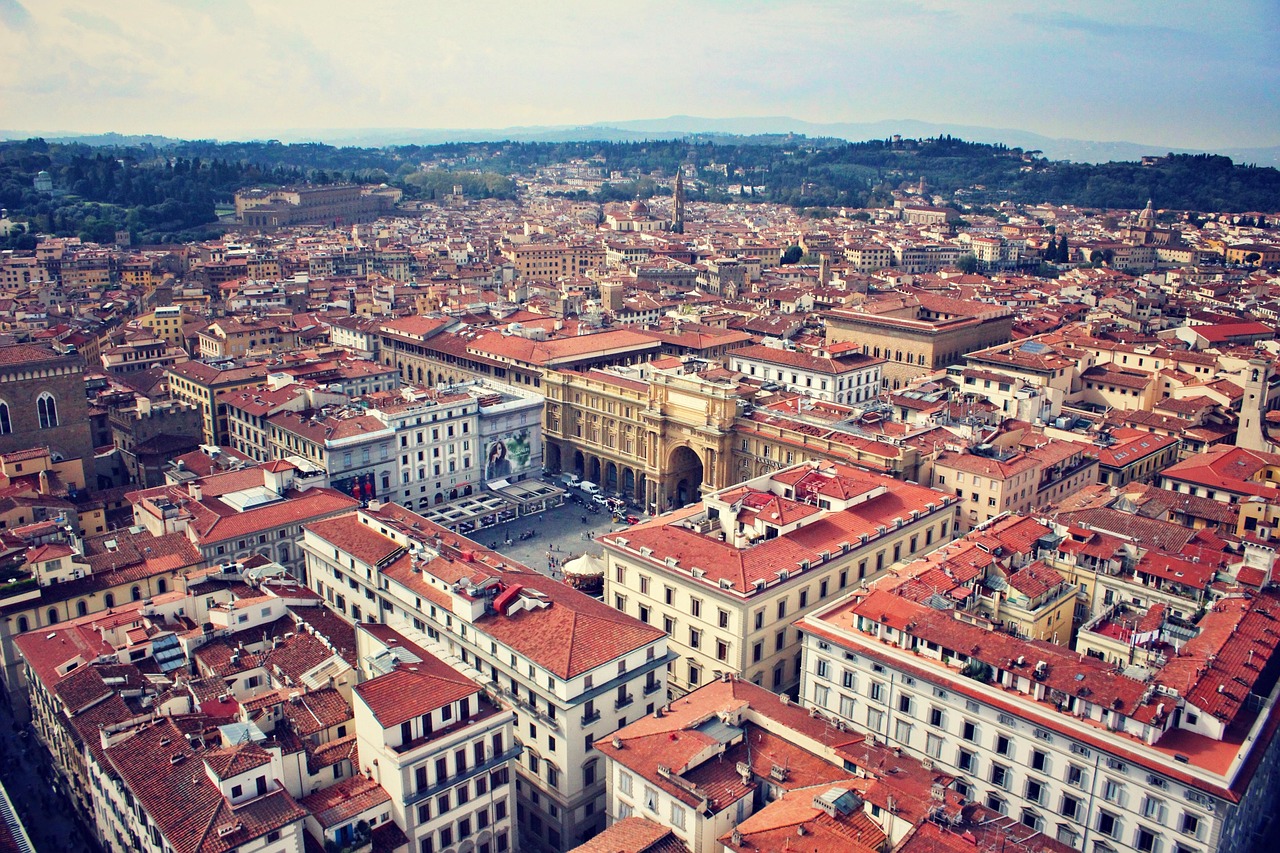
Florence for the first time in the streets of Florence: slow, confident wandering in Firenze
If you’re visiting florence italy for the first time, this Florence travel guide is built for travellers who want culture with movement—slow wandering, purposeful climbs, and the joy of getting slightly lost (then finding your way again). Florence is a city where art, craft, and daily life sit side by side, and the UNESCO World Heritage historic centre rewards attention more than speed. If you’ve ever wanted a trip to Florence that feels both ambitious and human, you’re in the right place.
Think of Florence as a compact stage set with real life running through it: espresso exchanged at the counter, Florentine leather workshops in Oltrarno, and a sudden burst of violin music in a square. As a tourist destination, it’s generous—yet it asks one thing in return: time, especially if you plan to visit Florence in peak season.
Quick orientation – guide to Florence neighbourhoods and your time in Florence
The Duomo area is your visual anchor—grand, bright, and always a little theatrical. San Lorenzo is lively and practical, where markets and everyday shopping add a grounded pulse. Cross the Arno and Oltrarno softens the energy: artisan studios, the Florentine feel of quieter streets, and a more local rhythm that’s ideal for an evening in Florence.
For Adventure Seekers, 3 days gives you the heart of Florence plus a countryside escape; 4–5 days lets you add deeper museum time and a slower pace. The city is walkable, but the cobblestones reward good shoes, a calm stride, and realistic time to see each highlight without rushing.
Best time to visit and arrival notes for first-timers
The best time to visit Florence is spring (April to June) or early autumn (September to October). For many travellers, the best time to visit Florence is when you get warm light, pleasant temperatures, and fewer queues—especially if your time to visit Florence is limited and you want maximum ease. Rome may be the capital of Italy, but Florence often feels like the capital of beauty.
Arriving by rail is wonderfully simple: Santa Maria Novella train station is close to the centre, so you can step off the platform and be at your hotel quickly. On arrival, keep your first steps light—drop bags, take a short walk, and let Florence introduce itself before you chase any major attraction.
- Mindset: design each day with one “must” and two “maybes” to keep your travel style confident, not pressured.
- Tickets: pre-book top sites when possible; it protects your energy and helps you lock in a specific time slot.
- Comfort: carry a light layer and water—Florence days can swing from sun to shade quickly.
If you’d like inspiration for crafted routes across Italy, you can browse our Trip gallery and imagine what you’d like to uncover next.




Florence Cathedral & Duomo climb: Brunelleschi’s dome, 463 steps, and panoramic views
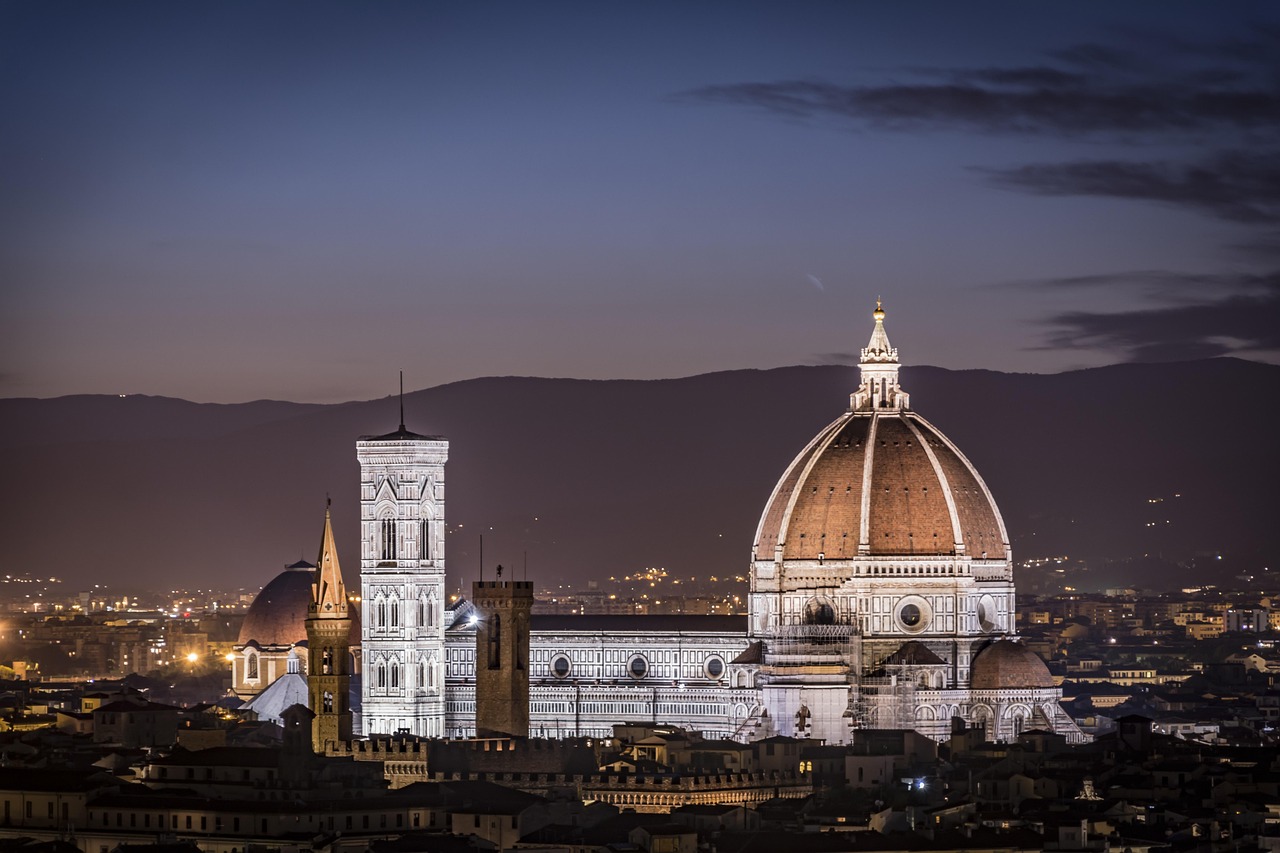
Florence Cathedral and Duomo climb at Piazza del Duomo
The Duomo complex is a moment that resets your scale—especially when you first see the cathedral and realise the marble details are as intricate up close as they are from across the square. Step inside the Cathedral of Santa Maria del Fiore and the noise of Florence drops away; it’s one of those places where the city’s confidence becomes quiet reverence.
Dress codes matter here, and it’s a simple way to show care: cover shoulders and knees before entering. The atmosphere in the cathedral feels more meaningful when everyone treats the space with respect, even in the busiest tourist hours.
Duomo logistics for a seamless climb to the top
Book online in advance and commit to a specific time slot—this is the simplest way to protect your day. The climb is 463 steps, and the staircase narrows in places, so take it steadily and keep a small bottle of water. Your reward is the top of the dome: views of the city that make Florence feel both intimate and infinite.
A traveller once told me the most thrilling part wasn’t the height—it was the hush. They started early, felt the pulse of their footsteps in the tight stairwell, and arrived to a sunrise that washed the Florentine rooftops in gold. No filter could improve it; the moment felt earned, not staged.
Brunelleschi’s engineering and quick add-ons for views of Florence
Brunelleschi’s solution wasn’t just clever—it changed what Europe believed was possible, creating a dome that still feels audacious centuries later. You don’t need a lecture to appreciate it; a single insight is enough: the structure was designed to stand with elegance and strength, without the obvious support you’d expect.
If you still want views of Florence, consider Giotto’s bell tower for a different angle, or simply circle the exterior to find clean photo lines and panoramic framing. Keep some energy in reserve, though—Florence is at its best when you can explore beyond the headline moment.
- What to bring: water, a light layer, and secure footwear for stairs.
- Plan pacing: schedule a calm cafe stop afterwards so your body catches up with the experience.
- Respect: keep voices low inside the cathedral and be mindful of others on the stairs.
Uffizi Gallery and the Renaissance in Florence: Botticelli, Leonardo da Vinci, and how to visit Florence
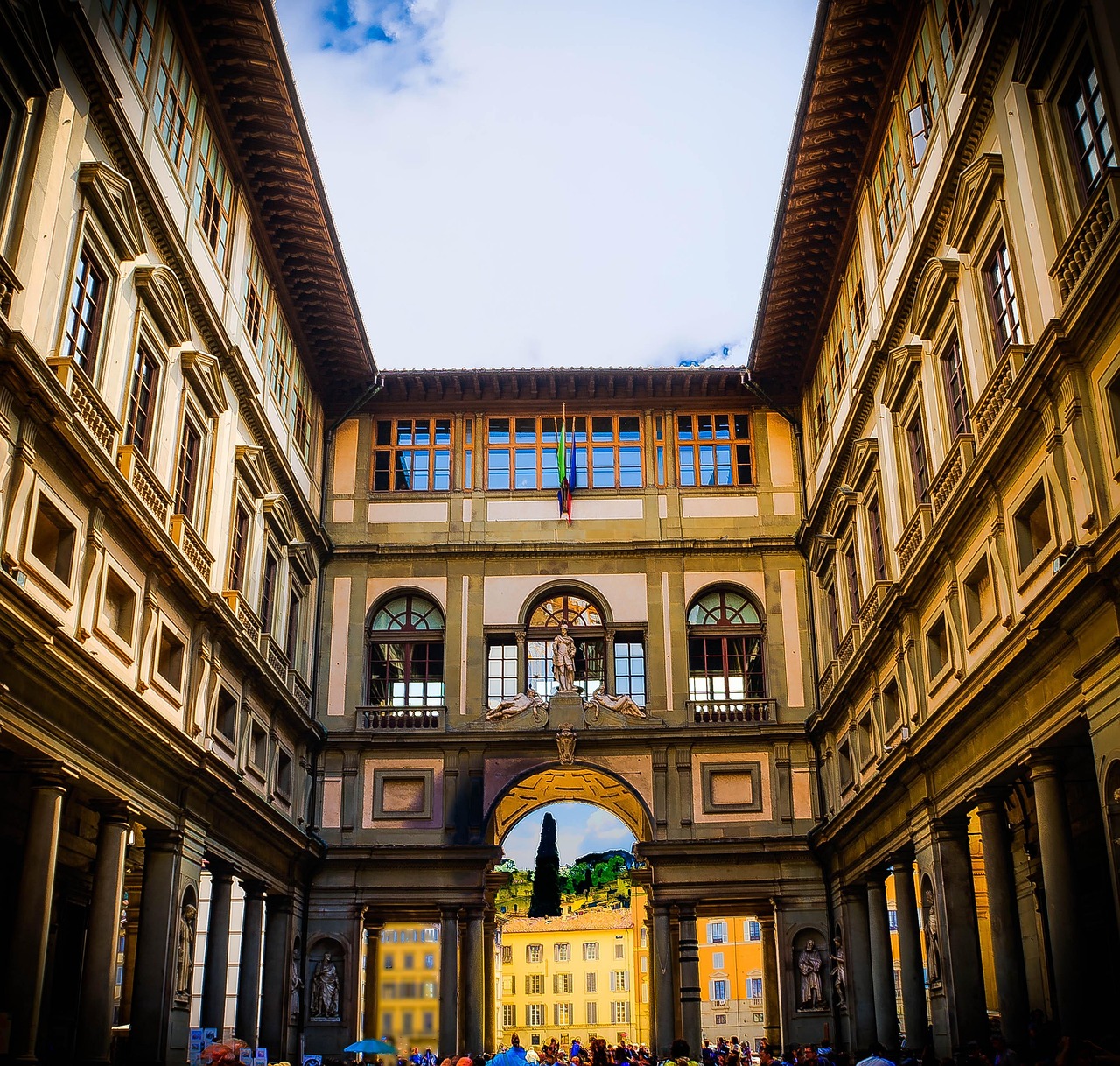
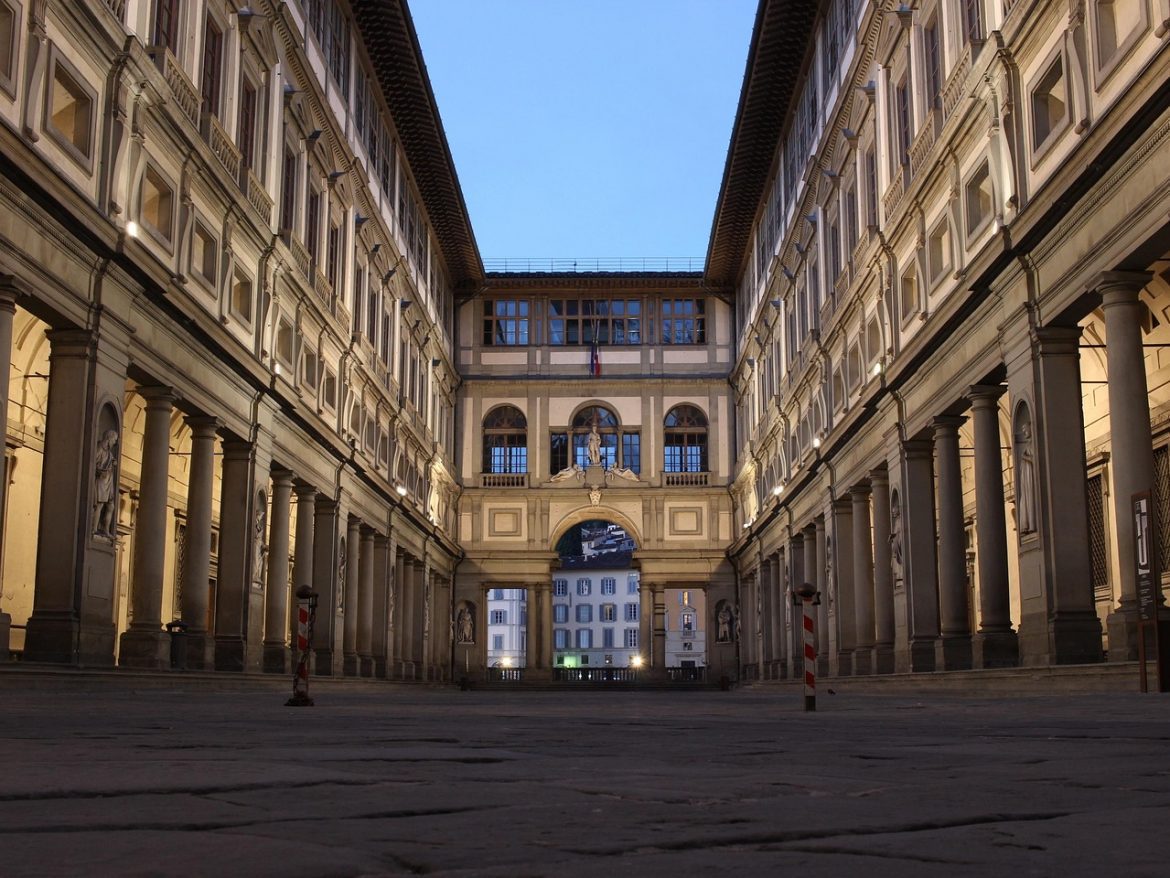
Uffizi and the Renaissance: a focused Florence art plan
The Uffizi is extraordinary, but it’s also intense: long corridors, packed rooms, and masterpieces that deserve more than a quick glance. With the right strategy, you can move through the Renaissance without burnout and leave feeling inspired rather than overwhelmed—especially if you’re trying to see a lot of Florence in a short stay.
Book a timed entry and aim for earlier or later windows when the building breathes a little more. Inside the Uffizi Gallery, give yourself permission to pause—your attention is part of the art experience.
Uffizi pacing and the Firenze Card with confidence
The Firenze Card can support skip-the-line access at several museums, but it’s not a magic wand for every queue in peak season. Even with a pass, pre-booking can still matter for the most popular entry times. The simplest approach: decide what you most want to see in Florence, then build a buffer around it.
One practical rhythm is to take the Uffizi in sections: a focused hour on major works, a short break in a quieter room, then another hour for discoveries. Your goal isn’t to “finish” the museum; it’s to create a personal connection with the Renaissance, not just a photo archive.
A personal moment with Botticelli and a gentle prompt to uncover more
An art lover once described seeing Botticelli’s The Birth of Venus in person after years of admiring it abroad. They expected familiarity; instead, they felt awe—like meeting a legend and realising she has a human pulse. That’s what Florence does well: it turns knowledge into feeling.
Yes, look for Botticelli and Leonardo da Vinci, but also choose one unexpected favourite—something smaller, stranger, or quieter. Let your taste expand, not just your checklist, and remember to hydrate and step outside between galleries.
- Quieter flow: enter at your timed slot, then head slightly away from the first bottleneck rooms.
- Micro-reset: after the museum, step outside for river air and a cafe pause before your next stop.
- Mindset: you’re not competing with crowds—your only task is to truly see.
Iconic attractions in Florence: Ponte Vecchio, Palazzo Vecchio, and Piazza della Signoria
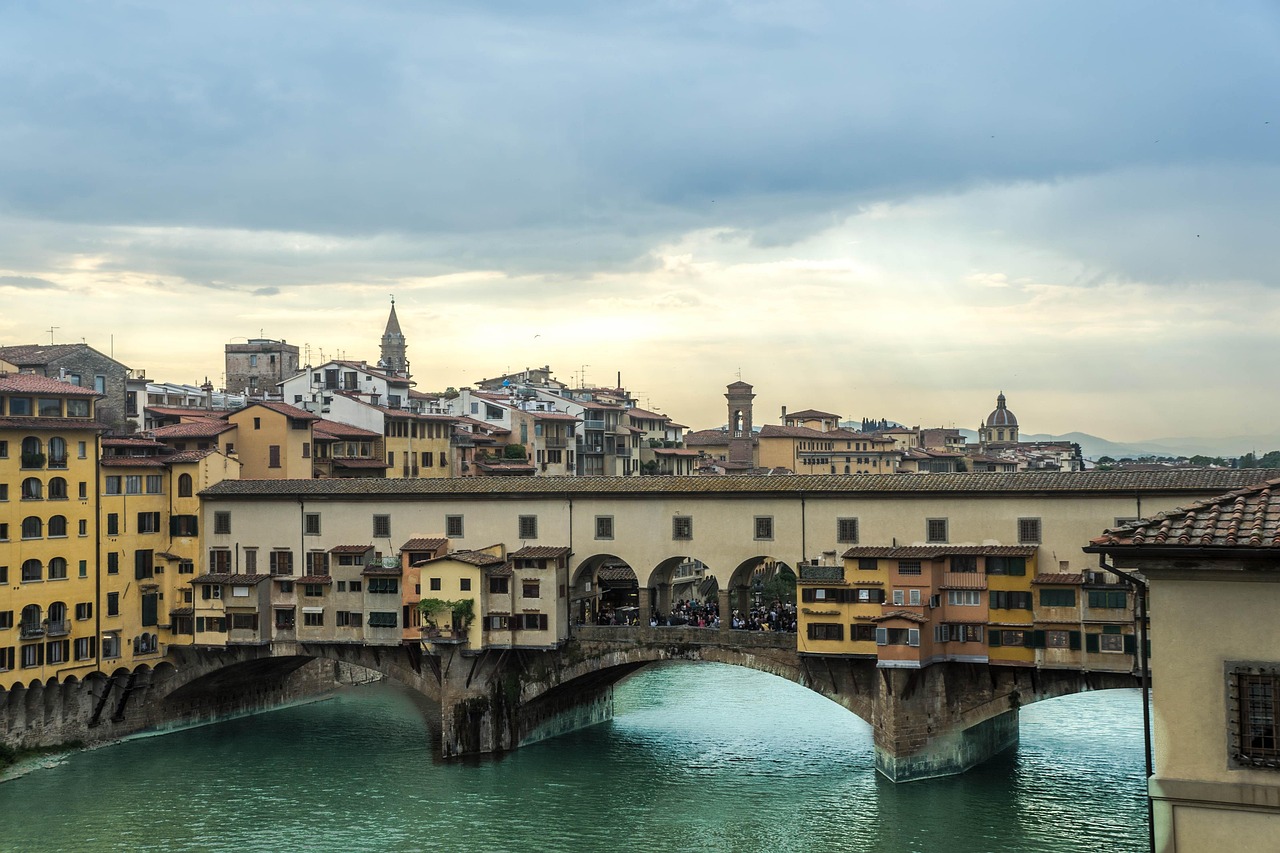
A classic Florence loop near Ponte Vecchio
This walk can be a single, beautifully compact circuit—ideal when you want culture with a sense of momentum. Start with Ponte Vecchio, the oldest bridge in Florence, and let its jewellers’ shops sparkle without pulling you into pressure. You can look with curiosity and still keep your boundaries; that’s a kind of travel confidence in a busy tourist zone.
In the late afternoon, the streets of Florence begin to change tone. Light softens, conversations lengthen, and the city feels more like itself—especially when you slow down and notice the sound of footsteps on stone.
Ponte Vecchio to the heart of Florence in one crafted loop
From Ponte Vecchio, follow the flow towards Piazza della Signoria (your one required stop for civic drama) and Palazzo Vecchio, which anchors the city with power and history. If you enjoy photography, this part of Florence is generous—statues, stone, and sudden openings that frame the sky.
Then drift towards Piazza della Repubblica, where street musicians often gather. It’s a simple moment—gelato in hand, music in the air—but it’s also how Florence becomes personal rather than just impressive. If you have ten spare minutes, pause by the Arno River for a breath of cooler air.
Optional add-ons: Santa Croce and Oltrarno artisan streets
If you want variety, Santa Croce offers a different kind of beauty—more reflective, more grounded—though check timings so you’re not rushing at the door. Later, cross back towards Oltrarno and aim for the Santo Spirito area, where artisan studios and small bars create a local hum. This is also where you can weave in Pitti Palace for a slower, greener hour.
Keep your belongings secure in busy areas, especially near popular crossings and crowded piazzas. Florence is welcoming, but like any tourist centre, it rewards simple precautions and a steady awareness of your surroundings.
San Lorenzo Market in Florence: Tuscan flavours, street food, and places to eat
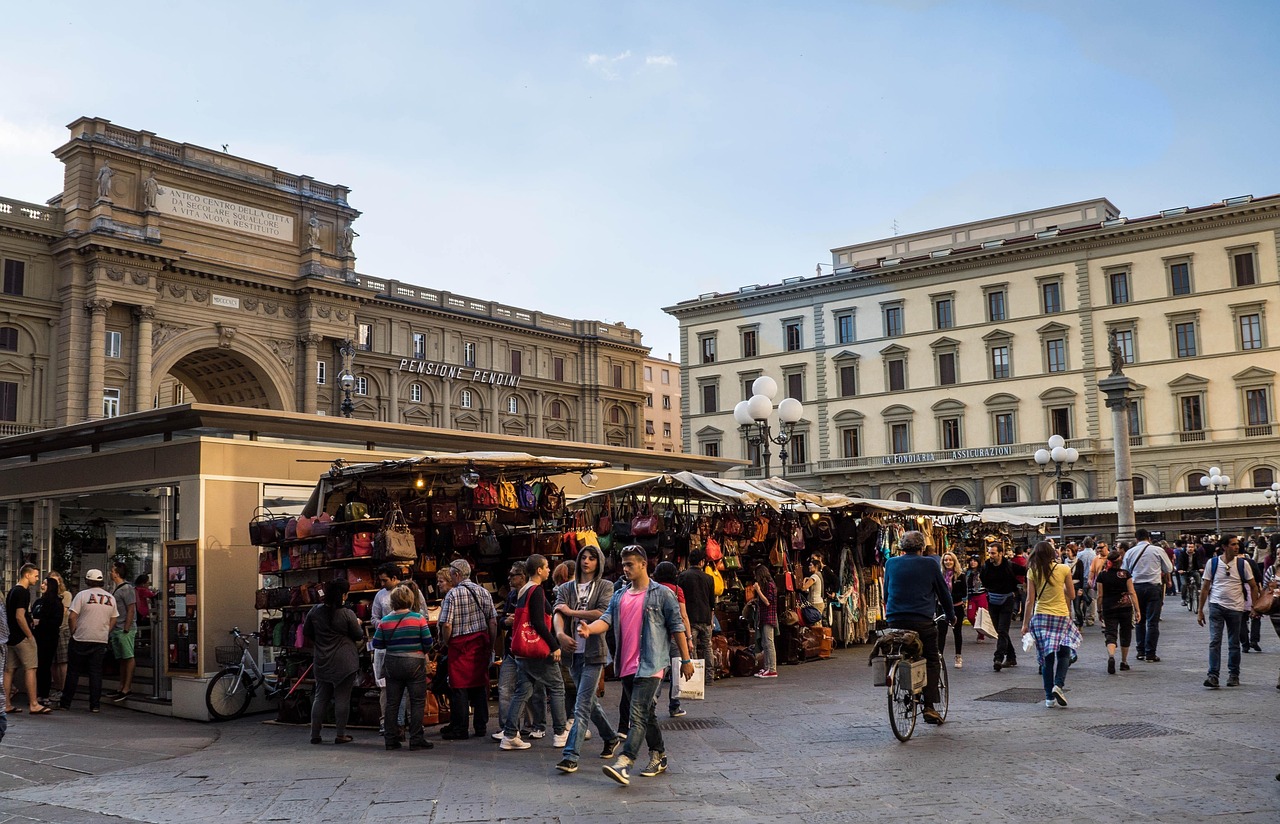
San Lorenzo Market: a Tuscan bite-sized break in Florence
San Lorenzo is where Florence tastes loud, bright, and wonderfully alive. It’s the kind of place that suits Adventure Seekers because you’re moving, choosing, trying, and trusting your instincts among busy tourist and local crowds. Look for local cues: a steady queue, produce that looks handled with pride, and vendors who keep the pace brisk but kind.
A group of friends once told me their favourite Florence memory wasn’t a museum at all—it was navigating the bustling market together, laughing as they negotiated choices, then tasting fresh bites in the sun. It felt like the city had invited them into its everyday rhythm.
What to eat in Florence and how to order with confidence
Try classic Tuscan flavours without overthinking: a warm panino with local fillings, a small plate of cured meats, or seasonal fruit that tastes like it was picked that morning. If you want a simple celebratory pause, order a glass of wine and let the noise of the market blur into a happy background. Prices vary, but most snacks are easy to manage in euro if you keep a small note and coin mix ready.
For best places nearby, ask a vendor where they would go for lunch—then listen for the answer that comes without hesitation. That’s usually where trust lives, especially when you’re hunting for authentic places to eat.
Mini phrasebook and a day-bag setup that supports peace of mind
A few Italian phrases create connection fast: “Buongiorno” (good morning), “Per favore” (please), “Grazie” (thank you), and “Quanto costa?” (how much?). Your effort is often met with warmth, and it changes the mood from transaction to conversation.
San Lorenzo can be busy, so design your day bag for calm: wear it cross-body, keep zips closed, and store your phone away when you’re not using it. It’s not about anxiety—it’s about giving yourself freedom to enjoy Florence with ease.
- Local cue: choose stalls with high turnover and fresh, well-presented ingredients.
- Comfort: eat little and often so you keep energy for walking.
- Care: step aside to taste and photograph—don’t block narrow aisles.
Day trip design from Florence: Chianti hills wine tour in Tuscany (taking a day trip)
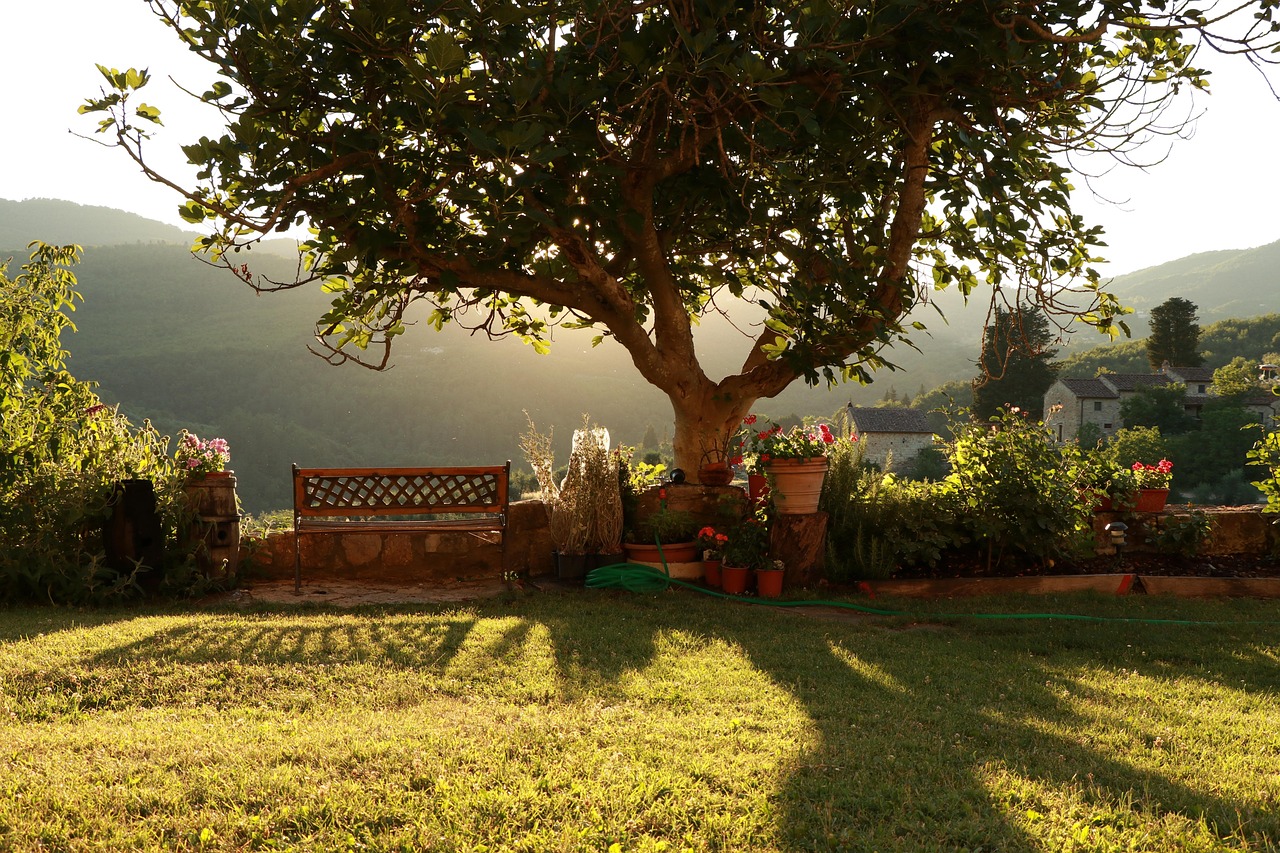
Day trip from Florence: Chianti hills and Tuscany vineyards
A day trip into Chianti is one of the most satisfying ways to widen the story of Florence. The city gives you Renaissance brilliance; Tuscany gives you horizons, vines, and the kind of quiet that resets your senses. Whether you choose a small-group tour, a private driver, or a confident self-drive, the goal is the same: a seamless day that feels crafted around your comfort level.
Chianti is close enough to feel easy, yet different enough to feel like a true escape. You return to Florence with dust on your shoes and a softer pace in your shoulders—and a new appreciation for the Tuscan landscape that frames the city.
Options for a crafted day trip and what to pack
Small-group tours work well if you’d like everything handled—meeting points, tastings, timings—and they’re ideal if you want to relax with wine. If you prefer more independence, a private driver keeps things elegant and safe, especially on winding roads. Self-drive suits confident travellers who want to stop for viewpoints and village detours, but skip it if you’d rather not manage parking. For best tours, choose operators that clearly list stops, duration, and what’s included in the tasting.
Pack layers, water, and sun protection; the countryside can be cooler in the morning and warm by midday. Keep your schedule light enough to linger—this is where Tuscany shines.
A homestay insight and a bonus contrast at Piazza del Campo
A solo adventurer once shared a homestay in the Chianti hills with a local family, expecting politeness and getting something richer: shared meals, stories, and a sense of being gently looked after. That hospitality didn’t feel performative—it felt like the kind of trust you earn when you arrive with respect and curiosity.
If you’re keen and your timing allows, Siena’s Piazza del Campo makes a striking contrast—medieval curves and a different architectural mood—though it’s best treated as a brief chapter, not the main plotline. When you return to Firenze, you notice Florence differently, as if the countryside has adjusted your lens.
- Timing: start earlier for quieter roads and more time in vineyards.
- Comfort: wear shoes you can walk in on gravel and cellar steps.
- Balance: leave breathing space for a long lunch and unplanned viewpoints.
Explore Florence beyond museums: things to do in Florence for panoramic views and Tuscany adventures
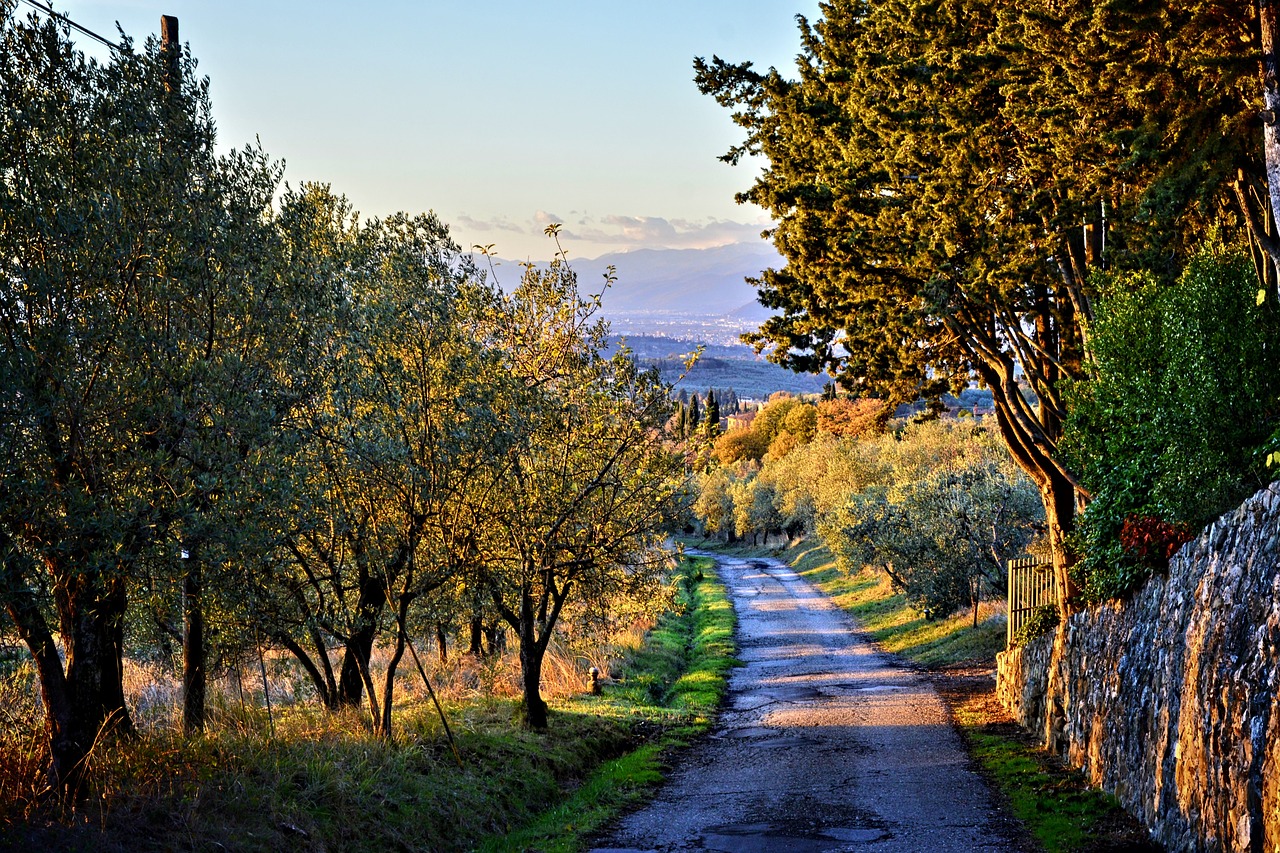
Explore Florence beyond museums: panoramic views and a Tuscany ride
This chapter is for when you’ve done the major galleries and you want Florence to feel active again: a viewpoint that opens the city like a map, and an adventure ride that turns the countryside into a moving painting. The secret is not doing more, but choosing experiences that change your perspective—Florence stays the same; you shift.
If you’re planning your time in Florence carefully, aim for one viewpoint session and one countryside experience, rather than stacking multiple big activities into a single day.
Piazzale Michelangelo for panoramic views and calm photos
Piazzale Michelangelo is the classic lookout, but it can still feel intimate if you arrive early and claim a quiet spot along the edge. At sunrise the air is cooler and the city is softer; at sunset the light turns the dome and rooftops into warm terracotta. Give yourself time to breathe—this isn’t only about photographs, it’s about noticing how Florence fits together and enjoying true panoramic views.
If you want extra green time afterwards, consider Boboli Gardens near the Pitti area, where paths and hedges offer a slower, shaded counterpoint to the city streets.
Vespa tour and the reality of the way to get around Florence
A Vespa tour through Tuscany can be unforgettable: olive groves, vineyard roads, and that cinematic sense of freedom. Choose reputable operators with clear safety standards and well-maintained bikes; many travellers book through platforms like Get Your Guide for easy comparisons. Wear closed-toe shoes, bring sunglasses, and don’t be shy about choosing a passenger option if you’d rather relax and take in the view.
In the city itself, the way to get around Florence is mostly on foot, with buses for longer hops. Uber in Florence is limited compared with other cities, so plan on taxis from official ranks when you need them, and always confirm the approach before you get in.
Where you stay shapes your days more than you think. Stay in Florence near the Duomo for pure convenience, choose Oltrarno for craft energy and calmer nights, or base yourself by the central station area for effortless arrivals and departures.
- Things to know before visiting: cover shoulders and knees in churches, carry water, and keep valuables zipped in crowded areas.
- Know before visiting Florence: pre-book key climbs and galleries to protect your best hours.
- Comfort check: plan one slower block each day so your trip feels sustainable.
What stayed with me after Florence: personal reflections in the cradle of the renaissance
Florence Italy isn’t only about the monuments—although they’re magnificent. What stayed with me was quieter: hands passing espresso across a bar, the soft echo of steps on stone, and the way dusk gathers gently along the river. Florence is also famous for small human scenes that don’t announce themselves, yet somehow become the lasting souvenir.
Florence is a city that teaches you how to look. The cradle of the renaissance isn’t just a line in a textbook; it’s a permission slip to imagine, to create, and to live with more attention. Florence is one of the most affecting cities in Italy—and in Tuscany, it feels like the art capital even when you’re simply walking to dinner.
Confidence arrives in subtle ways: ordering in imperfect Italian, choosing a side street without needing reassurance, trusting yourself to pause rather than push. And sometimes it’s a stranger—an older shopkeeper, a patient waiter, a local who points you the right way—who gives you the simple feeling that you’re safe and welcome, even during the busiest tourist weeks.
Long after you’ve left Firenze, you may still remember the colour of the light on a wall, or the way a door closed softly behind you in a church. Not as a checklist completed, but as a window left slightly ajar.
F.A.Qs: Visiting Florence Italy
How many days is enough to visit Florence?
Three days is a strong minimum for Florence if you want a Duomo climb, an Uffizi visit, and time to explore neighbourhoods without rushing. Four to five days feels more luxurious, letting you add markets, artisan streets in Oltrarno, and a day trip into Tuscany while keeping your pace relaxed.
What is the best month to visit Florence?
May and September are favourites for many travellers because the weather is comfortable and the city feels lively without peak-summer intensity. In general, late spring and early autumn offer pleasant walking temperatures and a smoother experience at major sights.
Is Florence worth visiting in Italy?
Yes—Florence is worth visiting for its art, architecture, and atmosphere, especially if you love culture and want a walkable city with depth. The city blends Renaissance masterpieces with everyday street life, and it’s also an easy base for Tuscan countryside experiences like Chianti.
Can you wear jeans in Florence, Italy?
Yes, jeans are common in Florence and work well for walking on cooler days. The only caution is church dress codes: when entering major churches and the Duomo complex, make sure shoulders and knees are covered, regardless of whether you’re wearing jeans.