Post Contents
- Why the Colosseum in Rome Steals Your Breath, its History, and Why Visit the Colosseum
- Parco Archeologico del Colosseo ticket, opening hours, entrance, Rome plan
- Visit the Colosseum for a guided tour of the museum inside the arena in Rome.
- Colosseum underground hypogeum tour in Rome, Italy, beneath the arena
- Roman Forum and Palatine Hill walk from the Colosseum Rome for a fuller day
- Colosseum night tour in Rome, guided after-dark experience.
- F.A.Qs: Colosseum Rome tickets, tours, and facts
- Colosseum Rome reflection cultural adventure Italy, and what stayed with me
Why the Colosseum in Rome Steals Your Breath, its History, and Why Visit the Colosseum
Why the Colosseum Still Steals Your Breath in Rome
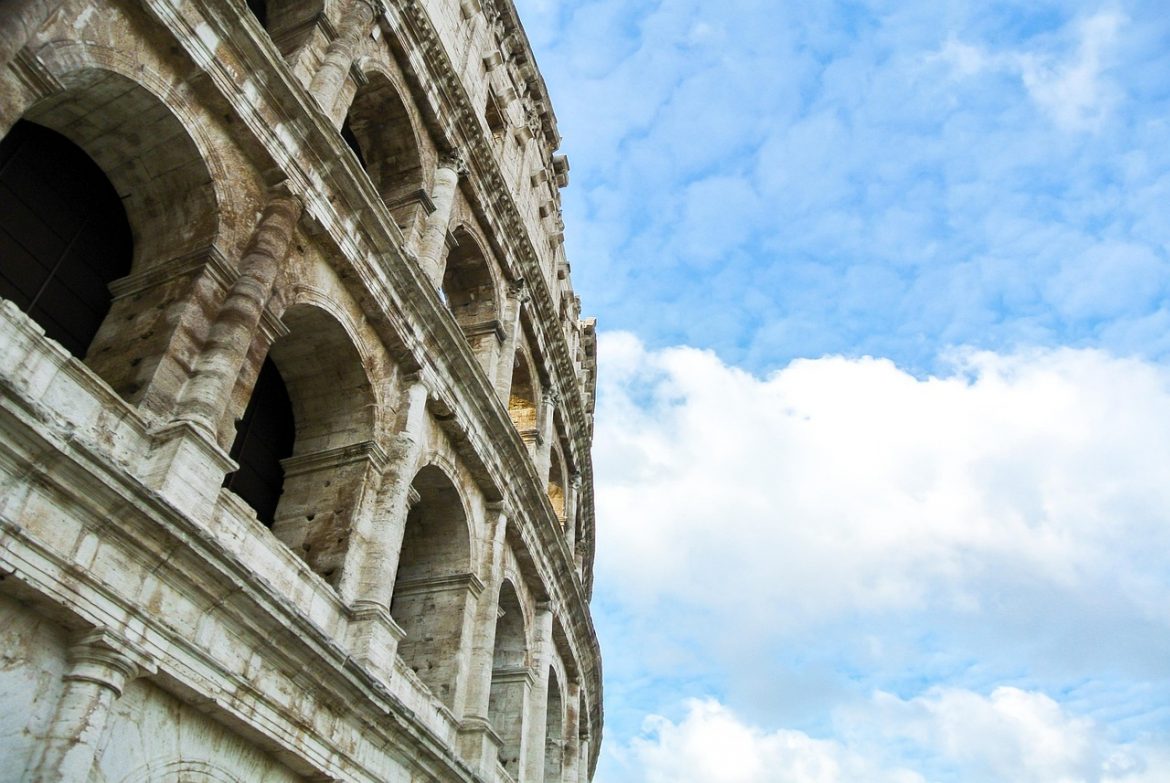
When people talk about Colosseum Rome history and why visit the Colosseum, they’re often trying to put words to a feeling: that first step inside the arena bowl, and the sense that years of history have weight. Many travellers describe genuine awe as they look up at the broken rings and imagine the roar of a crowd returning for a heartbeat. It’s a magnificent welcome to Rome, and it meets you exactly where you are—curious, not required to be an expert.
The Roman Colosseum is more than a famous monument; it’s a symbol of Rome and a cultural mirror for how public life once worked. It’s often listed among the new seven wonders, and you’ll hear it described as one of the new seven wonders of the modern world—yet the real wonder is intimate: the way light slides across stone as you slow down and simply look.
The Flavian Amphitheatre and the spectacle of Ancient Rome
The building you’re about to explore was the Flavian Amphitheatre, an imperial statement on a grand scale. The Colosseum began as a bold shift in the city’s story: after Nero and the Domus Aurea reshaped parts of Rome for private luxury, the new amphitheatre reclaimed space for the people. The construction of the Colosseum under Emperor Vespasian set that intention in travertine, and later, Emperor Titus inaugurated the Colosseum with games in the year 80, which are often described as 100 days.
There were gladiator fights, staged hunts, and even naval spectacles in its earliest phase—a public theatre designed to bind a vast Roman empire together. Over centuries, the Colosseum became many things: a quarry, a fortress in turbulent times, and a site touched by early Christians, with later traditions linking it to martyrdom. Earthquake damage and weathering left it as a ruin, but not a relic; it remains alive with meaning.
If you’re wondering whether you need a doctorate to appreciate it, the answer is no. With a little trust in your own attention—and a guide that offers insight with care—you can discover depth in the details and create a personal connection that lasts beyond the photos.




Parco Archeologico del Colosseo ticket, opening hours, entrance, Rome plan
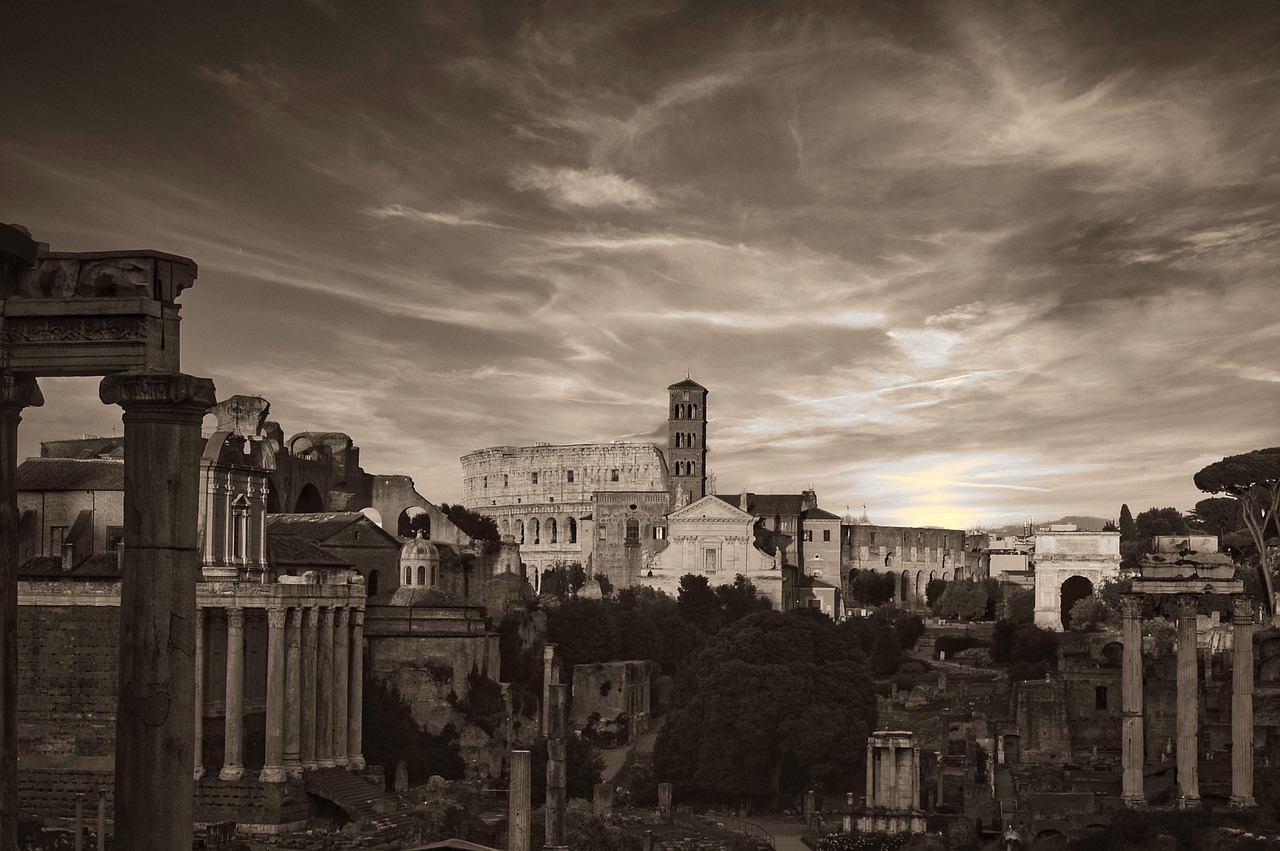
Parco Archeologico del Colosseo Tickets Opening Hours and Entry Plan
For first-timers, Parco Archeologico del Colosseo ticket opening hours and entrance planning in Rome can be the difference between feeling rushed and feeling held. The entrance process is straightforward, but security checks are real, and long lines can form quickly in peak season. Booking online in advance is the most seamless way to protect your time—and your energy—for the actual experience.
The combined entry typically covers the Colosseum, the Roman Forum, and the Palatine, turning one stop into a full immersion in ancient Rome. Admission fees vary, and there are often reduced rates for eligible EU visitors under 25 and seniors, so it’s worth checking details at the time of purchase. Do confirm the official opening hours before you go, as they change throughout the year.
Useful information for arrival, entrance, and comfort
Transport is refreshingly simple: take the Rome Metro line B to Colosseo station, then follow the flow of people towards the arches. If you’re designing a calmer day, arrive early in the morning or late in the afternoon to avoid the biggest crowds and the sharpest heat. High-end travel is often about comfort as much as access, and this is where small choices pay off.
- Timing: Aim for the first slots or later light for easier pacing and better photos.
- Footwear: Choose comfortable shoes; the terrain around each ruin is uneven, and the steps are frequent.
- Etiquette: Don’t touch fragile surfaces, and speak softly where the space narrows.
- Plan inspiration: Browse our Trip gallery if you’d like to explore crafted itineraries across Italy.
With the practicalities handled, you can move through the site with confidence—supported, not hurried, and able to enjoy the experience together.
Visit the Colosseum for a guided tour of the museum inside the arena in Rome.

Visit the Colosseum with an Expert Guide Inside the Arena and Museum
To visit the Colosseum, take a guided tour of the Colosseum museum in Rome, which is to trade surface-level sightseeing for story and structure. A good guided tour begins with a pause—letting the scale land—then moves intentionally through viewpoints that reveal how the building worked as an elliptical structure, guiding spectators in and out with remarkable efficiency.
This is where an expert guide earns your trust. They’ll help you imagine the original seating tiers, the social hierarchy, and the careful choreography of a day of spectacle, without drowning you in dates. And for adventure seekers, there’s a particular thrill in understanding the mechanics behind the drama.
Colosseum museum exhibition spaces and engineering insight
Inside the museum, interactive exhibition displays bring the past closer: what a gladiator’s life may have looked like, how Roman engineering managed crowds, and why travertine was such a powerful building material. It’s also where the site stops being “just a photo” and becomes a narrative you can carry home.
Local storytelling makes this personal. I’ve heard visitors say they didn’t expect to feel so moved by a guide describing a fighter’s quiet routines—the mundane humanity at the heart of a brutal profession. That shift in perspective is an unexpected kind of adventure: you uncover empathy where you expected only spectacle.
A calm, photo-friendly tour of the Colosseum with care
For a smoother experience, slow down at the outer arches where the light is kind, then save your most patient photo moments for higher viewpoints. If you’re travelling in a pair or small group, agree on a meeting point in case anyone lingers. And keep the tone respectful—this monument has held joy, fear, and loss, and it deserves gentle behaviour.
- Best pacing: Build in small pauses so the experience feels crafted, not rushed.
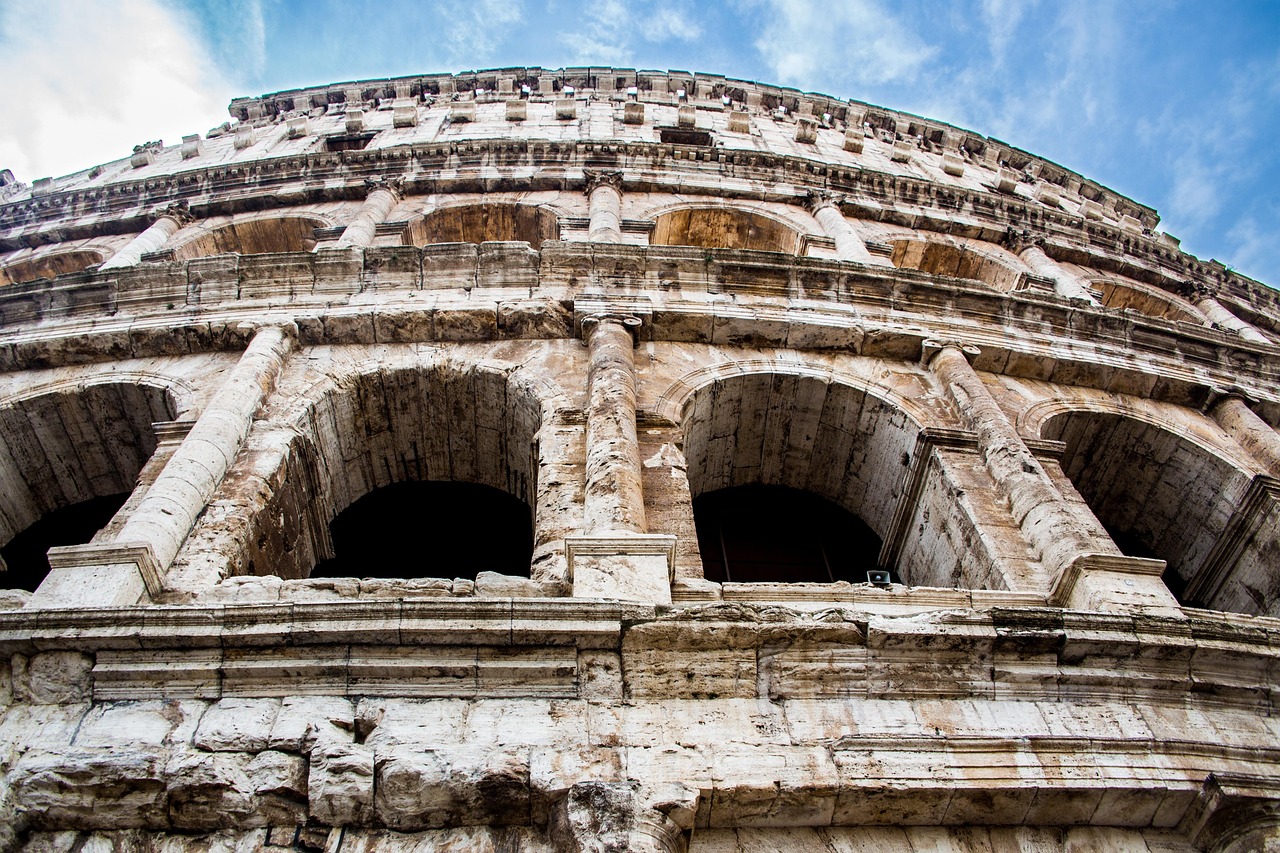
- Photo tip: Frame through arches for depth and scale, especially when the arena floor opens below you.
- Quiet rules: No touching fragile stone; let your voice drop as spaces narrow.
Done well, your tour becomes a design of moments—some cinematic, some almost silent.
Colosseum underground hypogeum tour in Rome, Italy, beneath the arena
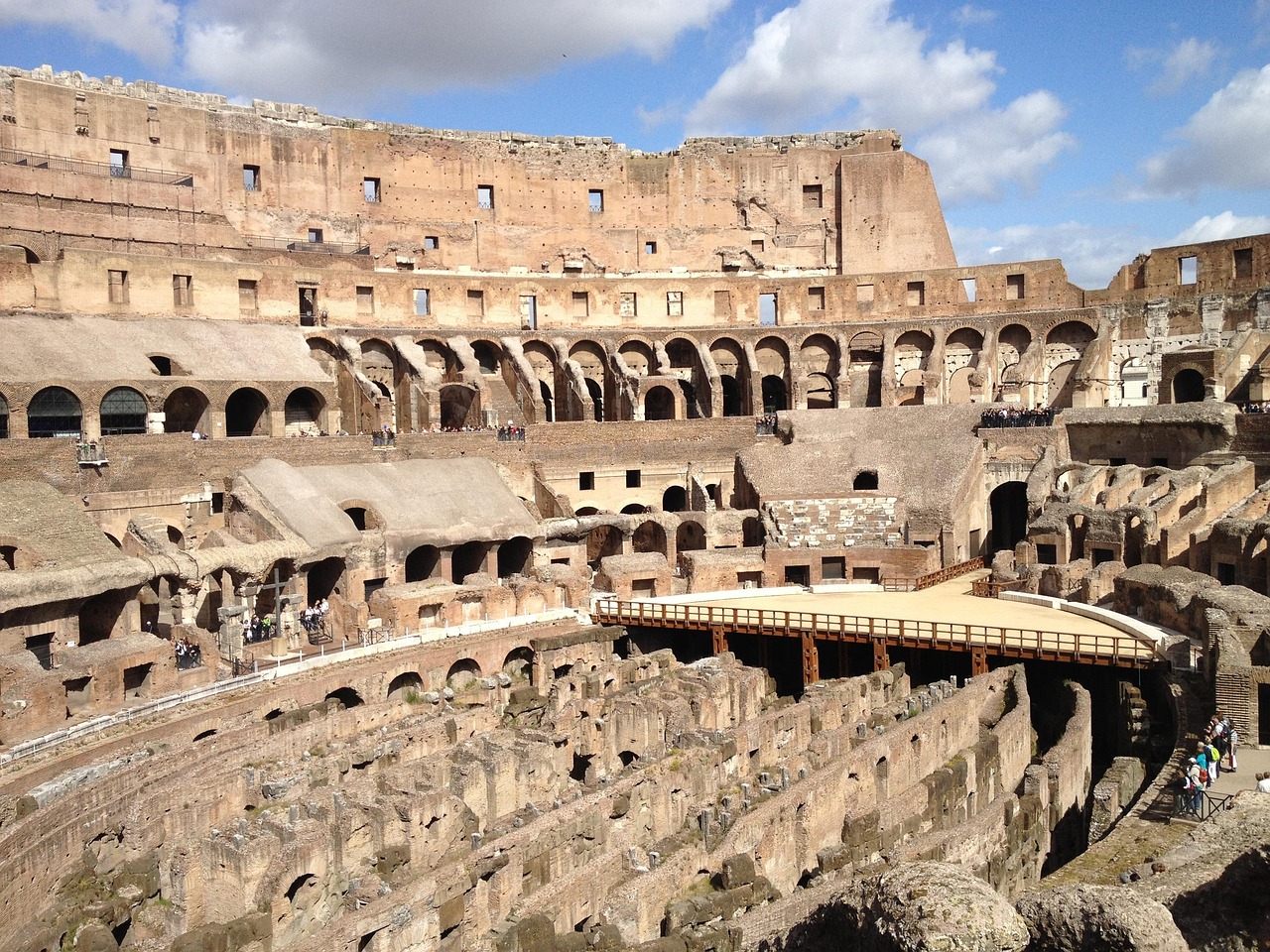
Beneath the Arena The Underground Hypogeum Adventure
The phrase Colosseum underground hypogeum guided tour, Rome, Italy sounds technical, but the feeling is visceral. Beneath the arena, the mood changes: the air cools, voices soften, and you sense the hidden infrastructure that powered the spectacle. This is the “backstage” of ancient Rome, where routes and holding areas once kept people, animals, and props moving with almost theatrical precision.
What makes it compelling isn’t just access—it’s proximity to the human story. You’re closer to the place where a gladiator might have listened for the signal above, hands steadying breath before a fight. In that imagined quiet, the Colosseum becomes less myth and more human.
How lifts and trapdoors could stage the spectacle
Your guide will usually explain the basics without jargon: shafts, ramps, and systems that could raise scenery through trapdoors to surprise the crowd. Even if the wooden mechanisms are gone, the layout still speaks. It’s a rare chance to uncover Roman problem-solving in physical form—how to move heavy elements, how to cue entrances, and how to keep the show flowing.
Practical note, offered with care: hypogeum access is often limited to specific slots, and it tends to sell out. If enclosed spaces make you uneasy, choose an option that’s paced kindly, and let your guide know so they can support you with steady timing.
When you step back into daylight, the arena feels different—less like a postcard, more like a living design of engineering and emotion.
Roman Forum and Palatine Hill walk from the Colosseum Rome for a fuller day
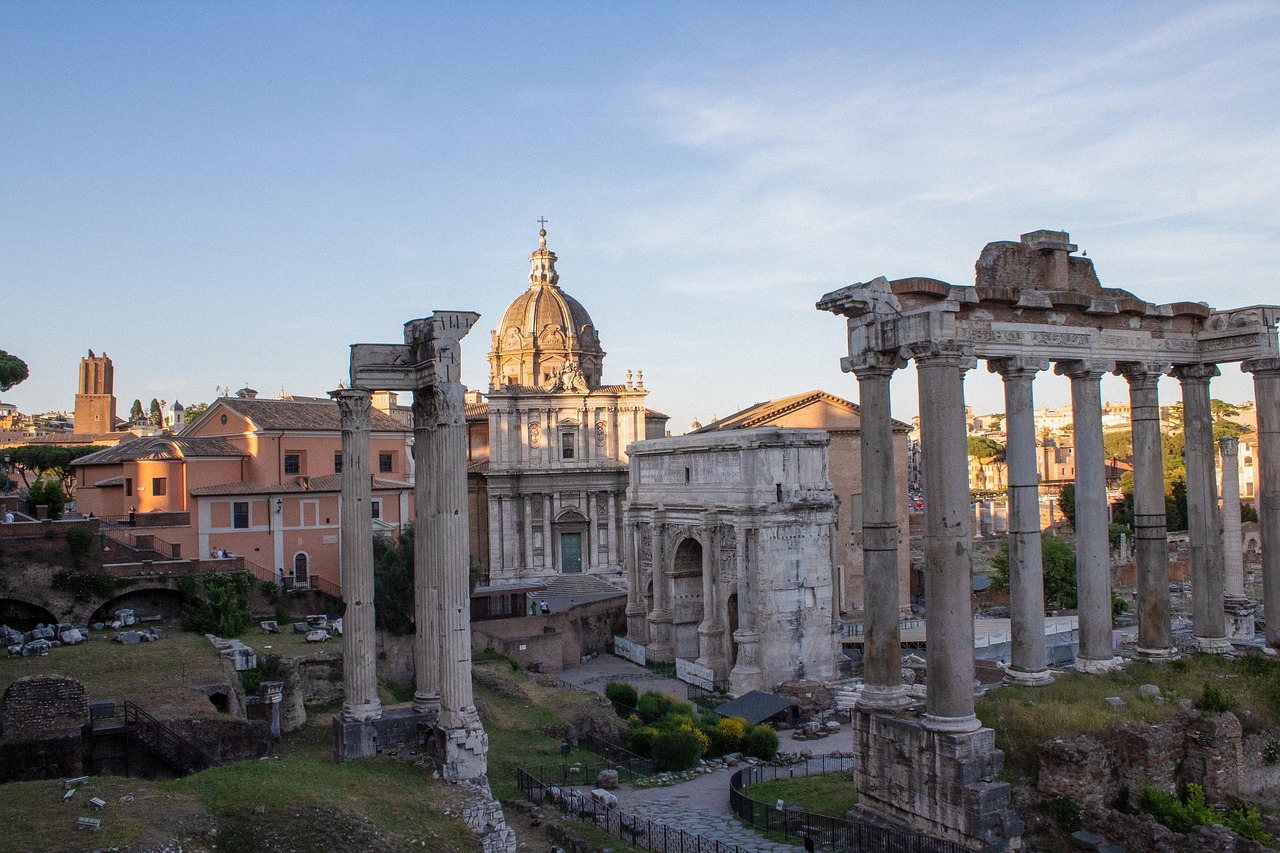
Roman Forum and Palatine Hill Beyond the Colosseum
If you’re planning a Roman Forum and Palatine Hill walk from the Colosseum Rome, you’re about to turn one iconic stop into something layered and satisfying. The transition is beautifully natural: from the amphitheatre’s engineered drama into the Roman Forum’s open-air sprawl, then up towards Palatine Hill, where Rome’s story feels quieter and more reflective.
Many visitors are surprised by the scale here. The Forum isn’t a single “ruin”; it’s an entire world of fragments—streets, platforms, and shadows of power—that asks you to slow your steps and let the imagination do some of the work.
Roman Forum highlights to look for as you explore
To make the walk feel crafted, pick a few anchors and let the rest be discovery. Look for a triumphal arch framing the path, a temple footprint that hints at long-gone ceremony, and a surviving column that still catches the sun like polished bone. You’ll also spot Corinthian details in places—ornament that once signalled status and wealth.
- Perspective: Step back often; distance helps the Forum make sense as a whole.
- Details: Notice carved stone and ground markings where buildings once stood.
- Energy: Pause where the path opens and listen for the city’s present-day hum.
Palatine Hill slow adventure, and a viewpoint over Rome
Palatine Hill offers a gentle “slow adventure”: shaded paths, birdsong, and a sense of space above the crowds. You’ll pass palace remains that once held imperial life, and you’ll find viewpoints where Roma unfolds in layers—domes, roofs, and distant ruins stitched into a single panorama.
In summer, bring water and sun protection, and pace yourself on uneven ground. High-end travel doesn’t mean doing more; it means doing it with comfort, confidence, and the freedom to linger where the view feels personal.
Colosseum night tour in Rome, guided after-dark experience.

Night Tours of the Colosseum A Different Rome After Dark
A Colosseum night tour in Rome, Italy, is a guided tour for travellers who love a fresh angle on a classic. Under soft illumination, the stone looks warmer, and the scale feels more intimate. With fewer people around, you can hear your footsteps and sense the monument’s presence in a way that daytime crowds can blur.
One adventure seeker told me the thrill wasn’t just the lighting—it was how the guide’s stories made the place feel vivid, as if ancient Rome had leaned closer. In that calmer atmosphere, you’re not rushing to the next viewpoint; you’re letting meaning arrive.
Design your evening for a seamless, unhurried arrival
Night access is usually limited, requires booking in advance, and may be route-specific. Give yourself extra time to arrive, pass security, and settle in. If you’re the type who prefers certainty, choosing an expert-led option can offer real reassurance—especially when schedules are tight.
Low-light photography and respectful etiquette at the Colosseum
In low light, a steady hand matters more than fancy equipment. Stay close to your group and avoid using bright flashes that disrupt others’ moods. It helps to treat the space as more than a tourist attraction; it’s a living chapter of memory, and your presence becomes part of its story for a moment.
- Camera settings: Use night mode or stabilisation; lean on railings only where permitted.
- Comfort: Bring a light layer; evenings can feel cooler inside the arches.
- Mindset: If the darkness feels intense, focus on your breathing and let your guide set the pace.
There’s a particular kind of calm that comes from seeing the Colosseum this way—still powerful, but gentler around the edges.
F.A.Qs: Colosseum Rome tickets, tours, and facts
Why is the Colosseum in Rome so famous?
The Colosseum is famous because it’s the most recognisable amphitheatre of ancient Rome and a global symbol of the city. It hosted spectacles that shaped public life, and its surviving arches still show remarkable Roman engineering. It’s also linked to major imperial stories, from the Flavian dynasty to later centuries, when it became a fortress and a powerful monument of memory.
What can you do at the Colosseum in Italy?
You can explore the main tiers for sweeping views into the arena, join a guided tour for deeper context, and visit museum and exhibition spaces focused on gladiator life and engineering. Many travellers also add the underground hypogeum for a behind-the-scenes perspective. With a combined entry, you can continue into the Roman Forum and Palatine Hill for a fuller ancient Rome experience.
How much is it to get into the Colosseum in Rome?
Prices change depending on the date, inclusions, and whether you add special areas like the underground. A standard combined entry often includes the Colosseum, the Roman Forum, and Palatine Hill, while guided tours cost more but offer storytelling and smoother access. Discounts may apply to eligible EU citizens under 25 and seniors, so it’s wise to check at the time of booking.
What are 10 facts about the Colosseum?
It’s also called the Flavian Amphitheatre; it opened in the year 80; it was inaugurated by Titus; it hosted gladiator fights; early shows may have included naval-style spectacles; it measures about 156 meters across one axis; it used travertine stone; earthquakes damaged it over time; it was reused as a fortress; and today it welcomes millions of visitors each year.
Colosseum Rome reflection cultural adventure Italy, and what stayed with me
In the days after, I found myself returning to the phrase Colosseum Rome reflection cultural adventure Italy, not as a slogan but as a private truth. What stayed with me wasn’t a checklist; it was the hush inside the stone, the way the air seemed to change as I stepped through an arch, and the surprising tenderness of imagining ordinary lives held inside an extraordinary place.
On Palatine Hill, the wind felt like a quiet companion, and time loosened its grip. Below, the Roman Forum and the Palatine lay open like a palimpsest—layers of ambition and collapse, beauty and pragmatism. In that view, the scale of the Roman empire felt less like domination and more like a human attempt to make meaning last.
I thought about the Colosseum’s measurements—156 meters across one axis—and how the mind struggles to hold that size until you’re inside it. I’d read that around 6 million people come each year, and yet the experience can still feel personal if you give it space. Even the spelling slips—someone will call it the coliseum—and the monument simply endures, unbothered, inviting you to look again.
There’s comfort in realising you don’t have to “do Rome properly”. You can move slowly, accept what you feel, and trust that curiosity is enough. And when you catch yourself, weeks later, picturing stone lit by late sun or night lamps, you may notice you’re already wondering what else the city has been holding quietly, just out of sight.