Post Contents
- Florence & Firenze First Impressions in the City Centre – Florence Travel Arrival Guide
- Best Things to Do in Florence – Renaissance Art Lovers’ Uffizi Gallery Private Tour
- Duomo Moments – Santa Maria del Fiore, Cathedral of Florence, and Best Views of Florence
- Piazza della Signoria & Palazzo Vecchio – Florence Renaissance History in the Heart of Florence
- Ponte Vecchio – Florence Artisan Boutiques, Jewellery, and Bespoke Leather Goods
- Chianti Private Wine Tasting Tour – Tuscany Day Trip from Florence into the Heart of Tuscany
- Sunset Hot Air Balloon – Tuscany Trip to Florence Luxury Adventure
- Design a Seamless Guide to Florence – Best Time to Visit, Stay in Florence, and Places to Eat
- F.A.Qs: Florence and Italy planning essentials for a smooth visit to Florence
- What Stayed With Me After Florence – A Florence, Italy Reflection
Florence & Firenze First Impressions in the City Centre – Florence Travel Arrival Guide
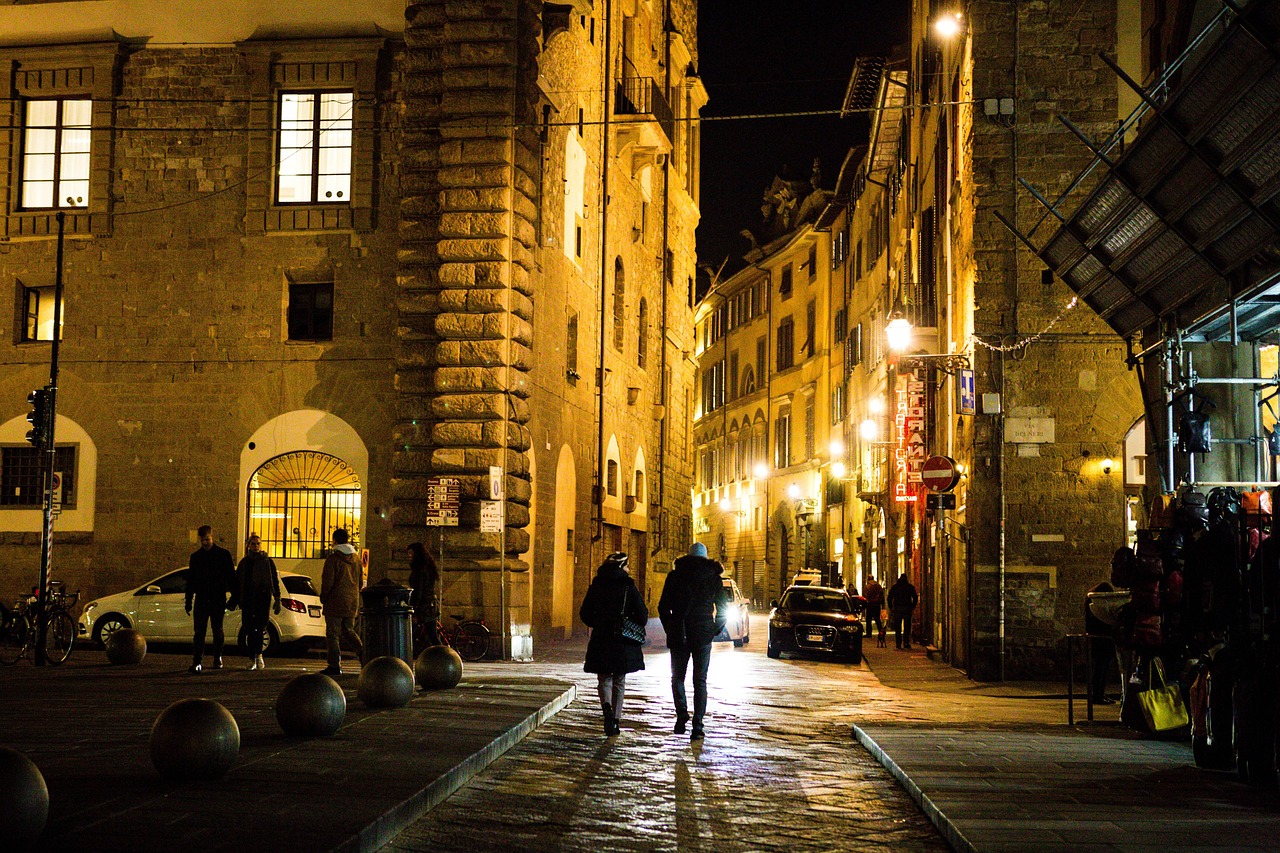
Florence & Firenze First Impressions in the City Centre
For a Florence travel arrival guide to the Florence city centre (Firenze), the first few minutes often set the tone for your whole trip. You step into the station, hear “Firenze” in conversation, and suddenly the city of Florence feels less like a postcard and more like a living place you’re being welcomed into. The air carries espresso, polished stone, and that unmistakable anticipation you only feel in the cradle of the Renaissance—one of the quiet reasons to visit Florence and Italy in the first place.
Most luxury travellers arrive via the Florence train station, Santa Maria Novella, which places you within an easy glide of the historic centre and the main museum corridors. If you’re coming from Pisa International Airport, a pre-arranged transfer is often the most seamless support—especially after an international flight—while taxis work well for a quick visit or light luggage. Either way, aim for an arrival that leaves you with energy for your first evening rather than a queue, a negotiation, or a long walk over cobblestones.
City centre orientation: Santa Maria Novella, the Basilica of Santa Maria, and the Arno
If it’s your first time in Florence, Italy, choosing the right base sets the rhythm. The Duomo quarter keeps you close to the cathedral and key museums in Florence, perfect if you like to step out and immediately feel the city’s pulse. Around the Arno River (Arno), you’ll find a softer pace at dawn and a more cinematic walk after dinner, while Santa Croce offers a lived-in Florentine feel with artisan streets, calmer mornings, and easy access to popular places to visit.
For quieter nights, look just beyond the busiest lanes—still central, but with fewer footsteps under your windows. A concierge who can book reservations, arrange private transfers, and keep your plans flexible makes a noticeable difference, especially if you have only a limited number of days in Florence. The goal is confidence, not constant decision-making as you explore Florence.
Expert insight on cobblestone comfort for Florence travel and an effortless stroll
Florence rewards walking, but it asks you to pace yourself. Choose elegant trainers or cushioned loafers you can truly stroll in, and plan a mid-afternoon reset so evenings stay luminous. If you’re investing in late museum openings or a private dinner, treat your body like part of the itinerary: hydration, a gentle espresso break, and a taxi back if your feet begin to protest.
- Arrival ease: pre-booked transfers feel calmest when luggage is involved.
- First-hour tip: drop bags, then take a slow loop to Piazza della Repubblica for an early sense of the city’s texture in the city centre.
- Energy saver: a short rest keeps you fresh for twilight art, aperitivo, and the first museum evening.
From here, explore Florence slowly—your itinerary can be beautifully full without ever feeling crowded.




Best Things to Do in Florence – Renaissance Art Lovers’ Uffizi Gallery Private Tour
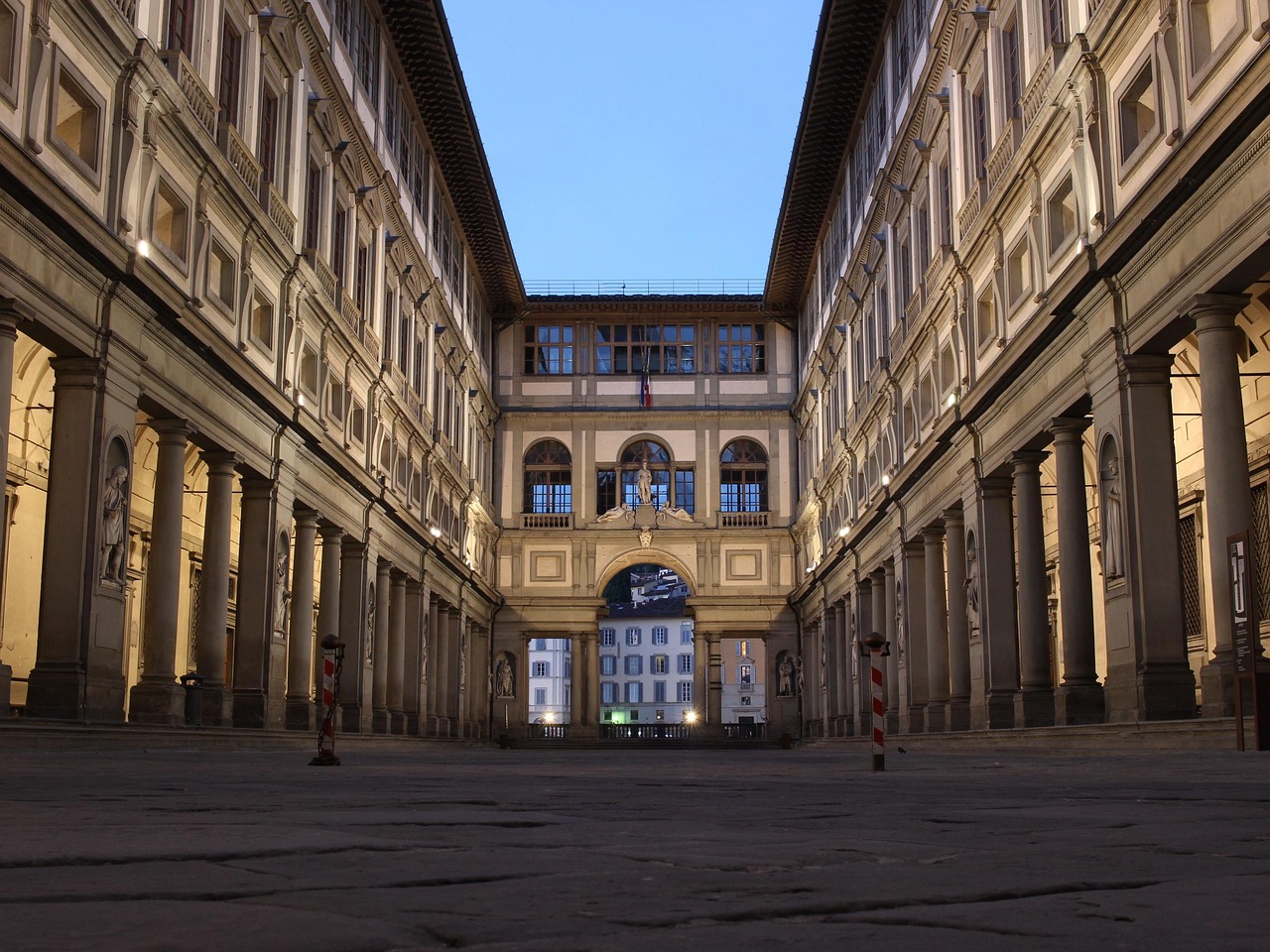
Best Things to Do in Florence for Renaissance Art Lovers
If you’re searching for things to do in Florence, begin with a curated, expert-led museum visit that captures your attention. The Uffizi Gallery is not just a museum; it’s a conversation with Renaissance art at its most intimate—Botticelli’s grace, Michelangelo’s intensity, and a collection of Renaissance art that can change how you see beauty. With private pacing, you uncover the stories without being pushed through the rooms.
A luxury traveller once told us their private guided tour made Florence feel “suddenly legible”. Instead of hopping from painting to painting, their guide translated symbolism into personal meaning—why a gesture mattered, how a colour was chosen, where the city hid its quiet politics. The best part was the space: fewer crowds around the masterpieces, and time to pause until something genuinely moved them.
How to book a tour, use Get Your Guide if needed, and secure timed entries
Premium time slots are limited, especially in peak season, so reserve well in advance and purchase tickets online when possible—this is where it pays to book a tour before flights are even confirmed. If you want the calm of early access, ask for the first entry window and pair it with a late breakfast afterwards. Some travellers also use Get Your Guide for a small group tour, but for high-end comfort and deeper insight, private guiding is where Florence becomes yours.
When you plan, avoid stacking too many major galleries back-to-back. One great museum moment is often better than three rushed ones, particularly if you’re also climbing the Duomo or planning an evening performance.
Beyond the Uffizi Gallery: the best things for art lovers in Florence
The Accademia is essential for Michelangelo’s David, and it’s far more powerful with context—how the marble was chosen, why the posture matters, what the work meant to the city. For quieter museums in Florence, consider Palazzo Pitti’s galleries or a gentle wander into the Boboli Gardens afterwards, where greenery gives your mind space to breathe. If you’d like a softer reset, a twilight stroll across the Arno River can feel like a private curtain call.
- Timing strategy: art in the morning, long lunch, then a lighter afternoon for balance.
- Overwhelm prevention: choose a theme—Medici patronage, Botticelli, or Michelangelo—rather than “everything”.
- Little pleasure: a gelato stop between galleries turns logistics into something gentle.
These are the best things to do in Florence when you want your days to feel crafted, not crammed.
Duomo Moments – Santa Maria del Fiore, Cathedral of Florence, and Best Views of Florence

Duomo Moments Santa Maria del Fiore and the Best Views
For the Florence Duomo experience—Santa Maria del Fiore, its dome, and the cathedral drama—start at Piazza del Duomo and let the scale arrive slowly. The cathedral of Florence is both an architectural triumph and a civic heartbeat, and Santa Maria del Fiore still reads like a stone statement of ambition. You’re standing in the capital of Tuscany, but the feeling can be surprisingly intimate—bells, footsteps, and that gentle hush people slip into without being told.
Approach the Duomo as a complex rather than a single sight: the cathedral, the Baptistery, Giotto’s bell tower, and the stories that link them. If you hear locals refer to the Duomo di Firenze, it’s the same beloved landmark—just spoken with the ease of home. It’s one of the most popular places to visit, yet it can still feel personal with the right timing and a calm plan to visit the cathedral.
Climbing the dome with confidence to the top of the dome
Pre-booked entry is the difference between serenity and a slow queue. Choose an early slot for cooler temperatures, and keep your hands free with a slim crossbody bag. The dome climb is narrow and physical, but manageable with steady pacing, brief pauses, and the reassurance that you’re never rushing for anyone else.
Once you reach the top of the dome, give yourself a moment before reaching for your phone. The reward is more than a view; it’s a sense of scale, a quiet triumph, and a deepened connection to the Renaissance city below.
Finding the best view of Florence and framing the skyline of Florence
For the best views, choose a terrace moment at golden hour rather than racing from viewpoint to viewpoint. From up high, the views of Florence become a study in terracotta and light; the skyline of Florence looks hand-made, and the Florence skyline finally reads as a living place rather than a photograph. If you have time, pair the dome with a later vantage from Piazzale Michelangelo so you can compare the city’s mood in different light and catch another set of the best views.
When you visit the cathedral, dress with care. Shoulders and knees covered is a small courtesy that protects the experience for everyone, especially in active basilica spaces. A light shawl in your day bag is simple support, and it means you can step into sacred places with confidence—whether it’s the basilica of Santa Maria Novella, Santa Croce, or the Basilica di San Lorenzo.
Piazza della Signoria & Palazzo Vecchio – Florence Renaissance History in the Heart of Florence
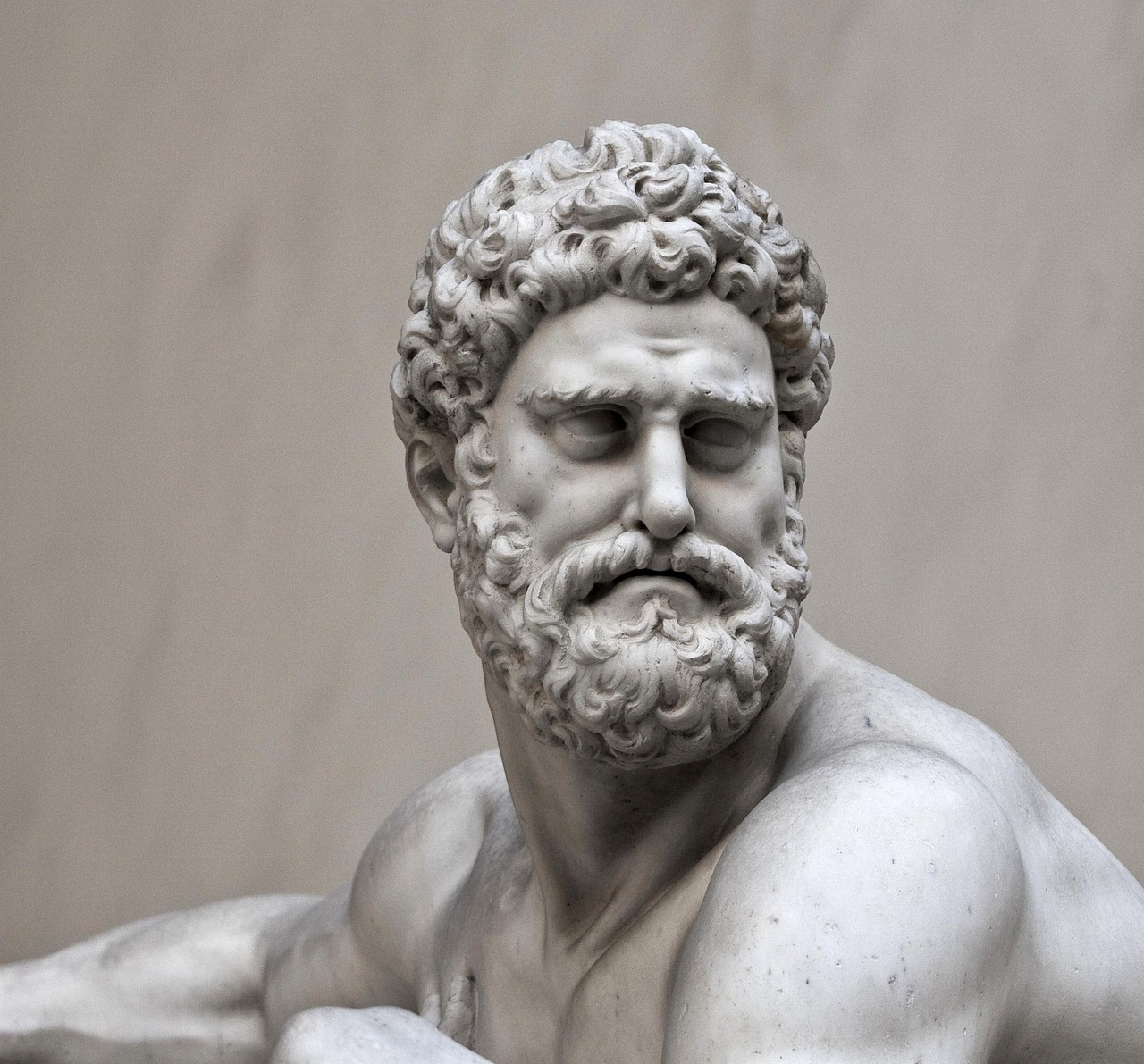
Piazza della Signoria Palazzo Vecchio and Power of Place
If Piazza della Signoria and Palazzo Vecchio are on your list, give them more than a pass-through. Piazza della Signoria is the heart of Florence, where sculpture becomes a public language, and power once played out in the open air. Even if you’ve seen photographs, the real experience is the conversation between statues, arches, and the steady flow of life—Florentine, expressive, and intensely present.
Pause as if you’re in an outdoor museum, because in a way you are. The figures are not decoration; they’re messages about virtue, fear, courage, and identity—ideas Florence still carries. It’s a deeply Florentine moment to stand here and feel time layered rather than linear.
Inside Palazzo Vecchio: Renaissance symbolism, the Medici family, and Michelangelo’s context
Go inside Palazzo Vecchio to uncover civic Florence in full colour—grand rooms, hidden corridors, and symbolism designed to persuade. A thoughtful guide can illuminate how the Medici family shaped alliances, artistic commissions, and the city’s long cultural confidence. When Michelangelo appears in the narrative here, it’s not only as an artist but as a citizen navigating a complicated era that helped define the cradle of the Renaissance.
Consider an after-hours approach if it’s available during your dates. Private access changes everything: quieter rooms, fewer distractions, and time for questions that move beyond dates into meaning. That’s the point of luxury in Florence—space to feel, not just to see in Florence.
Gentle support that turns history into something personal
A good guide doesn’t lecture; they translate nuance. They notice what draws your attention—politics, craft, myth—and shape the visit around you, together. In a city where every corner holds a story, this kind of support keeps you present, calm, and genuinely curious rather than overwhelmed.
- Best pace: Piazza first, then Palazzo Vecchio, then a long aperitivo to let it settle.
- Listening trick: stand still for a minute; the square’s soundscape is part of its power.
- Photographs: take fewer, choose better—one framed image often holds more memory.
Ponte Vecchio – Florence Artisan Boutiques, Jewellery, and Bespoke Leather Goods
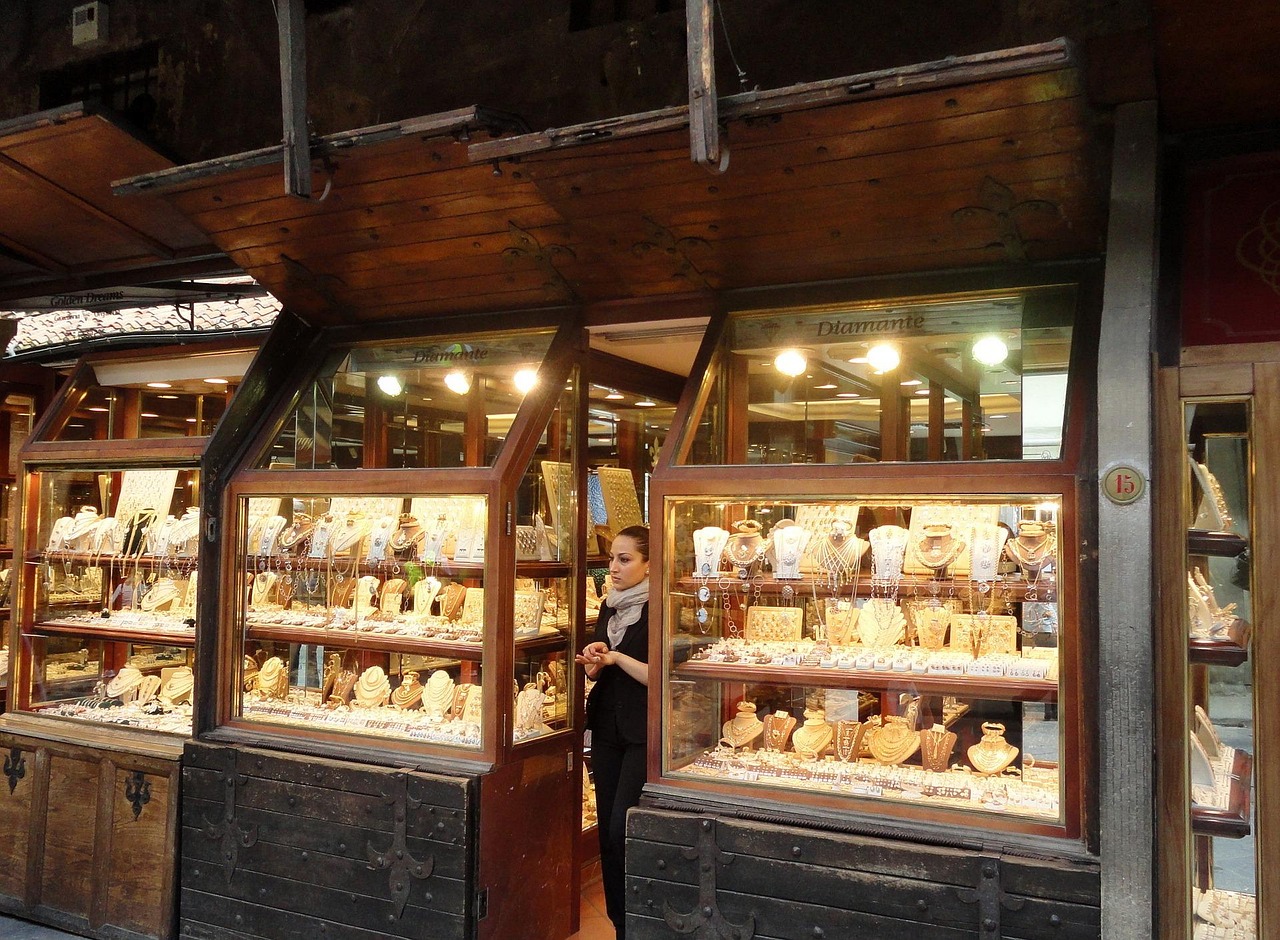
Ponte Vecchio to Artisan Boutiques Designed Shopping
For Ponte Vecchio and Florentine artisan boutiques—bespoke leather goods and jewellery—start with a walk that honours the river’s mood. Approach Ponte Vecchio early, when the Arno is quieter, and the light makes the shop windows shimmer without glare. This is one of those Florence rituals that feels cinematic, yet grounded: gold, stone, water, and the soft rush of another day beginning.
From the bridge, continue along the Arno River into streets where craft still leads the conversation. Florence doesn’t only display beauty in museums; it makes it, daily, in workshops where hands remember techniques older than most nations. If you’re designing a tailored shopping experience, this is where it becomes authentic—and unmistakably Florentine.
Designing relaxed appointments in Florentine ateliers
The most satisfying luxury purchases in Florence often come from appointments rather than browsing. A concierge can organise a private viewing with an artisan, giving you time to discuss materials, proportions, and personal details without the pressure of a busy shop floor. Leather goods can be as subtle as a perfectly weighted cardholder or as bold as a custom weekend bag—made to travel with you, not sit on a shelf.
Jewellery, too, feels different when you meet the maker. You’re not just buying an object; you’re uncovering the story, the tools, and the patience behind it.
Local artisans and a rare glimpse of craftsmanship
One visitor shared how local artisans welcomed them into a studio with a warmth that felt almost familial. They watched gold being worked in small, precise movements, learned why certain Florentine motifs recur, and left with a piece that carried not only beauty but trust. That kind of encounter is a luxury you cannot replicate online.
- Authenticity checks: ask about hallmarks, origin of materials, and aftercare.
- Tax-free support: your boutique can guide paperwork; keep receipts accessible.
- Shipping: insured courier delivery protects you from having to carry valuable items through airports.
In Florence, the finest keepsakes are the ones that hold a memory of meeting the person who made them.
Chianti Private Wine Tasting Tour – Tuscany Day Trip from Florence into the Heart of Tuscany
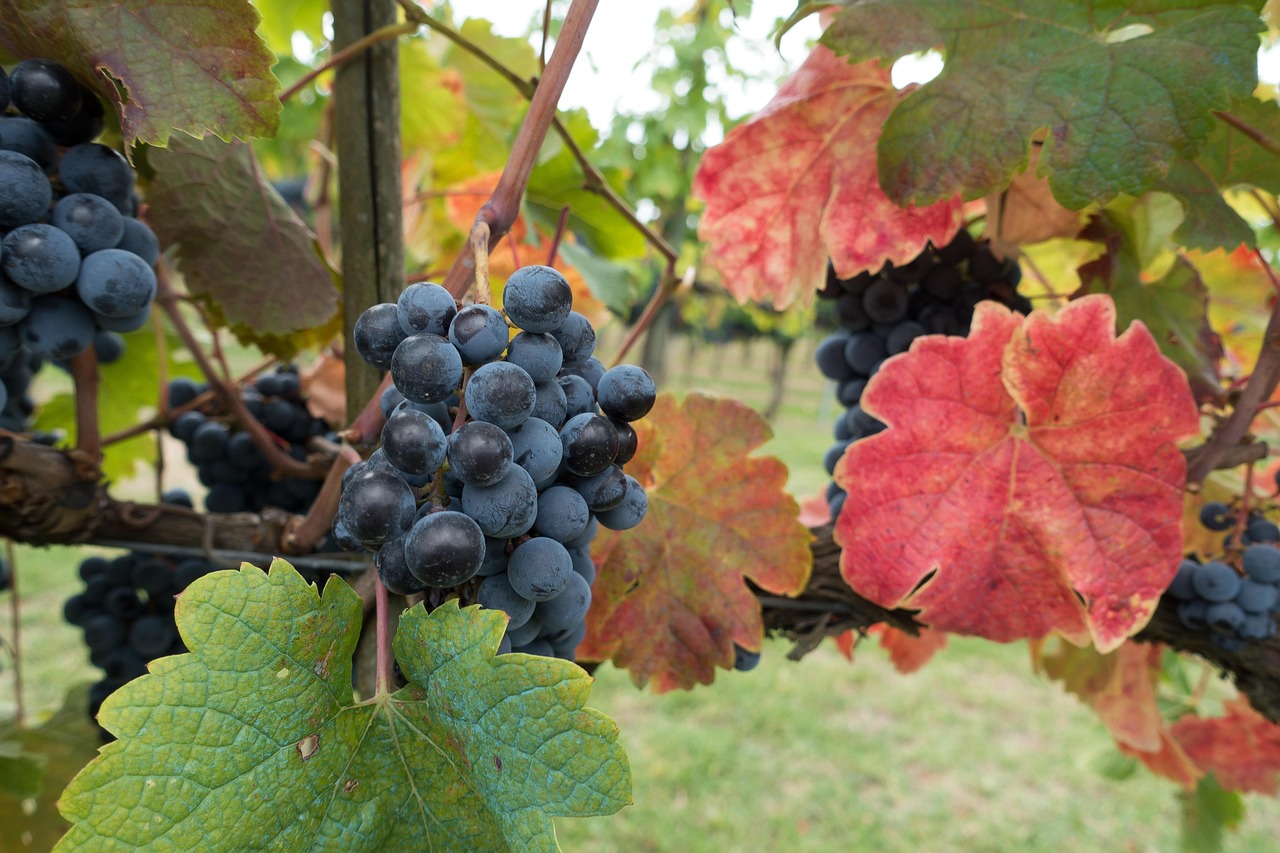
Chianti Wine Tasting Day Trip into the Heart of Tuscany
If a Chianti private wine tasting tour is your signature day trip from Florence, make it intimate. The hills of Tuscany begin to unfurl quickly—vineyards, cypress lines, and that unhurried rural elegance that contrasts so beautifully with Florence. With a private driver, your day trip becomes seamless: no parking stress, no rigid schedule, and the freedom to linger when a place feels right in the heart of Tuscany.
A private tasting in Chianti is as much about people as it is about wine. You meet producers, step into cellars, and uncover why one vintage tastes like sunlight while another tastes like patience. For many travellers, this is the moment Florence’s sophistication meets Tuscany’s grounded calm—an ideal way to see around Florence without feeling rushed.
Tranquillity in a small vineyard estate under the stars
One traveller still talks about the serenity of a small vineyard estate where they learned traditional winemaking, then dined under the stars with simple, perfect food. It was crafted and unhurried: olive oil tasting first, then a walk among vines, then a meal paced like a conversation. That’s the luxury—space to feel the day rather than chase it.
If your schedule allows, consider a late return so you can watch the countryside soften into evening. Florence will be waiting, and it will feel even more luminous after the quiet.
Logistics for the best day trips from Florence (and best day trips) without a checklist
Start later if you enjoy slow mornings, or begin early if you want cooler air and fewer visitors. Your driver can weave through one hill town for texture, but resist the urge to “do it all”. The best day trips from Florence are the ones that leave you restored, not over-scheduled.
- Flexible routing: two wineries are often enough; add a viewpoint stop, not a third tasting.
- Comfort: keep water in the car, and plan a long lunch rather than snacking on the move.
- Purchases: ask estates about shipping; it’s often simpler than carrying bottles.
Optional extensions can include Siena for medieval beauty, or a contrast route like Pisa and Florence if you want your Italy story to include both countryside and iconic monuments.
Sunset Hot Air Balloon – Tuscany Trip to Florence Luxury Adventure
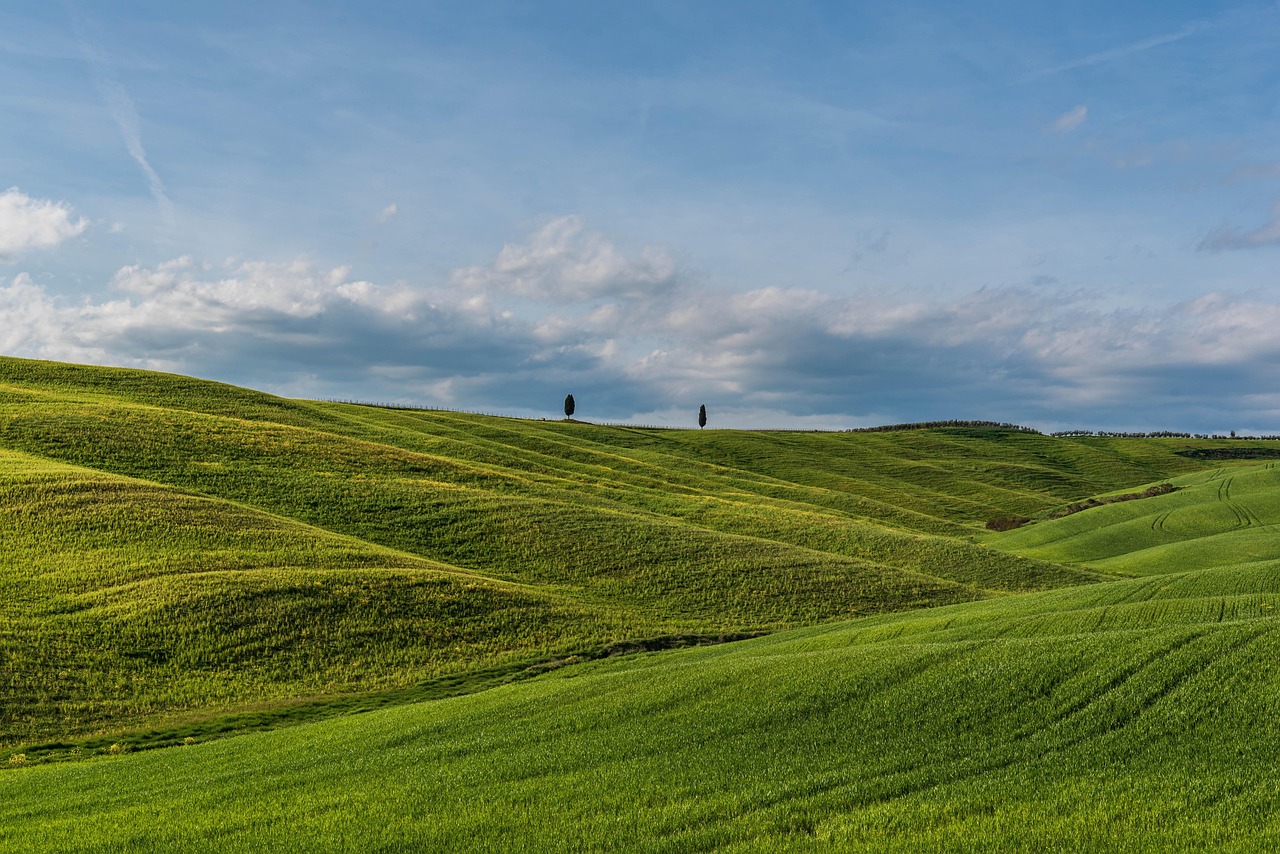
Sunset Hot Air Balloon Over the Hills of Tuscany
For a sunset hot air balloon experience, imagine the moment your feet leave the ground and the world becomes quiet. You float above vineyards and olive groves, and the landscape feels like a private painting. On clear days, you may catch distant views of Florence, a soft outline that reminds you how close art and nature sit together in this part of Tuscany—an unforgettable add-on to any trip to Florence.
This is the sort of experience that becomes a “forever” memory, not because it is extreme, but because it is gentle. There is no rush; the basket sways, the burner breathes, and the countryside slowly reveals patterns you can’t see from the road.
What to expect from pick-up to landing with expert crew support
Most flights begin with an early pick-up or a late-afternoon departure, depending on the season and wind conditions. Weather is non-negotiable, and good operators will reschedule without drama if conditions aren’t right. An expert crew builds calm confidence by explaining each step: inflation, take-off posture, how to hold the basket, and what landing can feel like.
Landing is rarely perfectly smooth, but it’s typically well managed and brief. If you’re motion-sensitive, let the team know; they can offer support and placement suggestions that make you feel steadier.
Photography and presence over the hills of Tuscany
Bring your camera, but don’t let it steal the experience. Take a few intentional shots—one wide landscape, one detail of vineyards, one horizon—and then allow yourself to simply be there. The hills of Tuscany are at their best when you stop trying to capture them and start letting them work on you.
- What to wear: layers, closed shoes, and a light jacket even in warm months.
- Safety first: choose licensed operators with clear briefings and excellent reviews.
- Afterwards: plan a slow dinner back in Florence, not another major sight.
Design a Seamless Guide to Florence – Best Time to Visit, Stay in Florence, and Places to Eat
Design a Seamless Guide to Florence When to Visit Stay and Eat
If you want a guide to Florence with the best time to visit, where to stay in Florence, and the right places to eat, start with the seasons and design from there. Late spring and early autumn are often ideal times to visit: warm light, pleasant evenings, and a city that still feels spacious. July and August can be intense with heat and crowds, while winter has a quieter charm for travellers who prefer museums, long lunches, and a softer pace.
When you visit Florence, think in layers: art in the mornings, slower afternoons, and elegant evenings. If you’re planning days in Florence around major events, secure your private experiences months ahead—premium guides and prime reservations disappear quickly. For inspiration on crafted itineraries for Italy, browse our Trip gallery, then tailor the details to your rhythm and the places you want to prioritise.
Where to stay in Florence for city centre elegance, Santa Maria Novella ease, and quiet pockets
To stay in Florence well is to choose comfort you can feel at 2 am. Look for soundproofing, excellent air conditioning in summer, and a concierge who can handle everything from museum tickets to last-minute changes with care. Some travellers love being steps from the Duomo; others prefer the calmer lanes nearer the Arno or a refined address closer to Santa Croce, while still remaining in the city centre.
If you plan to base yourself in Tuscany for part of your trip, Florence becomes an ideal anchor: Renaissance culture and dining in the city, then countryside calm on your day trip days. This balance keeps your journey varied without constant packing.
Places to eat: a refined Florence food rhythm, food tour ideas, and the best restaurants
Florence’s food is at its best when it’s seasonal and unforced—think ribollita, bistecca, truffles when the time is right, and vegetables that taste like sunshine. A gentle food tour can introduce you to markets, small producers, and the best restaurants for your style, but the real luxury is pacing. Build in an aperitivo hour, choose one standout dinner, and leave room for spontaneous gelato.
- Reservations: book key dinners early, especially on weekends.
- Signature stops: a classic trattoria, one modern Tuscan tasting menu, and one wine bar.
- Sweet ritual: choose one gelato place you love and return—small traditions make a trip feel personal.
For the latest Florence notes without stress, check rotating exhibitions, restaurant openings, and museum closures a week before departure. Keep the structure strong but flexible, so you can adjust plans around Florence with confidence.
Cultural finesse matters in small ways. Learn basic Italian greetings, and you’ll notice how warmly locals respond. Respect dress codes for each basilica visit—Santa Maria spaces, Santa Croce, and the Duomo complex—and you’ll move through sacred places with quiet trust. If you want a final artistic highlight, reserve tickets to the Accademia so you can see Michelangelo’s David in the context it deserves.
F.A.Qs: Florence and Italy planning essentials for a smooth visit to Florence
What is Florence in Italy famous for, and what should I see first?
Florence is famous for being the cradle of the Renaissance, with world-class art, architecture, and design in a compact city centre. Highlights include the Uffizi Gallery, Michelangelo’s David, the Duomo (cathedral) and its dome, and historic squares like Piazza della Signoria and Palazzo Vecchio. It’s also known for Florentine craftsmanship—leather goods, jewellery, and artisanal workshops—plus exceptional Tuscan dining and easy access to Tuscany for wine tasting.
How can I avoid standing out as an American while exploring Florence?
Dress simply and well-fitted, keep your voice low in churches and museums, and begin interactions with basic Italian greetings. Avoid eating or drinking while walking in more formal areas, and follow local etiquette around basilica dress codes. Planning timed entries and moving at a calm pace also helps you blend in. Most importantly, show curiosity and respect; locals respond warmly to genuine care.
Can I wear jeans in Florence, including museums and basilica visits?
Yes—jeans are common in Florence, especially in darker washes and a smart, tailored fit. Pair them with comfortable yet polished shoes for cobblestones and a neat top layer for evenings. If you’re visiting a church or basilica, ensure your shoulders and knees are covered, regardless of what you wear. For luxury dining, elevate jeans with a blazer or elegant knit.
What is the must-do in Florence for first-timers with limited time?
A private or well-curated visit to the Uffizi Gallery is often the must-do, because it brings Florence’s art and history to life with expert insight. Many travellers also prioritise the Duomo complex—especially climbing to the top for the best views—and an unhurried walk through Piazza della Signoria and Palazzo Vecchio. For a luxury touch, add artisan shopping near Ponte Vecchio, then choose one relaxed day trip into Tuscany.
What Stayed With Me After Florence – A Florence, Italy Reflection
What remains after Florence is rarely the headline moment. It’s the hush inside a museum room when everyone, briefly, becomes still; it’s the sound of your steps near the Duomo after dark, when the cathedral seems less like a monument and more like a presence keeping watch over the city. After time in Florence, you realise the luxury is not speed—it’s attention.
It’s also the warmth of local encounters—the shopkeeper who remembers your preference, the artisan who explains a technique with patient pride, the waiter who offers a recommendation as if he’s protecting your evening. Florence is one of those cities that doesn’t insist on intimacy, but it rewards it. In Firenze, you begin to recognise rhythms: morning light on stone, the late-afternoon pause, the way the Arno carries reflections that look like painted silk.
Somewhere between the cathedral complex and a quiet table set for dinner, you may notice a shift in your own pace. You start choosing depth over breadth, and you stop counting sights and begin collecting feelings—trust, ease, curiosity, the calm of being well looked after. That’s what a crafted journey offers: not a performance of travel, but a relationship with the place.
And then, on your final night, perhaps you take one last slow stroll beside the Arno, letting the city’s light soften into memory. The question that follows you home is gentle, not urgent: when you next return to Italy, what will you notice in Florence that you couldn’t see the first time?