Post Contents
- Italy attraction places: best places to visit & how to design a seamless route (luxury travel guide)
- Rome: ancient Roman grandeur—Colosseum, Roman Forum, Trevi Fountain & Vatican City
- Florence: art-lover essentials—Uffizi Gallery, Santa Maria del Fiore, Duomo & Michelangelo
- Visit Venice: private gondola, canals and palazzi—Rialto Bridge, Ponte di Rialto & Bridge of Sighs
- Amalfi Coast: coastline drama—Positano, Naples, Vesuvius, Path of the Gods & the island of Capri
- Tuscany and Chianti: crafted vineyard tours, private tastings, villas & gourmet days
- Cinque Terre and Pisa: coastline villages, Vernazza to Monterosso, plus the Leaning Tower of Pisa
- Hidden gems: from Milan to the Dolomites and islands—Sardinia, Sicily, Etna & San Marino
- F.A.Qs: Italy attraction places and planning
- Final Thought
Italy attraction places: best places to visit & how to design a seamless route (luxury travel guide)
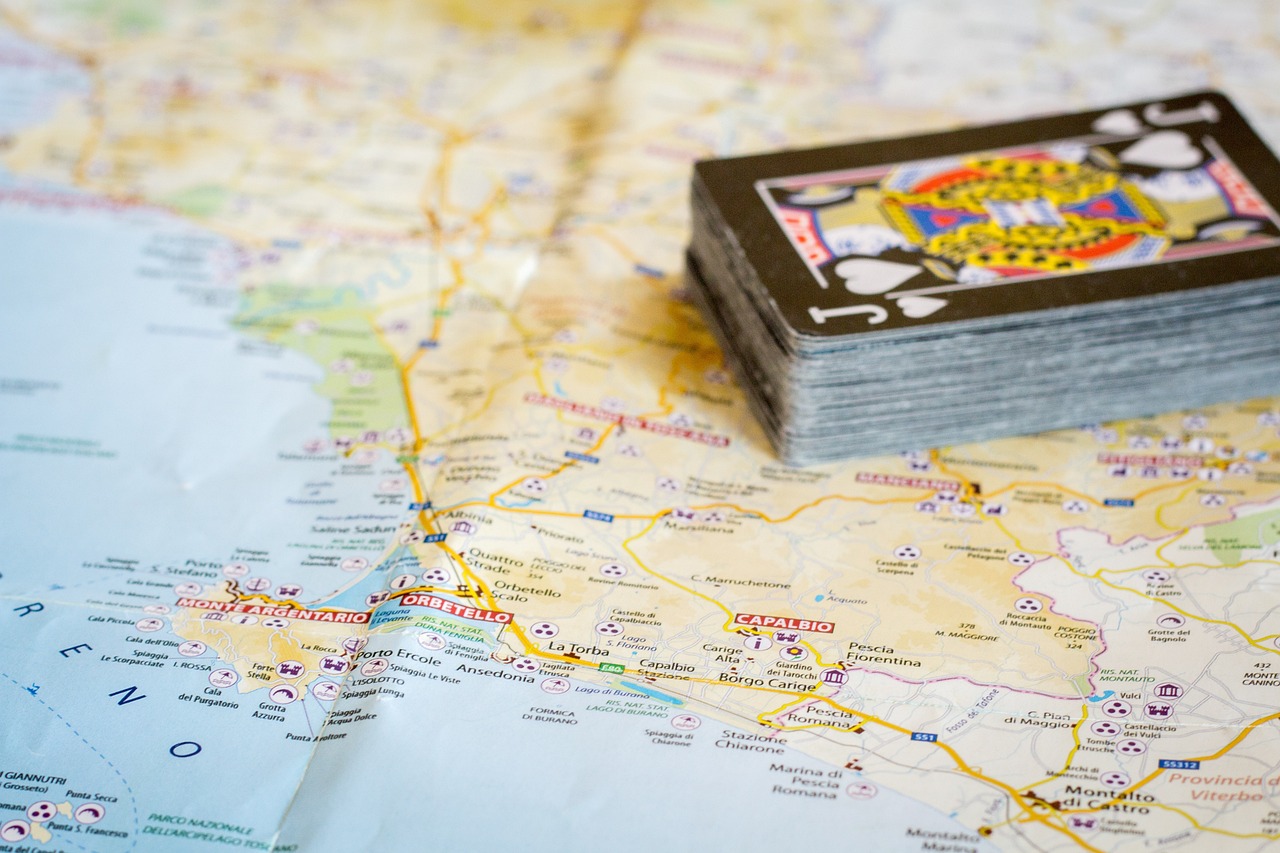
A seamless Italy route map for luxury travel planning
In this luxury travel guide, think of Italy as a beautifully edited portfolio: icons balanced with quiet space. If you’re mapping out the places to visit in Italy, the goal isn’t to race between every attraction; it’s to build a list of the best that lets you go deeper, uncover calmer corners, and still feel the thrill of the classics. If you’re looking for a holiday destination that feels seamless and reassuring, a little structure brings a lot of freedom—and it’s the kind of route you’ll need to visit again.
The best time to visit for high-end travel is spring (April–June) and early autumn (September–October). These shoulder seasons are often the sweet spot for weather and light, with fewer queues, lighter tourist crowds, and a more refined rhythm in restaurants, hotels, and museums. If you’re choosing dates, this is the best time to visit Italy for that “unhurried” feeling—especially in cities where the mood changes dramatically once summer peaks.
Arrivals and movement matter. Many travellers land via Rome’s Fiumicino Airport, then glide between cities on high-speed trains like Frecciarossa—an elegant way to connect Rome, Florence, Milan and Venice without the fatigue of constant transfers. It’s the difference between simply travelling and travelling with confidence when you visit Italy.
VIP planning essentials are wonderfully simple: pre-book timed entry for Italy’s most famous sites (including the Colosseum and Uffizi), and consider private guided tours for context, pacing, and access strategies. You’ll see more, understand more, and spend far less time negotiating lines—especially at major tourist attractions.
Days to explore: a polished route through key stops
- Rome: 2–3 days for the Colosseum, Vatican City, and a slower evening pace in the centre of Rome.
- Florence and Tuscany: 2–4 days for museums, the Duomo, and vineyard days in Chianti.
- Venice: 2 days for canals, a basilica visit, and artisan shopping beyond the main routes.
- Amalfi Coast: 2–4 days for Positano, coastal boat time, and a gentle hike.
If you’d like a visual starting point before you plan your trip, browse our Trip gallery for ideas that are designed, not duplicated.




Rome: ancient Roman grandeur—Colosseum, Roman Forum, Trevi Fountain & Vatican City
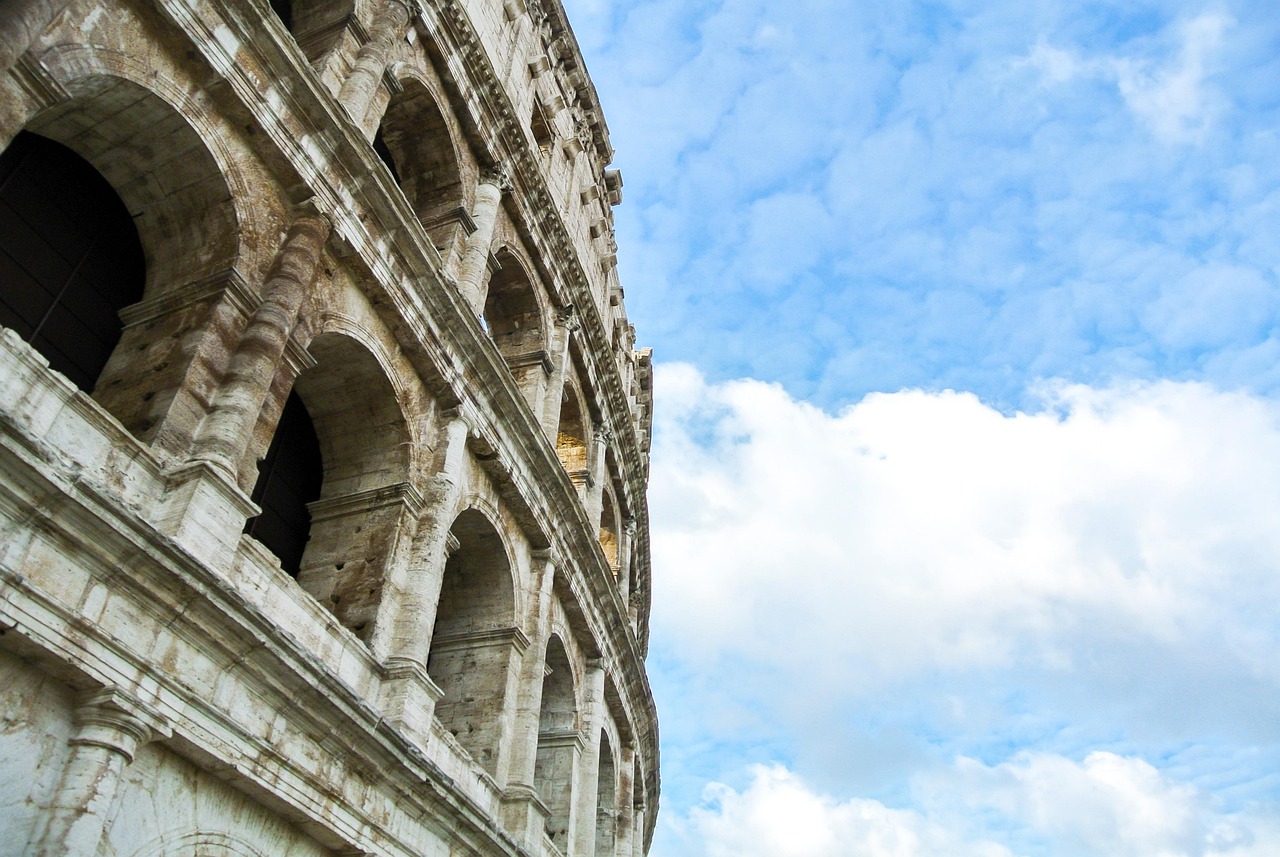
Rome’s iconic silhouettes: the Colosseum at golden hour
Rome reads like a headline, yet it’s more than its greatest hits. As the capital of Italy, it holds years of history in layers—imperial stone, Renaissance chapels, and modern neighbourhood life—often within a single, walkable hour from the centre of Rome. It’s a chapter you don’t “finish”; you return, and it reveals a new detail every time.
Colosseum and Roman Forum: an expert-led ancient Roman pairing
The Colosseum and Roman Forum are an essential ancient Roman pairing, and they are best experienced with an expert guide. With the right support, you’ll spot engineering details most visitors miss: the seating hierarchies, the undercroft stories, and the processional routes that once staged power. A good crowd strategy is simple—choose the first timed entry and keep your pace gentle, with water and shade breaks already planned.
One solo traveller told me about wandering the ruins at dawn, before the noise arrived—feeling an unexpected intimacy with the stones. It wasn’t about getting the “perfect” photo; it was about letting quiet return to a place that shaped the world. If you can book early access or a private guide, you can create that same calm, even in a busy season.
Vatican City: Sistine Chapel, Michelangelo, and an evening stroll to Trevi
In Vatican City—a UNESCO World Heritage Site—the Sistine Chapel is the emotional centre, and Michelangelo’s ceiling still feels startlingly human. Pair it with St Peter’s Basilica (Peter’s Basilica), one of the largest churches in the world, and dress modestly as a simple sign of care. A polite greeting, a quieter voice, and a respectful pace go a long way.
For the evening, make it cinematic rather than hectic: a stroll past the trevi fountain, then refined dining nearby where the service feels unhurried. This is how Rome becomes personal—your own rhythm, not the city’s rush. It’s also where the phrase tourist attractions in italy starts to feel too small for what you’re actually experiencing.
Florence: art-lover essentials—Uffizi Gallery, Santa Maria del Fiore, Duomo & Michelangelo
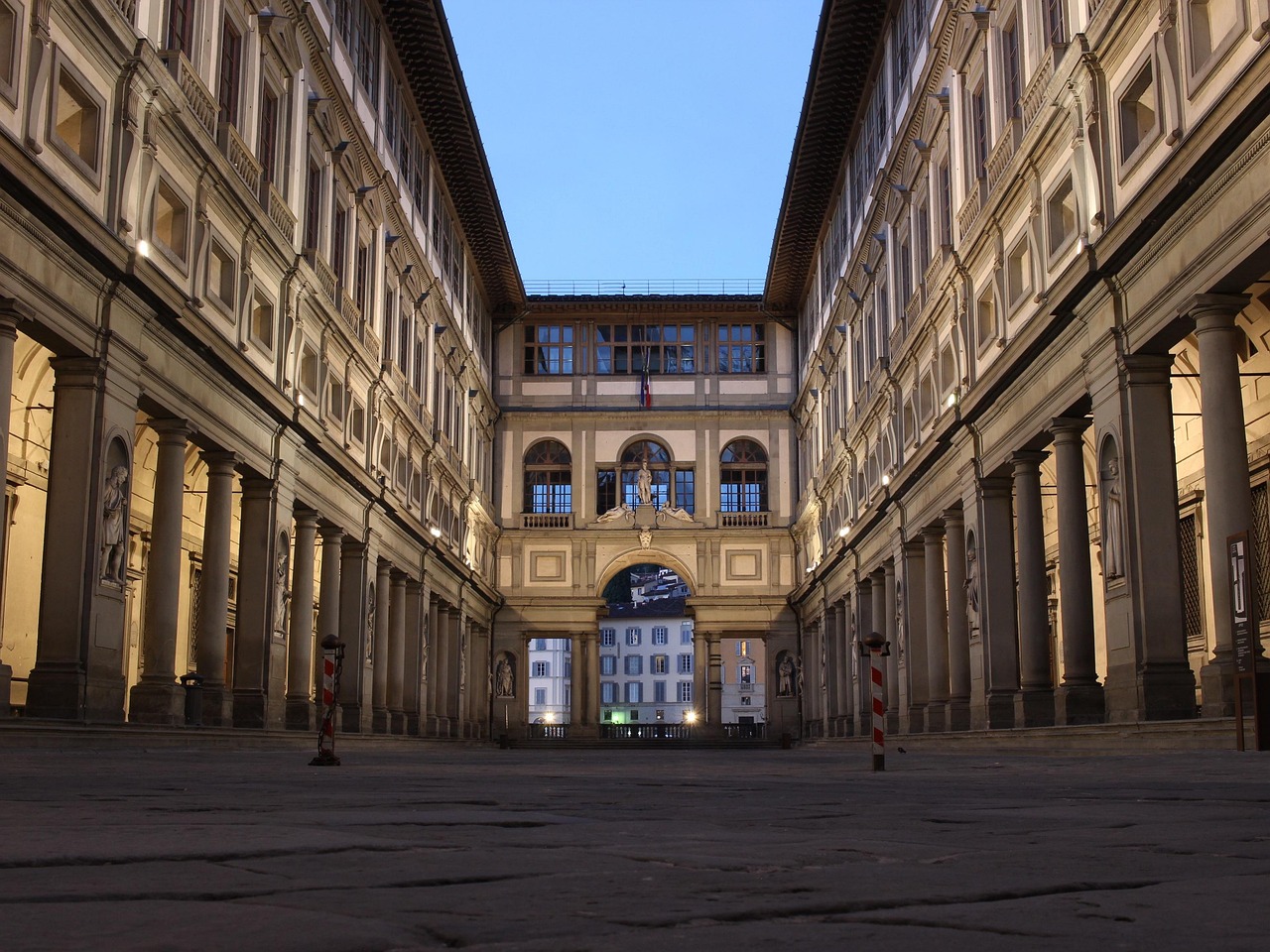
Florence museum time: quiet rooms and Renaissance masterpieces
Florence is the perfect shorthand for a city located in the heart of culture. It’s a refined place to slow down: morning museum hours, long lunches, and a golden-hour walk across the river when the city feels softly lit from within. Even if you’re not an art historian, it’s a destination that teaches you how to look.
Uffizi Gallery: highlights, timed tickets, and a calmer pace
The Uffizi is a must for the best places to visit list, but the experience changes completely when you queue-jump it. Pre-book timed tickets, aim for early entry, and consider a private, curator-style tour for deeper insight without information overload. It’s easier to feel the emotion of the room when you’re not scanning for the next bottleneck.
An art lover once described standing before Botticelli’s The Birth of Venus, surprised by how moved she felt by the brushwork up close. That moment—quiet, intimate, unrepeatable—made Florence unforgettable. This is the advantage of a crafted pace: the art has space to reach you.
Visit the Duomo: Santa Maria del Fiore details, stained glass, and smart timing
To visit the Duomo well, schedule it deliberately. Santa Maria del Fiore—often simply called Santa Maria—is at its calmest early, and the climb rewards you with a view that feels earned rather than rushed. Look for the stained glass windows and the geometry of the dome—details that add softness to the grandeur.
- Go early or late for the Duomo viewpoint to avoid peak crowds.
- Build in a café stop afterwards so the morning stays gentle.
- For Michelangelo, focus on sculptural detail—hands, torsos, and tension—where the human story lives.
From here, it’s an easy bridge into central Italy day trips—setting you up for Tuscany and Chianti with the same sense of ease.
Visit Venice: private gondola, canals and palazzi—Rialto Bridge, Ponte di Rialto & Bridge of Sighs
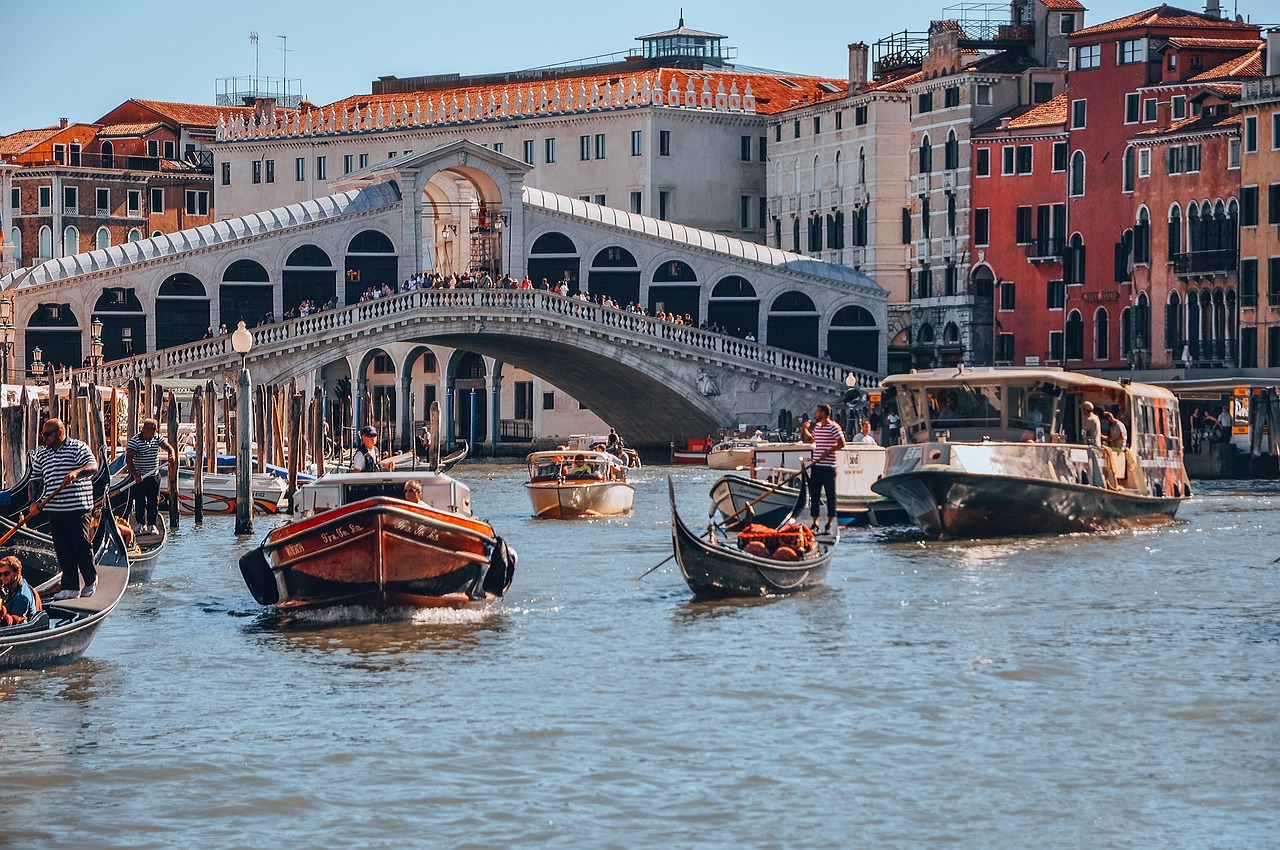
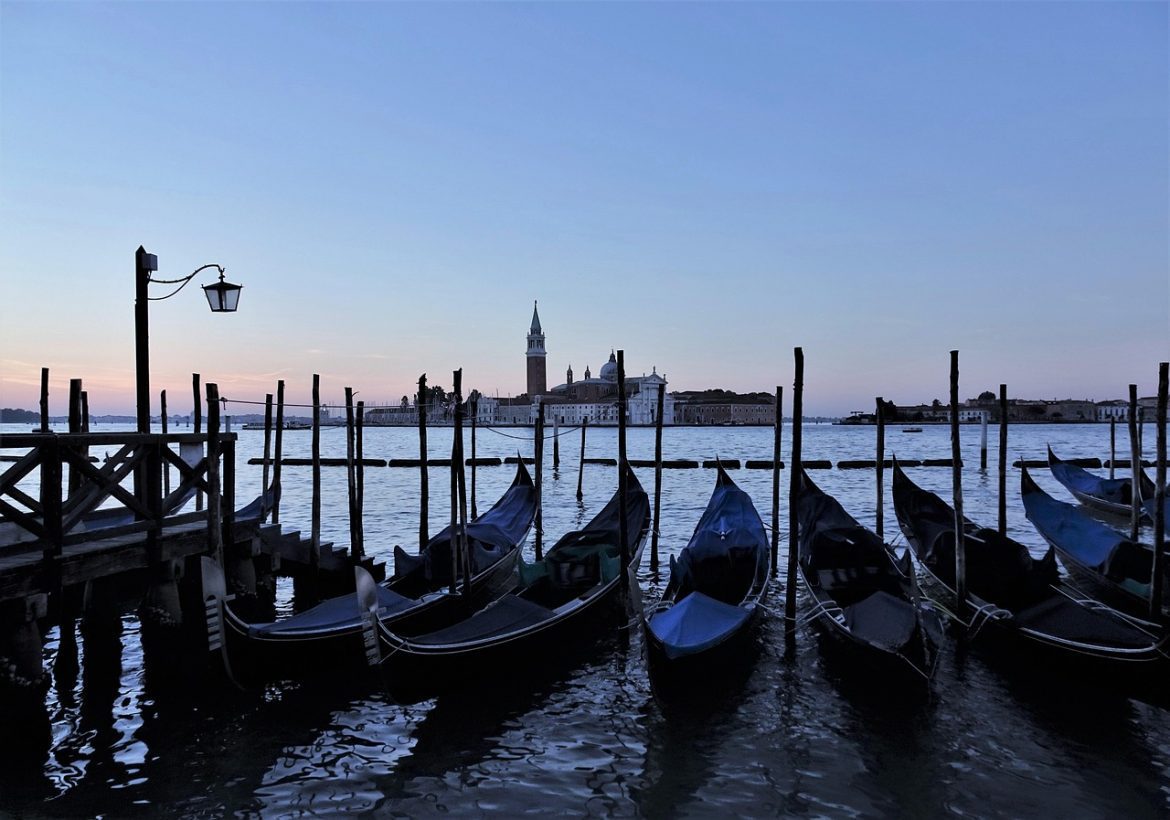
Venice at sunset: reflections, canals, and palazzi silhouettes
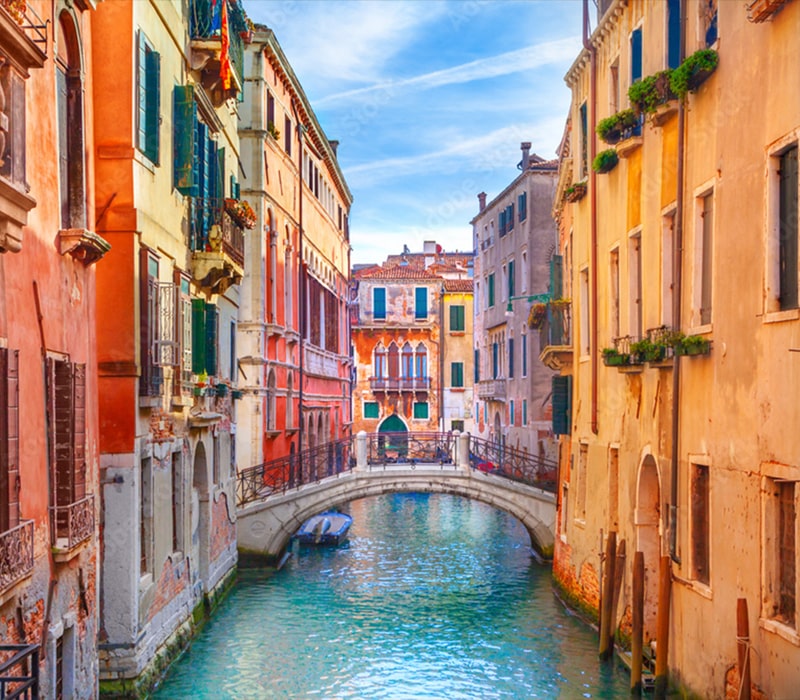
Venice sounds like a dream because it is—when it’s designed with care. Venice can feel like a labyrinth in the best way, a city of reflections where each turn reveals a different mood. If you’ve been before, you’ll know it’s one of the most famous places in Europe; if it’s your first time, it can be one of the most unique arrivals you’ll ever experience.
Private gondola romance: timing, routes, and quiet luxury
A couple once celebrated their anniversary with a sunset gondola ride, timed so the light caught the canal surfaces like silk. They asked permission for quiet background music, chose a route that included smaller waterways, and ended with a glass of something chilled rather than fighting for a table. That’s the secret to Venice: small decisions, made early, that create romance with trust and confidence.
For logistics, book a private gondola in advance and consider a private water taxi for arrivals, especially if you’re travelling with luggage or want to step straight into your hotel’s rhythm. The best views often come from palazzo-lined canals where the buildings feel close enough to touch—a theatre of stone, shutters, and water.
Venice icons without the crush: Rialto Bridge, a quiet ponte, and a basilica moment
Yes, see the rialto bridge—the ponte di rialto—then slip into back lanes where local life continues at a softer volume. For the bridge of sighs, a refined photo plan helps: early morning light, a short walk, and you’re done before the density builds. It’s not about avoiding Venice; it’s about meeting it on your terms.
Choose one basilica moment—Basilica di San Marco is spectacular—and enter with respectful etiquette. Dress thoughtfully, keep your voice low, and avoid peak mid-day lines by arriving early. In the evening, an aperitivo stop and a visit to artisan ateliers—glass, paper, textiles—lets you see a Venice that feels local, not performative.
Amalfi Coast: coastline drama—Positano, Naples, Vesuvius, Path of the Gods & the island of Capri
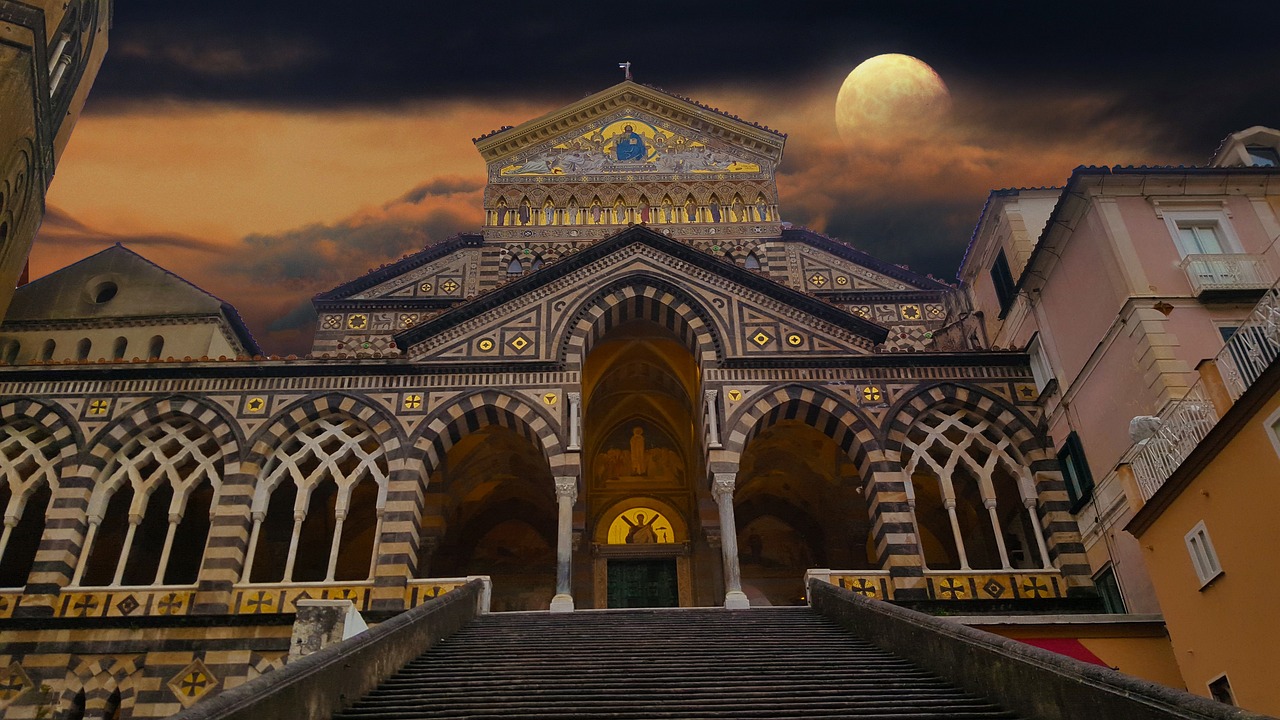
Amalfi Coast cliffside views: sea, villages, and light
Amalfi Coast captures the sweep of this region in a single line: sea, villages, hiking, and intensity. The coast here is one of the most beautiful stretches of Mediterranean coastline, where each cliff bend opens to a new ribbon of light. It’s also where a slow, luxurious rhythm makes the biggest difference—boat time, long lunches, and space to simply breathe.
Path of the Gods: a breathtaking hike with support and smart transfers
A traveller once described hiking the Path of the Gods and feeling a peaceful escape that surprised them—the kind of breathtaking panorama that quiets your thoughts. For a reassuring experience, wear proper footwear, carry water, and plan transfers in advance so you’re not negotiating buses mid-hike. A guided option adds support, plus local insight into the landscape and the villages below.
- Start early for cooler air and clearer views.
- Use pre-arranged transfers to avoid stress at trailheads.
- If you’re unsure of paths, book a private guide for confidence.
Positano, Naples and Capri: best explored by sea, with a comfortable base
In Positano, make the day feel crafted: a late-morning swim, refined seaside dining, and a boat excursion that lets you see the coastline from the water. It’s often best explored by sea, when the villages look like they’re stacked by an artist’s hand. This is also where southern Italy shows its warmth—sun, citrus, and unforced style.
Naples is the compelling edge: energetic, delicious, and a gateway to Vesuvius. For comfort, choose a well-serviced base and let a driver handle the friction of traffic. Then, treat the island of Capri as an interlude—go early or late for calmer waters and fewer crowds, and you’ll remember it for clarity rather than chaos.
Tuscany and Chianti: crafted vineyard tours, private tastings, villas & gourmet days
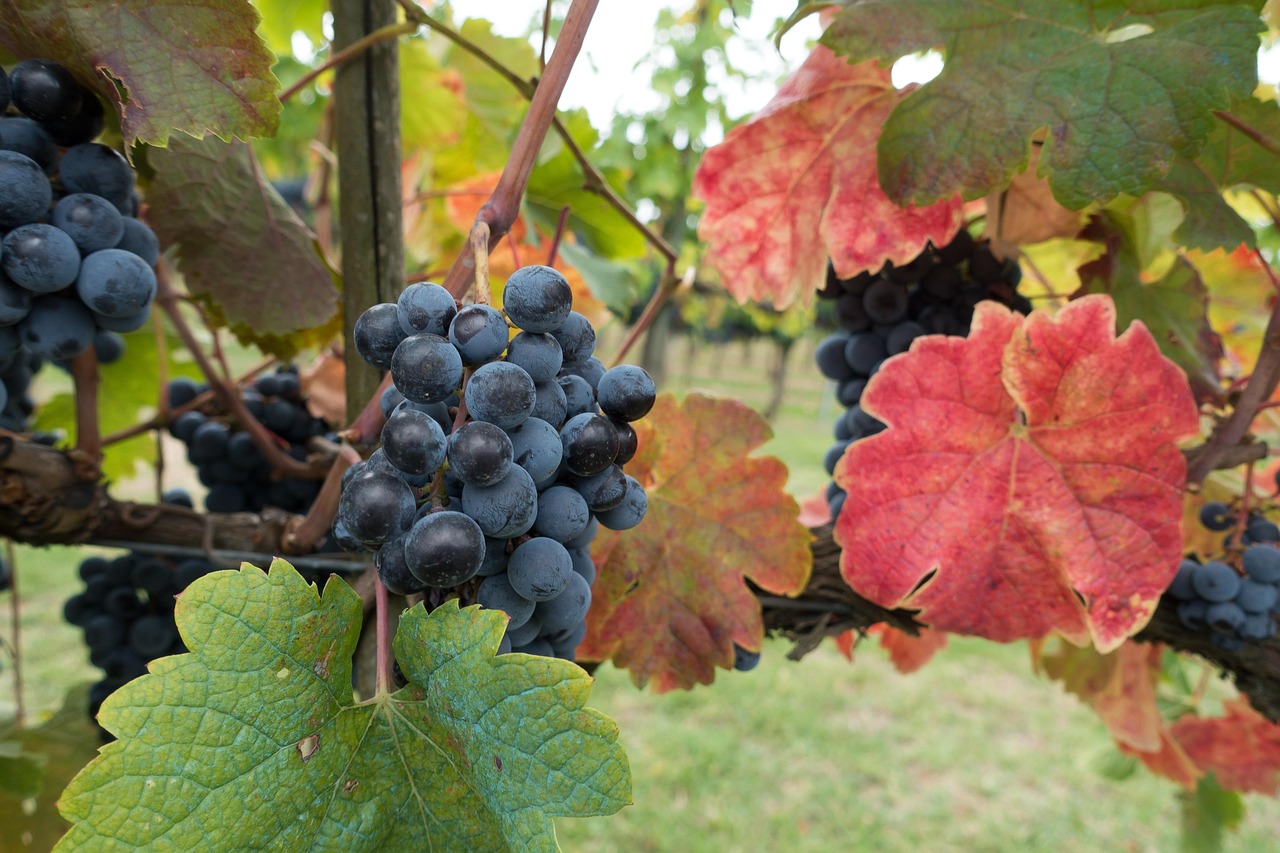
Tuscany vineyard light: rolling hills and villa mornings
Tuscany and Chianti are the antidote to constant city motion. This landscape is a refined counterpoint: rolling vineyards, cypress lanes, and villa life that rewards unhurried mornings. It’s where you exchange museum queues for long views, and where local traditions feel close enough to touch.
Private tastings: local stories, olive oil rituals, and genuine hospitality
A family once told me their favourite memory wasn’t a famous monument—it was a private wine tasting in a Tuscan villa. The hosts shared stories of harvest rituals and how weather changes the character of a vintage, and the children learned to taste olive oil as locals do. That warmth builds trust quickly; you feel cared for, not processed.
In Chianti, the most intimate days often come from lesser-known estates rather than the busiest labels. Let an expert arrange introductions, and you’ll likely meet people who still walk the rows themselves. Taste with etiquette—hold the glass by the stem, sip slowly, and don’t be shy about asking questions; curiosity is welcomed when it’s respectful.
To keep it seamless, don’t drive after tastings—use a private driver or pre-arranged transfers so you can relax fully. Pair wines with seasonal menus and olive oil tastings, and ask your host to pace the day gently. It’s the difference between “doing Tuscany” and living it for a moment.
When you’re choosing the best hotel in this region, think beyond thread count. Prioritise service that anticipates needs, a setting with real privacy, and a sense of place—gardens, views, and staff who offer insight without hovering. In the evenings, the countryside becomes its own kind of theatre: quiet, fragrant, and deeply restoring.
Cinque Terre and Pisa: coastline villages, Vernazza to Monterosso, plus the Leaning Tower of Pisa
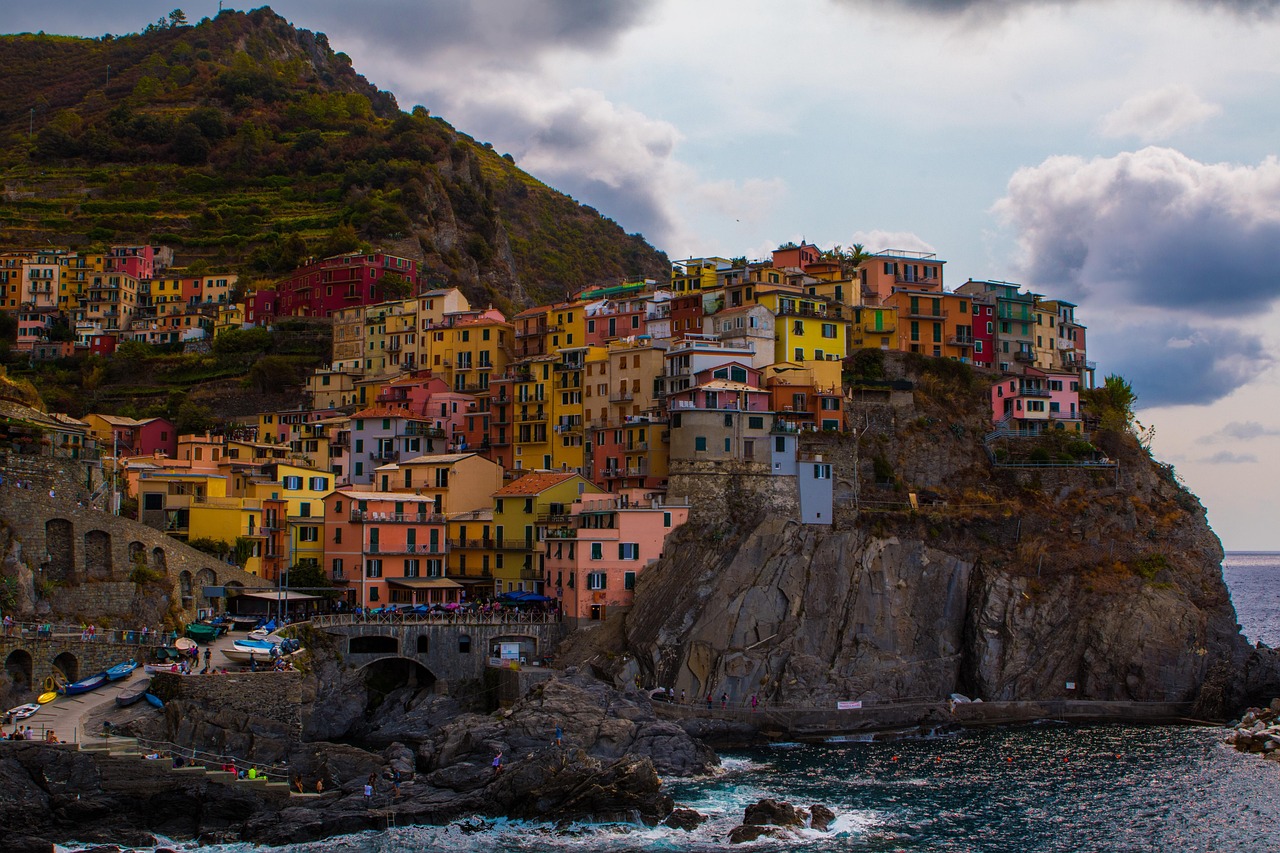
Cinque Terre terraces: pastel villages above the sea
Cinque Terre and Pisa are best for a day that can be effortless—or exhausting—depending on the timing. Cinque Terre is five small villages within a national park, and it’s a UNESCO World Heritage treasure for good reason. With an early start and light packing, it becomes one of the best ways to see the Italian coast at its most charming.
A village-by-village flow for places to see (Vernazza, Manarola, Monterosso)
For a curated route, start with Vernazza for harbour views and coffee with a breeze. Continue to Manarola for iconic terraces, then end in Monterosso for beach ease—especially Monterosso al Mare when you want a softer landing. This simple flow keeps your day coherent, and it’s an elegant way to discover the best without feeling pulled in five directions at once.
- Take the first train or ferry to avoid peak heat and bottlenecks.
- Pack light, or use luggage services so you can move freely.
- Choose one viewpoint per village and linger—less rushing, more meaning.
Pair with Pisa: the Leaning Tower, a calm square, and top tourist attractions done well
Pairing Pisa with Cinque Terre works beautifully as a clean half-day add-on. The leaning tower is probably the most famous tilt in Europe, and the leaning tower of Pisa still delights even the most seasoned traveller. Go early or late to avoid midday crowds, and you’ll capture a calmer, more personal moment in the square.
This is also a chance to name what makes these top tourist attractions feel different when done well: you’re not chasing scarcity, you’re creating calm. And yes, it’s absolutely worth a visit when it’s carefully planned.
Hidden gems: from Milan to the Dolomites and islands—Sardinia, Sicily, Etna & San Marino
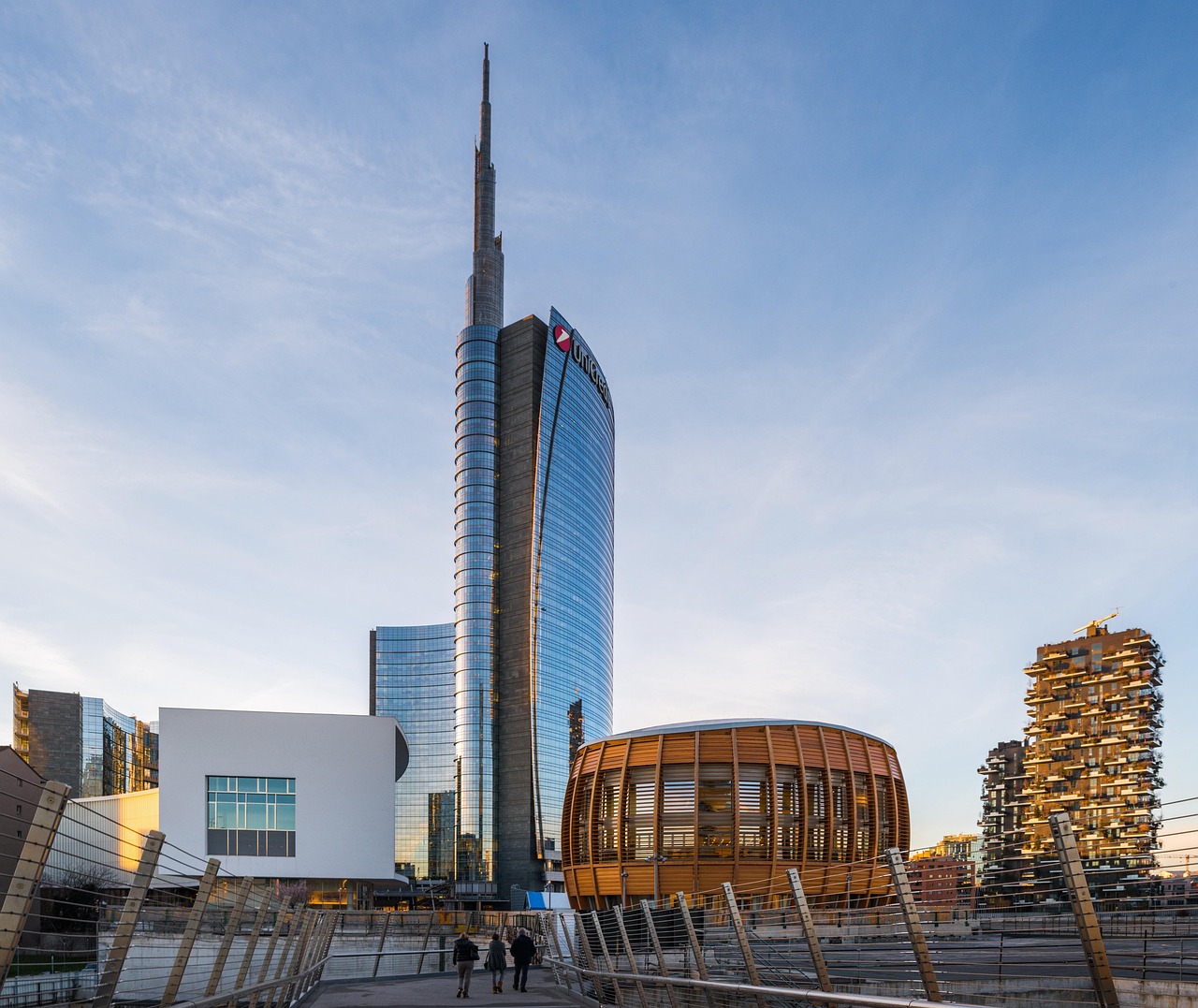
Milan mood: polished streets before mountain and island escapes
These “edit suite” choices are where Italy opens up for travellers who want to explore beyond the usual circuit and explore the beautiful without losing comfort. Once you’ve seen the icons, this chapter adds depth—less like a template, more like a story designed around you. Think of it as a refined way to find hidden gems that match your pace.
Milan: fashion and design, plus a smooth pairing with Venice
Milan offers fashion and design with a graceful edge: galleries, interiors, and aperitivo culture that feels grown-up and effortless. Visit the Duomo here too, then settle into a polished city stay that pairs neatly with Milan and Venice itineraries. It’s a smart stop when you want energy without losing ease.
Dolomites, islands and a curveball stop: Alps air, Sardinia, Sicily, Etna, San Marino
For air that feels like a reset, head to the dolomites in the alps—a UNESCO world heritage site of jagged peaks and quiet valleys. Crisp mornings, spa hotels, and breathtaking panoramas invite stillness, especially when you schedule scenic drives and gentle hikes with pre-arranged transfers.
For islands, Sardinia is a beautiful island for yacht days and quiet beaches, while Sicily delivers archaeology, markets, and a dramatic volcanic counterpoint at Etna. And if you’re tracing the adriatic side, add san marino—compact, distinctive, and genuinely well worth seeing as a surprise chapter in your route. This is part of what Italy has to offer: variety that never feels finished.
F.A.Qs: Italy attraction places and planning
What is the #1 tourist attraction in Italy?
For many first-time visitors, the Colosseum in Rome is the #1 tourist attraction because it captures ancient Rome in a single, unforgettable silhouette. Pair it with the Roman Forum for deeper context, and book timed entry or a private guide so the experience feels calm rather than crowded.
What is a top 15 destination in Italy?
Florence is widely considered a top 15 destination thanks to its Renaissance art, walkable beauty, and cultural density. The Uffizi Gallery and the Duomo area offer world-class highlights, while nearby Tuscany makes it easy to add vineyard days without changing hotels every night.
Is $10,000 enough for a trip to Italy?
$10,000 can be enough, even for a high-end trip, depending on your travel style, season, and the number of cities you include. Travel in spring or early autumn, use high-speed trains, and spend strategically on a few private experiences—like guided museum entry or a boat day—rather than upgrading every detail.
What are the top five places to visit in Italy?
A classic top five includes Rome, Florence, Venice, the Amalfi Coast, and Tuscany/Chianti. Together they offer ancient history, Renaissance art, canal-side romance, dramatic sea views, and wine-country calm. With pre-booked tickets and thoughtful pacing, these places can feel crafted and personal rather than overwhelming.
Final Thought
Personal reflections are less about where you went and more about what quietly follows you home. After the flights and the packing lists, what lingers is sensory: the worn edge of marble under your fingertips, the way water softens a city’s sound, the warmth of evening light on stone. Somewhere along the way, you stop performing your trip and start inhabiting it.
In the end, Italy isn’t a list of trophies. It’s a feeling you learn to recognise: a calmer confidence, a new appetite for beauty, and the sense that you can return to the same streets and still uncover something different. Perhaps that is the real invitation—to keep a small space open for what you haven’t met yet.