Post Contents
- Rome Tour Essentials with an Expert Tour Guide for the Best of Rome
- Colosseum Tour: Private Tour of the Colosseum
- Vatican Tour, Vatican Museums and Sistine Chapel Private Tour
- Trastevere Rome Walking Tour, Food Tour and Private Tour Italy Evenings
- Roman Forum and Palatine Hill Private Tour Rome Top Attractions in Rome
- Seamless Planning for Tours in Rome: Day Trip and Tour Package Ideas
- F.A.Qs: Rome, Italy tours
- What Stays With You After Rome
Rome Tour Essentials with an Expert Tour Guide for the Best of Rome
Rome Tour Essentials with an Expert Tour Guide
For high-end travellers, the best of Rome is rarely about doing more—it’s about doing it better. A considered Rome tour with an expert tour guide and a private tour approach in Italy allows you to explore at your own pace, linger when a fresco catches you off guard, and step away when the city’s rhythm gets loud.
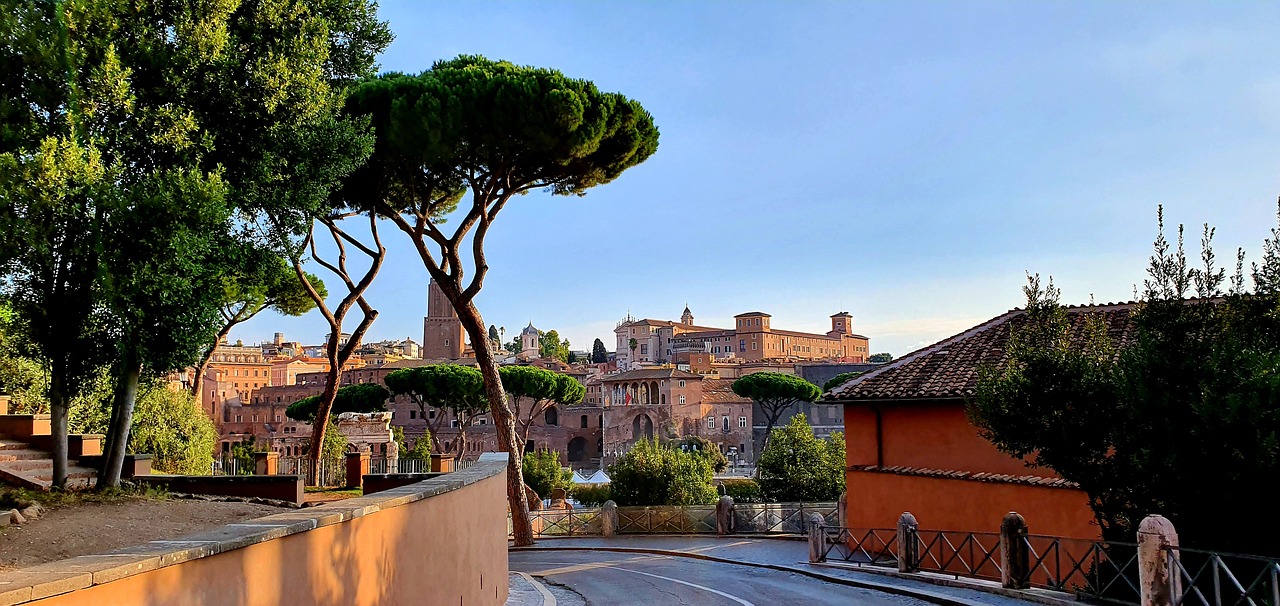
Think of Rome as a set of stories layered on top of each other. When you give yourself permission to slow down, the history of Rome stops being “facts” and becomes something you can feel—under your shoes on ancient stone, and in the way light moves through a church at midday.
Choosing your Rome tour style with confidence
A fully guided tour is ideal when you want insight without handling the logistics yourself. Your guide reads the room, protects your time, and helps you discover details you’d never notice on your own—symbolism, political context, and the quiet human stories behind grand architecture.
A group tour can work if budget is the priority and you’re happy with a set pace. A self-guided tour suits travellers who love wandering with headphones and have the patience for queues, ticket rules, and occasional detours. Many luxury travellers mix formats: private where it matters most, lighter touch elsewhere.
- Choose private for the Colosseum, the Vatican Museums, and timed-entry sites where pacing and context transform the experience.
- Choose a small group for sociable moments like a cooking class, where shared conversation is part of the pleasure.
- Choose self-guided for neighbourhood strolls, galleries without pressure, and spontaneous shopping or aperitivo.
A realistic Rome in a day outline for first-timers
If you’re visiting for a short stay, a “Rome in a day” plan can still feel civilised—provided it’s designed around entry windows and comfort. A classic shape is Colosseum and Roman Forum in the morning, Vatican City later, then a final piazza moment to exhale.
Designer Journeys routes are crafted around crowd patterns, museum timing, and the small luxuries that change everything—shade breaks, calm lunch reservations, and a seamless transfer when walking stops being fun. The promise is simple: your trip to Rome should feel personal, with local tour guides who bring the city to life with warmth, care, and expert clarity.




Colosseum Tour: Private Tour of the Colosseum
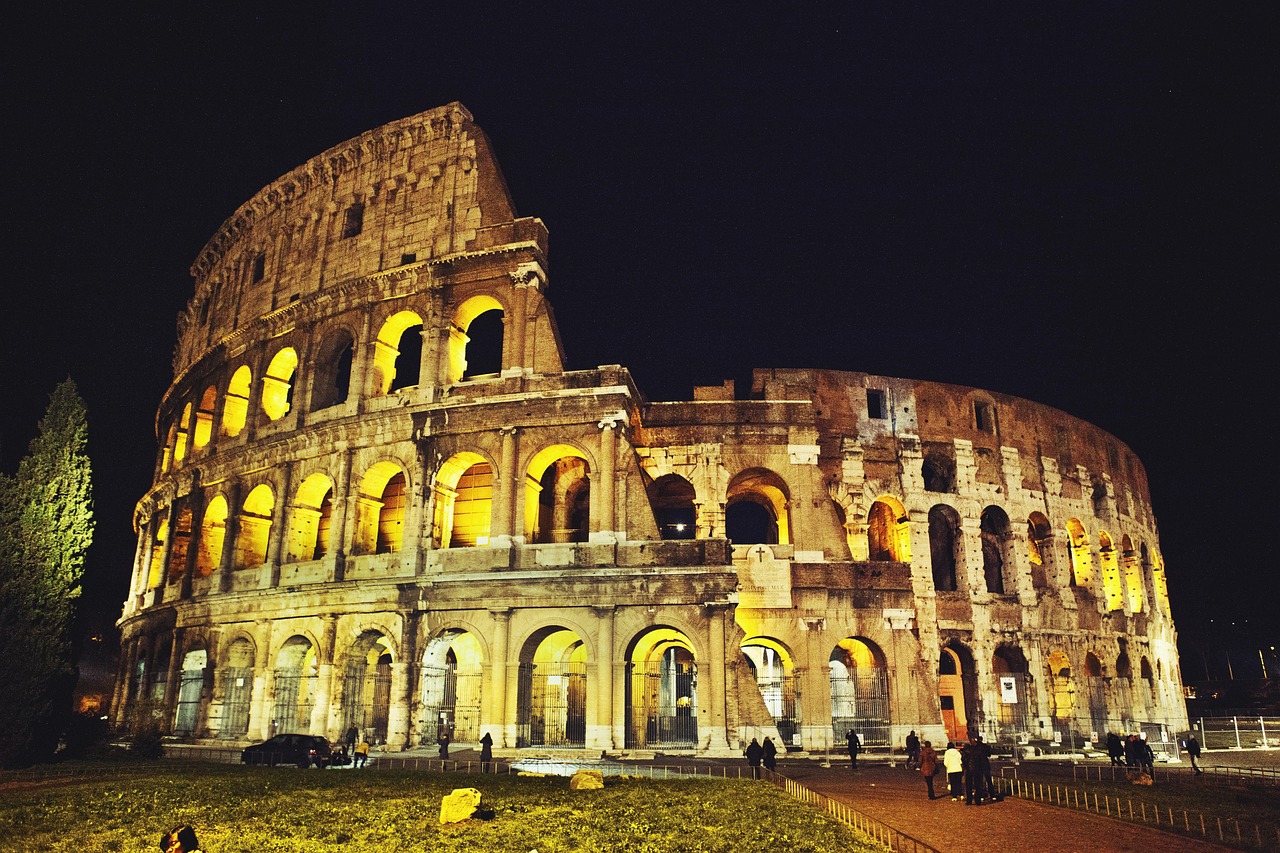
Colosseum Tour Early Access and a Night-Time Return
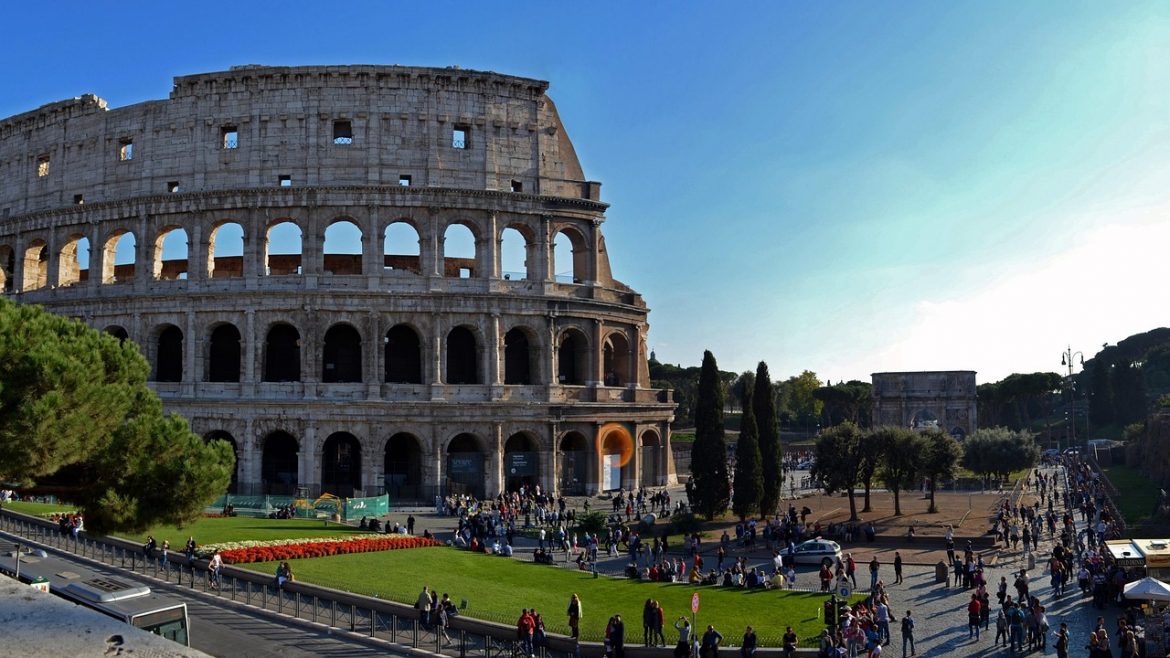
For many travellers, a Colosseum tour is the emotional centre of Rome—and timing makes all the difference. A private tour of the Colosseum in Rome, Italy, with exclusive early-entry options is the easiest way to avoid the heaviest crowds, step inside with calm, and let the scale of ancient Rome land properly.
It’s worth knowing the language: skip-the-line access is not the same as “arrive whenever you want”. Most entrances are timed entry, and early slots are prized because the air is cooler and the atmosphere is less hurried.
Inside the Colosseum with ancient Rome and gladiator stories
The best tours don’t turn the Colosseum into a lecture. They turn it into a human place again—where a gladiator was not just a mythic figure, but a person with fear, training, ambition, and a life beyond the arena.
On a tour of the Colosseum, your tour guide can thread together engineering, politics, and spectacle without losing the emotional thread. You’ll notice the details that matter: how crowds moved, how status was displayed, and why the building still shapes the city’s identity.
Night-time return for an unforgettable experience
One traveller told us their private night visit felt “magical and intimate”—as if the modern city had briefly stepped aside. Under evening light, the stones hold a different mood, and you can imagine ancient Rome more vividly, with fewer distractions.
For comfort and narrative flow, pair the Colosseum and Roman Forum as one continuous walk: Colosseum and Roman Forum, connected by stories rather than steps. A private tour keeps the experience supported—especially in heat—so you can pause for water, take the lift options where available, and move with confidence rather than pressure.
Vatican Tour, Vatican Museums and Sistine Chapel Private Tour
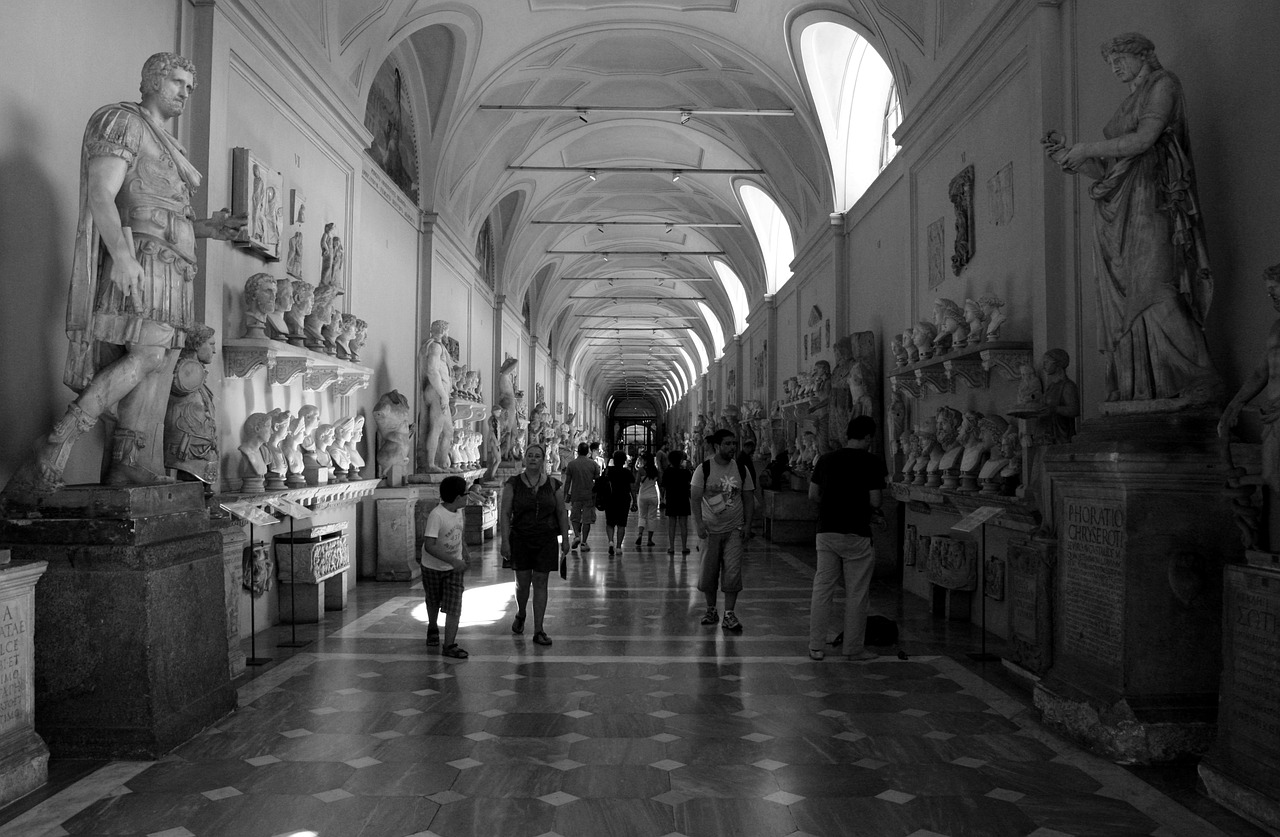
Vatican Tour Private Insight at the Vatican Museums
A Vatican tour changes completely when it’s paced for you. With a Vatican Museums and Sistine Chapel private tour in Rome, Italy, the day becomes less about navigating corridors and more about receiving the Vatican as a living collection of power, beauty, and belief.
Most travellers experience the Vatican in fragments: a rush, a queue, a crowded photo. A private guide creates a different rhythm—quiet where it should be quiet, and rich with context where the art deserves time.
Tour of the Vatican Museums: flow and highlights
A well-designed tour of the Vatican Museums usually follows a purposeful sequence: the best of the Vatican Museums highlights, then the Sistine Chapel, finishing with Peter’s Basilica or Peter’s Basilica, depending on access. This structure isn’t about ticking boxes—it’s about building meaning, so each room sets up the next.
Your guide can explain papal patronage, artistic rivalry, and symbolism in a way that feels intimate rather than academic. The result is a visit to the Vatican moment that stays with you, because you understand why something was made, not just what it is.
Practical expectations for Vatican City with calm planning
Even with timed tickets, security can create short waits, so an early slot often feels more contemplative. Dress modestly (shoulders and knees covered) and pack light to move through checks smoothly.
A high-end detail that matters: an experienced tour guide can “read” the crowd and adjust the route so the Vatican Museums and Sistine Chapel experience stays unhurried. Luxury travellers regularly describe this as the moment Rome feels seamless—expert guides, gentle care, and stories that make every gallery feel alive with intrigue.
Trastevere Rome Walking Tour, Food Tour and Private Tour Italy Evenings
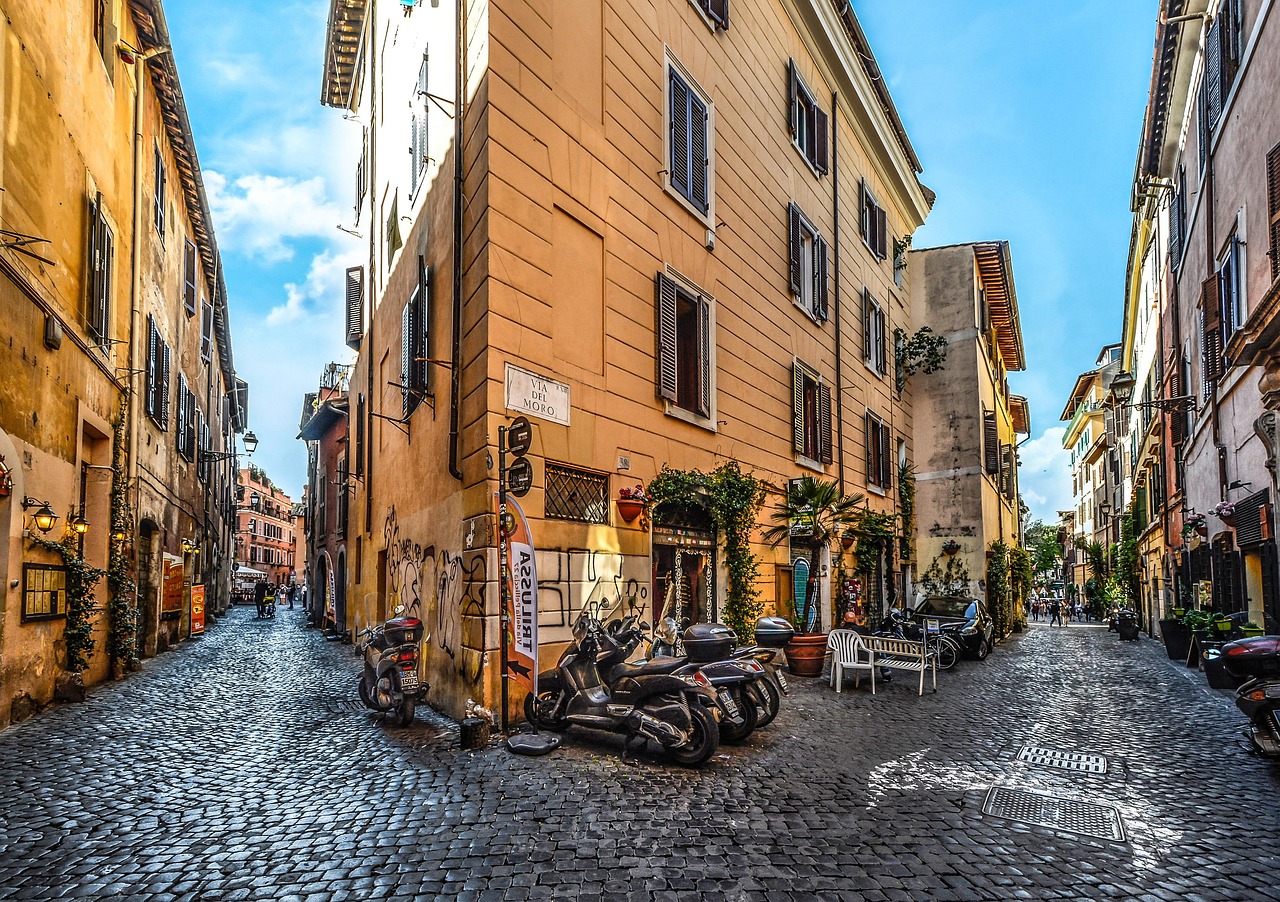
Trastevere Walking Tour Food Tour and a Chef’s Home
After the big monuments, Rome invites you to soften your focus. A Trastevere Rome walking tour—part walking tour, part food tour, part gentle unplanned discovery—lets you uncover a more local side of the city through cobblestone lanes, small piazza corners, and candlelit trattoria culture.
This is where high-end travel can become wonderfully simple: fewer reservations, more atmosphere, and a guide who knows when to speak and when to let a street do the storytelling.
Trastevere food tour moments that feel unhurried
A curated evening might include seasonal plates, a thoughtful wine pairing, and a gelato stop that feels like a little celebration rather than a checkbox. The aim isn’t to rush from bite to bite—it’s to create space for modern Roman life to unfold around you.
A couple once recounted dining in a hidden Trastevere trattoria recommended by their guide. They described the welcome as genuine, the flavours as unforgettable, and the night as the moment they stopped feeling like visitors and started feeling included.
- Go early for a calm aperitivo before dinner crowds swell.
- Follow the seasons: artichokes in spring, rich pasta and truffles when the weather cools.
- Let your guide lead on where to sit—some rooms simply feel better than others.
A chef’s home cooking class for connection
If you want the most personal kind of souvenir, consider a bespoke cooking class in a local chef’s home. Learning authentic Roman recipes turns “Italy” into something you can bring back into your own kitchen—slow sauces, confident technique, and the generosity of being welcomed in.
A solo traveller told us a small-group cooking class deepened their appreciation for Italian culture and led to lasting friendships. In Rome, that’s a quiet kind of luxury: connection, support, and the feeling you’re travelling together with the city rather than consuming it.
Roman Forum and Palatine Hill Private Tour Rome Top Attractions in Rome
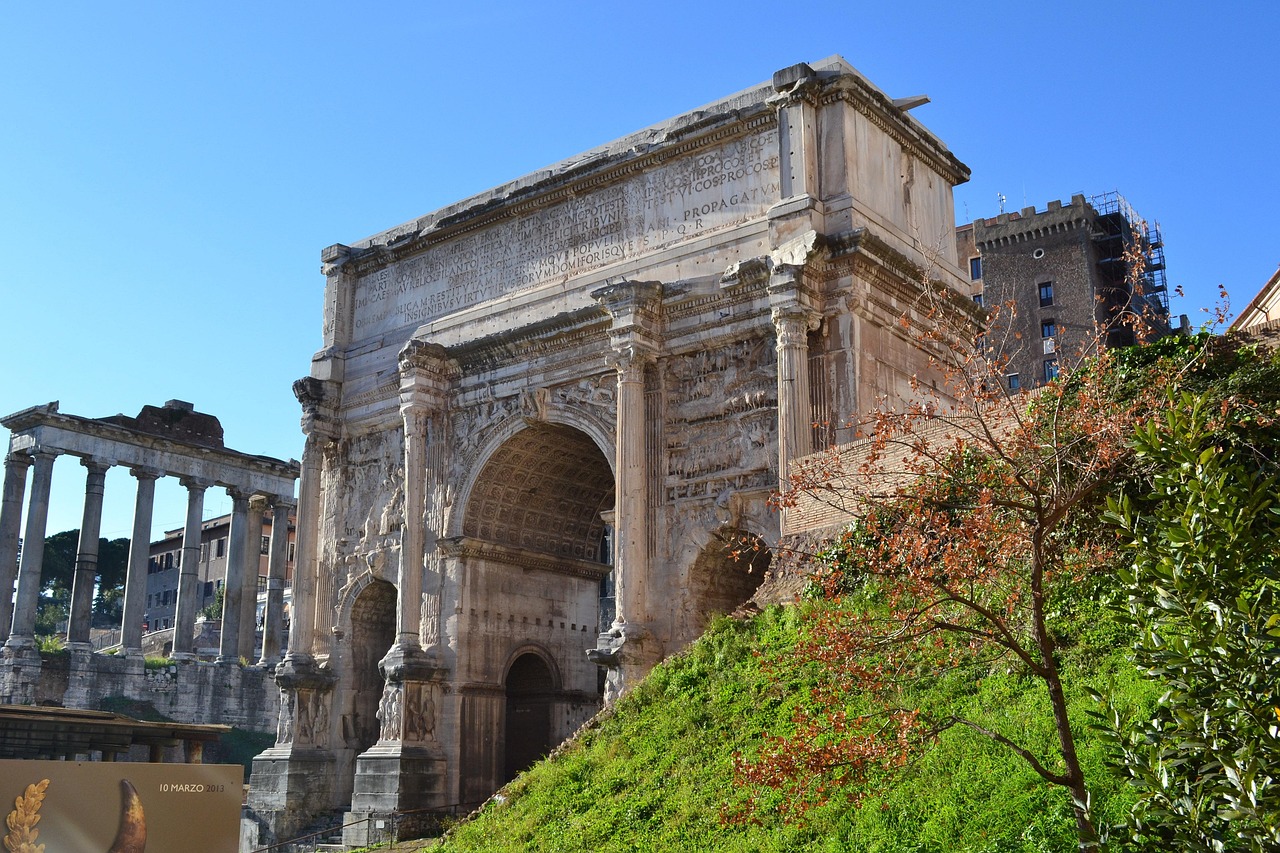
Roman Forum and Palatine Hill at Sunset plus Hidden Gems
For travellers who love atmosphere, a private sunset tour of the Roman Forum and Palatine Hill can be the most moving hour you spend in Rome. The golden light softens the ruins, the crowds thin, and you gain the rare luxury of time—time to look, listen, and imagine daily life in ancient Rome.
This is also one of the best ways to balance history with beauty. The views across the city are quietly breathtaking, and the walk feels less like sightseeing and more like stepping into a long, continuous story.
The history of ancient Rome is told through civic life
The Roman Forum isn’t just “old stones”. With the right context, it becomes a map of civic ambition: temples where faith met power, basilicas where commerce and law intertwined, and triumphal routes designed to create identity. It’s a living lesson in the history of ancient Rome—and, by extension, the history of Rome itself.
At sunset, even the pauses feel meaningful. A good guide will let the silence do some of the work, then offer insight in short, vivid strokes that keep the experience human.
Nearby, you can weave in a few classics without overloading the day: the Pantheon for architectural wonder, the Trevi Fountain for tradition, and a stroll past Piazza Navona and the Spanish Steps when the light begins to turn.
For hidden gems that suit a luxury pace, consider Villa Borghese gardens for a calm reset, then the Galleria Borghese with skip-the-line entry and an expert-led visit. If walking between districts feels like too much, a short bus tour can connect neighbourhoods comfortably, followed by a guided tour on foot to keep everything immersive.
Seamless Planning for Tours in Rome: Day Trip and Tour Package Ideas
Seamless Planning for Tours in Rome and Day Trips
The secret to truly enjoyable tours in Rome is designing the practical pieces with as much care as the beautiful ones. When you’re considering a day trip, a trip from Rome, or an Italy tour with a crafted tour package, comfort-first planning protects your energy—so Rome stays inspiring rather than exhausting.
High-end travel isn’t only about five-star hotels. It’s also about gentle timing, thoughtful transfers, and having someone quietly watching the details so you can stay present.
Best time to visit Rome and how to move around with ease
The best time to visit is generally April to June or September to October. You’ll still get luminous days, but with gentler temperatures and fewer packed streets. In peak summer, plan earlier starts, longer midday breaks, and shaded routes to keep everything comfortable.
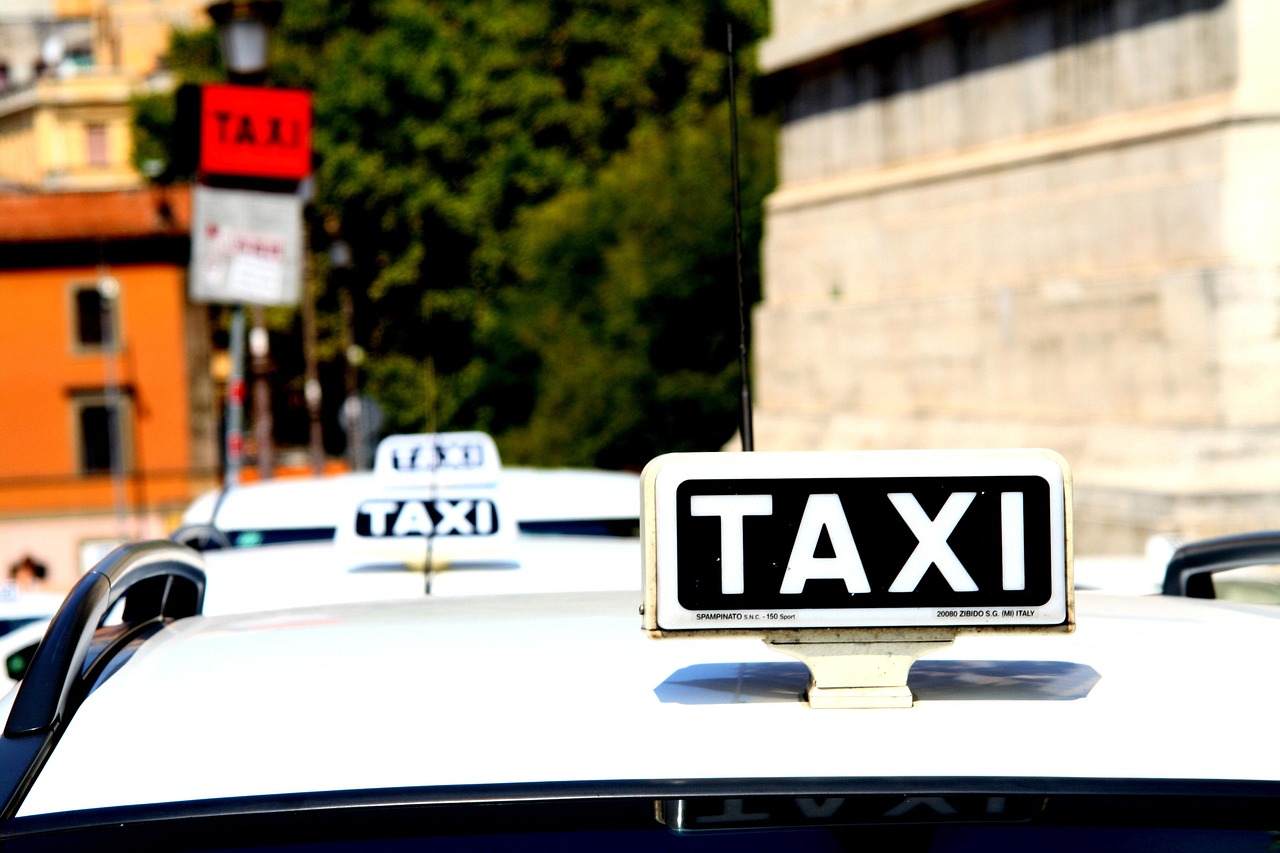
Rome’s metro and taxis are efficient for quick hops, but private transfers add a layer of ease—especially for early Colosseum entries, evenings out in Trastevere, or arrival days with luggage. It’s a small upgrade that often changes the tone of the whole trip to Rome.
Booking strategy, budget notes, and day trips to Pompeii and the Amalfi Coast
Reserve major attraction tickets well in advance, especially for the Vatican and the Colosseum, where entry windows sell quickly. This is also where a fully guided tour can make the biggest difference: you spend your time inside the experience, not outside in logistics.
As a guideline, budget roughly €50–€100 per person for premium guided visits, then decide where you want to upgrade to private guide services for deeper context or quieter pacing. For a top-rated tour, prioritise expert storytelling and timing over “more stops”.
- Day trip to Pompeii: choose a Pompeii day with an archaeological lens, ideally with a specialist who can make the streets feel inhabited again.
- Amalfi Coast: for pure scenery, a well-paced Amalfi Coast day works best with an early start and a slow lunch, not a marathon of viewpoints.
- Traveller care: greet with “Buongiorno”, dress modestly in churches, and stay alert in crowded areas to reduce the risk of pickpocketing.
If you’d like to explore design-led options across Italy, you can browse our Trip gallery for inspiration and see how different regions pair naturally with Rome.
F.A.Qs: Rome, Italy tours
What is the best tour to take in Rome, Italy?
The best tours depend on how you like to travel, but most high-end travellers love a private tour that prioritises early entry at the Colosseum, a guided visit to the Vatican Museums, and a slower evening experience such as Trastevere dining or a cooking class. Look for excellent timing, expert storytelling, and enough flexibility to pause—those are the details that make Rome feel personal rather than rushed.
How many days are enough to see Rome?
Three to four days is a comfortable minimum to see the major highlights and still enjoy Rome at a civilised pace. Two days can work if you focus on a small set of priorities and pre-book key entries. Five or more days allows room for neighbourhood wandering, museums beyond the headline sites, and one well-chosen day trip without feeling like you’re constantly on the move.
What is the best month to visit Rome, Italy?
May, June, September, and October are often ideal for warm light and manageable crowds. April can be lovely as the city wakes up for spring, while July and August can feel intensely hot, particularly around open-air ruins. If you want the most comfortable days for walking and sunset viewpoints, early autumn tends to feel especially generous and calm.
Do and don’ts in Rome?
Do book major tickets in advance, dress modestly for religious sites, and greet people with a friendly “Buongiorno”. Do keep valuables secure in crowded areas. Don’t rely on last-minute entry for the biggest sites, and don’t try to see everything in one rush—Rome is at its best when you allow time for pauses, long lunches, and quieter streets beyond the main monuments.
What Stays With You After Rome
Rome tends to linger long after you’ve left—less as a list of places, and more as a collection of sensations you didn’t expect to carry home. The sound of footsteps on worn stone. The hush that falls just before you look up and truly see a ceiling. The warmth of a small local greeting that makes a vast city feel, briefly, like it knows you.
With time, you may find the memories that return most often aren’t the busiest moments at all. They’re the quieter ones: a pause on a bridge with evening light on the river, a shared glance in front of a painting, the gentle confidence that comes from being guided with care. Travel like this creates space for wonder to be steady rather than performative—something you can trust.
And perhaps that is the gift of Rome: it reminds you that beauty doesn’t need to be chased. It waits, it unfolds, and it asks only that you stay curious—unhurried, open, and ready to uncover more when the time feels right.