Post Contents
- Boboli Garden Florence behind Pitti Palace overview and first steps
- Visit Boboli Gardens Florence tickets and entrance times confidently.
- Boboli Gardens in Florence: Medici history and Renaissance design
- Boboli Garden Amphitheatre, Palatine Hill viewpoint route
- Buontalenti grotto, grotta dei Giardini di Boboli a Firenze.
- Porcelain Museum, Kaffeehaus, Boboli Gardens, Florence, Italy—quieter rooms.
- Florence itinerary includes Boboli Gardens, Uffizi Gallery, Bardini Gardens pairing.
- F.A.Qs: Boboli Gardens, Florence, Italy
- Boboli Garden, Florence, Italy, reflections in a Renaissance landscape
Boboli Garden Florence behind Pitti Palace overview and first steps
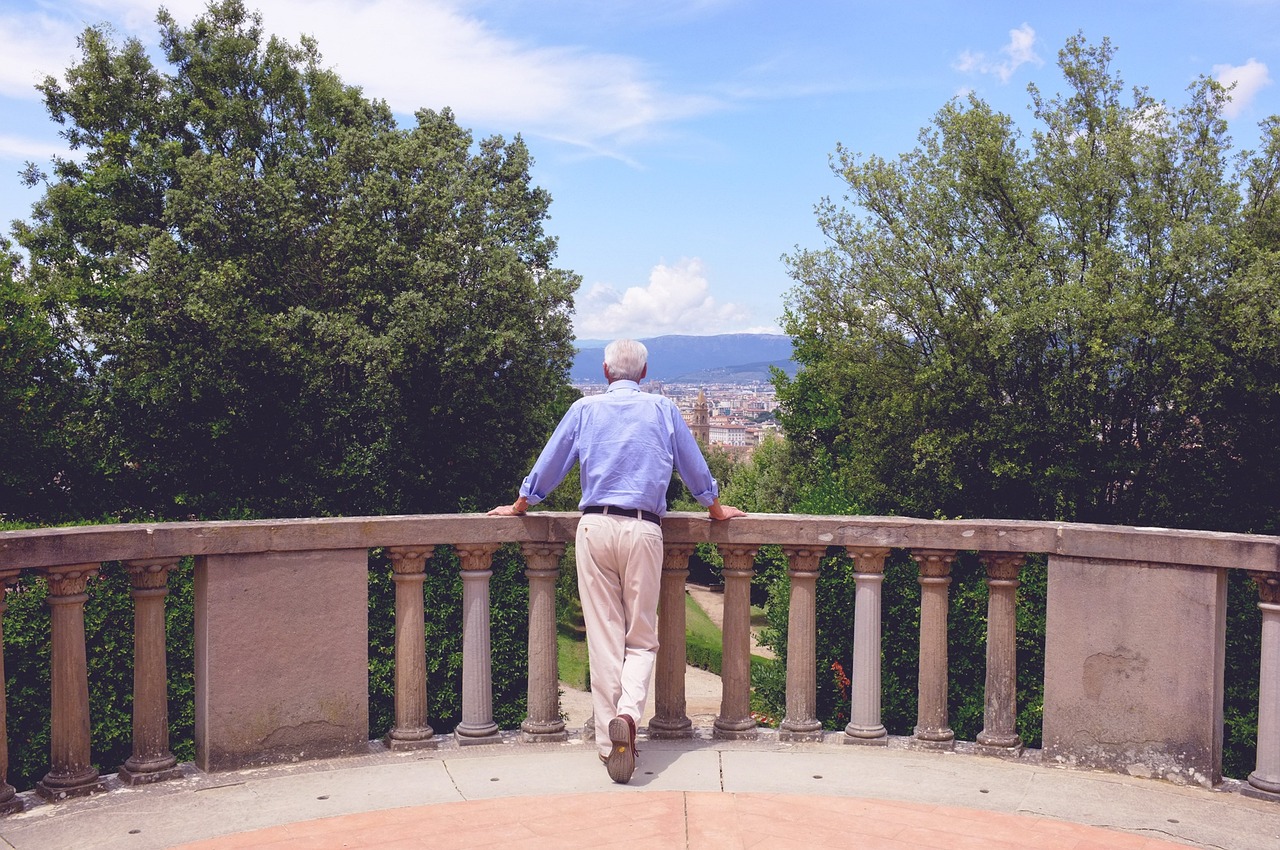
Boboli Garden Florence first steps behind Palazzo Pitti
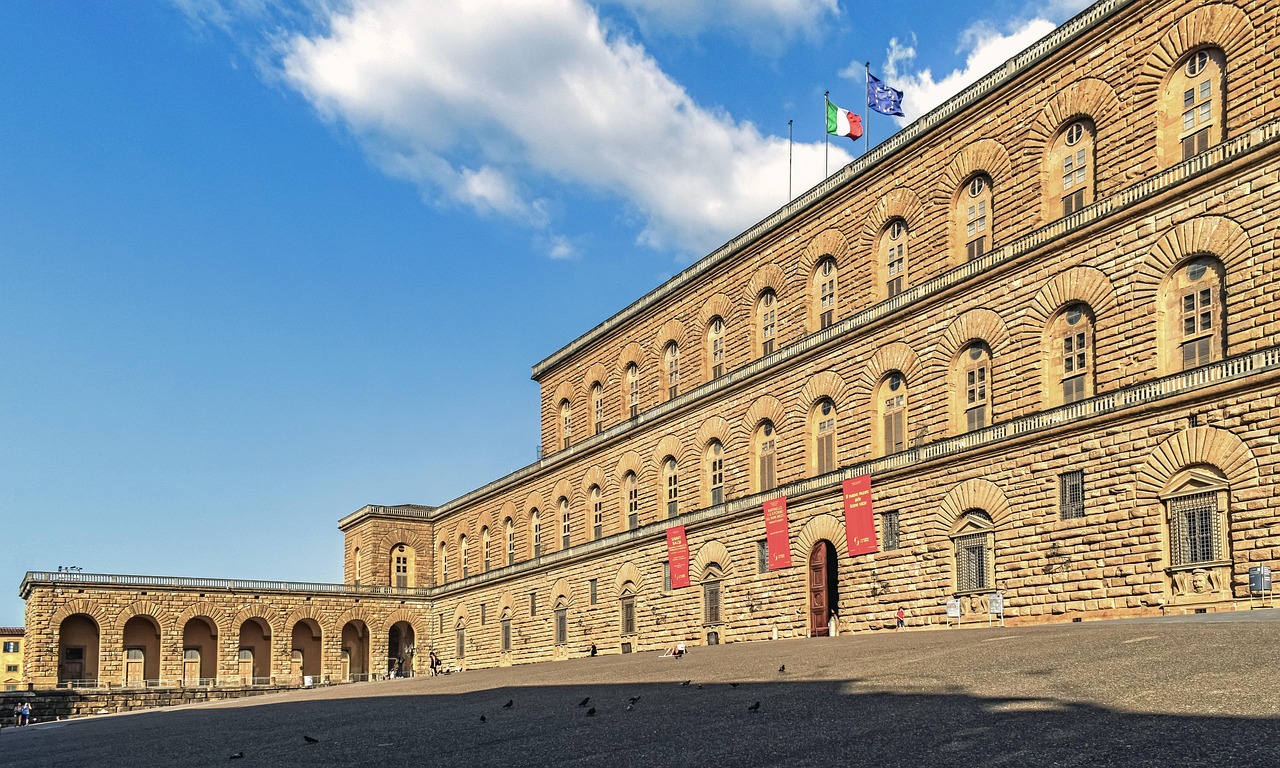
For a clear overview of the Boboli Gardens in Florence behind the Pitti Palace, begin by picturing the geography: Boboli Gardens are located directly behind the Pitti Palace, with the main access at Pitti Square and a quieter edge near Porta Romana. Within moments, Florence softens behind you, and the air feels cooler, greener, and somehow more deliberate—like the city has stepped back to let the garden speak. If you’re arriving on foot (recommended), the approach itself becomes part of the story, and it’s easy to trust your sense of direction as the paths unfold.
Think of the Boboli Garden as an open-air museum, where every turn is a curated relationship among terrace, fountain, and statue. The long sightlines are crafted to pull your attention forward, yet they also reward slow wandering: you’ll notice how sculpture and clipped greenery create a kind of rhythm under your feet. It’s one of those rare gardens in the world where you can feel history as a spatial design, not just as a date on a plaque.
First 10 minutes inside the Boboli Garden
Enter through the palace side, letting the first courtyard moment recalibrate your pace. From there, take the initial pathway that climbs gently, pausing at the first statues as the garden begins to reveal its theatrical logic. In these opening minutes, the shift in mood is unmistakable: traffic noise fades, water sound returns, and you start exploring with curiosity rather than a timetable.
Travellers often share awe at that first sensation—being transported back in time without needing to “perform” anything. Give yourself permission to discover your own pace; the gardens’ layout encourages instinctive choices. If you’re travelling with others, agree to meet at a landmark later and create a little personal space to uncover what draws you in most.




Visit Boboli Gardens Florence tickets and entrance times confidently.
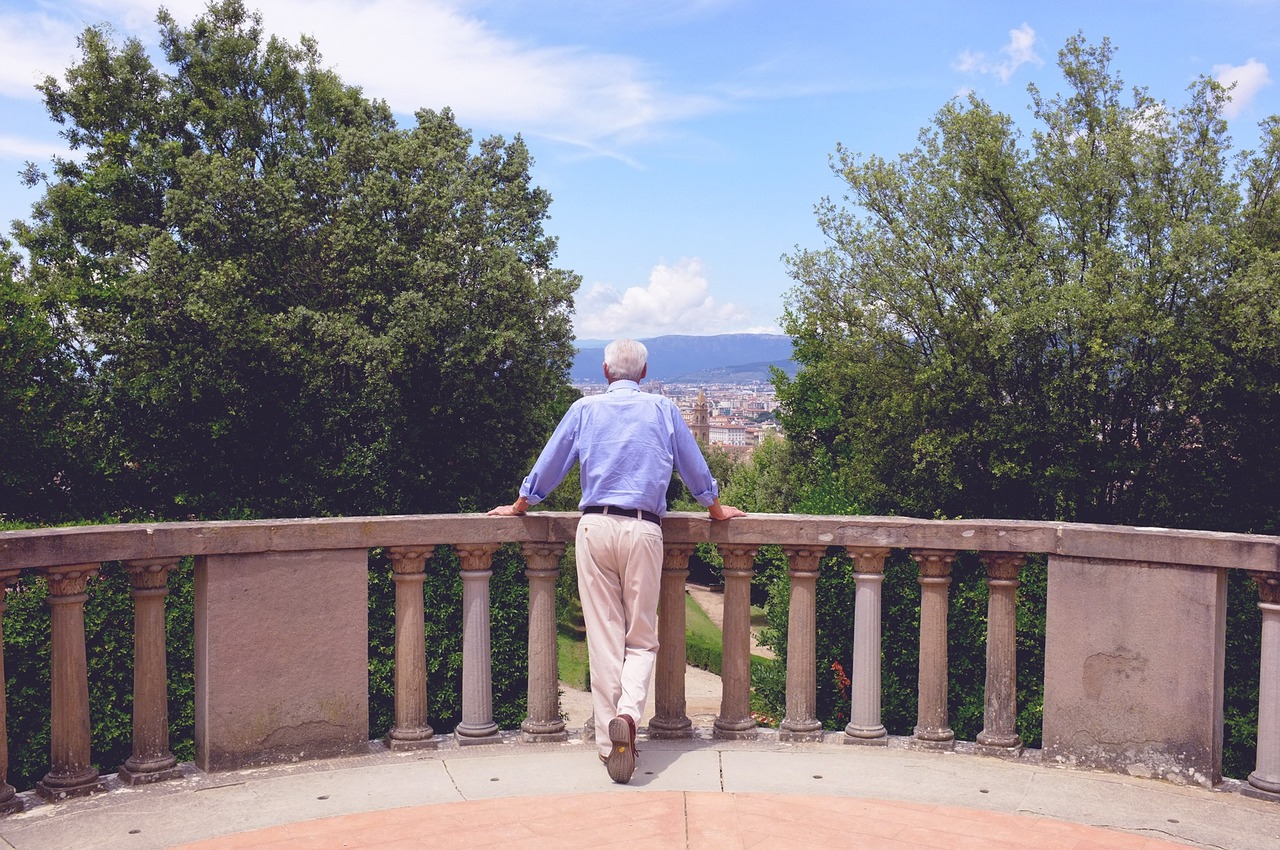
Visit the Boboli Gardens Florence tickets and entrance timing for a seamless day
To visit the Boboli Gardens in Florence, the practical foundation for a relaxed day is the ticketing times. The simplest approach is to decide whether you want the gardens alone or a combined ticket that includes Palazzo Pitti museum spaces and adjoining collections. Combined tickets can save money and queue time when you truly plan to see both, but they don’t always suit travellers who prefer longer outdoor hours and fewer indoor transitions.
If you’re designing a culture-forward day, pairing the Boboli Garden with nearby museums can work beautifully—just be honest about your energy. When time slots are tight, choose quality over quantity: a confident, unhurried garden walk often feels more luxurious than racing through galleries. Pre-booking helps support a seamless flow, particularly on weekends.
Timing to explore Florence in softer light
Your crowd strategy is simple: arrive early in the morning or late afternoon for smaller crowds and kinder light. Spring and early autumn in Tuscany bring comfort and blooms, with less harsh heat on the slopes. In midsummer, the garden can feel more exposed; the shade pockets become precious, and water breaks matter.
- Best light for photography: first hour after opening, or the last two hours before closing.
- Best comfort months: April–June and September–October.
- Best rhythm: museum first, garden second—so you end outside, breathing.
Logistics are straightforward: walking is strongly recommended as parking is limited. Bring water, and wear shoes that handle gravel and uneven steps; this is a garden designed for movement, not a flat promenade. Keep to designated paths, avoid loud noise near quieter pockets, and never pick flowers—small acts of care help preserve the site, and they quietly improve everyone’s experience.
Boboli Gardens in Florence: Medici history and Renaissance design
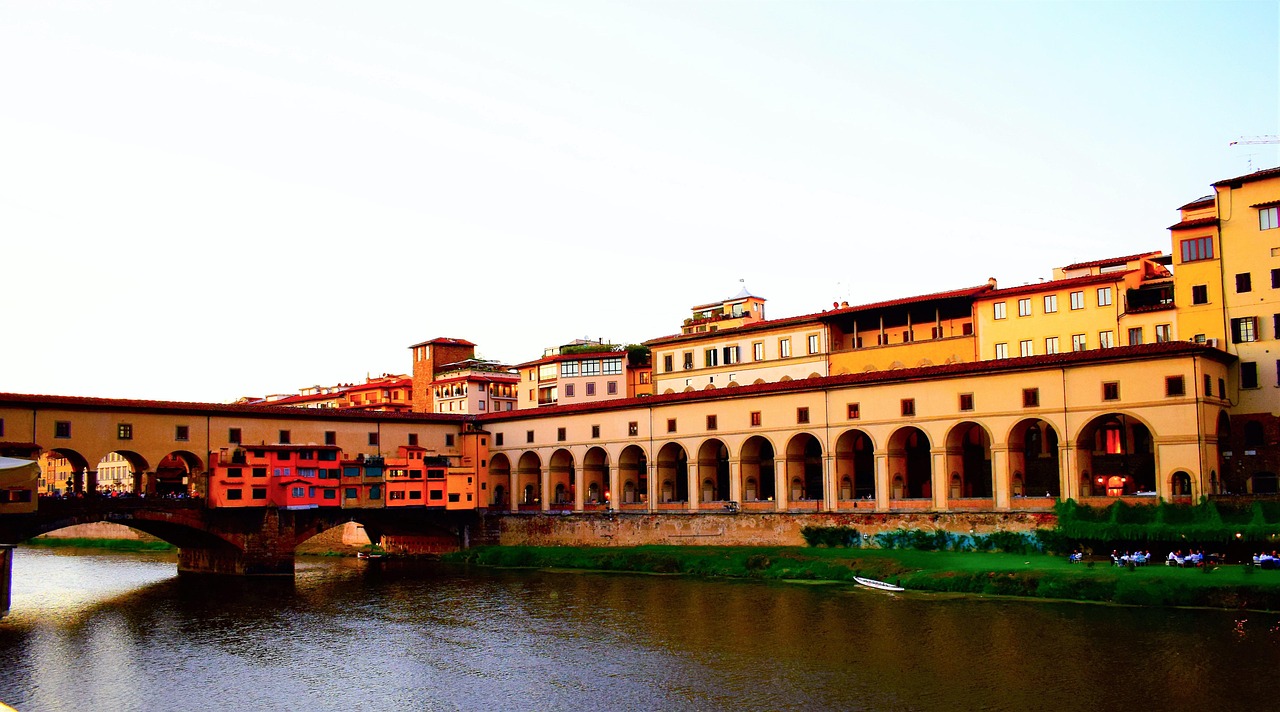
Boboli Gardens in Florence Medici history and Renaissance design behind Palazzo Pitti
For an essential Boboli Gardens in Florence, Medici history, Renaissance garden design story, start with one clear turning point: in 1549, the de’ Medici bought the palace, and the garden began to take shape around 1550. It was closely linked to Eleonora di Toledo—wife of Cosimo—whose presence helped set the tone for a landscape that feels both private and powerfully public. The gardens sit on a hillside that was gradually transformed into a grand statement, adjoined to the hill behind the residence like a green theatre.
To ground your visit in names you can trust, remember the key creators: Vasari, Bartolomeo Ammannati, and Zanobi del Rosso, who built in phases that refined the architecture-and-nature dialogue. Later, the Medici and the Lorraine families shaped what came next; the Lorraine families continued to enrich the grounds, adding in the 18th century and undertaking further work across the 18th and 19th centuries. A memorable marker is 1778, connected to reforms under Grand Duke Peter Leopold, reflecting a shift in how public space and pleasure gardens were understood.
What makes Italian-style gardens feel so cinematic
This is the signature of Italian-style gardens: geometric order, theatrical viewpoints, and a carefully designed relationship between built forms and planted space. Here, perspective is a tool—paths are crafted to guide the eye as much as the feet, with sculpture and fountain placements choreographing your pauses. You may even notice how a terrace becomes a viewing platform, turning a simple stop into a deliberate moment of “seeing”.
For cultural enthusiasts, the wider lens is fascinating: this layout would become a model for many European gardens, and later, many European royal gardens borrowed the same ideas of spectacle and control. You can feel echoes of that influence when you think of Villa Medici in Rome or Villa Madama, where art and leisure were staged as a kind of civic identity. In Florence, those ambitions remain readable in the layout of the gardens—still vivid, still persuasive.
Expert insight: The Boboli Garden was never “just pretty”. It was a crafted language of power, beauty, and leisure—designed to be read. Today, that matters because it lets modern travellers create meaning: you’re not only looking at a statue, you’re reading how a dynasty wanted the world to feel.
Boboli Garden Amphitheatre, Palatine Hill viewpoint route
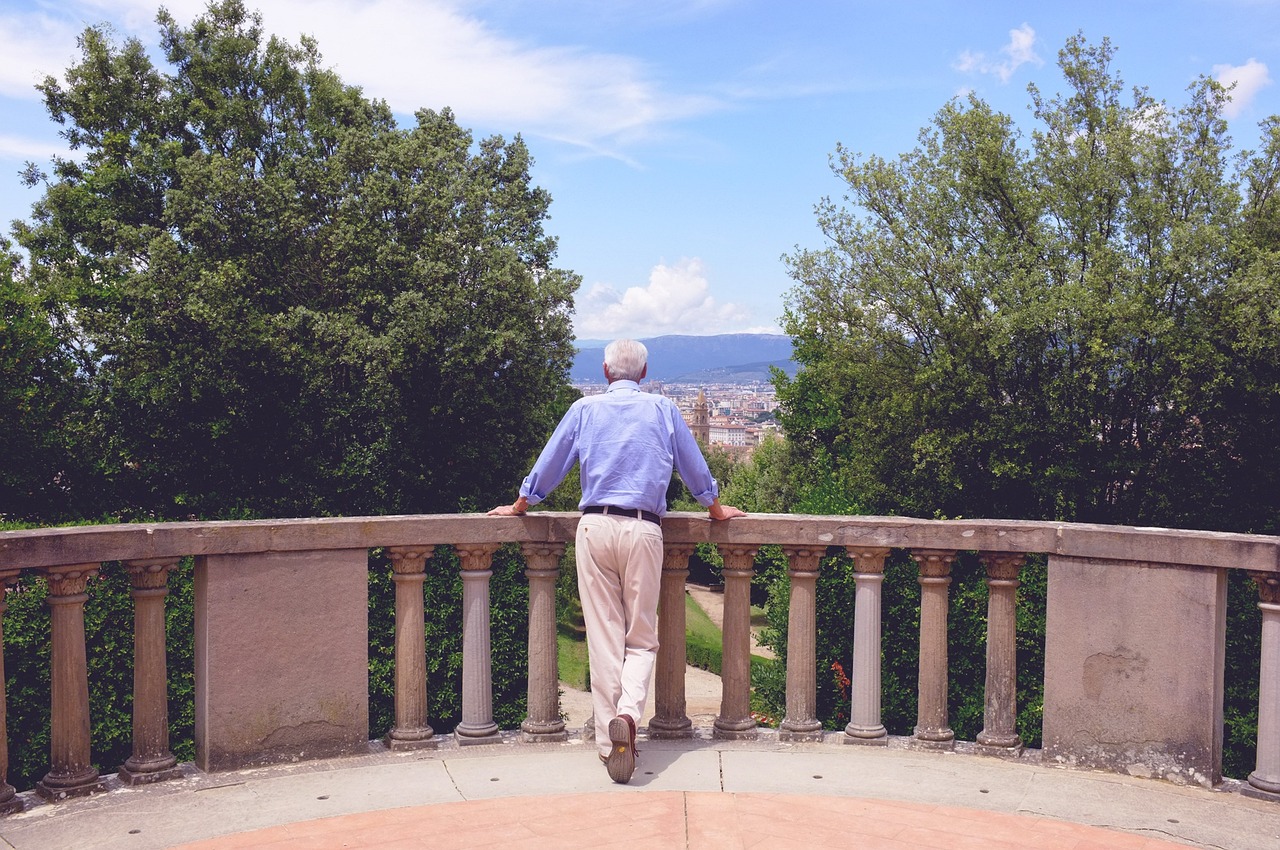
From Amphitheatre to Palatine Hill in the Boboli Garden Florence viewpoint route
This Boboli Garden, Amphitheatre, Palatine Hill viewpoint route is for adventure seekers who want both story and elevation. Start at the Amphitheatre (or Amphitheatre, as you’ll see it written), where the garden immediately feels like a stage set waiting for actors. From here, begin your climb towards Palatine Hill, pausing often—this is not a hike to rush, but a climb to savour.
As you explore, look closely: a single statue can shift the tone of an entire corner, especially when seen through the greenery of a frame. One adventurer told us their favourite memory was spotting hidden sculptures tucked into secluded edges—small personal treasures that felt earned. If you’re travelling in a pair, make it a quiet game: each person uncovers one detail to point out, then swaps.
Fountain and statue highlights on the climb
Along the way, the iconic set pieces appear with pleasing inevitability: the Egyptian obelisk stands with calm authority, and the Fountain of Neptune adds drama in stone and water. Nearby, the Fountain of the Ocean (often simply called the Ocean fountain) brings a sense of scale and motion that’s especially striking when sunlight catches the spray. Reaching the top of the hill is satisfying, not because it’s difficult, but because the garden’s design has been quietly drawing you upwards all along.
- Uncover moments: a shaded bench with a long view, a quiet terrace, or a sculpture half-hidden by leaves.
- Comfort notes: keep a steady rhythm, sip water, and choose footwear with grip on gravel.
- Photography: pause, breathe, then shoot—your steadiest photos often come after a minute of stillness.
From Palatine Hill, drift towards the Viottolone, the long avenue flanked by cypresses and statuettes. The effect is both grand and oddly intimate, like walking through a corridor of time. On this line, seek out the Io e l’Ombra fountain—distinctive, a little mysterious, and easy to miss if you’re moving too fast.
Buontalenti grotto, grotta dei Giardini di Boboli a Firenze.
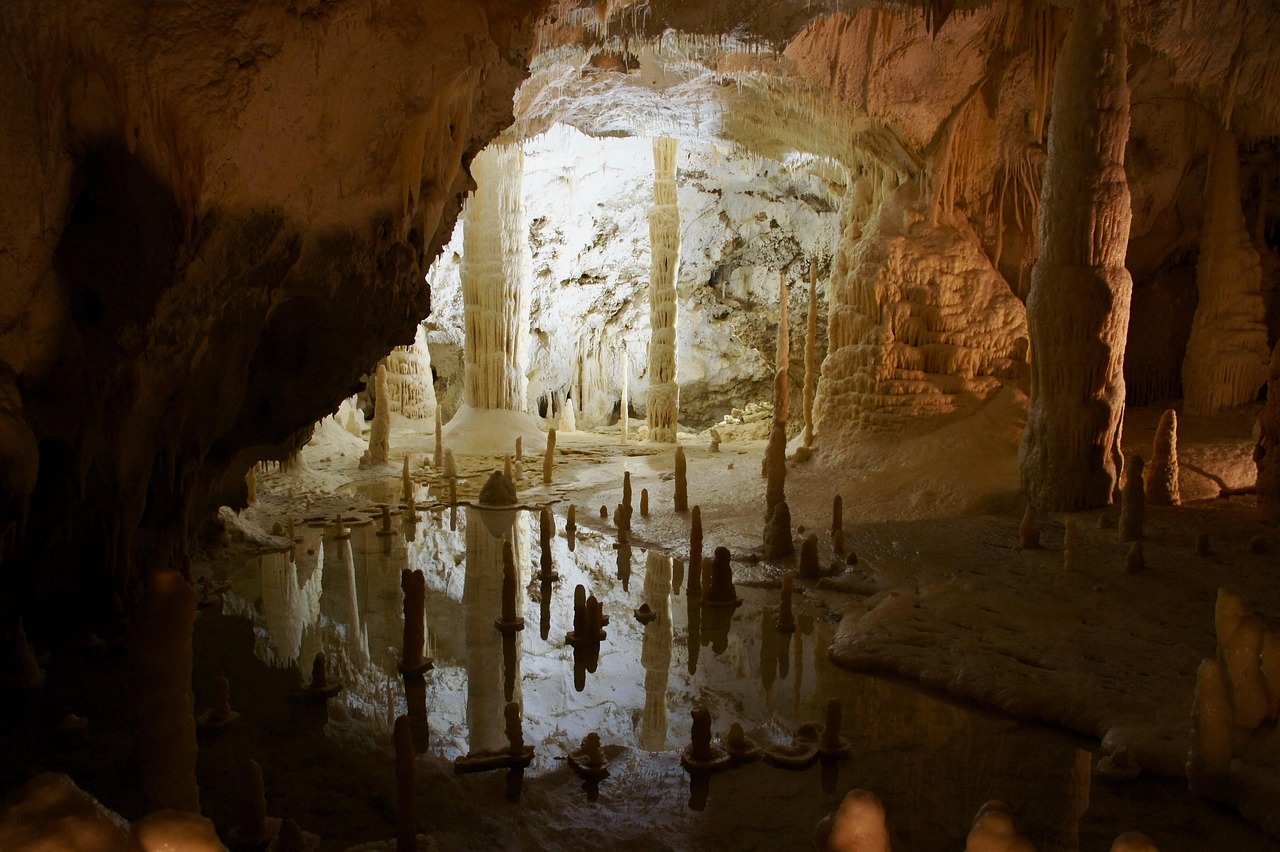
Grotto wonders in the Boboli Garden Florence with the Buontalenti Grotto experience
If your curiosity about the Boboli Gardens’ Grotto is strong, you’re in the right place: the grottos are the garden’s most imaginative rooms. Here, architecture, water, and art work together to create atmosphere and surprise, and the temperature drop can feel like a private reset. After bright paths and wide views, stepping into a grotto is like moving behind the scenes of a Renaissance performance.
The Buontalenti Grotto is the essential stop. Bernardo Buontalenti, under the reign of Medici patrons, helped shape a space that feels both artificial and natural, and Buontalenti, between 1583 and 1593, developed its theatrical interior. The structure was decorated internally and externally; the first one was frescoed to create the illusion of a natural grotto, so your eye keeps wavering between stone and paint, certainty and trickery.
How to slow down inside the grotta
Notice textures first: damp cool air, rough surfaces, and playful light that changes with each step. It’s easy to understand why travellers remember this as a highlight—the grotto doesn’t just display art, it stages it. You’ll see forms decorated with statues based on Roman myths, and in places, it feels as if the statues based on Roman myths might start moving once the crowd thins.
Beyond the famous room, look for smaller “found” spaces that reward a slower pace. Seek the grotto of Adam and Eve, and other grotta-like pockets that feel like a personal discovery when you resist the urge to hurry. These quieter corners are where you can best imagine how Renaissance visitors used shade and water as a kind of emotional design.
Photography and etiquette: low light means you’ll want steady hands and patience. Move with care, respect barriers, and let others pass—this is a small space, and courtesy keeps it calm. When you step back into Florence’s sun, you’ll feel the contrast immediately.
Porcelain Museum, Kaffeehaus, Boboli Gardens, Florence, Italy—quieter rooms.
Porcelain Museum and Kaffeehaus pause in the Boboli Garden Florence Italy pathways
For a graceful reset, follow a Porcelain Museum Kaffeehaus Boboli Gardens Florence Italy loop that shifts the energy from “grand” to quietly restorative. Wander along the upper pathways towards the entrance to the Porcelain Museum, where the pace naturally slows and the footfall thins. This is where the Boboli Garden feels less like a showcase and more like a lived landscape—still monumental, but gentler.
The Porcelain Museum can be a lovely contrast if you’re in the mood for refinement, but it’s equally valid to simply enjoy the approach and keep moving. Nearby, the Kaffeehaus is a welcome pause point: a calm place to sit, take in views, and create a moment of stillness together. High-end travel isn’t always about adding more; sometimes it’s about designing better pauses.
Local insight for a calmer rhythm
A local insight many repeat is that these zones feel most peaceful in the early morning, when the garden is fresh, and the city feels far away. Another visitor cherished their serene morning walk before the crowds arrived, describing the quiet atmosphere under towering trees and along avenues where the air seemed to hold its breath. If you want that feeling, build it into your timing rather than hoping you’ll “find” it later.
- Lemon House note: the Lemon House is a distinctive seasonal feature and a reminder that the garden is also a working landscape, not only a monument.
- Family pacing: treat fountains and statues as a gentle treasure hunt rather than a race.
- Wellbeing: a slower section here can support your energy for the rest of Florence.
Families often remember picnicking on lawns while children explored the fountain basins and counted statues, creating lasting memories in a historic setting. Do keep it respectful: follow on-site rules about where you can sit, keep noise low, and leave no trace. This chapter of your day is about comfort and care—letting the garden hold you for a while.
Florence itinerary includes Boboli Gardens, Uffizi Gallery, Bardini Gardens pairing.

Plan your Florence itinerary pairing the Boboli Garden with the Uffizi Gallery and Bardini Gardens
This Florence itinerary, Boboli Gardens, Uffizi Gallery, Bardini Gardens, is for travellers who want culture and space in the same day. A smart pairing is to begin with the Uffizi (or Uffizi Gallery) in the morning, then cross towards Palazzo Pitti and the Boboli Garden for an open-air contrast. That order often reduces fatigue: your mind is sharp for paintings first, and your body appreciates the outdoor movement afterwards.
If you’re curious about curated travel inspiration beyond this single day, you can browse our Trip gallery for Italy. It’s not about doing more—it’s about choosing combinations that feel seamless and personal, with time to actually absorb what you’ve seen.
Choose your own day design in Florence
Option one is a half-day: Uffizi highlights, then a focused garden route (Amphitheatre to Palatine Hill, then down via a quieter avenue). Option two is a full-day: add Bardini Gardens for extra viewpoints and a different atmosphere. Bardini is an easy continuation on foot and rewards those who like to keep exploring. For most travellers, allow 15–25 minutes to transition between key areas, depending on your pace and stops.
- Half-day: 2 hours Uffizi + 2–3 hours Boboli Garden.
- Full-day: add 1.5–2 hours for Bardini Gardens and extra viewpoints.
- Trade-off: combined tickets save money only if the timing genuinely fits your day.
Build trust with your own energy levels. If you’re museum-fatigued, prioritise the garden over extra rooms; Florence rewards travellers who leave space to feel. Spring and early autumn remain the ideal windows in Tuscany: comfortable temperatures, colour, and softer light that makes every statue and fountain detail more tactile.
F.A.Qs: Boboli Gardens, Florence, Italy
Do you have to pay to get into Boboli Gardens in Florence?
Yes. Entry to the Boboli Gardens requires a ticket; you can choose either a standalone garden ticket or a combined ticket that includes the Palazzo Pitti museums. If you’re planning to visit multiple sites the same day, a combined ticket can be a good value—provided the timing genuinely suits your pace.
How long does it take to walk around Boboli Gardens?
Most visitors spend 2–3 hours for a satisfying loop, especially if you include the Amphitheatre, Palatine Hill viewpoints, and a stop at a grotto. If you like slower photography, quiet pauses, or museum add-ons, plan closer to 4 hours so the experience stays relaxed rather than rushed.
Are Boboli Gardens worth seeing?
Yes, particularly if you enjoy Renaissance culture in an outdoor setting. The Boboli Garden feels like an open-air museum where sculpture, fountain design, and long perspective lines create a memorable sense of place. It’s also a refreshing counterbalance to Florence’s indoor art collections.
What not to miss in Boboli Gardens?
Don’t miss the Amphitheatre, the climb towards Palatine Hill for panoramic views, and at least one grotto experience, such as the Buontalenti Grotto. The Viottolone avenue, lined with tall cypress trees, is another standout, and key fountains and statues often become the moments you remember most.
Boboli Garden, Florence, Italy, reflections in a Renaissance landscape
For many, Boboli Garden, Florence, Italy, reflections arrive not at the biggest viewpoint, but in the moment you leave. The city returns quickly—footsteps on stone, voices rising, a modern rhythm—yet you carry something quieter with you: calm geometry, the shade of cypress, and the steady sound of water you didn’t realise you’d been listening to. Florence feels subtly changed, as though your attention has been tuned.
Travellers describe it as stepping out of a living Renaissance masterpiece and realising they’ve been moving at a different tempo. Perhaps it’s a hidden statue glimpsed in the corner of your eye, or the cool hush inside a grotto where light behaves differently. Perhaps it’s the way a long avenue asks for patience, or how a distant belvedere-like view makes you understand perspective as a kind of kindness.
What often stays is the lesson that beauty can be crafted without being loud. The garden teaches attention: to footsteps on gravel, to the pause before a fountain comes into view, to the way art and nature can exist together without competing. If you return in another season, you may find the same paths offering a new conversation—proof that the most lasting journeys do not end, they simply deepen.