Post Contents
- Naples food first steps and where to eat in Naples, Italy, in key neighbourhoods
- Best pizza in Naples pizzerias, including L’Antica Pizzeria da Michele and timeless legends
- Spaccanapoli food tour in Naples featuring street food and coffee with local flavor.
- Best pasta in Naples, including genovese ragù and pasta e patate for comfort and cuisine
- Food in Naples includes pastries like sfogliatella and babà, and visits to Mercato di Porta Nolana for market mornings.
- F.A.Qs: Naples, Italy food
- After Naples, what stayed with us was the feeling of eating in Naples
Naples food first steps and where to eat in Naples, Italy, in key neighbourhoods

Naples food first steps and where to eat in Naples in the historic centre streets
When travellers ask for a simple culinary map, I begin with Naples food neighbourhoods and where to eat in Naples Italy—because in Naples, each area has its own rhythm and comfort. You can explore on foot with confidence, designing a day that feels crafted rather than rushed. Start by imagining the city in three gentle bands: the historic centre for tradition, Spaccanapoli for energy and street food, and the waterfront for polished restaurants in Naples with long views.
Naples rewards curiosity, but it also rewards pacing. If you’re travelling together as a couple or with children in tow, the goal is not to tick off everything; it’s to uncover the moments that feel most local, then give them time to land.
Naples neighbourhoods to explore for food in Naples
The historic centre is where you’ll find classic trattoria comfort and the kind of red sauce that’s been simmering since morning. Tiny lanes hide honest bakeries, small wine bars, and family-run kitchens where Neapolitan cuisine is served without performance—just warmth and skill.
Spaccanapoli cuts through the old city like a lively thread. It’s ideal for a guided culinary wander: grazing on small bites, pausing for a sweet, and watching the streets of Naples shift from sacred to playful in a single block.
The waterfront and Piazza del Plebiscito area suit travellers seeking a more seamless, dressed-up evening. Here, you can create a refined dining plan—an aperitivo, a seafood-forward menu, and a calm taxi home—without losing the spirit of Napoli.
When to visit Naples for culinary wandering and easy logistics
For food-focused days, the best time to visit Naples is April to June and September to October. The weather is kind enough for market mornings, and you’ll feel more supported in the city’s famous pizza queues without the peak-summer press.
Arriving is straightforward. Naples International Airport works well if you want to check in and be eating within the hour; the train is excellent for a seamless connection from other cities in Italy. In the centre, walking is often fastest and most personal, while local taxis make sense at night or when you’ve dressed for a smarter restaurant.
- Design a calm first day: choose one neighbourhood, one signature meal, and one sweet stop.
- Keep it safe and unhurried: carry essentials close in crowded lanes and pause often—Naples is meant to be felt, not rushed.
- Etiquette with care: quick pizzeria meals move briskly; for upscale dining, aim for smart-casual, a softer voice, and a relaxed pace.
A gentle note on tipping: it’s not theatrical here. If service feels expert and personal, rounding up or leaving a little extra is appreciated, especially in higher-end rooms.
One couple told me their first evening in Naples set the tone for the whole trip. They chose a candlelit trattoria near the old streets, and the waiter—warm and confident—guided them to a house pasta and a simple local wine. “We felt cared for,” they said, “as if the city had quietly taken our hand.”




Best pizza in Naples pizzerias, including L’Antica Pizzeria da Michele and timeless legends
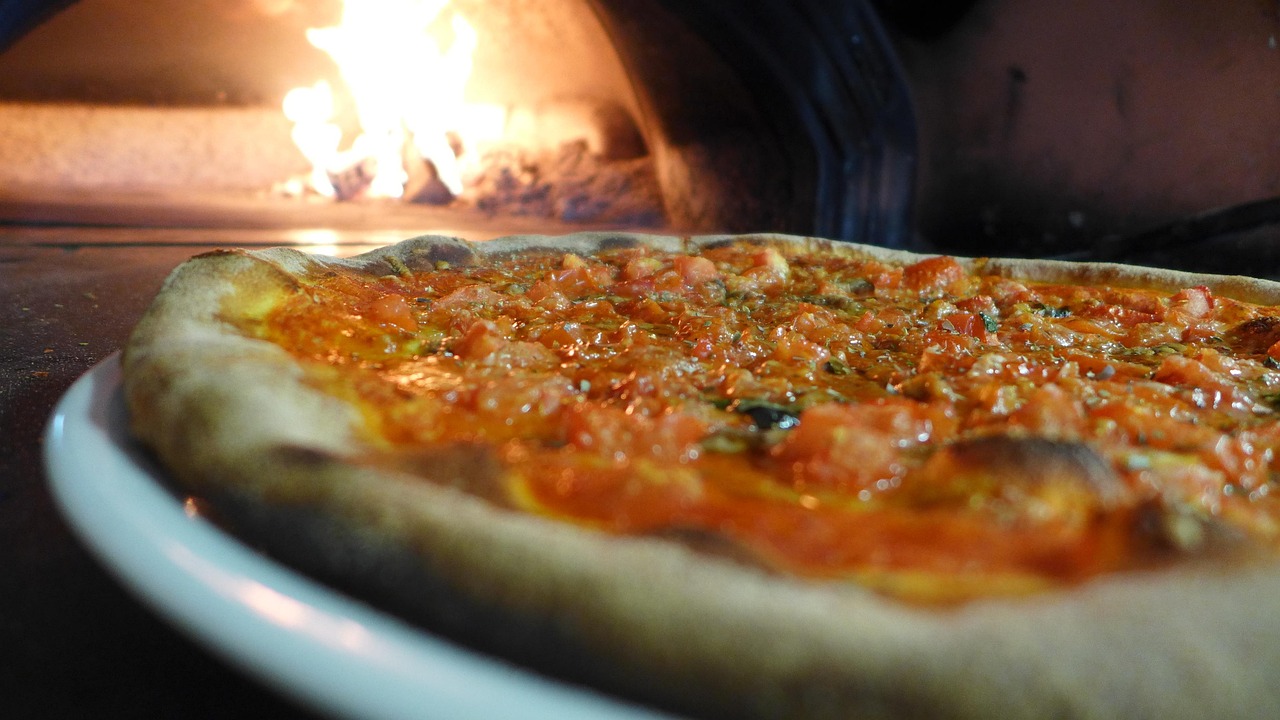
Pizza in Naples and the city’s historic pizzeria legends with a just-baked margherita
If your heart is set on a classic, start with the best pizza in Naples pizzerias, including L’Antica Pizzeria da Michele—a place that makes time feel irrelevant. L’antica pizzeria da Michele is famously simple: expect queues, a focused menu, and a dining room that puts the pizza front and centre. That simplicity is the point, and it’s one of the most reassuring experiences in Naples: you arrive, you wait, and you trust the process.
For high-end travellers, it helps to reframe the queue as part of the story. Arrive early, keep plans light, and remember you’re stepping into a century-old pizzeria tradition that locals treat with quiet pride.
Neapolitan pizza essentials, from pizza dough to oven heat
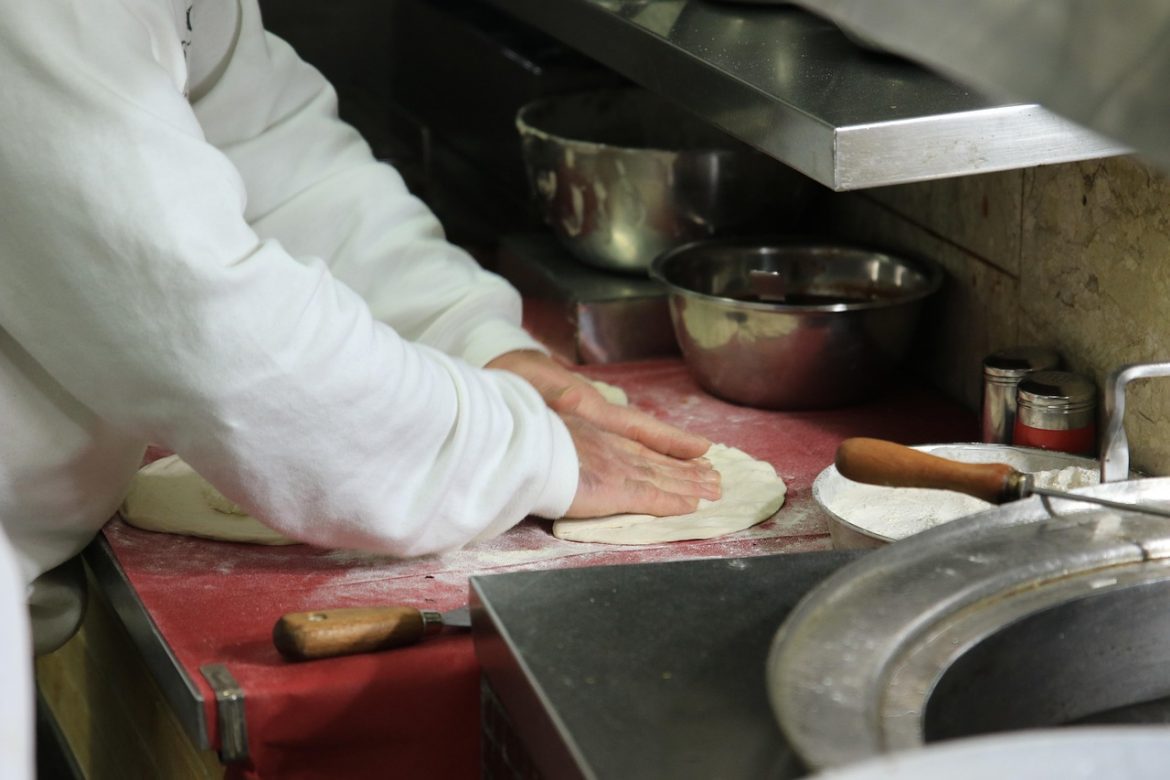
Neapolitan pizza is built on a few precise details. The pizza dough is usually fermented to develop flavour and elasticity, then shaped by hand. The bake happens in fierce heat; in a true wood-fired oven, the crust blisters quickly while the centre stays tender and soft. Look for “leopard spotting” on the rim: those dark freckles signal confident heat and timing.
This is also why you’ll often eat with knife and fork at first. The centre is meant to be delicate, almost spoonable—especially when the tomato sauce is generous, and the mozzarella is molten.
What to order in Naples and what to notice in a margherita
Ordering is refreshingly straightforward. For two people, it can be lovely to share a margherita and a marinara, then compare notes. A margherita should taste bright rather than heavy: sweet-acid balance in the tomato, clean dairy, and a final lift of basil. The marinara is even more direct—tomato, garlic, oregano—proof that great pizza doesn’t need much.
Ingredients matter, but they’re not a script. You may hear about the San Marzano tomato (often simply called San Marzano) and other tomatoes grown in Campania. Both can be glorious when handled well. The mozzarella choice changes the mood: buffalo mozzarella brings lush richness, while fior di latte can feel lighter and creamier in a different way. When you see mozzarella di bufala campana listed, expect a deeper, more rounded dairy note.
A couple once described their most romantic moment not as a sunset, but as the first bite of a pizza margherita in a dim, bustling room. The rim was crisp, the centre glossy, and the mozzarella stretched in silky threads. They said almost nothing—just exchanged a look that carried quiet joy and total confidence in the choice.
If you’re planning a longer route through pizza in Italy more broadly, Naples is the benchmark. You can eat pizza elsewhere, but the original context here makes it feel inevitable.
Spaccanapoli food tour in Naples featuring street food and coffee with local flavor.
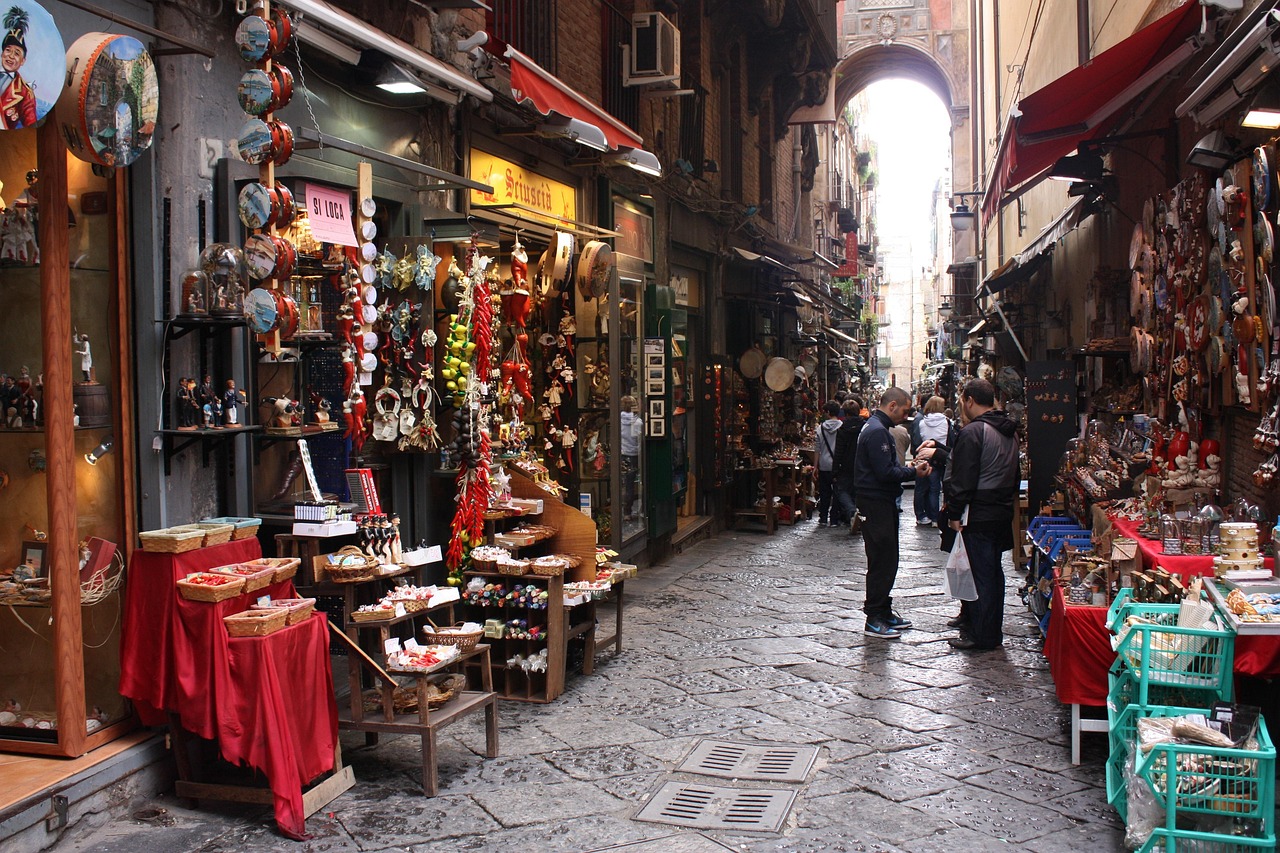
Spaccanapoli culinary walks and Neapolitan street food in a narrow alley
To experience the city’s most vivid bites, plan a Spaccanapoli food tour, Naples street food and coffee in Naples as a guided mini-itinerary. This is the easiest way to uncover variety without over-ordering, and it’s especially supportive for families: the pacing is designed, the stops are local, and you’re never far from a pause when someone needs a rest.
Think of it as a curated walk through flavour. You’ll move from savoury to sweet, then finish with something restorative—often espresso—so you leave feeling energised, not overfull.
A family-friendly Spaccanapoli tasting order for street food
A good guide will begin with something crisp and warm, then build towards richer textures. It’s common to start with fried pizza (lightly blistered, comforting, easy to share), then move to croquettes, arancini-like bites, and the beloved frittatina. If your guide mentions the best fried pizzas in the area, trust them—but also trust your own appetite and keep space for later.
The frittatina is a local favourite: creamy, savoury, and deeply satisfying. If you love it, ask where locals go for the best frittatina, because every neighbourhood has its own loyalty. You’ll also see cones of fried seafood from food stands near the busiest lanes—salty, bright, and made for strolling.
Per uno stop autentico, includi la pizzeria e la friggitoria di Matteo. If you only have one snack window, go for a small fried bite first, then a simple slice or folded pizza-style snack—enough to satisfy, without spoiling dinner.
Coffee in Naples rituals and an early aperitivo moment
Coffee in Naples has its own choreography. Locals often drink it standing at the bar: quick, focused, and oddly uplifting. Order an espresso, sip it with intention, then pair it with a small sweet if you like. It’s one of those Italian rituals that makes you feel momentarily part of the city.
Later, if you’d like an aperitivo without turning the evening into a heavy pre-dinner event, choose an aperol spritz and something small to nibble. This is where Naples can feel gently glamorous—especially around the early evening light.
- Practical support: in crowded lanes, keep phones and wallets close and zipped.
- Shared space: remember locals and tourists flow together here; calm awareness works better than worry.
- With children: carry water, plan a gelato pause, and keep portions small so everyone stays comfortable.
Families often tell me their happiest Naples afternoons were built from tiny discoveries: a bite of fried pizza, a shared gelato, and the feeling that the city was performing for no one—just living.
Best pasta in Naples, including genovese ragù and pasta e patate for comfort and cuisine
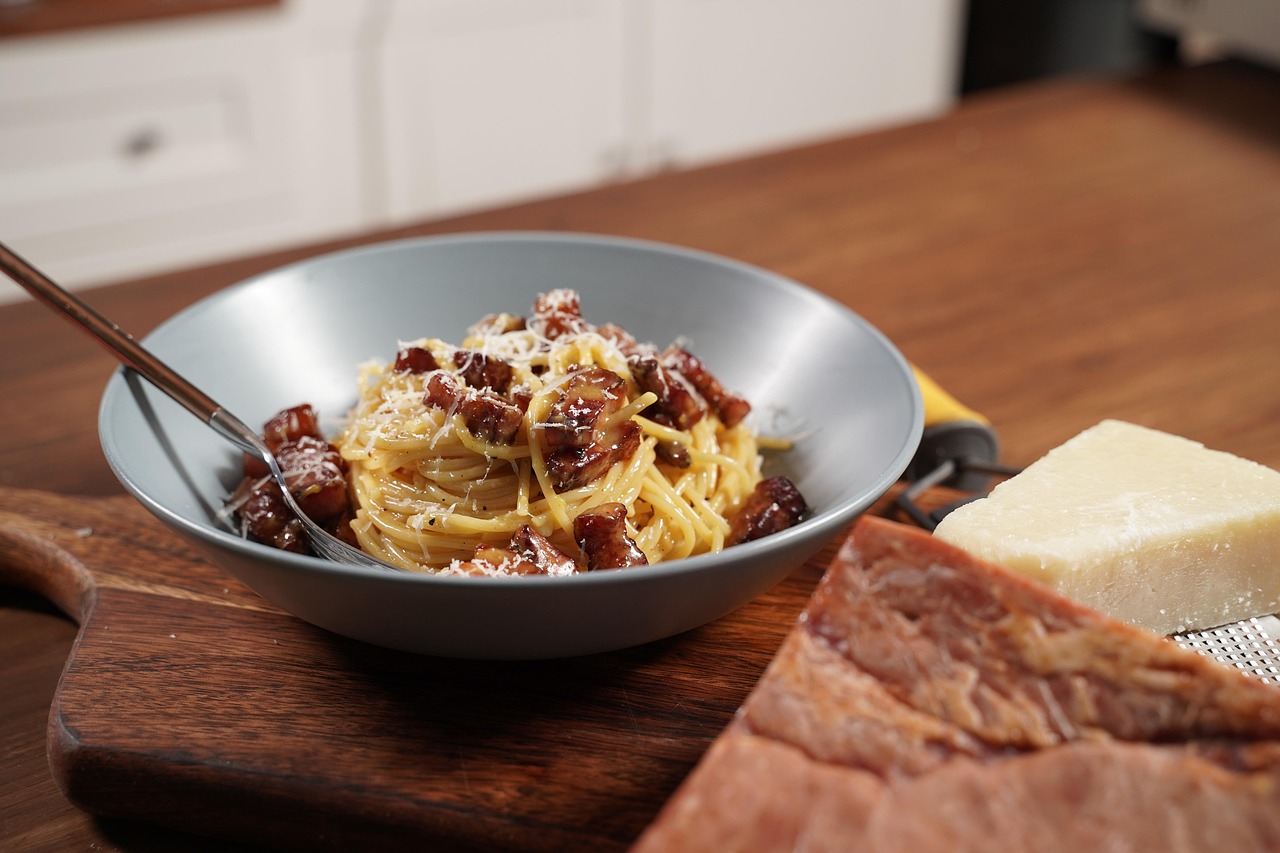
Pasta, ragù and slow comfort in Naples cuisine with a steaming bowl at a trattoria
When you’re ready to go beyond pizza, focus on the best pasta in Naples, including genovese ragù and pasta e patate. This is where Naples cuisine turns slow, domestic, and deeply reassuring. The food of Naples isn’t only about the headline dishes; it’s also about the bowls and plates that feel like someone’s home cooking—made confidently, served warmly, and designed for sharing together.
You’ll notice how often menus return to comfort: potatoes, onions, slow-simmered sauces, and small variations that change from street to street. That’s Southern Italy on a plate—familiar ingredients, treated with care.
Genovese and ragù as local specialities worth planning for
Genovese is one of the most rewarding local specialities to seek out. Despite its name, it’s Neapolitan through and through: a long-cooked sauce where onions melt into sweetness, wrapping the pasta in a savoury, almost caramelised depth. It’s comforting without being heavy, and it tastes like patience.
Alongside it, you’ll often see ragù—the slow comfort of a sauce that has taken its time. In Naples, ragù can feel darker and richer than you expect, with a texture that clings to pasta and stays in memory. If you’re unsure where to try it, choose a busy trattoria with a short menu and steady local trade; the confidence is usually in the simplicity.
Another dish to order when you want pure comfort is pasta e patate. Expect soft cubes of patate, a creamy texture, and a gentle salinity that makes the whole bowl feel like a warm blanket after a long walk.
Luxury restaurants in Naples with Bay views and thoughtful pairings
For a high-end evening, Naples offers Michelin-starred rooms where seafood and pasta become something more sculpted—still local in spirit, but refined in technique. Book in advance during peak months, and aim for a table that catches the light over the bay. When the sky is clear, Vesuvius and Mount Vesuvius sit on the horizon like a quiet presence.
Choose a tasting menu if you enjoy being guided. You’ll often find shellfish, seasonal vegetables, and a tomato note handled with restraint rather than sweetness. A crisp white wine pairing can feel seamless here, especially with seafood and lighter sauces.
Luxury travellers also speak fondly of exclusive cooking classes with a renowned Neapolitan chef—an experience that feels crafted and personal. Imagine learning a traditional sauce, then eating an intimate meal with the Bay of Naples below, the city softening into evening. If you’d like inspiration for longer travels in Italy, our Trip gallery can help you design a route that matches your pace.
For families, the support is in small choices: share plates, ask if half portions are possible, and book earlier sittings so children can enjoy the calm before the room fills. Naples is generous; if you ask with a smile, you’re usually met with care.
Food in Naples includes pastries like sfogliatella and babà, and visits to Mercato di Porta Nolana for market mornings.
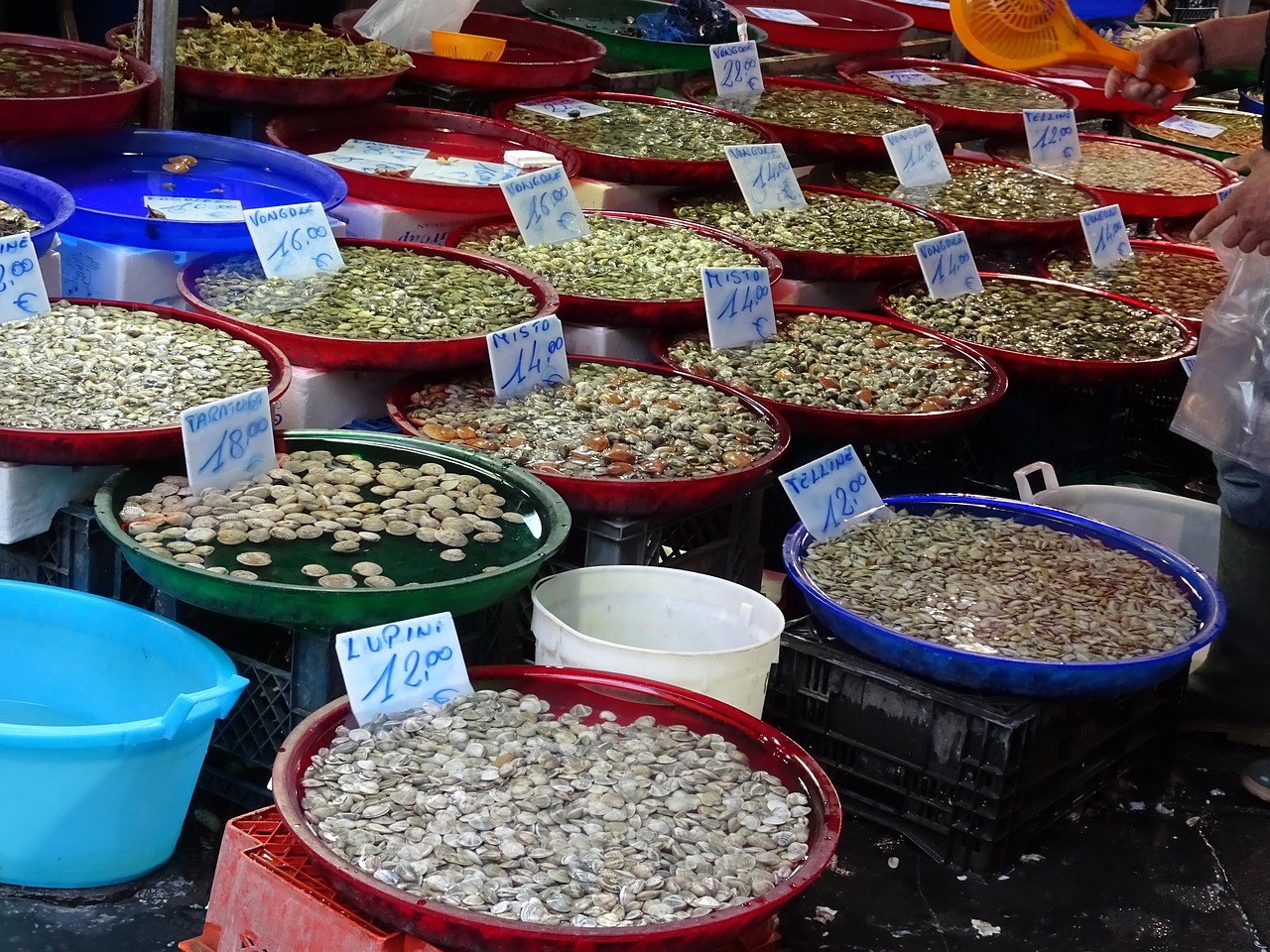
Pastry, sfogliatella and local markets for Naples food at Mercato di Porta Nolana
To round out your appetite with something sweet and unmistakably local, follow food in Naples pastries, sfogliatella, babà and Mercato di Porta Nolana. This part of the city’s culinary life is where you can slow down: watching bakers work, listening to market sellers call out the day’s catch, and choosing small treats with confidence rather than impulse.
If you’ve been living on pizza and pasta for a day or two, pastry is a wonderful pivot—lighter in portion, but intense in pleasure.
Sfogliatella and babà with a gentle guide to ordering
Sfogliatella comes in two main styles. Riccia is the dramatic one: crisp, layered, and shattering slightly as you bite, while frolla is softer and more tender. The filling is typically ricotta-based, often perfumed with citrus. If you’re choosing riccia, notice the contrast between flaky layers and the gentle sweetness inside; if you choose frolla, the comfort comes from its softness, like a biscuit that has learned to be a dessert.
You may hear it described as made of shortcrust pastry—and in the frolla version, it truly is, a classic shortcrust pastry approach that turns sfogliatella into something calmer and more cradle-like.
Babà (often written as baba) is the rum-soaked classic. It’s glossy, sweet, and surprisingly easy to overdo before dinner, so consider sharing one between two. The rum note should feel warm, not sharp; the best versions taste balanced, like a grown-up sponge with a soft edge.
For a named stop, try Antica Pasticceria Vincenzo Bellavia. You’ll hear plenty of debate about the best sfogliatella in Naples, and that’s part of the fun. My favourite approach is calm comparison: try one riccia and one frolla over the course of your stay, note which texture you love, and build your own personal truth. If anyone in your party has dietary needs, ask kindly—many places will explain ingredients with care.
Mercato di Porta Nolana and take-home flavours
For market life, Mercato di Porta Nolana is a vivid, honest window into the city of Naples at work. You’ll see seafood vendors arranging silver fish like jewellery, piles of tomatoes, and bottles of olive oil, all of which locals discuss with surprising seriousness. Go in the morning when energy is high, then step back and simply watch for a moment; the choreography is part of the pleasure.
A few Italian phrases go a long way: a polite greeting, a thank you, and a gentle question. Even if your accent is imperfect, the effort builds trust, and you’ll often receive a small extra insight—how to choose a tomato, how to cook a fish, what’s popular in Italy right now.
- Pack thoughtfully: choose sealed items for the flight, and keep liquids protected.
- Take-home taste: a small bottle of limoncello or carefully wrapped food staples can carry Naples back into your kitchen.
- Keep it personal: buy less, but buy better—one item with a story rather than a bag of souvenirs.
If you’re continuing onwards, it’s easy to pair Naples with the Amalfi Coast for a contrasting second chapter: sea breezes and slower lunches after the city’s bright intensity.
And one gentle truth: it’s hard to leave Naples without trying at least one sweet—because the city understands that pleasure, too, deserves a place at the table.
F.A.Qs: Naples, Italy food
What food is Naples, Italy, famous for?
Naples is famous for pizza—especially the classic margherita and marinara—alongside comforting pasta dishes such as genovese and ragù. It’s also known for street food like fried pizza and for pastries including sfogliatella and babà. Seafood is a highlight too, particularly in waterfront dining, where the cooking stays simple and local.
What is Naples, Italy, best known for?
Naples is best known for being the birthplace of Neapolitan pizza and for its lively historic centre, including Spaccanapoli. Many travellers also remember the city for its warmth and intensity: bustling markets, espresso rituals, and a food culture that feels both everyday and unforgettable.
What is Neapolitan-style food?
Neapolitan-style food focuses on strong local ingredients and straightforward cooking: tomato-based sauces, fresh mozzarella, seafood, and dough-based classics. It balances quick, informal bites—like street food and pizza—with slow comfort dishes such as long-simmered ragù and onion-rich genovese, often served in relaxed trattorias.
What do Italians eat for breakfast in Naples?
Breakfast in Naples is often light and sweet. Many locals have an espresso or cappuccino at the bar with a pastry such as sfogliatella, or another small baked treat. It’s typically quick, taken standing up, and more about a short ritual—coffee, a bite, and a few words—than a large meal.
After Naples, what stayed with us was the feeling of eating in Naples
After Naples, what remains isn’t a checklist; it’s a softened pace and a small change in how you pay attention. Days return in fragments: the sound of a scooter disappearing down a lane, the warmth of a waiter who treated your family like regulars, the aftertaste of tomato and coffee lingering as you walked back to your hotel. Naples doesn’t ask to be idealised. It simply offers itself, and in doing so, it teaches a kind of trust.
There’s a particular comfort in remembering how the city held you. A shared slice eaten standing up, a child’s first gelato in the historic centre, an expert chef guiding your hands through a recipe as the bay shimmered below—these are modest scenes, but they become anchors. You don’t need to exaggerate them for them to matter.
In UK English, we often say we “felt looked after”, and that phrase fits here. Even in the busiest streets, you can feel welcomed if you move with care: a lower voice in intimate rooms, patience in queues, and an openness to the small improvisations that make Napoli feel alive.
And perhaps that’s why the memories stay so clearly. The next time you hear an oven crackle or smell fresh basil on your hands, you may find you quietly come to Naples again—without trying, beautifully.