Post Contents
- Naples arrival essentials for a seamless start: airport transfers, city centre access, and getting around
- Explore Naples in the historic centre: UNESCO World Heritage site streets, churches, and artisan lanes
- Attractions in Naples: museum masterpieces, castles, and Naples Sotterranea below the streets
- Royal Palace afternoon in Naples: Teatro di San Carlo, Piazza del Plebiscito, and Bourbon-era splendour
- Eat in Naples for the best pizza: Neapolitan food tours, sfogliatella stops, and refined bites
- Days in Naples itinerary for luxury travellers: 2, 3, or 4 days of polished pacing
- Day trip from Naples: Vesuvius, Pompeii and Herculaneum, Capri, Sorrento, and the Amalfi Coast
- F.A.Qs: what to visit in Napoli, Italy
- Naples reflections after a trip to Naples, Italy: why this city stays with you
Naples arrival essentials for a seamless start: airport transfers, city centre access, and getting around

Naples travel essentials designed for a seamless arrival
If you’re looking for a Naples travel guide to the best ways to arrive and get around, think of Naples as both a city of Naples and a gateway to Vesuvius, Pompeii, and the Amalfi Coast. The secret is to choose a comfortable base in the right areas of Naples, then add texture—churches, museums, promenades—without cramming. There’s so much to see, but this city in Italy doesn’t reward haste; it rewards presence.
For high-end travellers, the most seamless entry usually begins at Naples International Airport. A private transfer offers quiet comfort, a clear meet-and-greet, and a predictable arrival into the city center—especially welcome after an early flight. Taxis are perfectly workable too, but a hotel concierge can add reassuring support by arranging a fixed-price car, handling luggage, and timing check-in so you step into your room without waiting in a lobby crowd.
Getting around Naples around the city: metro highlights, walking routes, and Toledo design stops
Many of the best Naples landmarks sit close together, and walking is often the most personal way to see Naples—just plan for cobbles and short, steep climbs. The metro is useful for specific hops: Toledo station is worth riding for its striking design, and Via Toledo is a simple, stylish corridor for shopping and people-watching. When you want deeper insight—especially in the centre of Naples—an expert-led guided tour can turn a busy street into a living story.
Staying safe in Naples: calm, practical guidance for luxury travellers
Naples safe habits are straightforward and calm: be alert in crowded lanes, keep bags zipped, and use hotel safes for passports and extra jewellery. Carry minimal valuables when you’re out, and keep your phone secure in busy transport hubs. This isn’t about fear; it’s about trusting simple routines so you can stay open to the city’s warmth.
Timing matters for any trip to Naples. The best windows are April to June and September to October, when light feels gentle, and the city breathes between peak crowds. If you love long, luminous evenings, lean towards early autumn; if you prefer cooler walking weather, late spring is a gift.
- Choose spring for museum mornings, comfortable walks, and easier restaurant availability.
- Choose early autumn for golden-hour waterfront strolls and a slower dining rhythm.
- Choose shoulder-weekdays for quieter entrances at major sites and a more crafted feel.




Explore Naples in the historic centre: UNESCO World Heritage site streets, churches, and artisan lanes
Explore Naples historic centre, UNESCO streets, and soulful piazzas
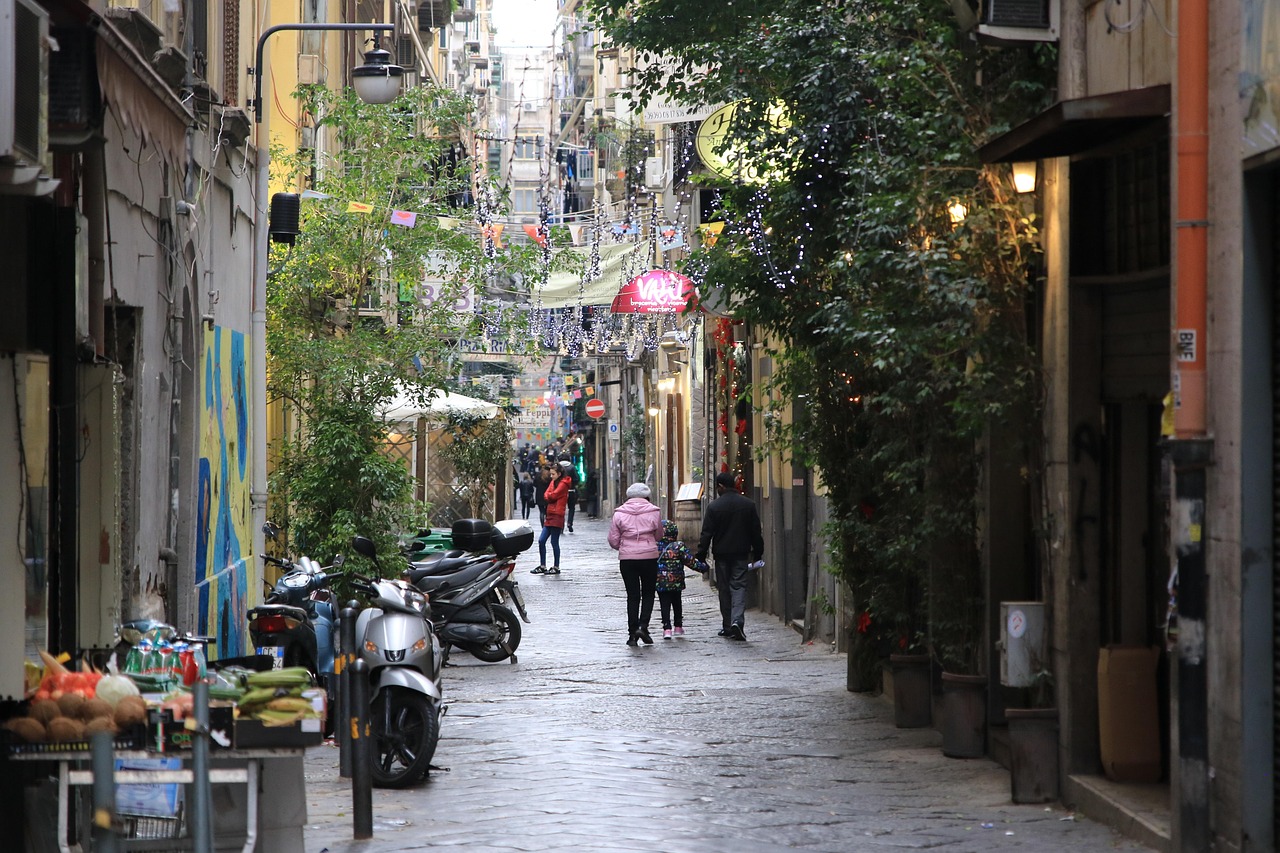
For travellers searching for “Historic centre Naples UNESCO World Heritage site attractions”, start by letting the historic centre pull you in at walking pace. The old town is a braid of narrow lanes, Baroque façades, laundry lines, and sudden courtyards where the noise softens into prayer or laughter. It’s one of the most authentic places to feel Naples up close, where beauty and everyday life sit side by side.
Begin on via dei tribunali, where old stone and street chatter share the same air. Step into a church for a quiet reset, then return to the lane and notice how quickly Naples changes mood: a family-run bakery, a small artisan studio, an altar of candles in a doorway. If you want a classic detail stop, San Gregorio Armeno adds craftsmanship and theatre in miniature—especially if you enjoy design and local tradition.
Naples Cathedral: San Gennaro, the patron saint, and local devotion
One sacred anchor is the cathedral complex, layered with history and devotion. Here, the story of San Gennaro is told with a tenderness that’s deeply local, and you’ll often see quiet gestures of respect from residents passing through. Dress respectfully, keep your voice soft, and allow time—this is the kind of place where you feel Naples’ heart, even if you don’t share its faith.
Spanish Quarter street life: murals, Maradona shrines, and Naples folklore
To understand modern folklore, explore Naples through the Spanish Quarter. In Quartieri Spagnoli, street art and shrines to Maradona mix devotion with daily grit, creating a living gallery that is both playful and reverent. A seasoned traveller once told me that a shared espresso here—offered with a smile and a quick local recommendation—changed their entire sense of Napoli from “busy” to “welcoming”.
When you need space, drift towards Piazza del Plebiscito, a breath of openness after tight streets. This is a lovely moment for a personal pause: espresso, a crisp sfogliatella, and a few minutes watching Naples move. For pacing, go early for calmer lanes, plan a mid-morning church stop to cool down, and keep one gap in your day for hidden gems you’ll only notice once you slow.
Attractions in Naples: museum masterpieces, castles, and Naples Sotterranea below the streets

Attractions in Naples that uncover layers above and below
If you’re prioritising “Top attractions in Naples museum castle underground Naples Sotterranea”, design the day like a layered narrative—above-ground elegance, beneath-ground secrets, and then sea-light to close. These are top attractions because each attraction reveals a different century, and together they make Naples feel like a living archive rather than a static museum.
The National Archaeological Museum is a centrepiece and, for many, a must-see before heading out to Pompeii. Its Greco-Roman collection reframes what you’ll later encounter in the ruins, from mosaics to sculptures with startling human expression. If you’re planning a trip to Naples that includes Pompeii and Herculaneum, an unhurried museum visit adds context that makes the stones outside Naples feel more alive.
Underground stories with Naples Sotterranea, tunnels, and wartime shelters
Then, descend into Naples Sotterranea—the experience that visitors often describe as surreal. In underground Naples, you move through tunnels and chambers that sit below modern traffic and café chatter, uncovering older water systems and wartime shelters. One visitor told me the hush down there felt like a gentle reset: the city’s loudness turns into a quiet pulse, and you return to daylight noticing details you’d otherwise miss.
Castel dell’Ovo at golden hour over the Bay of Naples
Finish with Castel dell’Ovo, ideally at golden hour. It’s the oldest standing fortification in the city and one of those spots in Naples that feels intimate even when it’s popular, especially if you time it just before sunset. A seasoned traveller once shared their memory of watching the sun drop into the bay of Naples—history at their back, sea air in front, and Naples’ energy softening into evening.
If you have more time to explore, choose a second underworld layer: the catacombs offer a different kind of quiet, more sacred than dramatic. And for lovers of craftsmanship, Sansevero and the veiled christ are a refined, almost breath-held moment—an artwork that feels genuinely must-see once you’re inside.
Royal Palace afternoon in Naples: Teatro di San Carlo, Piazza del Plebiscito, and Bourbon-era splendour

Royal Palace of Naples and Teatro di San Carlo in one elegant afternoon
For travellers mapping attractions in Naples with minimal friction, plan a single, walkable afternoon that feels like stepping into a polished chapter of the city’s story. This pairing is designed for ease: you move from grand exterior spaces into gilded interiors without logistical strain, and you gain insight into how power shaped Naples as much as art did. It’s also an elegant way to visit Naples beyond the street-level rush.
Begin at the royal palace, where halls and courtyards carry the confidence of the kingdom of the Two Sicilies. The glamour is real, but so is the tension that preceded the unification of Italy; it’s a reminder that Naples has always been contested, creative, and fiercely itself. High-end travellers often appreciate how this context makes the city’s street-level intensity feel more understandable—less chaotic, more characterful.
Piazza del Plebiscito and San Francesco di Paola in one grand frame
Step back into Piazza del Plebiscito for the grand foreground, with San Francesco di Paola watching over the square. For photographs, come earlier in the afternoon or later towards evening; the space reads differently when it’s not full of tour groups. Linger with care, and let the symmetry settle you before the next indoor experience.
Ticketing tips for the Royal Palace and Teatro di San Carlo timing
Ticketing is straightforward, with many historic sites typically costing around 5 to 15 euros. Booking online adds trust and practical support—less queueing, greater certainty, and a smoother flow if you’re working around a lunch reservation. If schedules align, add Teatro di San Carlo, Europe’s oldest opera house, for a glimpse of velvet, gold, and Naples’ love affair with performance.
An optional upgrade is a private guide or a theatre-led visit, particularly if you enjoy history delivered with warmth rather than dates. It turns a beautiful building into a personal story, and it’s often the difference between seeing grandeur and actually feeling it on your own tour of the city.
Eat in Naples for the best pizza: Neapolitan food tours, sfogliatella stops, and refined bites

Eat in Naples with confidence, from the best pizza to refined bites
If your search is “Eat in Naples best pizza Neapolitan food tours”, start with the simple truth: Naples is the birthplace of modern pizza, and tasting it here feels like a rite of passage. Imagine the first bite—pillowy crust, bright tomato, the soft pull of mozzarella—amid the lively hum of a room that has done this a thousand times and still cares. Many travellers recall it as one of those small, perfect moments that make you feel part of Naples rather than just passing through.
Pizza classics at Pizzeria Da Michele and Sorbillo: how to time the queues
For the classics, Pizzeria Da Michele and Sorbillo are globally celebrated for a reason: they keep the formula pure and the flavour honest. Queues are common, so keep it effortless with smart timing—go early, or aim for a slightly later lunch when the initial rush eases. If you prefer a more crafted evening, ask your hotel for help choosing a place that takes reservations while still delivering that unmistakably Neapolitan spirit.
Dining etiquette, local warmth, and why service feels personal
Naples dining etiquette is gentle and human. Greet staff with buongiorno or buonasera, and leave a small tip if service is exceptional; it’s less about rules and more about recognising care. One traveller told me their favourite meal wasn’t the fanciest—just the one where the waiter explained a dish with pride and a little humour, making the evening feel together rather than transactional.
To elevate the experience, choose curated tastings or food tours that go beyond the usual tourist attractions and into family bakeries, markets, and espresso bars. Pair pizza with an espresso ritual in a small café, standing at the counter as locals do, and you’ll feel the city’s rhythm in your bones.
- Keep it simple: Margherita or Marinara is often the most revealing choice.
- Balance the day: a lighter lunch pizza leaves room for seafood later.
- Ask for guidance: your concierge can suggest refined kitchens re-interpreting tradition with restraint.
Beyond pizza, look to seafood by the waterfront and modern kitchens that treat tradition with respect. Naples can be bold, but the best meals here feel honest—rooted, seasonal, and deeply local.
Days in Naples itinerary for luxury travellers: 2, 3, or 4 days of polished pacing
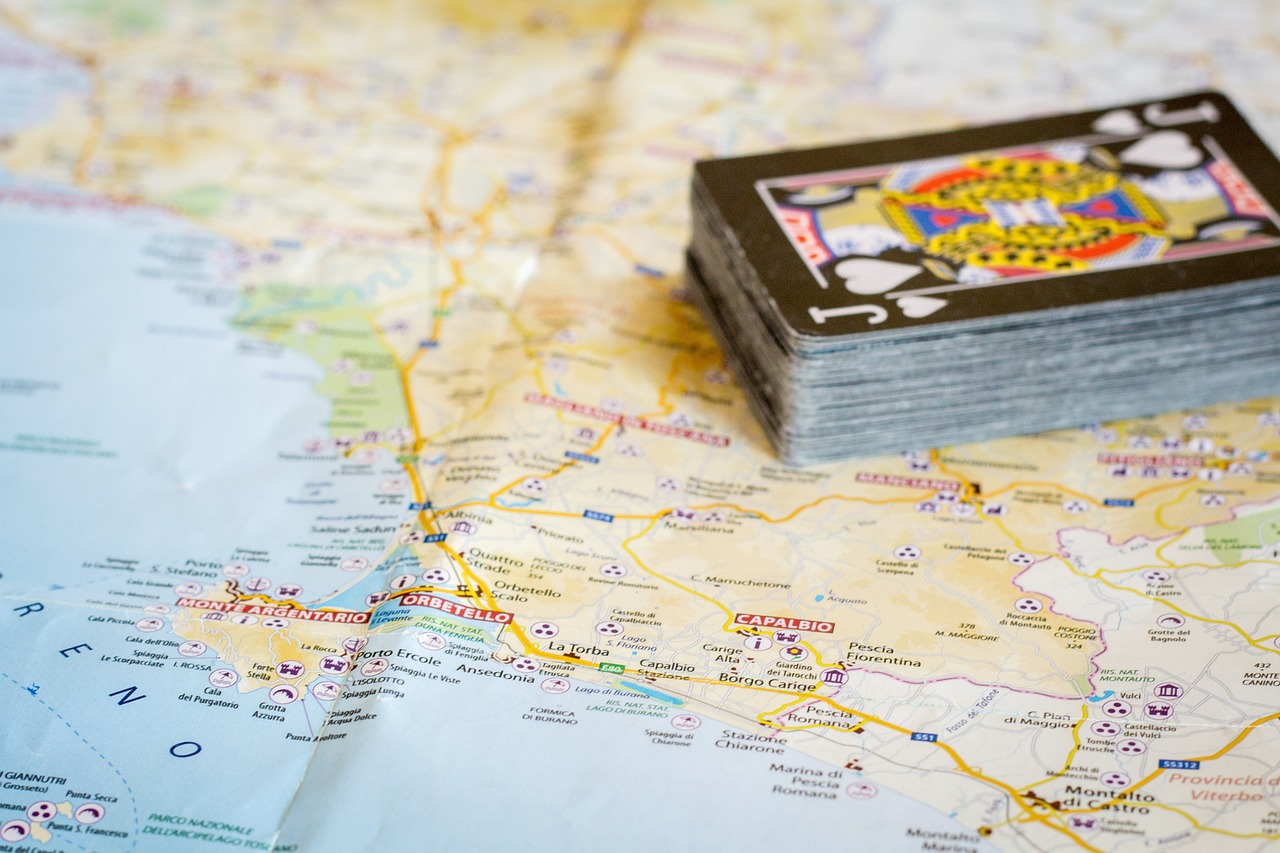
Days in Naples itineraries that guide you to the best
If you’re planning “Days in Naples itinerary luxury traveller 2 days 3 days 4 days”, the goal is not to conquer the map but to design your days around energy. When guests ask what to do in Naples, I encourage a rhythm that includes air, beauty, and long lunches so you can explore without feeling overfilled. This is the guide to the best pacing I use for travellers who want polish and spontaneity in equal measure.
A 2-day Naples itinerary: historic centre highlights, museum time, and waterfront calm
2 days (highlights with breathing room). Day one: the historic centre walk—via dei tribunali, a church stop, and a slow espresso—then an afternoon at the National Archaeological Museum. Day two: Piazza del Plebiscito and the waterfront promenade, with time at Castel dell’Ovo for views and a calm, elegant close.
This is ideal if you’re short on time and using Naples as a springboard to explore Naples adventures, yet still want the city to feel like more than a transit point.
A second visit to Naples: Spanish Quarter art, Toledo station, and slower discovery
3 days (deeper texture). Add the Spanish Quarter for street art and Maradona devotion, plus a ride to Toledo station for architecture and a relaxed café circuit. Build in a long lunch and a small gallery stop; these in-between moments often become the most personal, especially on a second wander through Naples.
4 days (crafted and unhurried). Include the Royal Palace and the afternoon at the Teatro di San Carlo, and add either Naples Sotterranea or the catacombs, depending on your interests. This is also the sweet spot if you want to stay in naples and still have time for one beautifully planned excursion.
- Mornings: churches, museums, and cooler walking in the centre.
- Afternoons: long lunches, a rest, and one strong cultural stop.
- Evenings: promenades, music, and seafood—let Naples soften.
When should you book a guided tour of Naples? If you’re new to the city, a thoughtful tour of Naples on day one builds confidence quickly—routes feel clearer, street etiquette becomes intuitive, and you learn what to ignore and what to notice. If you prefer to wander, save the guide for a focused theme (street food, archaeology, or art), so the expertise feels tailored rather than generic and you still have time to explore.
If you’d like to see how Designer Journeys crafts Italy with care, you can browse our Trip gallery for inspiration.
Day trip from Naples: Vesuvius, Pompeii and Herculaneum, Capri, Sorrento, and the Amalfi Coast
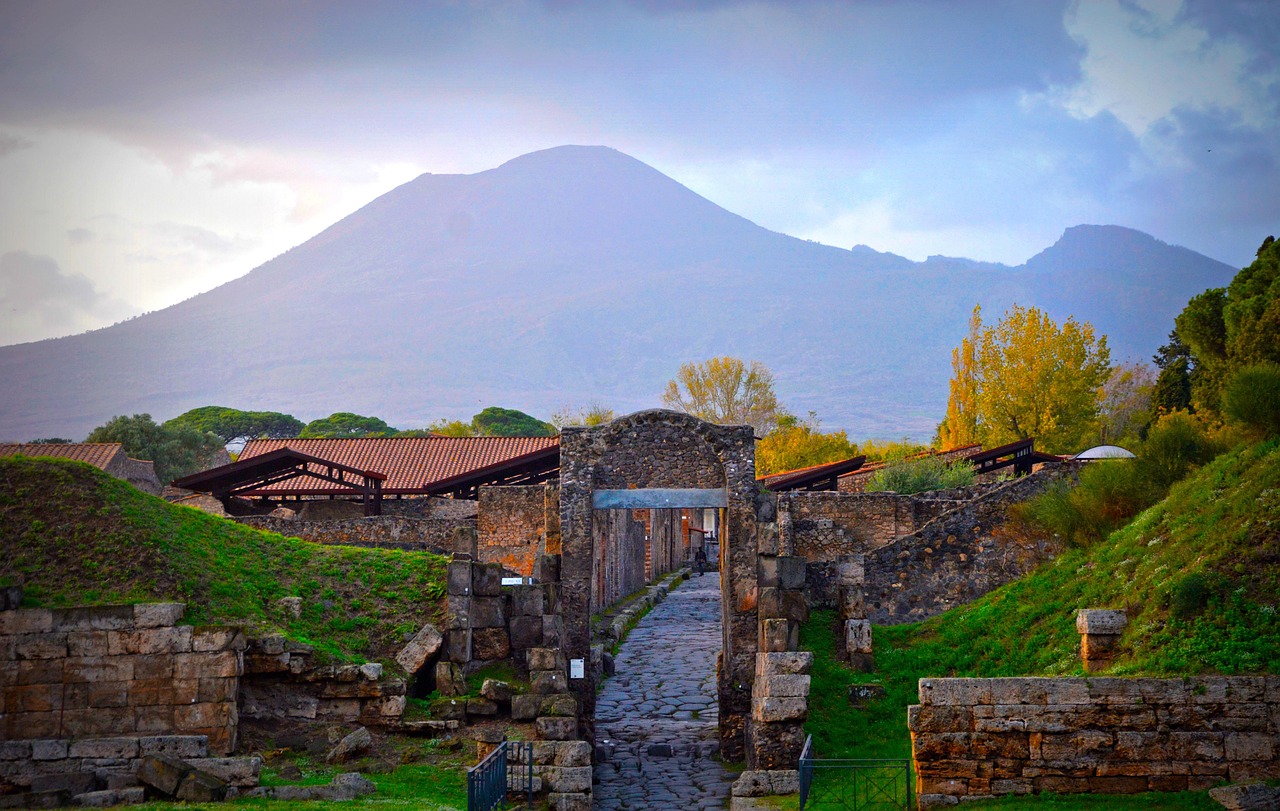
Day trips from Naples to Vesuvius, Pompeii and the Amalfi Coast
For “Day trip from Naples, Vesuvius, Pompeii, and Herculaneum, Capri, Amalfi Coast”, the key is choosing one strong experience per day, then returning to Naples for dinner and a sense of home base. These day trips from Naples are iconic, but they’re best when they feel crafted: right timing, right footwear, and just enough structure to keep the day seamless.
Vesuvius as a volcanic presence: best times, tickets, and what to wear
Vesuvius is the volcanic presence on the horizon, and visiting it adds scale to everything you see in the region. Choose sunrise for softer light and fewer people, or late afternoon for warmer colours and a calmer descent. Wear proper shoes with grip; the final section can be dusty and uneven, and comfortable walking matters more than style here.
Visit Pompeii well: guided routes, early starts, and how to choose Herculaneum
To visit Pompeii well, start early and consider a private guide. Pompeii is vast, and expert interpretation helps you move beyond the famous streets into the human details—how people ate, worked, rested, and mourned. As a roman city frozen in time, it’s most powerful when you give it breathing room rather than rushing from one forum to the next.
Choosing between Pompeii and Herculaneum depends on your style. Pompeii is grand and open, with a sense of scale; Herculaneum is more compact and often feels more intimate in its preserved details. If you’re tempted by both, you can combine pompeii and herculaneum across two separate days to avoid fatigue and keep your experience receptive rather than rushed.
For island glamour, Capri is an elegant option—boat rides, sea caves (conditions permitting), and a softer pace than Naples. Keep it calm by booking boats in advance and aiming for an early departure, then returning before the very last ferries when lines can swell.
For coastal alternatives, Sorrento works beautifully as a refined base for a day, with garden views and a polished feel. If you want the postcard moment, pair the Amalfi Coast with one selective highlight—Positano—rather than trying to tick off every village. One well-designed day trip often feels more luxurious than three frantic stops.
- Best for drama: Vesuvius and Pompeii with an early start.
- Best for ease: Herculaneum plus a relaxed lunch back in Naples.
- Best for glamour: Capri with pre-booked boat plans.
F.A.Qs: what to visit in Napoli, Italy
What is a must-see in Naples, Italy?
A true starting point is the historic centre, where churches, artisan lanes, and vibrant street life sit close together. Pair it with the National Archaeological Museum for world-class Greco-Roman treasures, and finish at Castel dell’Ovo for bay views at sunset. If you want something unforgettable, Naples Sotterranea adds a hidden, atmospheric layer beneath the streets.
What is Napoli best known for?
Napoli is best known for Neapolitan pizza, a passionate street culture, and extraordinary history—from ancient layers below ground to Bourbon-era splendour. It’s also the gateway to Pompeii, Vesuvius, Capri, and the Amalfi Coast. Above all, it’s known for a lively, expressive spirit that feels intensely local and warmly human.
How many days in Naples is enough?
Two days are enough for key highlights: the historic centre, one major museum, and the waterfront. Three days lets you slow down, add the Spanish Quarter, and include the Royal Palace and Teatro di San Carlo. Four days in Naples is ideal for a more luxurious pace, with time for curated dining and one well-planned day trip without feeling rushed.
What is a must-try food in Italy?
In Naples, the must-try is a classic Margherita or Marinara pizza, where simplicity showcases the pizzaiolo’s skill. More broadly in Italy, seek out regional dishes wherever you travel—fresh pasta in one city, seafood in another—because the country’s best flavours come from local tradition and seasonal ingredients rather than a single “national” plate.
Naples reflections after a trip to Naples, Italy: why this city stays with you
If you find yourself thinking about Naples after you’ve left, it’s usually not because you completed a checklist. It’s because the city asked you to hold complexity gently: faith beside street theatre, elegance beside grit, and art woven into ordinary days. The warmth of local exchanges lingers—the quick kindness of a café owner, the humour of a passer-by, the way a neighbourly conversation seems to happen everywhere at once.
Perhaps what stays with you is the hush you felt below ground, or the way the light turned soft near the water. Maybe it’s that intimate moment at Castel dell’Ovo when the city seemed to exhale, and you realised you’d stopped trying to “do” Naples and simply let it be with you. Or it’s a final espresso—small, dark, perfectly made—held in your hands as if it were a keepsake.
Travel, at its best, is a quiet agreement between you and a place: you arrive with care, and you allow it to surprise you. In Naples, confidence grows not from controlling every detail, but from trusting your instincts, accepting support when you need it, and letting the city’s energy teach you how to move through it. It’s one of those authentic Italian cities where there is much to see, and the best memories come from slowing down.
Long after the noise fades, you may still remember the feel of evening air on your skin—and wonder what Naples would show you next time.