Post Contents
- Florence Attraction Essentials for First Time Visitors – Your Ultimate Guide to the Best Things to Do in Florence Itinerary
- Design a Luxury-Friendly Florence Itinerary – Smart Strategies for Effortless Sightseeing
- Best Time to Visit Florence – Planning Around Tourist Seasons and Top Attractions
- Where to Stay in Florence – Choosing Your Neighbourhood
- Getting Around Florence – Navigating from Florence Train Station and Beyond
- Florentine Customs and Local Tips for Seamless Travel
- Renaissance Florence Must-See Museums and the Duomo Complex – Uffizi Gallery, Accademia & Florence Attractions
- Ultimate Guide – Things to See in Florence from Ponte Vecchio to Palazzo Pitti & Piazza della Signoria
- Sunrise at Ponte Vecchio – Discovering the Spirit of Florence
- Palazzo Vecchio & Piazza della Signoria – Florence’s Artistic and Political Core
- Experience Oltrarno – Artisan Workshops and Authentic Florentine Souvenirs
- Palazzo Pitti – Choosing the Best Museum Collections and Transitioning to Boboli Gardens
- Boboli Gardens – Renaissance Landscapes and the Best Viewpoints in Florence
- Piazzale Michelangelo Views, Santa Croce, and Tuscan Flavours – Florence Food Tours, Cooking Classes, and Day Trips
- Piazzale Michelangelo at Sunset and San Miniato Viewpoints
- Santa Croce and Santa Maria Novella – Art, Memory, and Architecture
- Mercato Centrale – Taste Florence with a Guided Food Tour
- Authentic Tuscan Cooking Class – A Memorable Florence Experience
- Chianti Day Trip – Private Wine Tasting and Scenic Landscapes around Florence
- F.A.Qs: Florence Attractions & Expert Planning Advice
- Memorable Reflections After Visiting Florence – A Renaissance City Full of Places to Visit
Florence Attraction Essentials for First Time Visitors – Your Ultimate Guide to the Best Things to Do in Florence Itinerary
Florence Attraction Essentials for First Timers with a luxury-friendly Florence itinerary framework
When planning attractions in Italy, Florence, for your first visit, the smartest approach is pacing yourself. Florence rewards those who savour each moment and see beyond a simple list of things to do in Florence. Spend your days blending in one anchor museum, a leisurely lunch, and uninterrupted time to sightsee top attractions such as the Duomo, the Uffizi Gallery, and the Ponte Vecchio. Instead of rushing, embrace the Renaissance city’s rhythm and discover the best things at your own pace. Choose one main attraction daily—be it exploring the museum-rich city, sampling local flavours with a cooking class, or joining a guided food tour. This Florence itinerary ensures you experience the main attractions while leaving room for spontaneous gelato or a scenic stroll across the Arno River.
One recommended framework: make a central booking each day, like the Duomo complex, and design the rest with freedom. Florence’s compact size means you can walk between its popular places to visit, yet the impact is grand, deeply rooted in Renaissance art and architecture. Go slowly, letting each day balance sightseeing adventures and quiet discoveries. Instead of collecting a list of things, create a seamless trip to Florence that includes memorable viewpoints like Piazzale Michelangelo and meaningful culinary stops at Mercato Centrale.
Design a Luxury-Friendly Florence Itinerary – Smart Strategies for Effortless Sightseeing
Imagine your visit to Florence divided into three movements: morning visits to main sights like the Duomo, midday for lengthy lunches at local trattorias, and afternoon explorations around historic squares and artisan neighbourhoods. This itinerary makes it easy whether you’re solo, with family, or enjoying time with a partner—everyone enjoys fewer decisions and more relaxation. Avoid stacking multiple museum visits; Renaissance Florence is intense, so spacing activities enhances appreciation for both art and atmosphere.
Choose one anchor activity each day to let unexpected moments fit naturally—maybe shopping at artisan stores or taking a spontaneous detour to a Renaissance church. Embrace a flexible Florence itinerary; a later breakfast or café break becomes part of the experience, not a disruption. If plans shift, you adapt seamlessly, ensuring you see the major attractions without feeling overwhelmed.
Best Time to Visit Florence – Planning Around Tourist Seasons and Top Attractions
The ideal time to visit Florence is during spring (April-June) or autumn (September-October) when mild weather and fewer tourists create the perfect sightseeing conditions. During peak summer and festival periods, the city can feel crowded with tourists, so plan early morning starts and pre-book museum and dome time slots to avoid queues. For a quick visit, focus your Florence itinerary on two or three must-visit attractions and embrace leisurely afternoons in picturesque neighbourhoods or vibrant piazzas, such as Piazza della Repubblica and Piazza della Signoria.
If you stay in Florence longer, distribute the city’s treasures across several days. Add a day trip to the surrounding Tuscan hills or Chianti wine region — one of the best day trips from Florence — for an immersive experience in the region’s food and wine culture. Flexible planning is the secret to appreciating everything Florence has to offer without exhausting yourself.
Where to Stay in Florence – Choosing Your Neighbourhood
The historic centre is the top choice for most newcomers, putting you within steps of iconic sights in Florence, such as the Florence Duomo, Piazza della Signoria, and Santa Maria del Fiore. This central location provides immediate access to the city’s renowned attractions and restaurants. However, be prepared for bustling activity and consider accommodations offering soundproofing or internal courtyards for sanctuary from the crowds.
Alternatively, staying in Oltrarno, across the Arno River, immerses you in artisan life and quieter streets. This side of Florence is ideal for those who want to slow down and connect with the local Florentine lifestyle, offering a more tranquil atmosphere and easy access to craftsman workshops, local trattorias, and the lush Boboli Gardens. Experienced travellers often split time between the historic centre and Oltrarno to enjoy the best of both worlds.
Florence’s walkable nature makes it perfect for sightseeing, but wear comfortable shoes for its cobblestone streets. The Florence train station (Santa Maria Novella) places you within minutes of major attractions, top museums, and the best places to eat. For the utmost comfort, consider private chauffeured transfers if you have heavy bags or a special occasion. Always secure your valuables, especially in busy areas around stations and central squares.
Public transport and taxis are convenient alternatives, but most central attractions are best reached on foot. The city’s atmosphere is welcoming, and unhurried exploration is part of what makes a trip to Florence so unforgettable.
Florentine Customs and Local Tips for Seamless Travel
Begin each interaction with a “Buongiorno” and be flexible with opening times, as artisan studios may close mid-day. Seek personal recommendations from locals—”Cosa consiglia?”—to uncover hidden gems. For culinary excellence, venture a few streets away from the busiest sights to discover authentic places to eat beloved by Florentines.
- Planning tip: Book in advance for museums and special attractions, such as the Accademia Gallery, the Uffizi Gallery, and the Florence Duomo dome climb.
- Comfort tip: Plan one extended lunch each day—rest will enhance your sightseeing experience.
- Confidence tip: Exchange greetings before entering establishments—Florentine hospitality is enhanced by respectful manners.
To enhance your adventure, view our Trip gallery for more Italy inspiration and curated itineraries in and around Florence.




Renaissance Florence Must-See Museums and the Duomo Complex – Uffizi Gallery, Accademia & Florence Attractions
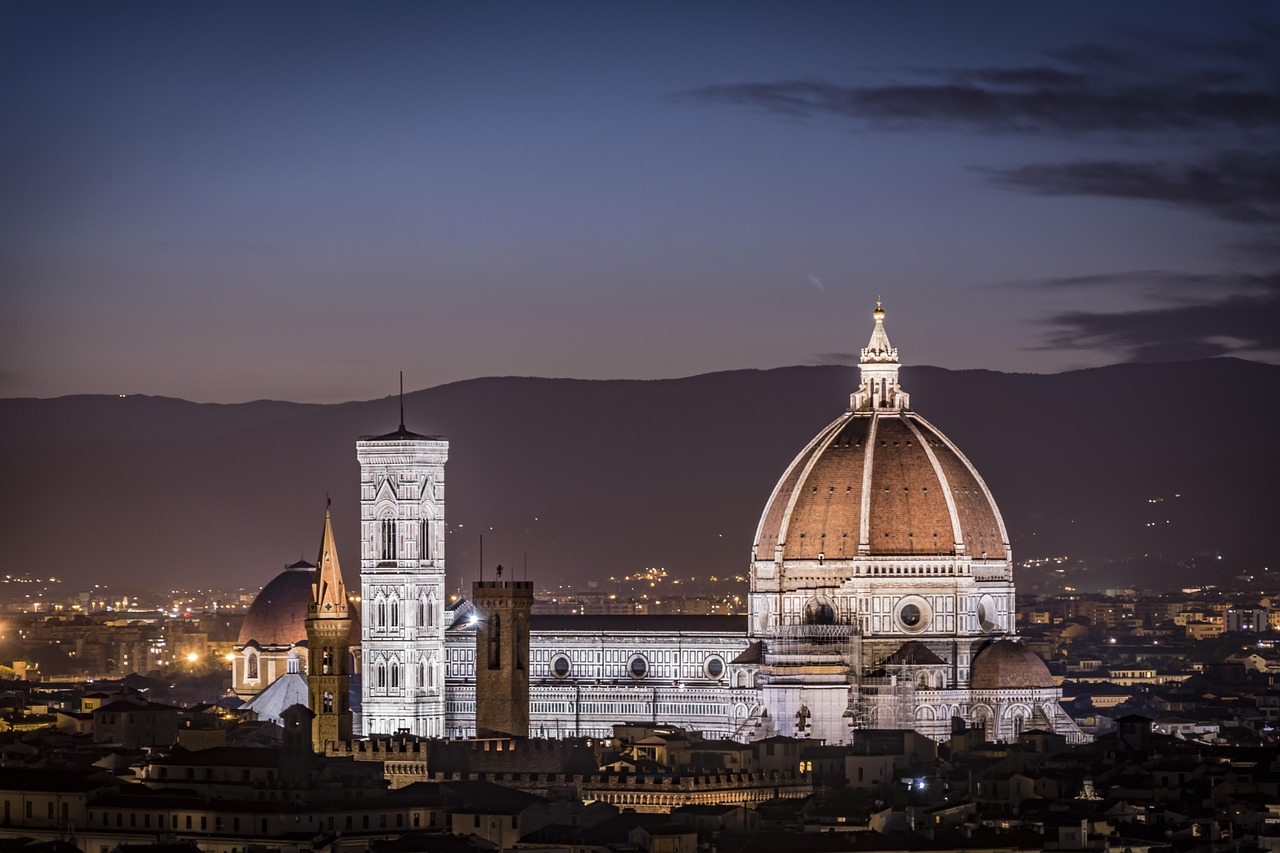
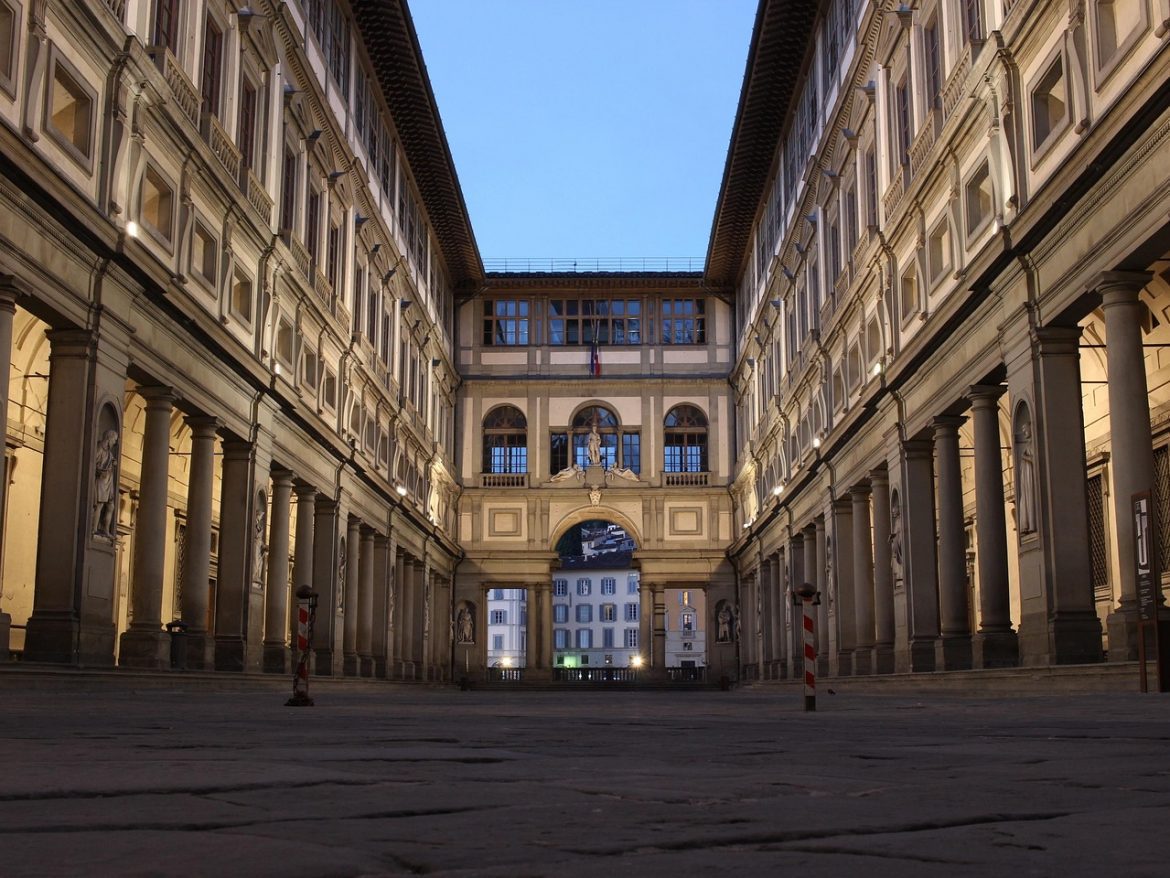
Renaissance Florence Museums and the Duomo Complex with Florence Duomo access
The city’s top attractions start with the iconic Duomo, the heart of Florence, drawing visitors for its blend of Renaissance architecture and magnetic dome. Building your Florence itinerary around these major attractions ensures early-day, crowd-free experiences and afternoons for relaxed exploration. Visit the Duomo, Uffizi Gallery, and Accademia Gallery for the best introduction to Florence’s rich museum scene and Renaissance art legacy.
Embrace Florence as the cradle of the Renaissance. Each museum is not only home to masterpieces but also deeply connected to the city’s long history of artistry, patronage, and the Medici family. Plan a museum day with care—starting with must-see highlights, then allowing time for reflection over coffee or a gentle stroll past magnificent facades. Florence gives generously, and the key is to receive it one masterpiece at a time.
Florence Cathedral Tour – Duomo Dome, Bell Tower & Baptistery Insights
A private guided tour of the Florence Cathedral complex brings Renaissance history alive, letting you experience Santa Maria del Fiore, the Baptistery, and Giotto’s Campanile bell tower up close. Guided storytelling adds context to the Duomo, transforming it from a postcard image to a living legacy. For the famous dome climb, book a time slot early in the day to beat crowds and enjoy cool stairways. The view from the top rewards your efforts—Florence’s skyline, river, and main attractions unfold beneath you.
If you prefer to stay on the ground, the cathedral interior and the Baptistery offer breathtaking mosaics and marble. Dress appropriately, and keep security practicalities in mind. Book in advance to ensure a seamless visit; the difference between a relaxed morning and a frustrating queue often comes down to preparation.
Uffizi Gallery – Masterpieces & Curated Routes for Art Lovers
The Uffizi Gallery ranks among the world’s greatest museums, featuring works by Botticelli and Leonardo da Vinci. To avoid sensory overload, work with a guide to prioritise essential rooms, then wander at your pace. Morning, especially midweek, is best for a quieter viewing experience. Avoid scheduling back-to-back museum visits, especially after a Duomo climb. Pair your Uffizi excursion with lunch overlooking the river or tucked away in a local eatery for the full Florentine experience.
Interested in the Vasari Corridor? Access is limited and often changes; a query with your guide can reveal unique seasonal opportunities to see how the Medici family once moved privately through Florence.
Accademia Gallery & San Lorenzo – Renaissance Art in Daily Life
The Accademia Gallery is essential, with Michelangelo’s David standing as a symbol of Florence’s Renaissance artistry. Pair your visit with a wander around San Lorenzo’s lively shops and markets—contrasting the serenity of David with Florentine everyday rhythms. Every sightseeing journey through Florence’s streets, punctuated with views of the Duomo dome, enhances appreciation for the city’s layered character.
A coffee break or a return to your hotel can restore energy midday, allowing you to enjoy more top attractions in Florence as the day progresses.
Beyond the Obvious – Hidden Museums & Medici Chapels
Explore the Museo Nazionale del Bargello for an oasis of sculpture and tranquillity, ideal for deepening your experience of Florence’s artistic confidence. This museum’s quieter atmosphere contrasts with the hustle of larger galleries. The Medici Chapels, meanwhile, immerse you in the dramatic history of Florence, bringing the Medici family’s legacy into sharp, elegant focus. These “supporting scenes” complete your understanding of the city’s Renaissance ambitions and achievements.
Practical Museum Day Tips for Florence Visitors
Expect security at major attractions, and keep your bags light to navigate checks swiftly. While many sites offer accessibility options, some require advance requests. Above all, respect your limits: stepping out early is acceptable—Florence rewards attention, not endurance, making a luxury itinerary fit your pace and interests.
Ultimate Guide – Things to See in Florence from Ponte Vecchio to Palazzo Pitti & Piazza della Signoria
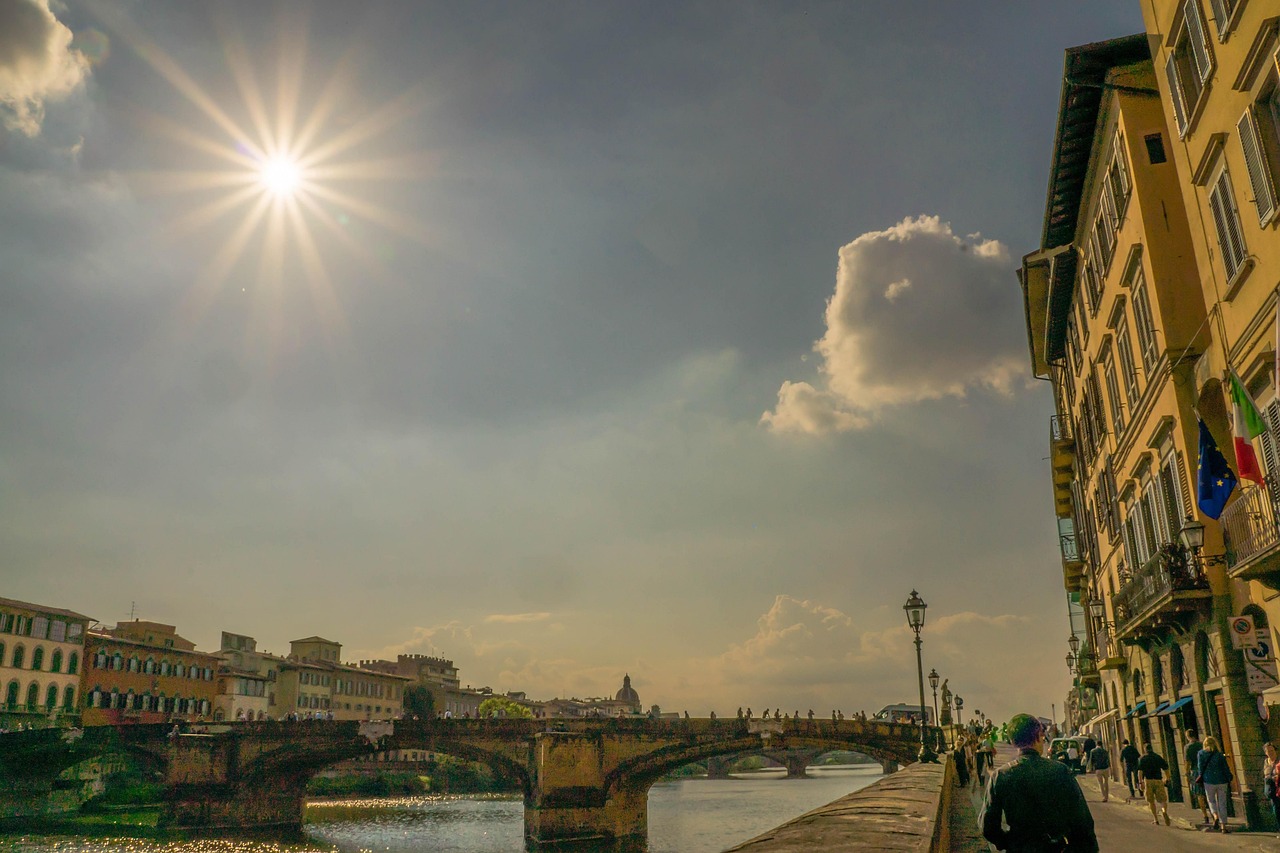
Things to See in Florence From Ponte Vecchio to Palazzo Pitti in the early morning light
Your itinerary might start with sights like Ponte Vecchio, Palazzo Vecchio, and Piazza della Signoria—the core of Florence’s civic and artistic identity. These attractions in Italy, Florence, form the backbone of any “things to see in Florence” list. Witness the city transform at dawn, cross the oldest bridge in Florence, and enjoy the evolving rhythms of Florentine life as you move from riverfront to the bustling heart of the city. Morning light on the Arno River, afternoons in sunlit piazzas, and evenings among artisan workshops create an atmosphere both timeless and personal.
Early starts bring peace—Florence feels yours alone for a moment. The top things become intimate as you experience them with fewer distractions, helping you make the most of your sightseeing in Florence.
Sunrise at Ponte Vecchio – Discovering the Spirit of Florence
Watch the sunrise from Ponte Vecchio and let the Arno River redefine your view of Florence. In these quiet moments, the landmark bridge becomes more than a tourist spot—it is a living emblem of the city’s elegance and heritage. Photographers and peaceful wanderers alike find inspiration as the morning light sets Florence aglow.
Stand in the centre of Ponte Vecchio, gaze east along the Arno, and capture a city awakening. These early hours are perfect for reflection before the crowds arrive and the sightseeing day begins.
Palazzo Vecchio & Piazza della Signoria – Florence’s Artistic and Political Core
Move from the river to the civic soul of Florence: Palazzo Vecchio and Piazza della Signoria. These iconic attractions are stages for the city’s Renaissance power and artistry. Arrive early or late afternoon for a more relaxed experience. Savour a slow coffee at a Piazza della Repubblica café and enjoy people-watching—a classic part of Florentine life. Pause before moving across the Arno to truly absorb Florence’s top sights and unique atmosphere.
Experience Oltrarno – Artisan Workshops and Authentic Florentine Souvenirs
Cross the Arno River to explore Oltrarno, a district where local artisans shape leather, jewellery, and paper goods by hand. Meeting craftspeople and watching traditional techniques gives meaning to every souvenir—each item carries the city’s creative signature. Carry cash for unique finds and let conversations with makers enrich your immersive Florentine experience.
Spending an afternoon amid Oltrarno’s craft studios offers a personal connection to Florence, leaving lasting memories long after your trip ends.
Palazzo Pitti – Choosing the Best Museum Collections and Transitioning to Boboli Gardens
Palazzo Pitti, also known as Pitti Palace, holds vast art collections. When time is limited, select one or two galleries to enjoy in depth rather than racing through. After exploring, transition directly into the Boboli Gardens—a masterpiece of Renaissance landscape architecture. This approach ensures you appreciate Florence’s harmony of indoor and outdoor cultural experiences.
- Choose your focus: Select a collection that matches your passion—be it Renaissance art, decorative arts, or historic costumes.
- Slow down: Linger in a quiet room or two to truly appreciate the artistry.
- Exit to nature: The gardens offer respite and new perspectives on the city’s beauty.
Even with a short agenda, you can see what makes Florence unlike anywhere else.
Boboli Gardens – Renaissance Landscapes and the Best Viewpoints in Florence
Behind Palazzo Pitti, Boboli Gardens provide a Renaissance setting for relaxation and reflection. These grounds are artfully curated, with statues, vistas, and pathways framing remarkable views of Florence. Rest in a shady spot, admire the view of the city, and reset after time in the city’s bustling museums—you’re living the Renaissance ideal of balancing mind and body.
Piazzale Michelangelo Views, Santa Croce, and Tuscan Flavours – Florence Food Tours, Cooking Classes, and Day Trips
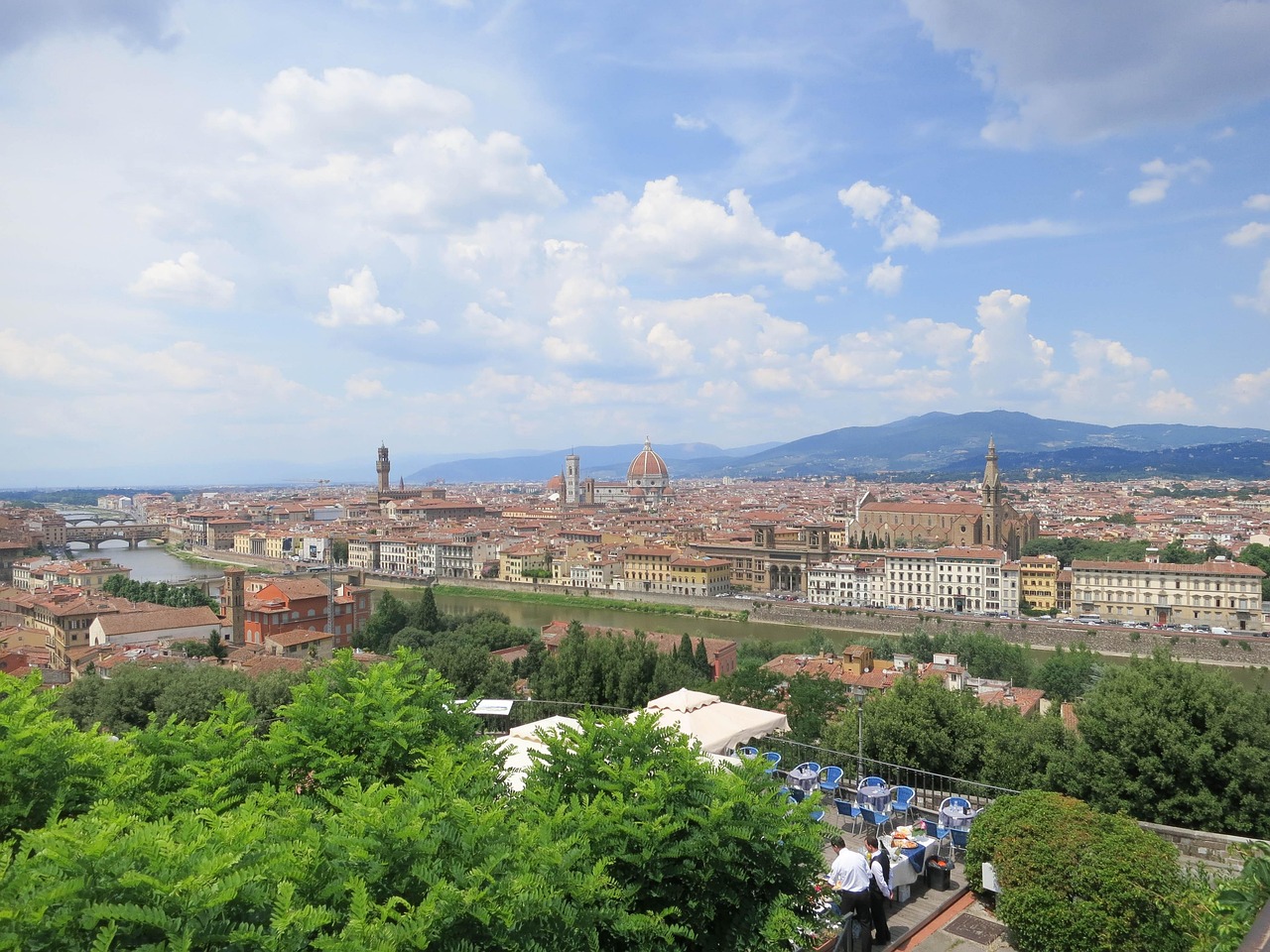
Piazzale Michelangelo Views Santa Croce and Tuscan Flavours at golden hour
This part of your Florence itinerary focuses on immersive moments—sunset views, sacred spaces, and local flavours that bring the city to life. Highlights include Piazzale Michelangelo’s panoramic viewpoint, the historical depth of Santa Croce, and iconic culinary experiences from food tours to hands-on cooking classes. Plan these experiences intentionally: let them become the sensory highlights of your trip, from breathtaking city views to authentic Tuscan dining.
Florence’s richness lies not just in sights but in pauses, tastes, and participation. Savour the moments that make your visit unique.
Piazzale Michelangelo at Sunset and San Miniato Viewpoints
For breathtaking wide-angle views of Florence, head to Piazzale Michelangelo at golden hour. The city’s rooftops, bell towers, and domes glow in the setting sun. For fewer crowds, continue up to the church of San Miniato al Monte: the basilica’s vantage point provides an equally stunning view, a quieter setting, and a touch of authentic spiritual tranquillity.
Santa Croce and Santa Maria Novella – Art, Memory, and Architecture
Basilica di Santa Croce is both an artistic marvel and a sanctuary for reflection, home to Renaissance art and the tombs of great Florentines. Take your time to absorb its peacefulness. Nearby, the Basilica of Santa Maria Novella offers architectural harmony and a serene alternative for travellers near the central station. Both offer insight into Florence’s religious, cultural, and historical legacy, making them must-sees on your list of things to do in Florence.
Mercato Centrale – Taste Florence with a Guided Food Tour
Mercato Centrale is an essential stop for food lovers. Focus on guided tastings or join an expertly led food tour to understand the best local ingredients and flavours. Sample cheeses, olive oils, and wines at popular stalls, or pair the market visit with a private tasting at a nearby family-run shop. Engaging a knowledgeable local makes the market experience richer, connecting technique and tradition in every bite.
Authentic Tuscan Cooking Class – A Memorable Florence Experience
Taking a Tuscan cooking class is one of the best things you can do in Florence. Small-group or private classes led by patient chefs allow you to master regional recipes and build confidence in Italian home cooking. It’s not just about food—it’s about camaraderie, culture, and taking a piece of Florence home. Shared meals following the class often become many travellers’ most cherished moments in Florence.
Chianti Day Trip – Private Wine Tasting and Scenic Landscapes around Florence
If time allows, add a Chianti day trip to your Florence bucket list. Rolling hills, historic wineries, and local hospitality await, just a short drive from the city. Private wine tastings, intimate vineyard lunches, and leisurely drives through the countryside are classic best day trips from Florence, complementing the city’s culture with Tuscan scenery and tastes. Return to Florence in the evening with new perspectives—and perhaps a bottle or two as a Florentine souvenir.
F.A.Qs: Florence Attractions & Expert Planning Advice
What is a must-see in Florence, Italy?
A must-see in Florence, Italy, is the Duomo complex—Santa Maria del Fiore, the Baptistery, and the bell tower—because it anchors the city’s story in one place. Pair it with a focused visit to the Uffizi Gallery for Renaissance masterpieces, then leave time to wander across the Arno for artisan Oltrarno workshops. The magic is not only the sights in Florence, but the way you pace them with long lunches and unhurried evenings.
What is the number one attraction in Florence?
For many travellers, the number one attraction in Florence is the Duomo and its dome, because it defines the skyline and offers an unforgettable view from the top. The experience is best when you book a time slot in advance and go early, before the busiest crowds. A private guide can add calm, context, and confidence, turning the climb and complex into a seamless highlight.
What is Florence, Italy, best known for?
Florence, Italy, is best known for Renaissance art, architecture, and the Medici legacy—an extraordinary concentration of beauty in a compact city. It’s the cradle of the Renaissance, home to major museums like the Uffizi and the Accademia Gallery, and landmarks such as Ponte Vecchio and Palazzo Vecchio. Beyond the famous sites, Florence is also known for Florentine craftsmanship, from leather goods to jewellery made in small artisan studios.
What not to miss out in Florence?
Don’t miss an early or late moment in Florence when the city is quieter—sunrise near Ponte Vecchio or sunset at Piazzale Michelangelo—because the atmosphere changes completely. Also, don’t miss the chance to step into Santa Croce or Santa Maria Novella for a calmer, reflective pause between museums. Finally, if time allows, a Chianti day trip with private wine tasting is one of the best options for travellers who want to experience Tuscany’s landscape and hospitality without the stress.
Memorable Reflections After Visiting Florence – A Renaissance City Full of Places to Visit
After your visit to Florence, memories aren’t always about ticking off top attractions. Instead, what lingers is the interplay of light on ancient stone, the pause for breath in a museum, the melody of the Arno River, and the unexpected joy of turning down a hidden side street. Even the most famous Florence attractions can feel intimate when experienced with openness and unhurried attention.
Moments such as sunset at the Duomo or a communal cooking class meal become personal stories, while artisan purchases and views from the Boboli Gardens leave lasting impressions. Each detail—a glimpse through a doorway, the aroma from a workshop—cements Florence’s place as a cradle of the Renaissance and as a living city that continues to inspire visitors from around the world. The greatest gift Florence offers is a sense that beauty and artistry are never far from daily life.