Post Contents
- Rome at a Glance: Best time to visit, Italy luxury hotels, and neighborhoods.
- Ancient Rome in Evening Light: Things to Do in Rome – Colosseum, Roman Forum, Palatine Hill private tour.
- Vatican City early access to Vatican Museum and Sistine Chapel guided tour in Rome.
- See icons of Rome’s Historic Centre: Pantheon, Trevi Fountain, Spanish Steps, Piazza Navona.
- Trastevere by Night Trastevere food tour Rome food wine tasting high end
- Museums and Vistas Borghese Gallery Villa Borghese Castel Sant’Angelo Victor Emmanuel II Rome
- Rome Itinerary Design for High End Travellers Rome itinerary luxury Rome in a day days in Rome private chauffeur
- F.A.Qs: Best things to do in Rome, Italy
- After Rome, What Stayed With You: Reflections on a Luxury Trip to Italy
Rome at a Glance: Best time to visit, Italy luxury hotels, and neighborhoods.
Rome at a Glance: Best Time to Visit and a Luxury Base
If you’re searching for the best time to visit Rome, Italy, luxury hotels and neighbourhoods, start by letting the city set the rhythm. Rome is generous, but it’s also layered—stone on stone, century on century—so the most rewarding way to discover it is to slow the pace and create space for small, unplanned moments. With the right base and a little expert planning, visiting Rome feels seamless rather than stressful.
For weather and crowds, spring (April to June) and early autumn (September to October) are often the most comfortable. You’ll uncover softer light, mild evenings, and fewer pinch points at the top sites in Rome, particularly if you choose early mornings or late afternoons. July and August can be hot, and queues feel longer; winter can be quieter, with shorter days and a cooler hush around the piazza corners.
Where to stay in Rome by style and access
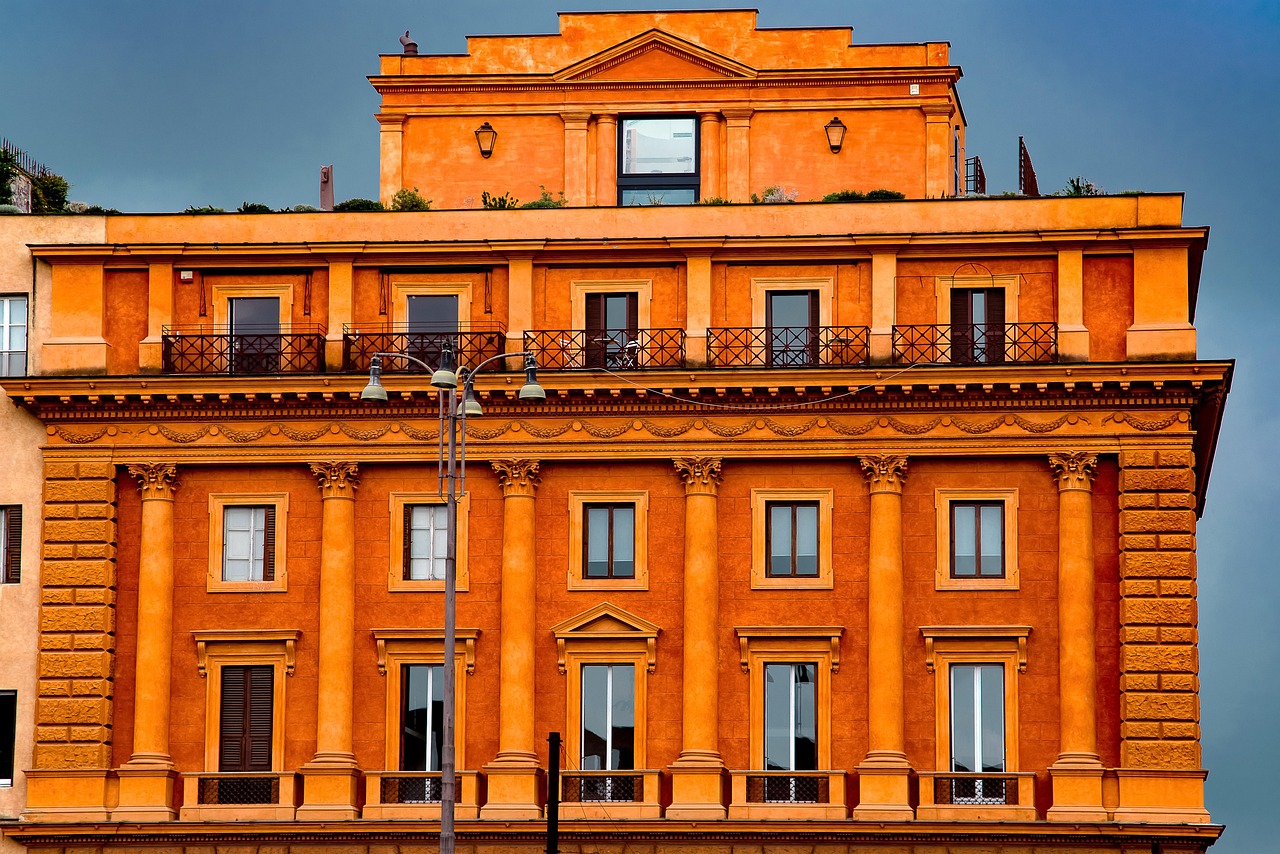
Choosing the right neighbourhood is a form of care for your future self—it protects your time, your energy, and your confidence when plans change. For classic elegance and walkability, Centro Storico is a natural choice, especially around the Pantheon and Piazza Navona. You’re close to the heart of Rome, with cafés and galleries that make even a short stroll feel like a tour of Rome.
For atmosphere with a little distance from the busiest lanes, look to the edges of Trastevere—close enough for candlelit evenings, far enough to sleep well. Monti suits boutique design lovers who want to see ancient stones on foot, with an easy line to the Colosseum and Roman Forum.
- Centro Storico: classic addresses, polished service, walkable icons.
- Pantheon/Piazza Navona: timeless views, elegant dining, easy mornings.
- Trastevere (edges): neighbourhood warmth and local rituals after dark.
- Monti: design-forward boutiques near Ancient Rome.
Transport and booking support for a seamless stay
For high-end travellers, taxis and private chauffeurs make transfers feel effortless—particularly from the airport, between dinner reservations, or when the heat peaks. Public transport can make sense for simple hops, but it’s often crowded; many travellers prefer door-to-door comfort and a calmer arrival at each museum or monument.
Book major attractions online in advance to skip the long lines and keep your day intact. Long lines are the quickest way to lose the mood of Rome, so consider timed tickets and a tour with a guide when it truly adds insight. With a bit of trust in the plan, you’ll have more freedom to wander.




Ancient Rome in Evening Light: Things to Do in Rome – Colosseum, Roman Forum, Palatine Hill private tour.
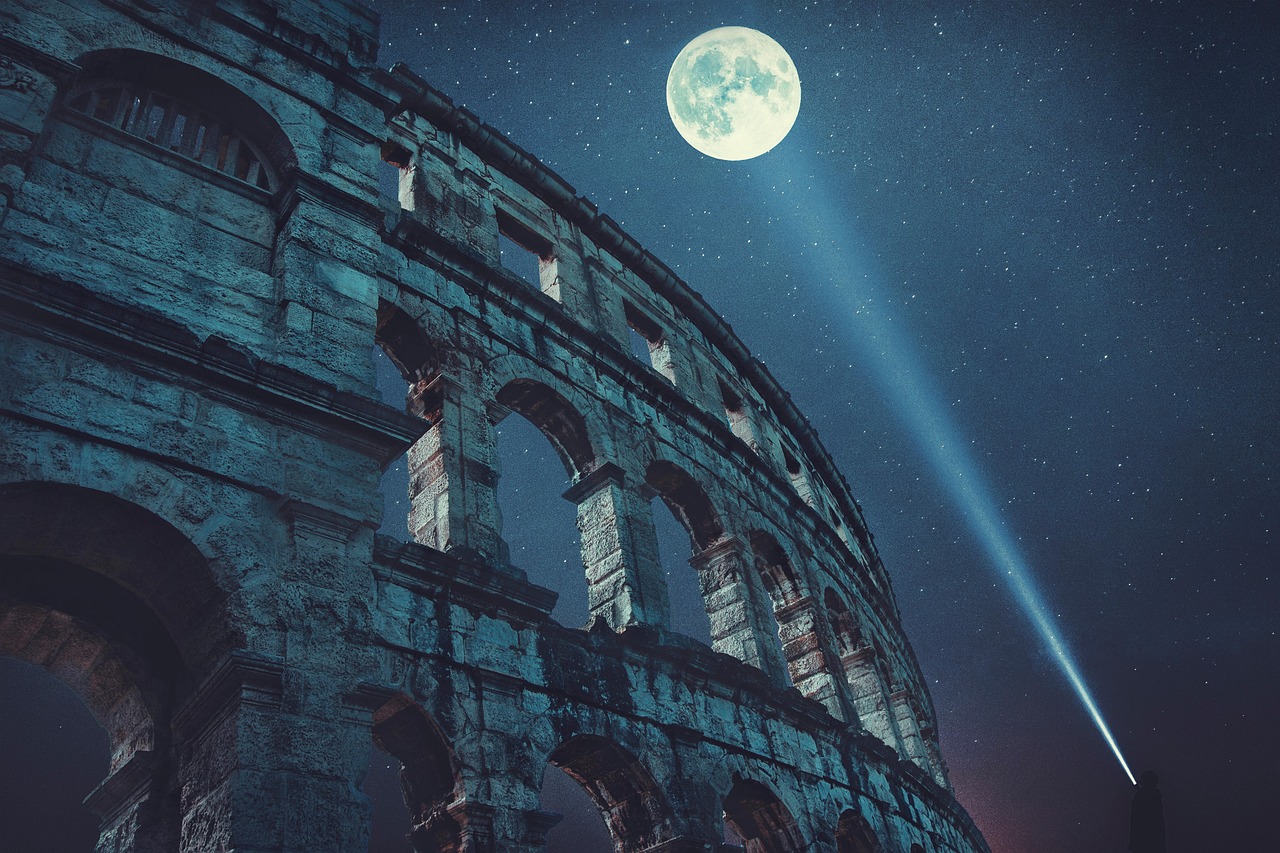
Ancient Rome in Evening Light: Colosseum, Roman Forum, and Palatine Hill
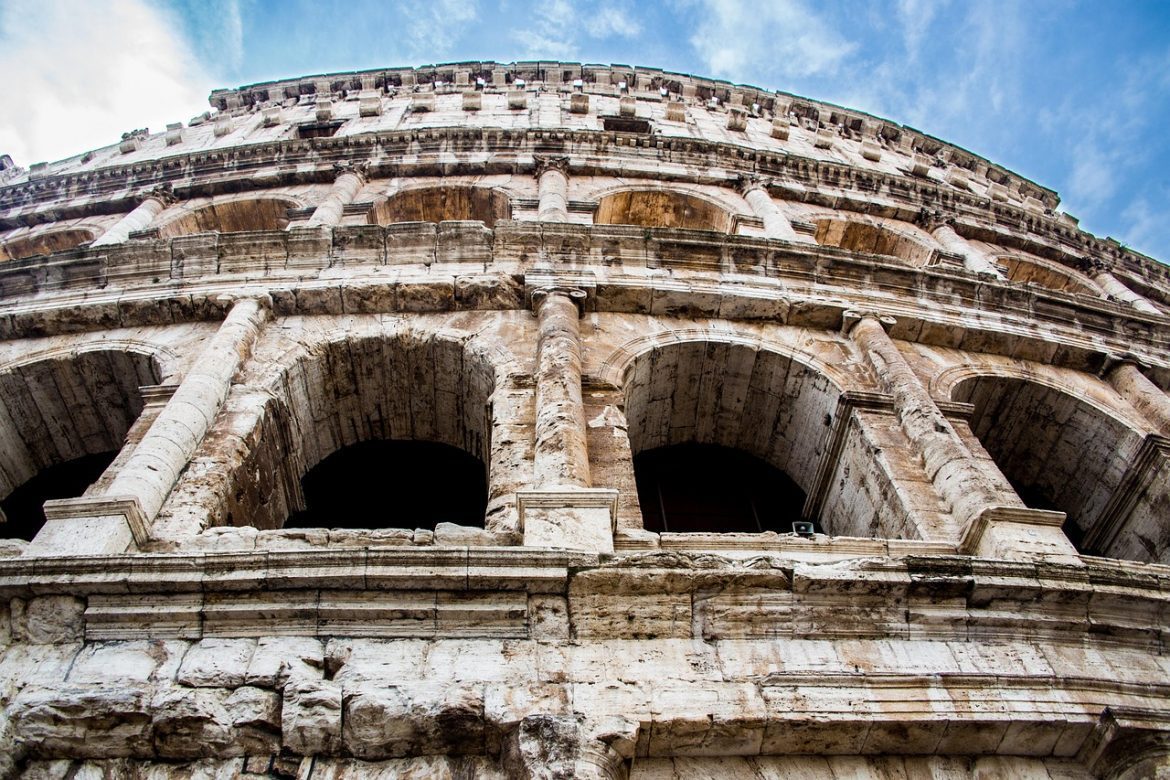
For travellers collecting truly memorable things to do in Rome, the Colosseum, Roman Forum, Palatine Hill, and private tour experiences, the evening changes everything. A tour of the Colosseum after-hours—when the day crowds thin and the arches glow—can feel like stepping into a private theatre of history. It’s one of the best ways to connect with the city’s scale without the noise, and it invites you to imagine the arena as more than a photograph.
Colosseum after-hours and why the light matters
In exclusive evening light, the Colosseum becomes calmer and more dimensional: the stone warms, shadows deepen, and the structure’s engineering reads clearly. An expert guide can help you see ancient detail—how the seating tiers worked, where the spectacle unfolded, and why the building still shapes modern stadium design. It’s also simply easier to take it in when you’re not being swept along.
When you take a tour like this, you’re buying time and focus. You can pause on the arena levels, listen to a story without distraction, and feel the emotional weight of a place built for theatre, politics, and power.
Roman Forum and Palatine Hill for millennia of history of millennia
Pair the Colosseum with a tour of the Roman Forum and Palatine Hill to understand Rome’s ancient ruins as a living map. The Forum is where layers collide—temples, basilica foundations, triumphal arches—so pacing matters. A local guide will choose viewpoints that clarify what you’re seeing, and they’ll find shade when the stones radiate heat.
For a refined pause, include Capitoline Hill—one of the seven hills—where the city’s political story comes into focus from above. It’s a quieter, elevated moment that helps you connect the Forum’s fragments to the Rome you’re walking in today.
Practical notes: aim for early morning or late afternoon if after-hours isn’t available; expect airport-style security lines; wear sturdy footwear for cobblestones; and keep a light layer for evenings when the temperature drops.
Vatican City early access to Vatican Museum and Sistine Chapel guided tour in Rome.
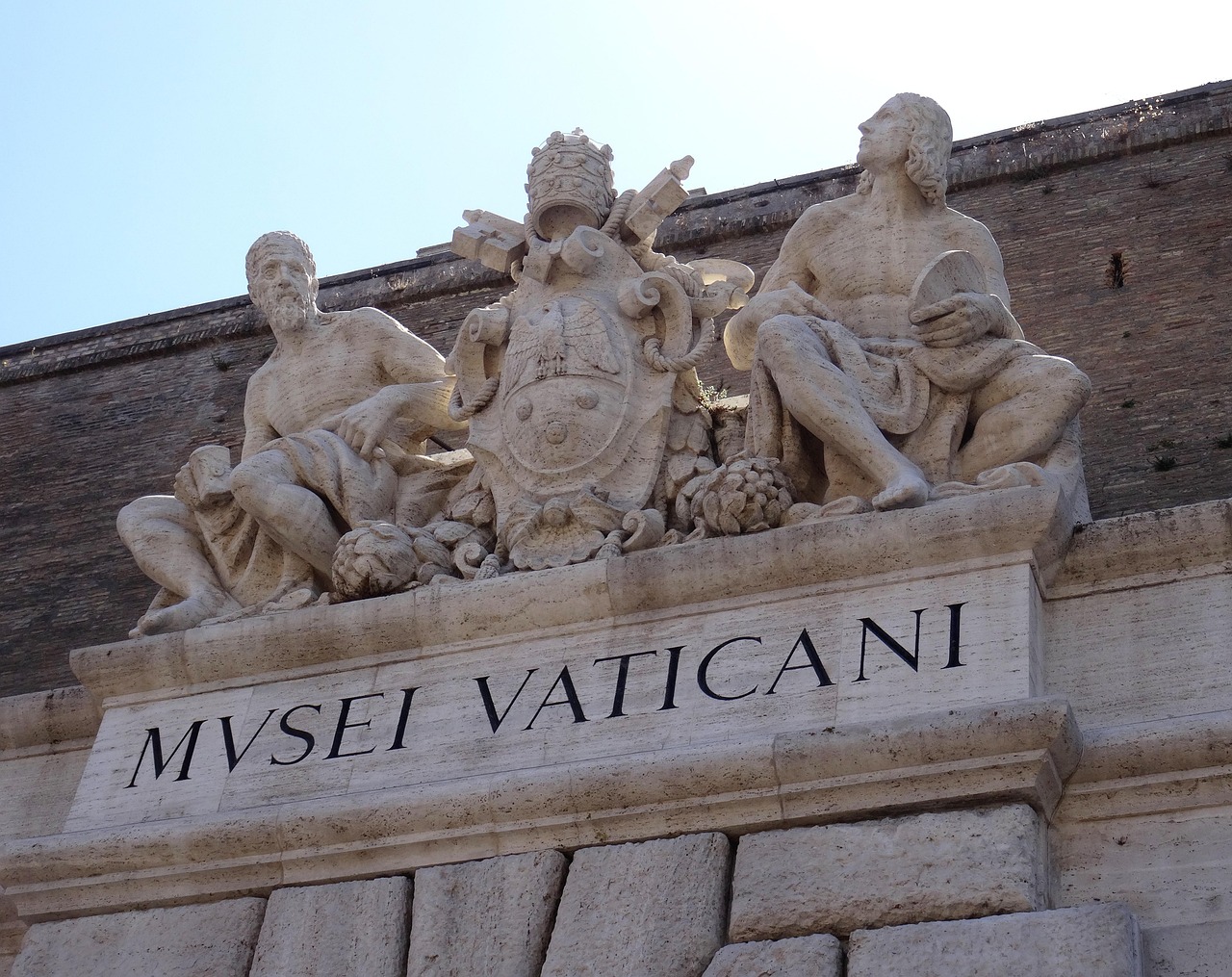
Vatican City: Before the Crowds, Vatican Museum and Sistine Chapel
If you’re considering a Vatican City early-access Vatican Museum and Sistine Chapel guided tour, Rome experience, choose the calmest hour you can. Early entry and skip-the-line arrangements are often the difference between moving thoughtfully and being pulled through busy corridors. For art lovers, this is one of the best things to do in Rome because it restores intimacy—space to look, to breathe, and to feel.
Vatican Museums to Sistine Chapel in a quiet, crafted sequence
The Vatican Museums are vast, and that’s where an expert hand becomes support rather than structure. A skilled guide will design a route that matches your interests—classical sculpture, tapestries, or the Raphael Rooms—while keeping the pace gentle and seamless. You’ll still have space for personal pauses, just without the uncertainty of navigation.
The crescendo is the Sistine Chapel, and a private early-access viewing can be profoundly moving. An art enthusiast once described standing beneath Michelangelo’s ceiling as a spiritual, once-in-a-lifetime experience—the kind of silence that makes you feel held by something larger than travel. In that moment, you’re not collecting a sight; you’re meeting it.
- Comfort: bring water, wear breathable layers, and plan a short break mid-route.
- Photography: expectations vary; listen closely to staff guidance, especially in the Sistine Chapel.
- Timing: early tours help you transition back into Rome before the streets swell.
St Peter’s and basilica etiquette with confidence
After the museum, St Peter’s Basilica offers a sacred counterpoint—volume, light, and reverence. Dress codes matter: shoulders and knees covered, with respectful behaviour inside. If you can, aim for quieter light earlier in the day, when the marble feels cooler, and the atmosphere is more contemplative.
Leaving Vatican City, a taxi or chauffeur is often the smoothest way to reset—especially if you’re heading to lunch in the Centro Storico. The goal is to protect the feeling you’ve just experienced, not to rush it away.
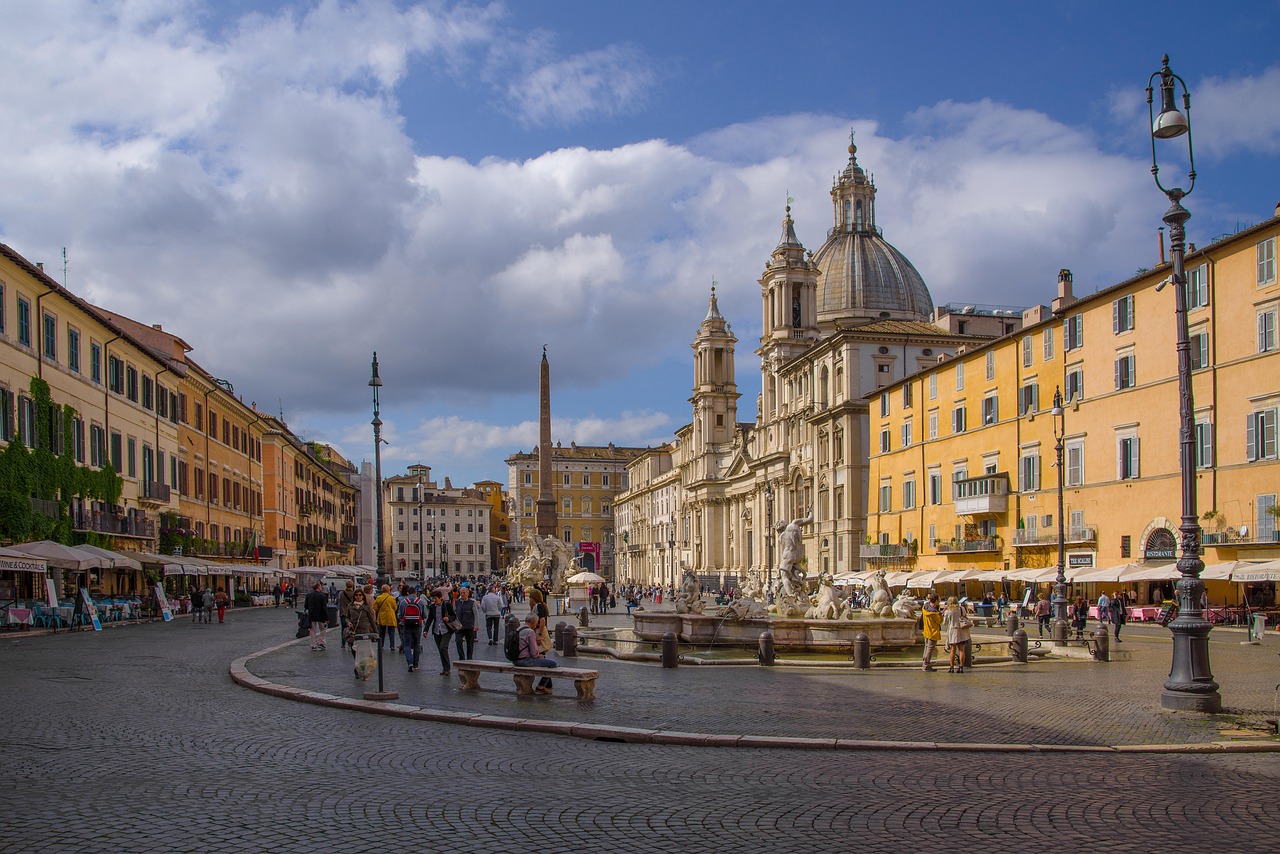
See in Rome the Icons of the Historic Centre, Pantheon, Piazza and Fountains
To see in Rome, the Pantheon, Trevi Fountain, Spanish Steps, and Piazza Navona at a high-end pace, build a walkable circuit through the Centro Storico and treat it as Rome’s living theatre. You’re not trying to conquer distance; you’re uncovering scenes—street musicians, glints of baroque stone, the hush of side lanes that suddenly open into a piazza. This is where the city feels personal, and where confidence comes from knowing you can simply wander.
The Pantheon is at its most enchanting when the day cools and the crowds thin. A luxury traveller once recounted an evening dining atop a rooftop terrace overlooking the Pantheon—historic ambience below, world-class cuisine above, and a sense of quiet joy that made the city feel intimate. It’s a reminder that Rome isn’t only monuments; it’s its atmosphere, designed by time.
From there, drift to Piazza Navona for baroque drama and people-watching. If you’re travelling with a local guide, you’ll often slip into side streets that feel far from the crowds, even when you’re minutes from the centre.
Trevi Fountain, Spanish Steps, and gentle timing
The Trevi Fountain is often called the most famous fountain in the world, and it can feel intense at peak hours. Arrive early for breathing room, keep photographs considerate, and let the moment be brief if it needs to be—your relationship with the city deepens when you don’t force it.
Continue to Piazza di Spagna for the Spanish Steps, especially at golden hour. Window-shopping here is part of the ritual, and the best views come when you slow down rather than push forward. If you want a simple phrase to hold the route together, think of it as “the fountain and the Spanish Steps” linked by elegant streets and small pauses.
For an extra sense of scale, add Piazza del Popolo—symmetry, space, and a clean breath of air before you return to tighter lanes.
Trastevere by Night Trastevere food tour Rome food wine tasting high end
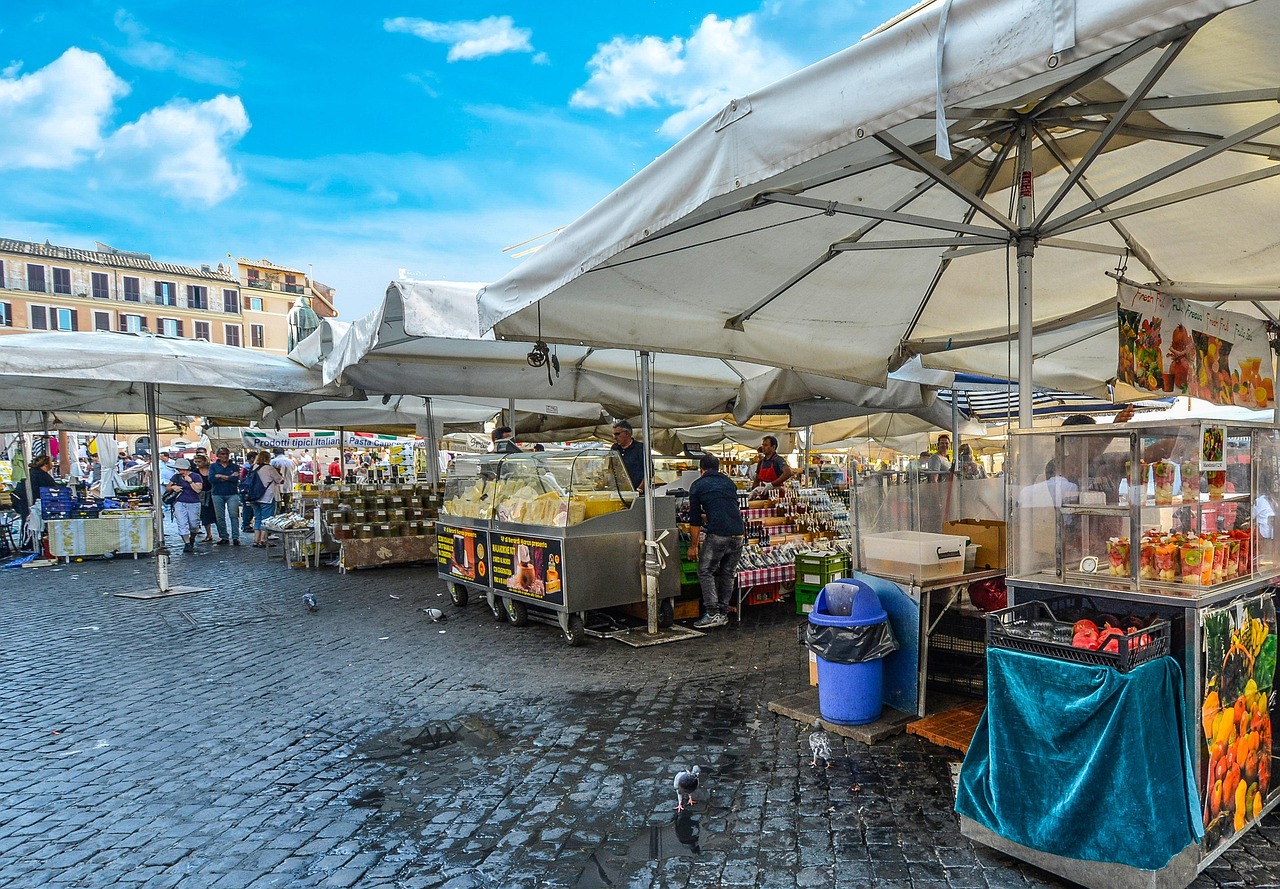
Trastevere by Night Crafted Food Tour and Rome Food Rituals
For a Trastevere food tour, a Rome food wine tasting high-end experience, think less about “more stops” and more about a crafted evening. The best food tour here feels like being welcomed: relaxed conversation, a confident pace, and just enough structure to uncover places you wouldn’t find alone. Trastevere after dark is warm, a little theatrical, and deeply local.
A gourmet food and wine tasting, designed for pleasure
Start with a gourmet tasting that pairs classic Roman dishes with premium regional wines. With the right host, you’ll explore flavours without being rushed—perhaps artichokes in season, a perfect bite of pasta, a sip that changes how you understand the region. This is Rome food at its most human: shared plates, shared stories, and trust in the table.
Wander through small piazza corners, past candlelit trattorie and the softly lit façade of Santa Maria in Trastevere. Choosing quality matters: look for small group sizes, clear inclusions, and guides who prioritise comfort over performance.
Campo, Testaccio, and dining etiquette with ease
For daytime energy, Campo de’ Fiori brings market colour and a natural lead to an aperitivo nearby. If your appetite for insight goes deeper, add Testaccio—less polished, more revealing, a place that shows how Roman food culture continues beyond the centre. Even a short visit to Testaccio can change your sense of the city.
- Tipping: around 10% is typical unless a service charge is included.
- Reading the bill: look for “servizio” or “coperto” so you can tip with confidence.
- Pacing: share dishes, sip slowly, and keep the evening light.
End simply: gelato as a nightly ritual, enjoyed while the streets cool. It’s a small joy that often becomes one of travellers’ favourite places in Rome, precisely because it’s unplanned.
Museums and Vistas Borghese Gallery Villa Borghese Castel Sant’Angelo Victor Emmanuel II Rome
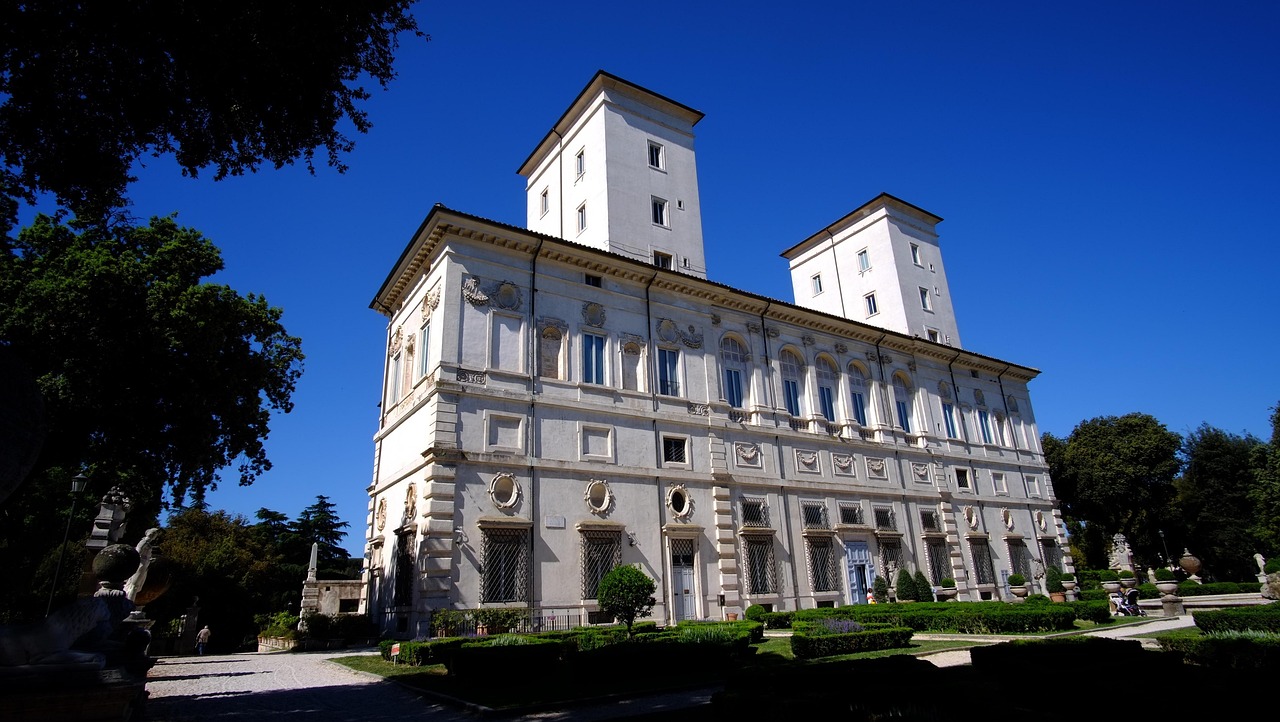
Museums and Vistas Borghese Gallery, Castel Sant’Angelo, and Victor Emmanuel II
Planning Borghese Gallery, Villa Borghese, Castel Sant’Angelo, Victor Emmanuel II, Rome in one elegant arc is a wonderful way to balance intensity with ease. These experiences reward booking discipline and gentle pacing—timed entries, calm transitions, and a little shade built in. When you do it well, museums feel intimate rather than overwhelming.
Galleria Borghese and Bernini as living drama
To visit the Borghese Gallery, you must commit to a timed entry—slots are strict, so arrive a touch early and keep the rest of your morning flexible. Inside the Galleria Borghese, Bernini’s sculpture feels startlingly alive: skin turning to bark, a twist of movement caught in marble, emotion sharpened into form. A little guidance helps—notice the hands, fabric edges, and how light shapes the narrative.
If you’re travelling with an expert, the commentary should feel like insight, not a lecture—supporting your own response to the art. For many, this becomes one of my favourite places because it’s powerful without being enormous.
Villa Borghese, Castel Sant’Angelo, and the best views
Step into Villa Borghese for a breath of green between major sites. It’s the kind of slow morning that restores you: a shaded bench, a quiet path, and the permission to simply be in Rome without performing it.
Later, pair the Tiber River with Castel Sant’Angelo for softer crowds and skyline light. Castel Sant’Angelo at late afternoon offers a sense of theatre without the pressure—stone, river, and a view that opens the city out.
Finish with a panoramic interlude at the Victor Emmanuel II monument, built to honour the first king of unified Italy. The view ties Rome’s layers together—domes, ruins, and avenues—then, nearby, Piazza del Campidoglio (designed by Michelangelo) adds a refined architectural detour that feels quietly perfect.
Rome Itinerary Design for High End Travellers Rome itinerary luxury Rome in a day days in Rome private chauffeur
Rome Itinerary Design for High-End Travellers: Rome in a Day or a Week
If you’re looking for a luxury Rome itinerary in a day, or a private chauffeur approach in Rome, start with how you want to feel. Time in Rome can be short and still profound, or expansive and deliciously slow—either way, thoughtful design protects your energy. This is where planning becomes care: you’re not scheduling, you’re creating flow.
Frameworks for a short time in Rome or a longer stay
1–2 days is enough time in Rome, focused on two big anchors each day and a slow evening. 3–4 days lets you mix top sites with museum time and neighbourhood rituals. With 5+ days in Rome, you can add space for markets, cafés, and small churches that make you feel like you belong.
- Rome in a day: choose the Colosseum area or the Vatican area, then a Centro Storico walk at dusk.
- Three days: add Trastevere and a museum morning (Borghese is ideal with a slot).
- A week: build in Villa Borghese pauses, a food-focused day, and time around Rome for day trips.
Dawn Vespa’s magic, logistics, and confidence
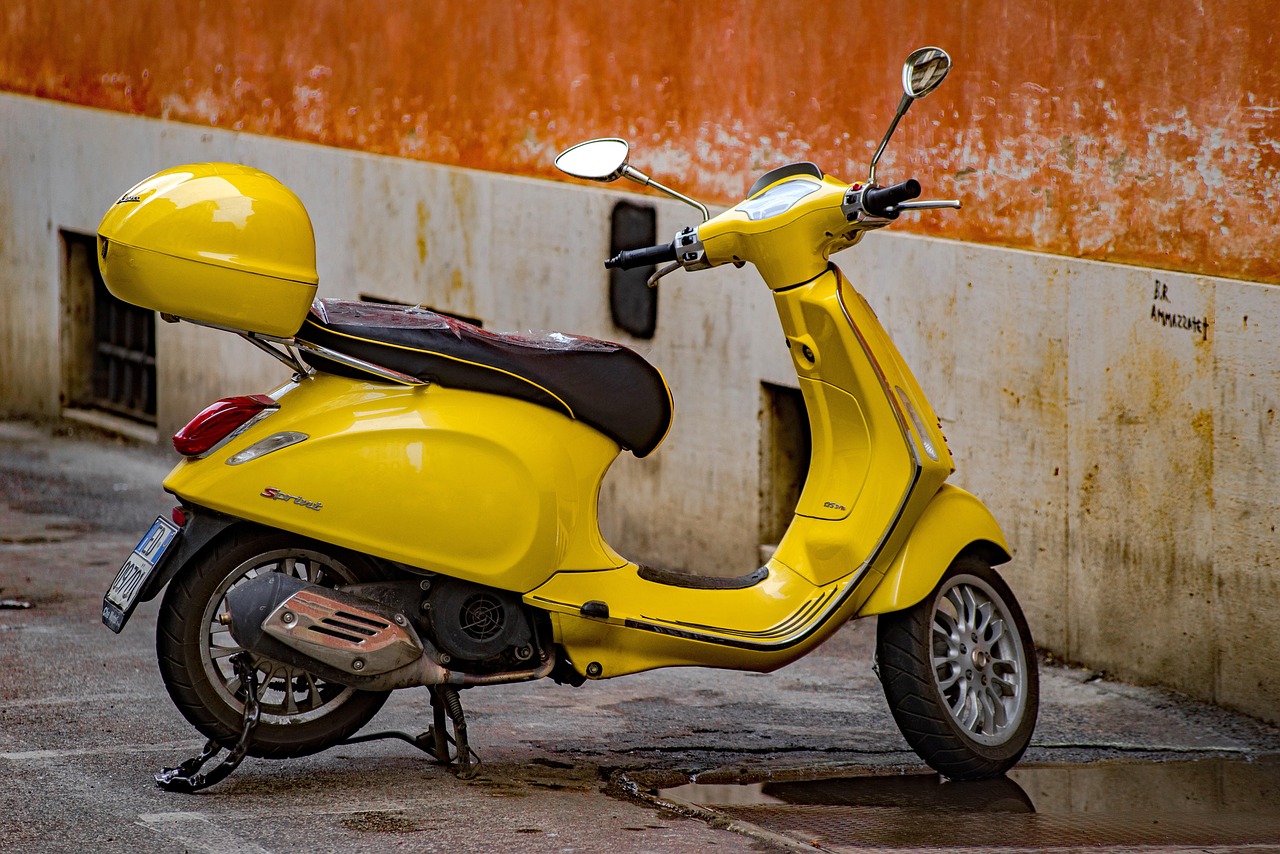
A couple once recalled an intimate Vespa ride at dawn, gliding through cobblestone streets to hidden piazzas and quiet fountains before the city awoke. It’s a beautiful way to uncover Rome’s timeless charm beyond typical tourist paths—especially if you arrange it with a trusted driver or guide and keep safety at the centre. You can recreate the feeling without risk by choosing quiet routes and avoiding rush-hour traffic.
To protect your time, book all major attraction tickets online in advance, and take a tour when it meaningfully adds context. Choose early morning or late afternoon tours to avoid heat and crowds, and add buffer time for coffee stops and unplanned discoveries. For comfort, taxis work well; a private chauffeur adds a more seamless rhythm, especially between distant sites.
Common pitfalls are easy to avoid with gentle structure: keep valuables secure, don’t over-pack the day, and lean on a tour with a guide when you want deeper context without losing spontaneity. For curated inspiration, you can explore our Trip gallery and imagine how your own journey could be designed together.
If you have extra hours, consider San Giovanni in Laterano for a quieter basilica experience—often overlooked, and all the more affecting for it.
F.A.Qs: Best things to do in Rome, Italy
What can you not miss in Rome?
Don’t miss the Colosseum and the Roman Forum for context, the Vatican Museums and Sistine Chapel for art, and a slow walk through the Centro Storico to the Pantheon, Trevi Fountain, and Spanish Steps. For a more personal Rome, add an evening in Trastevere and a quiet viewpoint such as Capitoline Hill. Booking timed tickets in advance keeps the experience calm and seamless.
Is $10,000 enough for a trip to Italy?
Yes, $10,000 can be enough for a trip to Italy, depending on season, length, and your standards for hotels, dining, and private guides. In Rome, costs rise quickly with five-star stays, early-access tours, and chauffeurs, but you can design a high-end experience by prioritising a few standout private moments and balancing them with beautiful, simpler rituals like neighbourhood walks and gelato.
What are the dos and don’ts in Rome?
Book major tickets online, aim for early or late touring hours, and dress respectfully for religious sites, with shoulders and knees covered. Do use taxis or a private chauffeur for comfort when it’s hot or you’re crossing the city. Don’t underestimate cobblestones—wear supportive shoes—and don’t overfill your days. In restaurants, tip around 10% unless service is already included, and keep valuables secure in crowds.
What are the top three attractions in Rome?
For most travellers, the top three attractions in Rome are the Colosseum, the Vatican Museums (including the Sistine Chapel), and the Pantheon in the historic centre. These deliver the city’s signature layers—ancient engineering, sacred art, and architectural mastery—especially when experienced with timed entry or a knowledgeable guide to keep the pace comfortable and the story clear.
After Rome, What Stayed With You: Reflections on a Luxury Trip to Italy
If you ever find yourself thinking about returning to Rome reflections on a luxury trip to Italy, it’s rarely the grand moments that come first. It’s the softer details: footsteps on stone, the sudden hush inside a basilica, the way a piazza changes colour at dusk. Rome is home to these small, steady impressions, long after your suitcase is unpacked.
What lingers is often what you uncovered when you allowed the pace to soften—a favourite corner that became familiar, a café where the espresso arrived without fuss, the light moving across ancient walls as if time had its own breath. In those moments, you’re not trying to “do” Rome; you’re letting it meet you, quietly, on its own terms.
There’s also a human layer that stays with you: shared glances over Italian food, the warmth of a local welcome, the calm confidence that comes from being thoughtfully looked after. When you feel supported, curiosity opens; you notice details you’d otherwise miss, and you carry that gentleness into the rest of your life.
And perhaps that’s the true gift of a well-crafted trip to Italy—Rome is never finished, only rediscovered, waiting in the background like a familiar melody you’ll understand differently next time.