Post Contents
- Rome Must-See Tourist Attractions and Top 10 Things to Do in Rome
- The Colosseum: Rome Attraction and Ancient Stories
- Roman Forum and Palatine Hill Forum and Palatine Hill Rome Sights
- Vatican City Vatican Museum Museum Sistine Chapel Rome Must-See Sights
- Pantheon, Trevi Fountain, Piazza Navona, Rome, and Baroque streets’ attractions.
- F.A.Qs: Top 10 Rome, Italy Attractions and Planning
- What Stayed With You After Rome Travel Reflection in the Eternal City
Rome Must-See Tourist Attractions and Top 10 Things to Do in Rome
Rome Must-See Tourist Attractions in One Elegant Plan
If you’re looking for Rome’s must-see tourist attractions and places, the secret isn’t doing more—it’s choosing better. This is the 10 best things framework we use to support a trip that feels polished: late starts, one headline visit, then time to wander, pause, and let the city meet you halfway. Rome is home to layers of beauty that reveal themselves when you allow space for them.
Start by mapping the centre of Rome into a walkable corridor, with the best places close together. Think of a gentle loop between ancient stones, baroque streets, and café-lined squares, so you can explore without constantly checking maps. For inspiration beyond this guide, you can browse our Trip gallery and imagine what a fully crafted itinerary could feel like with private transfers and trusted guides.
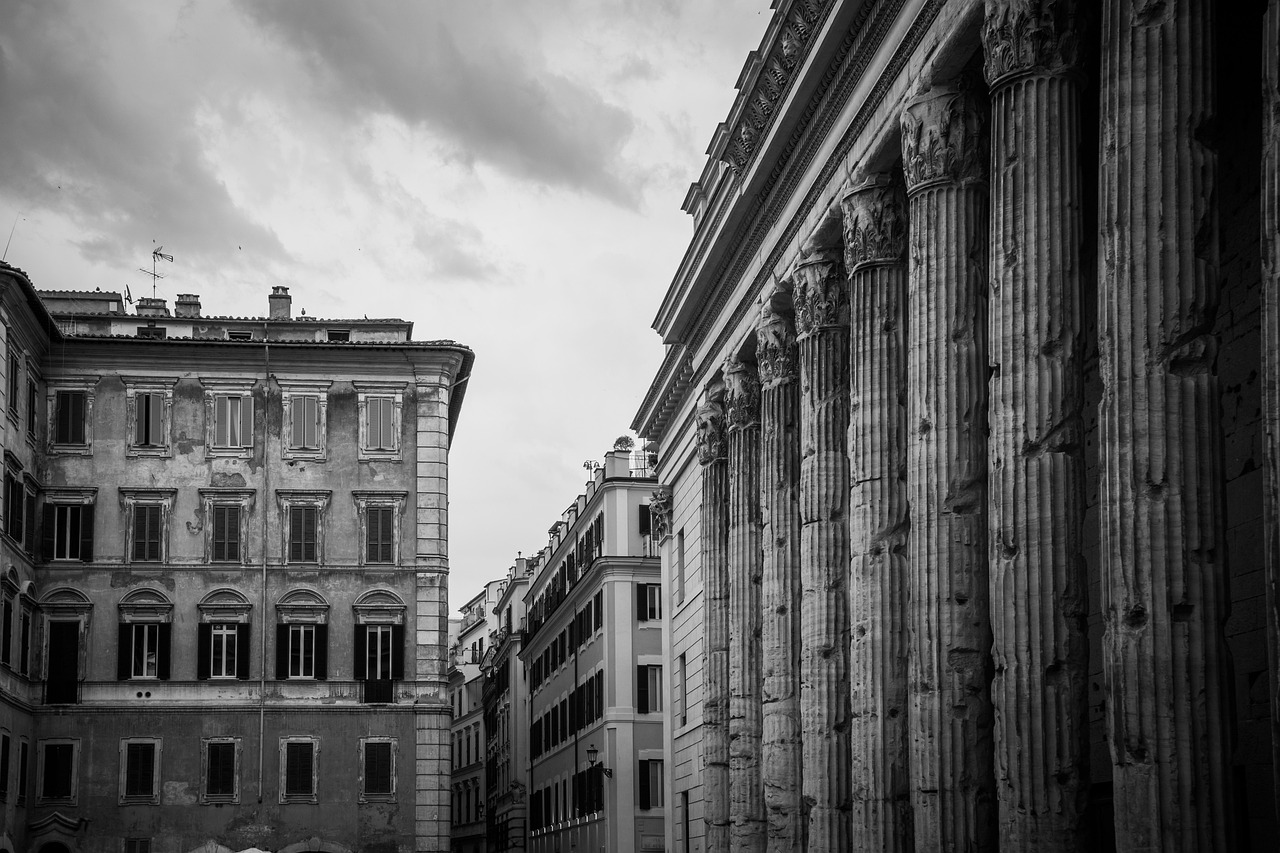
A walking corridor in the centre of Rome for seamless places to visit in Rome
To keep Rome feeling seamless rather than like a checklist, group your attractions by neighbourhood and mood. The centre of Rome corridor most travellers love runs from the Colosseum through the Roman Forum area, then eases into the Pantheon and on to piazzas and each fountain moment. Another gentle route crosses the Tiber for Trastevere, best enjoyed with a slow dinner rather than a rushed afternoon.
High-end comfort often comes down to small choices: choosing a hotel in the centre of Rome to reduce transfers, planning one elegant taxi ride during peak heat, and knowing where you can sit down in the shade with sparkling water. If you’re weighing places to stay, prioritise calm, soundproofed rooms and concierge access to timed tickets—Rome rewards the traveller who protects their energy.
Visit one principle for busy days and the top things to see in Rome
“Must see” is personal: an art lover may place the Vatican Museum and a quiet museum hour above everything; a foodie may build their day around Trastevere; a family may choose the Spanish Steps for music and space; a honeymooner may chase a breathtaking view of Rome at dawn. Use a simple principle we trust: visit one big site in depth, then balance it with a piazza stroll or a fountain pause. That approach covers the top attractions in Rome, leaving you with a lighter heart and better memories.
- For art lovers: one museum in the morning, then a slow walk to the Pantheon and a sunset aperitivo.
- For couples: one archaeological site, then a long lunch and an evening view from a terrace.
- For families: one-time entry, then gelato, street performers, and space to roam.
- For food-led travellers: one headline sight, then a market neighbourhood and a chef-led dinner.
When you move through Rome like this, the city becomes less of a race and more of a conversation—warm, local, and quietly extraordinary.




The Colosseum: Rome Attraction and Ancient Stories
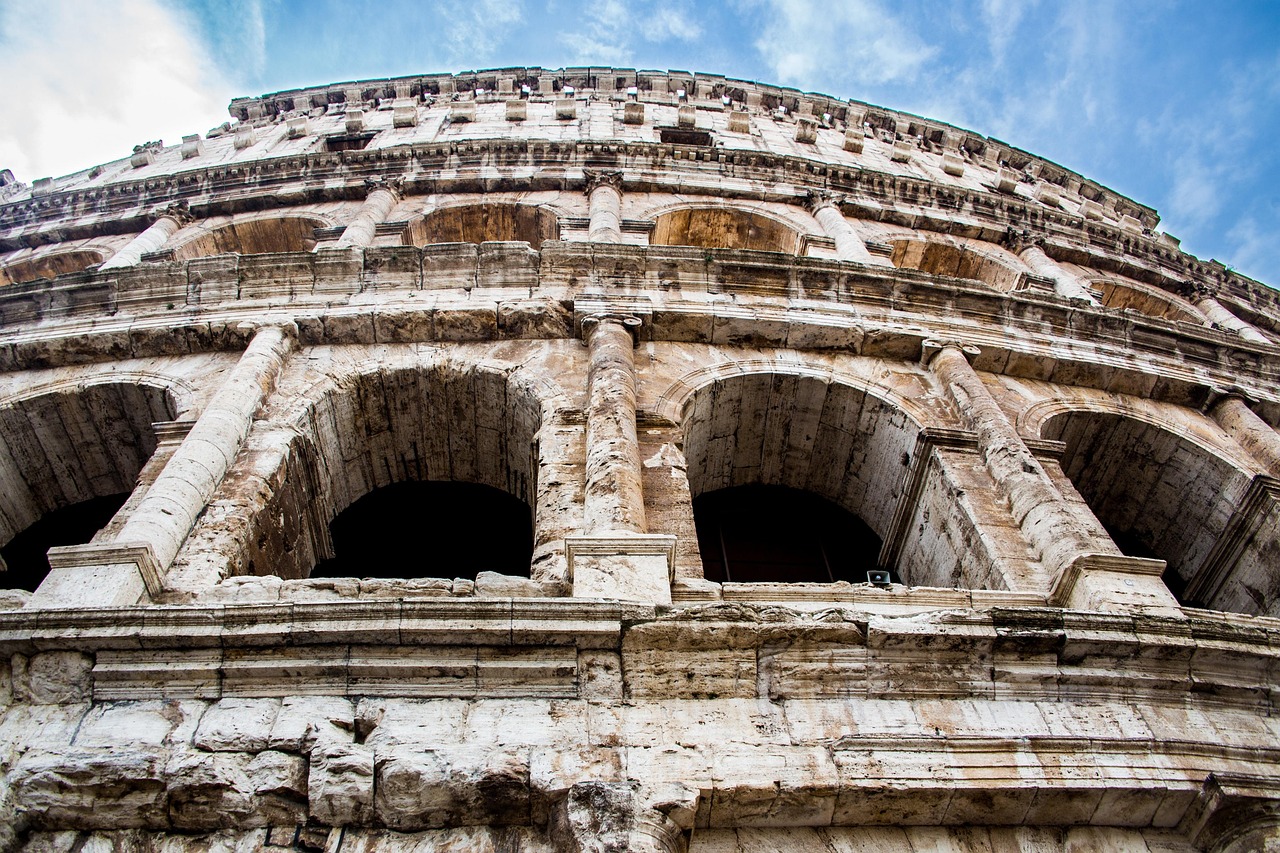
The Colosseum and the Story of Ancient Rome in warm evening light
For many travellers, the Colosseum in Rome, a sightseeing attraction in ancient Rome, is the moment the imagination clicks into focus. The Colosseum is a symbol of Rome, not because it’s the biggest ruin, but because it holds so many stories in one silhouette. Arrive with a little context, and you’ll notice how the architecture was designed to move people—crowds then, crowds now—yet you can still experience it with calm.
To see the Colosseum without stress, plan a timed entry and arrive early enough for a quick coffee nearby. Stand on the outer curve and look for the contrasting textures: intact arches beside exposed inner walls, where centuries have left their signature. Inside, pause where the arena opens wide—the scale feels theatrical, and that’s the point.
Visit the Colosseum with confidence and the best perspective
When you visit the colosseum, aim for a guided experience that helps you read what you’re seeing: the seating tiers, the entrances, the engineering choices that kept spectators flowing. For photographs, the most flattering angle is often from slightly above—if your ticket includes access higher up, that view from the top gives the amphitheatre a graceful symmetry. If not, step back to the surrounding viewpoints and let the Colosseum sit within the city rather than filling the frame.
One couple once shared a story we still think about: an anniversary candlelit dinner overlooking the Colosseum. It wasn’t showy—just intimate. Their table was set slightly away from the crowd, and as dusk softened the stone, they realised luxury in Rome can be quiet: a perfect glass of wine, a warm breeze, and history humming in the background.
Tickets, after-hours access, and pairing with nearby ruins
Choose timed entry when available, and consider a private or after-hours tour when available; it’s one of the top attraction experiences because it protects your time and trust. With fewer people, the Colosseum corridors feel more reflective, and your guide can uncover details you’d otherwise miss.
Pair the Colosseum intelligently so the narrative of ancient Rome feels continuous. A gentle sequence is: Colosseum first, then a short walk towards the Roman Forum edge for context, then a restorative pause—perhaps a shaded terrace—before continuing. If you’re building a day in Rome around this area, keep the afternoon lighter and let your evening be about atmosphere rather than more milestones.
Roman Forum and Palatine Hill Forum and Palatine Hill Rome Sights
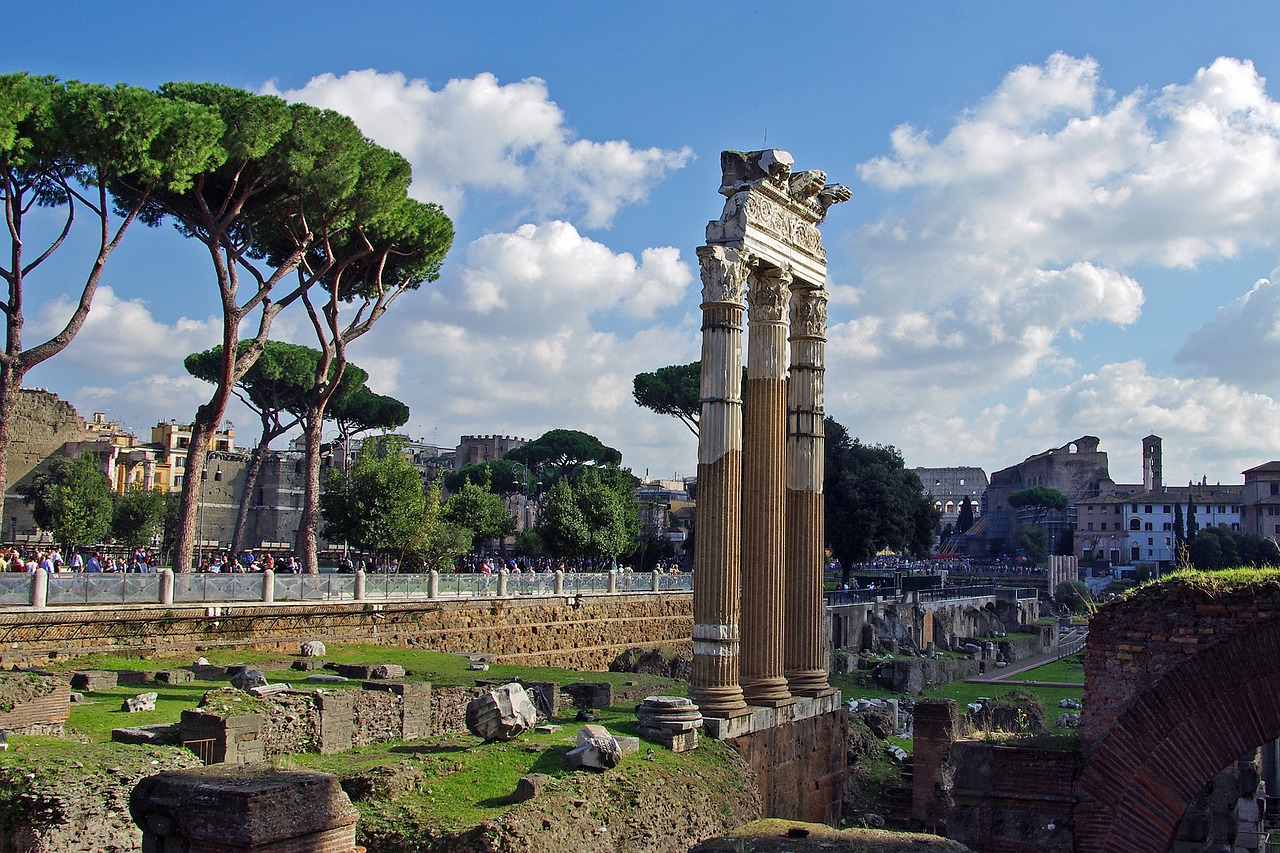
Roman Forum and Palatine Hill: The Heart of an Empire among timeless ruins
The Roman Forum and Palatine Hill, Rome sights, reward you when you slow down and learn to “read” the stones. The Roman Forum was the heart of public life—politics, processions, and power—and it still shapes how the city of Rome understands itself. Seen with an expert lens, each column and pathway stops being “just a ruin” and becomes a clue.
Think of this as one connected archaeological site rather than separate stops. Enter with water, sun protection, and a plan for breaks; the terrain is uneven, and the light can be intense. If you’ve already done the Colosseum, keep expectations gentle—this is less about spectacle and more about insight.
Forum and Palatine Hill routes, pacing, and care
The routes through the forum and Palatine Hill can include steep sections, particularly up towards Palatine Hill viewpoints. Take it in stages: pause in the shade, sit where you can, and let the site settle into you. If travelling in warmer months, choose morning hours and book a guide who can support a comfortable pace.
- Quick sweep: allow 60–90 minutes for highlights and a few photographs.
- Crafted deep-dive: allow 2–3 hours with a guide who brings the layers to life.
- Comfort note: wear proper footwear—stones can be slick and uneven after rain.
If you want a single phrase to hold onto, it’s this: everything here was built on top of what came before. That layering is the story—time, ambition, memory, and the way a city chooses what to preserve.
An architect’s lens on ruin, power, and what we see today
Architecturally, the Forum is a lesson in adaptation: materials reused, streets re-routed, monuments reinterpreted. A thoughtful guide will point out how a single ruin can contain multiple eras—older foundations supporting later arches—, so you’re never looking at one moment in time. When people speak of the Roman Empire, it’s easy to imagine certainty; here, you feel the fragility too.
Plan your time to see the Forum based on your curiosity rather than obligation. If you’re tired, it’s better to do less and remember more. And if you want the fullest narrative, schedule your visit to the forum and palatine as your one deep site for the day, then let the evening be soft and restorative.
Vatican City Vatican Museum Museum Sistine Chapel Rome Must-See Sights
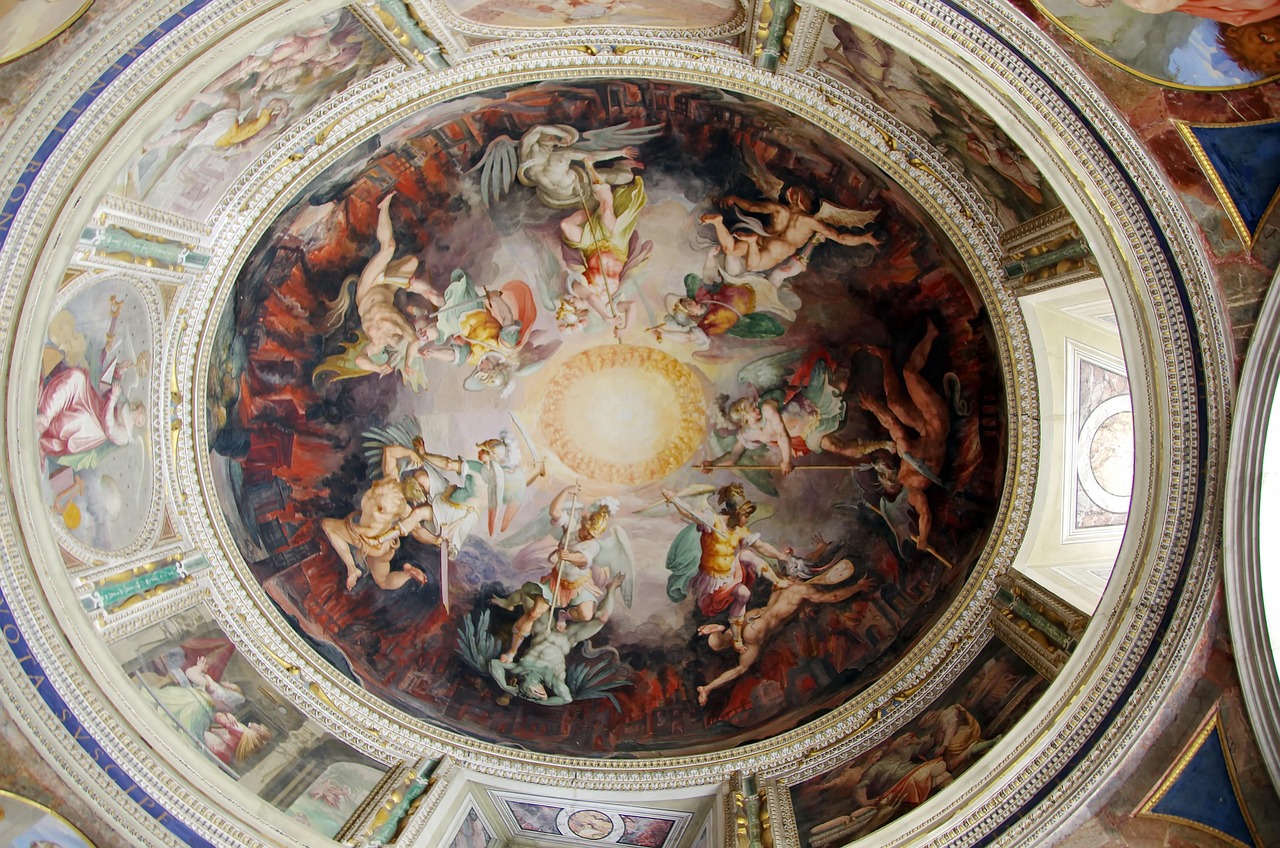
Vatican City Masterpieces at the Vatican Museums and Sistine Chapel
Vatican City, Vatican Museum, Sistine Chapel, Rome, can feel like stepping into a condensed history of genius—magnificent, vast, and slightly overwhelming if you arrive without a plan. The Vatican Museum is not a single building but a world of galleries, and the best way to explore is to set priorities in advance. This is one place where high-end travel planning genuinely improves the experience: it reduces decision fatigue and keeps the day elegant.
Start early if possible, and consider a guide who can shape the story rather than simply point out names. Move with intention through key rooms, then allow yourself pauses where the art meets you. A museum visit here isn’t about “completing” it—it’s about presence.
Sistine Chapel and Michelangelo moments that feel personal
The Sistine Chapel often surprises travellers with its emotional gravity. A solo traveller once told us she sat quietly at the back, letting the noise fade, and felt unexpectedly moved, less by the crowd than by the sense of human ambition across the centuries. Another art lover described standing under Michelangelo’s Last Judgment and feeling the weight of creativity—how one person’s vision can still change your breathing.
Give yourself permission to look slowly. You don’t need to memorise every detail; you only need to notice what stays with you.
St Peter’s Basilica etiquette, artistry, and after-hours calm
After the museum, many travellers continue to st peter’s Basilica, where scale and craftsmanship feel almost unreal. Dress codes matter—cover shoulders and knees—and keep your tone respectful; the basilica is both a living place of worship and a masterpiece. Even if you’re not religious, the artistry and light can feel quietly spiritual. (You may also hear it referred to as Peter’s Basilica in conversation.)
If you can, book an after-hours experience for the Vatican; it’s crafted access that supports comfort and trust. In the softened evening atmosphere, the galleries feel less like a corridor of crowds and more like a private conversation with Italy’s artistic inheritance.
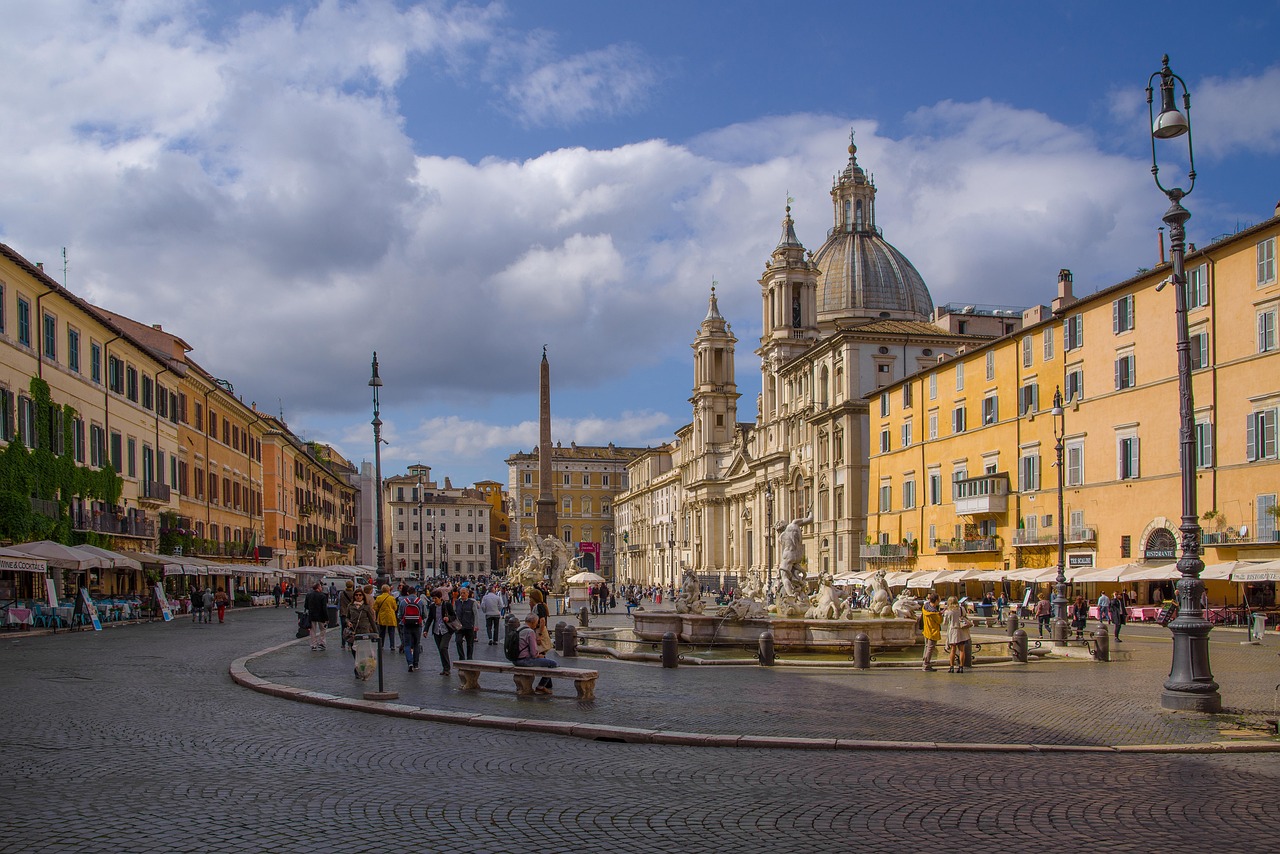
Pantheon Piazzas and the City’s Most Famous Fountain Moments
If your ideal afternoon is a walk where beauty keeps appearing around corners, then Pantheon, Trevi Fountain, Piazza Navona, and Rome’s other sights are your perfect sequence. The Pantheon is a marvel that feels alive: step inside and look up, and the dome seems to hover—impossibly balanced, serenely complete. An architect enthusiast once described being awestruck by the Pantheon’s dome, not just for its size, but for how light makes the interior feel like a living instrument.
From here, Rome becomes a theatre of streets and squares, where each turn offers another detail: carved stone, warm shutters, the sound of coffee cups. This is where you let the city lead, and you follow with confidence.
Piazza Navona is one of the great squares in Rome, and Piazza Navona is one you feel as much as you see: the elongated shape, the café terraces, the subtle grandeur. At its centre, the fountain of the four rivers anchors the scene—one of Rome’s most expressive fountain compositions, often linked to Bernini and baroque drama. If you love design, stand back and notice how the space holds movement: performers, locals, and travellers all sharing the same stage.
This is also a gentle place to slow down. Order an espresso, watch the light shift, and let the day become less about ticking off sights and more about texture.
Trevi Fountain and the built in a day myth-buster
The Trevi Fountain is one of the most famous, and it earns its reputation—but timing is everything. Go early or late, and you’ll find more breathing room for photographs and a softer mood for this famous fountain in the world. Be mindful with your camera; the most elegant images often come from stepping aside and letting others enjoy the fountain too.
A quiet truth we share with clients: Rome isn’t built in a day, and neither is the best day in a city like this. If you’re trying to fit everything into a single rush, you’ll miss what makes Rome feel generous. Choose a slower rhythm, and the Pantheon, Trevi Fountain, and Piazza Navona will feel connected—like chapters of the same story.
On your way, you may pass the Spanish Steps at Piazza di Spagna, rising towards the trinità dei Monti church (often called the Trinità dei Monti church by locals). This area has long linked Spain to the holy see in both diplomacy and culture, and today it’s perfect for people-watching before slipping into nearby boutiques.
F.A.Qs: Top 10 Rome, Italy Attractions and Planning
What are the top five attractions in Rome?
Most travellers place the Colosseum, the Vatican Museums, the Sistine Chapel, St Peter’s Basilica, and the Pantheon in their top five. For a smoother, more luxurious experience, book timed entry, go early, and balance one major site with a slower piazza or fountain stroll so the day stays elegant rather than exhausting.
What should you not miss in Rome?
You shouldn’t miss one deep experience that matches your style: an expert-led Colosseum visit, a crafted Vatican Museum route, or a quiet Pantheon moment. Add one evening ritual—Trevi Fountain late, a golden-hour walk, or dinner in Trastevere—to create memories that feel personal, not rushed.
Is there a 7th wonder in Rome?
There isn’t an official “Seven Wonders” site universally assigned to Rome alone, but many people consider the Colosseum one of the New7Wonders of the World. Whether or not you follow lists, the most meaningful approach is to experience it with context—ideally with a guide—so the history and architecture truly land.
What to do in Rome in 3 days?
Design three days around one headline focus per day: Ancient Rome (Colosseum plus Forum), Vatican City (Vatican Museums, Sistine Chapel, and the Basilica), and a walking day for the Pantheon, Piazza Navona, and Trevi Fountain. Built in long lunches and early evenings, so you enjoy Rome with energy and ease.
What Stayed With You After Rome Travel Reflection in the Eternal City
If you let it, the eternal city stays with you in quiet, unplanned ways. There’s the moment at dawn when the air feels newly washed, and the city holds its breath before the first shutters open. There’s the gentle pause at dusk, when stone warms to honey and time feels less like a line and more like a circle.
A honeymooner once spoke about Gianicolo Hill in golden light—their peaceful morning, a stunning view over Rome’s panorama, and a feeling of gratitude that didn’t need words. Friends laughing through back streets on a Vespa felt alive, threaded into the city’s rhythm, as if Rome had briefly adopted them. And a family remembered street musicians near the Spanish Steps, the sound echoing between steps and sky, turning an ordinary pause into something almost cinematic.
What lingers, too, are the textures: crossing across the Tiber River into Trastevere, where lantern-lit lanes invite you to wander without a plan. A foodie couple still talks about truffle pasta in Trastevere, paired with local wine and a table that seemed to glow with neighbourhood warmth. Elsewhere, a group of close friends created a bespoke wine tasting evening near Campo de’ Fiori—history meeting modern flavour, luxury meeting laughter—proof that the best moments are often the ones you create together.
Rome, since the unification of Italy, has evolved in ways you can feel in its streets, yet it remains timeless where it counts: in its light, its craft, and its willingness to meet you at your pace. When you think of places to visit, you may realise Rome wasn’t only a destination—it was a mirror, showing you what you value when you finally slow down. And perhaps that’s why, long after you’ve left, you find yourself quietly planning to return to Rome—not urgently, just curiously, as if the city is still there in the background, waiting to be discovered again.